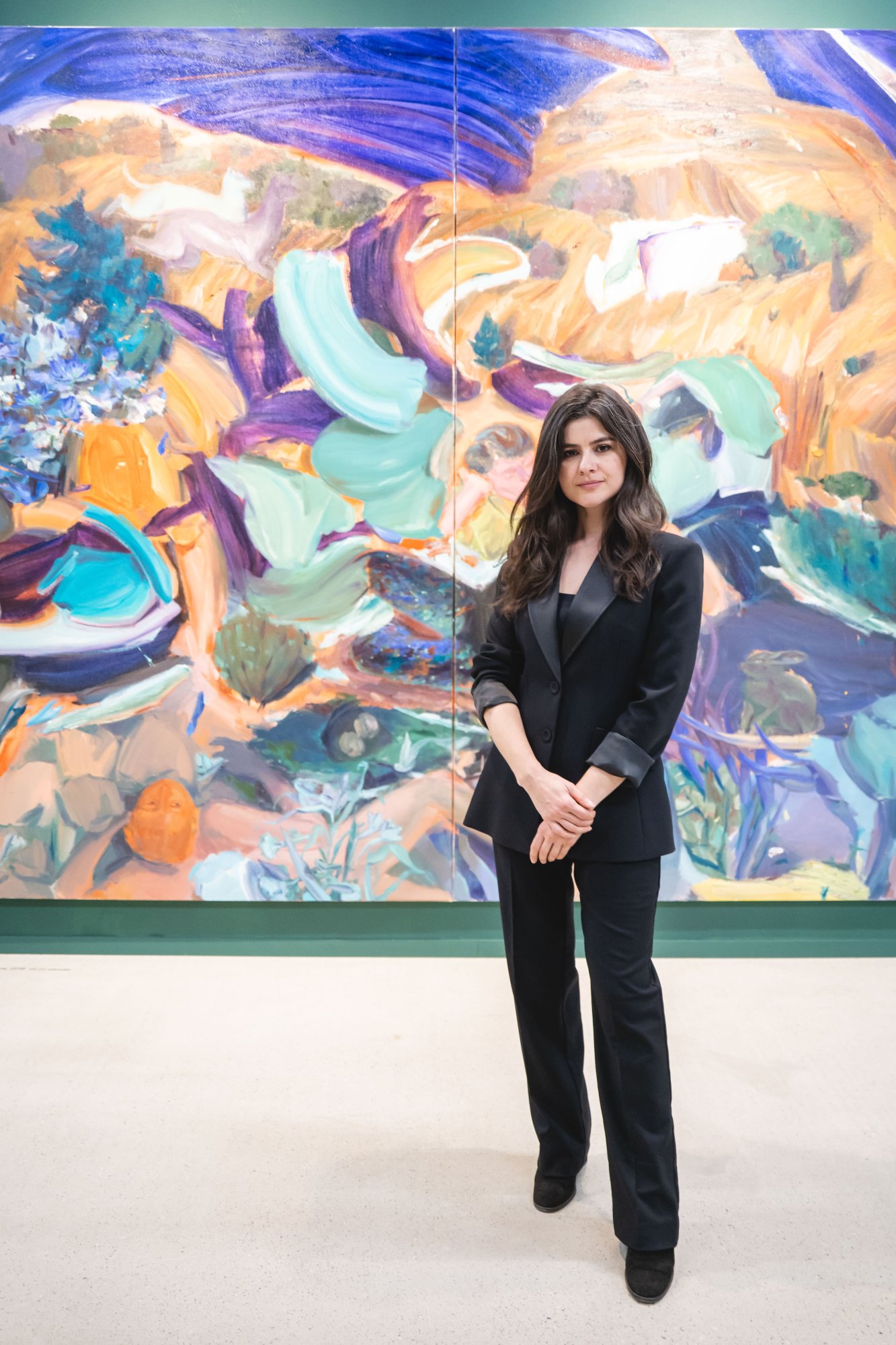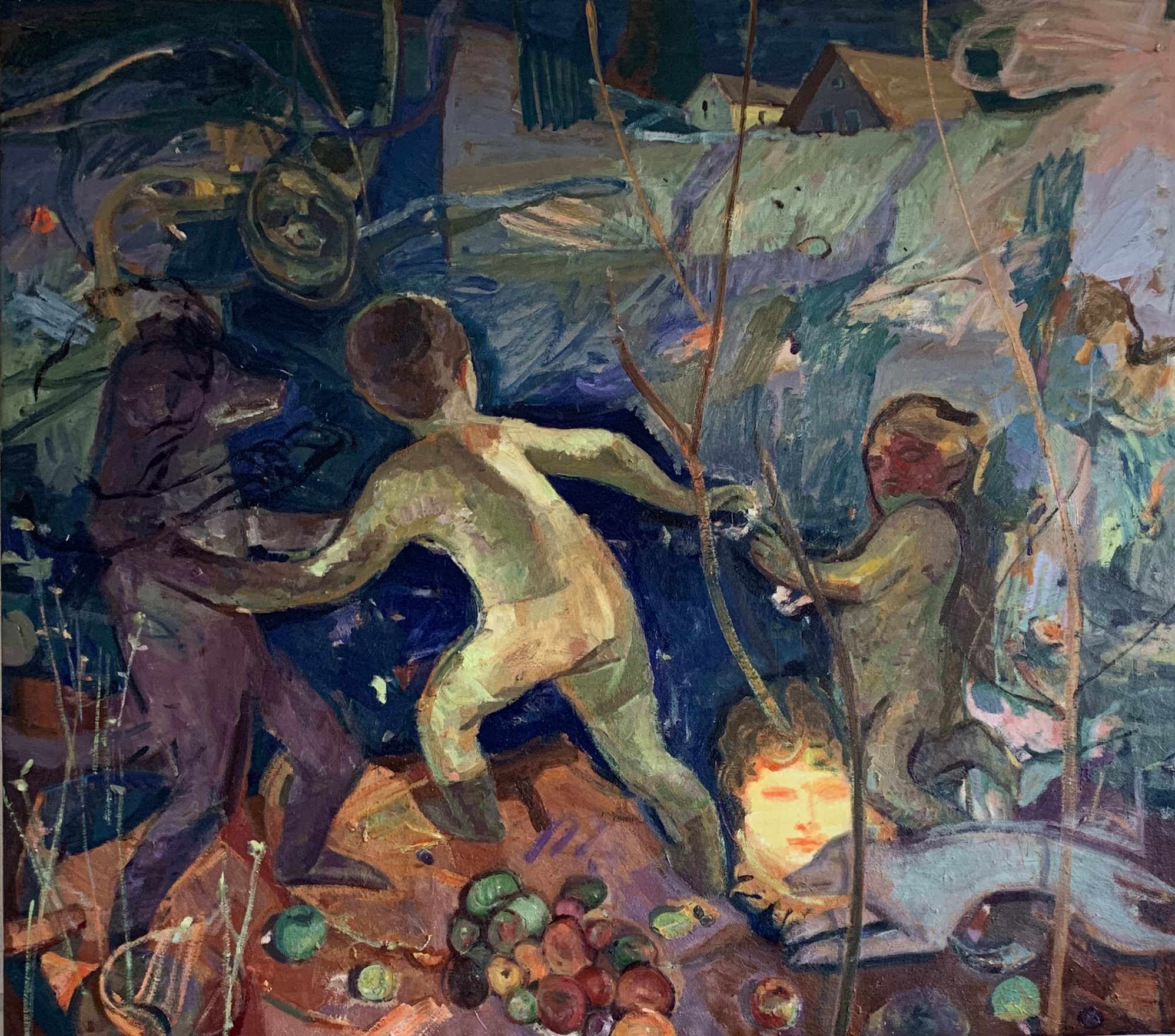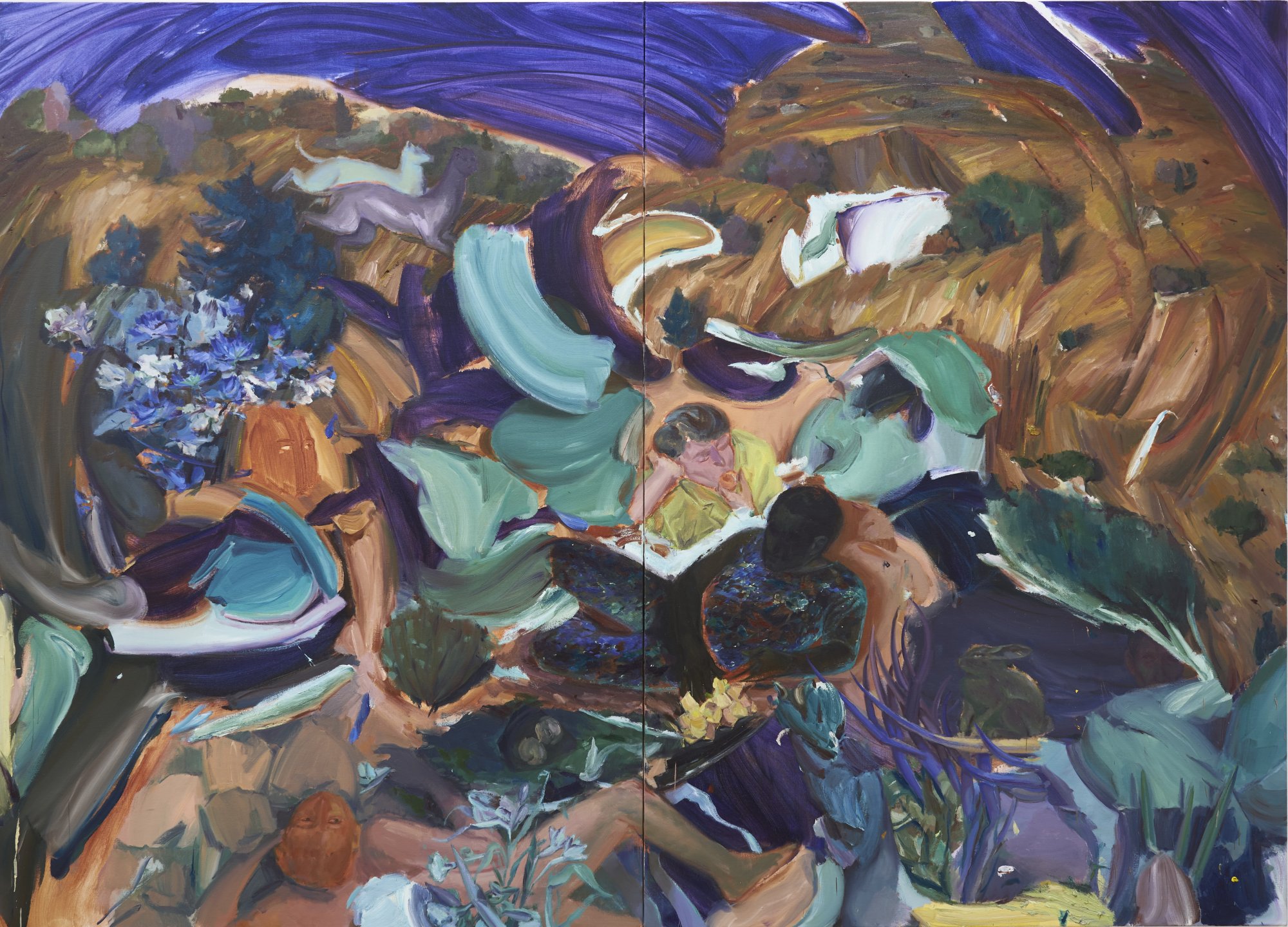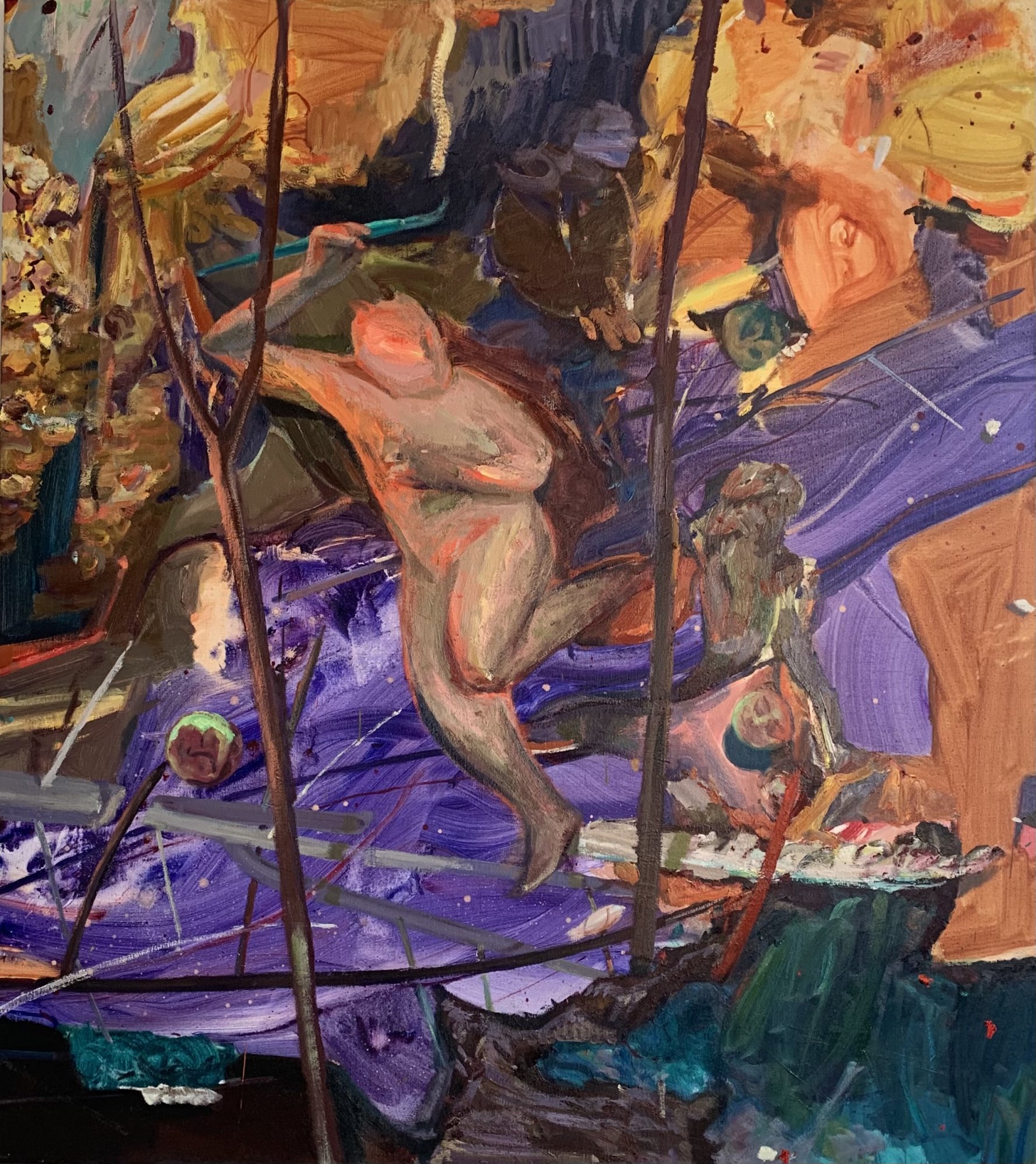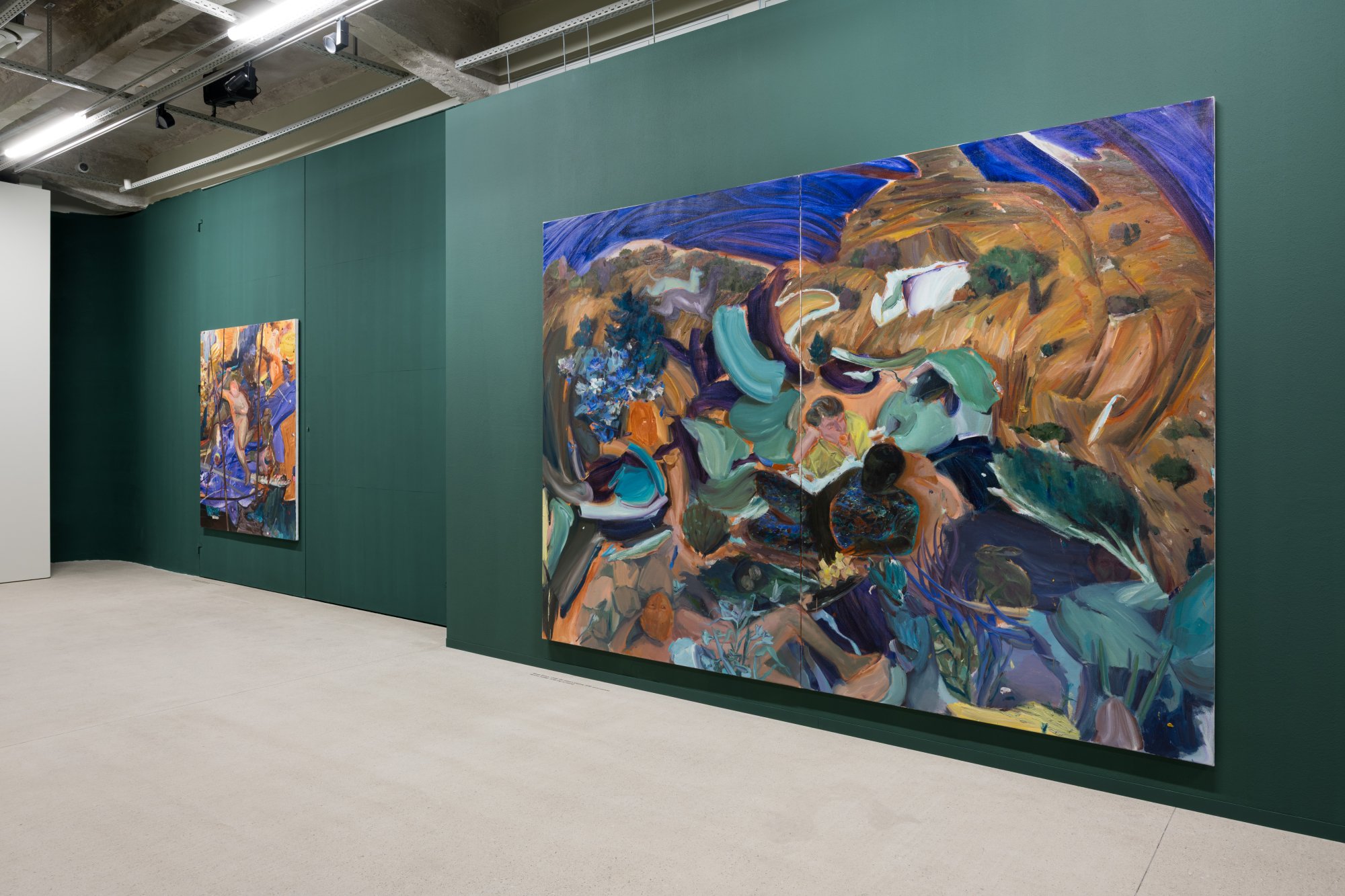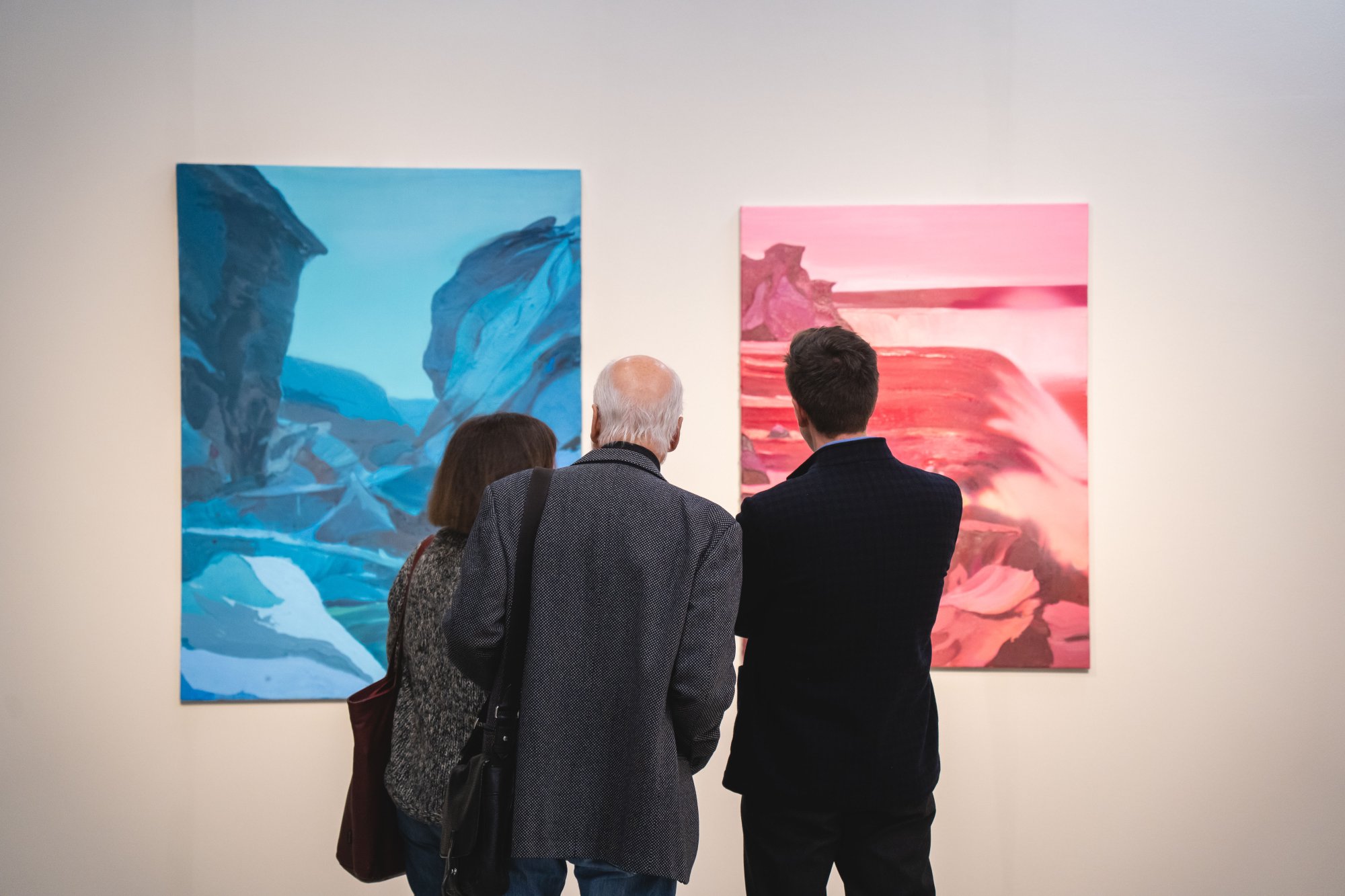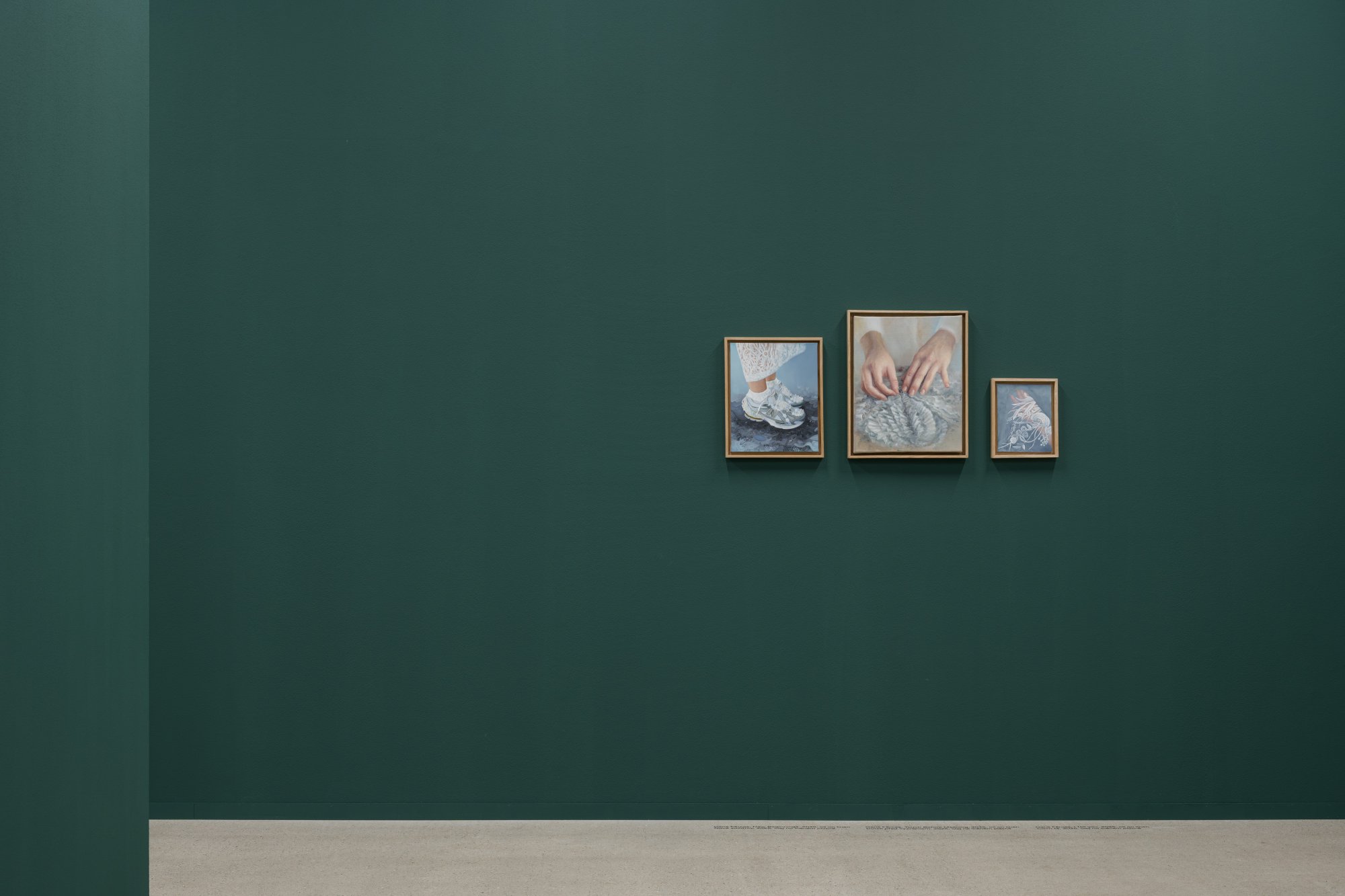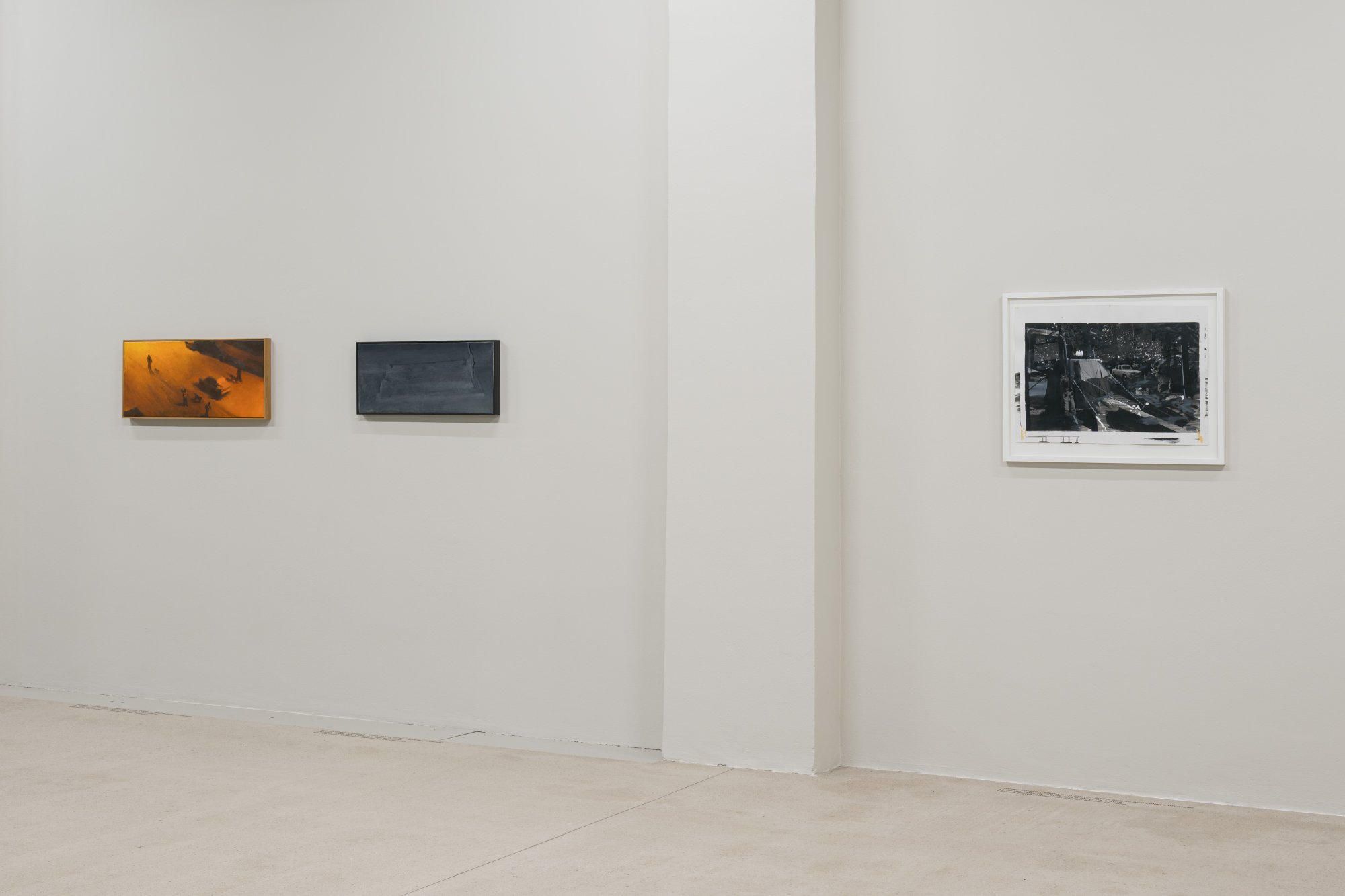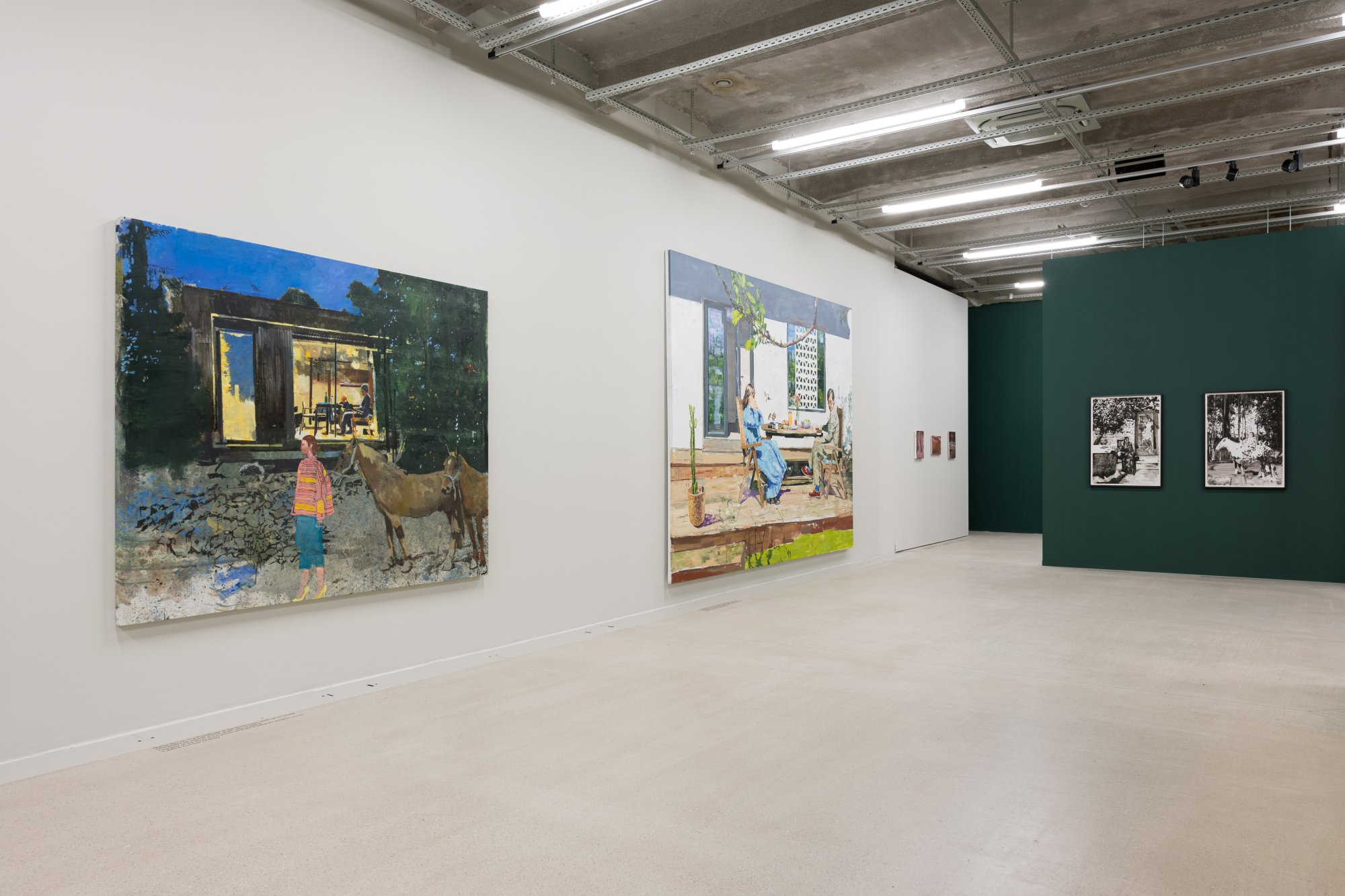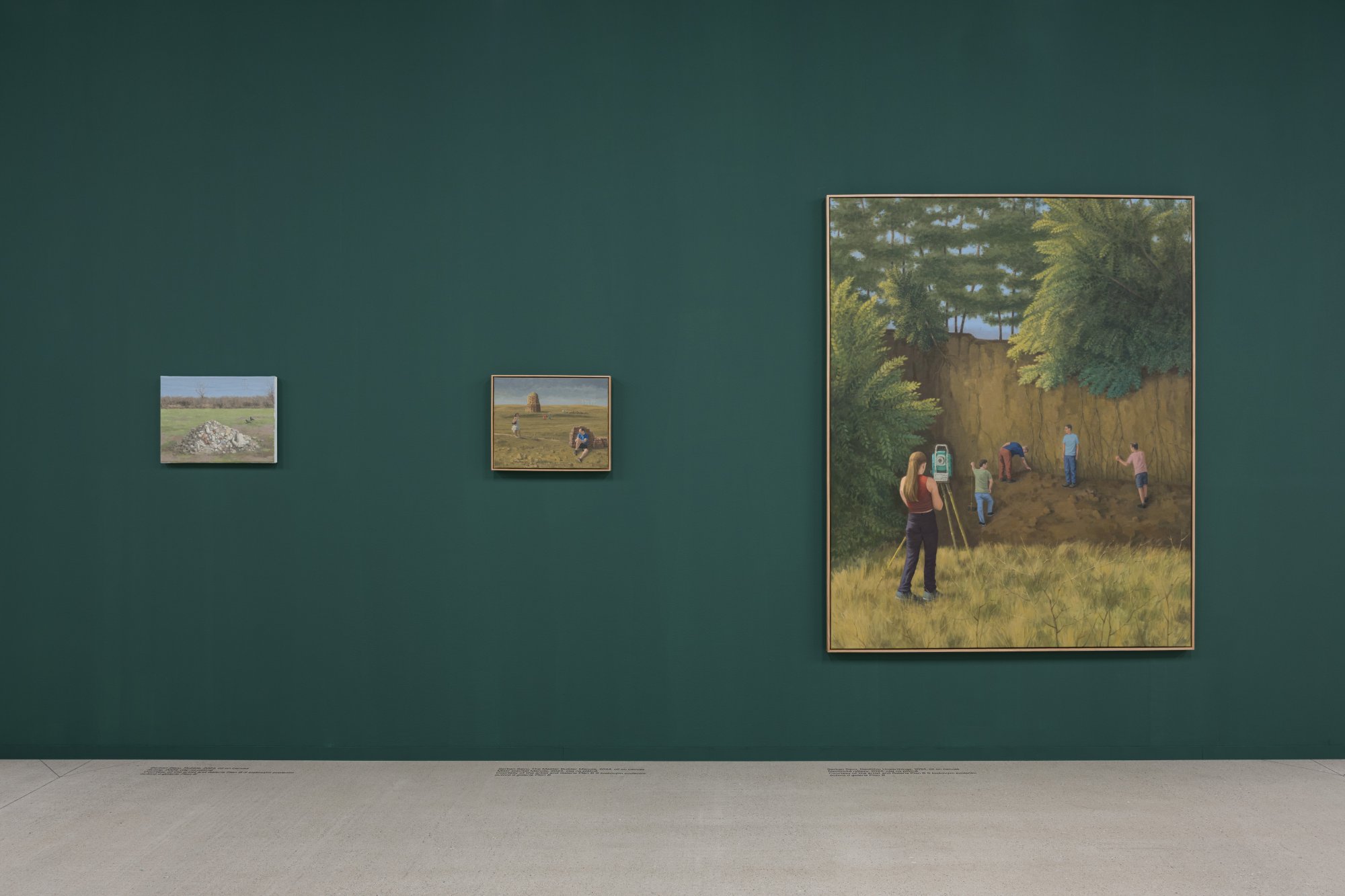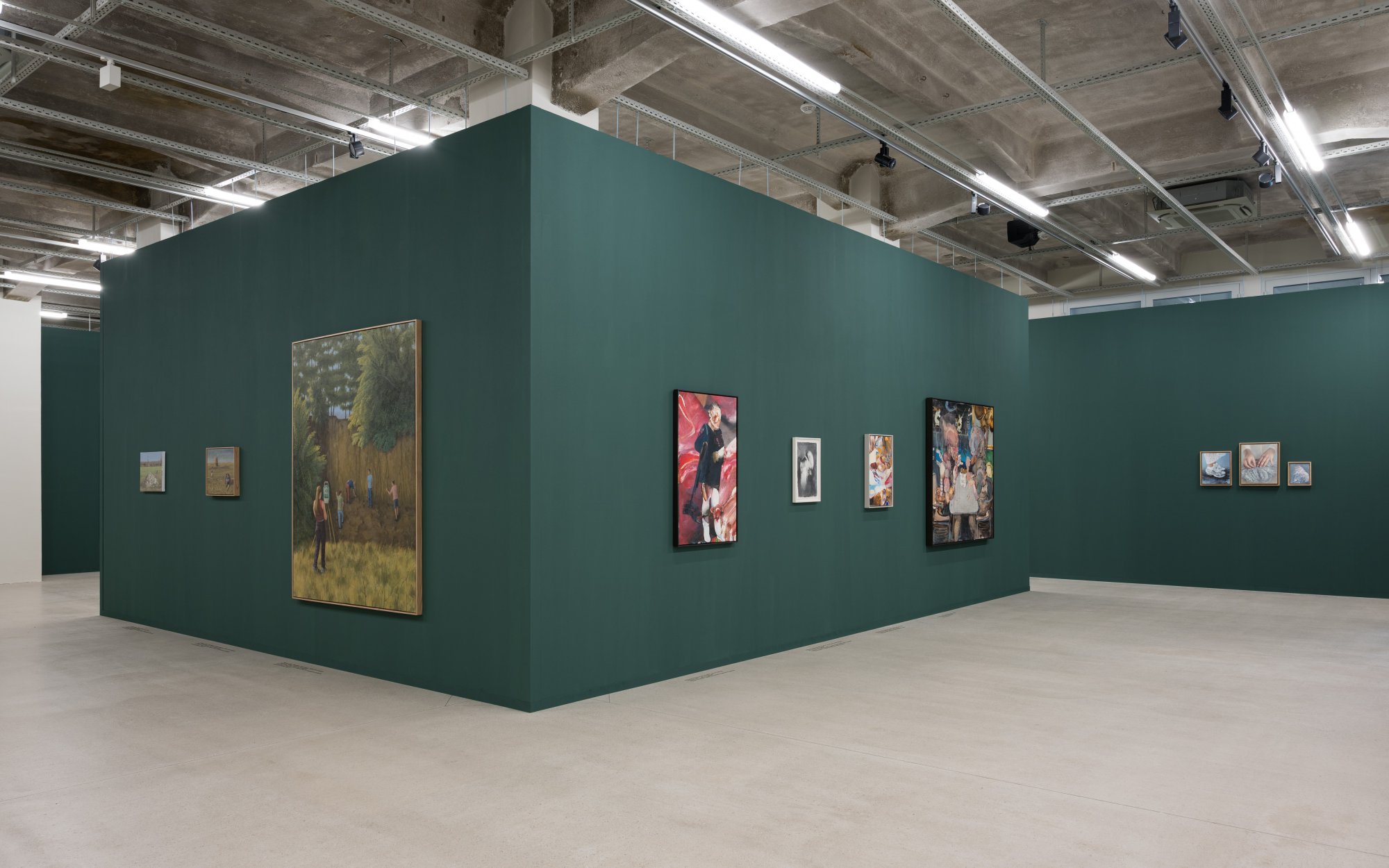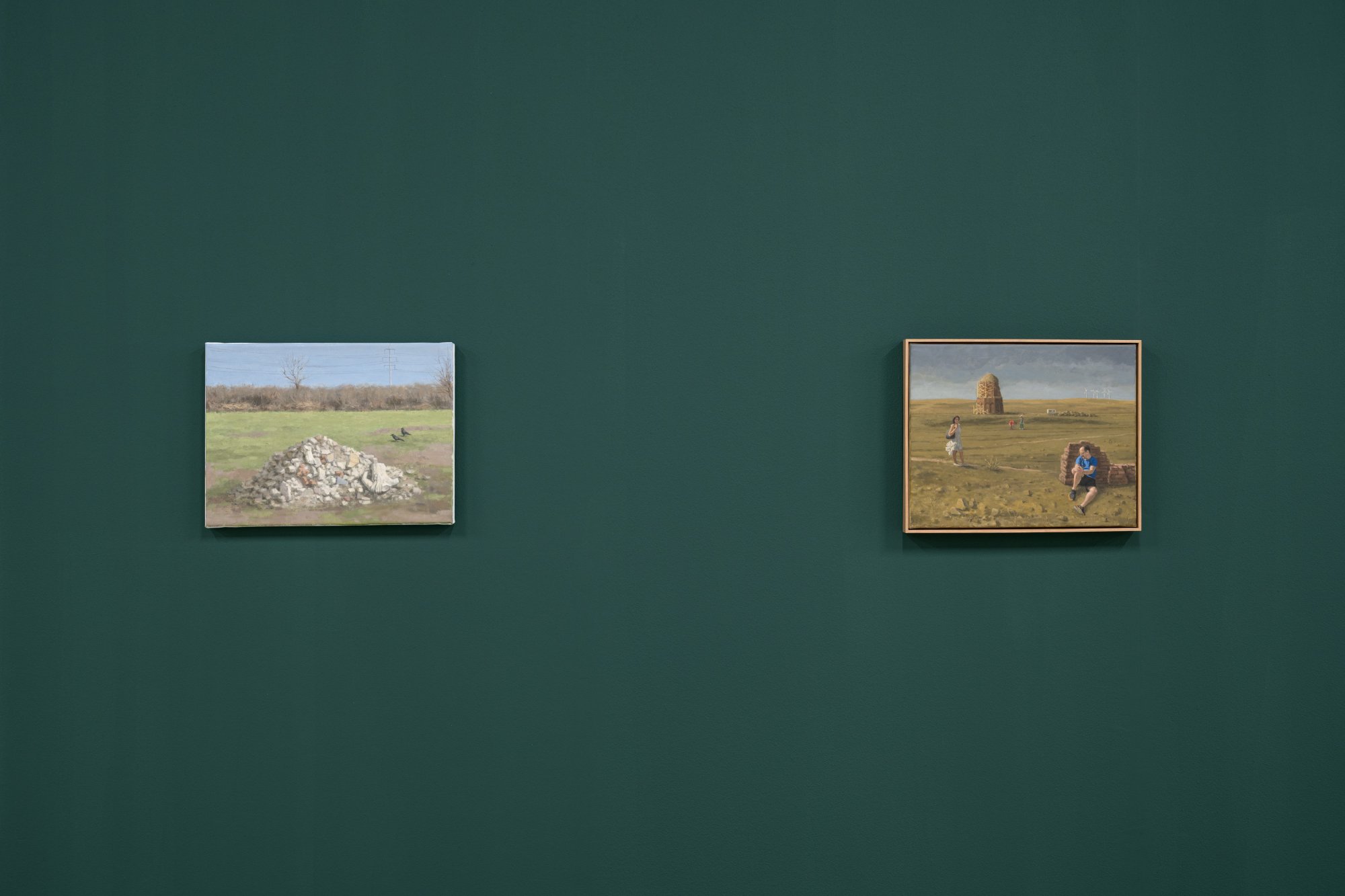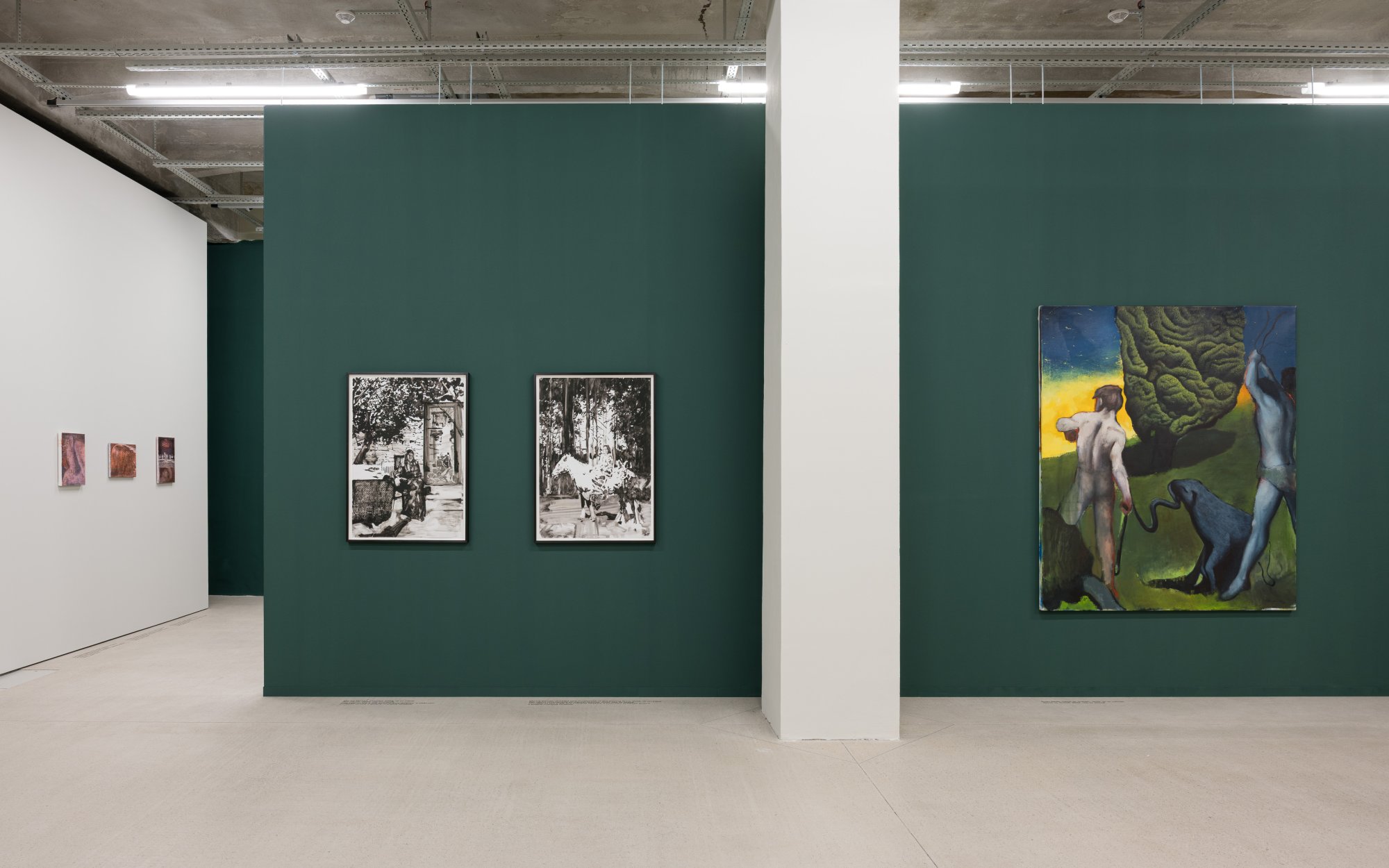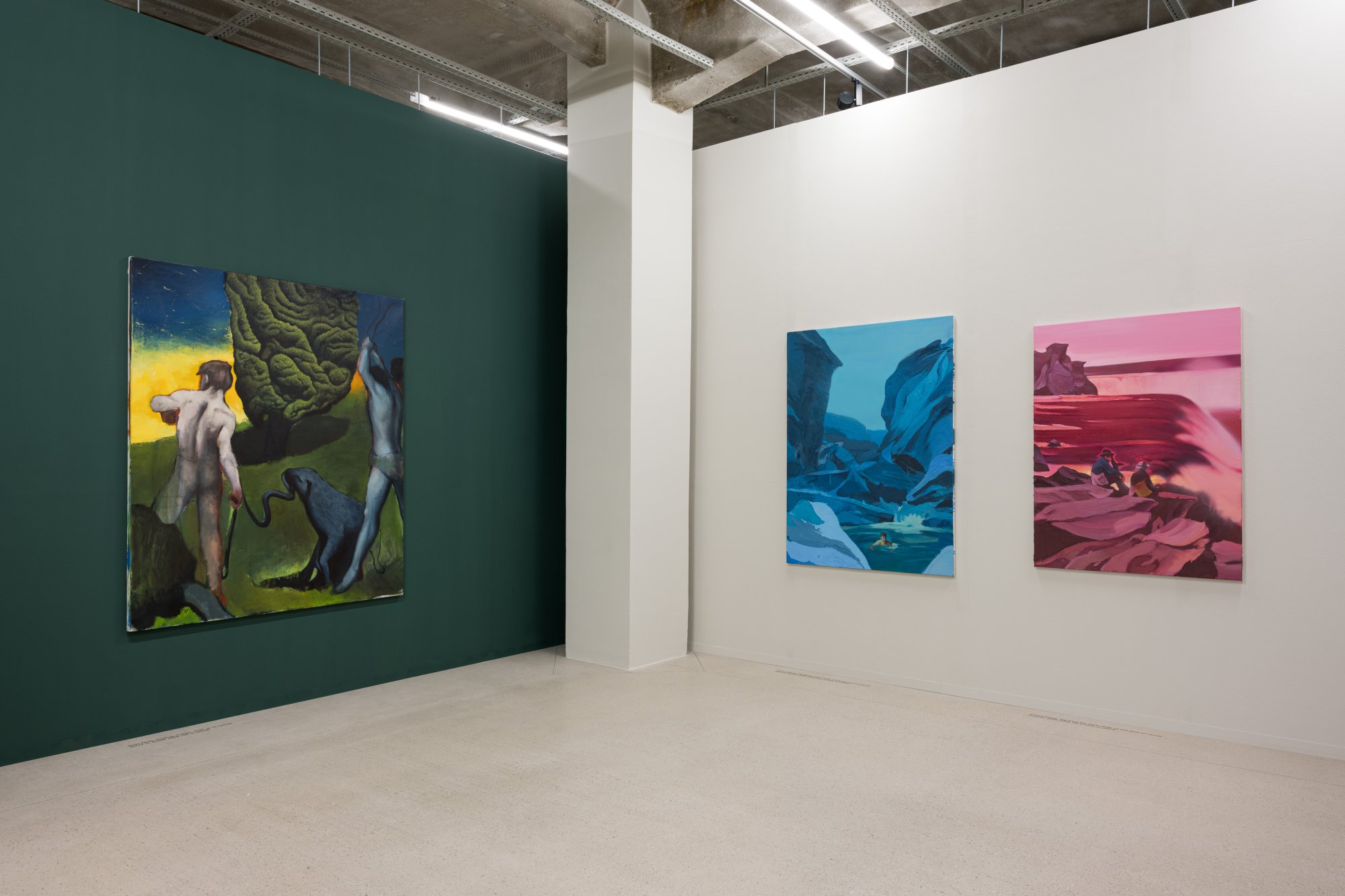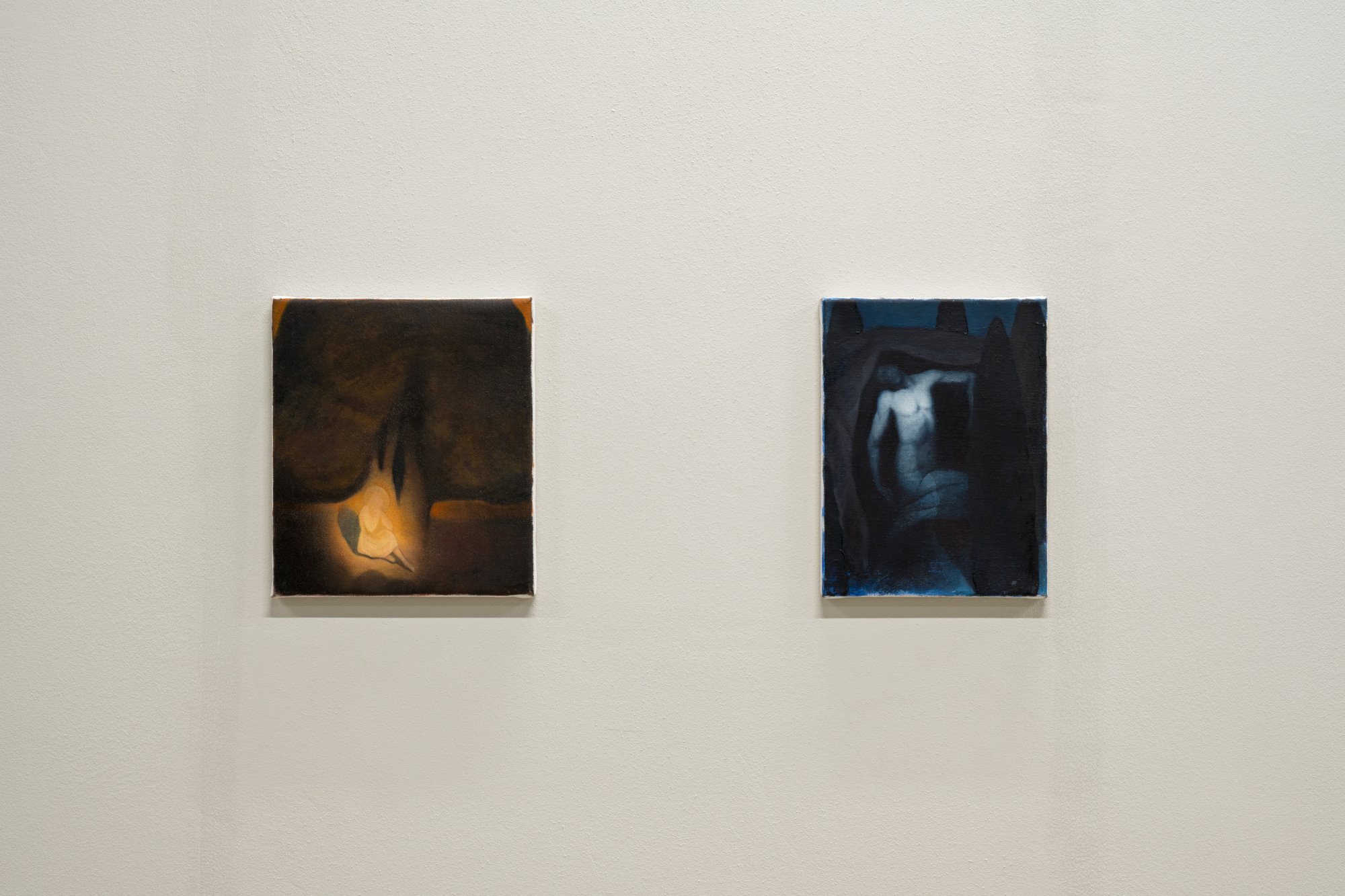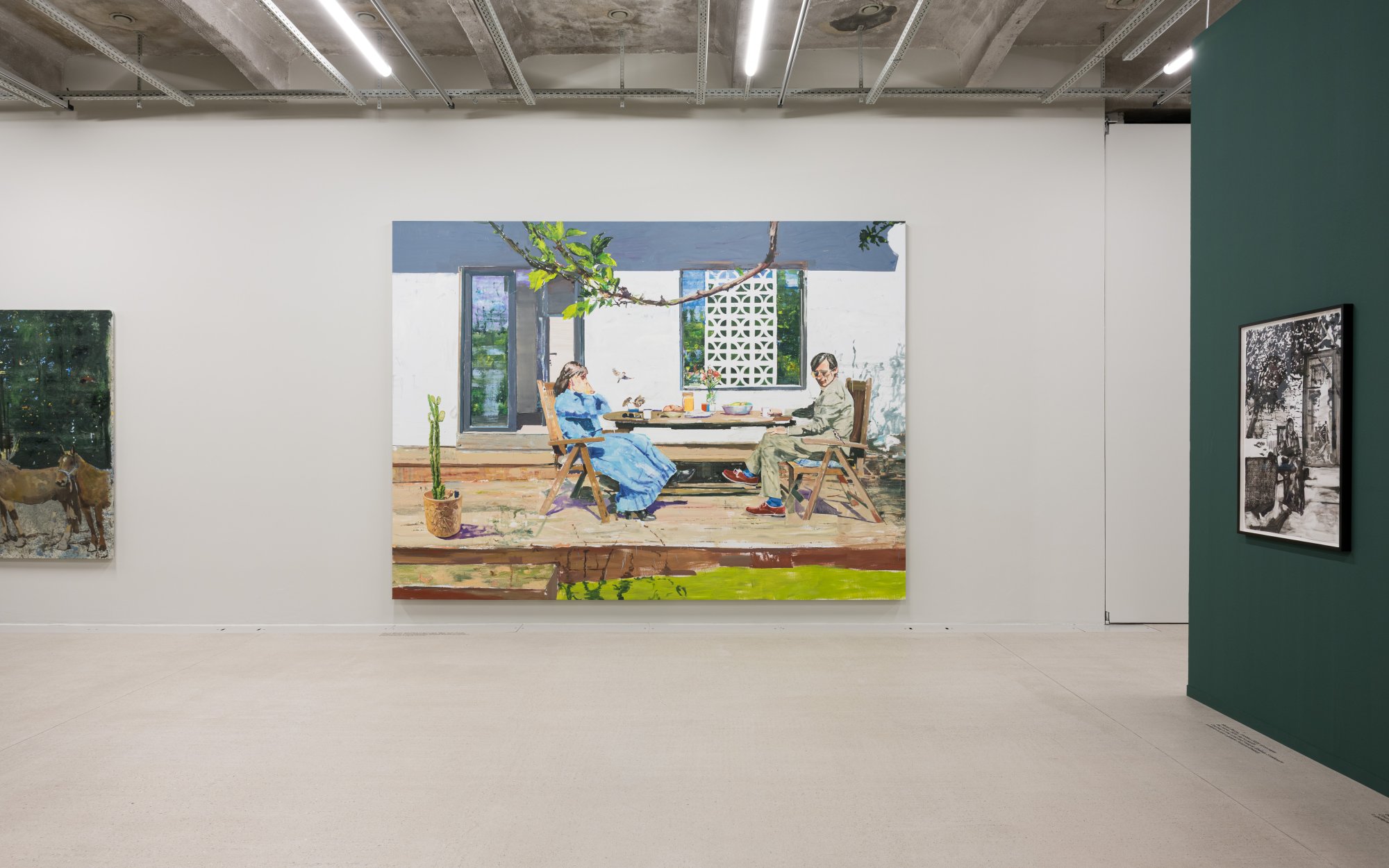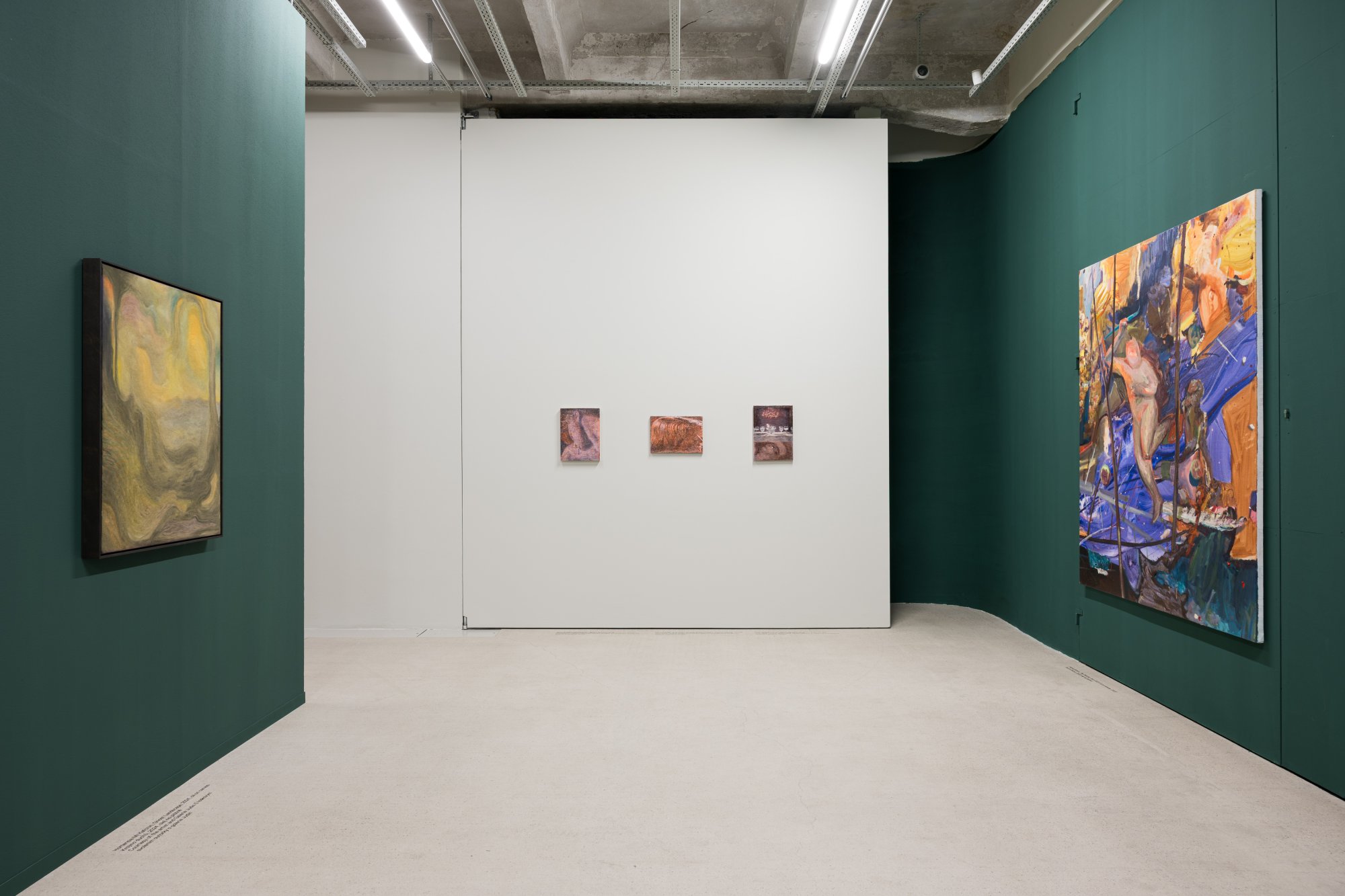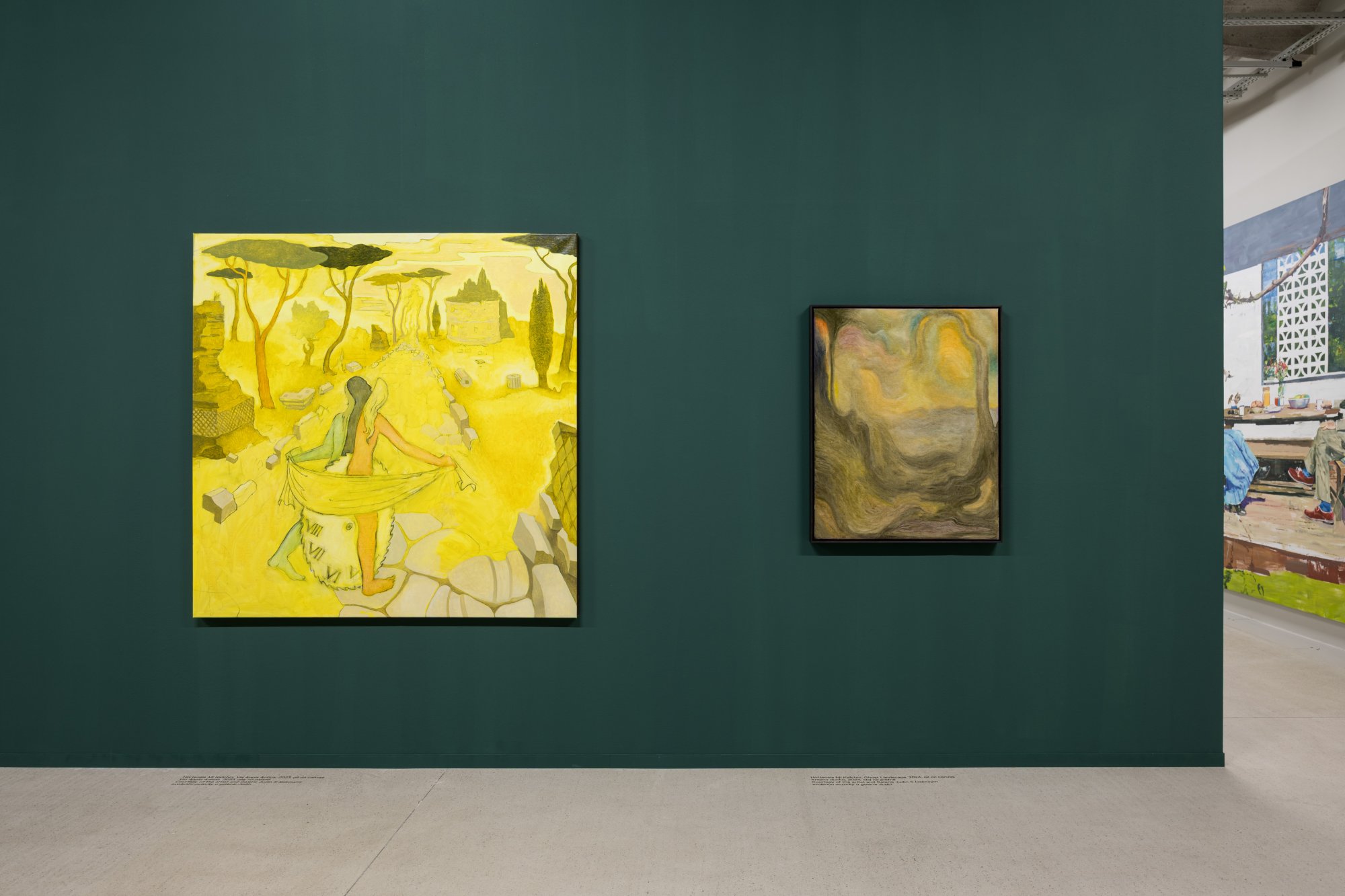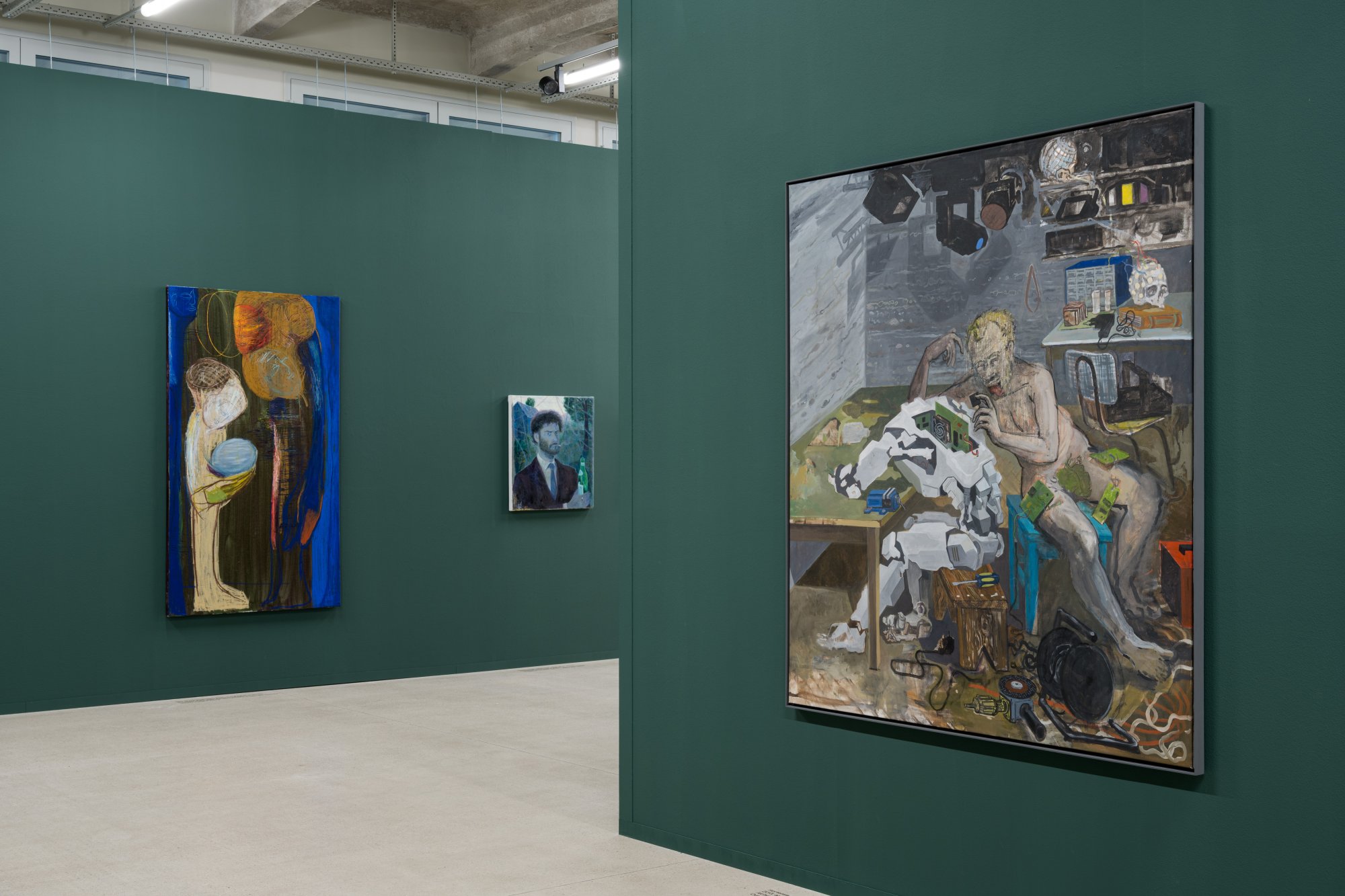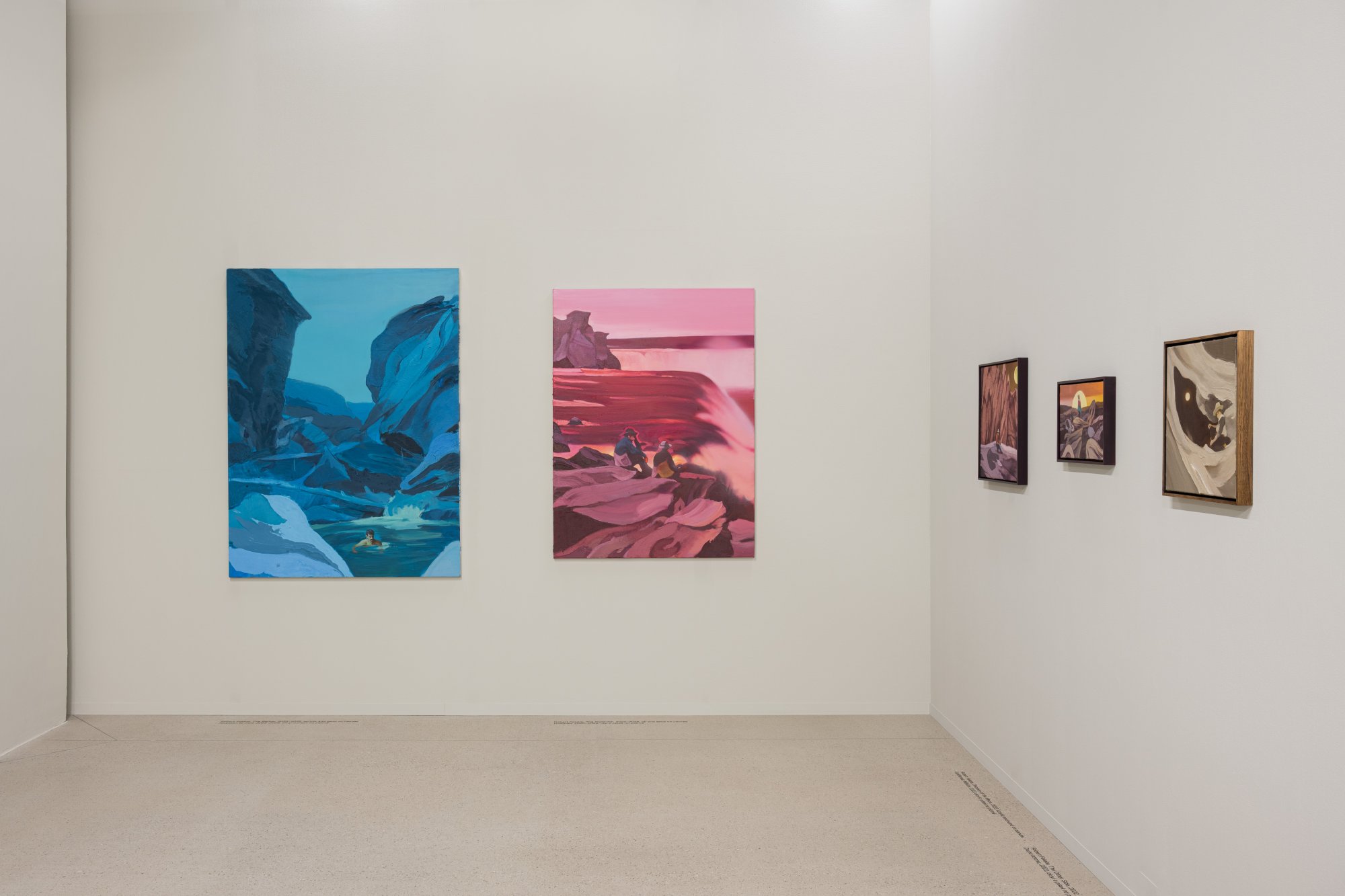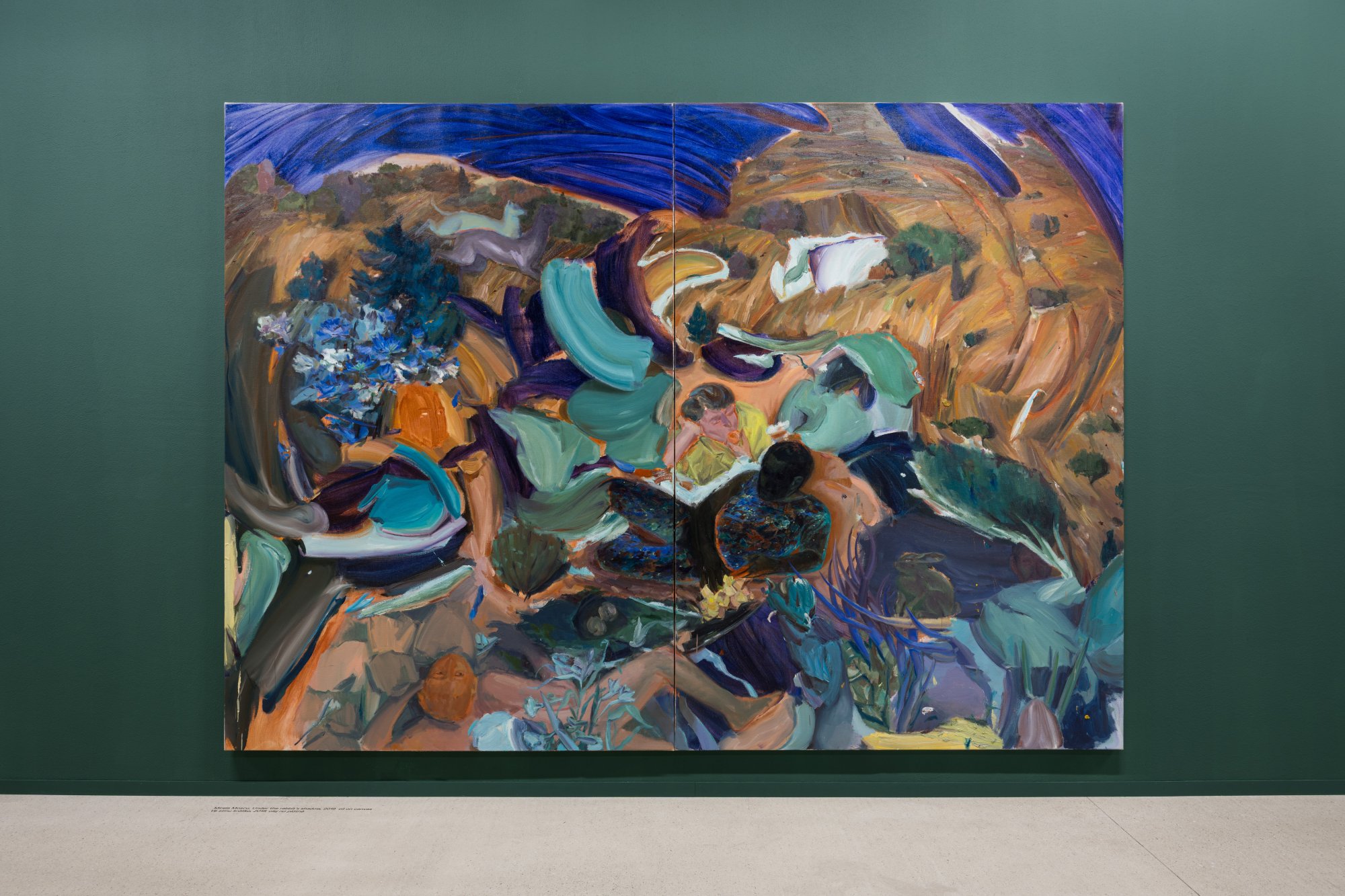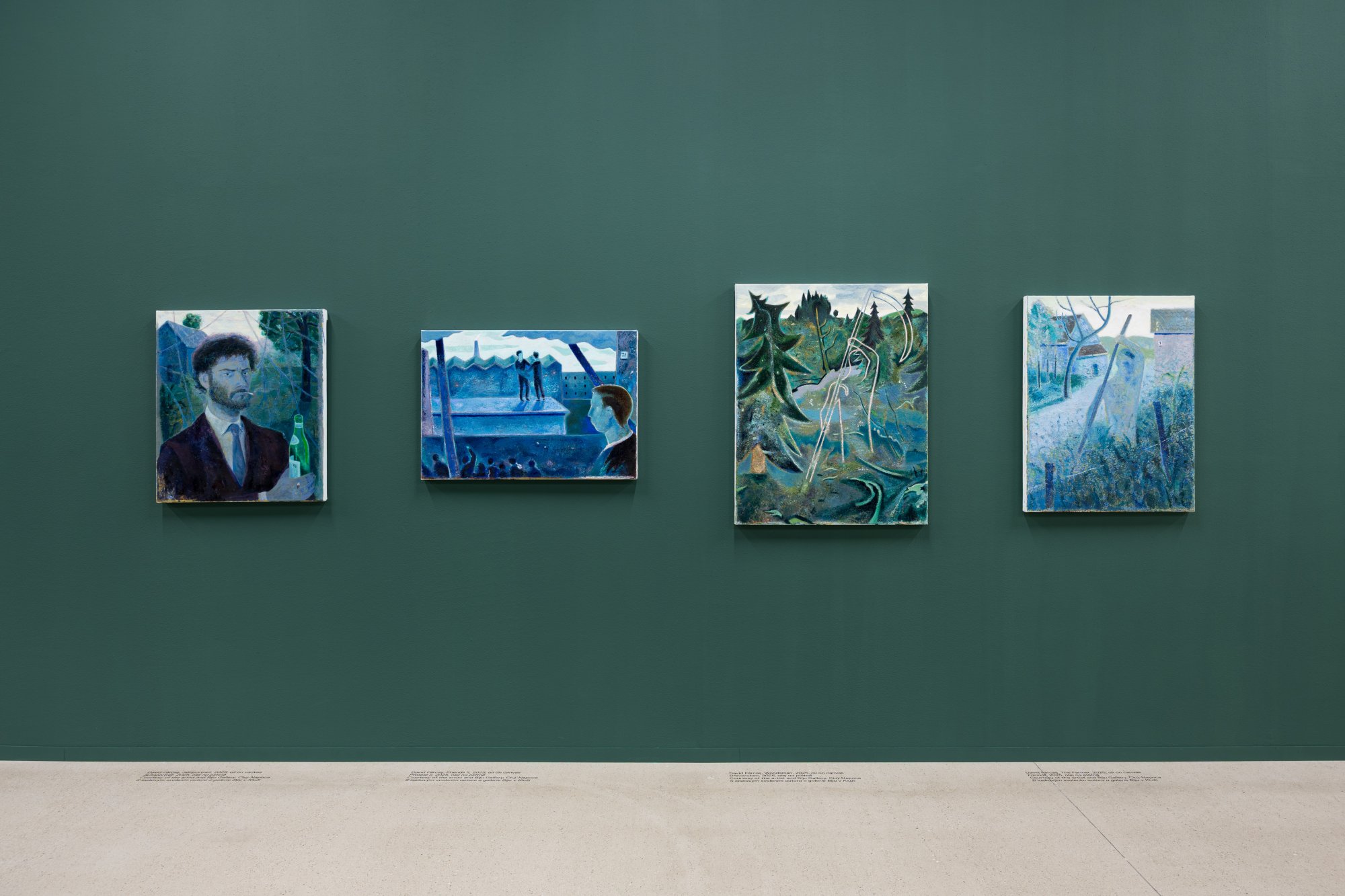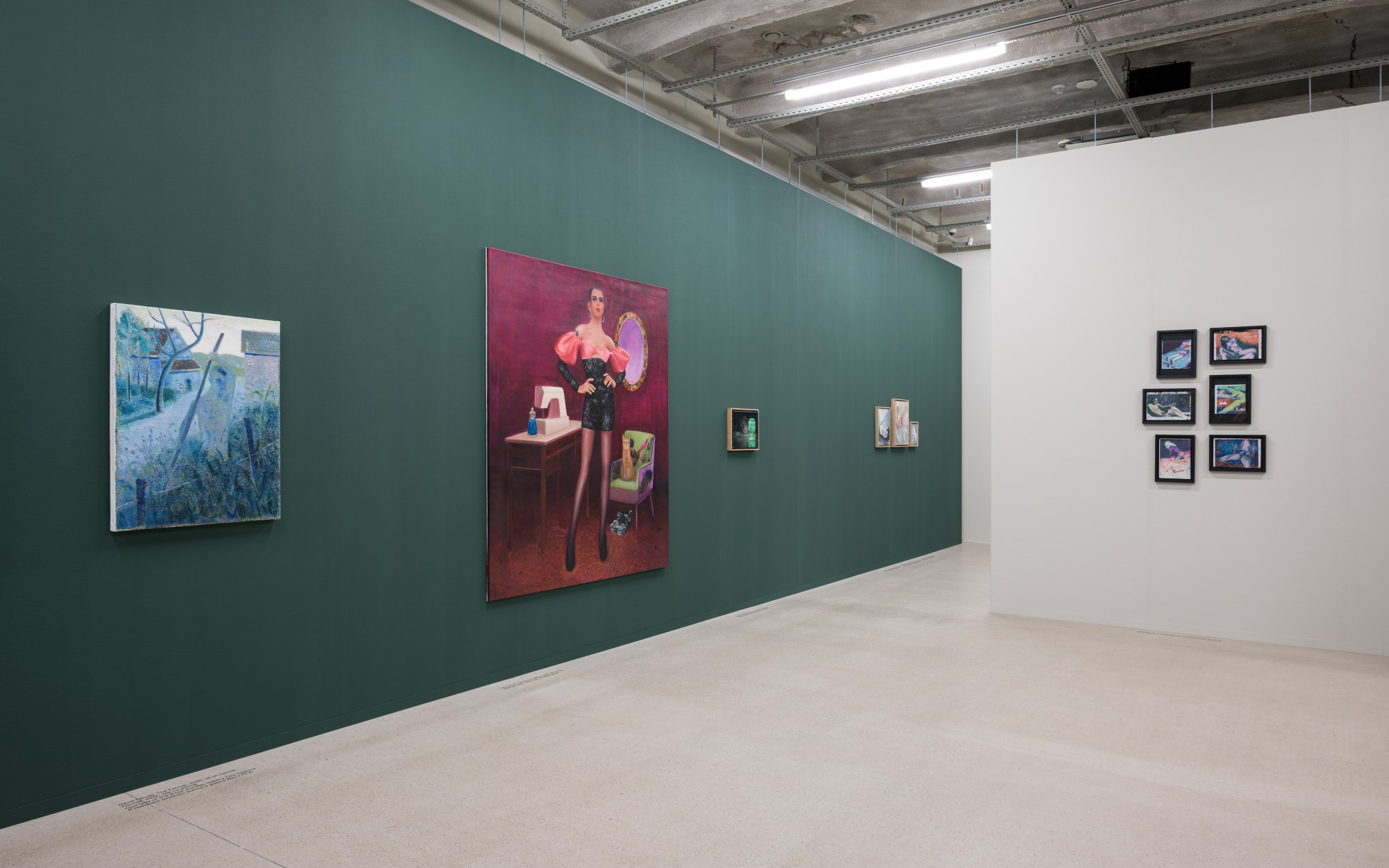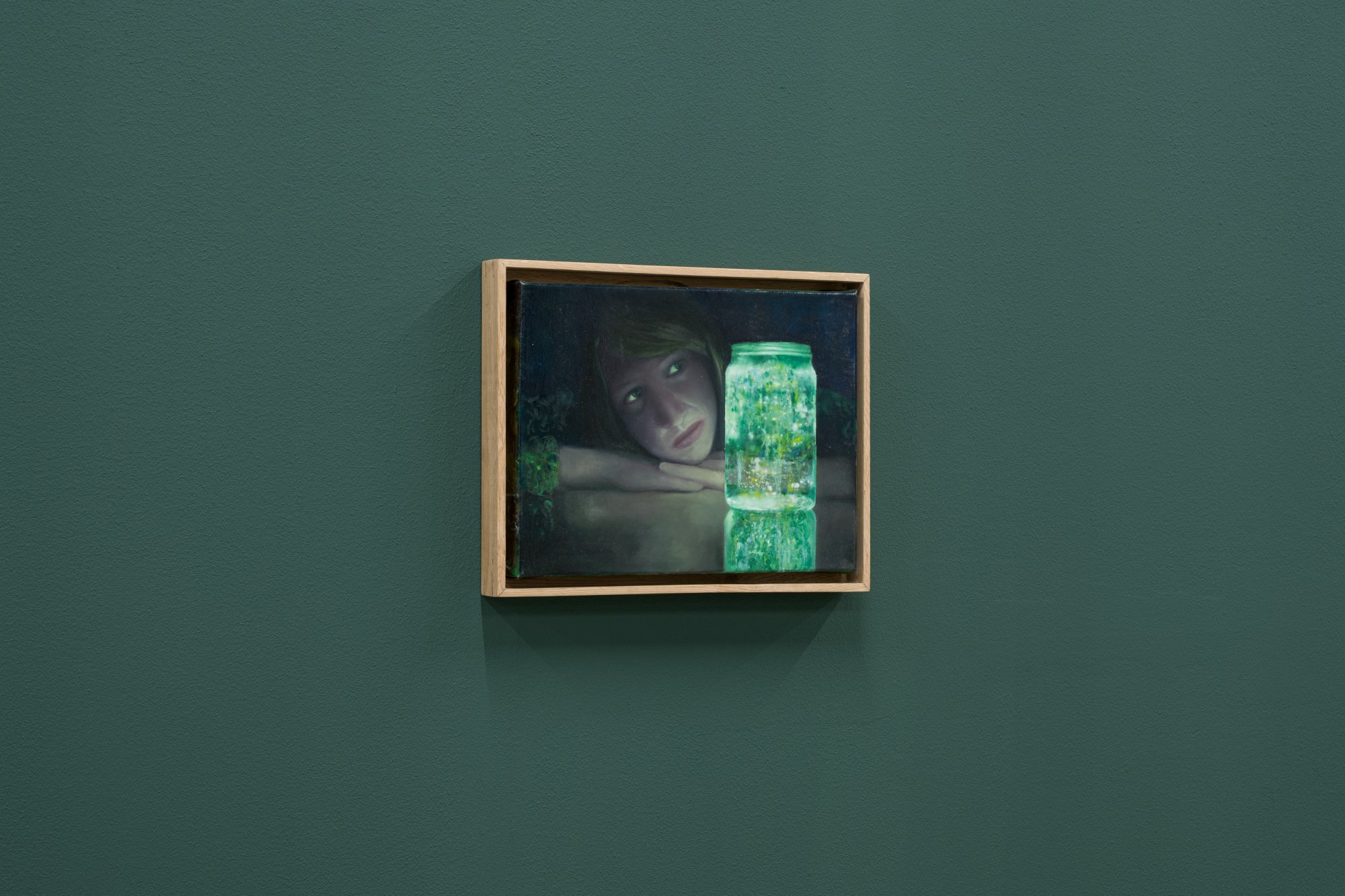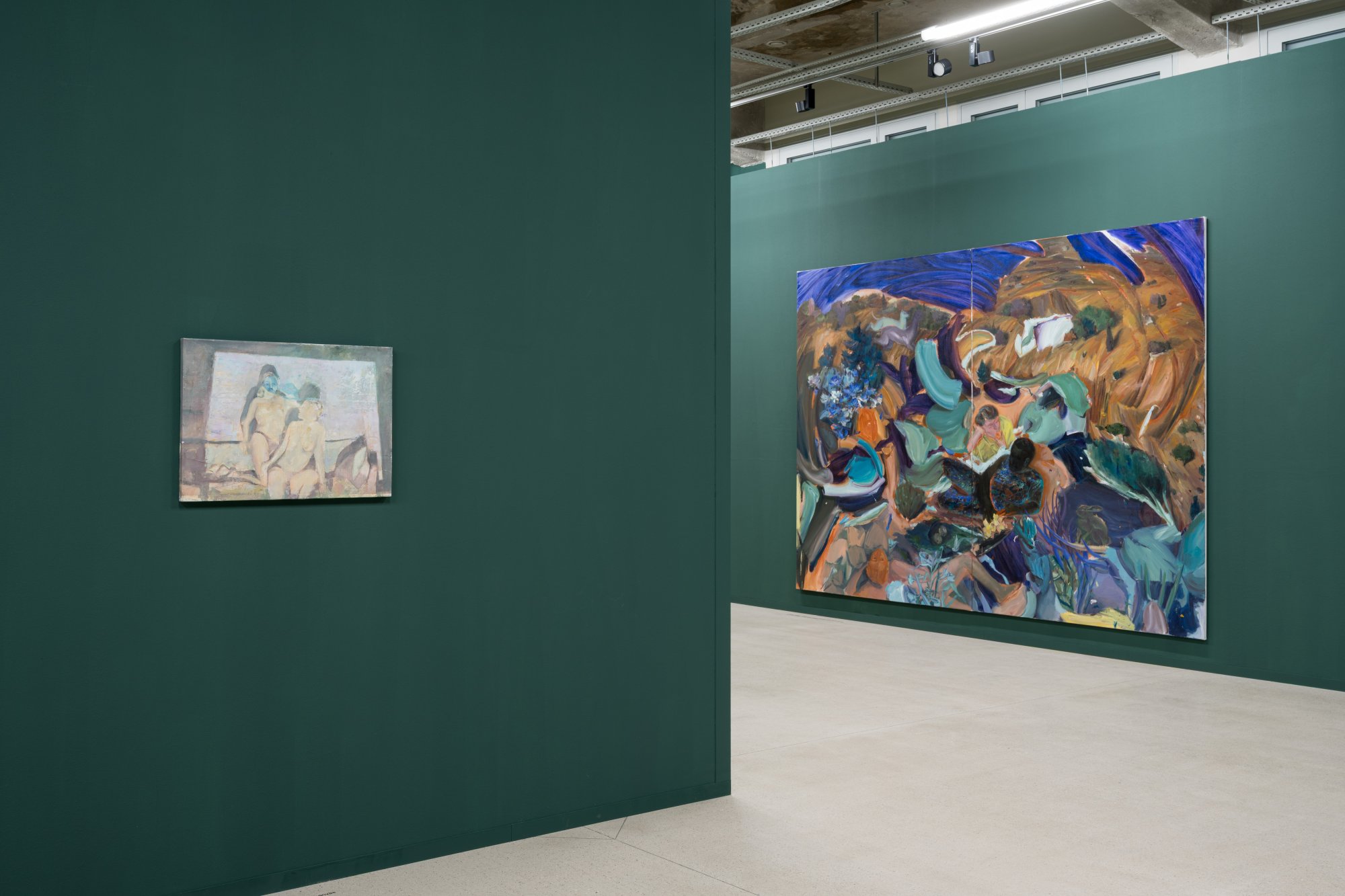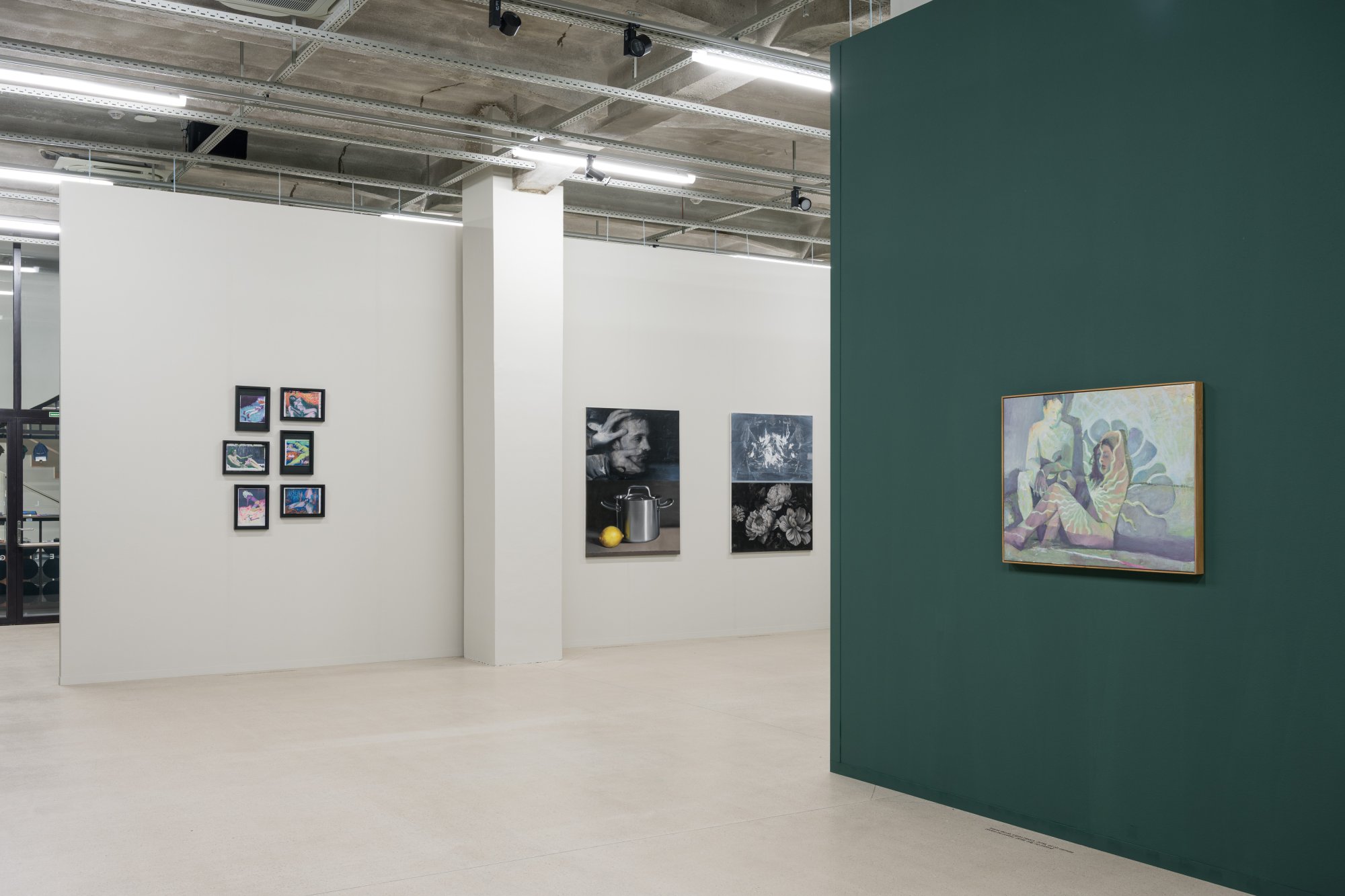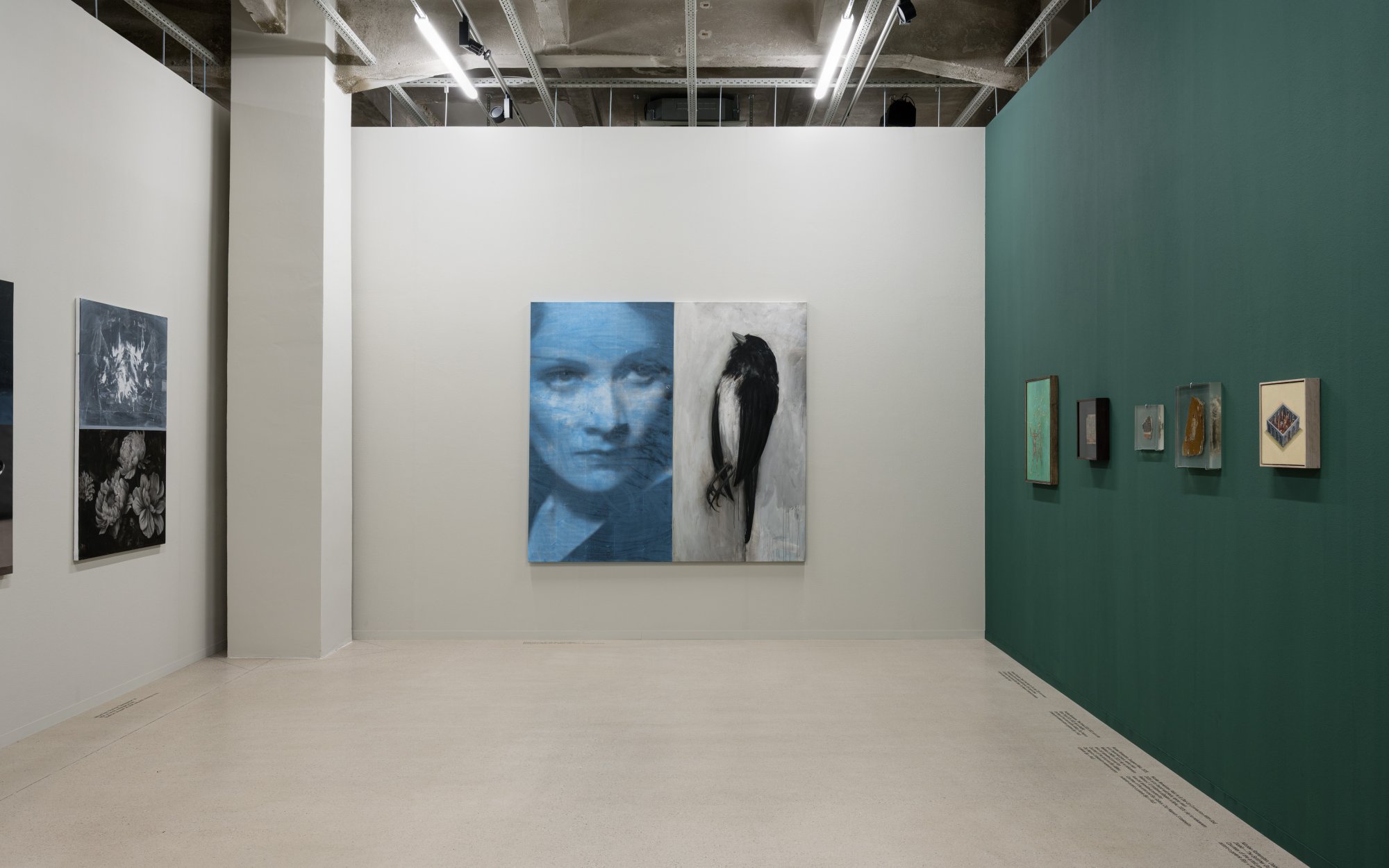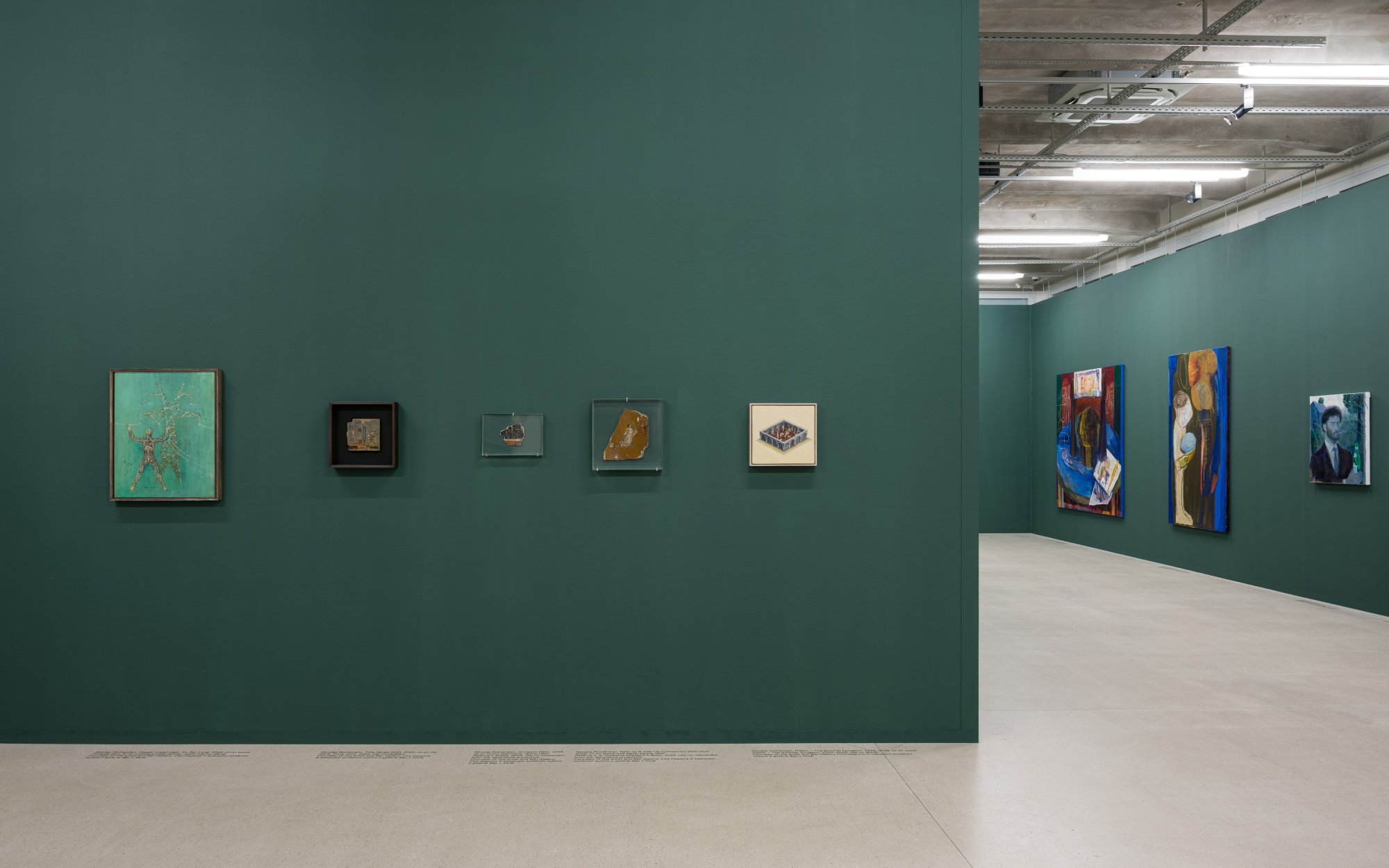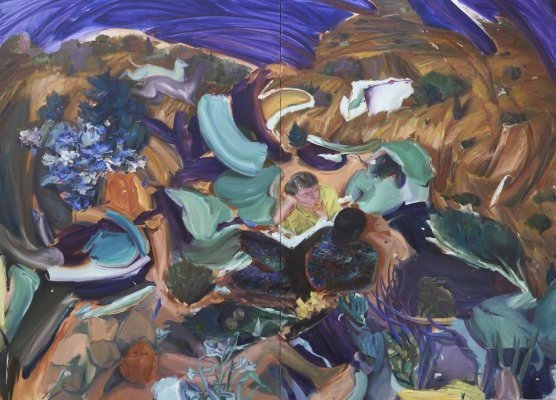
Mirela Moscu (*1986) is one of those artists whose paintings are not mere illustrations of reality, but rather complex layers of memories, dreams, and fantastical images. She was born in the Romanian city of Sibiu but has long lived and worked in Cluj-Napoca, where she successfully completed her master’s degree in painting at the University of Art and Design. Her works evoke an inner landscape into which the viewer enters gradually, without expecting immediate answers. On her canvases, reality blends quite naturally with memory and imagination, as if painting itself were a specific way of thinking.
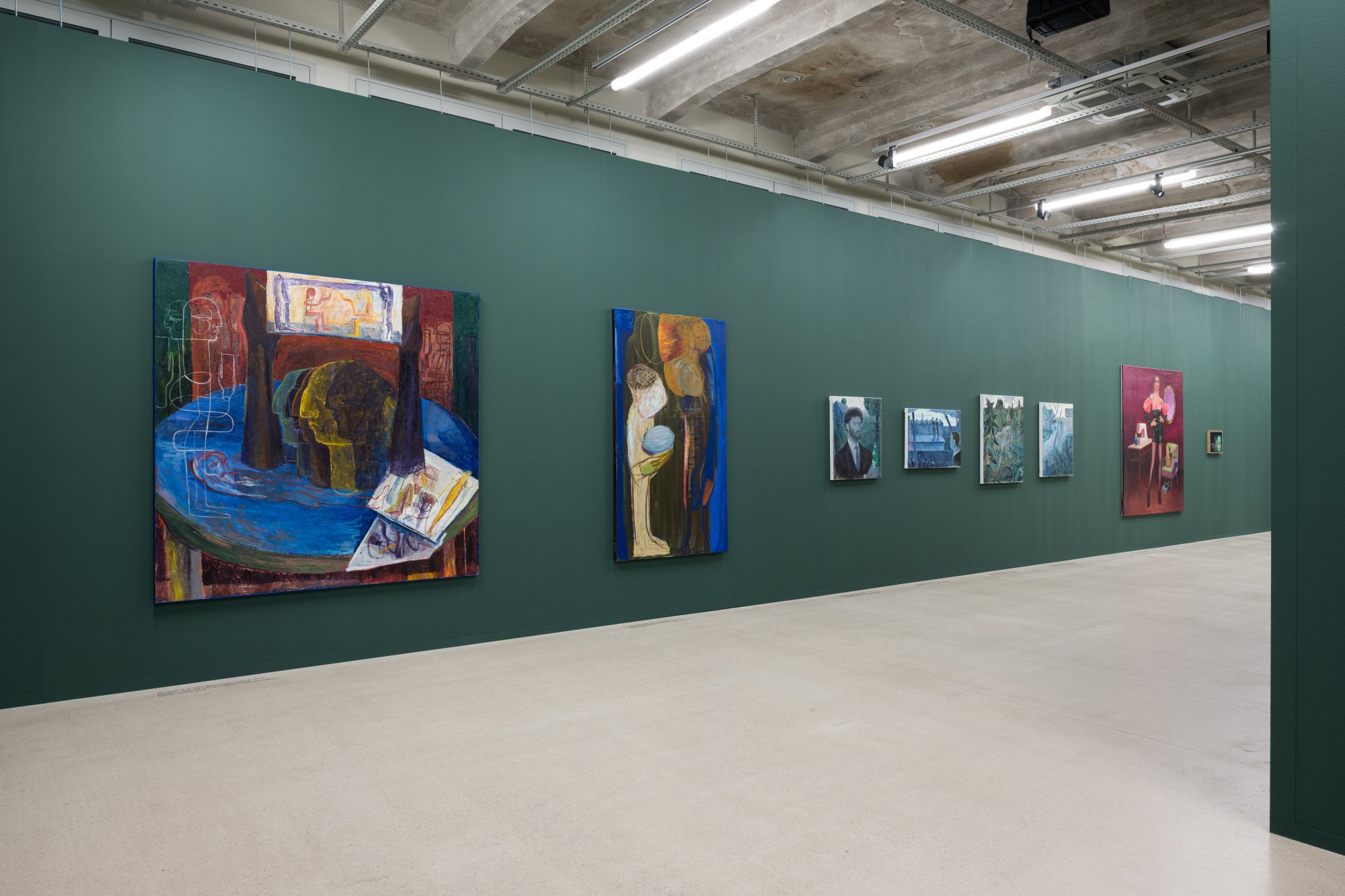
Elements that seem familiar yet retain an air of mystery recur in her paintings. These include forest scenes, silhouettes of figures, fragments of bodies, plants, or animal forms. These motifs do not function descriptively, but rather as records of feelings that are difficult to express in words. The forest is a fundamental setting and symbol for her; it has accompanied the artist since childhood and becomes a place of inner encounter between human and animal presence. Mirela Moscu’s work does not stem from specific photographs, but from repeated sketches in gouache. She subsequently transposes these early records of states into larger formats with a muted, dreamlike palette that evokes the feeling of a hazy morning or evening and moments when light mingles with shadow.
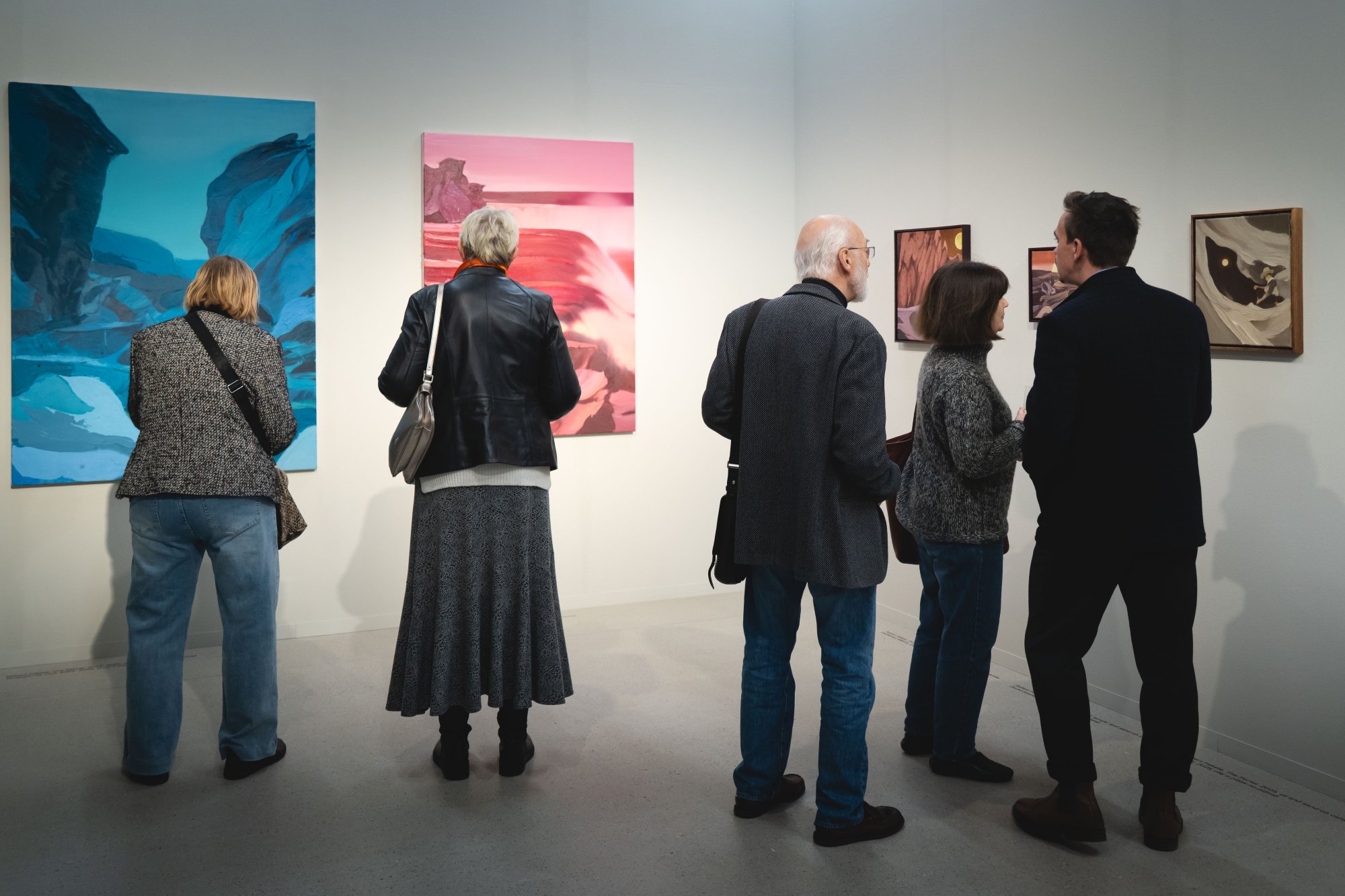
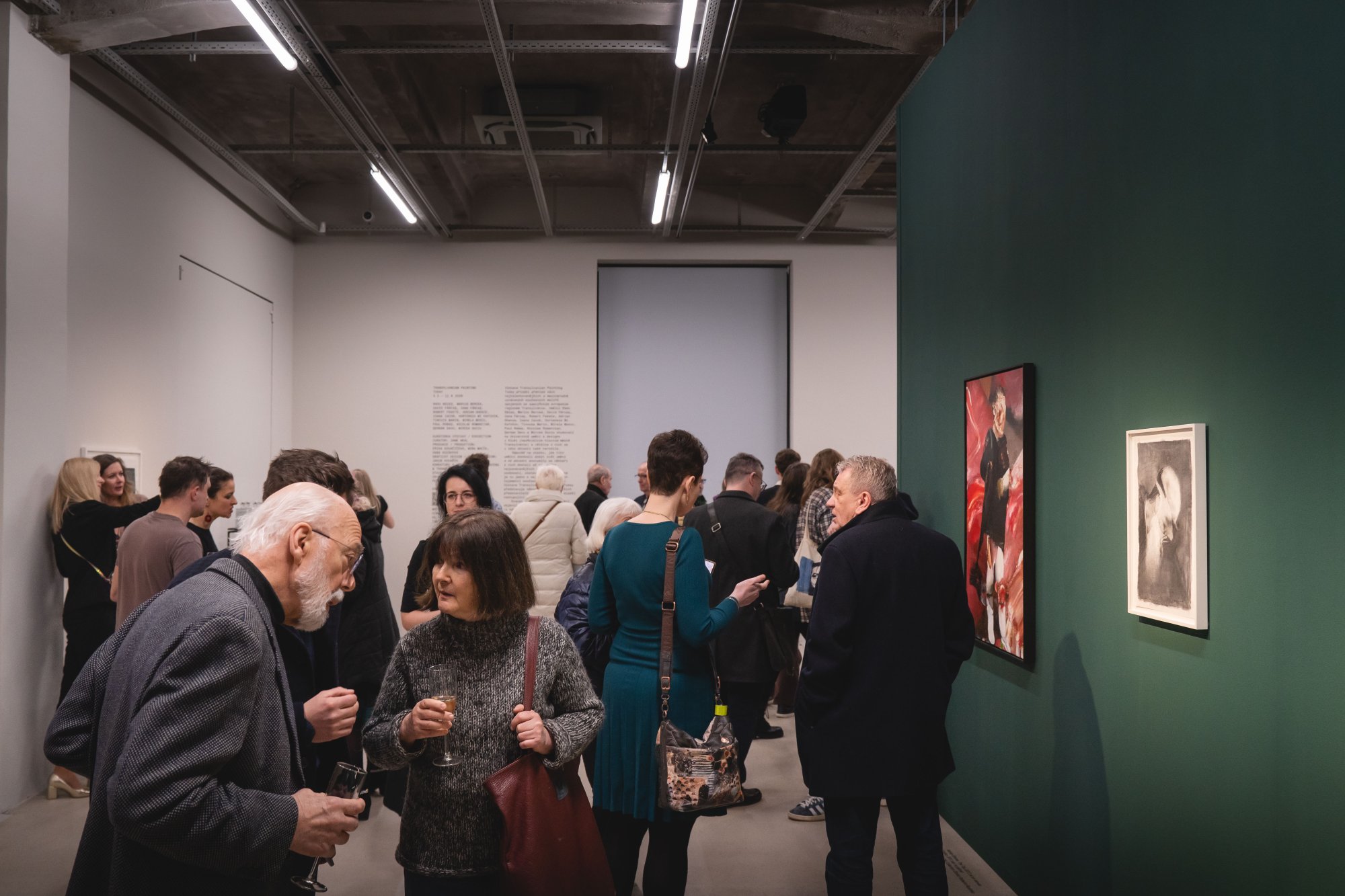
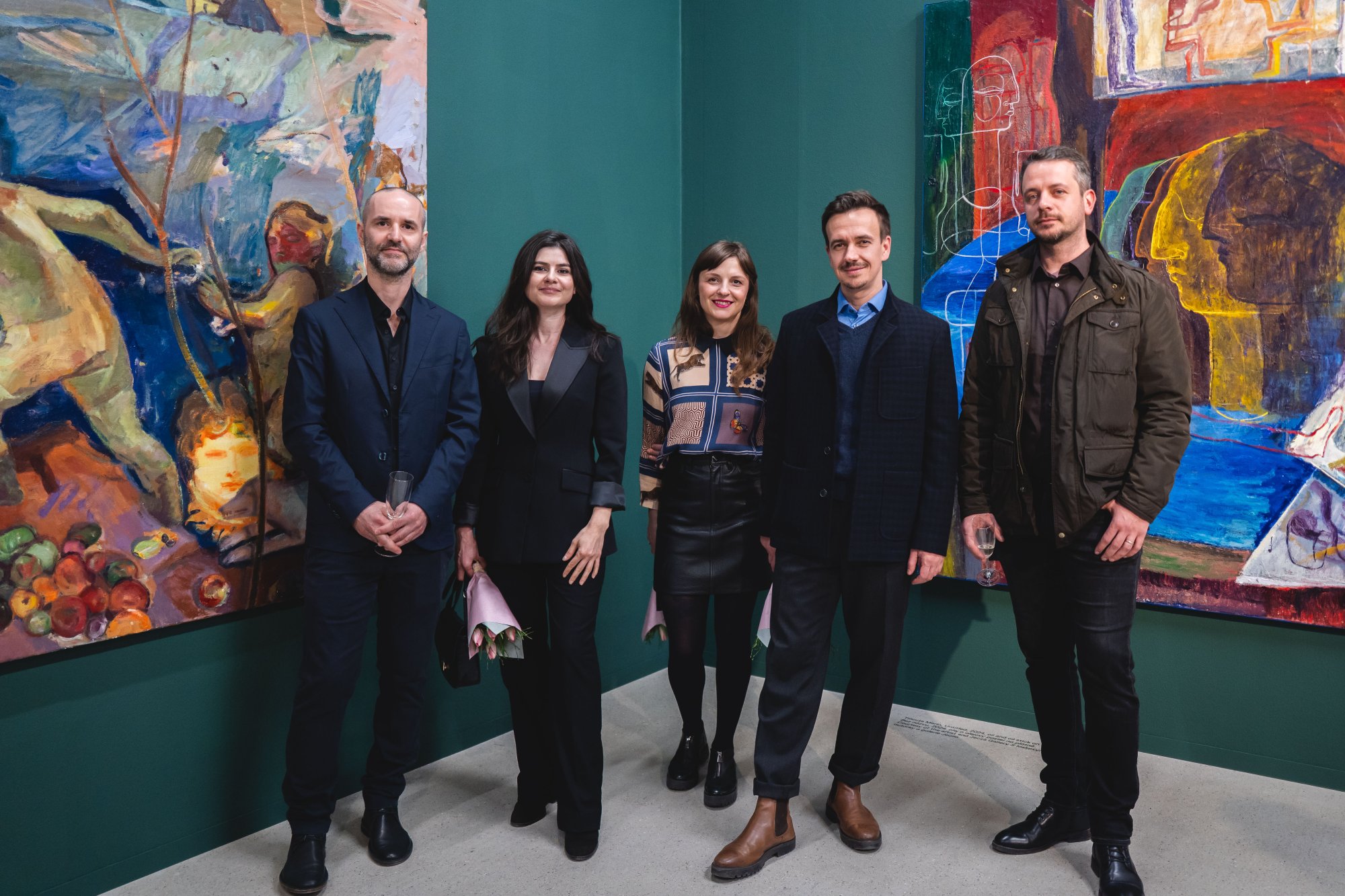
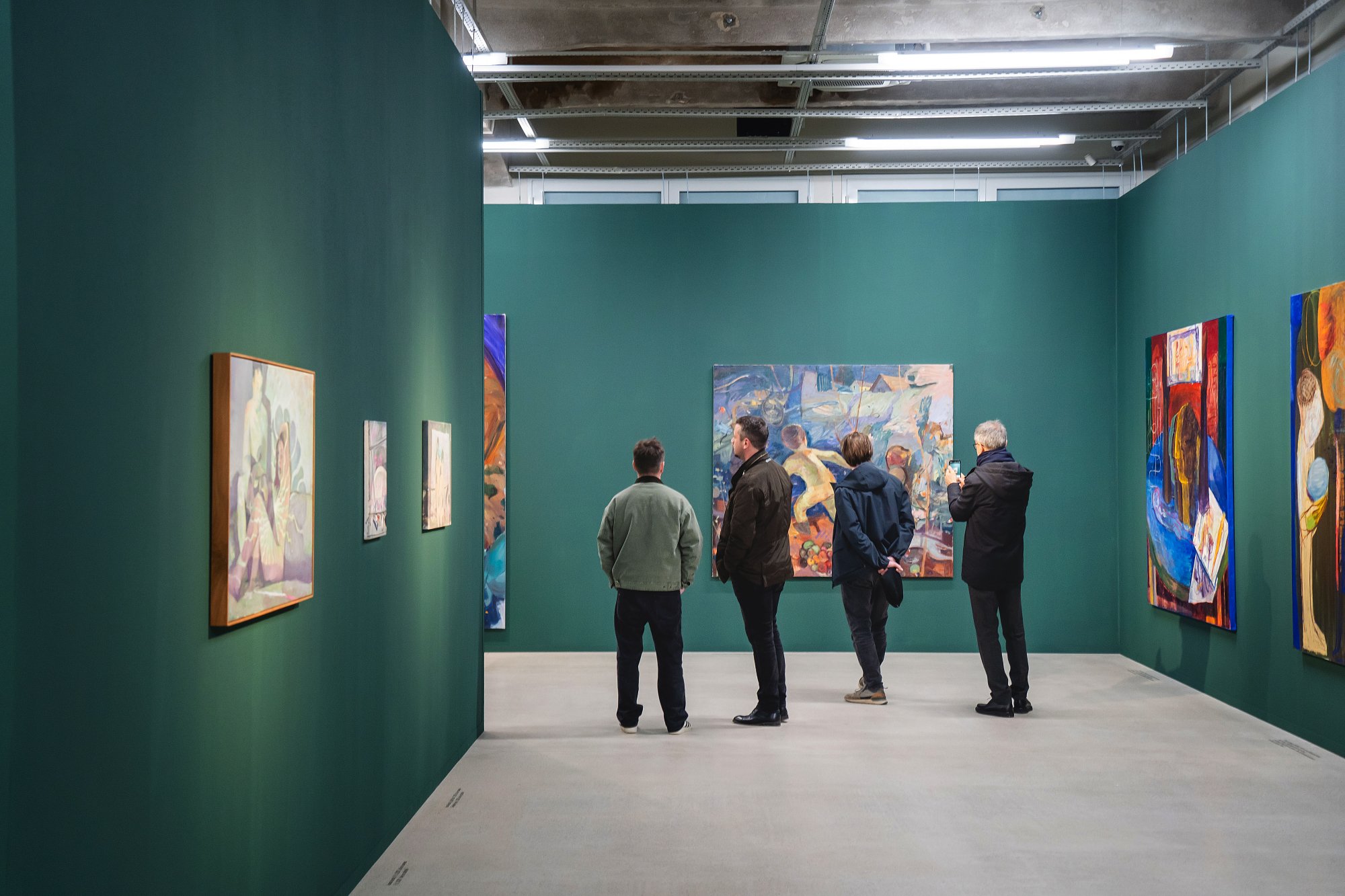
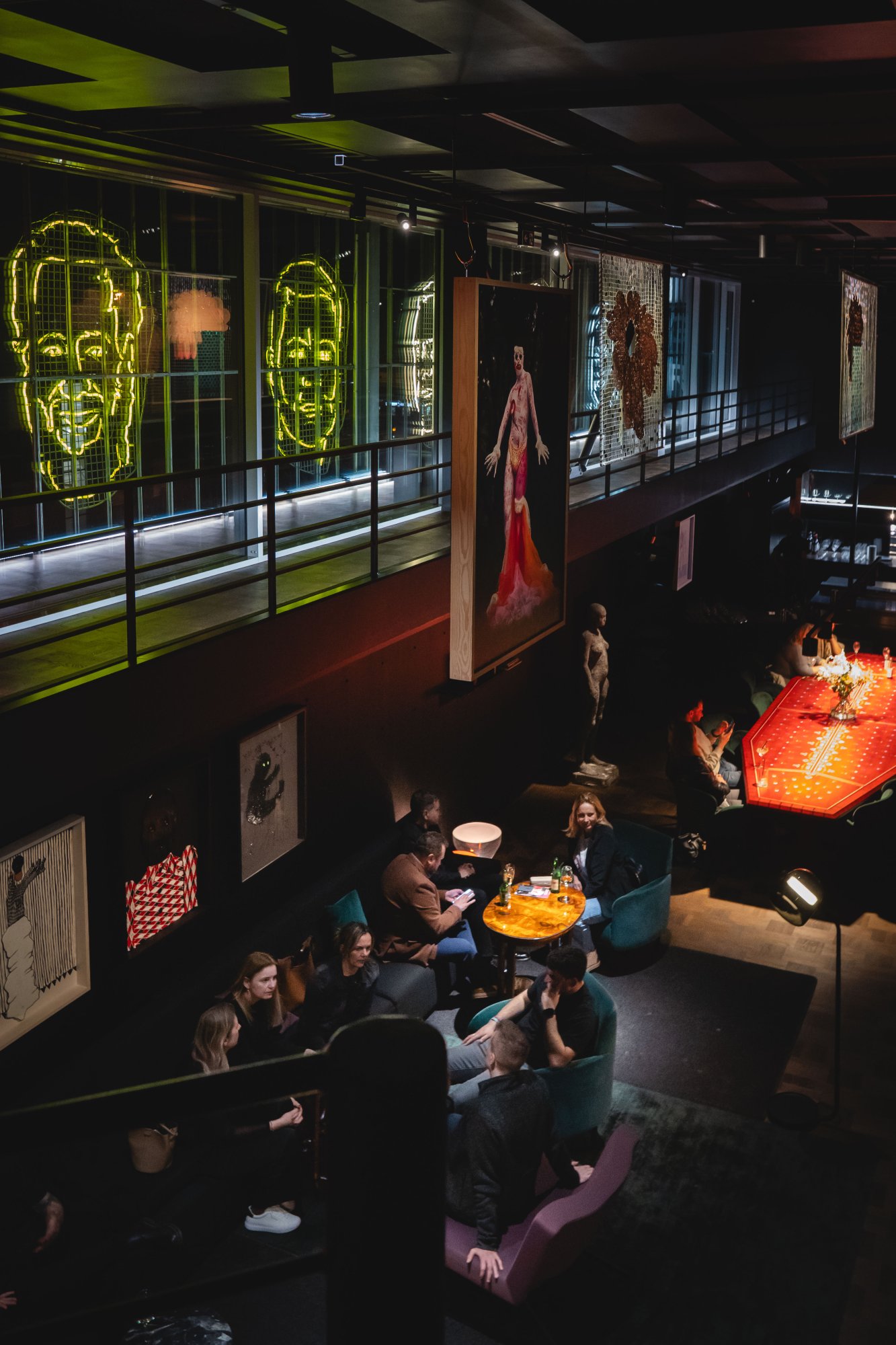
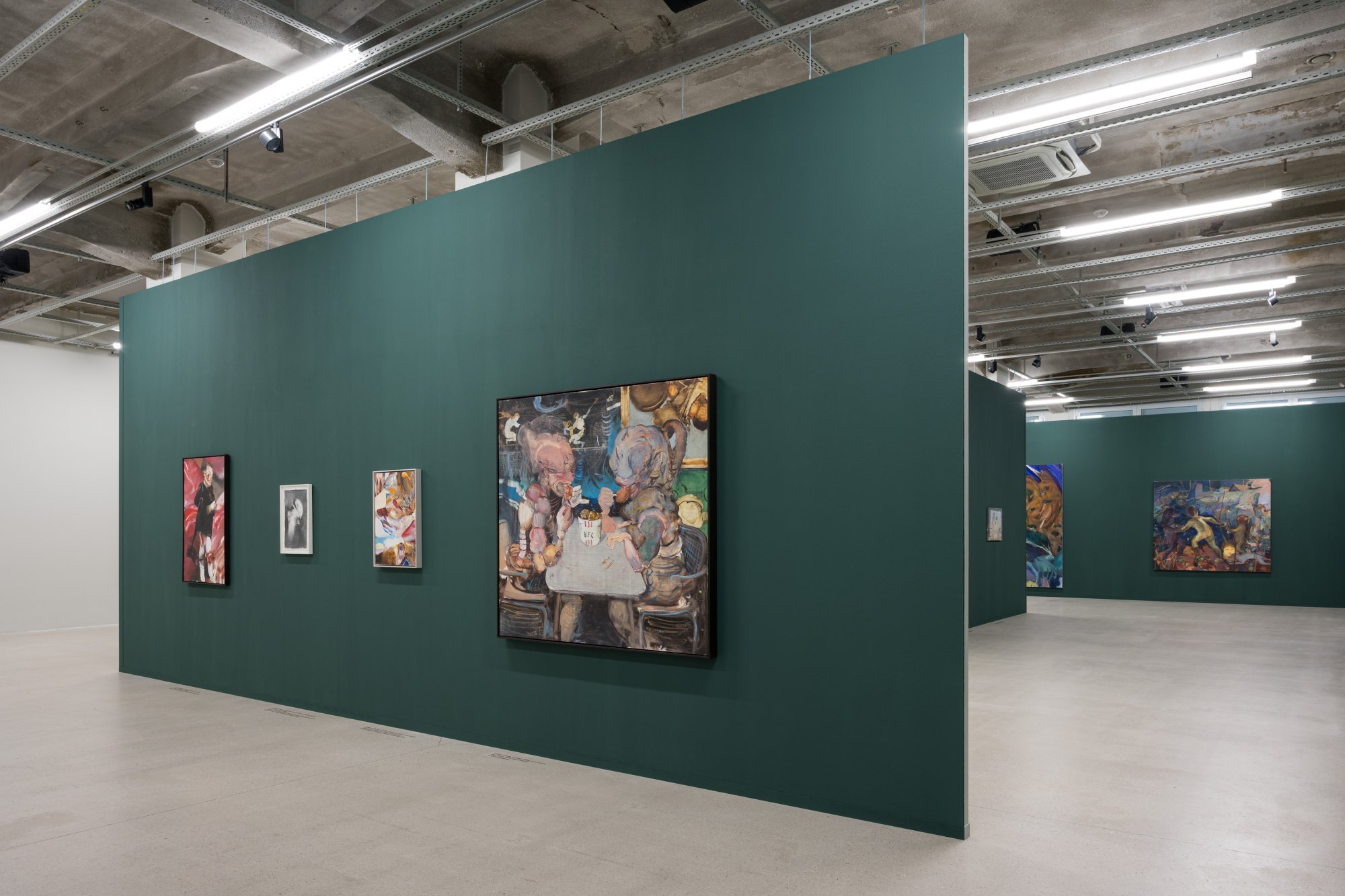
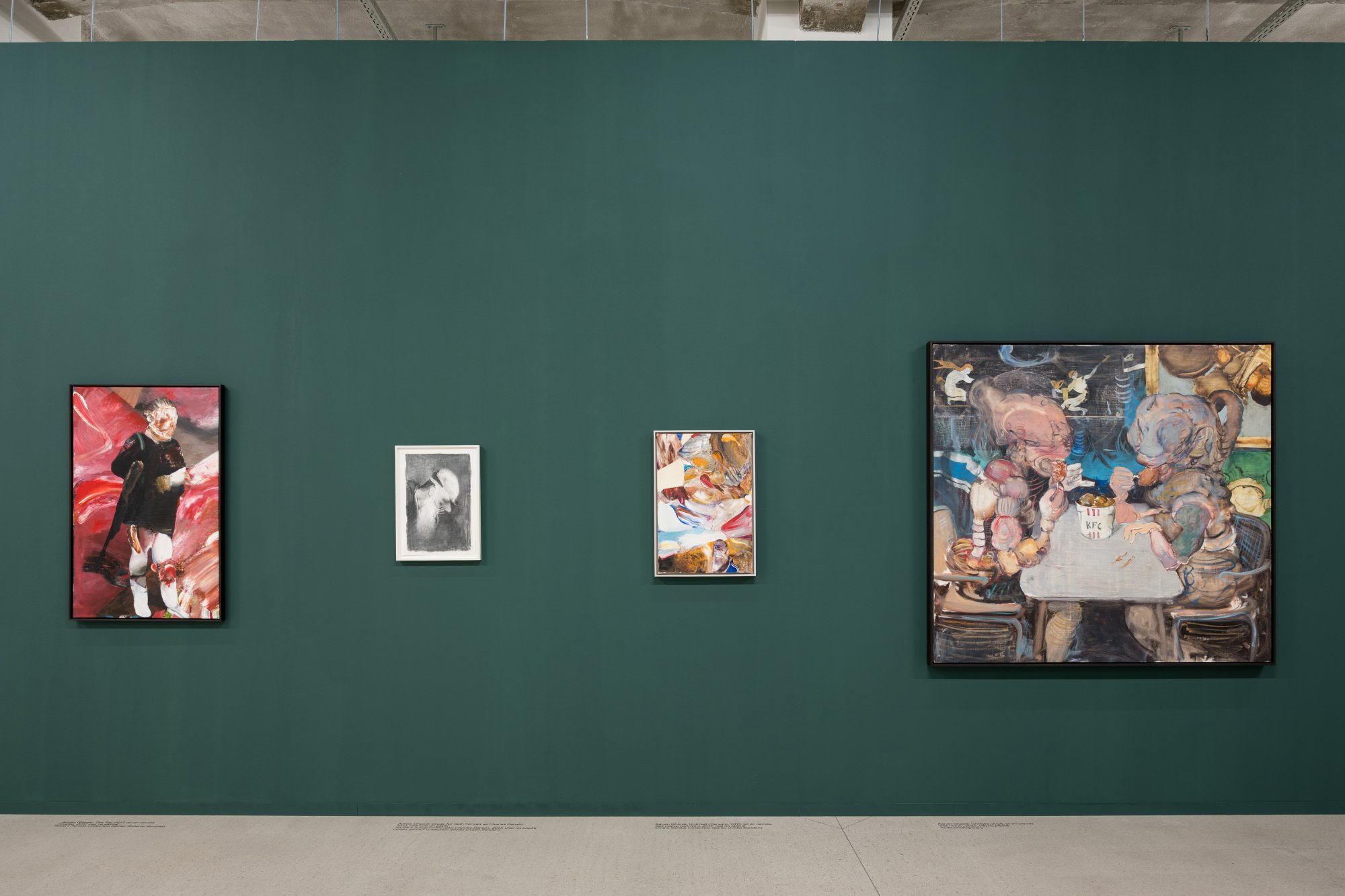
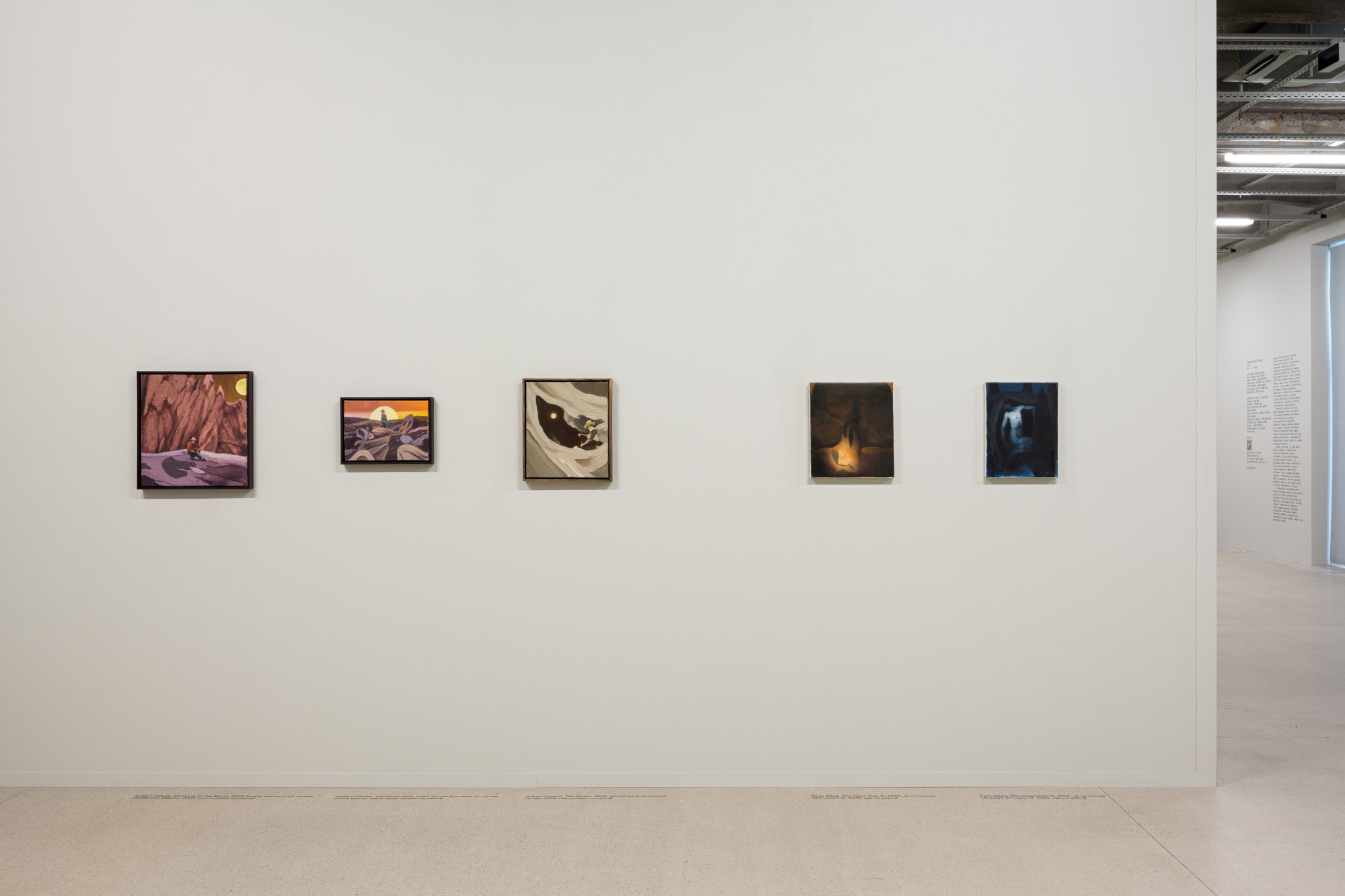
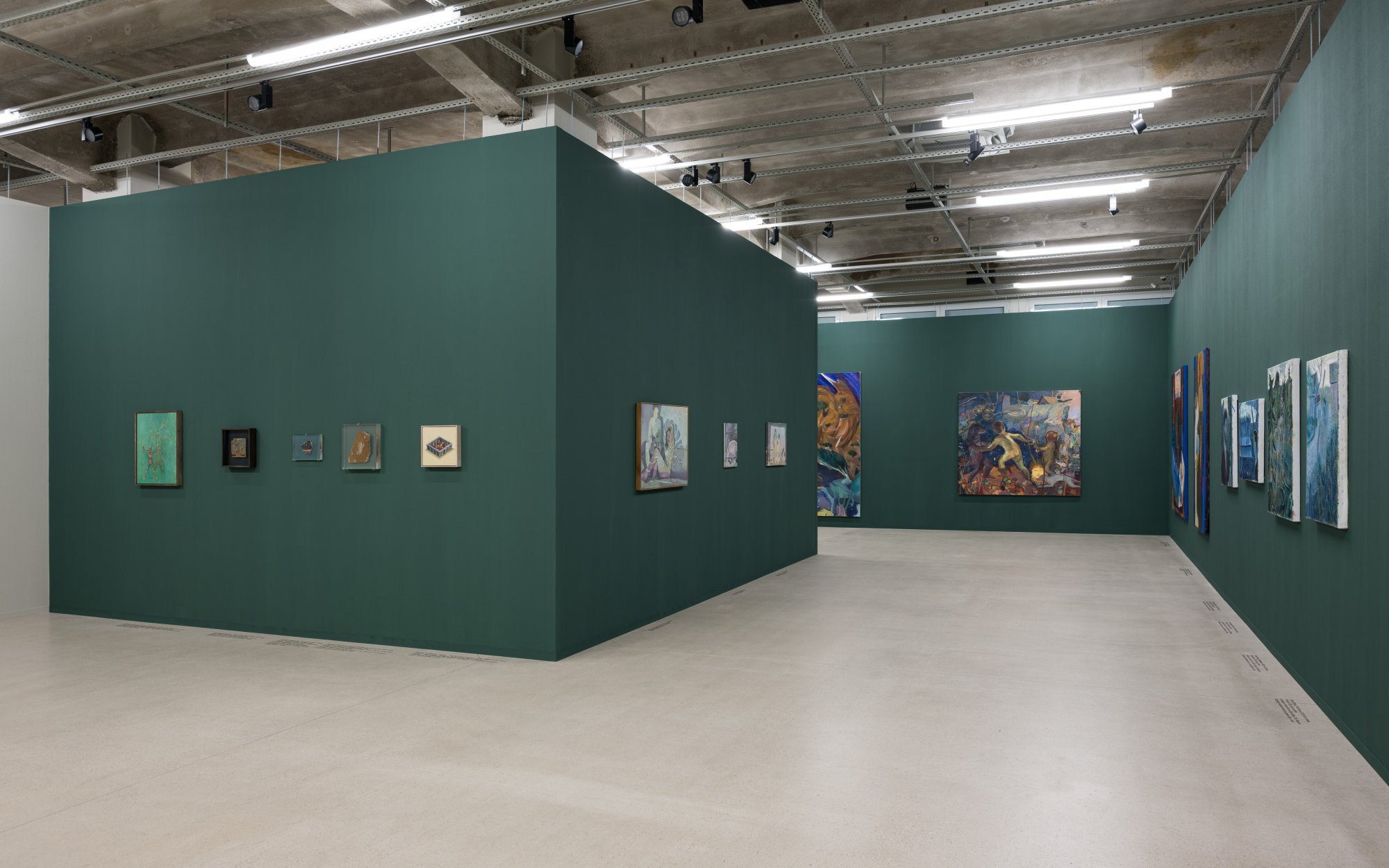
The evolution of her work can be traced in detail through her major exhibition projects. The exhibition *The Moist, Half Open Darkness of the Leaves* (2017) hinted at her specific working process. A significant step was the solo presentation Sky-like Hope (2019) at Bucharest’s Suprainfinit Gallery, which offered a collection of works combining traditional figuration with a sense of uncertainty and transition. The London exhibition *Description of Silence* (2018) at Frameless Gallery conveyed a similarly quiet atmosphere, while the project *Touching the Eye* (2023) at the Zaratan space in Lisbon revealed her path to painting through sketchbooks and studies. Her current participation in the exhibition Transylvanian Painting Today at the Telegraph Gallery can thus be understood as the logical culmination of this journey. Transylvania appears here as a condensed concept of memory and silence, and her painting primarily explores how we perceive the world around us and preserve it in our own memories.