You have the ideas. We have the space.
Let's connect.
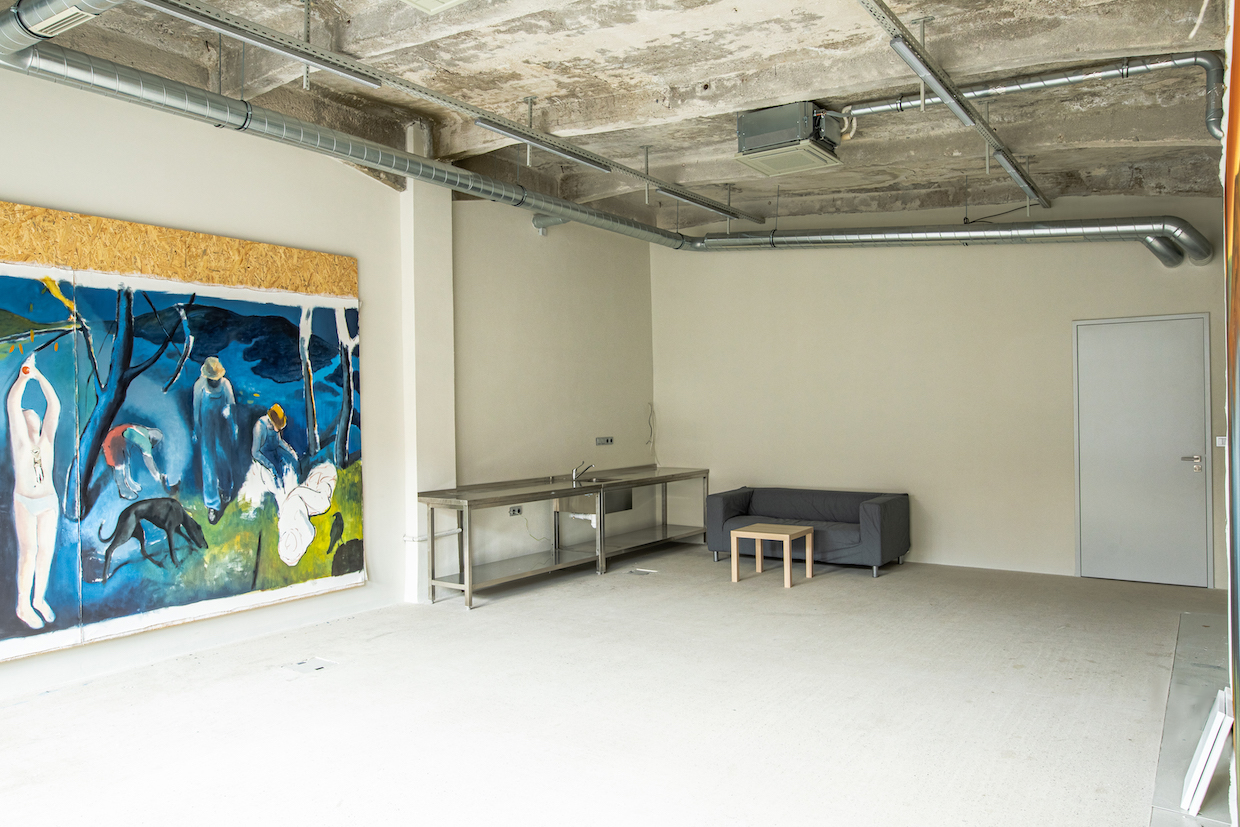
Telegraph Studio accepts all art forms. The residency lasts 4-12 weeks. The artist's headquarters is a studio and an apartment right in the Telegraph premises. It also includes an accompanying program in the form of an open studio or opening reception.
CURRENT ARTIST IN RESIDENCE: IVANA BAJEC
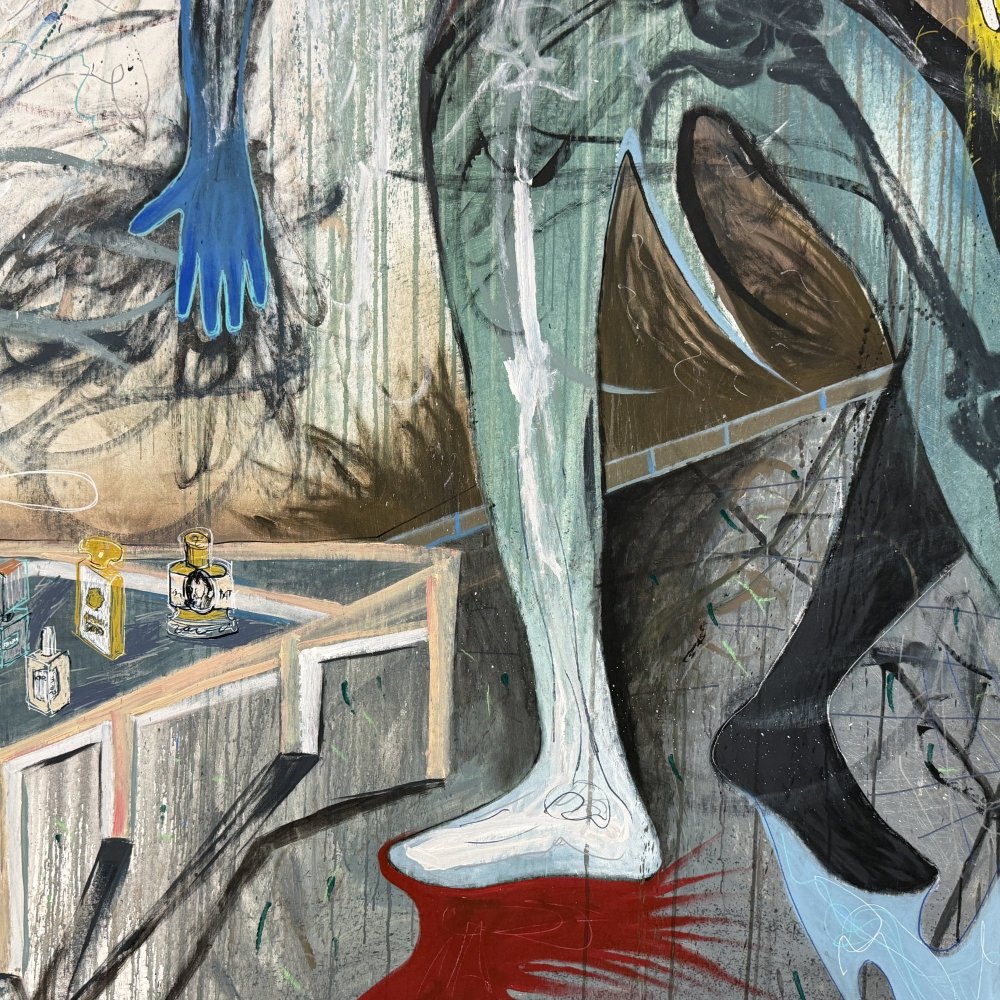
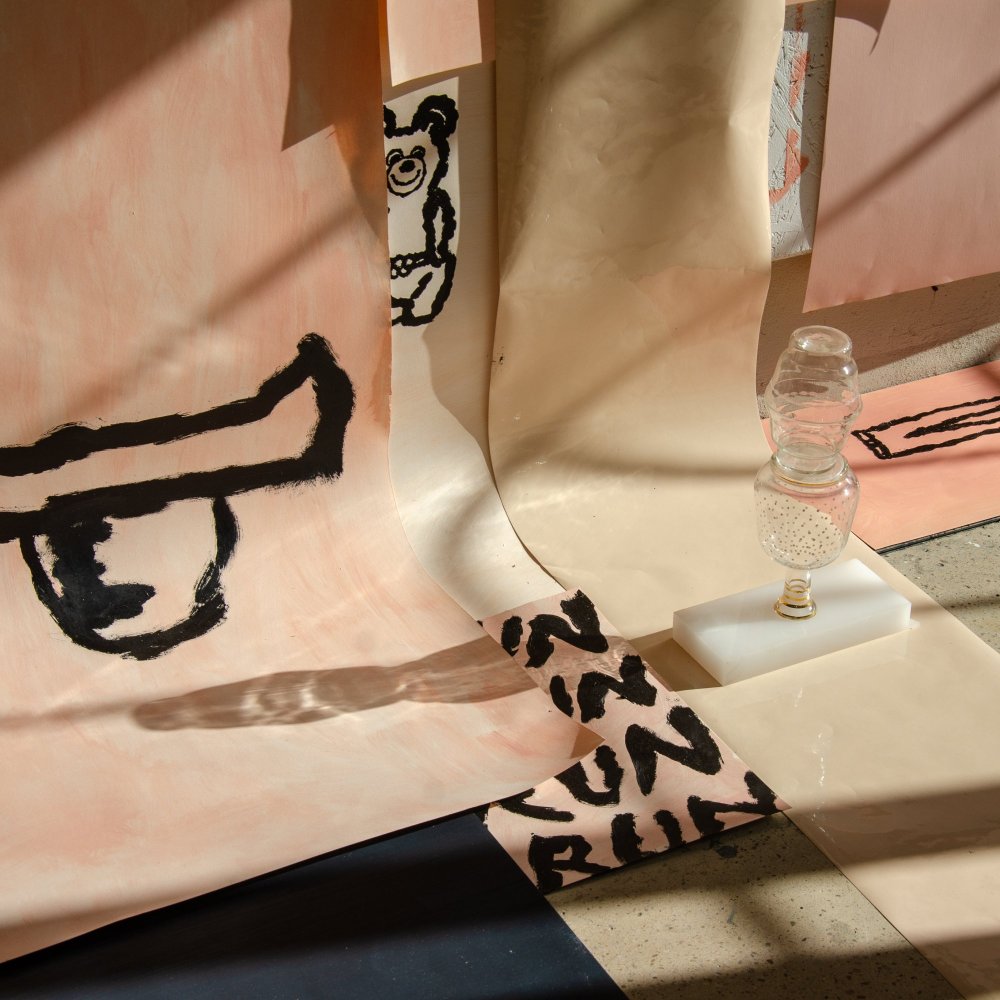
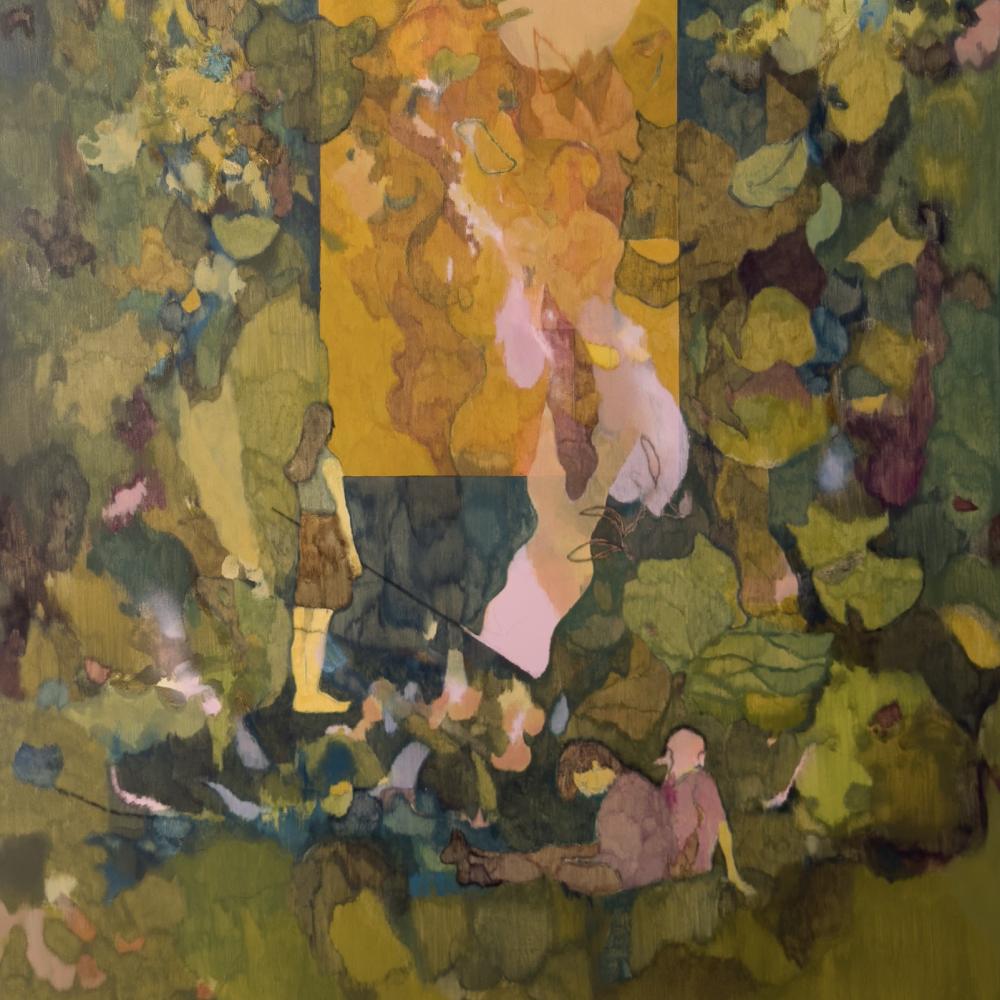
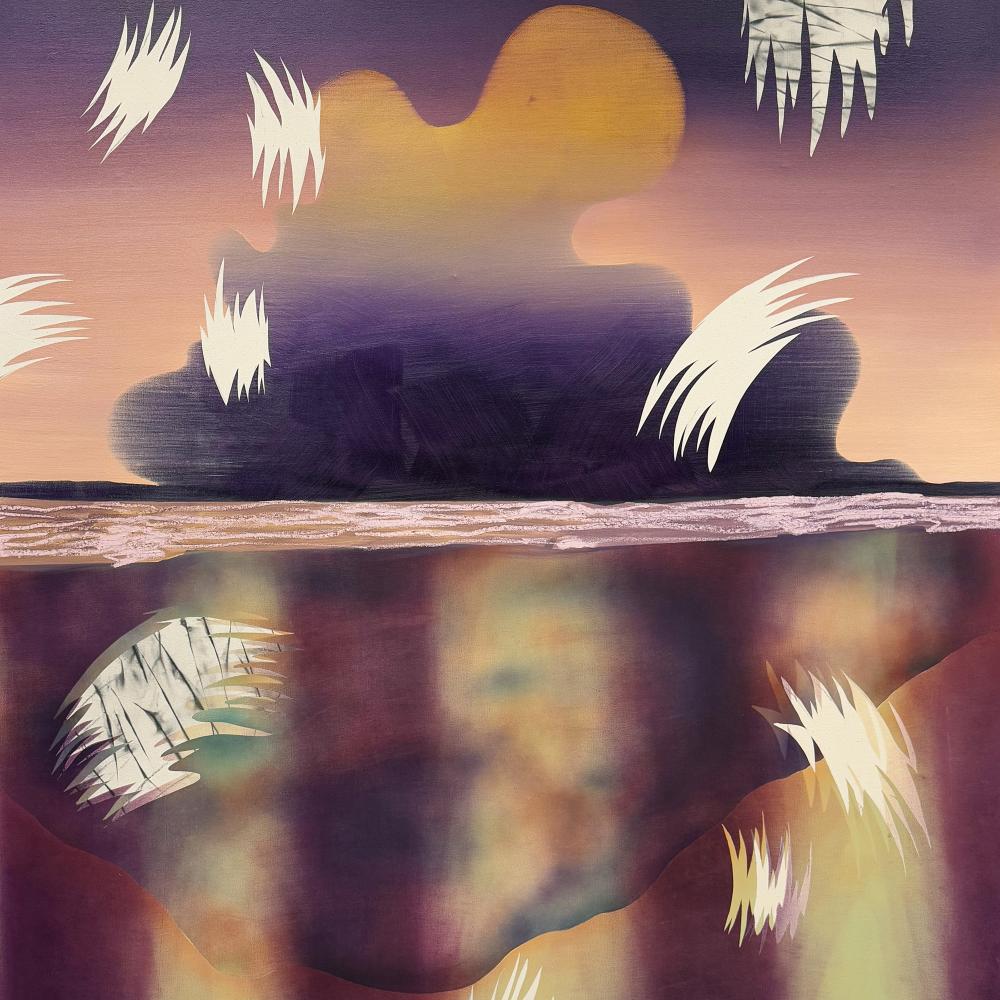
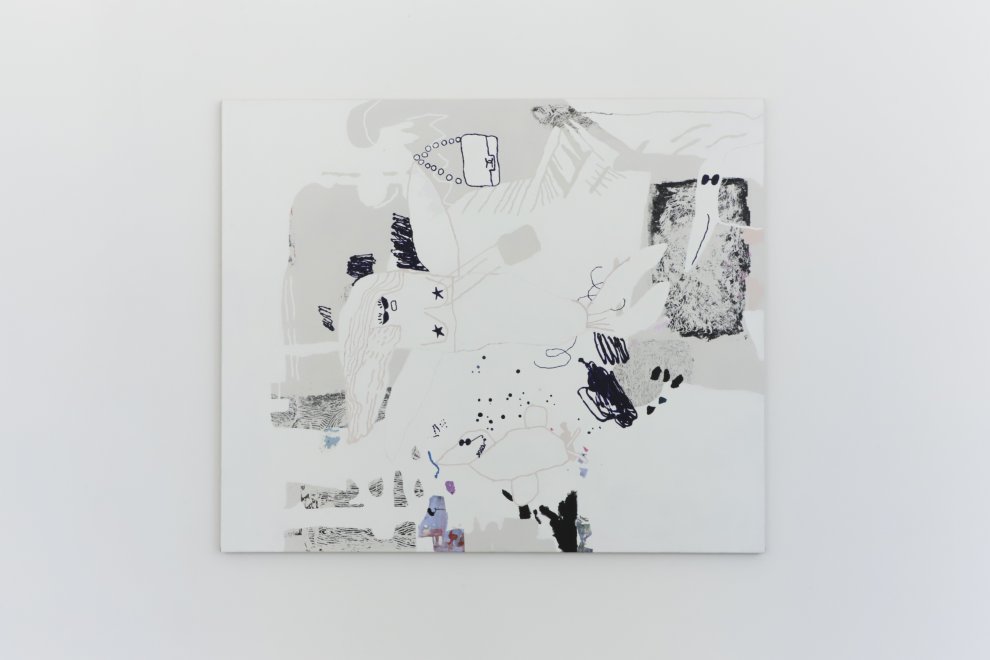
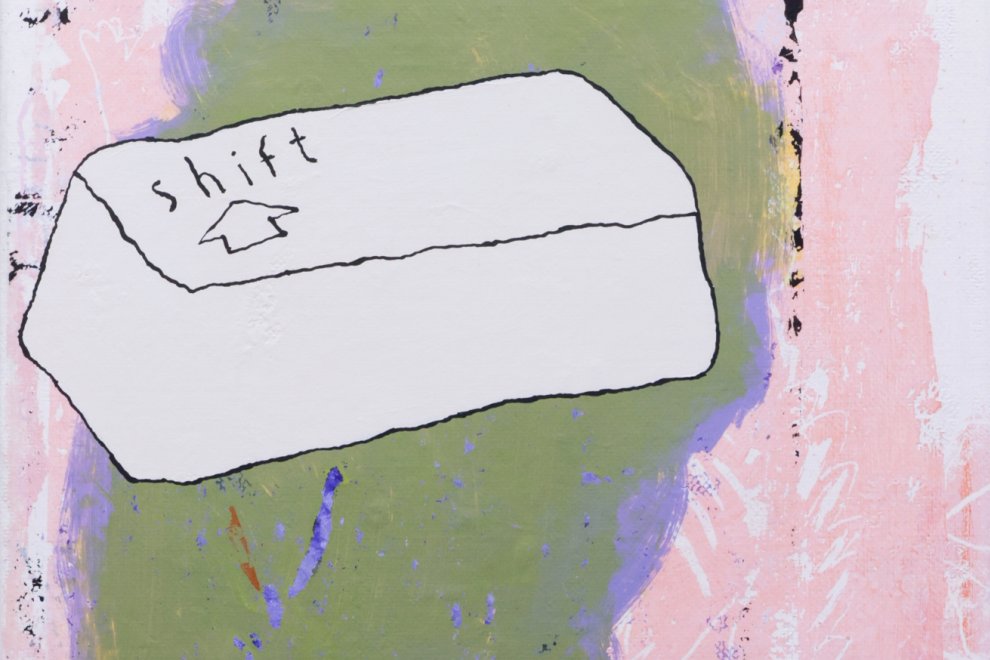
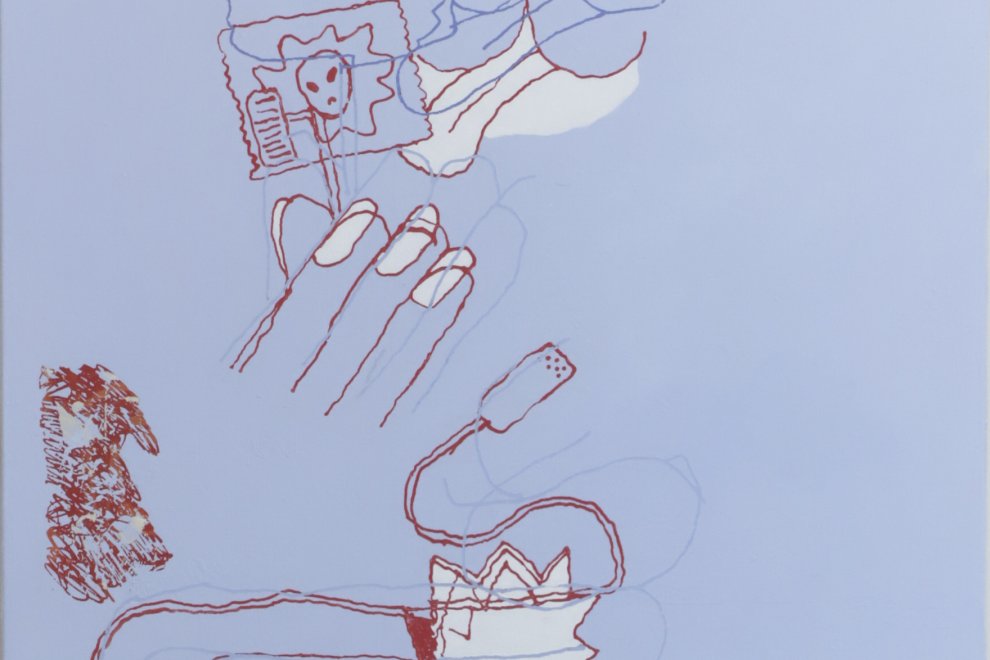
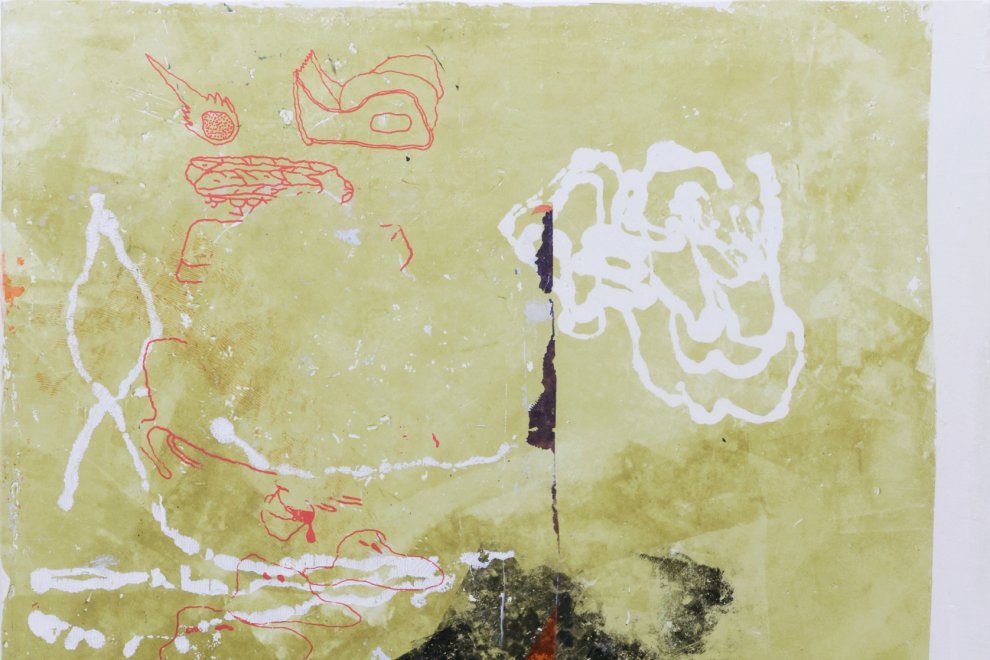
Ivana Bajec (*1990) is a Slovenian visual artist whose practice combines drawing, printmaking, and painting. She completed both her bachelor’s and master’s degrees in painting at the Academy of Fine Arts and Design in Ljubljana. Her work has been presented in numerous solo and group exhibitions across Europe. Her practice is characterised by a passion for improvisation, experimentation, and visual playfulness. Her canvases function as personal diary-like records in which abstract forms encounter whimsical figuration. This immediate and at times provocative style carries a strongly confessional quality, responding to the feelings and challenges of contemporary life with lightness and a distinctive sense of humour. Although Bajec does not directly comment on specific events in her work, her practice sensitively reflects the mental and emotional state of a generation growing up in a state of permanent uncertainty. Through her engagement with news, media, and internet culture, she captures both the alienation and intimacy of modern life. Her characteristic summery pastel palette and the presence of recognisable visual symbols of the digital world lend her paintings a sense of immediacy and dynamism, creatively reflecting contemporary culture. Ivana Bajec’s practice skilfully balances on the boundary between social critique and deeply personal expression. Rather than succumbing to the gloom of the present, her art offers a liberating sense of perspective and an embrace of spontaneous joy in life.