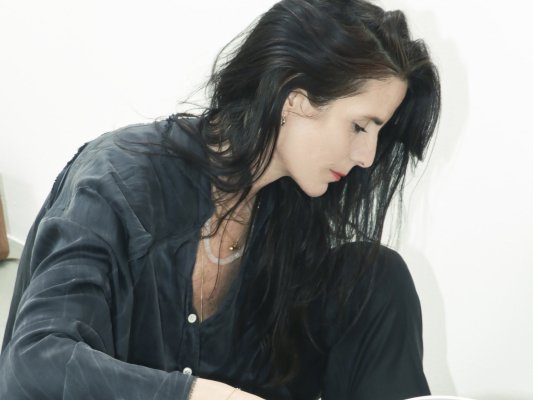
Maja Babič Košir is a sculptor educated at the Academy of Fine Arts and Design in Ljubljana, with further studies at EINA University School of Design and Art in Barcelona. Her work has been presented internationally at institutions and art fairs including MG+MSUM Ljubljana, Cukrarna, ARCOmadrid, Art Brussels, Vienna Contemporary and Zurich Art Weekend. Working with sculpture, assemblage and spatial installation, she explores memory, absence and personal archives through found and familial materials. Her practice transforms sketches, letters and objects into tactile interventions that balance intuition with formal precision, creating layered works that reflect on intimacy, loss and the emotional traces embedded in material culture.
The interview was created on the occasion of Maja Babič Košir and Nevena Aleksovski's residency at Telegraph, which will culminate in a joint Open Studio on June 23, 2026.
In your work, you often use found objects, themes of memory and archives. What significance do family history, collective memory, or the memory of objects have in your work?
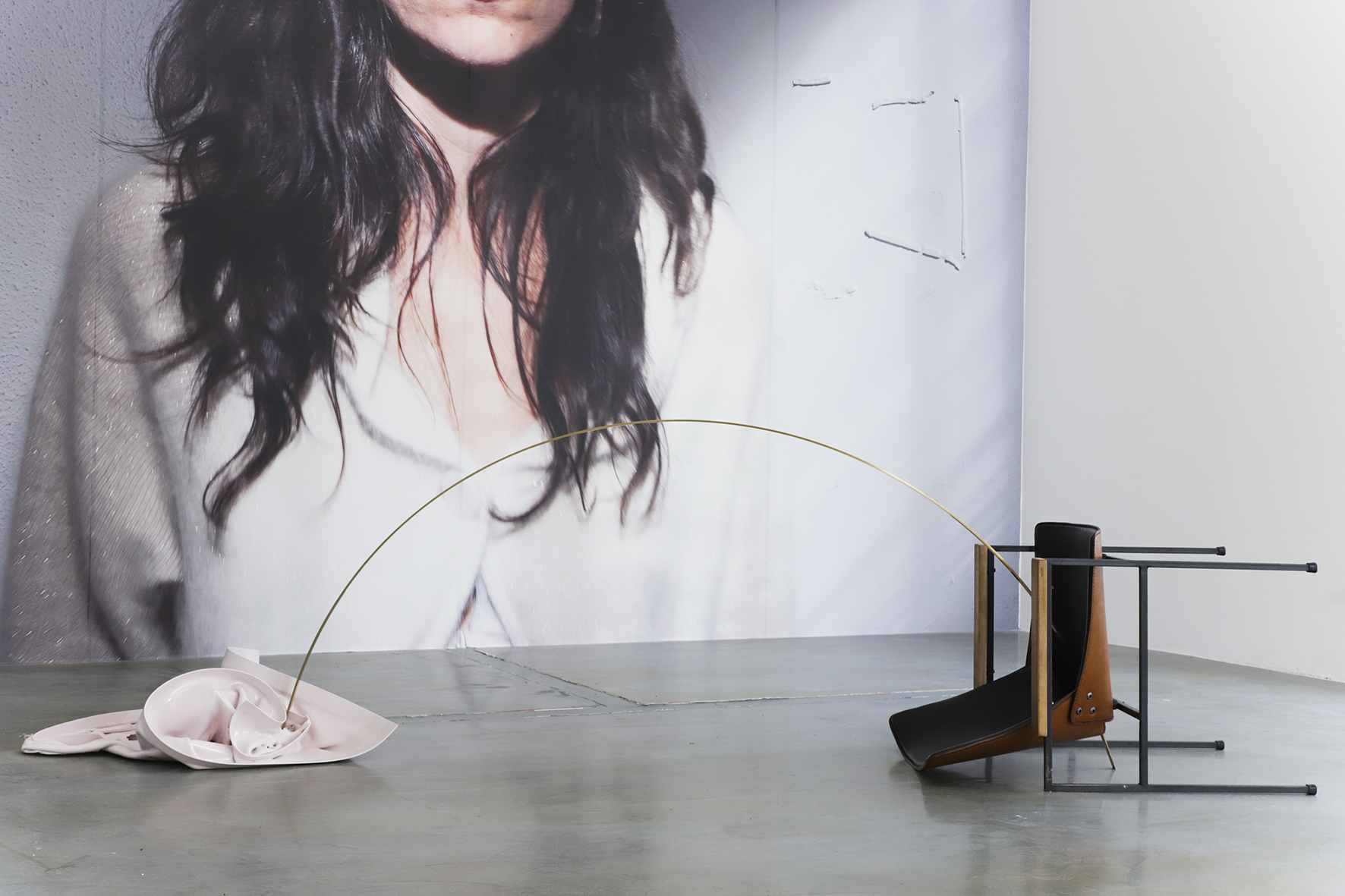
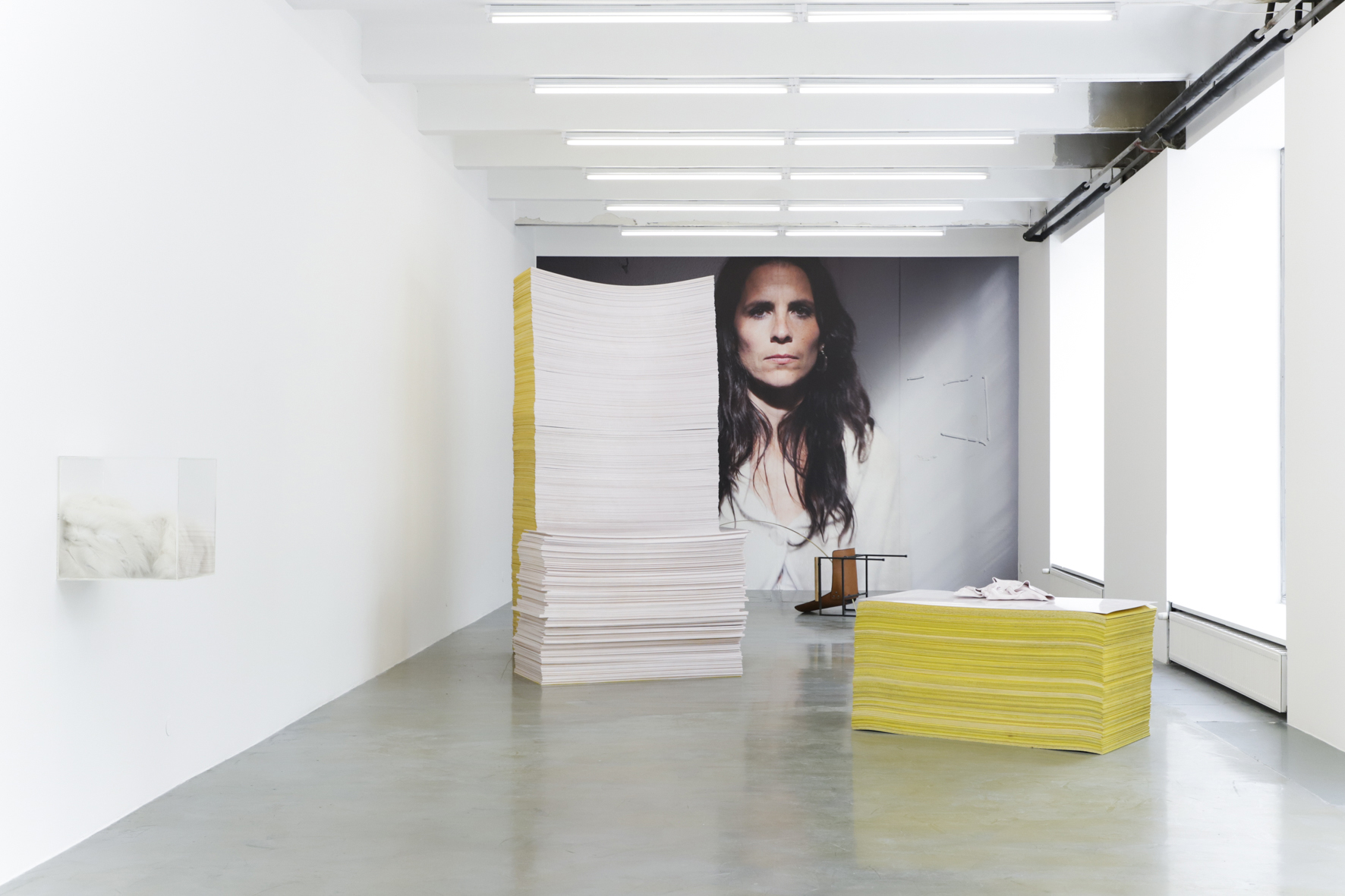
My artistic practice could be described as a living autobiography. What I create could also be called emotional monuments, as I draw from intimate family stories and my own life. However, I would like to emphasise that the narrative in my installations is not my exclusive story. I speak about humanity, relationships, ageing, love and death, about universal themes of history and the present. We all have our own stories, and I draw from the one that is closest to me. The different objects that I take from my family archive or collect from different parts of the world carry intimate, social, and timeless stories. They bring me back to the past and calm the ghosts of the present.
During your residency in Olomouc, you found many objects, furniture, vases and notebooks at bazaars and antique shops, which you are currently working with. What fascinates you about objects of everyday use that are often damaged and seemingly unusable at first sight? How do you establish a relationship with objects that do not carry your personal story?
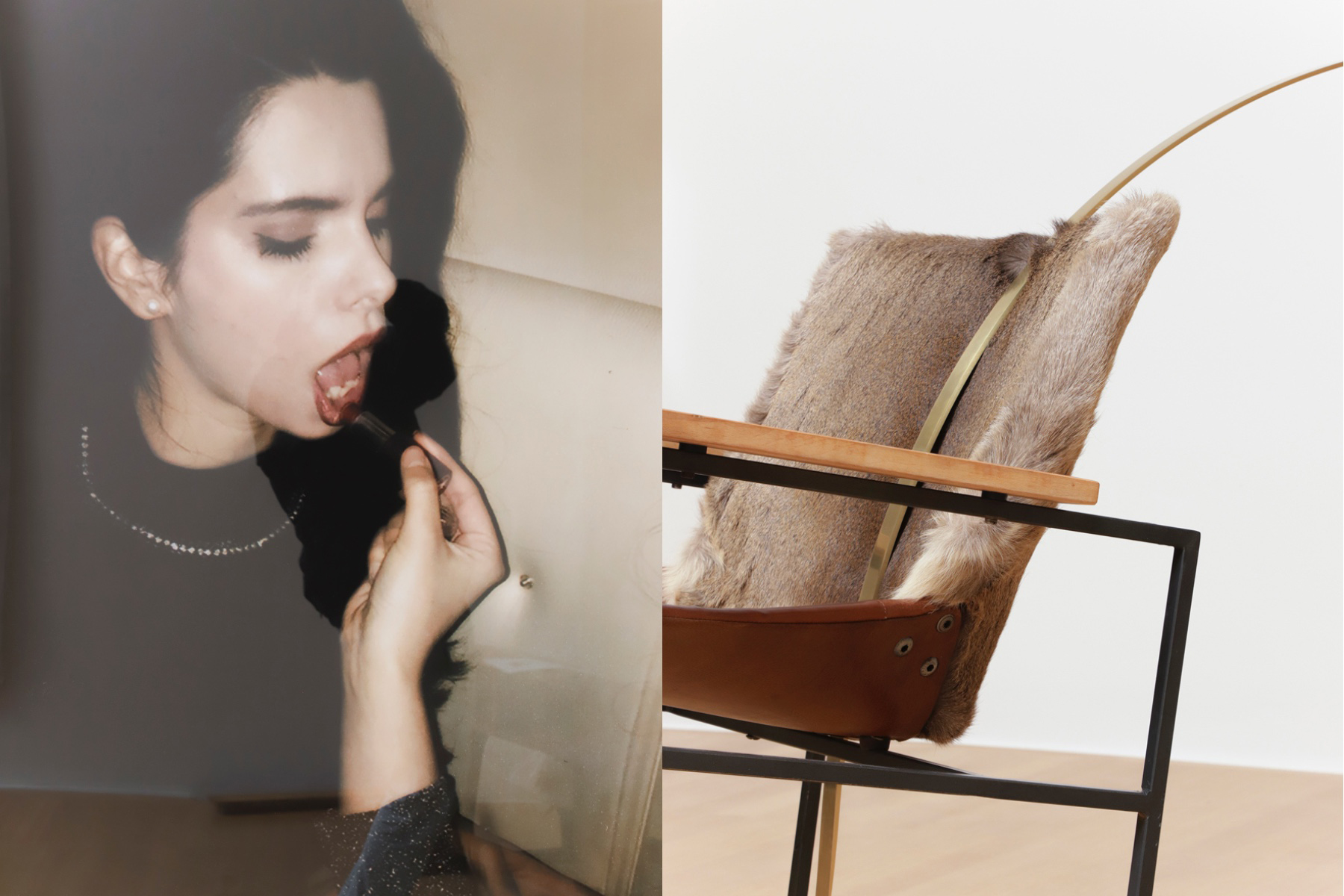
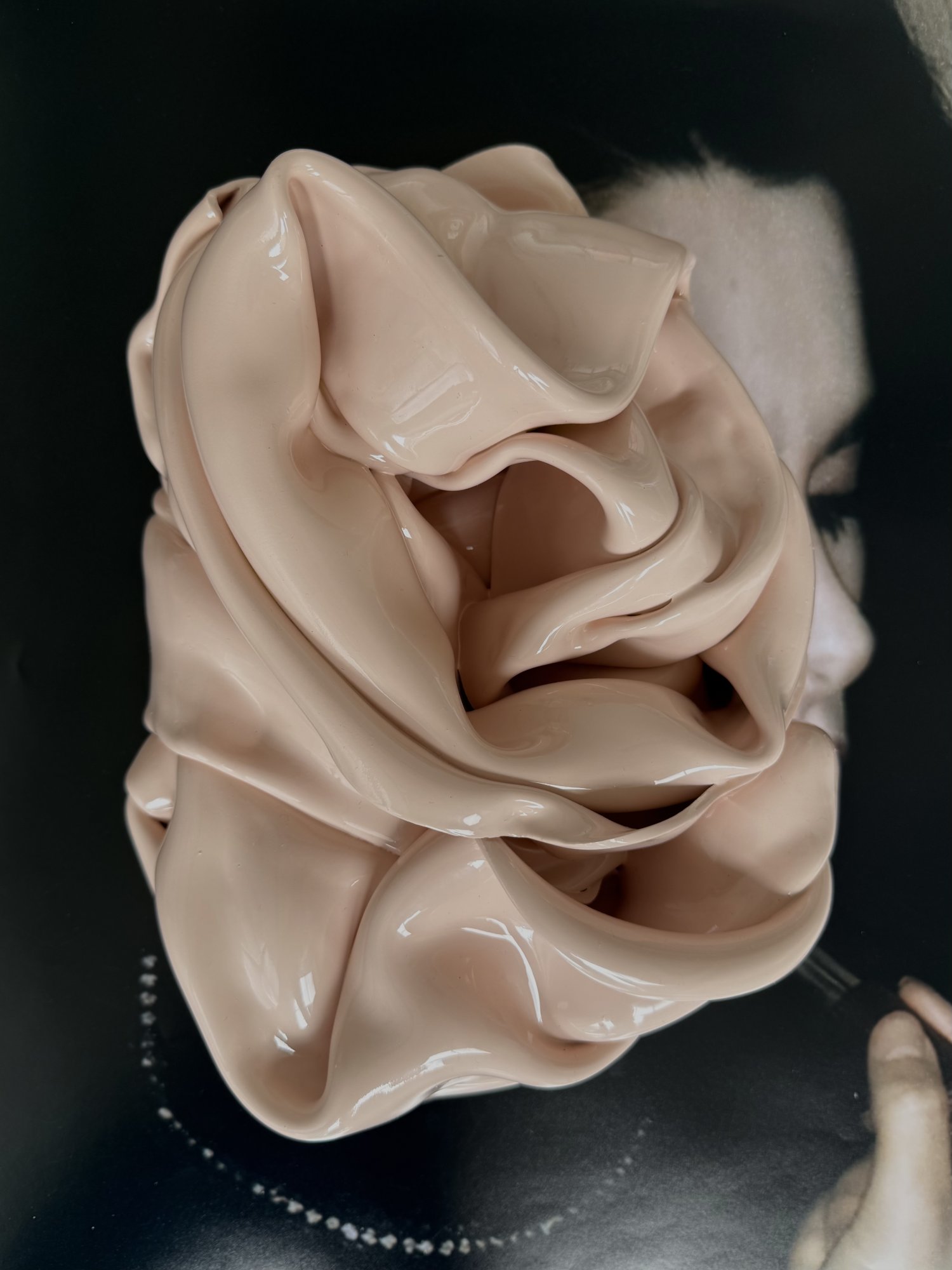
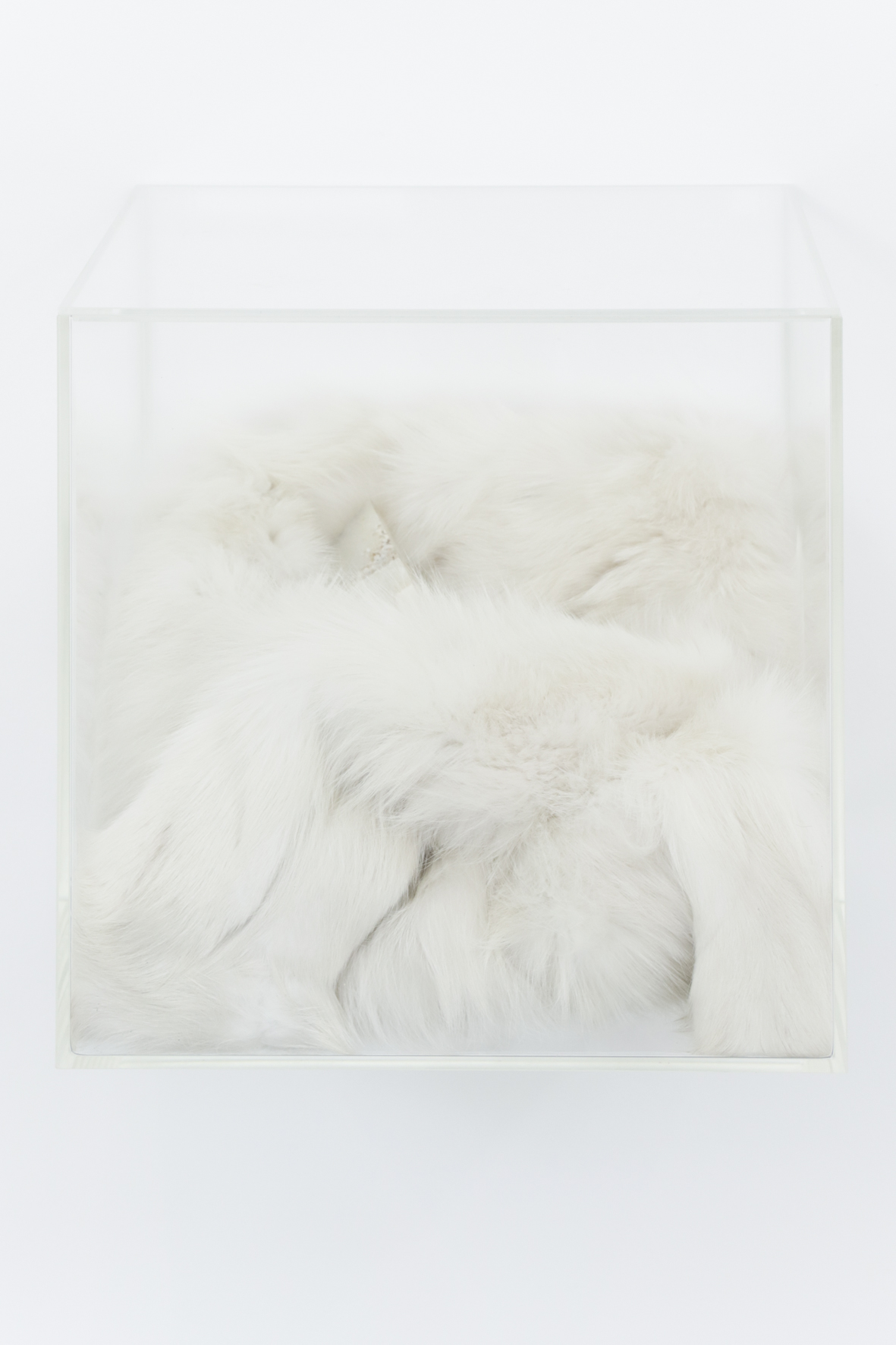
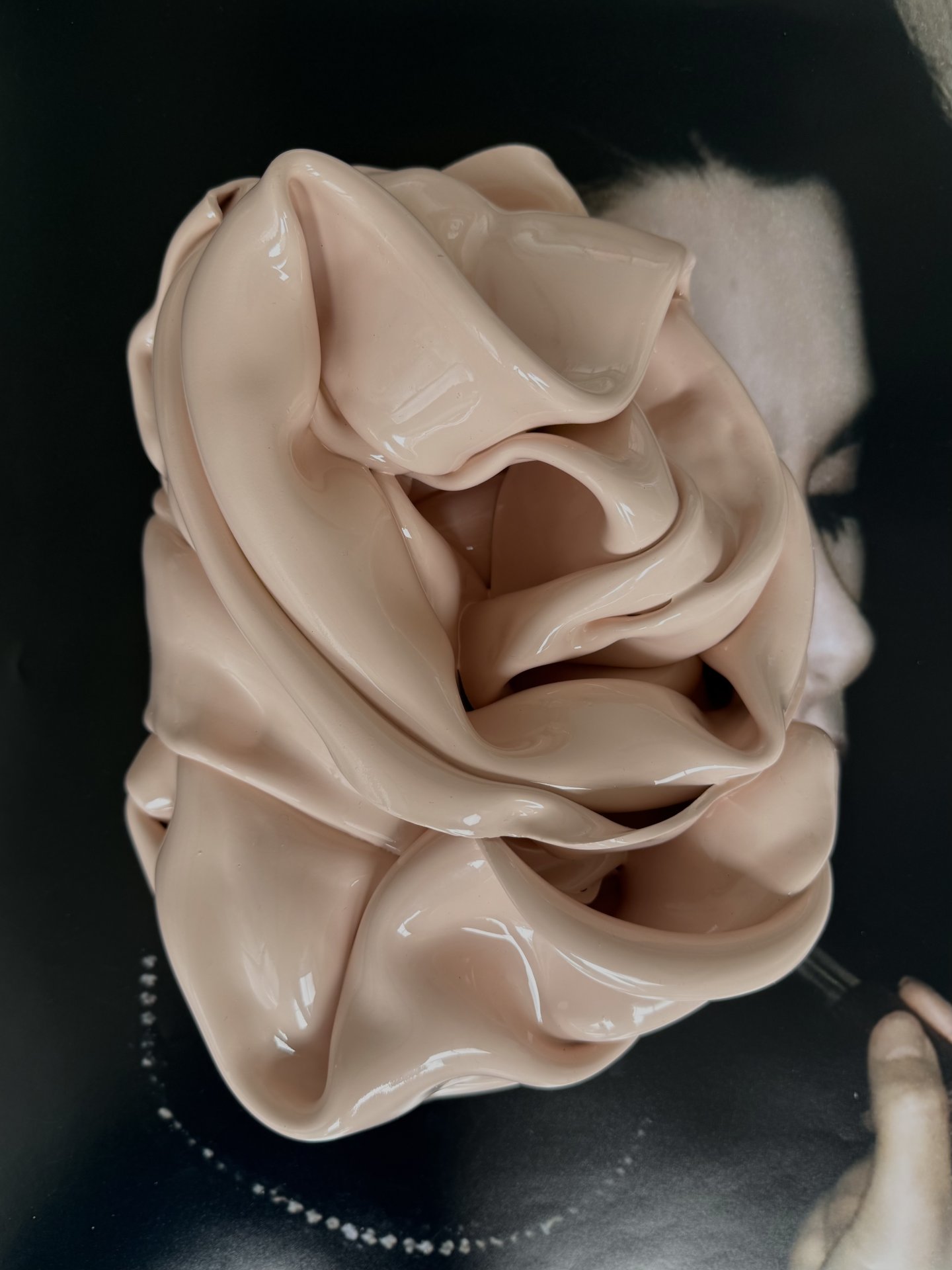
I see objects as totems, guardians of stories. They are much more than just objects. They carry memory, the lives of those who are no longer here, many emotions, the energy of the past and at the same time the possibility of something new. Usually, these are forgotten personal objects that I try to transform through artistic intervention, preserve and stop in time. These objects often guide me and suggest a new story. I like working with leftovers and with unusable objects. This is also my principle, as I mostly recycle and avoid excessive consumption. The boundary between mine and yours becomes blurred, and that is precisely why art is so interesting and universal. Objects are like spices in creating a new narrative. The relationship is established as soon as I intuitively choose an object.
The exhibition Dear Father at Trotoar Gallery in Zagreb and HAUNT in Berlin this year explored the figure of the father, family relations, inheritance and memory. How do you work with the family archive and objects that belonged to your parents?
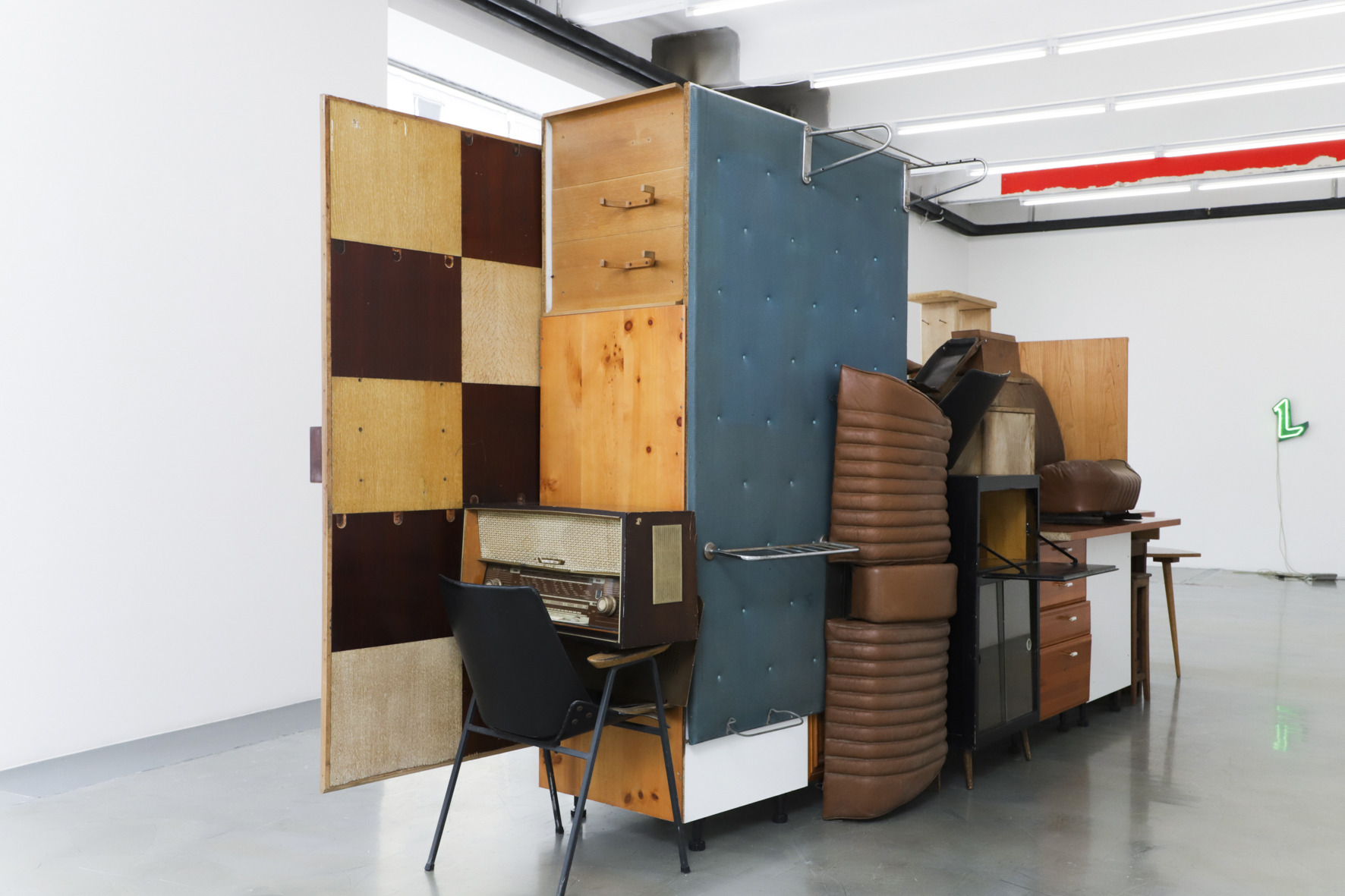
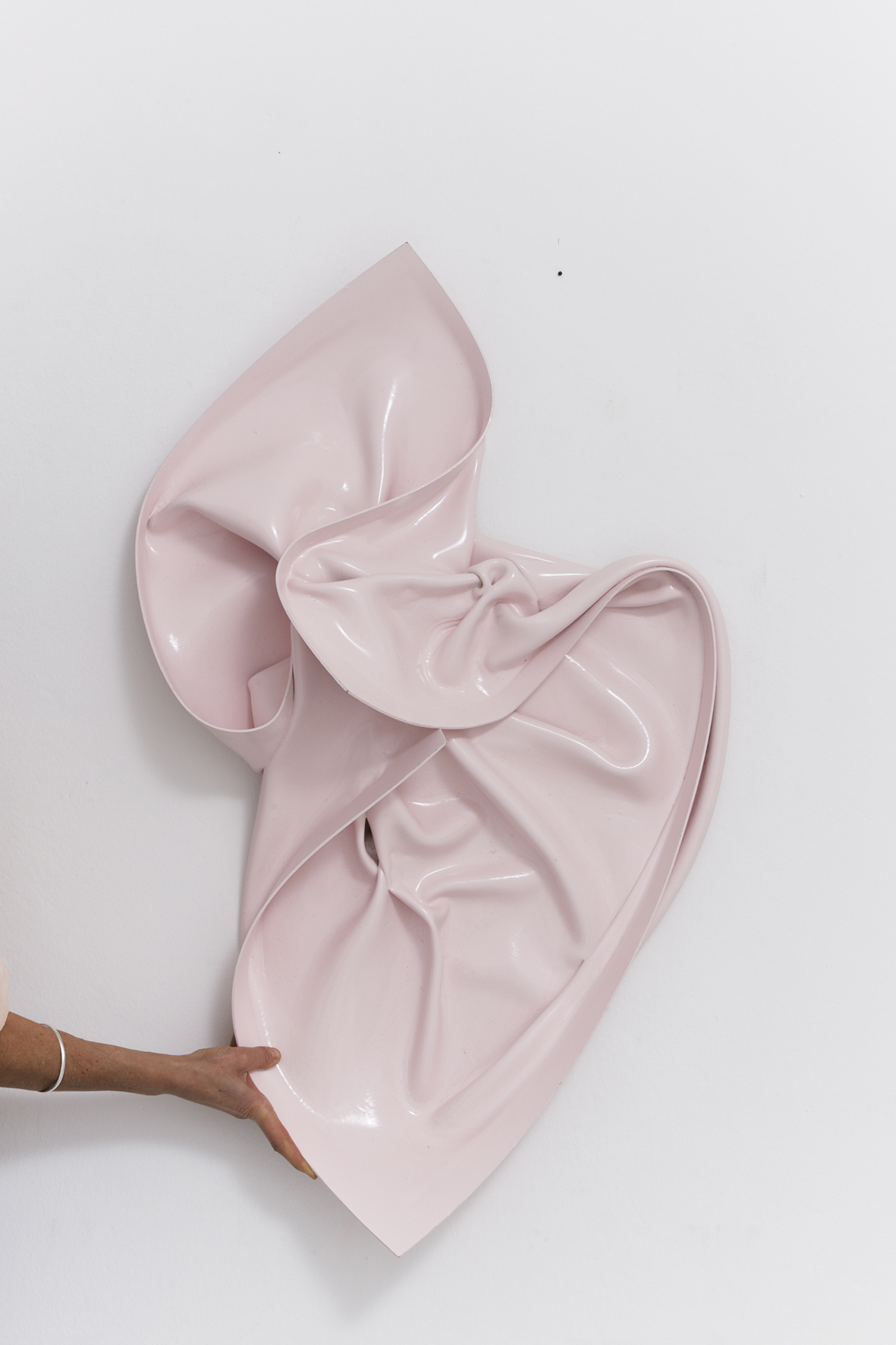
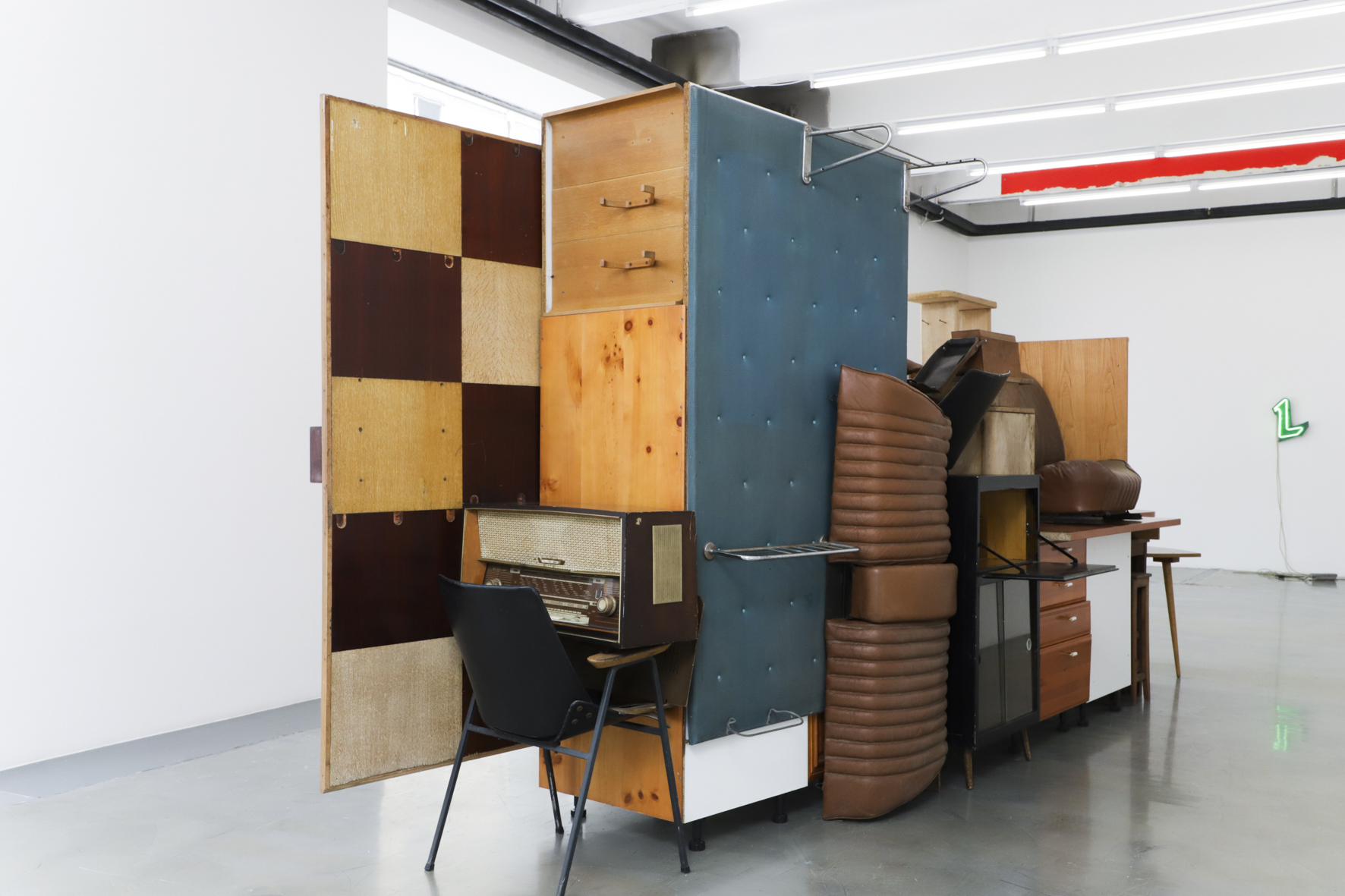
The family archive was my starting point when I returned to Slovenia after ten years of living abroad. It all began with the death of my father, with whom I had a very complicated relationship, or rather, we actually had no relationship. He left behind a large storage space filled with various materials. He was an industrial designer, and these materials became the starting point of my further artistic practice. From them, the first works in the Love Letters series were created, which I made from his materials. These works became a metaphor for the transformation of our difficult and complicated relationship. Through the process of creating, there was a silent confrontation, letting go and acceptance. Vulnerability is one of the greatest forms of courage for me. The love letters were initially addressed to him, and they are still continuing. This is a lifelong project. The storage is still full of things, and as long as the materials are available, new stories will continue to be built from them in multimedia spatial installations. The oldtimer Mercedes is already waiting to be moved into the gallery. As I said, writing love letters is an endless process. Now it is my mother’s turn as well. In the previous installation, Courage Mon Amour, dedicated to her, I, among other things, reimagined the kitchen from our family house, transforming it into a new form, a space where we never truly lived as a family. Now new ideas are coming, I am working with my mother’s huge archive of photographs, and together we are creating something new. This is also a lifelong project, a kind of preparation for the inevitable. Through art, I try to build and preserve love, because in the end, it is the only thing that truly remains.
You often describe your work as a never-ending process. How would you describe this within your everyday artistic practice?
Art is alive. I work intuitively, with what I have, and I trust life and what it gives me. Often, the same elements return. I recompose them and transform them into different configurations within the installation. The work remains in a constant process. It changes until it leaves the studio. Then I let it go, and it starts to live independently. Each work opens the next one. I am especially interested in space and site-specific installations, where the narrative is truly completed only in space.
In your work, you move between different media, from drawing to object-based practice. Is any of these media currently especially important or more closely aligned with the way you think?
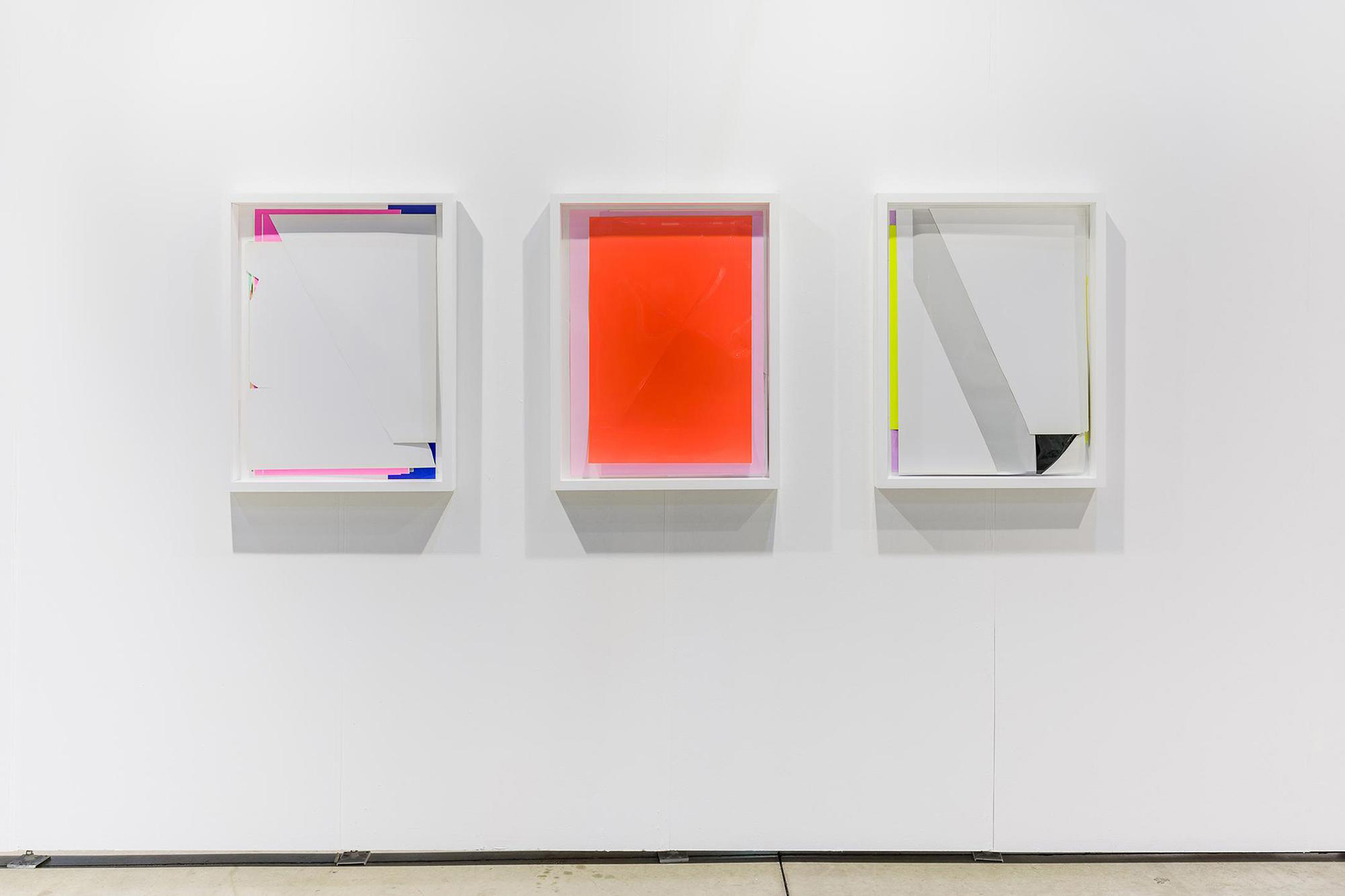
I am not attached to a specific medium. I use the one that is most suitable at a given moment for the story I want to convey, or depending on the space I am working in. I usually go with the circumstances and allow the material or medium to find me. That is exactly why art is so wonderful, because everything is possible. While living abroad, I mostly worked with drawing, also because of more practical conditions. Since I have a larger studio, my work with space and larger installations has expanded as well. I also use photography, sound, text and sometimes video. In reality, it is not so much about the medium, but more about the inner space, when during the process a moment of alignment and connection happens.
You often include sound elements in your installations. Why is it important for you to connect sound with the visual aspect of the work?
Sound and music are very important to me. I want my installations to be experienced not only through the eyes, but also through the body. Sound has a special power to create atmosphere, memory and presence. In my work, sound often exists in dialogue with space, light and materials, becoming an equal part of the installation rather than just an addition. Silence is equally important to me, as it carries its own presence. I always used to work while listening to loud music, but today I often create in silence as well, which is also part of the process.
Your collaboration with Nevena Aleksovski began in 2022 with the project I dreamed there was an Island at Ravnikar Gallery Space. After several joint projects, you are now also collaborating as artists-in-residence at Telegraph. How did your collaboration begin?
Both Nevena and I collaborate with Ravnikar Gallery Space. Before we met in person, I admired her work, and her drawings impressed me deeply. We met through our work. The gallerist Piera Ravnikar suggested our first joint project as part of Ljubljana Art Weekend in 2022. From the beginning, the collaboration was very natural, light, fluid and inspiring. Our ways of working are very close. We are both spontaneous and intuitive, and our practices easily intertwine. Through the process, the collaboration developed into a friendship and eventually into more shared projects. One of the latest was a site-specific installation in collaboration with Pedro Maia, titled Letters from the South, presented at Ravnikar Gallery Space at ARCO Madrid. In the project, we explored the theme of the Yugoslav Antifascist Women’s Front (AFŽ), a topic especially close to Nevena. I included the story of my grandmother, Milena, who was part of this movement, was later imprisoned and tortured, but remained loyal. The project was a kind of homage to her, but also to all women whose stories and forms of resistance we often carry through generations. During the Telegraph residency, we are preparing a new joint exhibition, Olimpijada (Olympiad), which will be presented in October in Slovenia.
What does creating joint projects with Nevena mean to you? How do you influence each other, and how does the environment of Olomouc influence your work?
I love working in duality. Collaboration between two people can be very beautiful and a real treat for the soul. Less seriousness, more playfulness and joy, and of course, a lot of shared time, travels, openings, difficult and beautiful situations, everything becomes meaningful together. With Nevena, we complement and inspire each other, and most importantly, we give each other space. We trust the process and are not focused only on the result. We both work in parallel with our individual practices, and our shared space is very precious to me. I believe in community, collaboration and sisterhood. The residency at Telegraph is a wonderful experience. This is the first time we have spent so much time together, and it is truly a luxury. In everyday life, it is difficult to find enough time for shared creation, but here we have been given an ideal space in every sense, which we usually do not have. Olomouc and Telegraph have opened up many new ideas for us. We have collected different archival materials, opened new research paths and can already see directions for future projects. This experience is truly a gift. I am very grateful for everything at Telegraph, for the generosity of the space, and everyone involved. It has been an incredible experience.