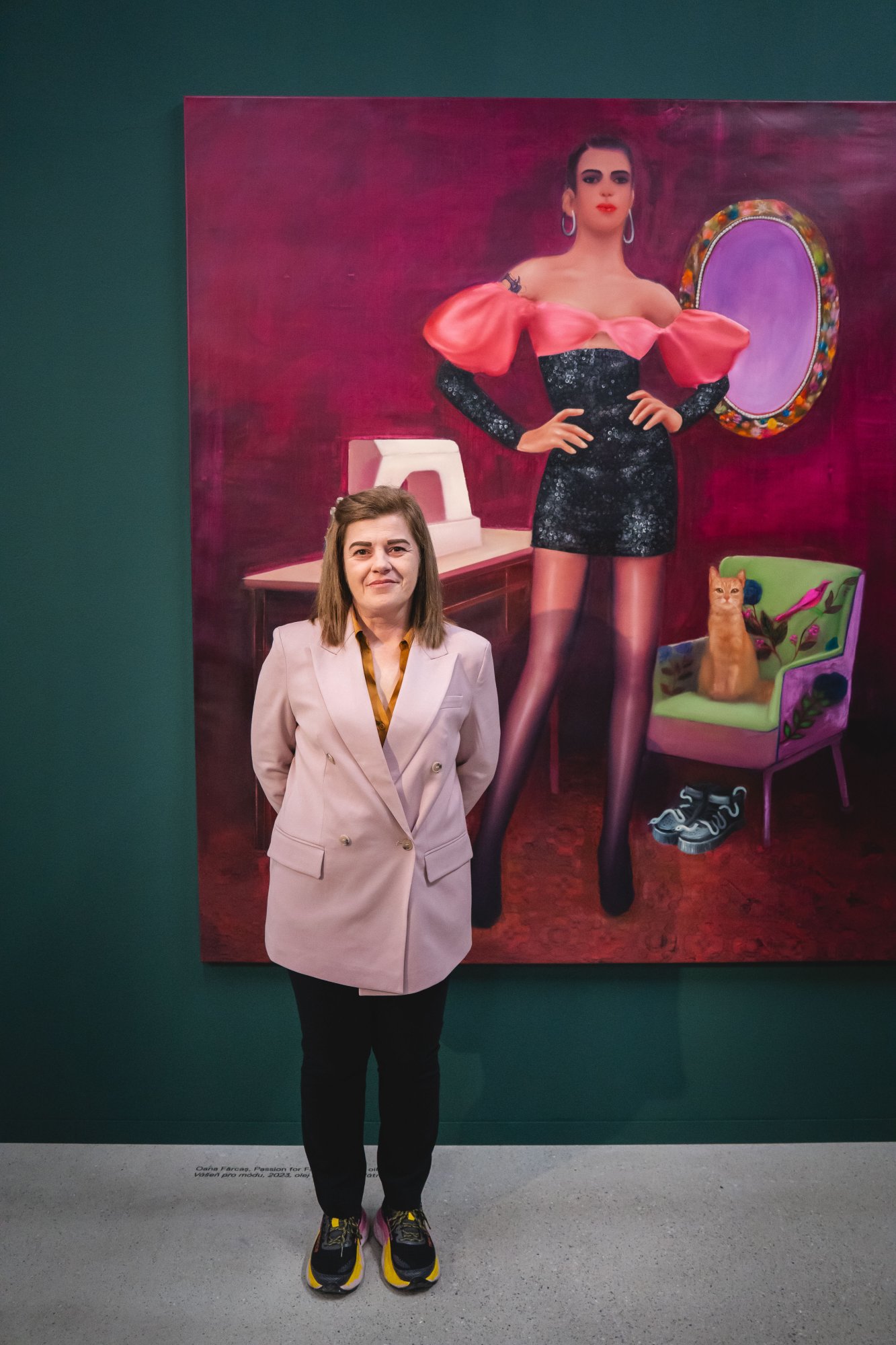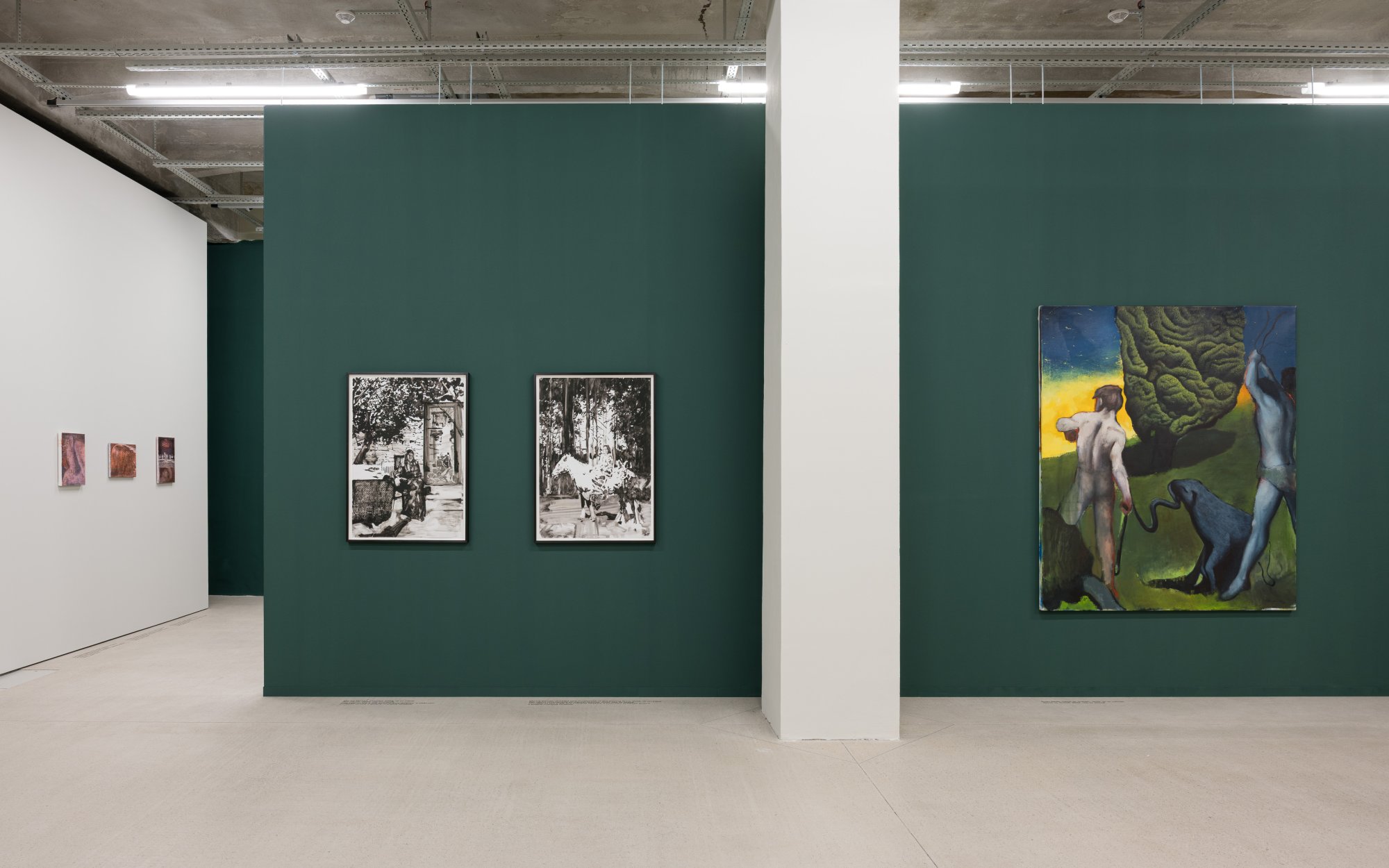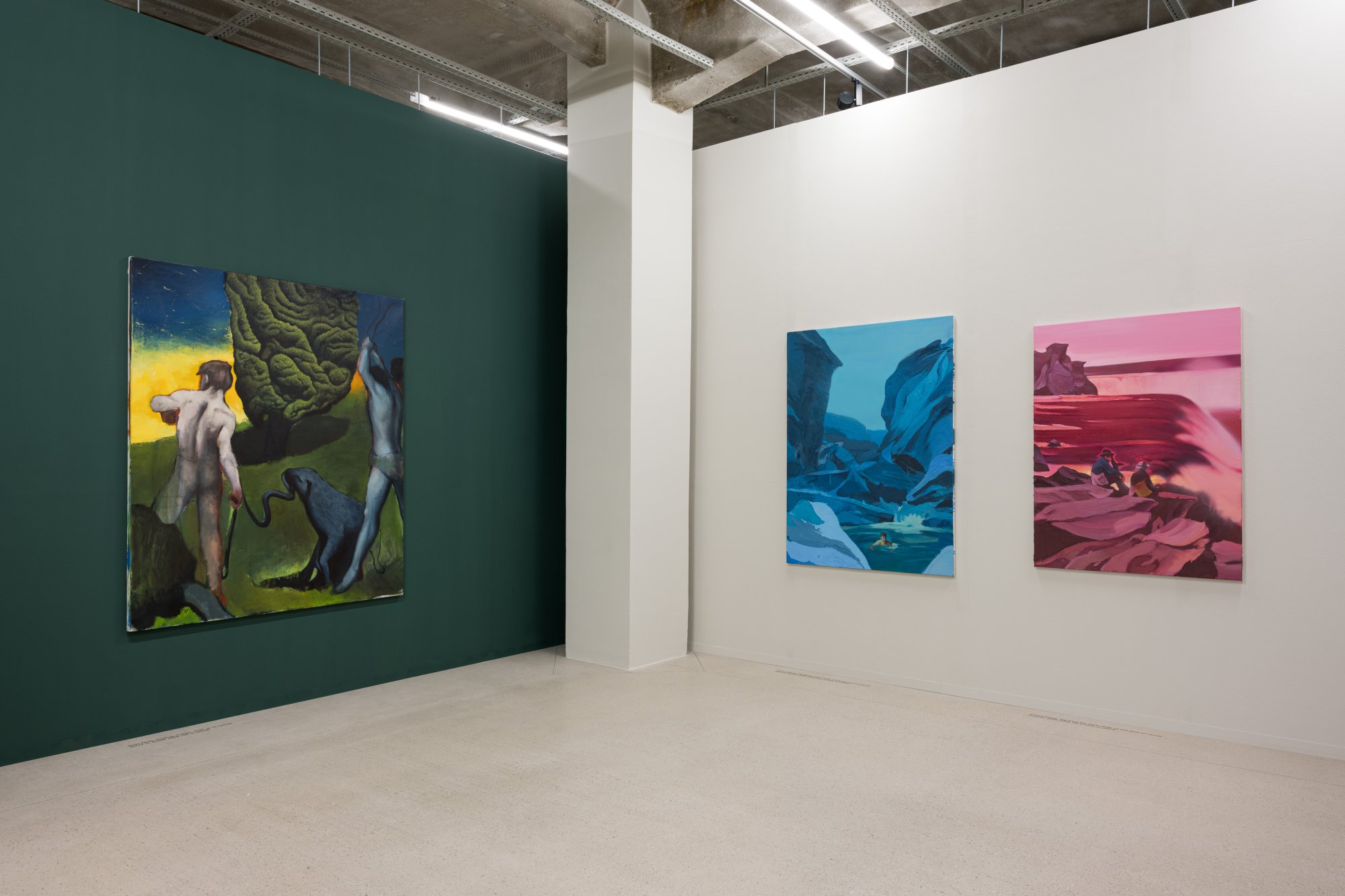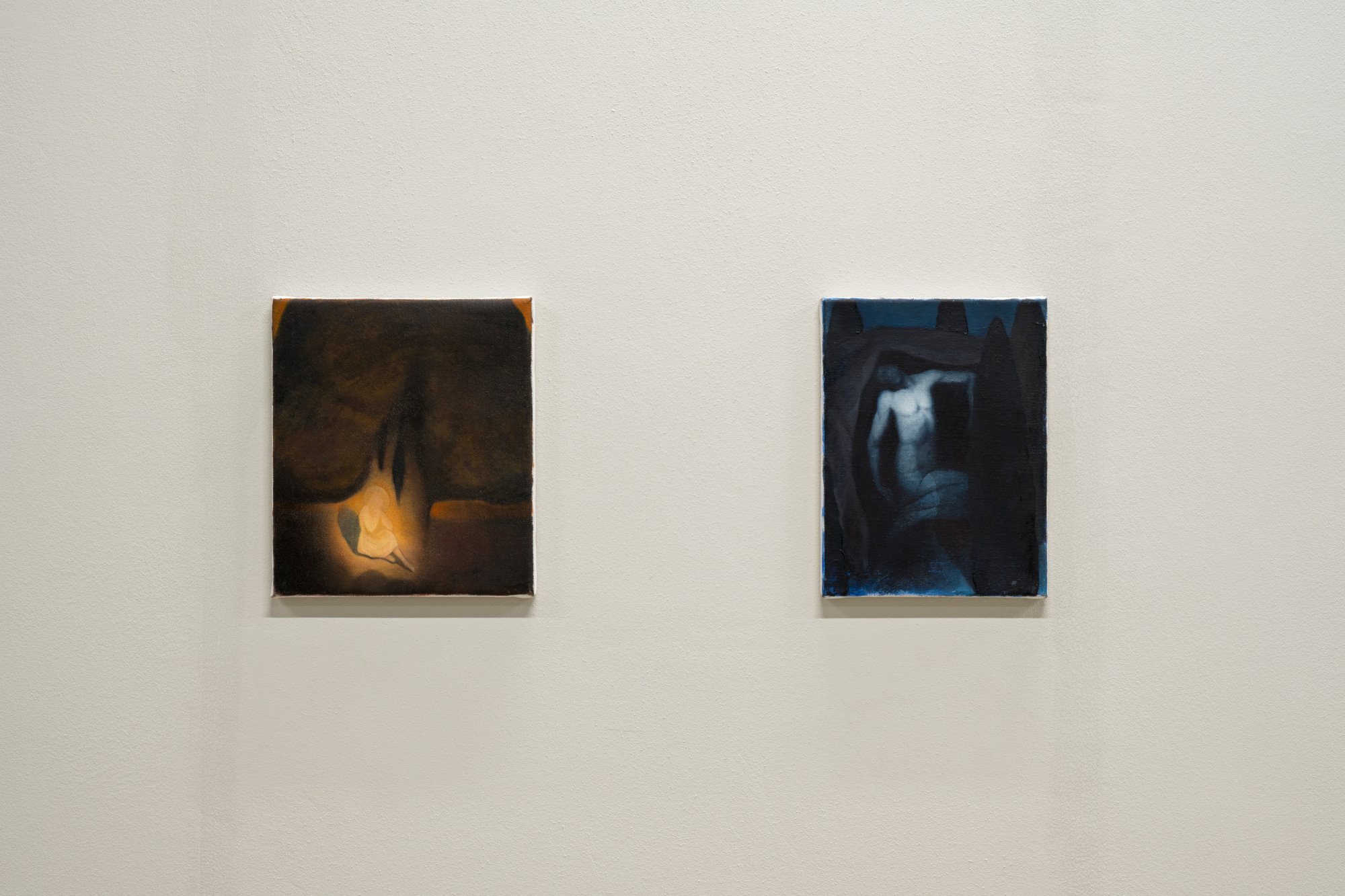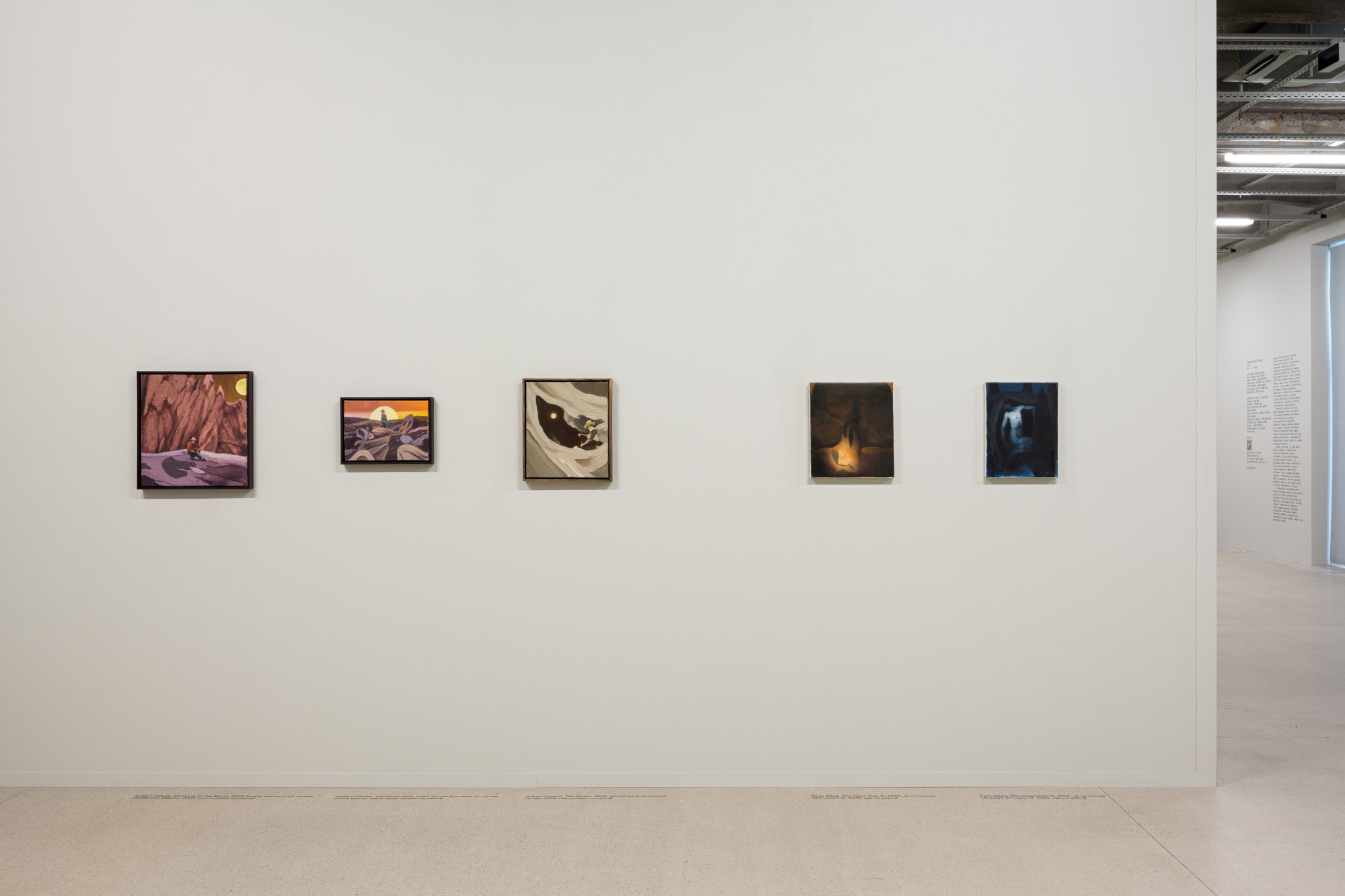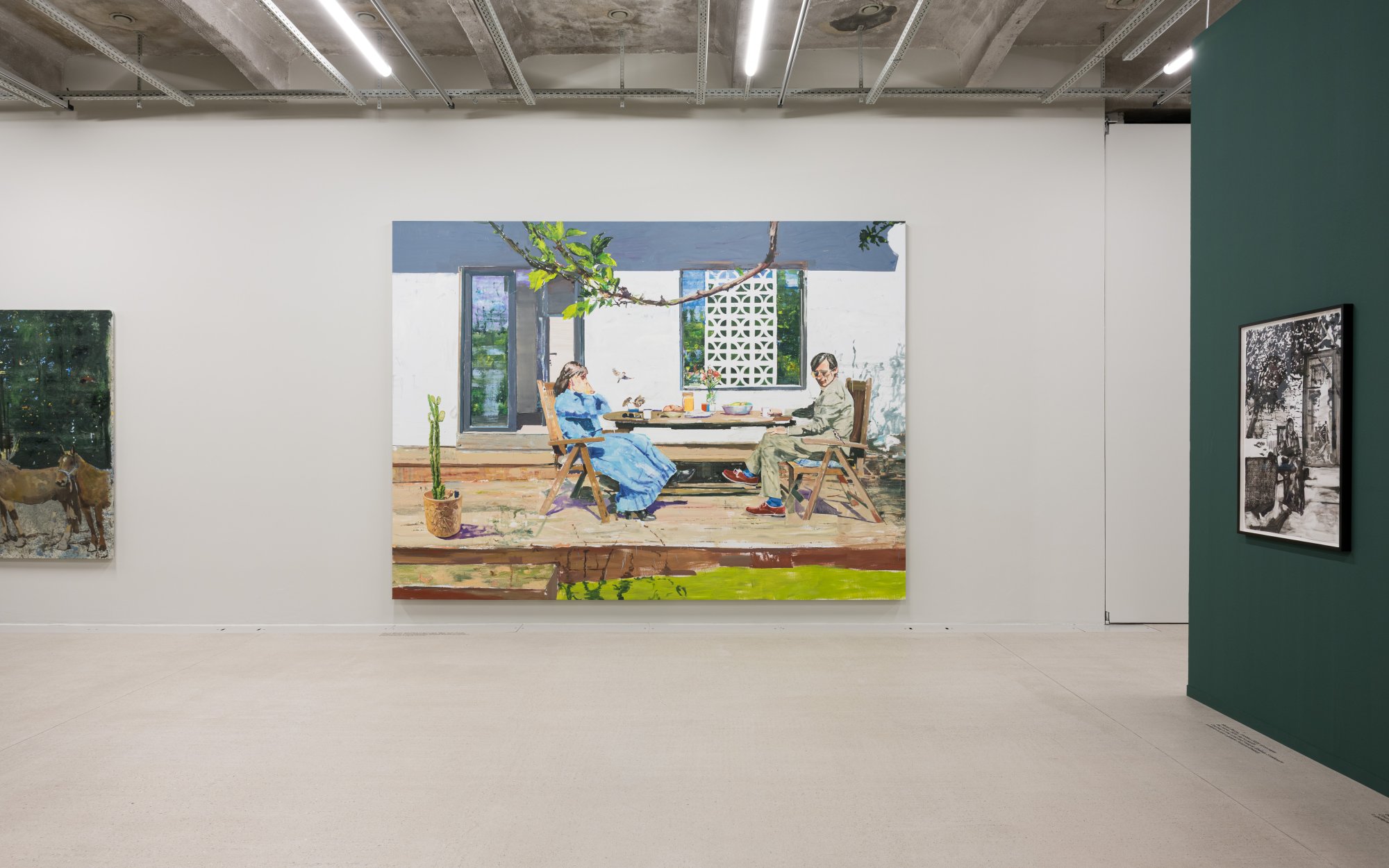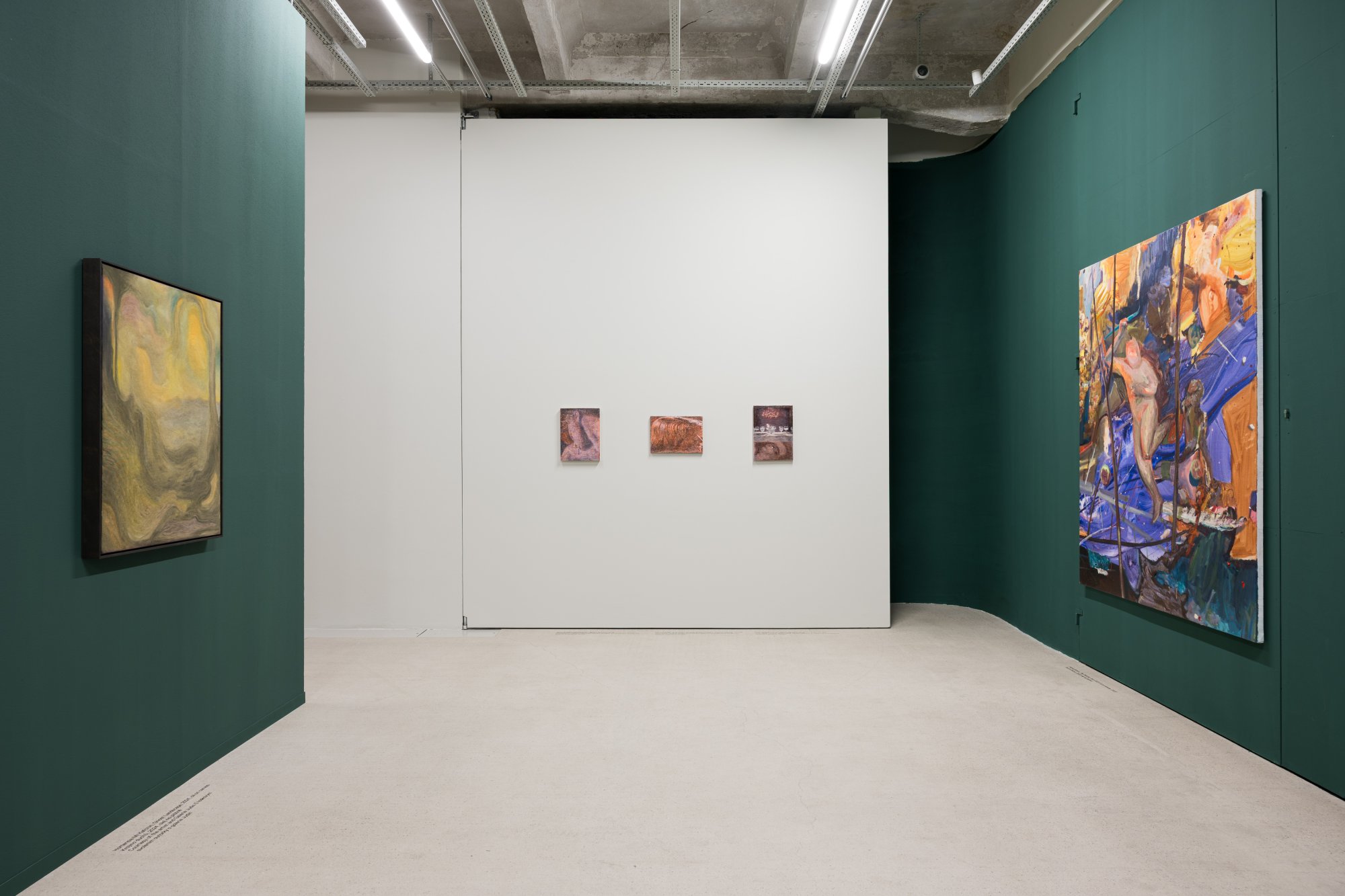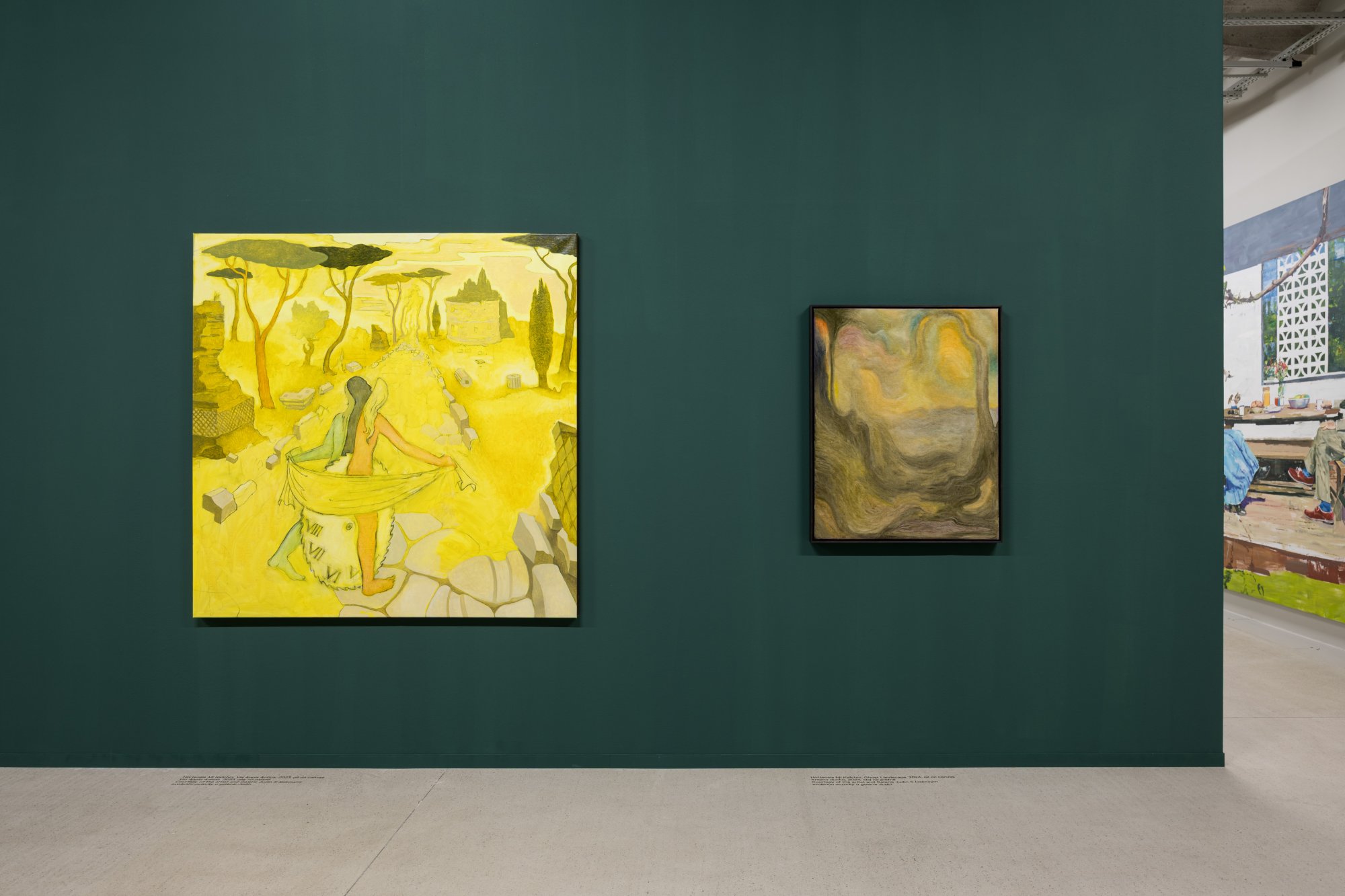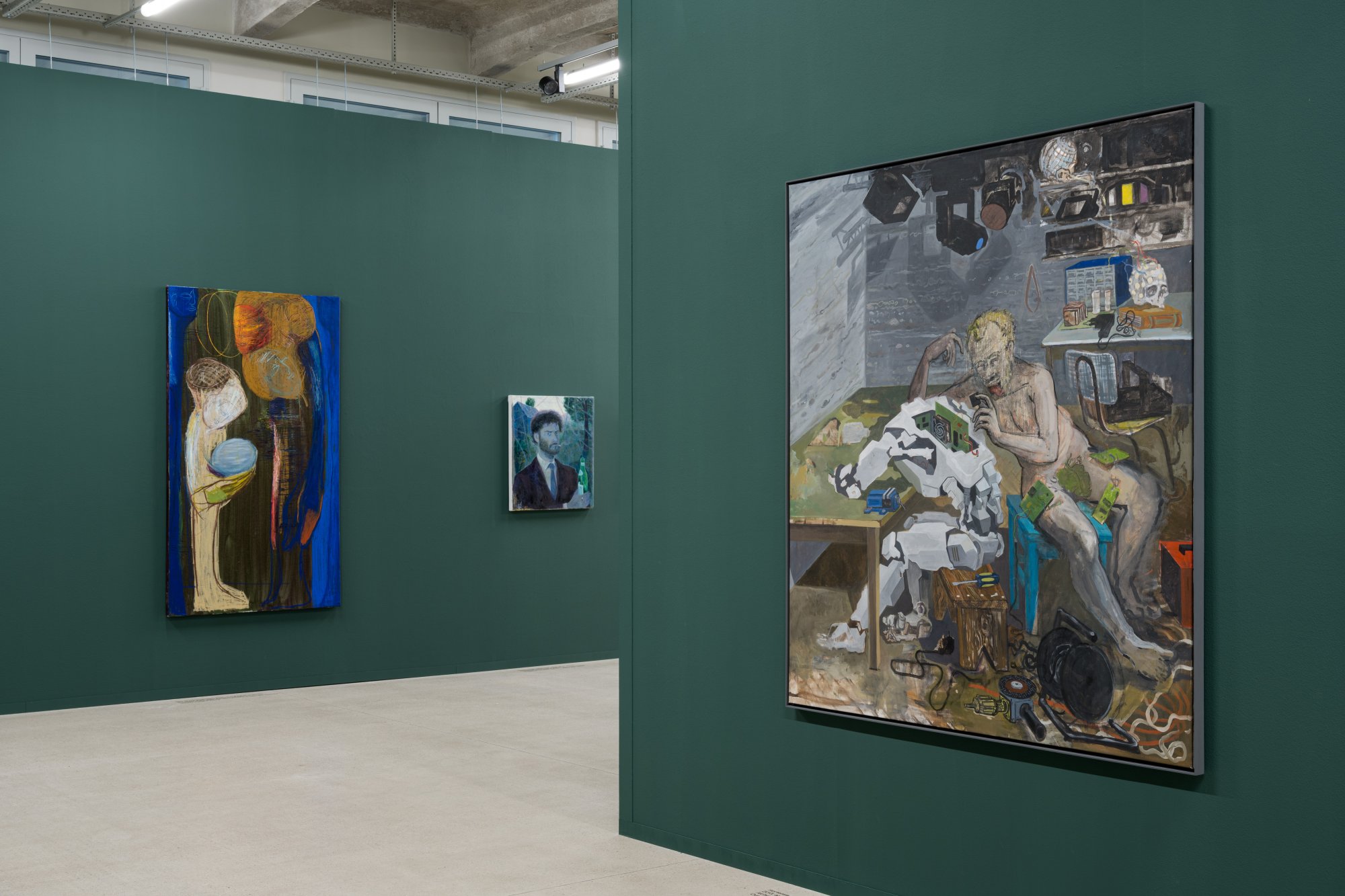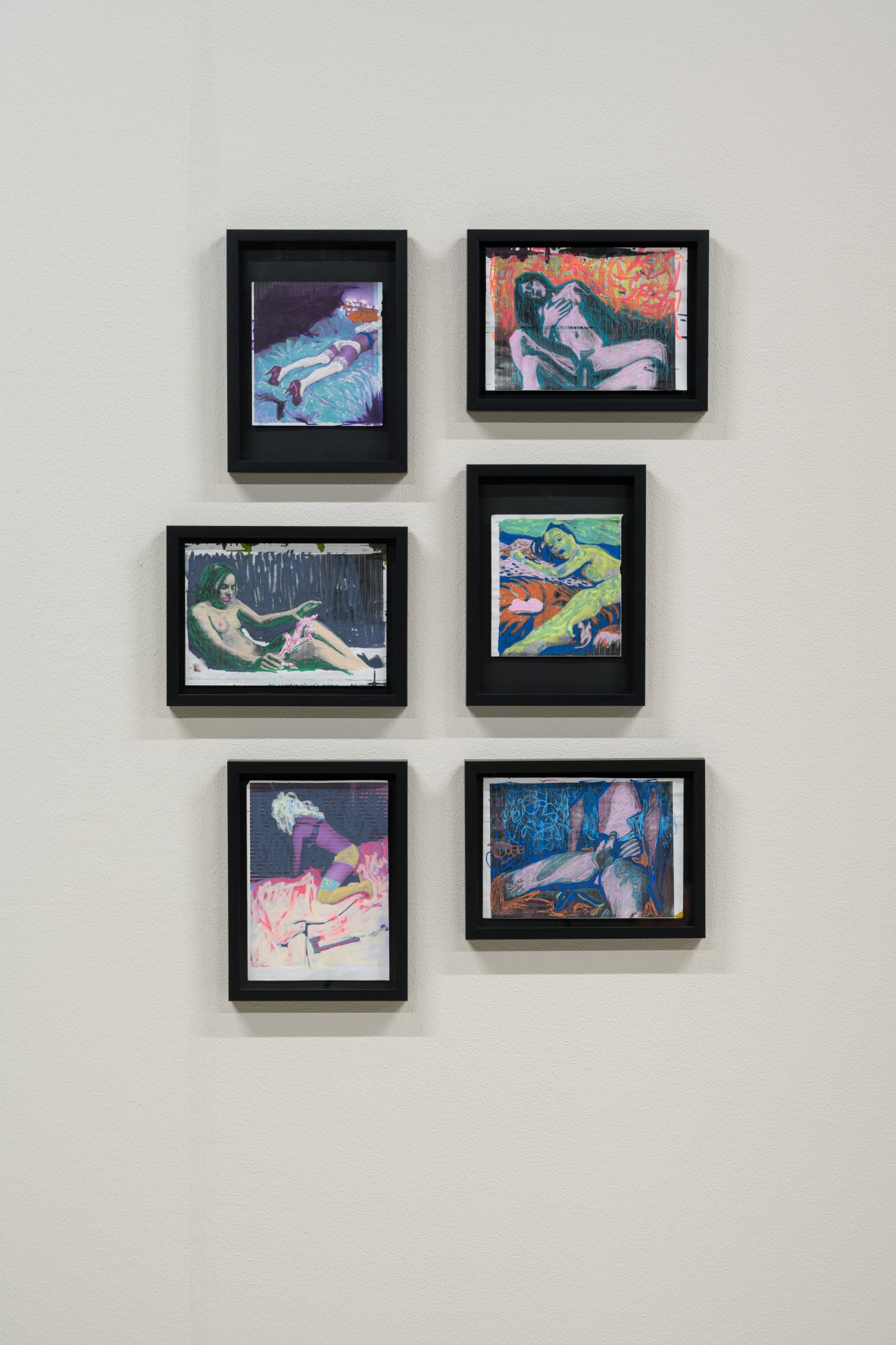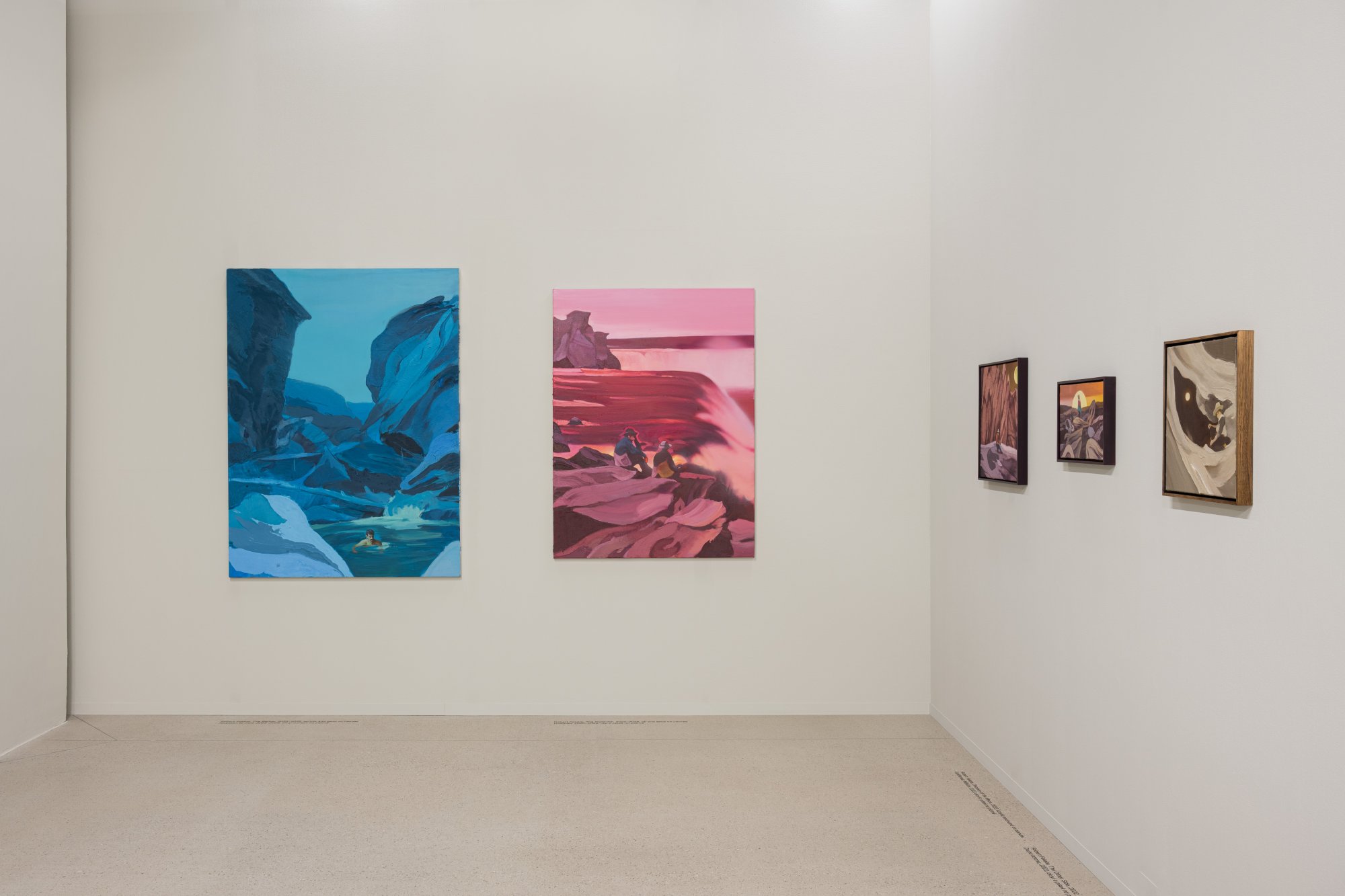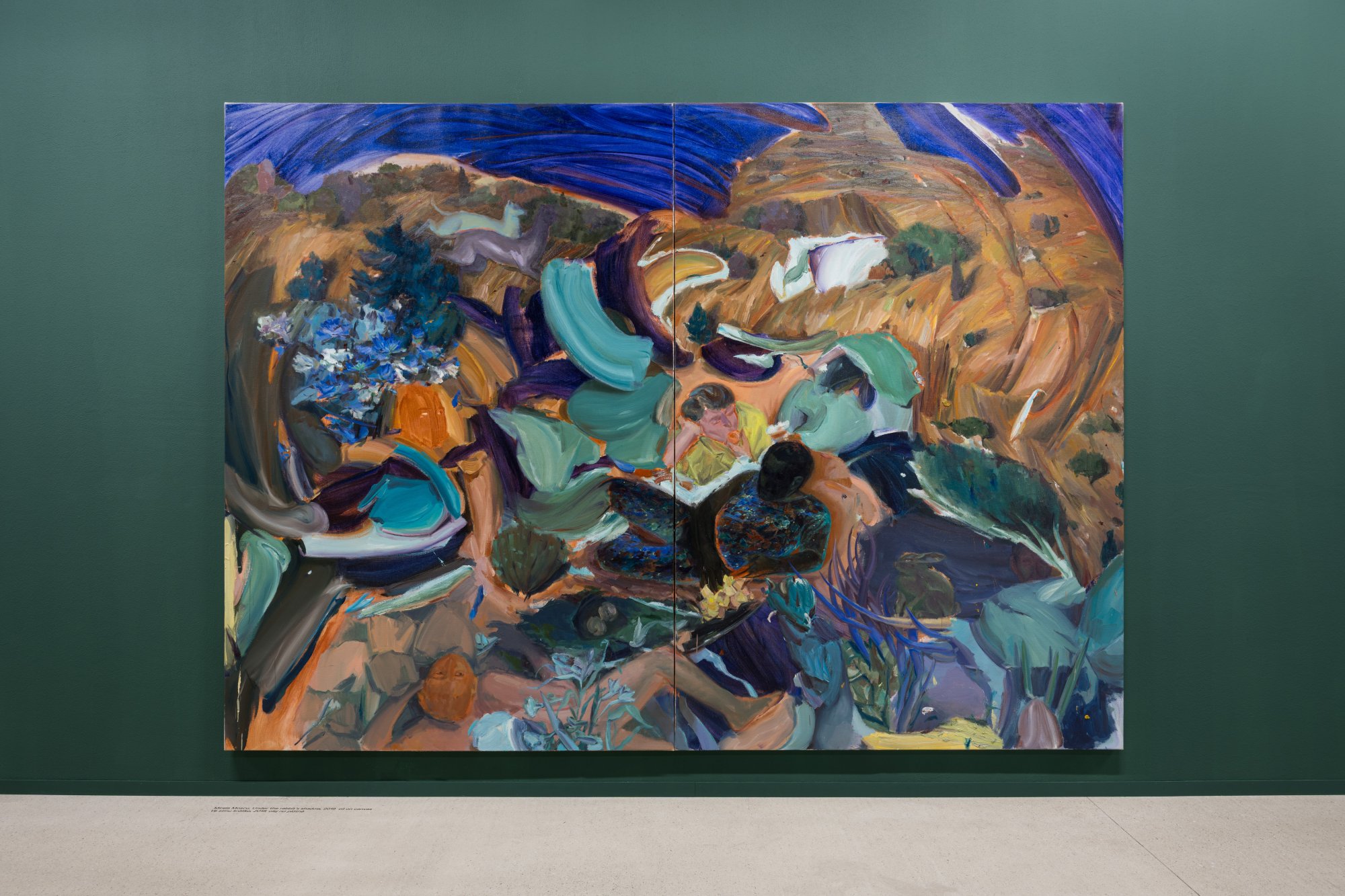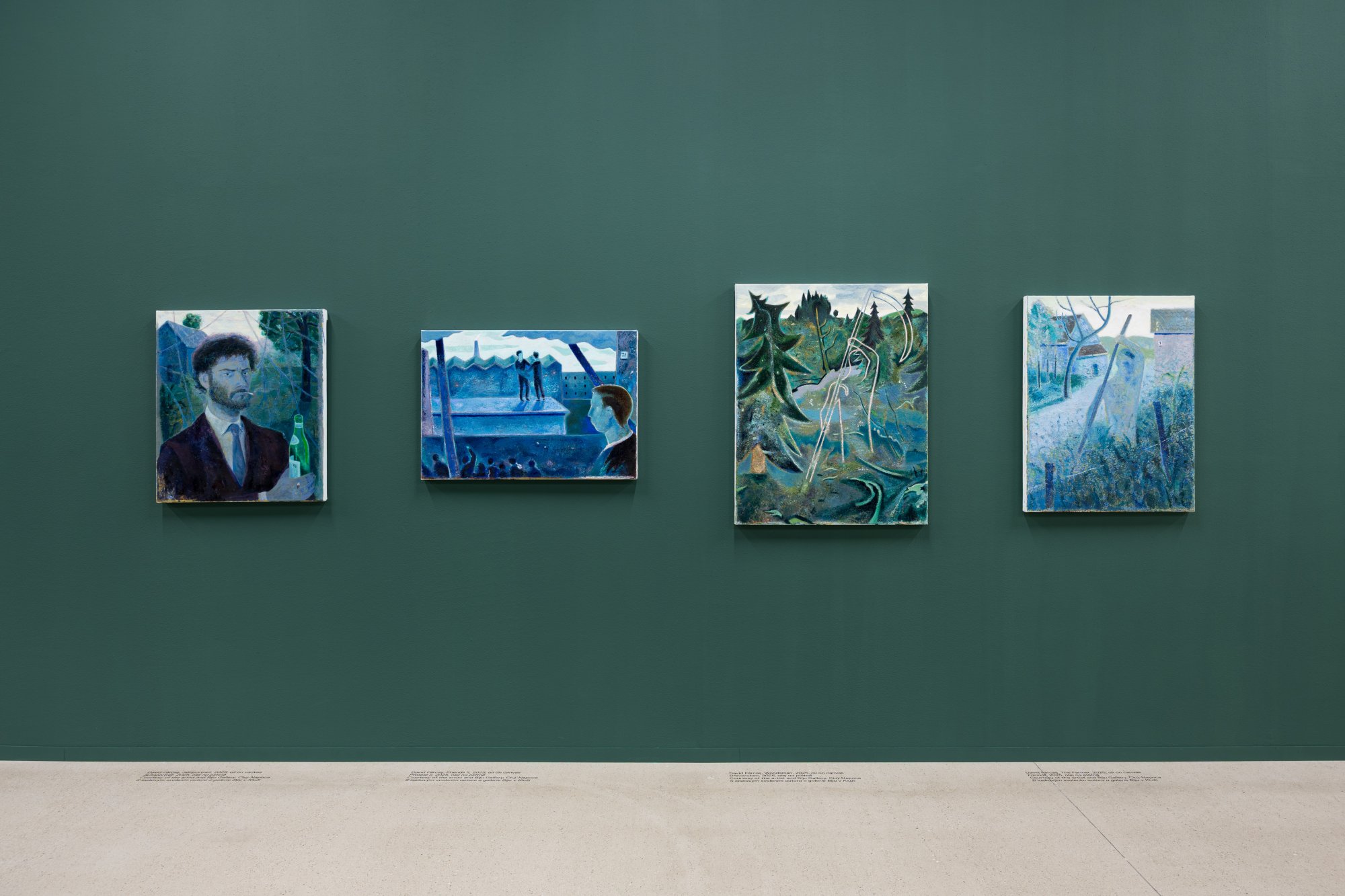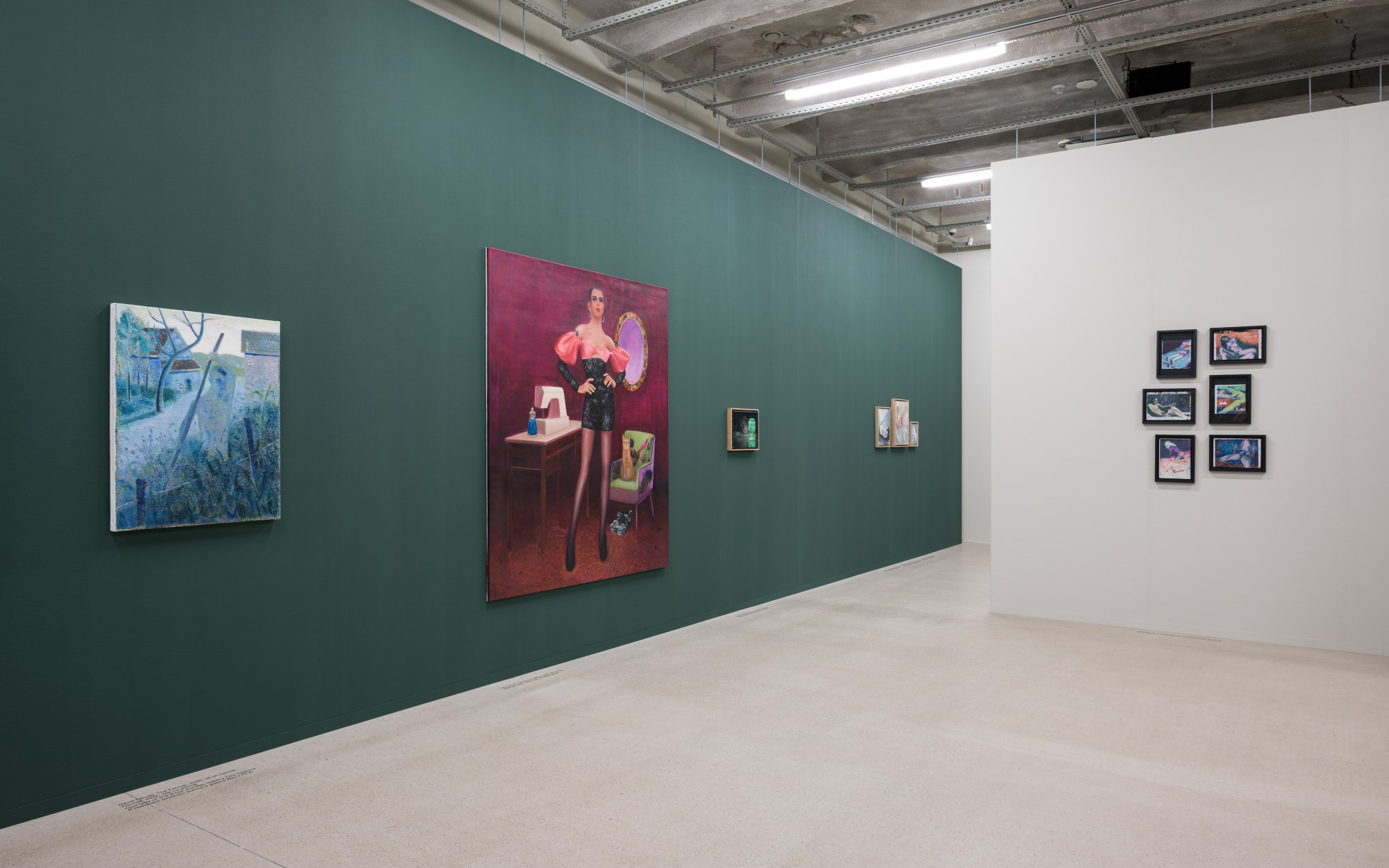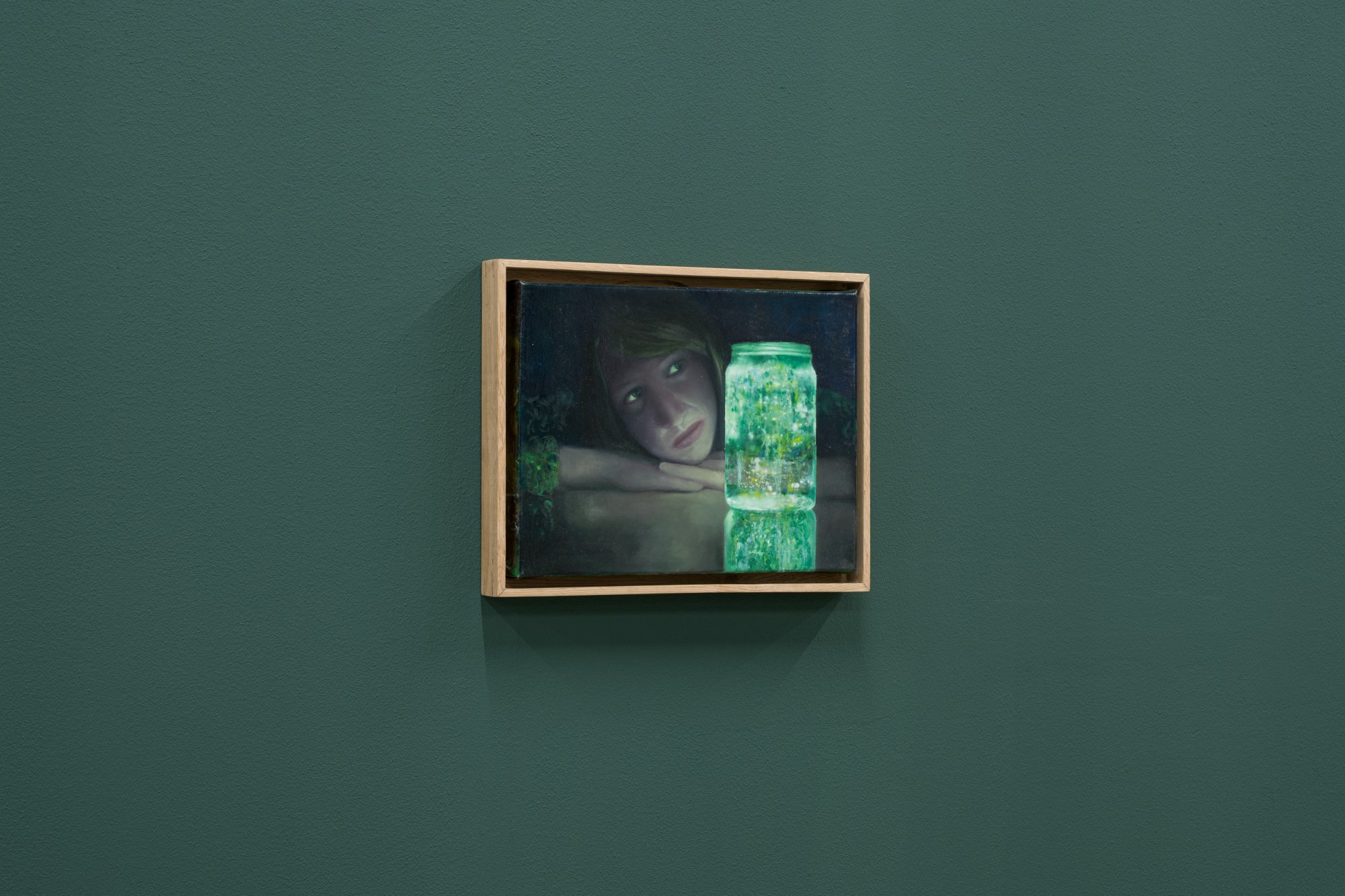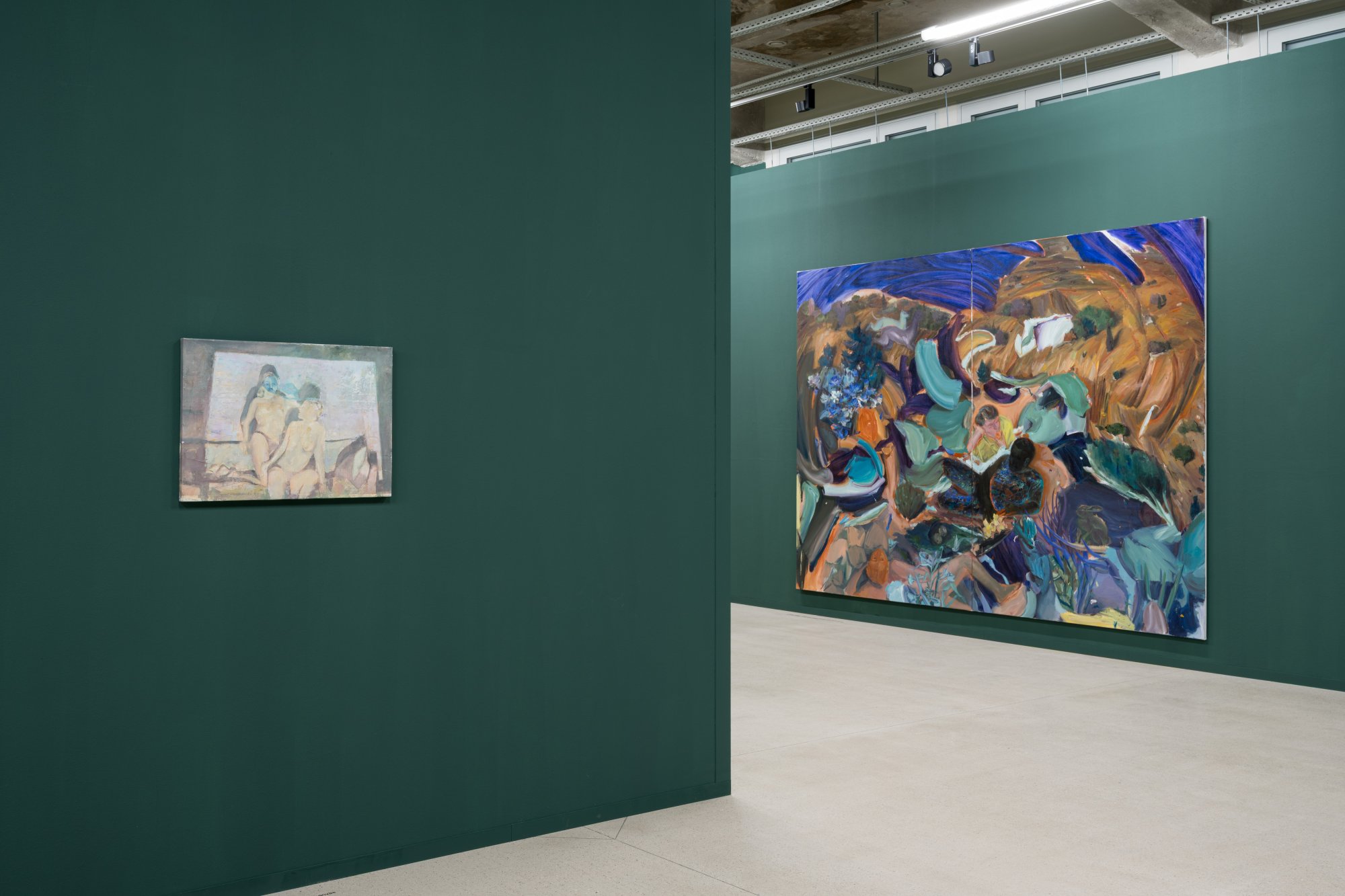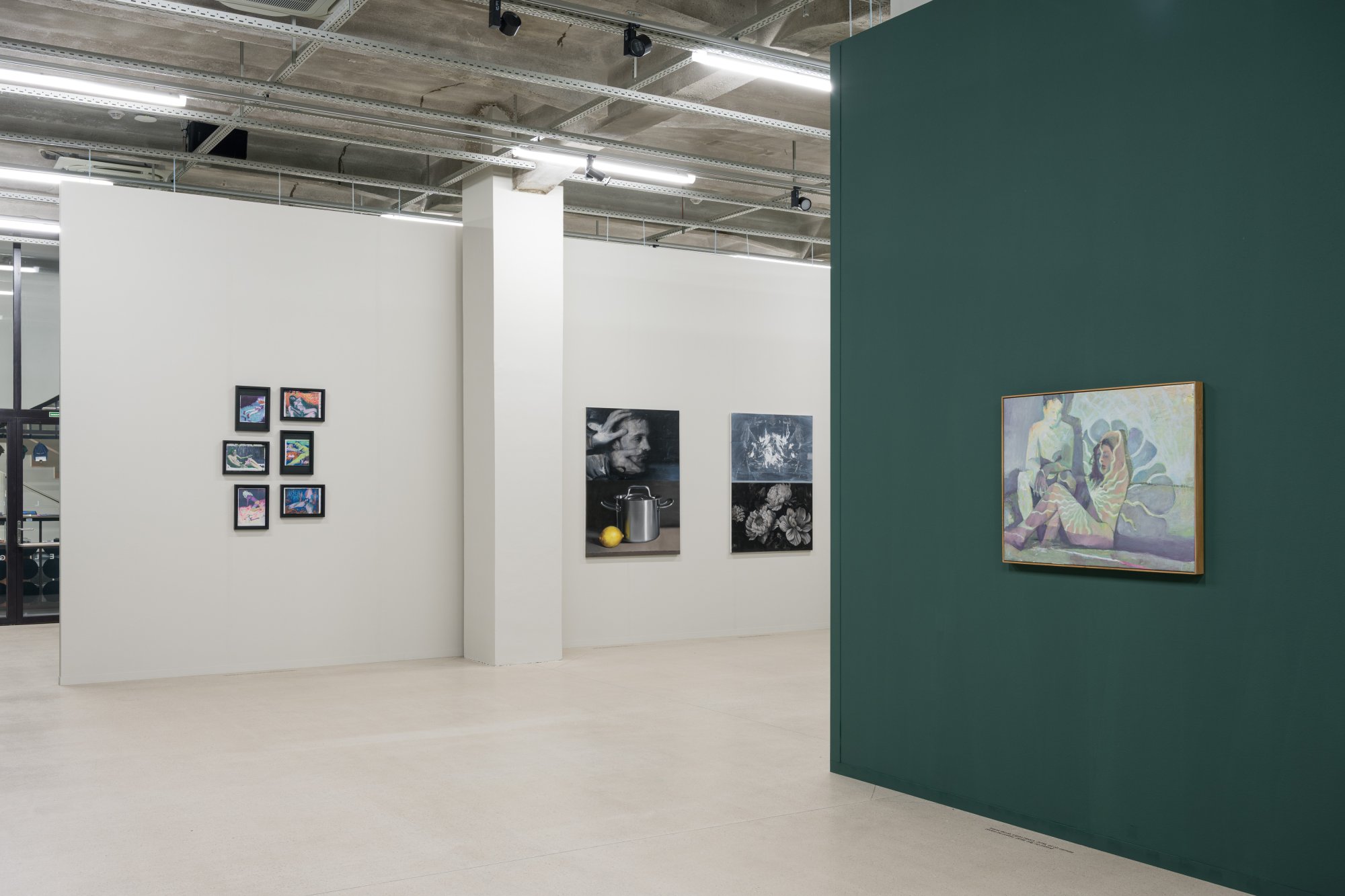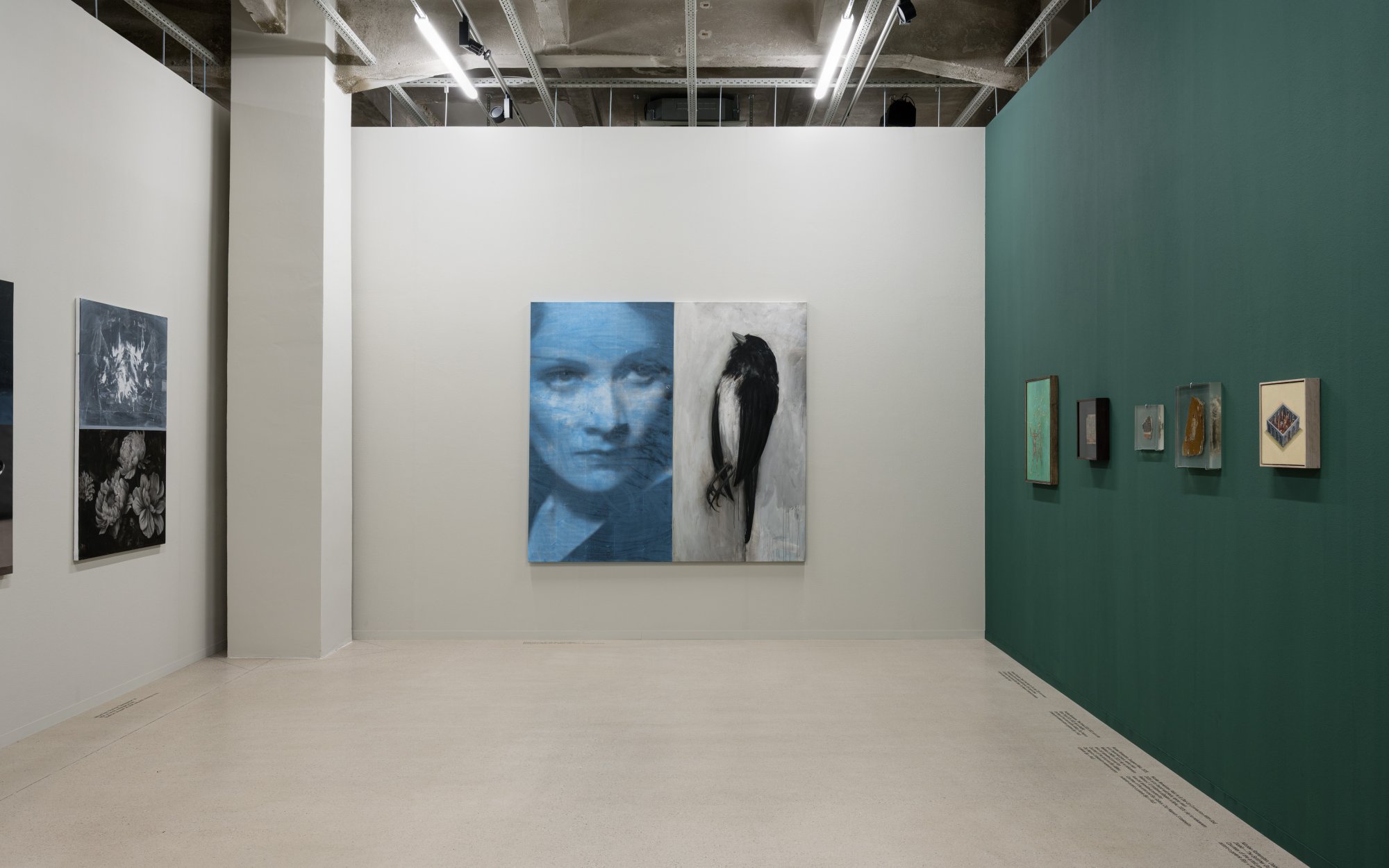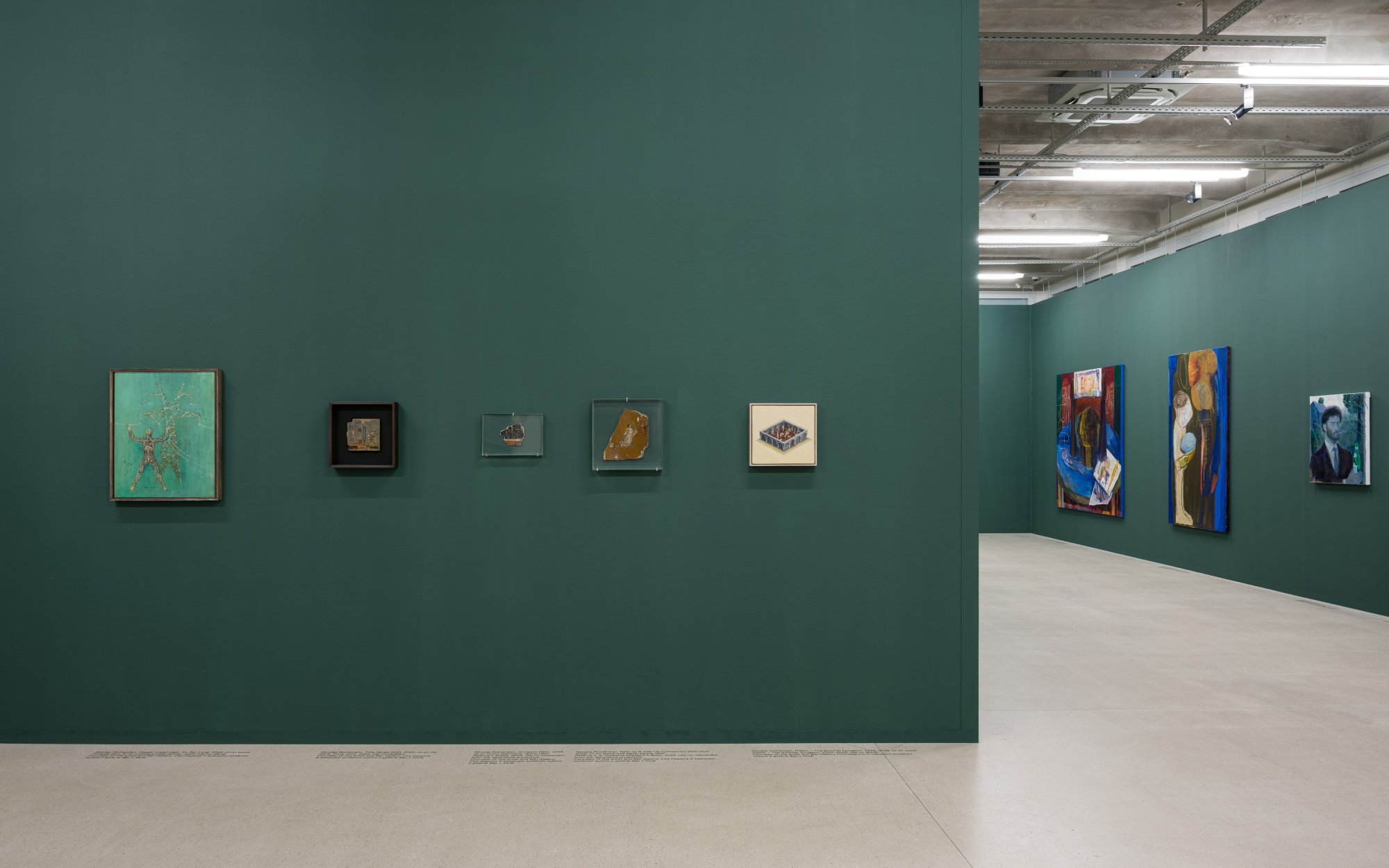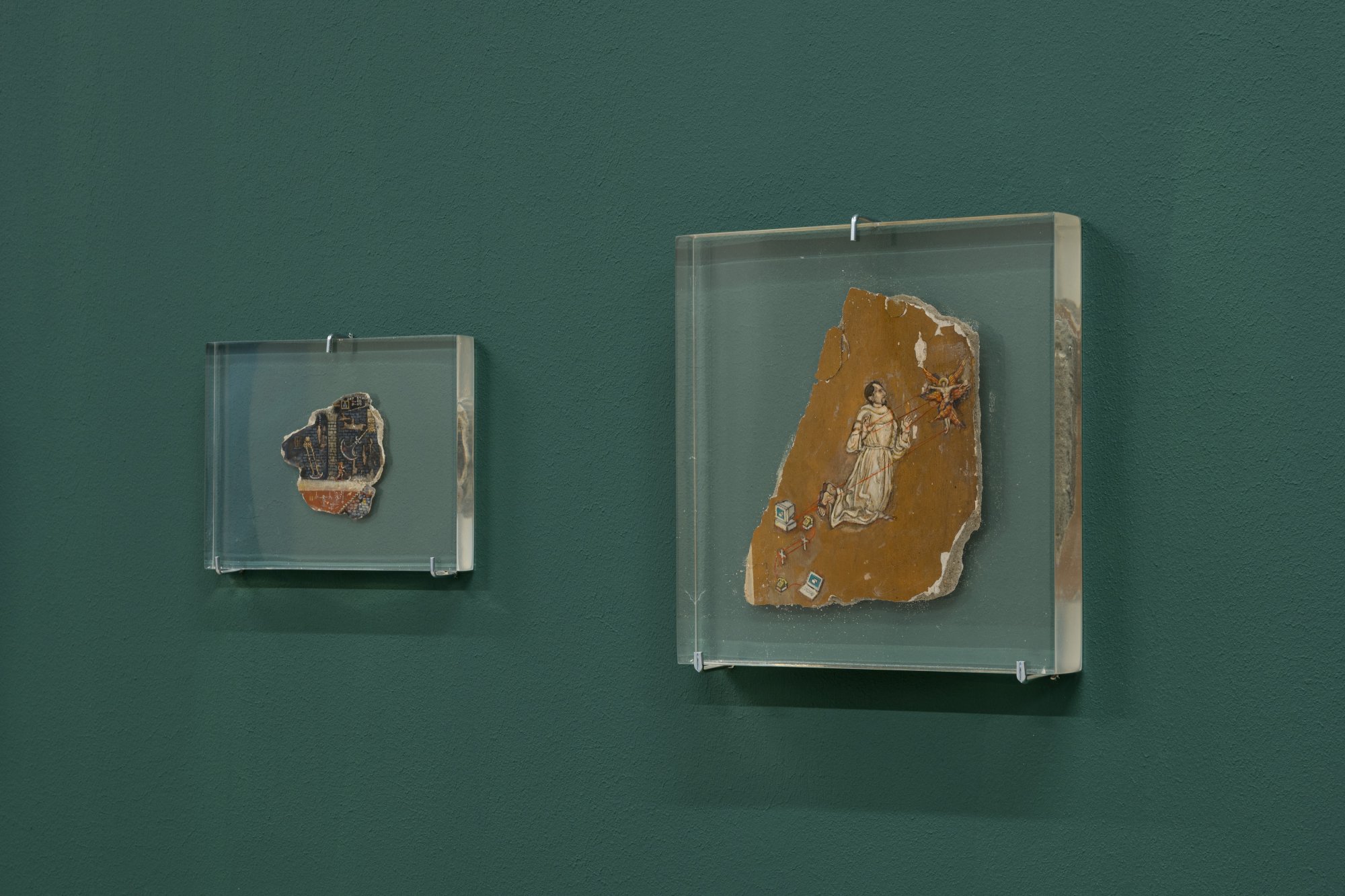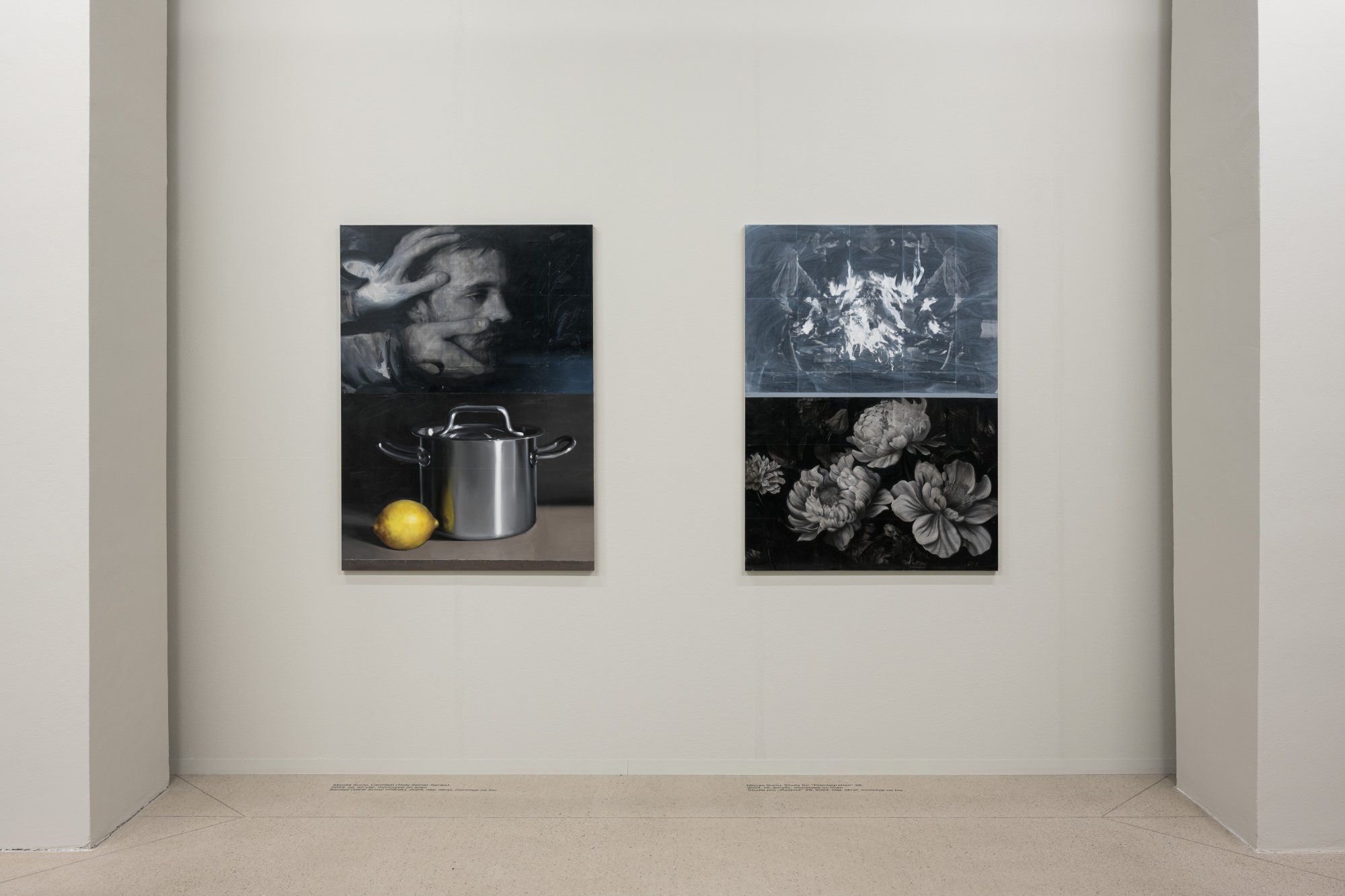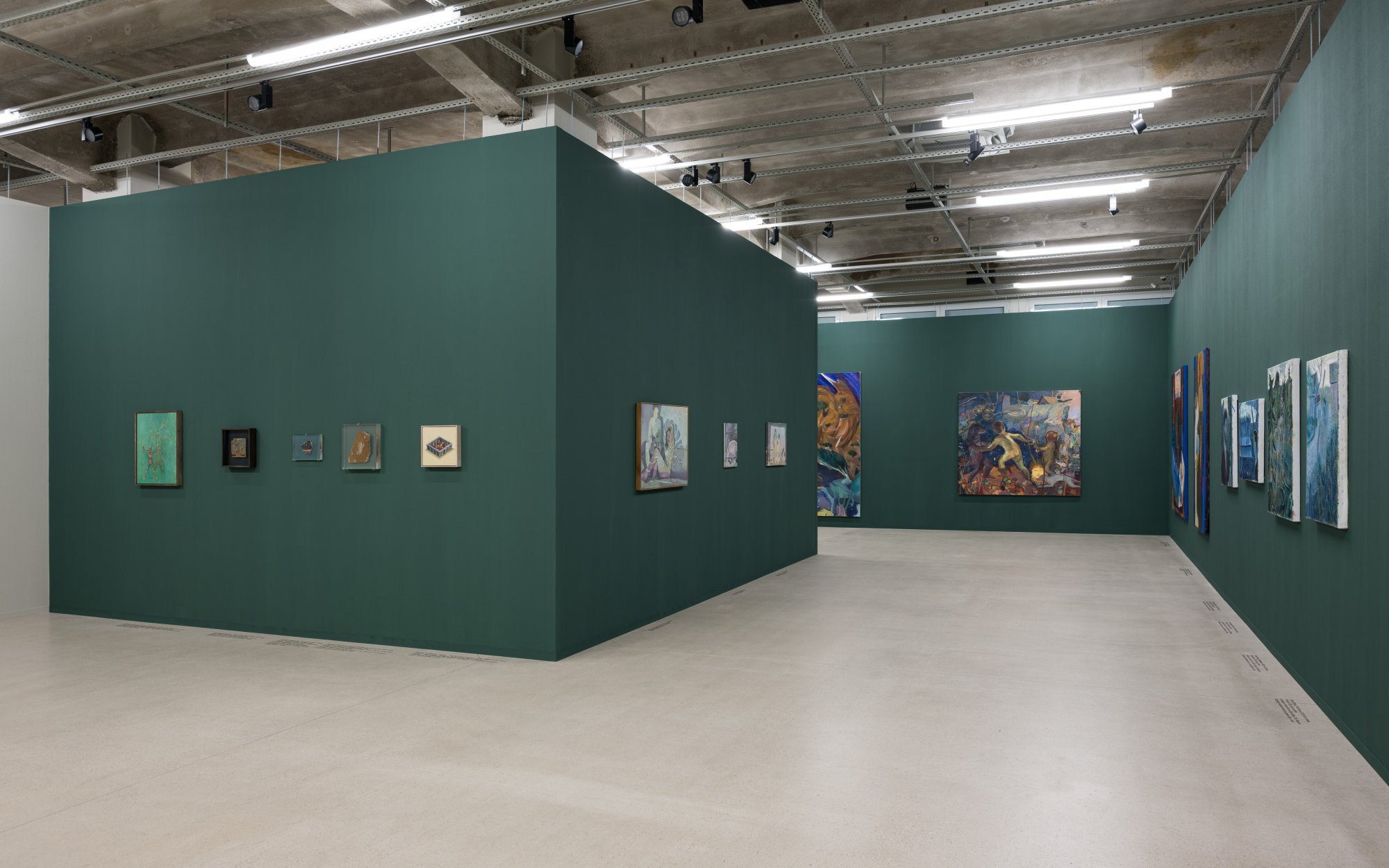
Oana Fărcaș (*1981) is a prominent representative of the Cluj School, and her work brings a blend of academic virtuosity and dreamlike realism to contemporary figurative painting. She graduated from the University of Art and Design in Cluj-Napoca, where she successfully completed her formal education with a doctoral degree. This theoretical and practical foundation allows her to use painting not only as a visual medium but above all as a complex philosophical tool. From the beginning of her creative career, she has thus explored female identity and the duality of human perception.
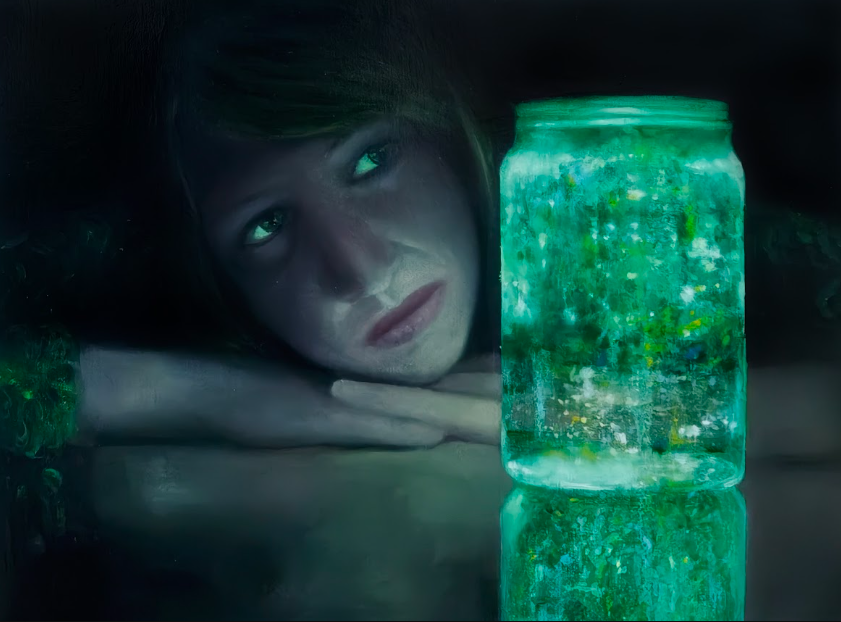
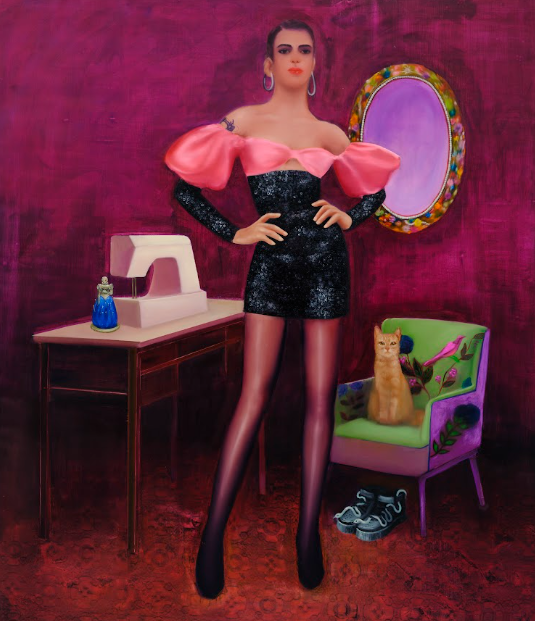
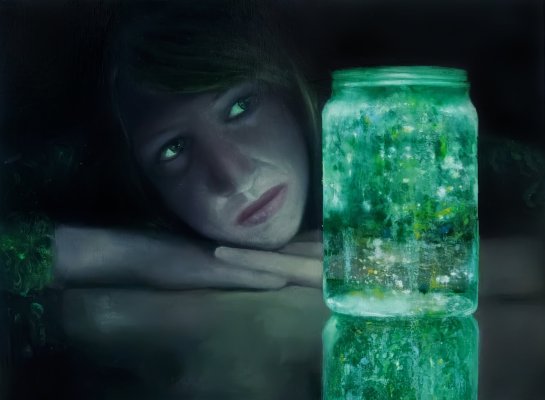
Within the contemporary art scene, her work is characterized by a specific depiction of inner psychological reality. Although her work is often associated with surrealism, the artist herself rejects this label. Her paintings are more reminiscent of incomplete memories or flashes from the subconscious, where the logic of everyday life blends with the irrationality of dreams. The central motif of her canvases is the female figure. The heroines are often found in liminal spaces, on the threshold of transformation, and in unknown interiors existing outside of ordinary time and space. Fărcaș creates inscrutable worlds full of mysterious objects and subtle gestures that fascinate the viewer while unsettling them with their ambiguity.
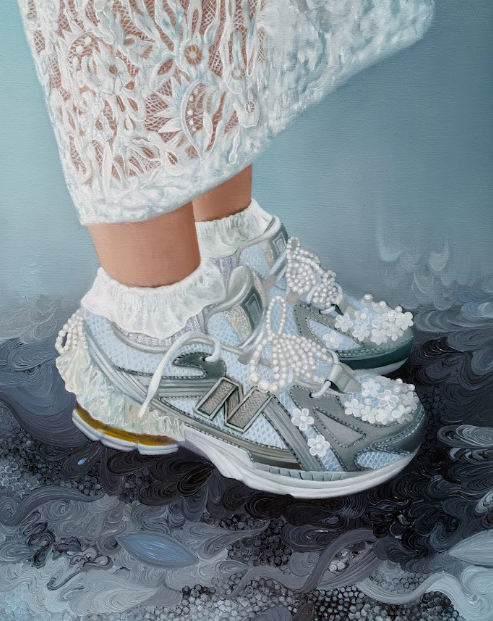
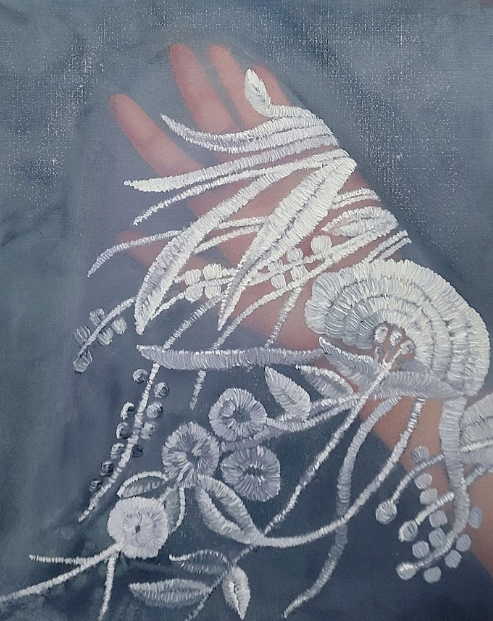
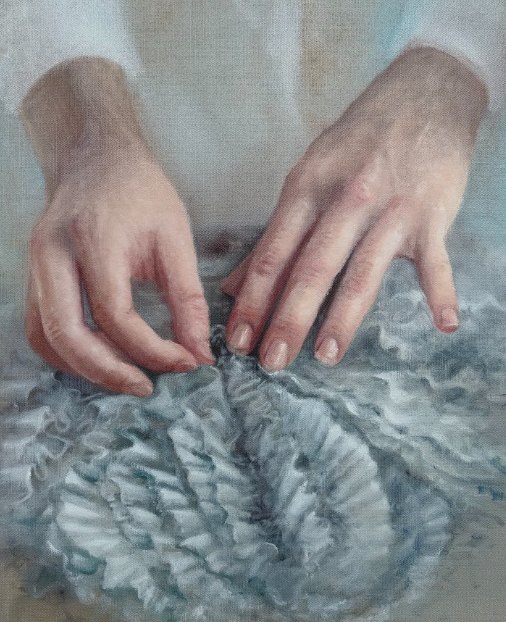
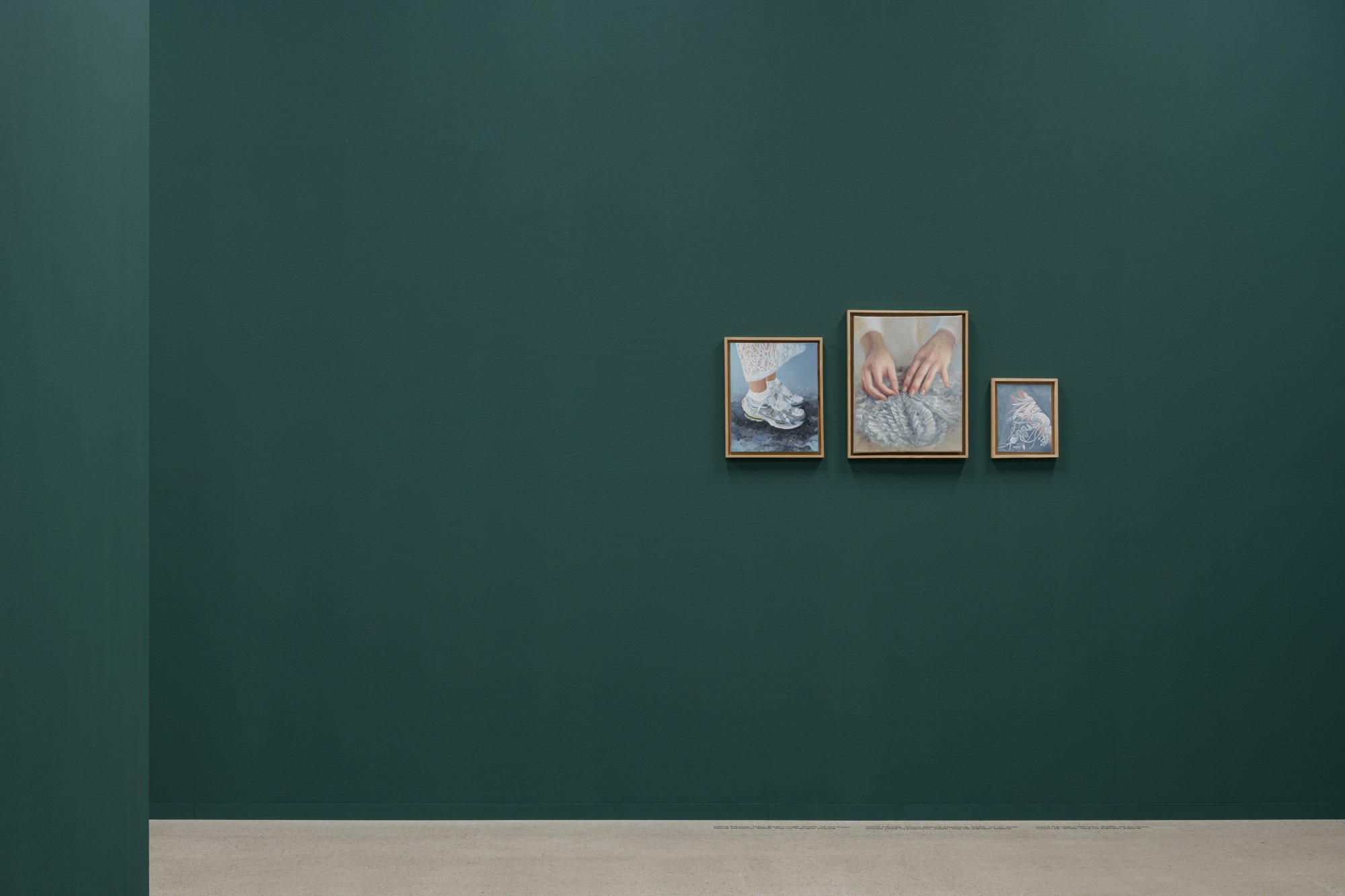
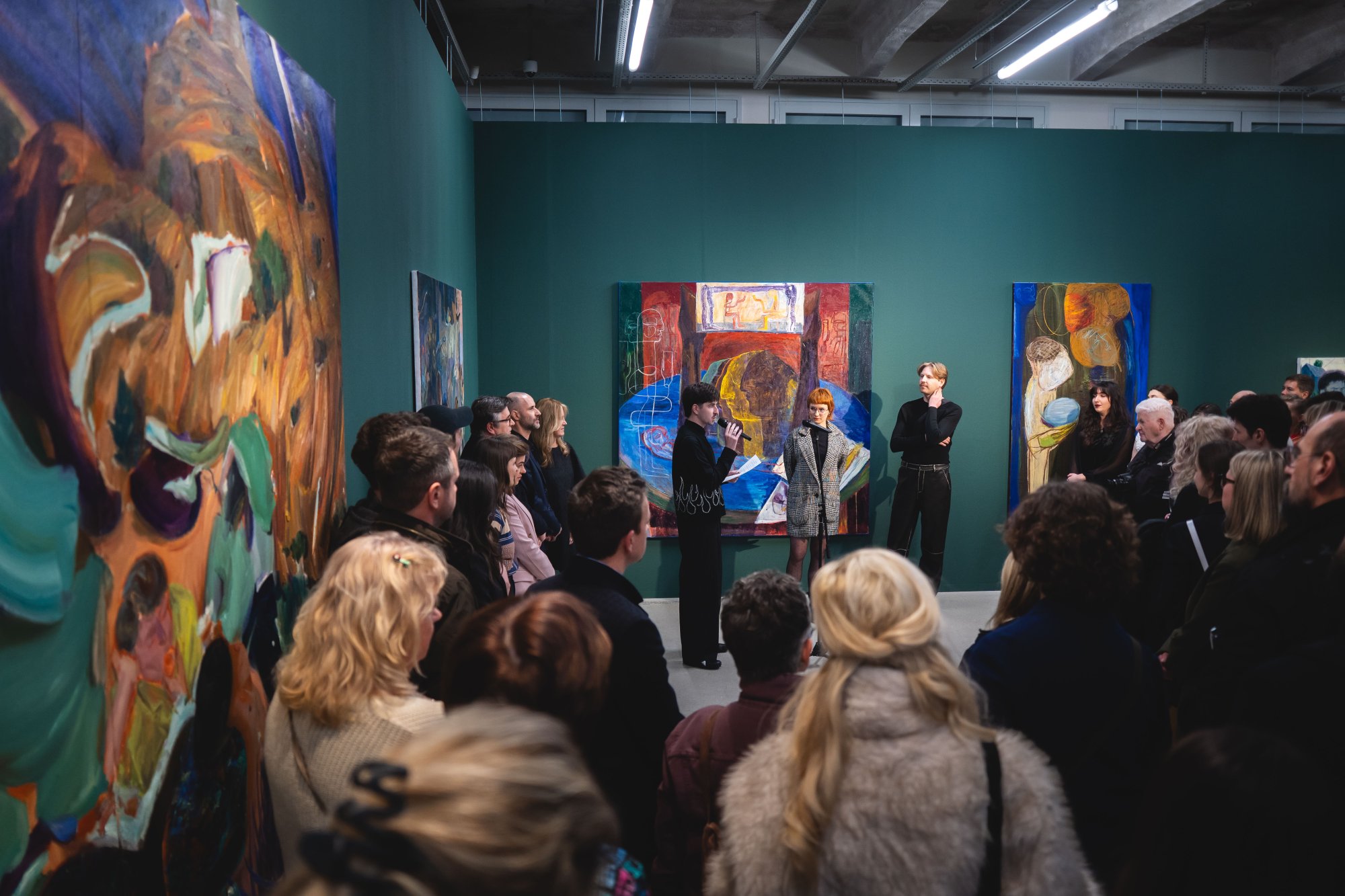
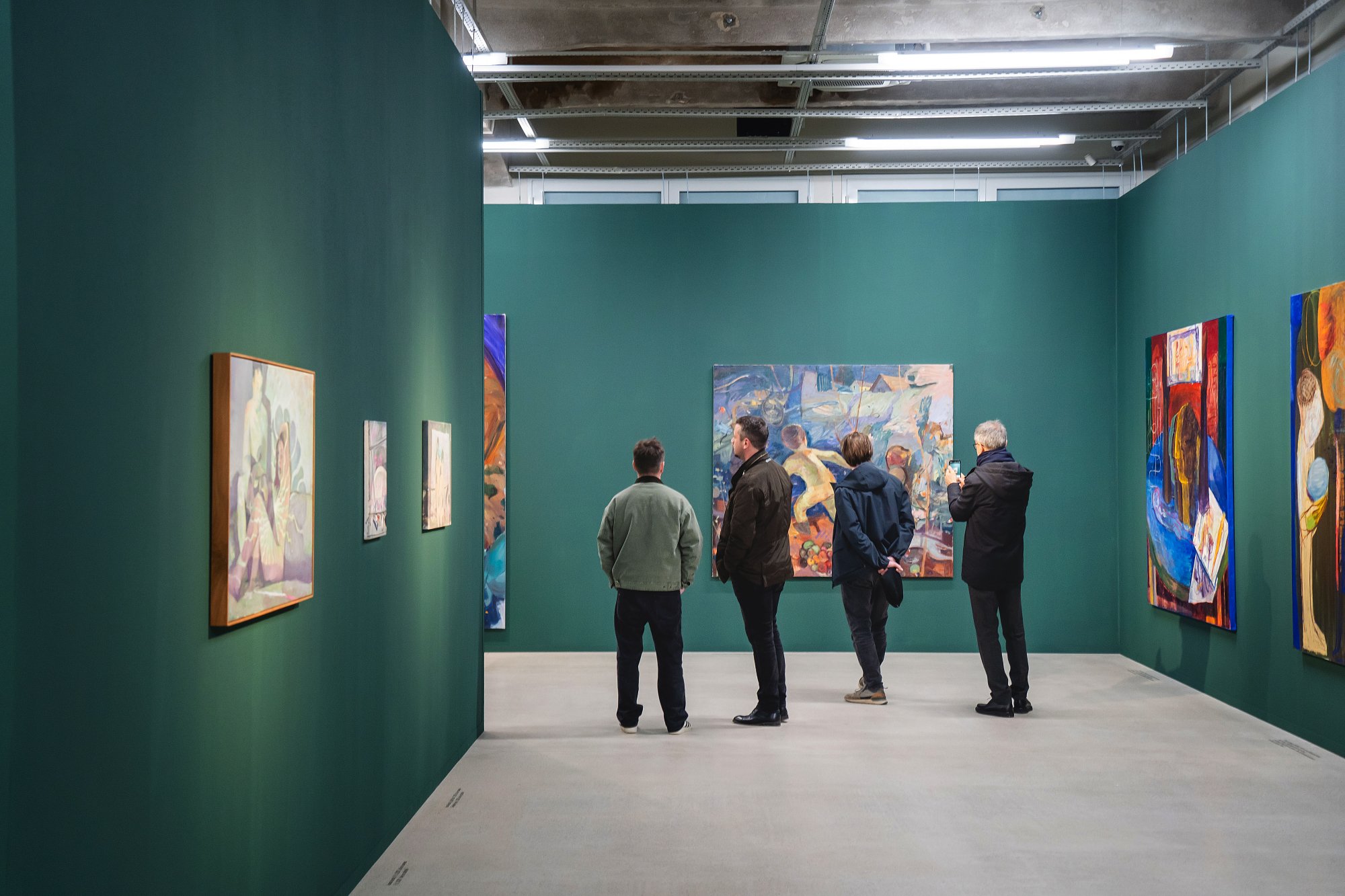
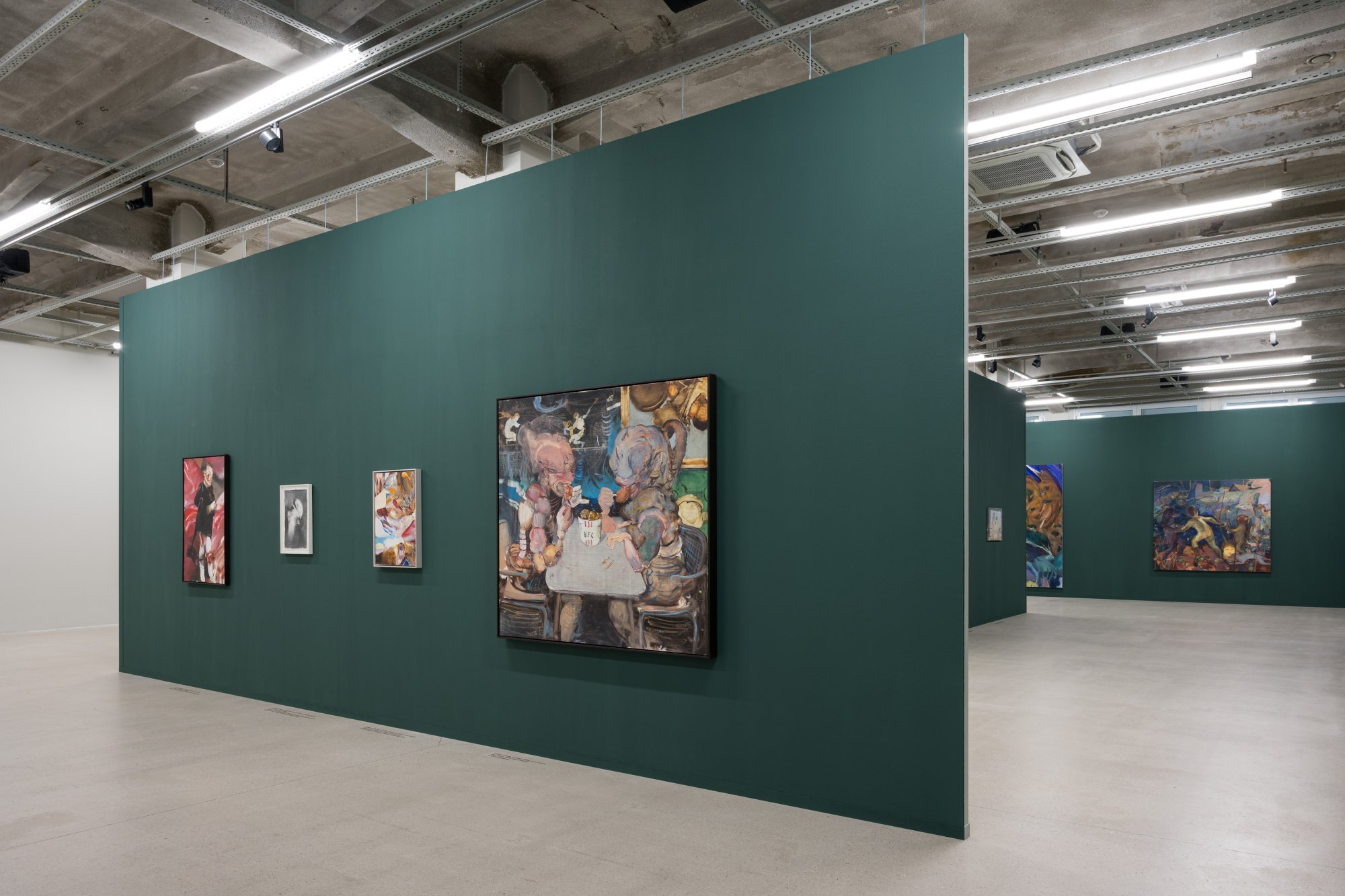
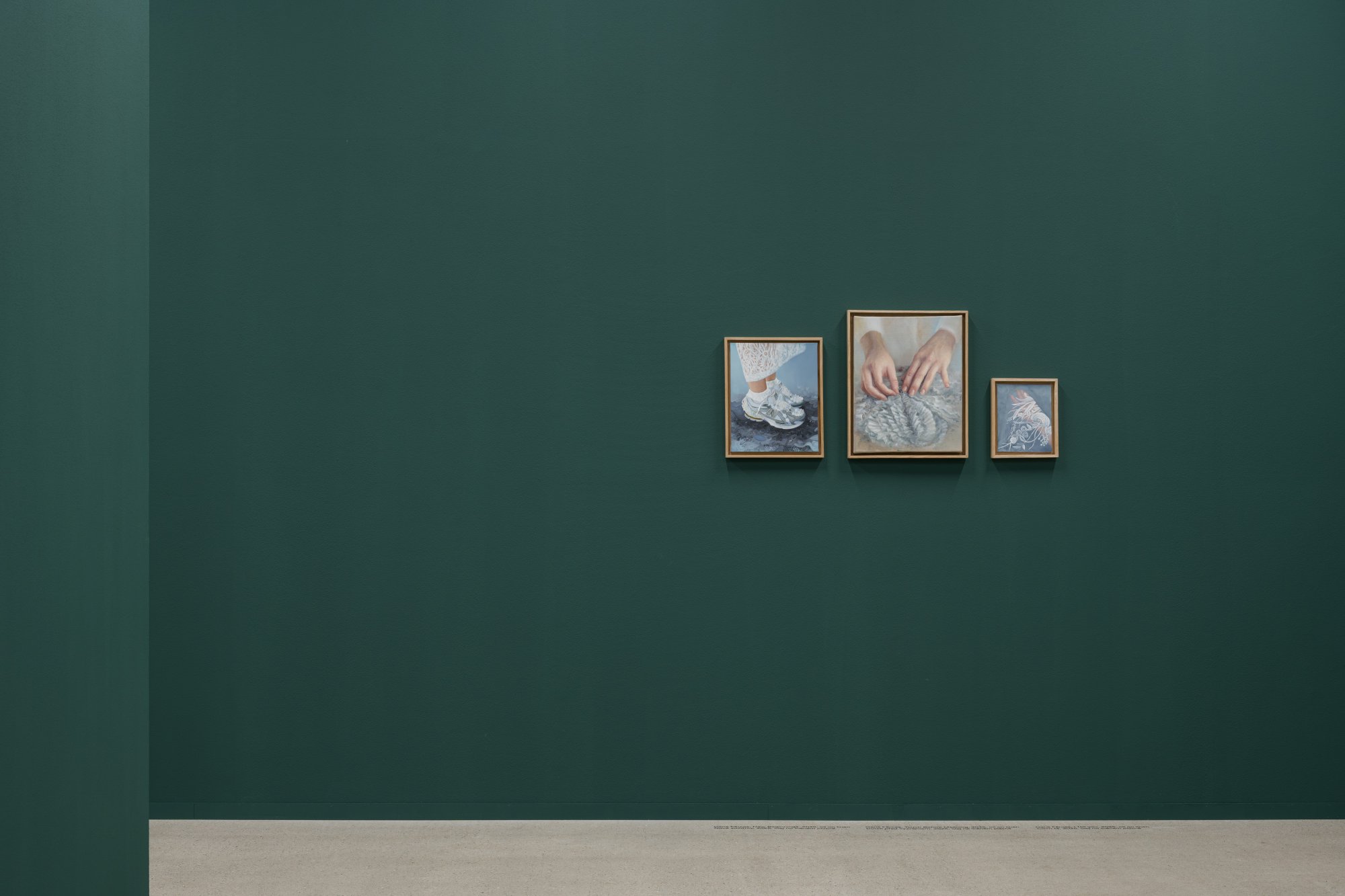
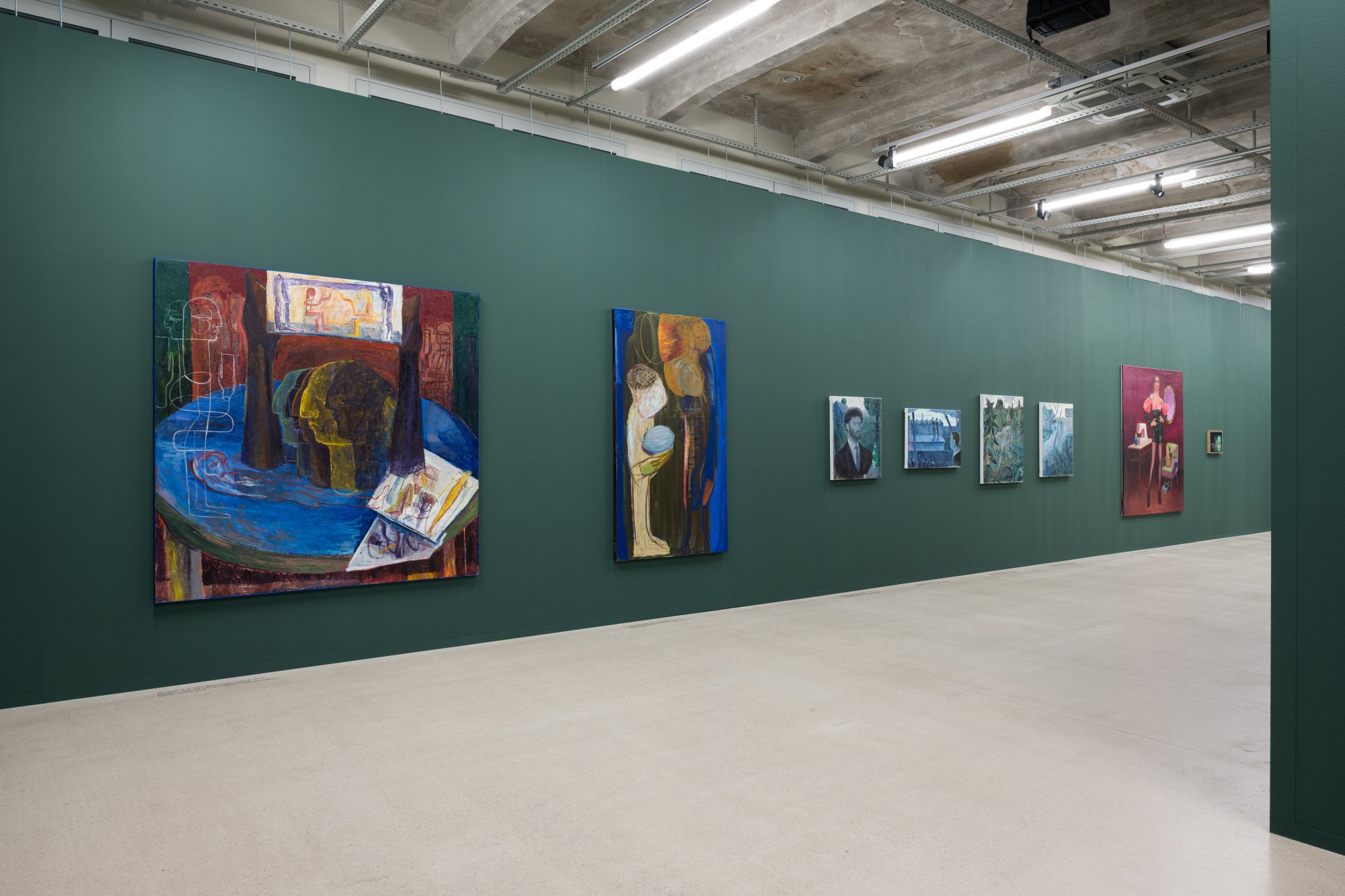
Through symbolic silhouettes on her canvases, the artist comments on traditional female roles, domestic life, and social power structures. Another distinctive element is her detailed work with fashion and accessories. Lace on dresses or shoes references pop culture, but also handcrafted traditions and subtle sensuality. Technically, the works are characterized by painterly richness with layers of warm colors and experimental composition that bridges references from the Renaissance to Pop Art. The artist’s international reputation is confirmed by exhibitions in prestigious galleries across Europe, the U.S., and Asia. The inclusion of her works in the current project Transylvanian Painting Today at the Telegraph Gallery thus represents a significant contribution to the dialogue on contemporary painting, where historical narratives become deeply personal expressions.