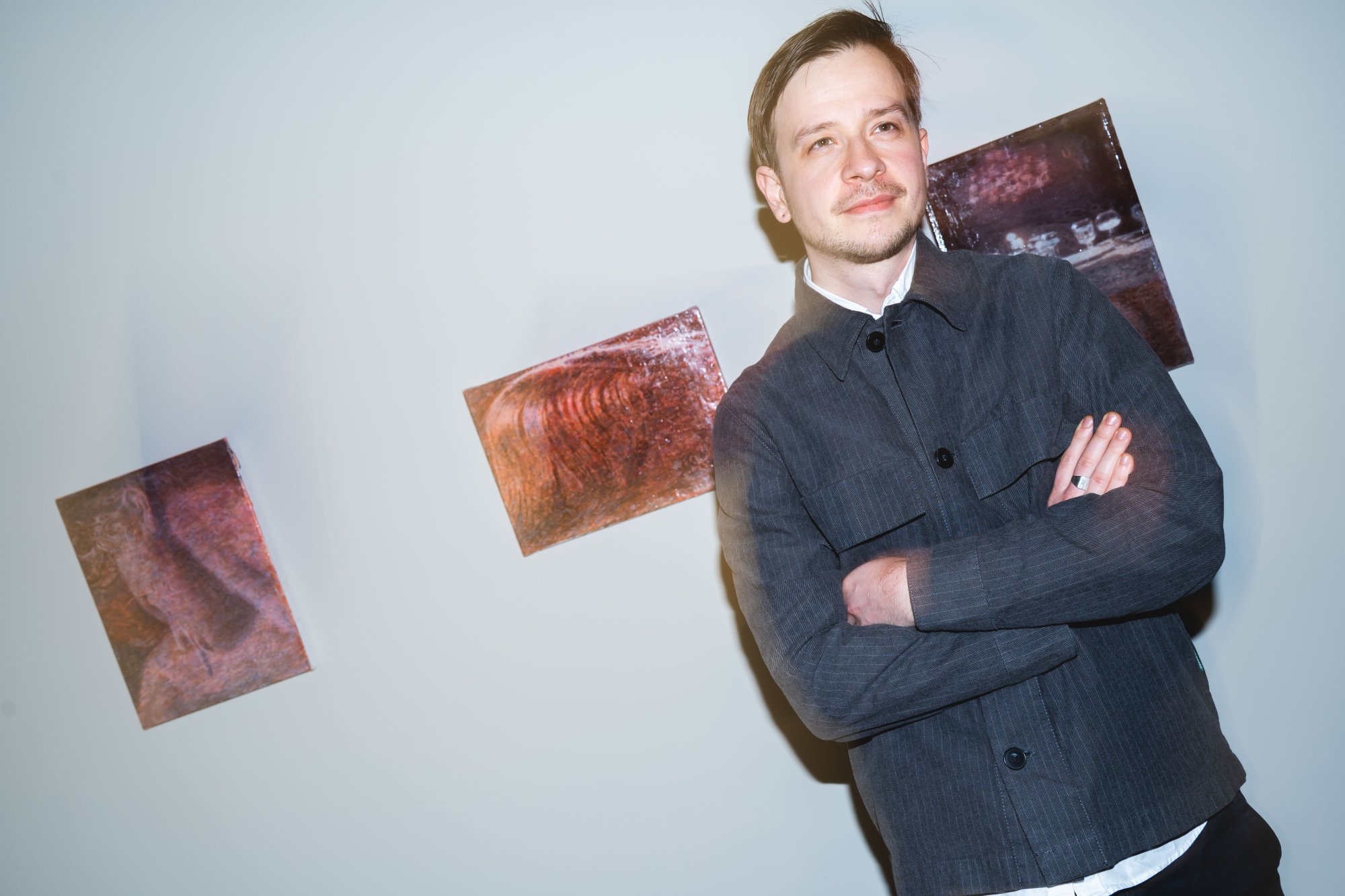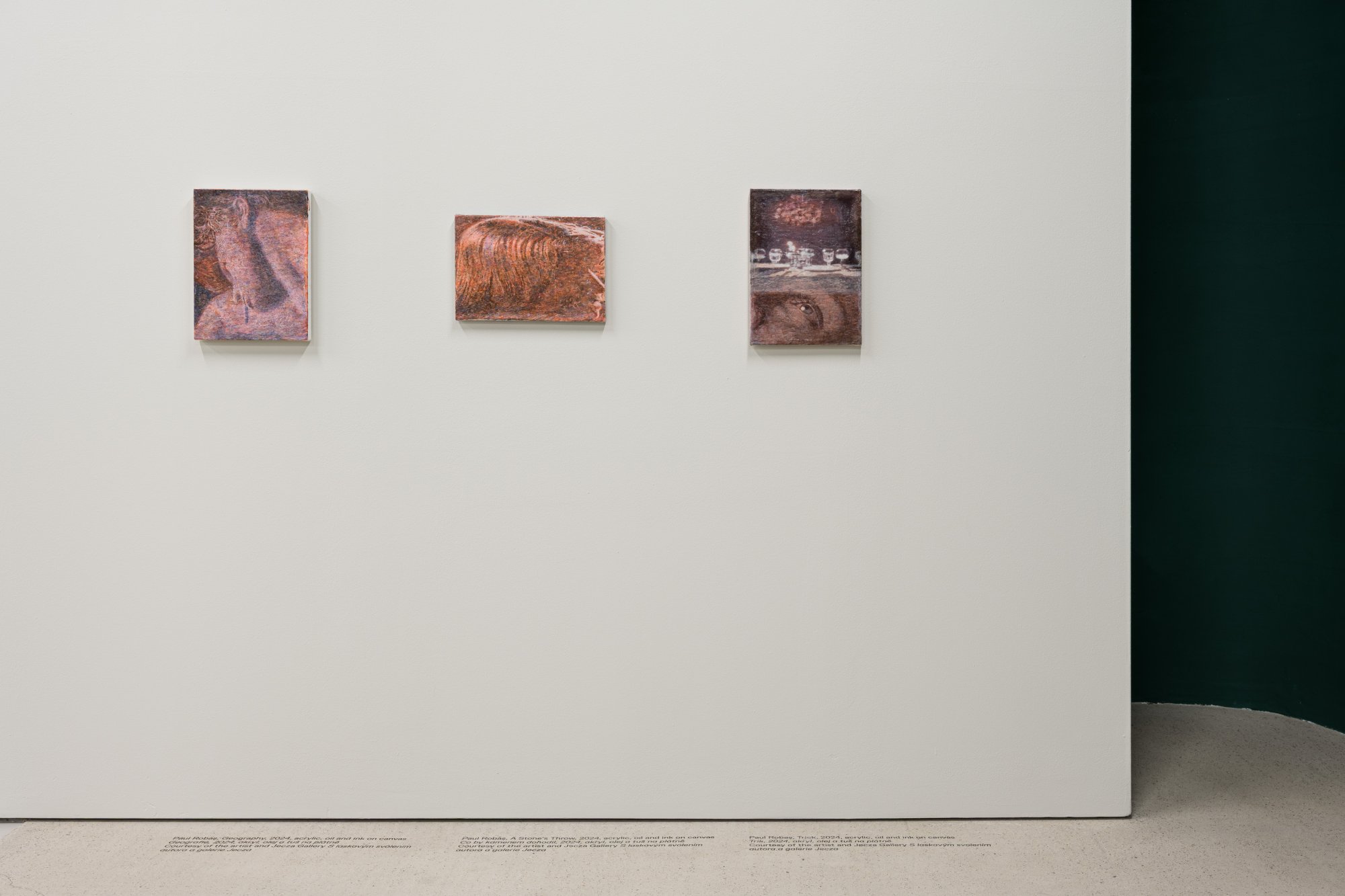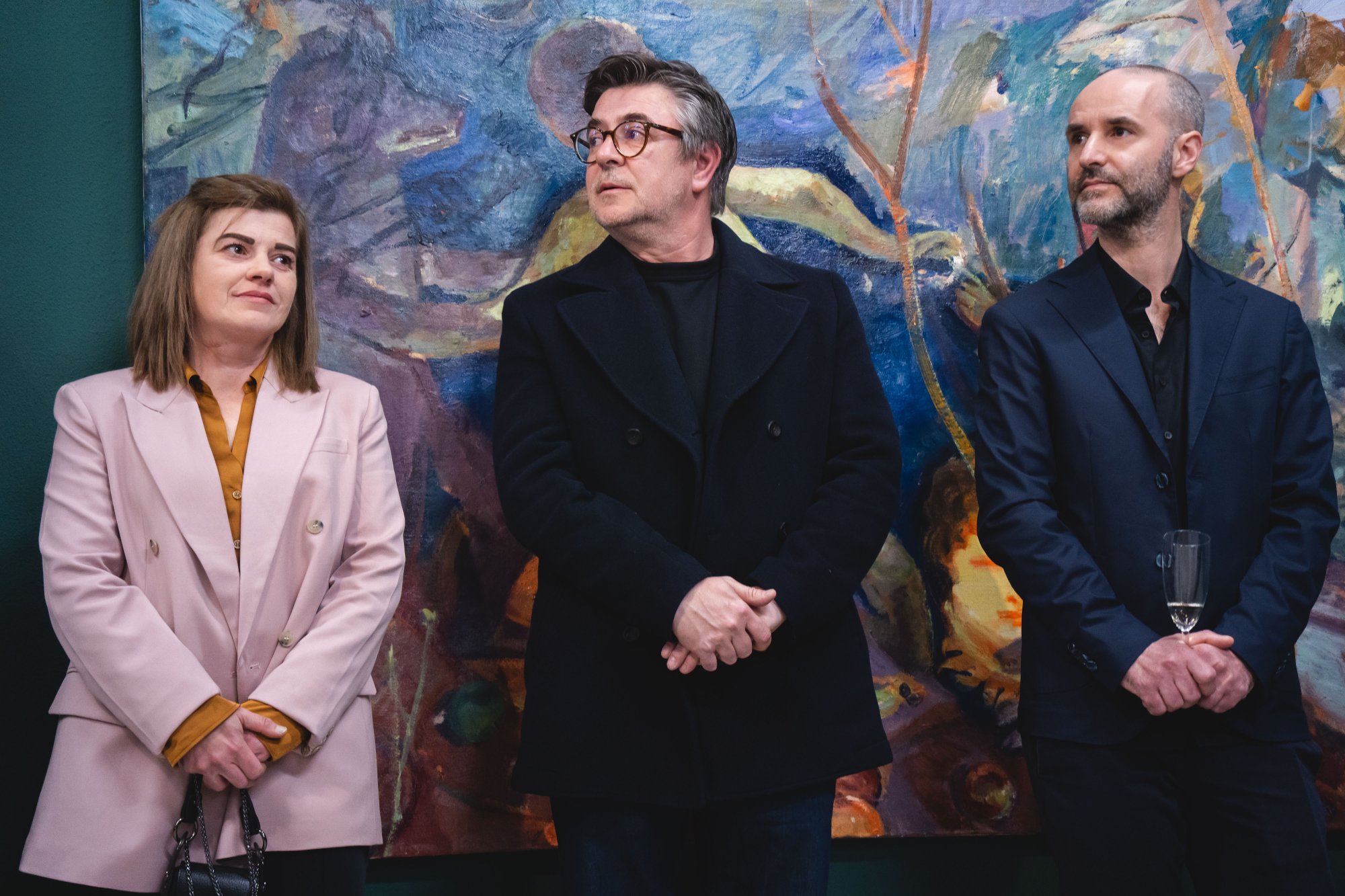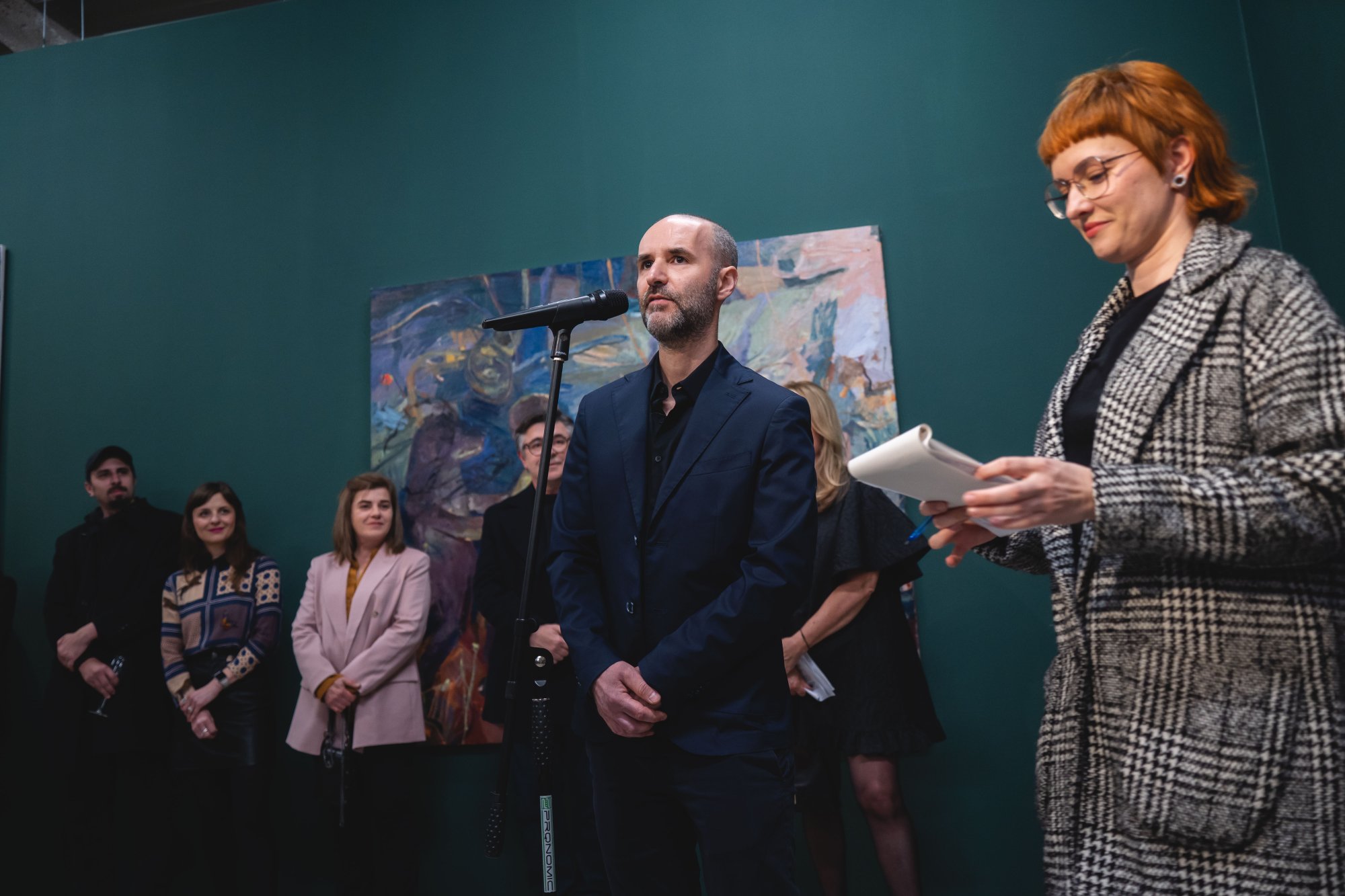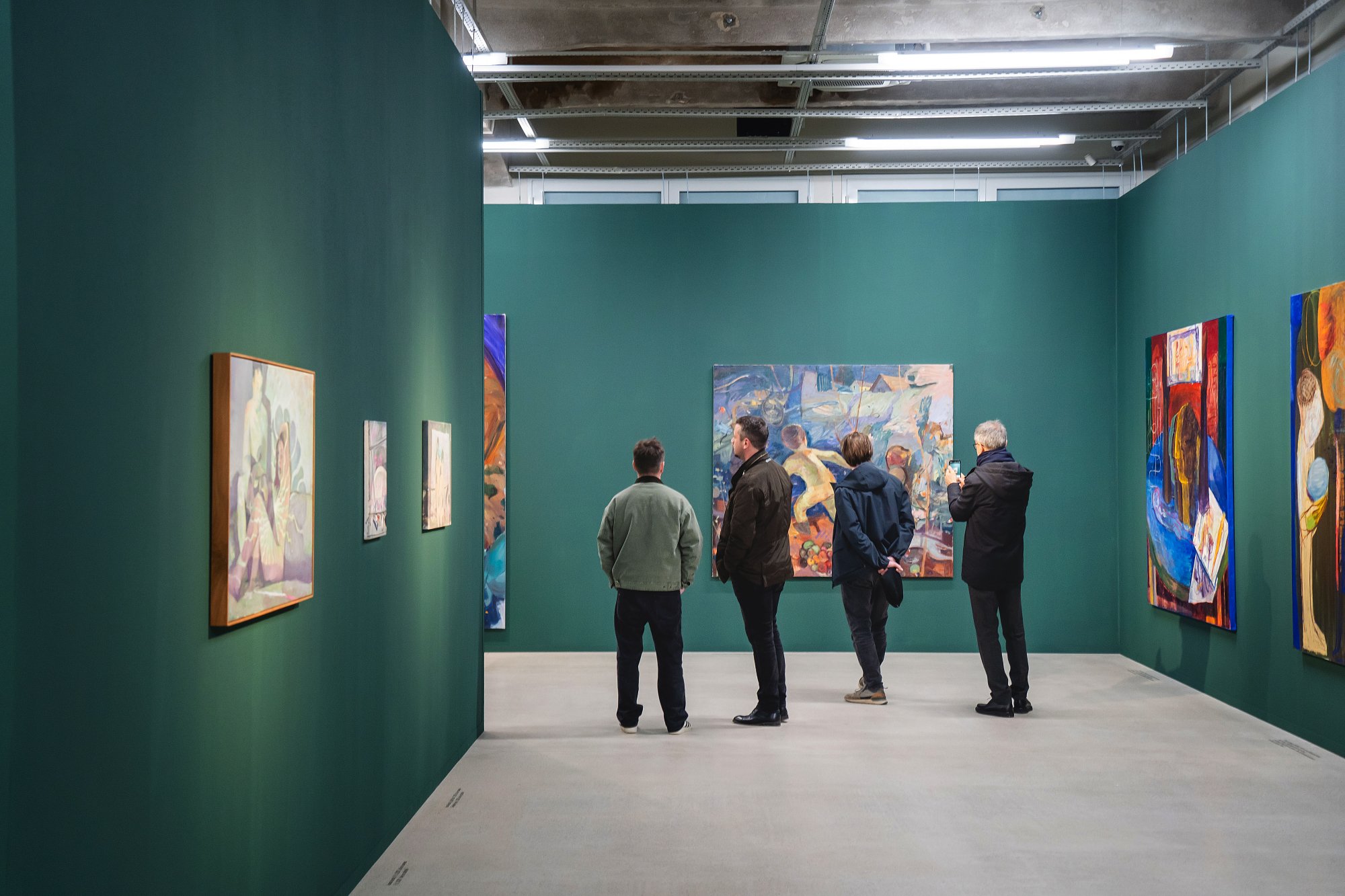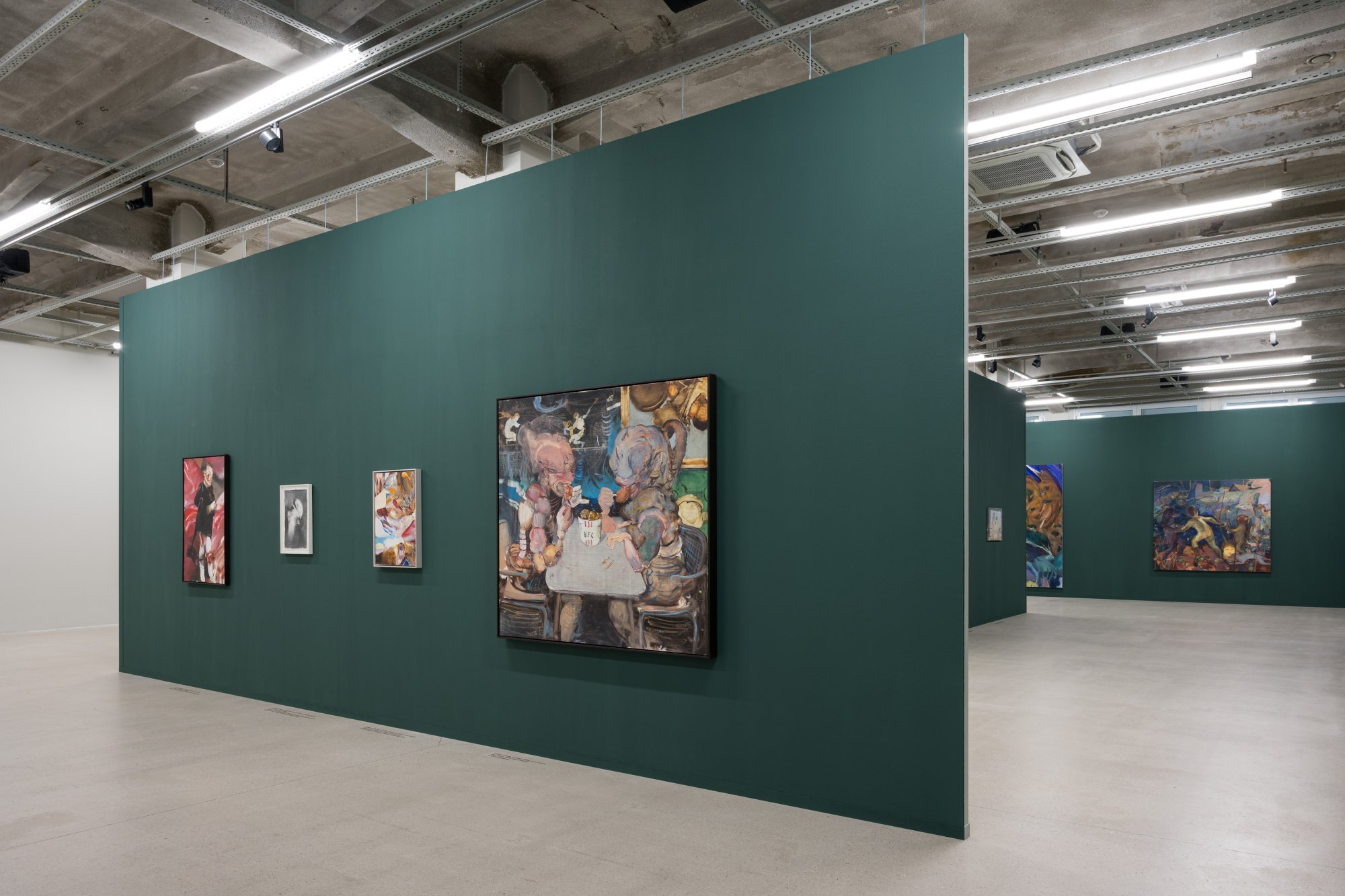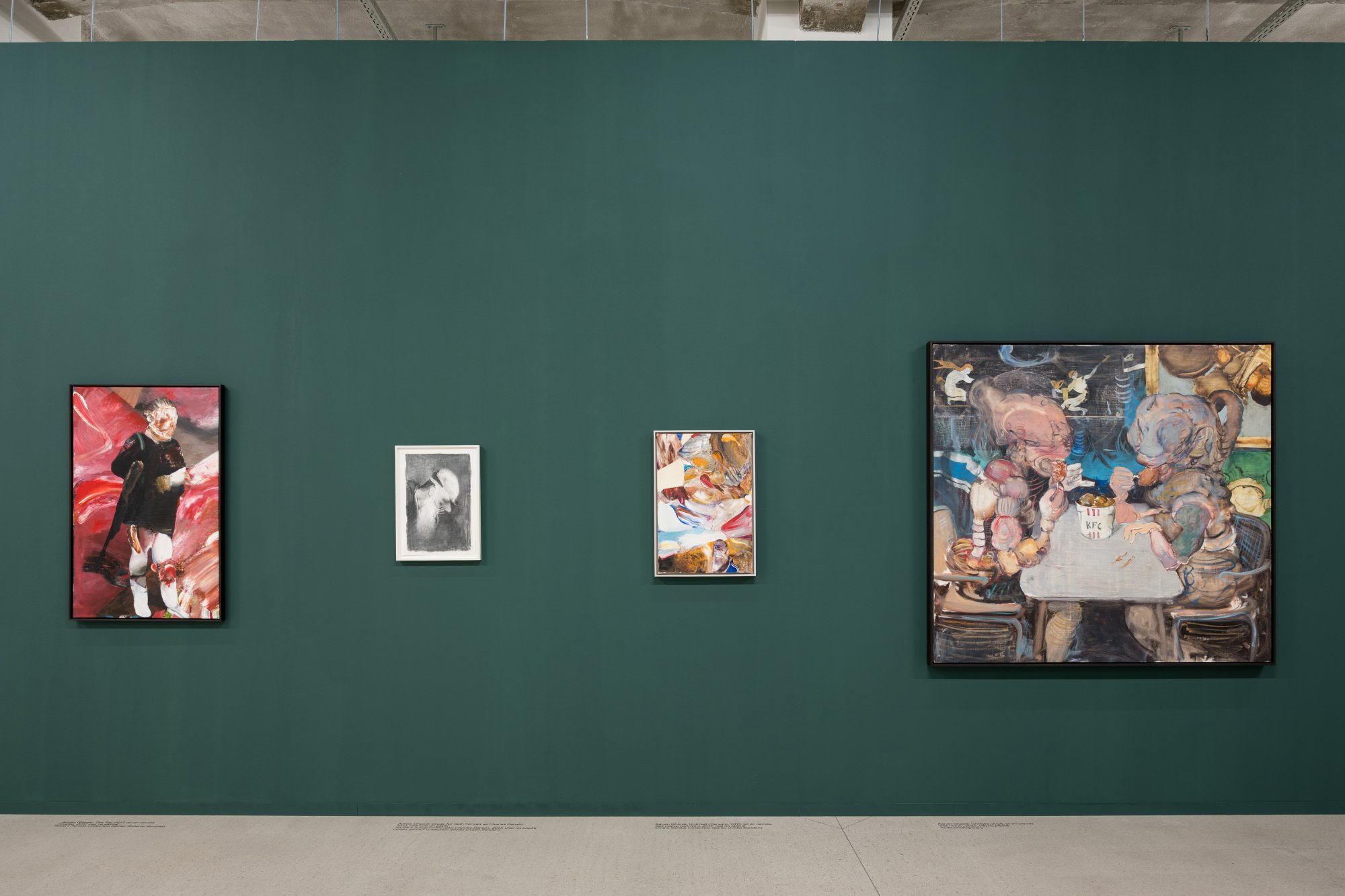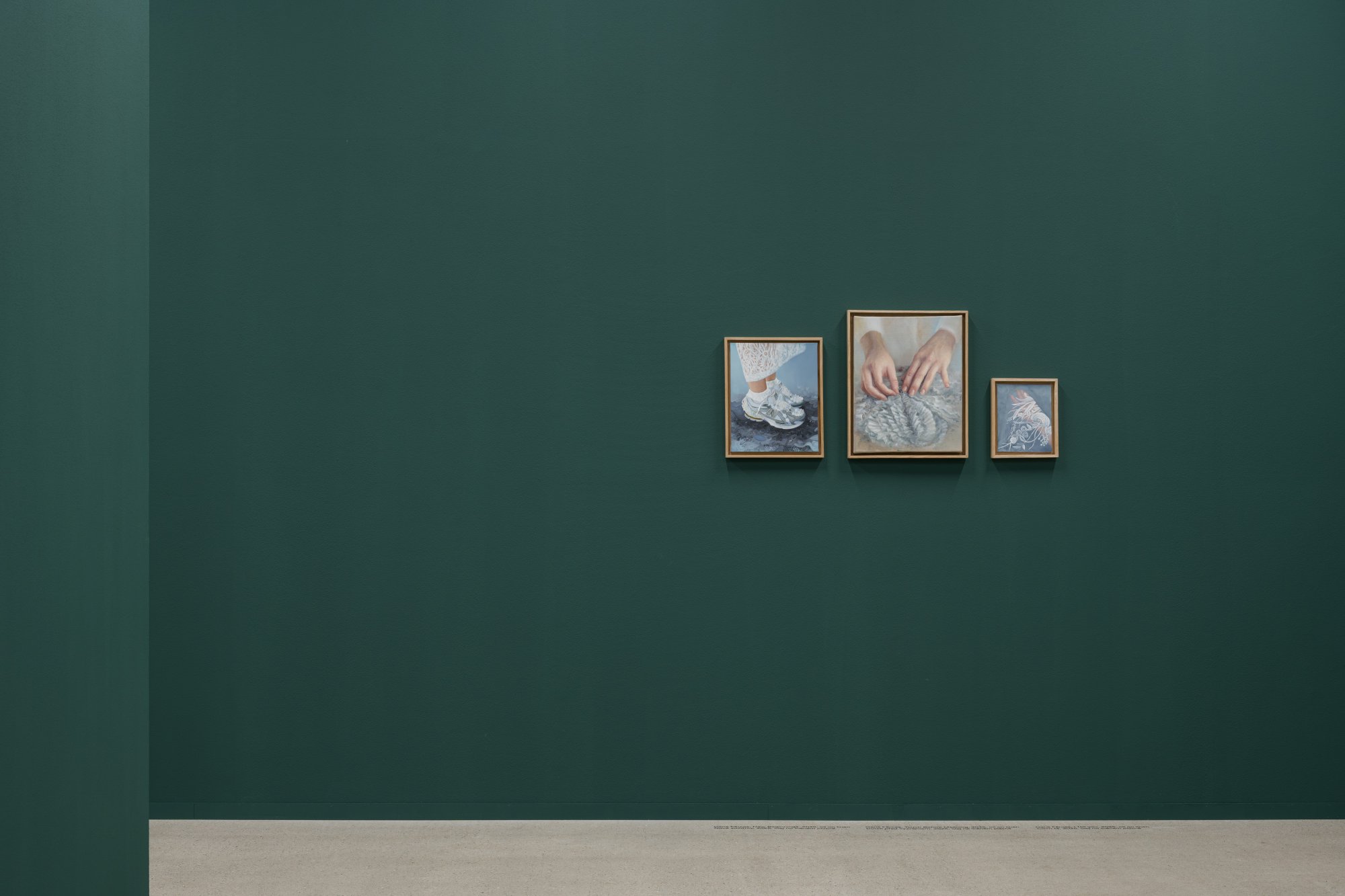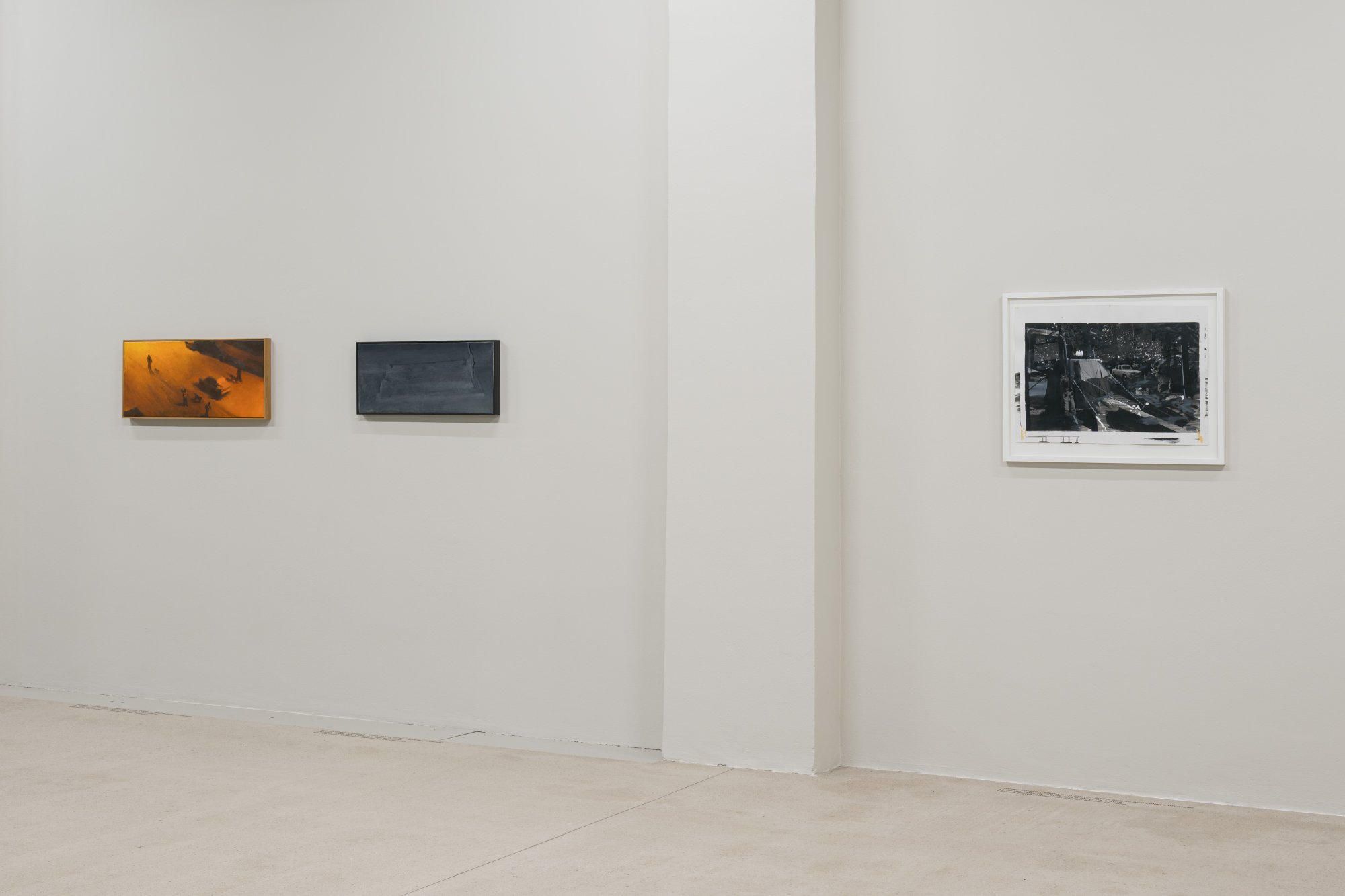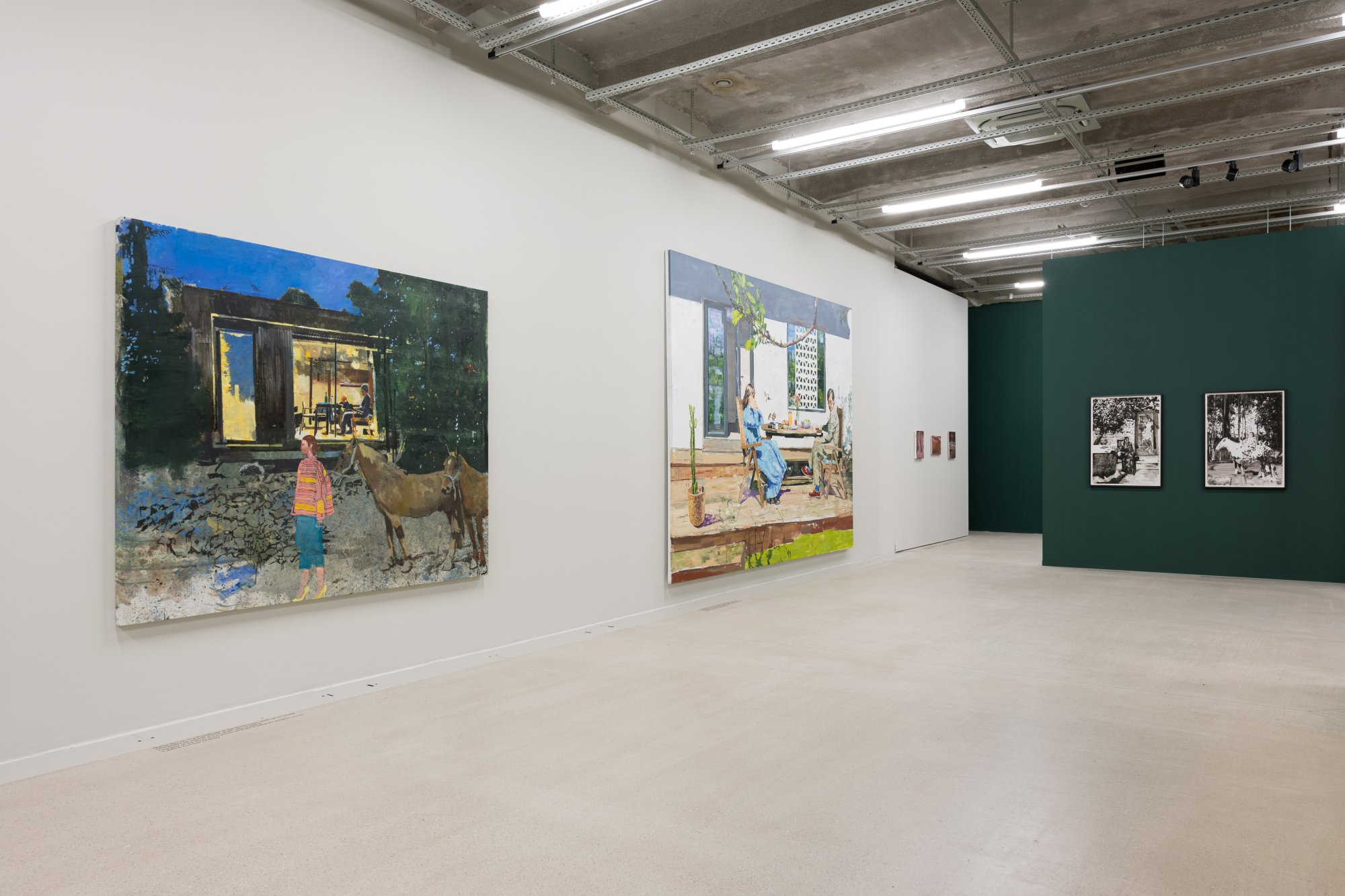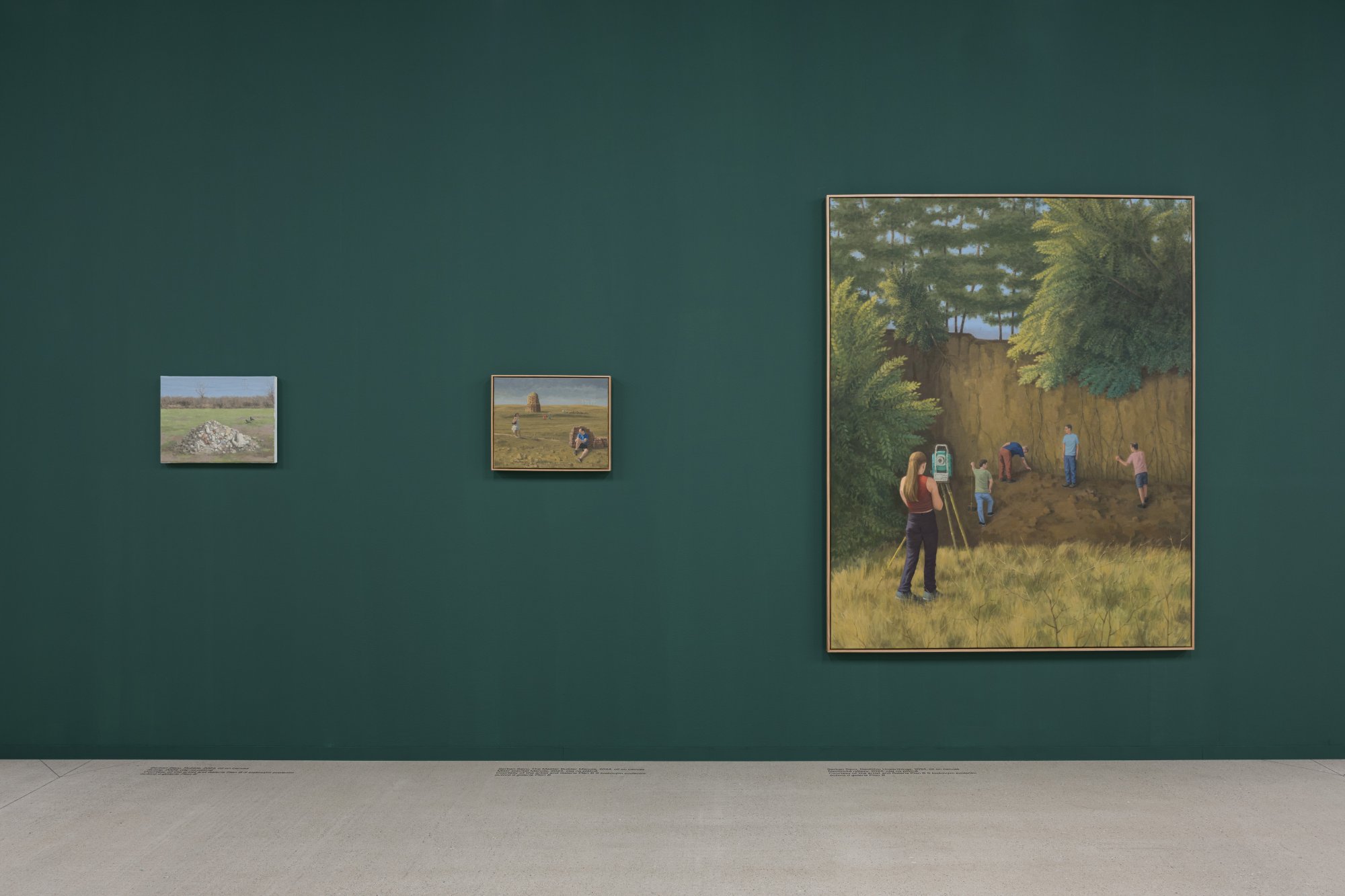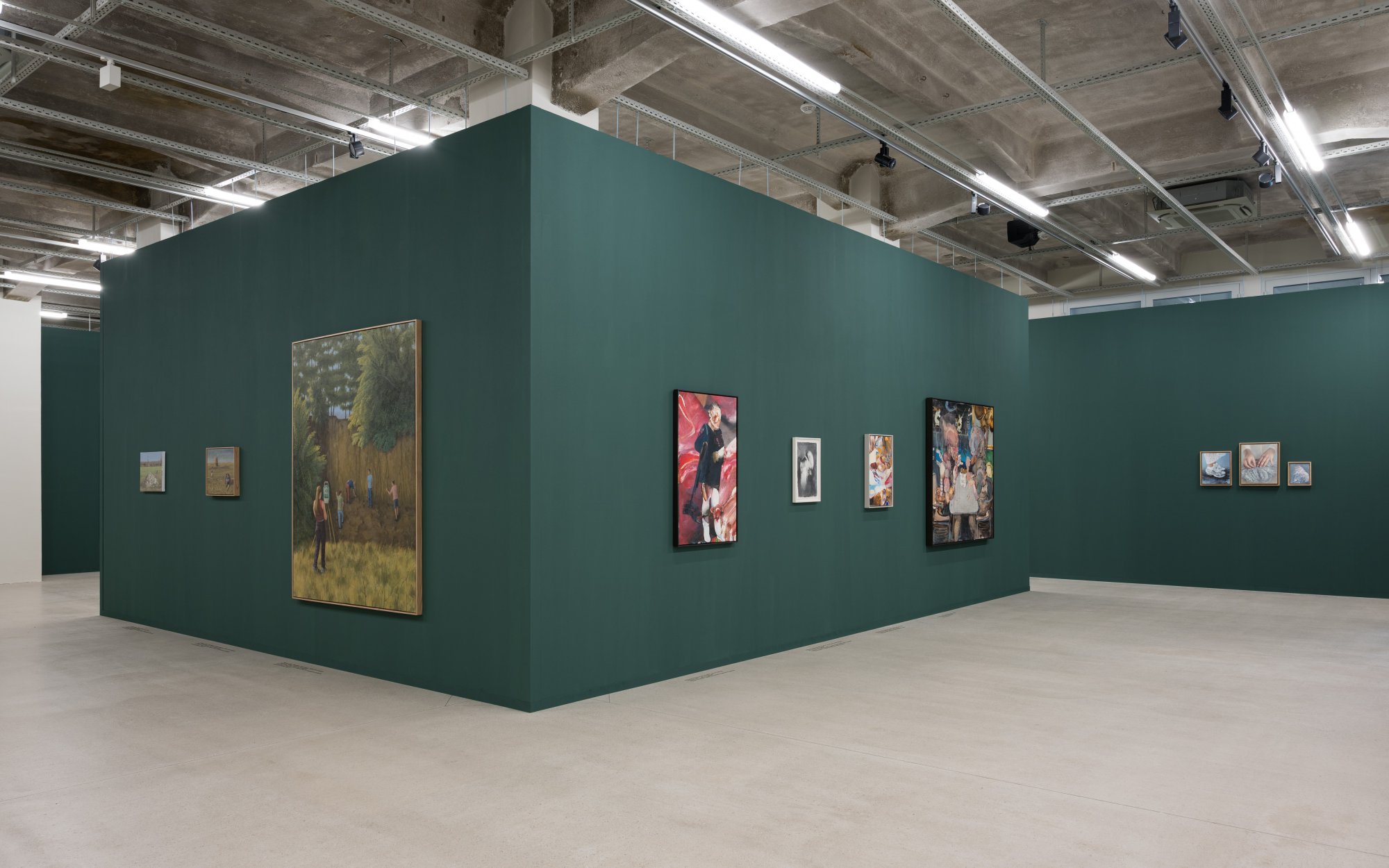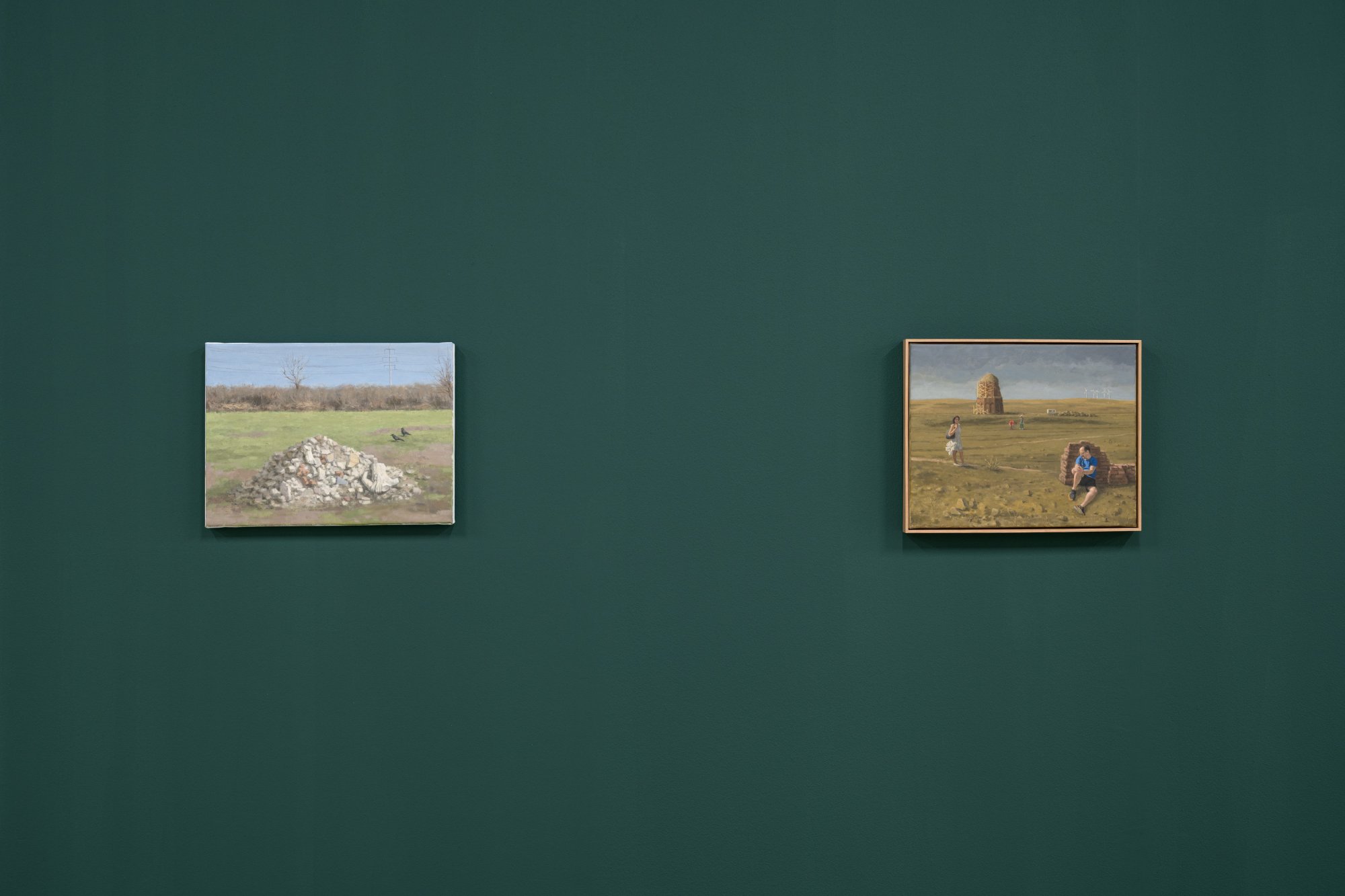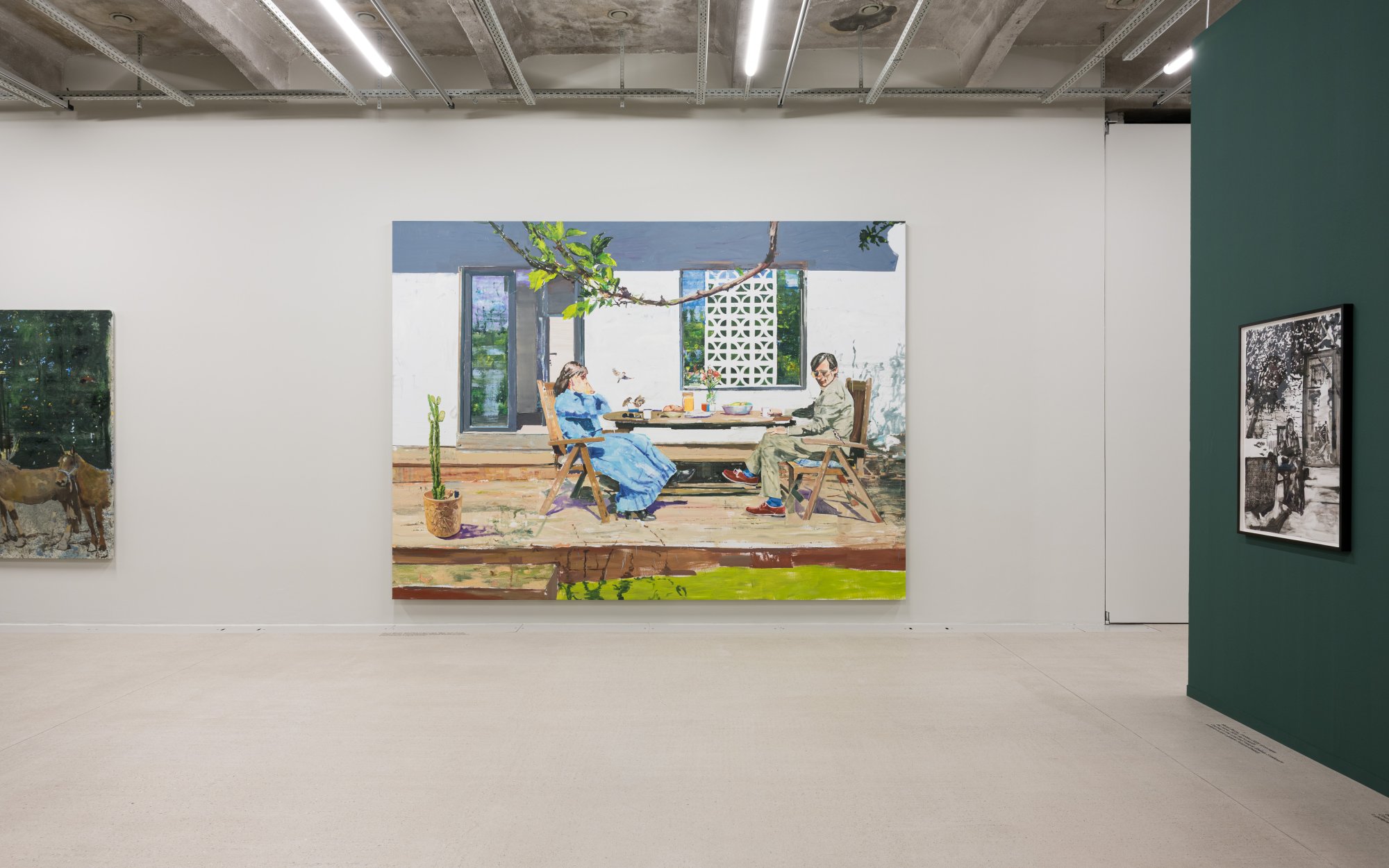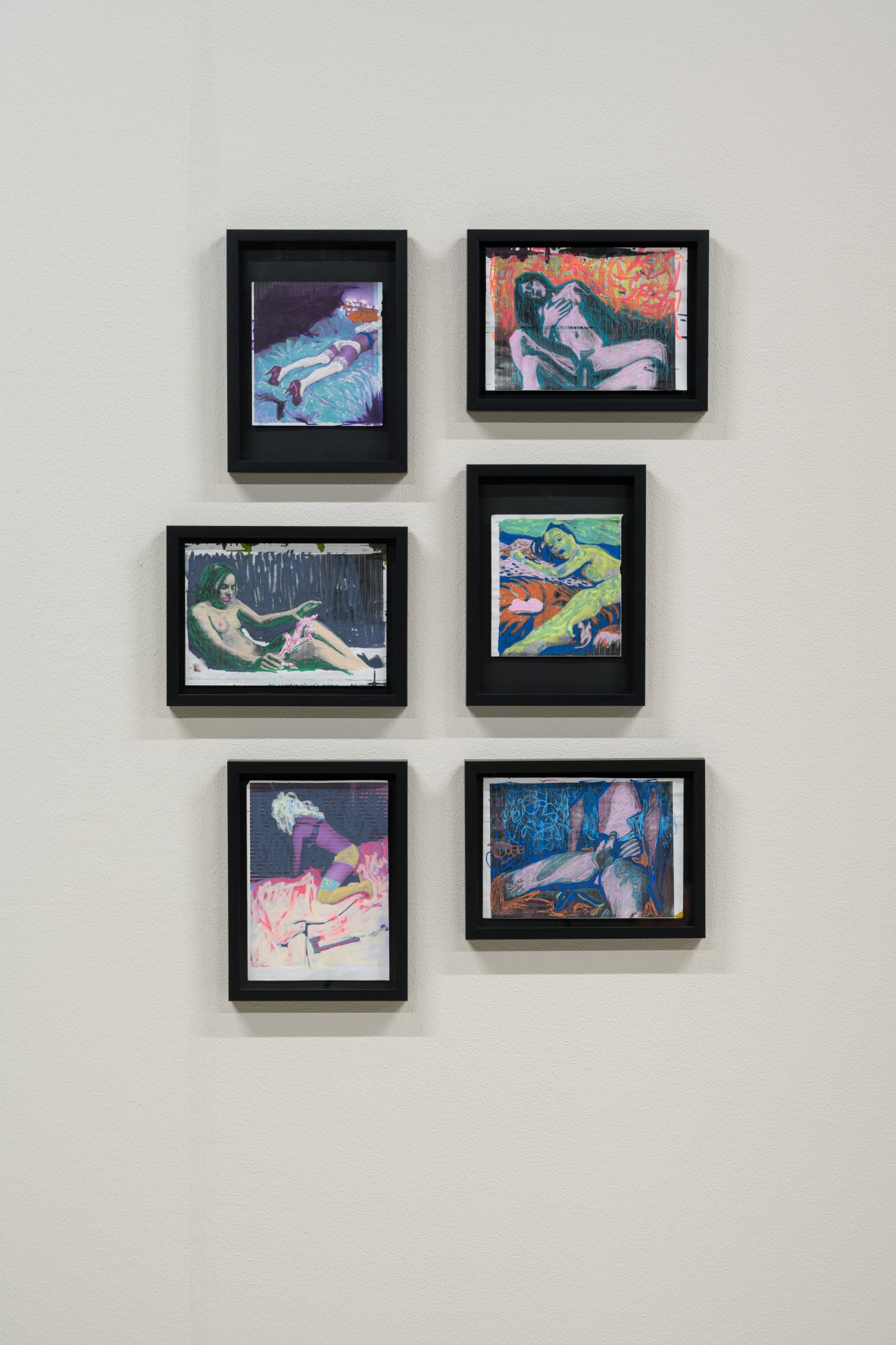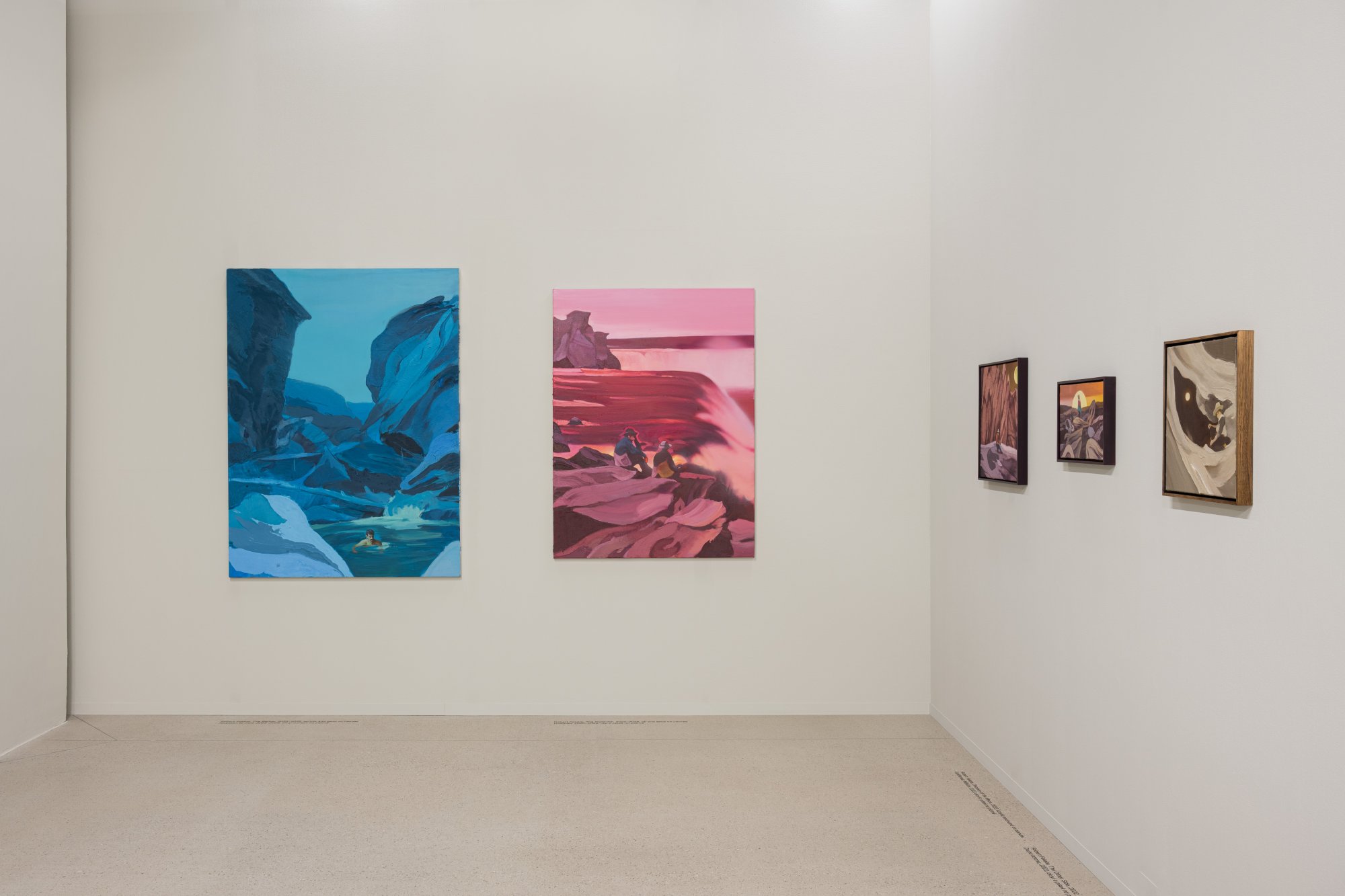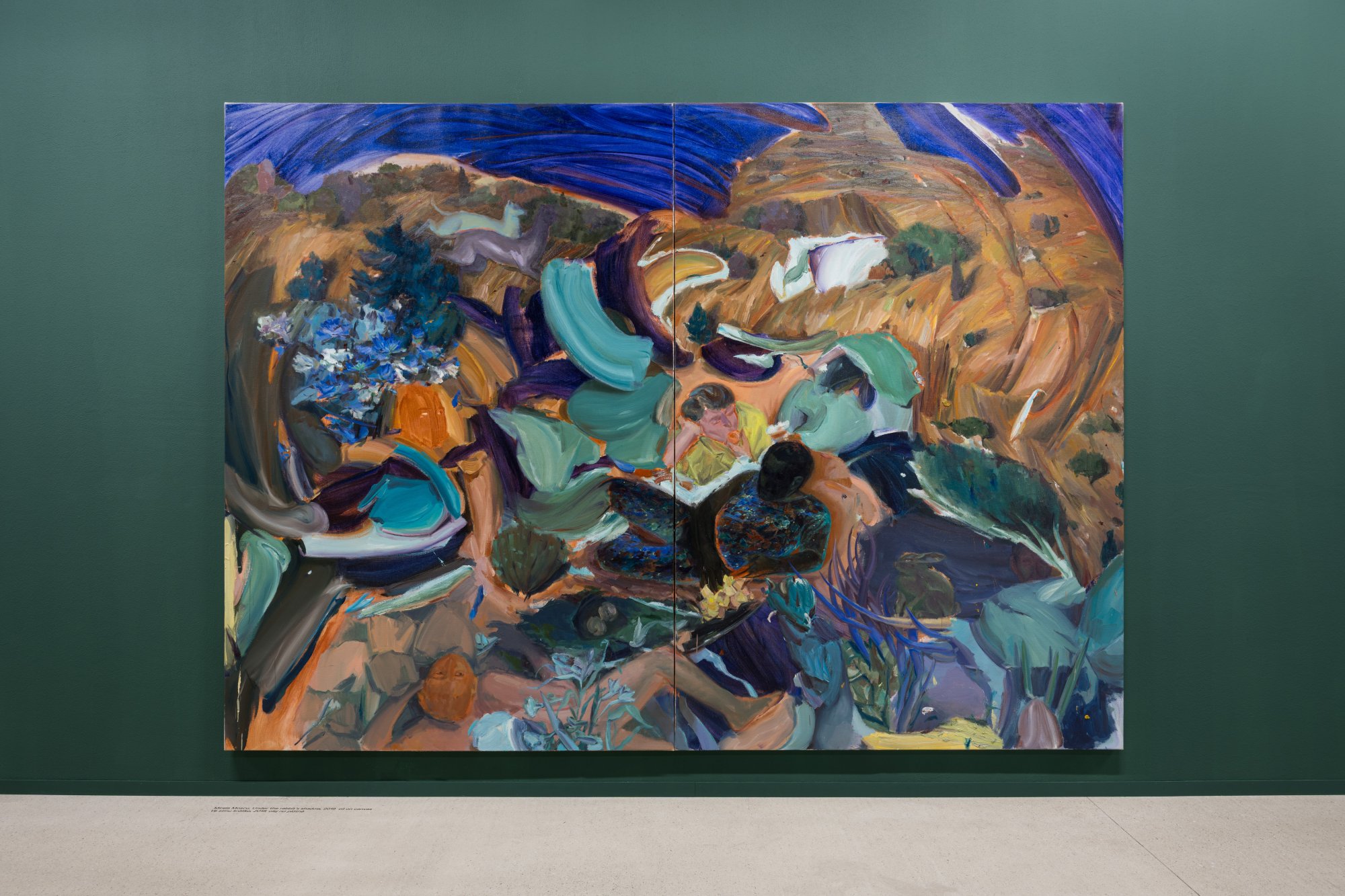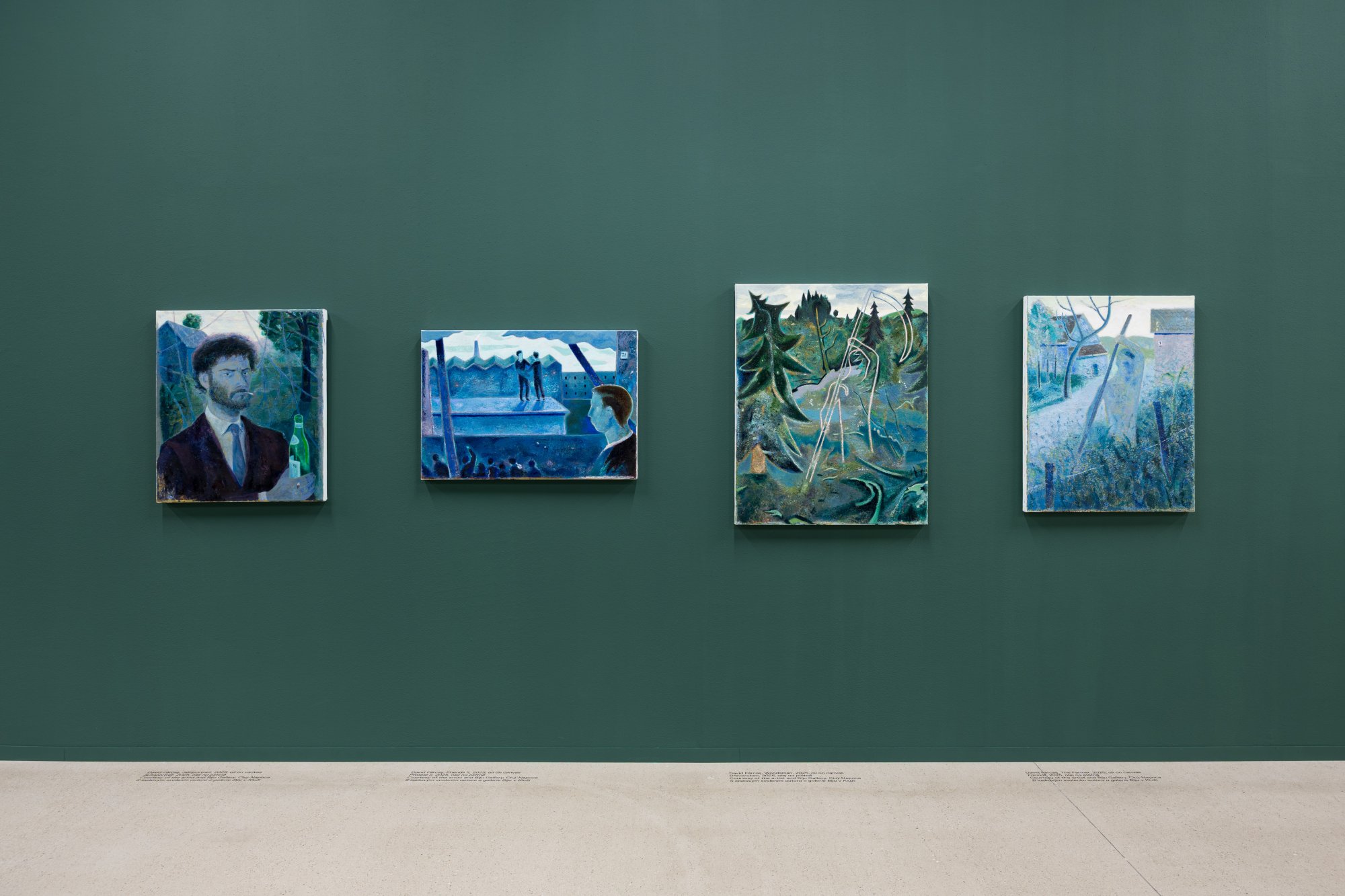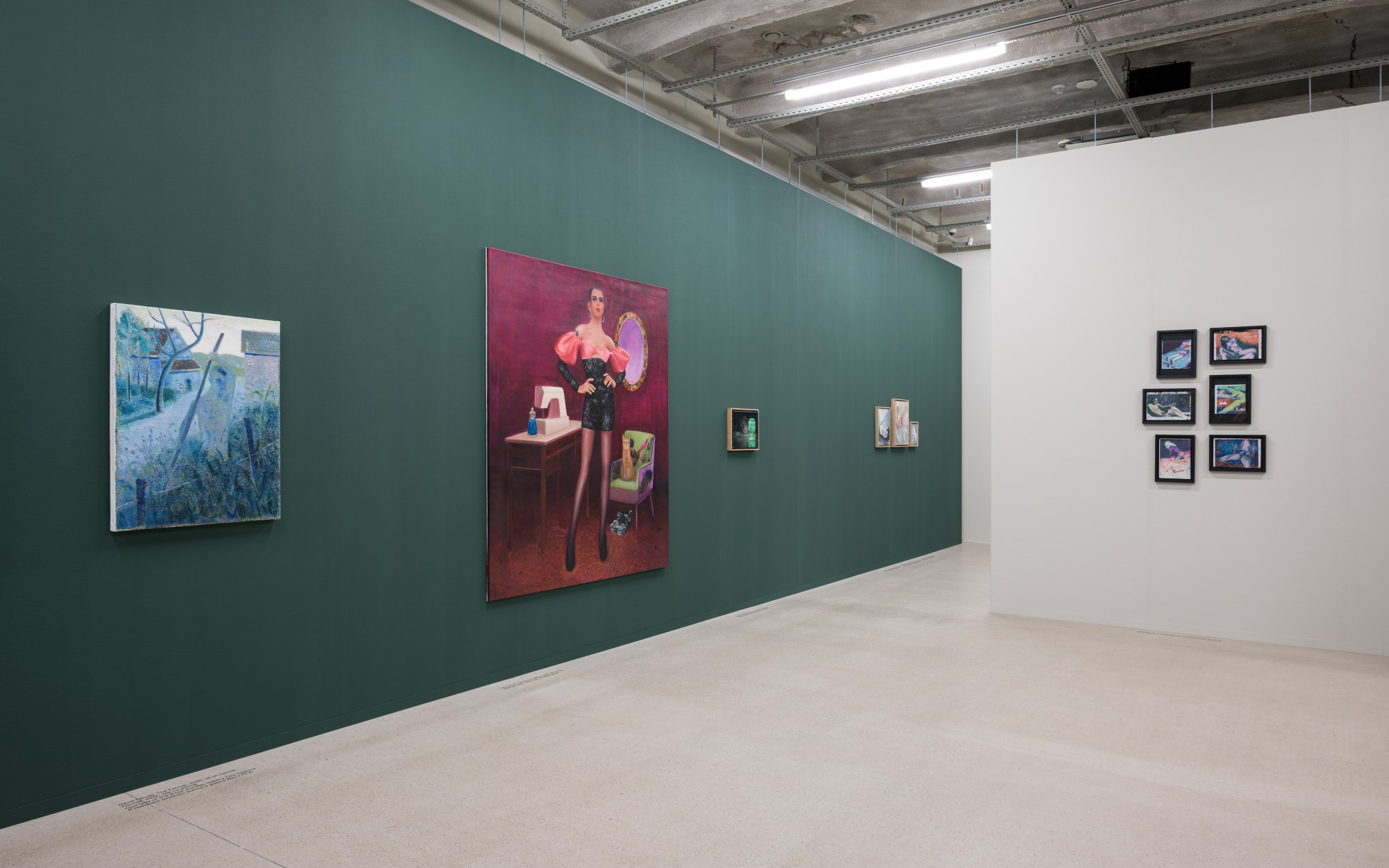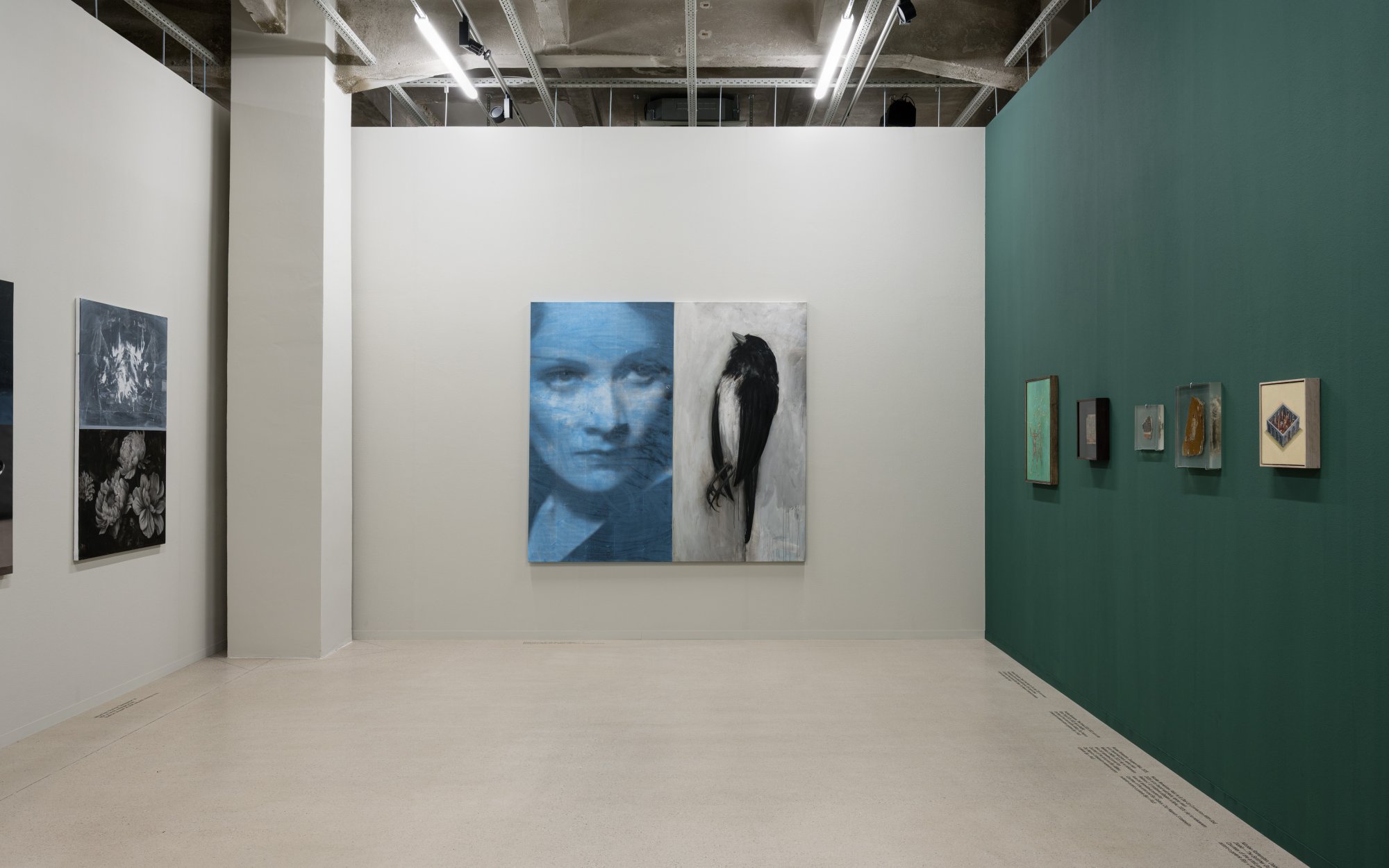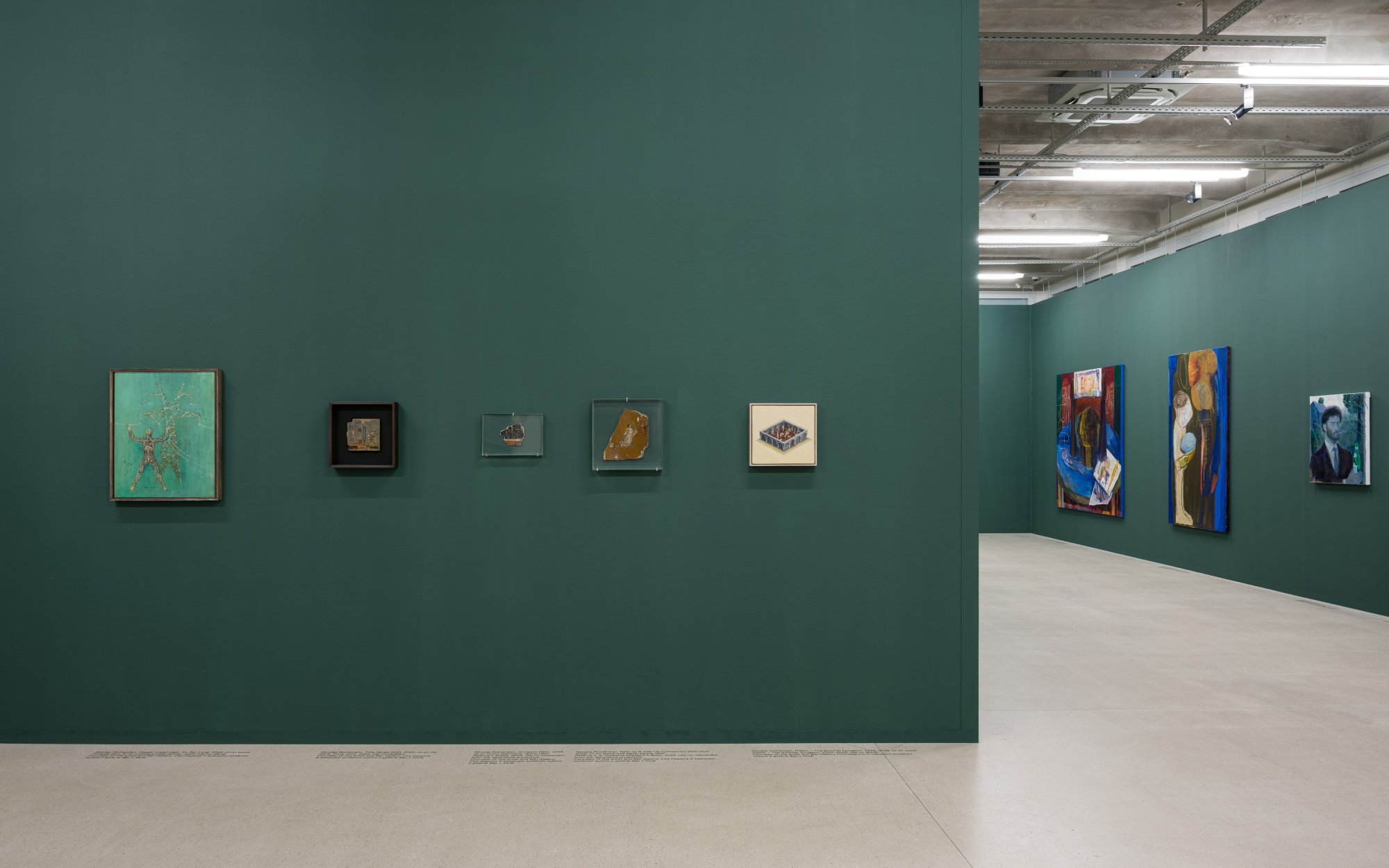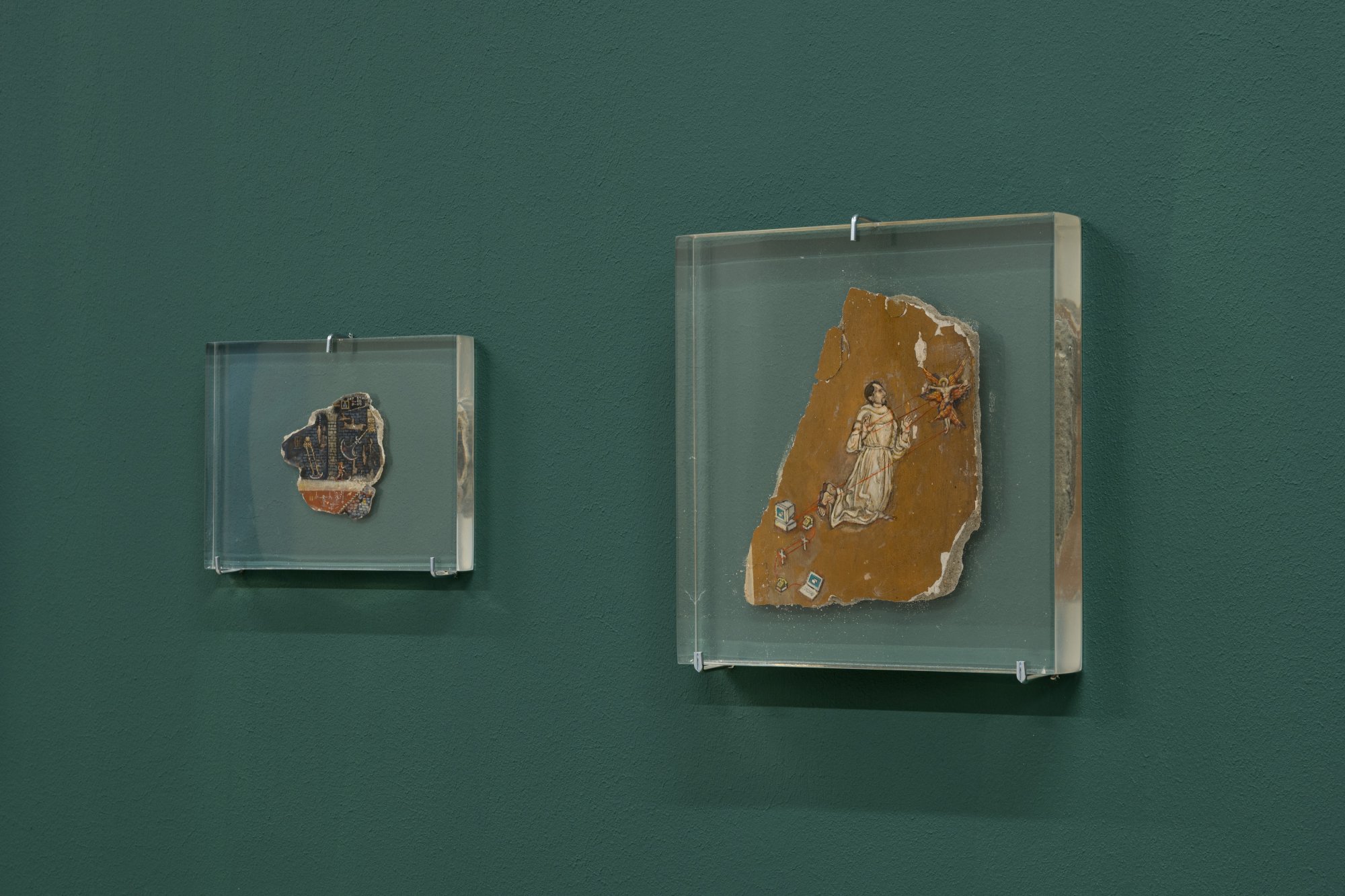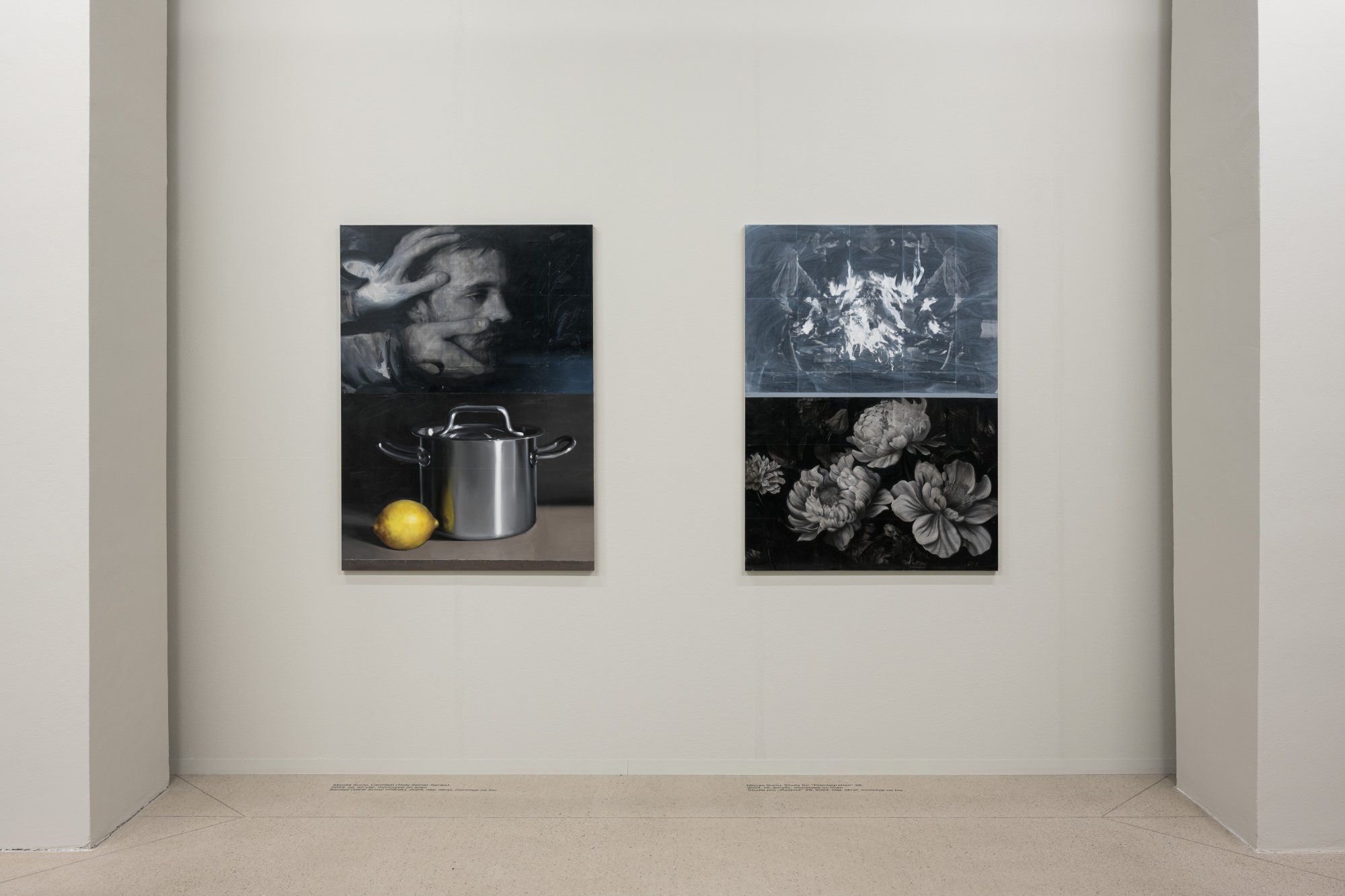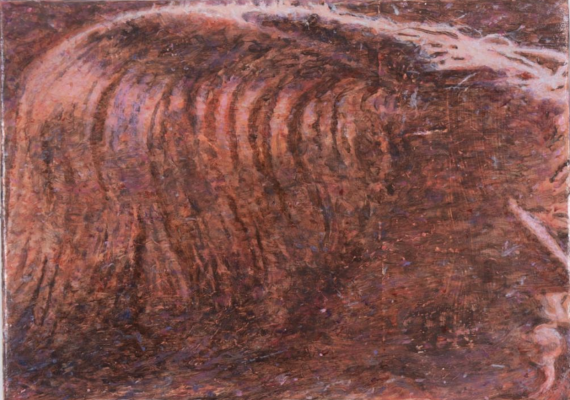
Paul Robas (*1989) represents, within the emerging generation of artists associated with the Cluj School of Painting, an approach that transcends local boundaries and moves toward a more universal exploration of memory. He successfully earned his bachelor’s degree at his alma mater, the University of Art and Design in Cluj-Napoca, but his next steps led him to the Academy of Fine Arts in Vienna, where he still lives and works today. This geographical and institutional shift has also strongly influenced his distinctive visual language. Robas does not focus on major historical traumas, but rather examines in detail the fragility of human experience, the transience of memories, and the secrets hidden in everyday and seemingly insignificant moments.
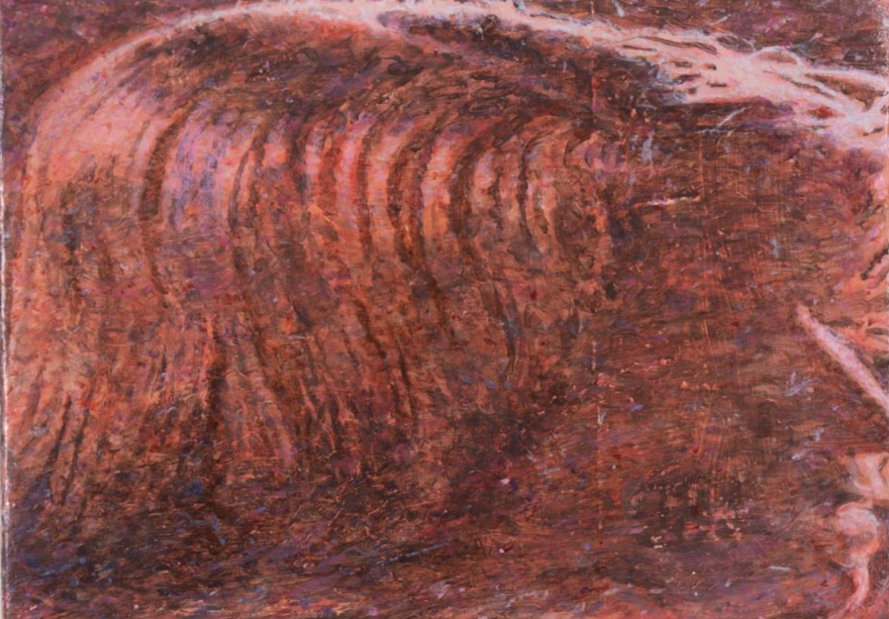
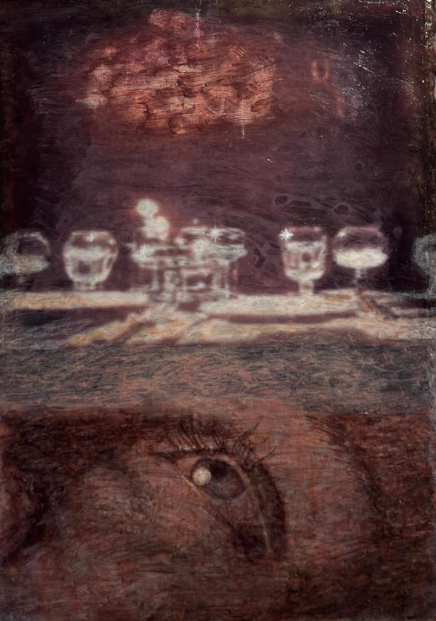
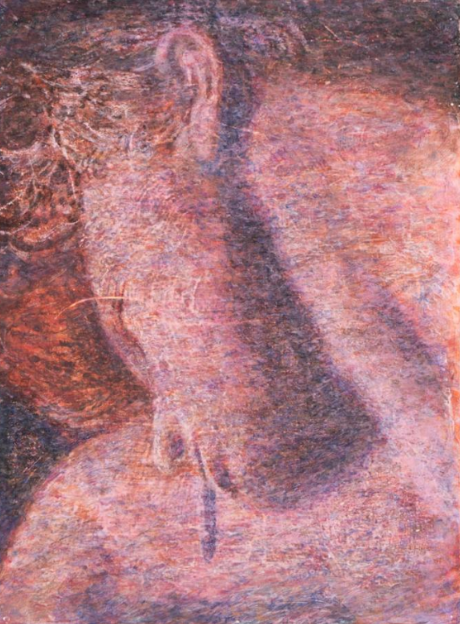
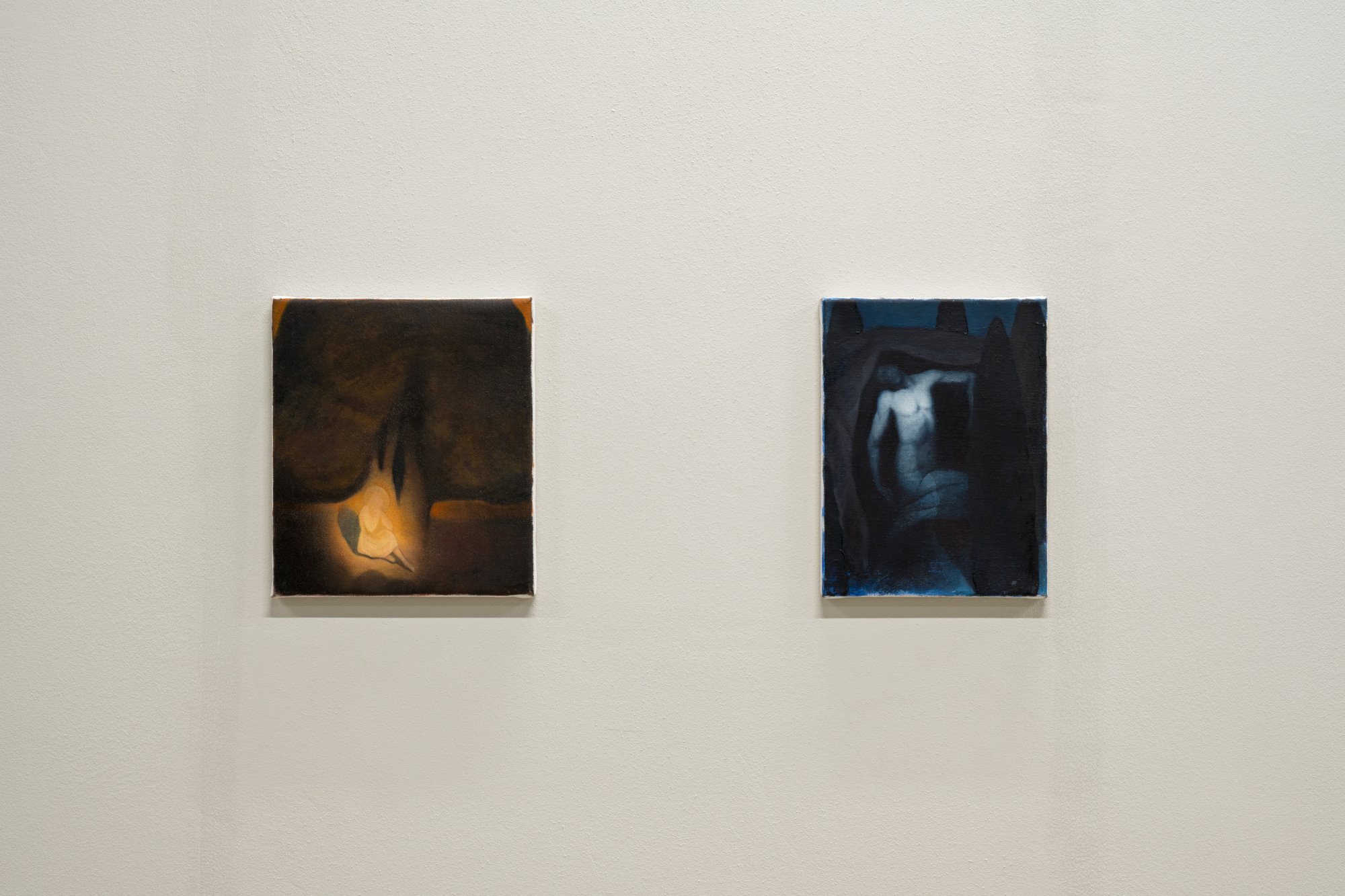
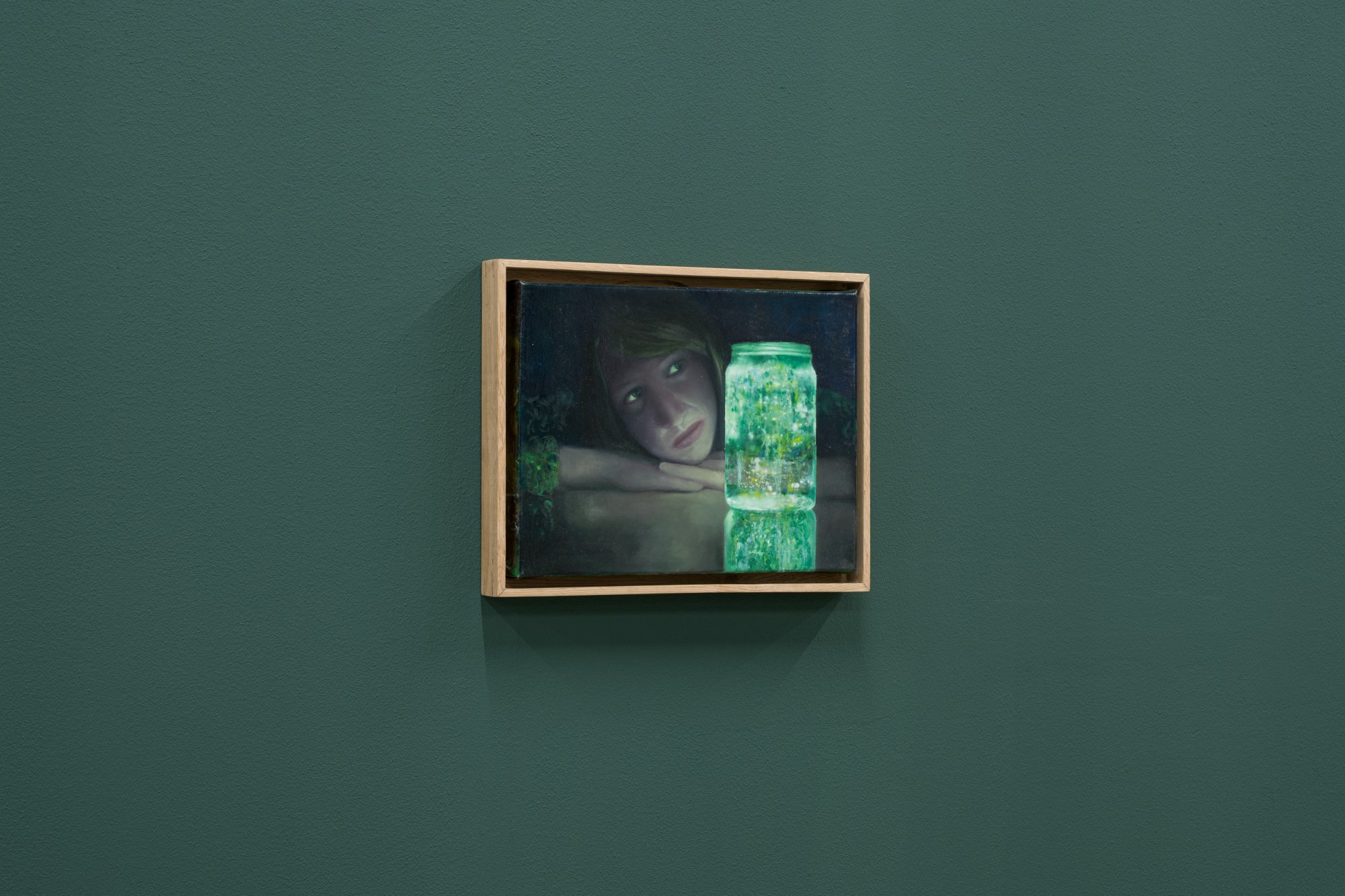
Central to his creative method is a fascination with the reproduced image and a rich experience with other visual media. During his studies, he devoted himself intensively to graphic techniques, lithography, and black-and-white photography, which instilled in him a methodical approach to layering and building composition. The artist often starts with found and digitally manipulated photographs of unknown people, which he then carefully transposes onto canvas. However, he is not concerned with photorealism. Using blurred layers of paint and translucent textures, he creates portraits and micro-stories that feel like fading or distorted memories. His paintings tread the fine line between reality and dreamlike illusion, evoking a sense of slightly unsettling nostalgia in the viewer.
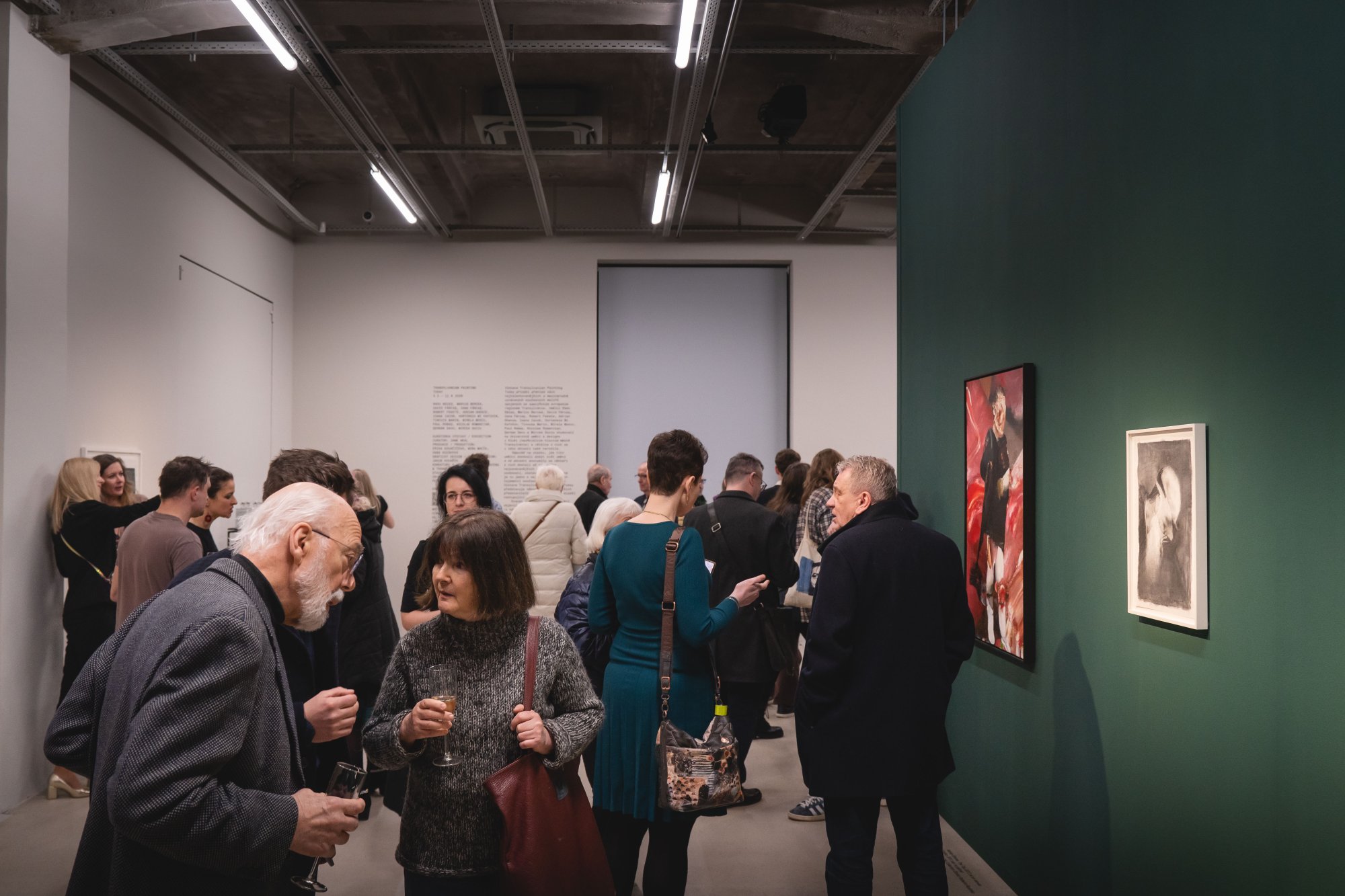
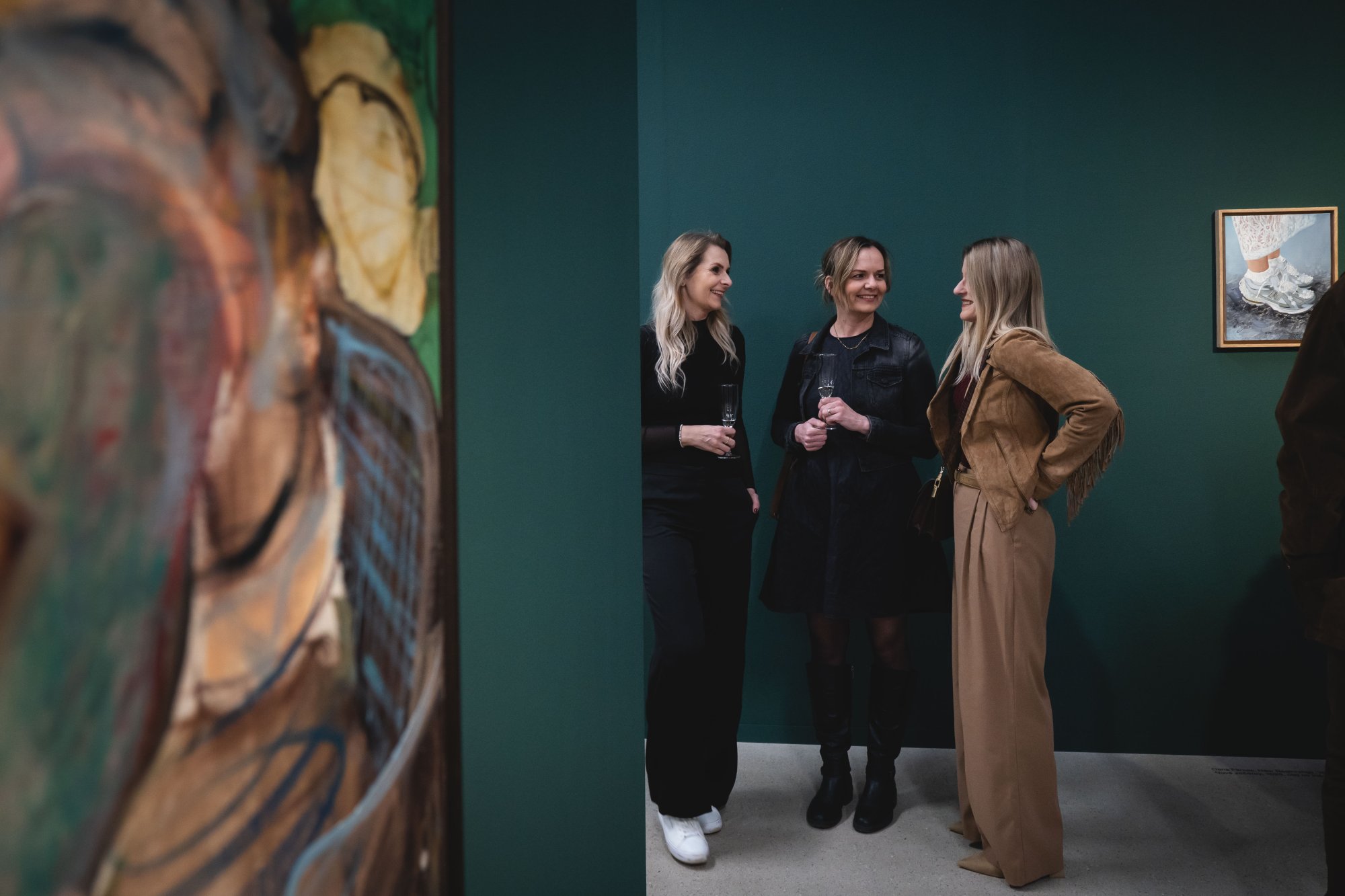
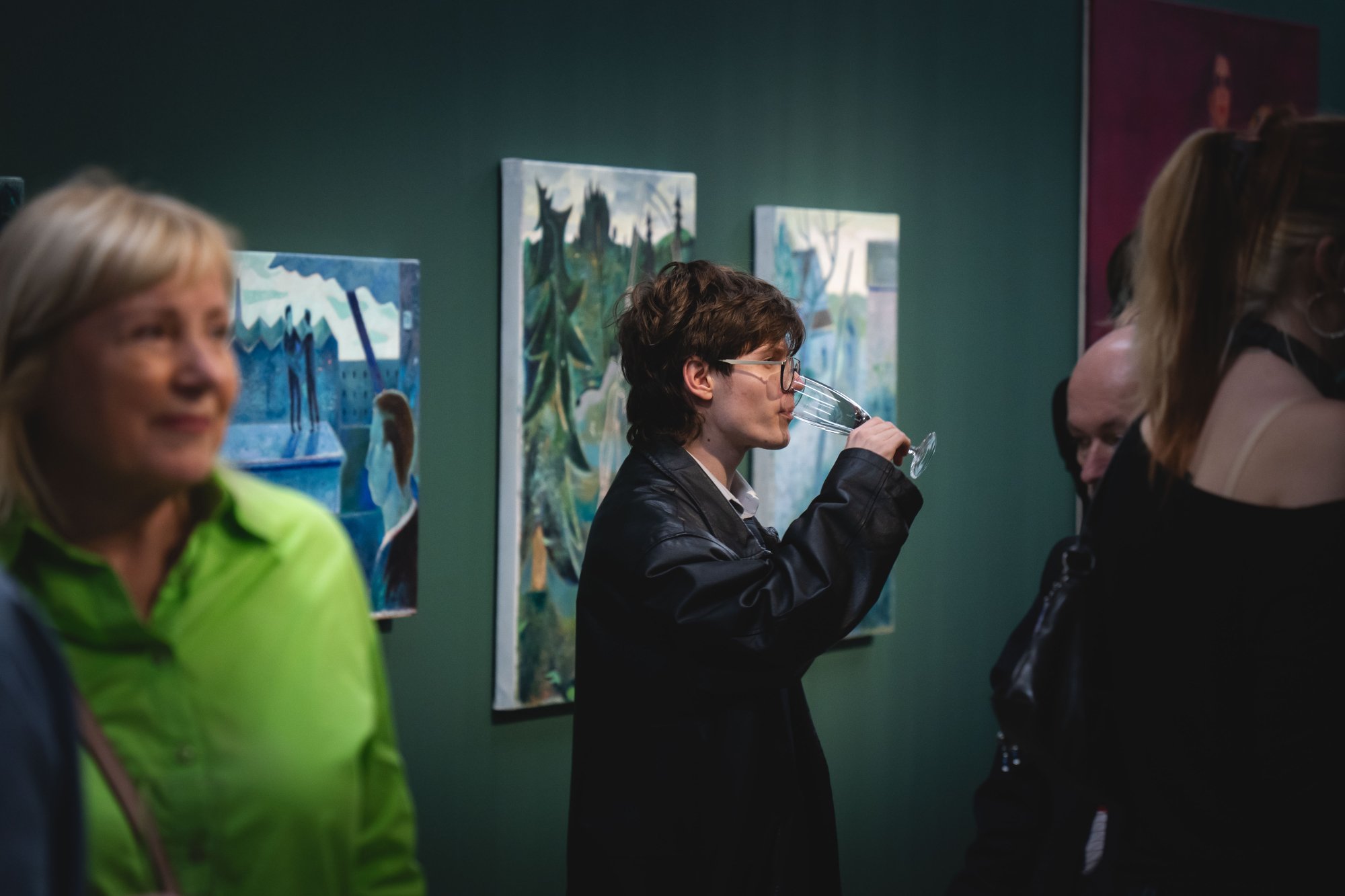
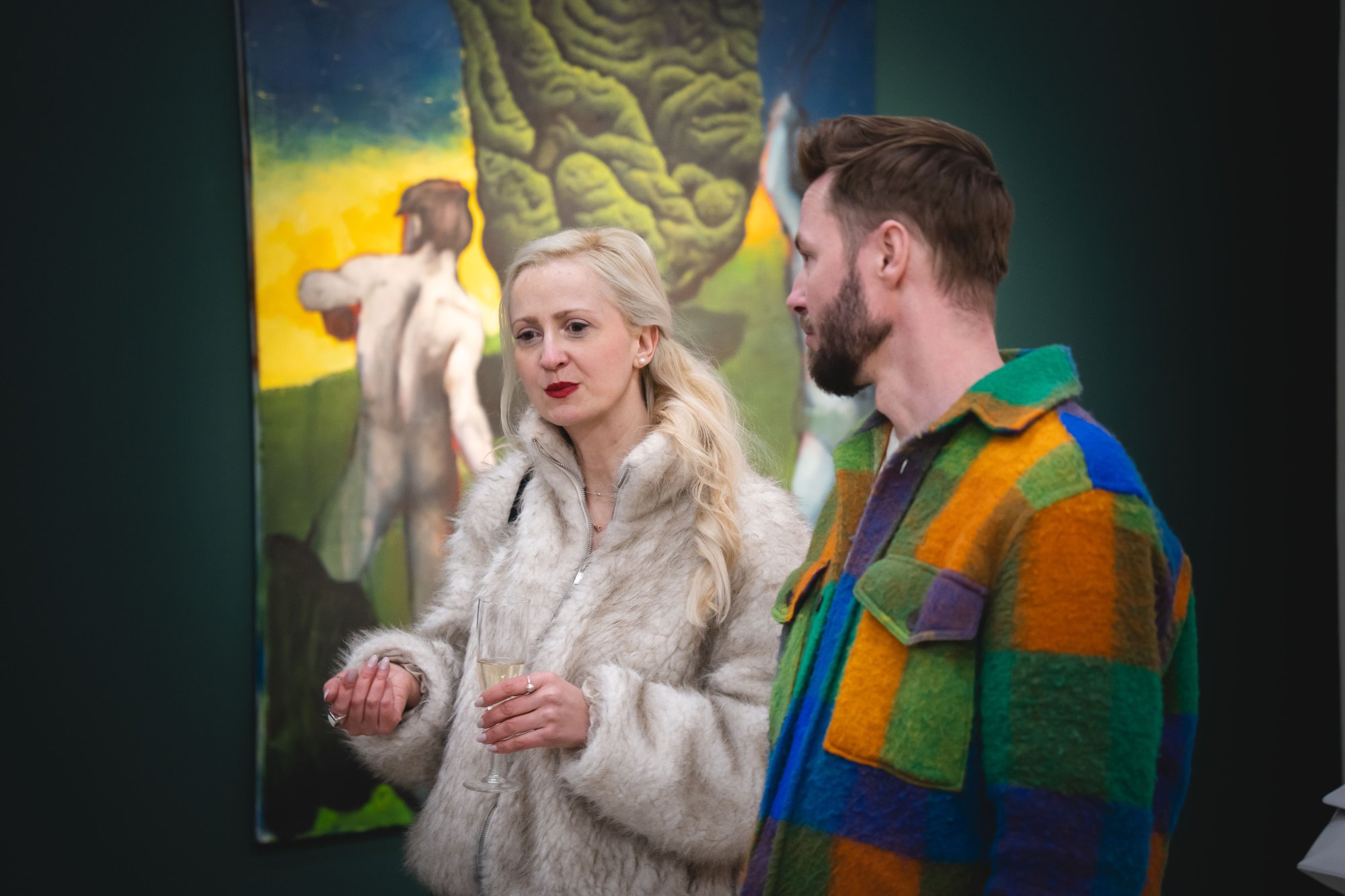
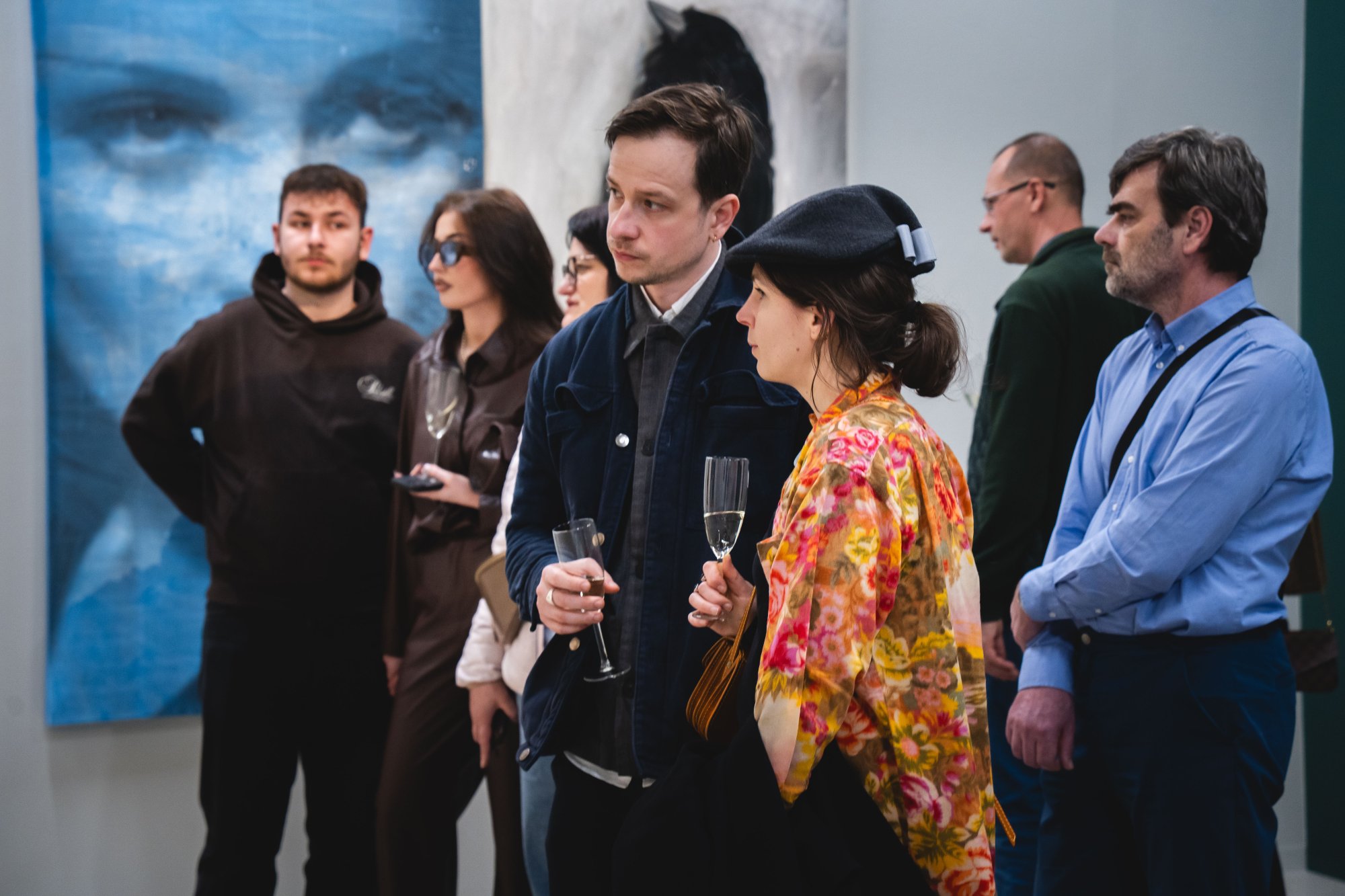
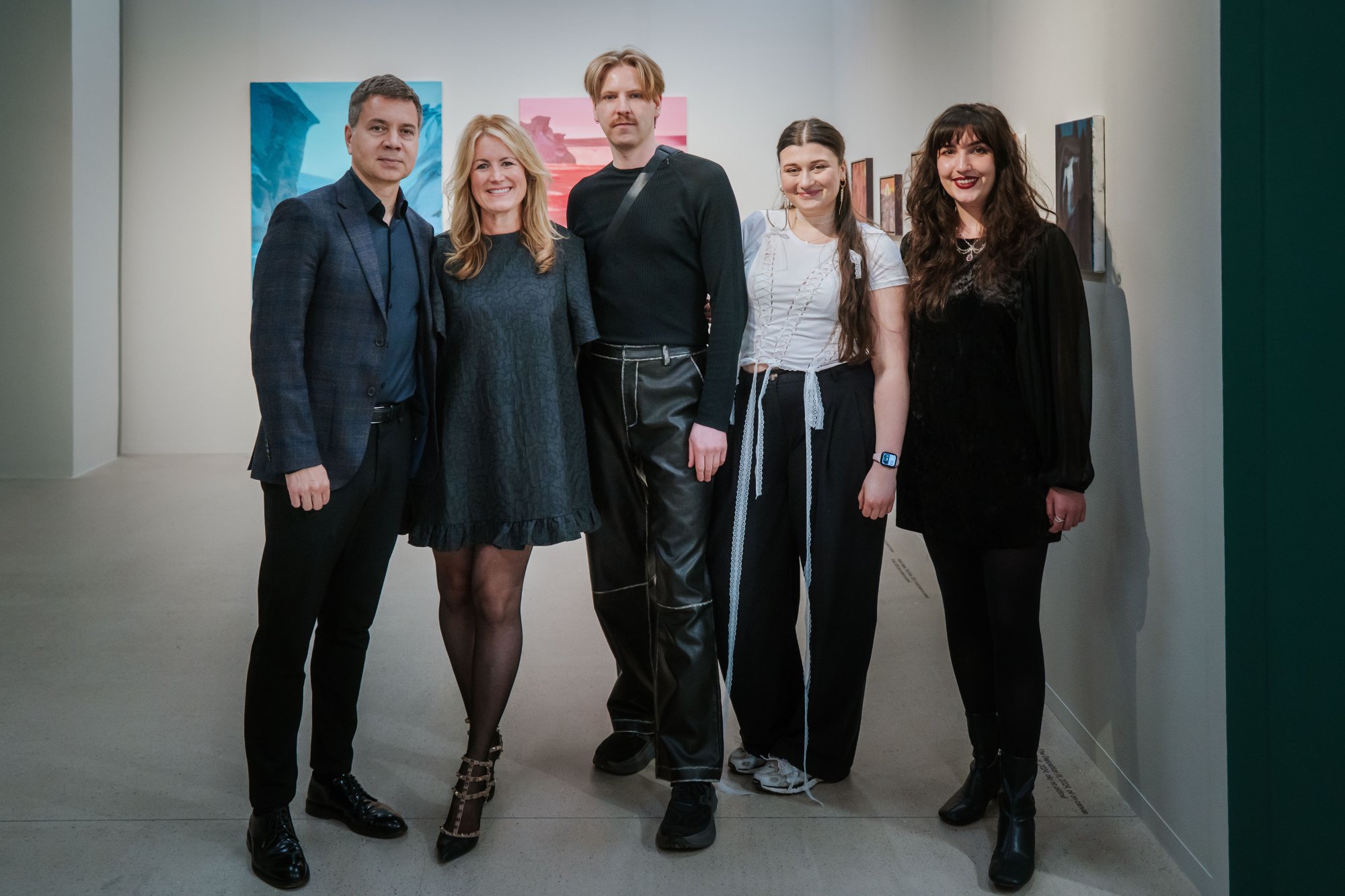
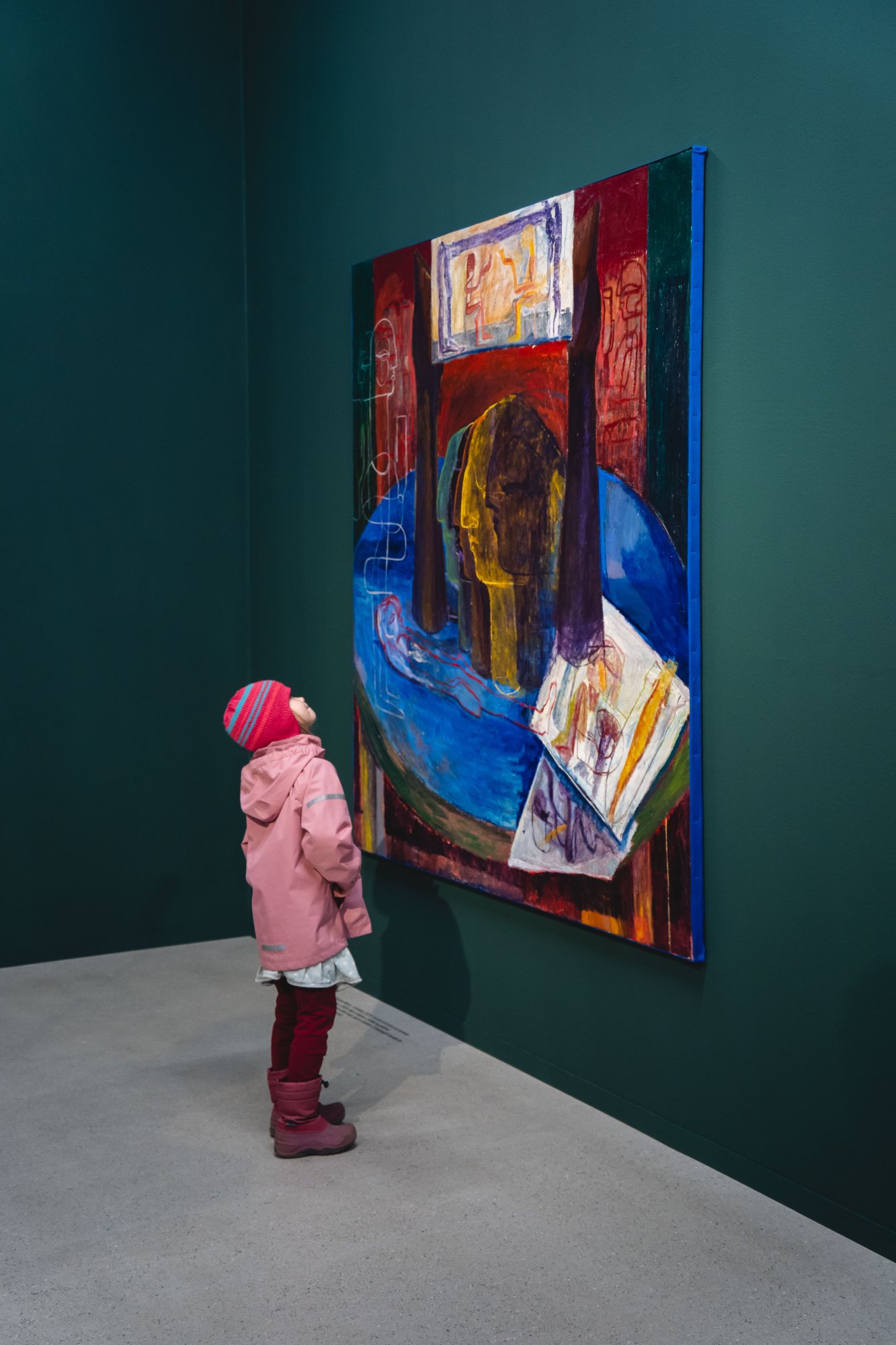
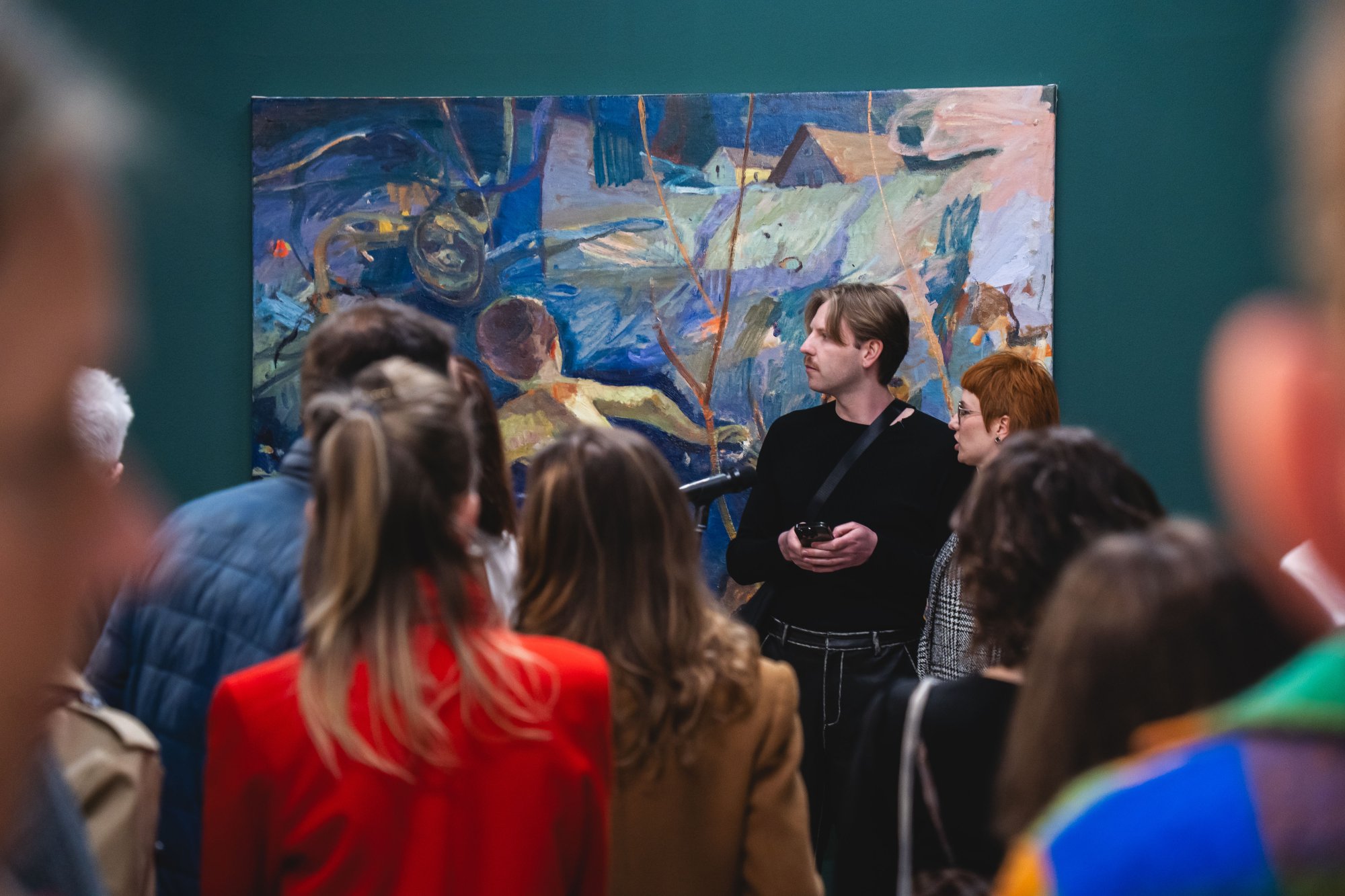
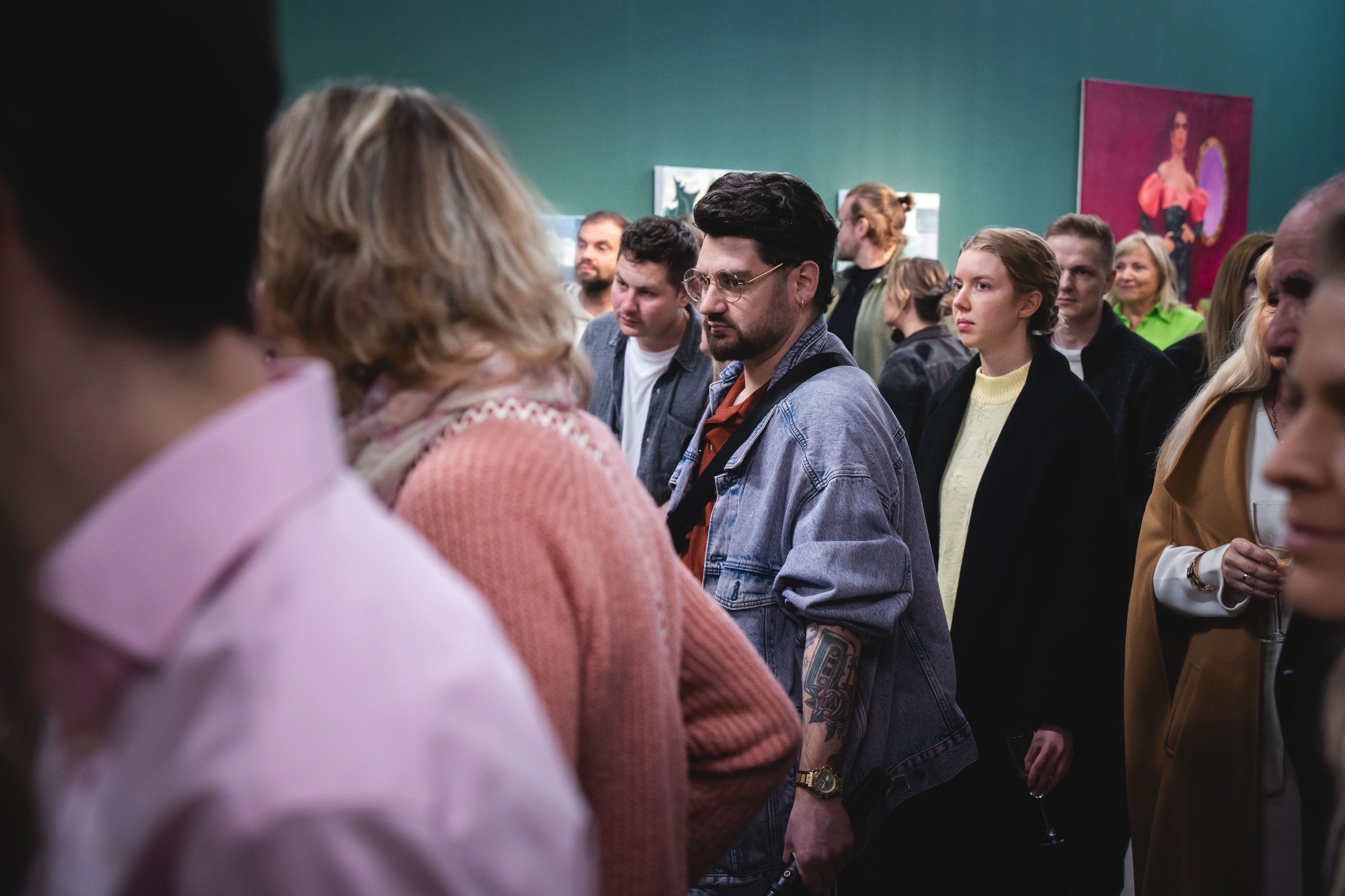
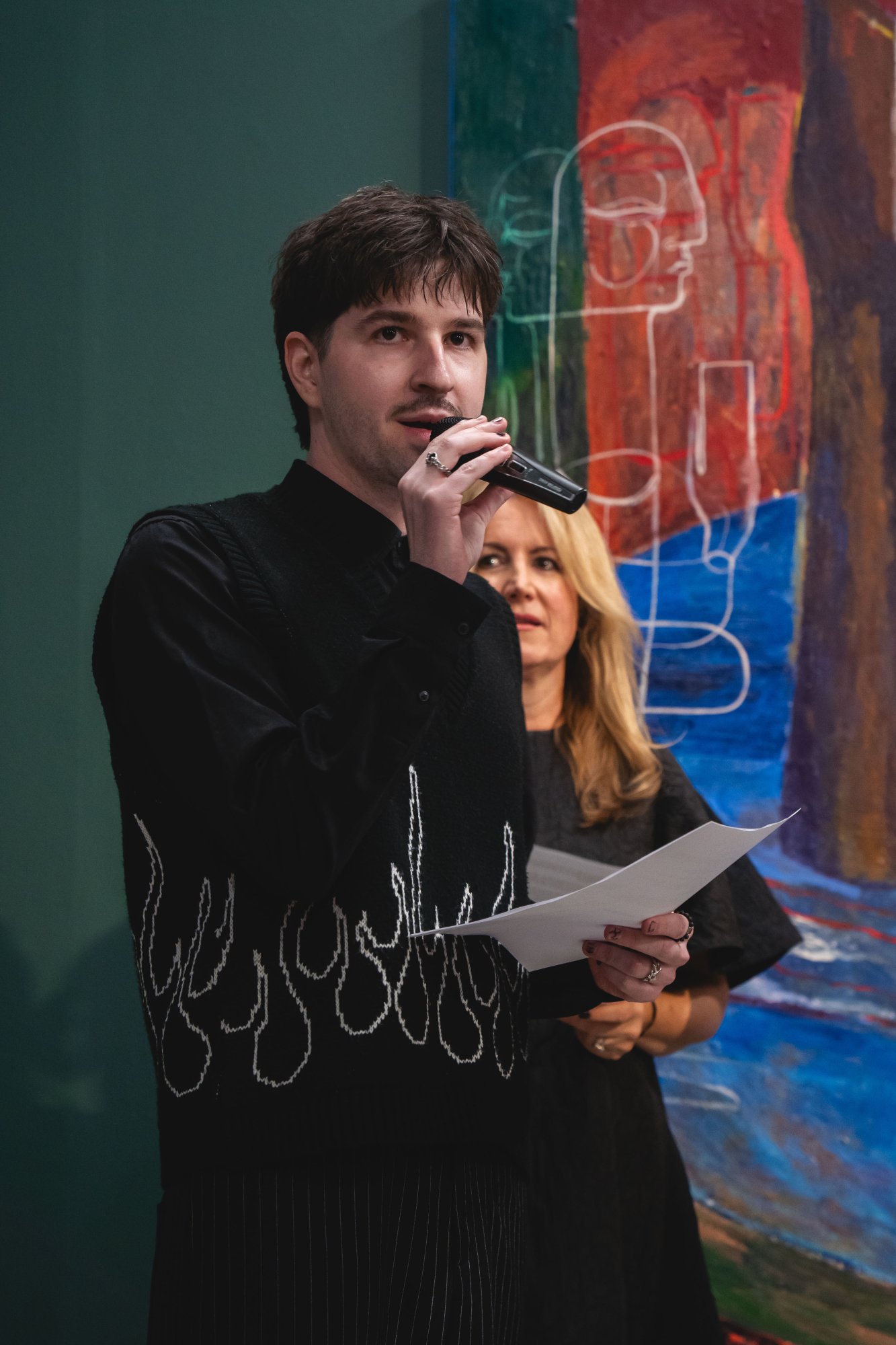
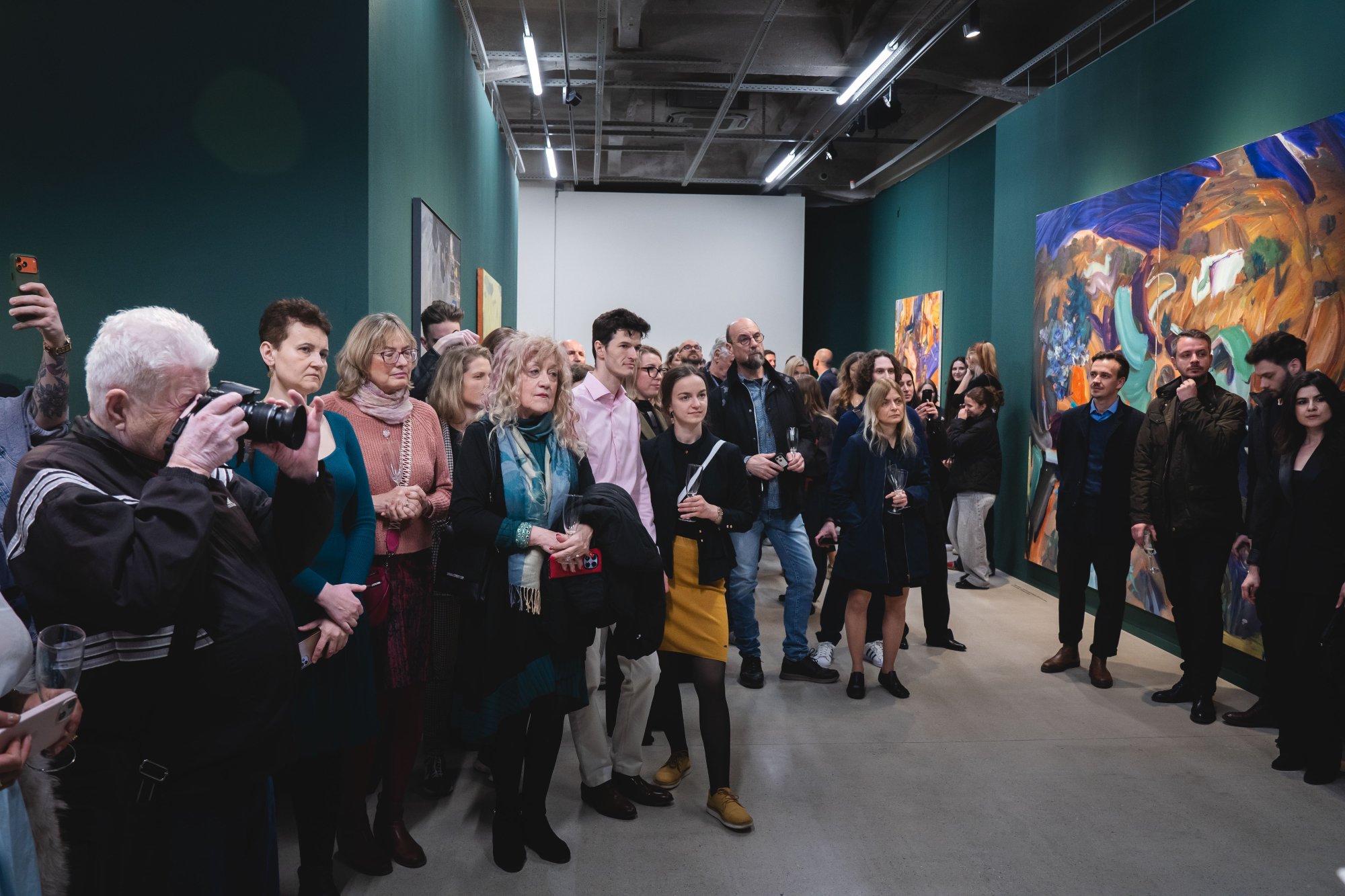
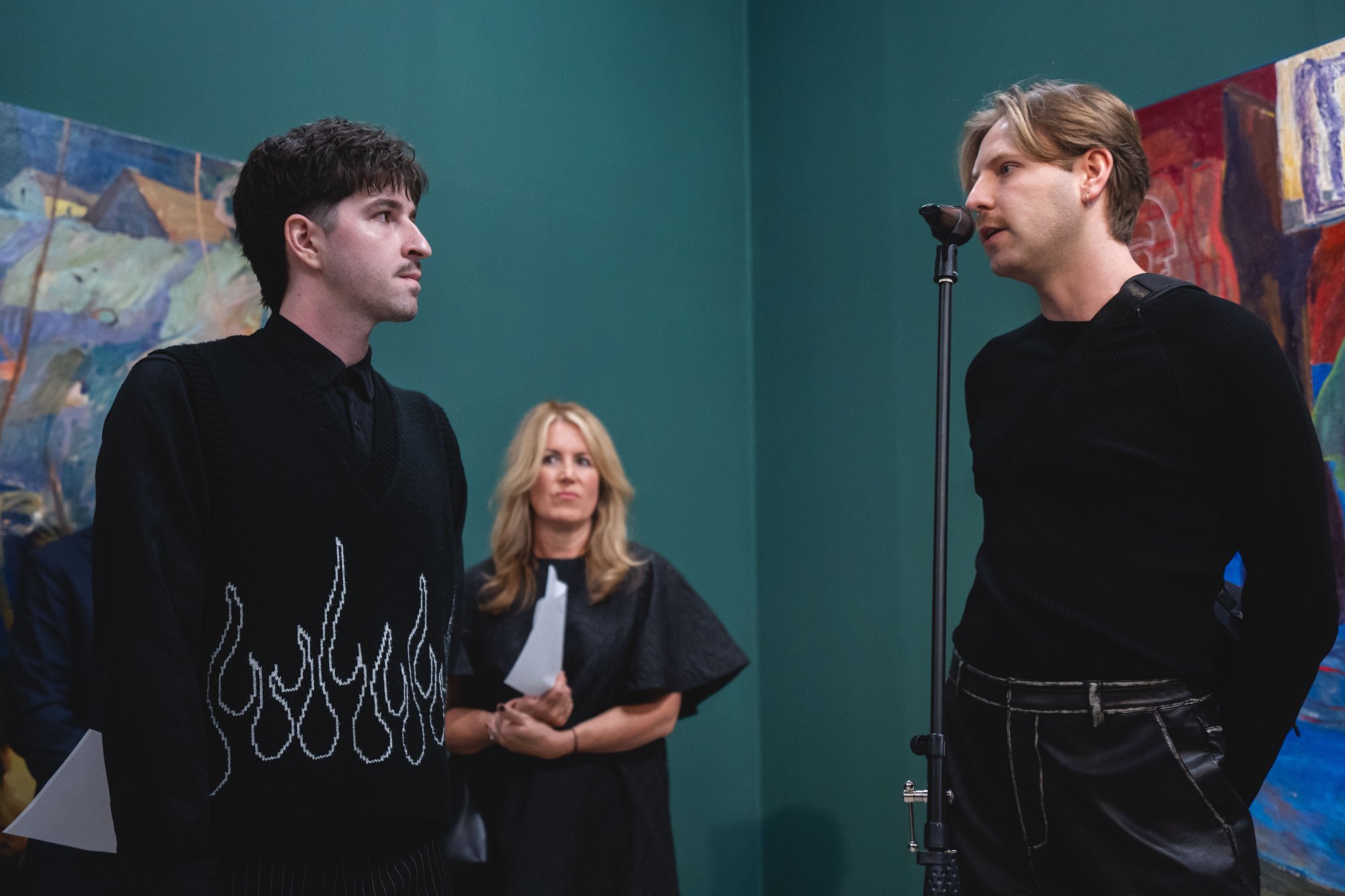
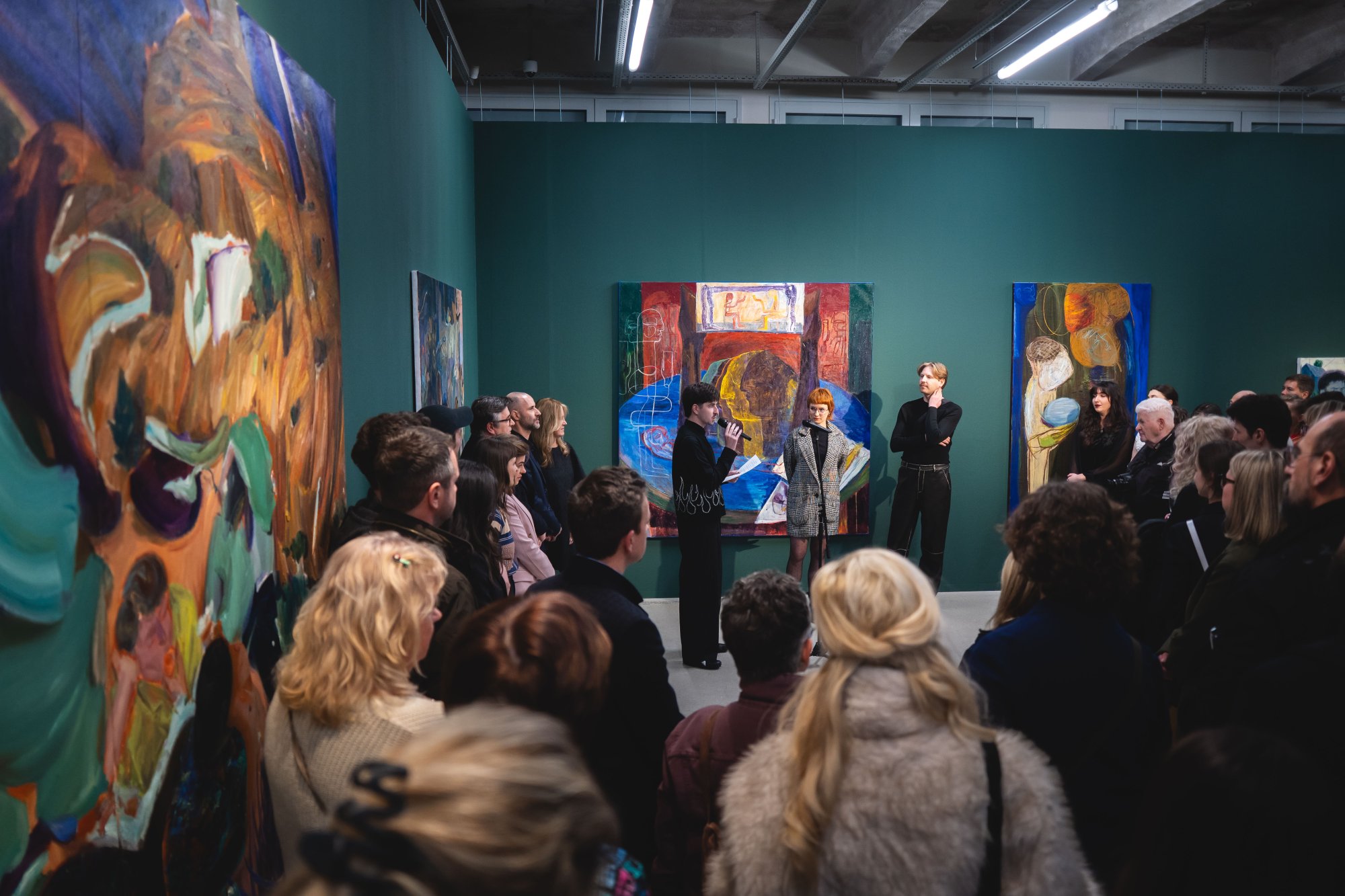
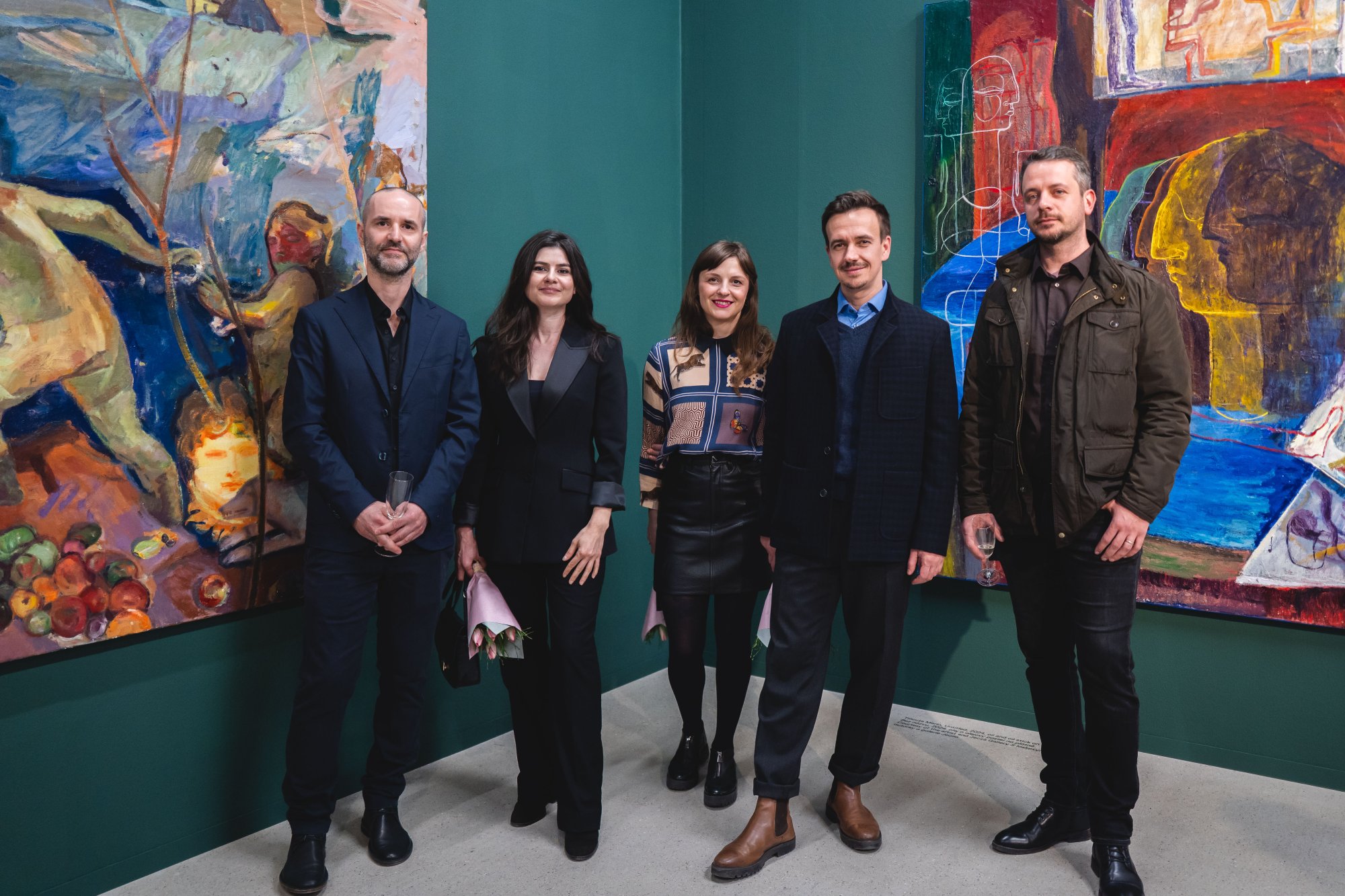
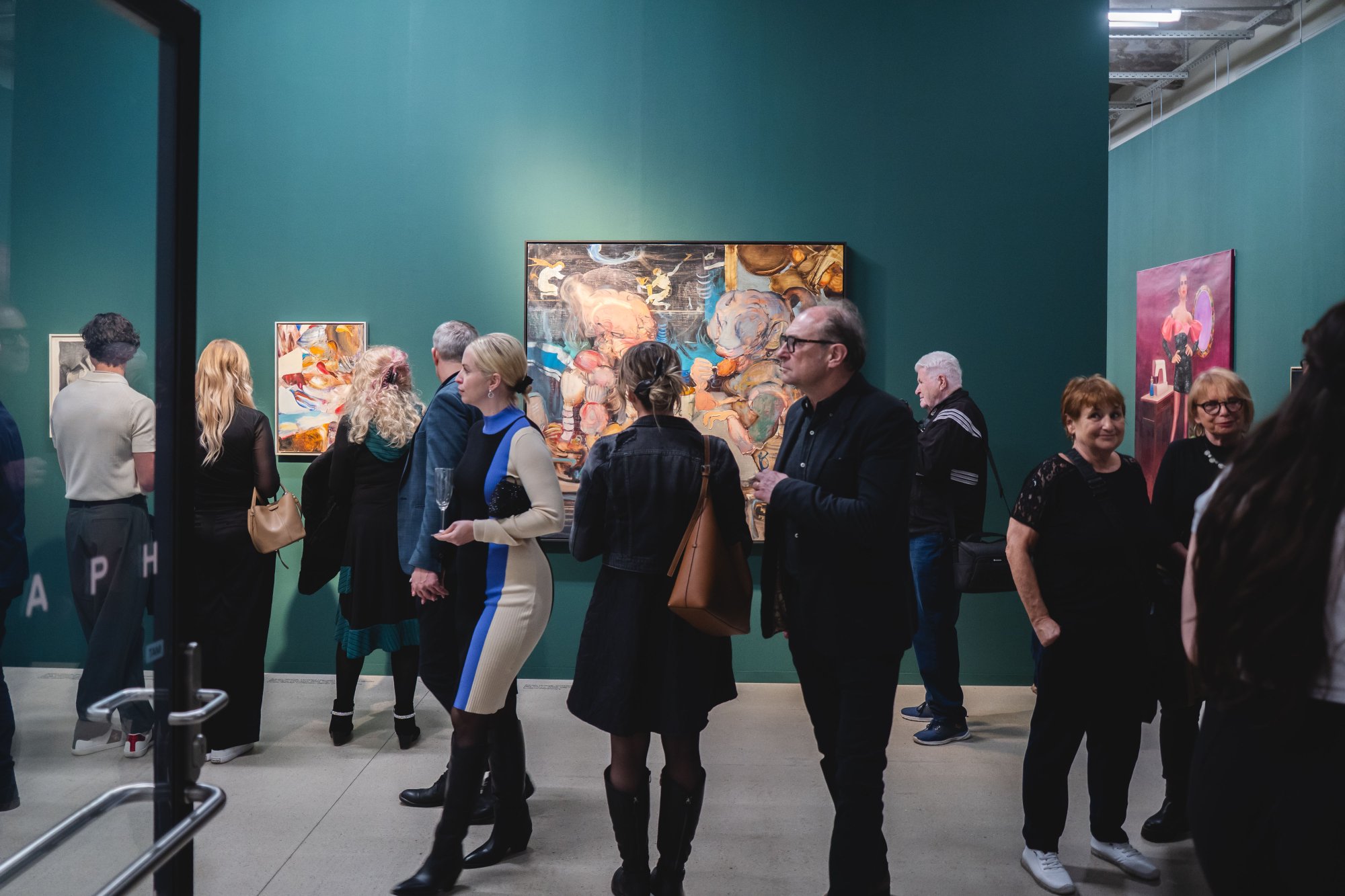
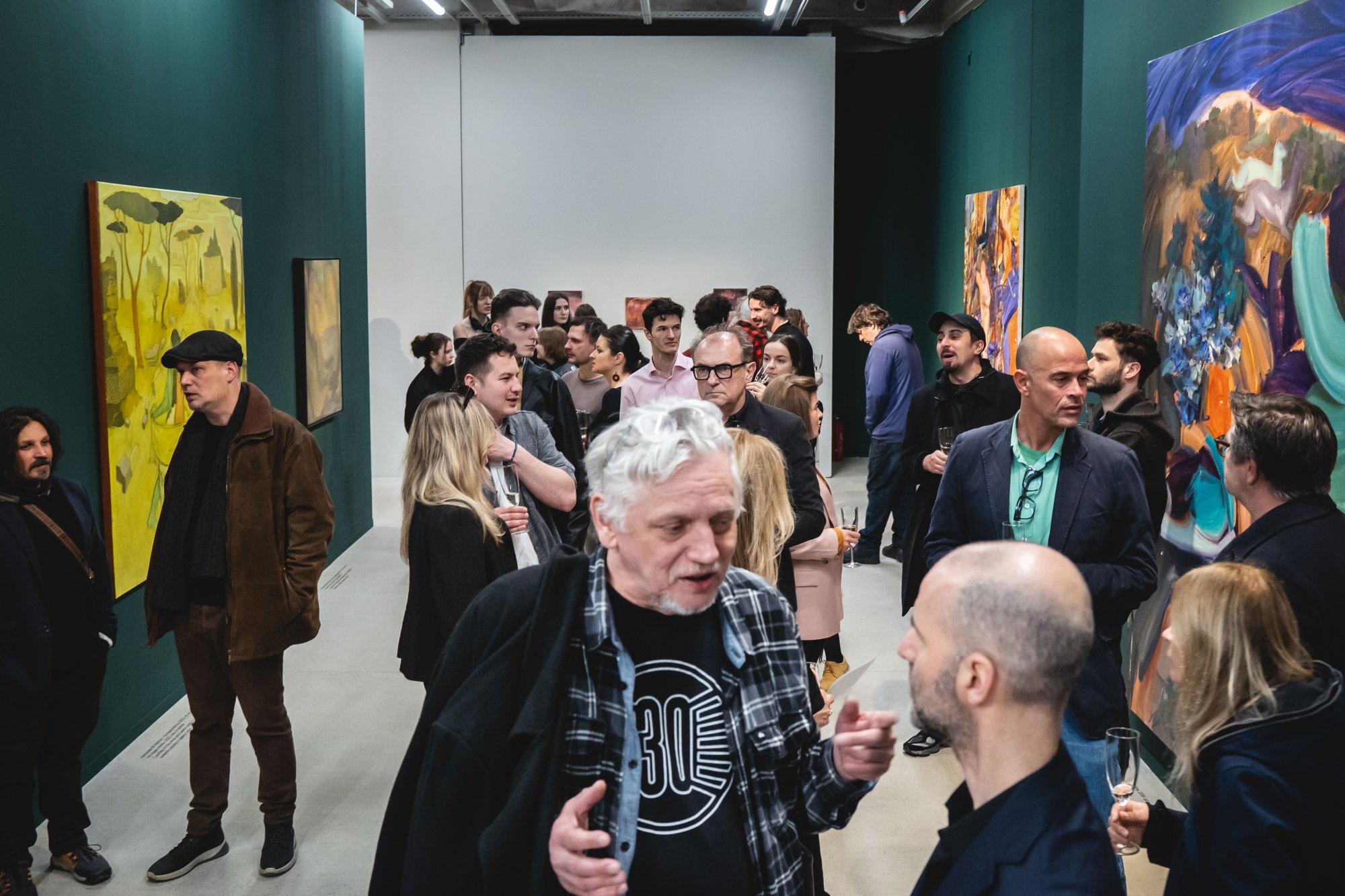
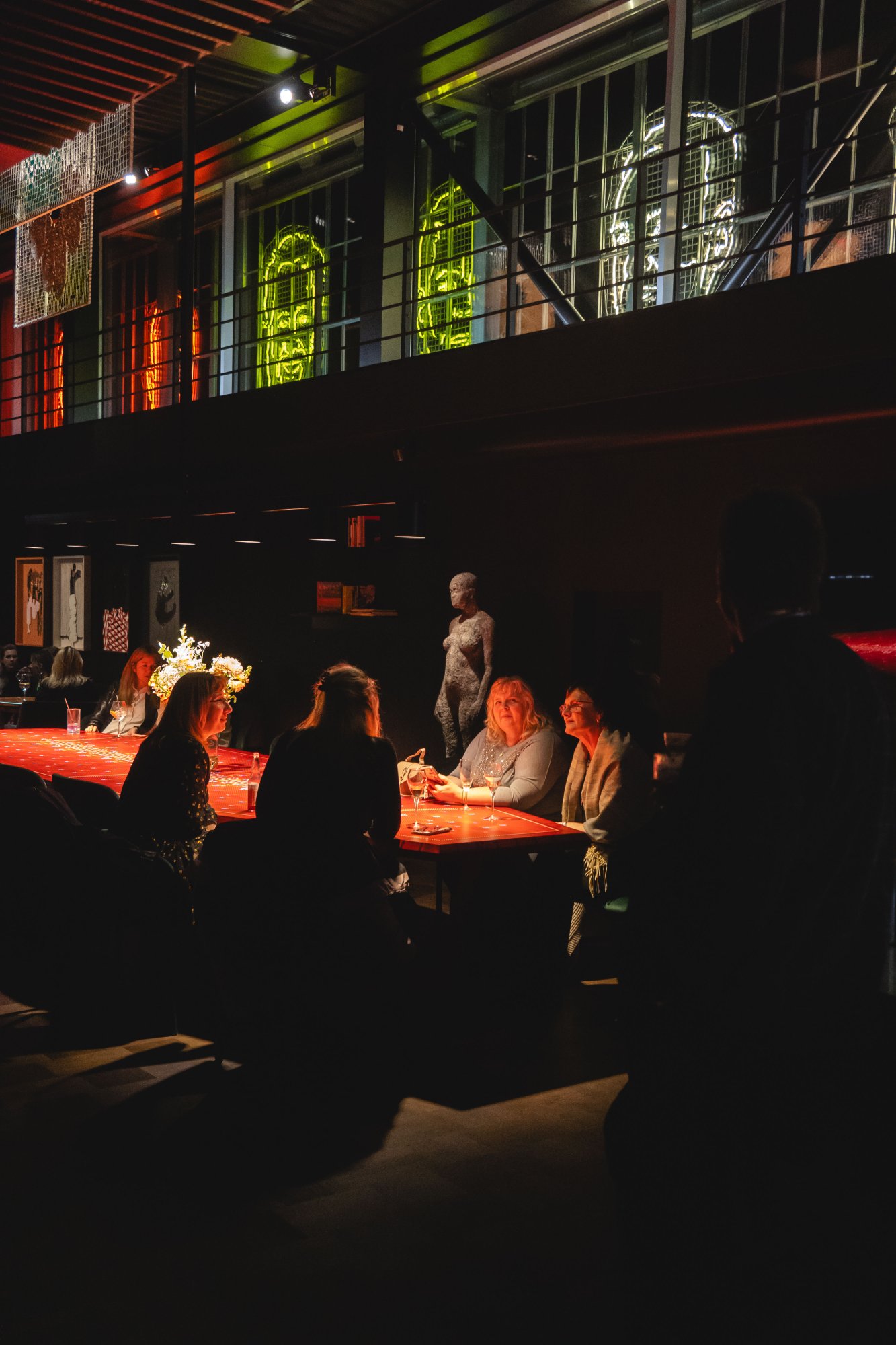
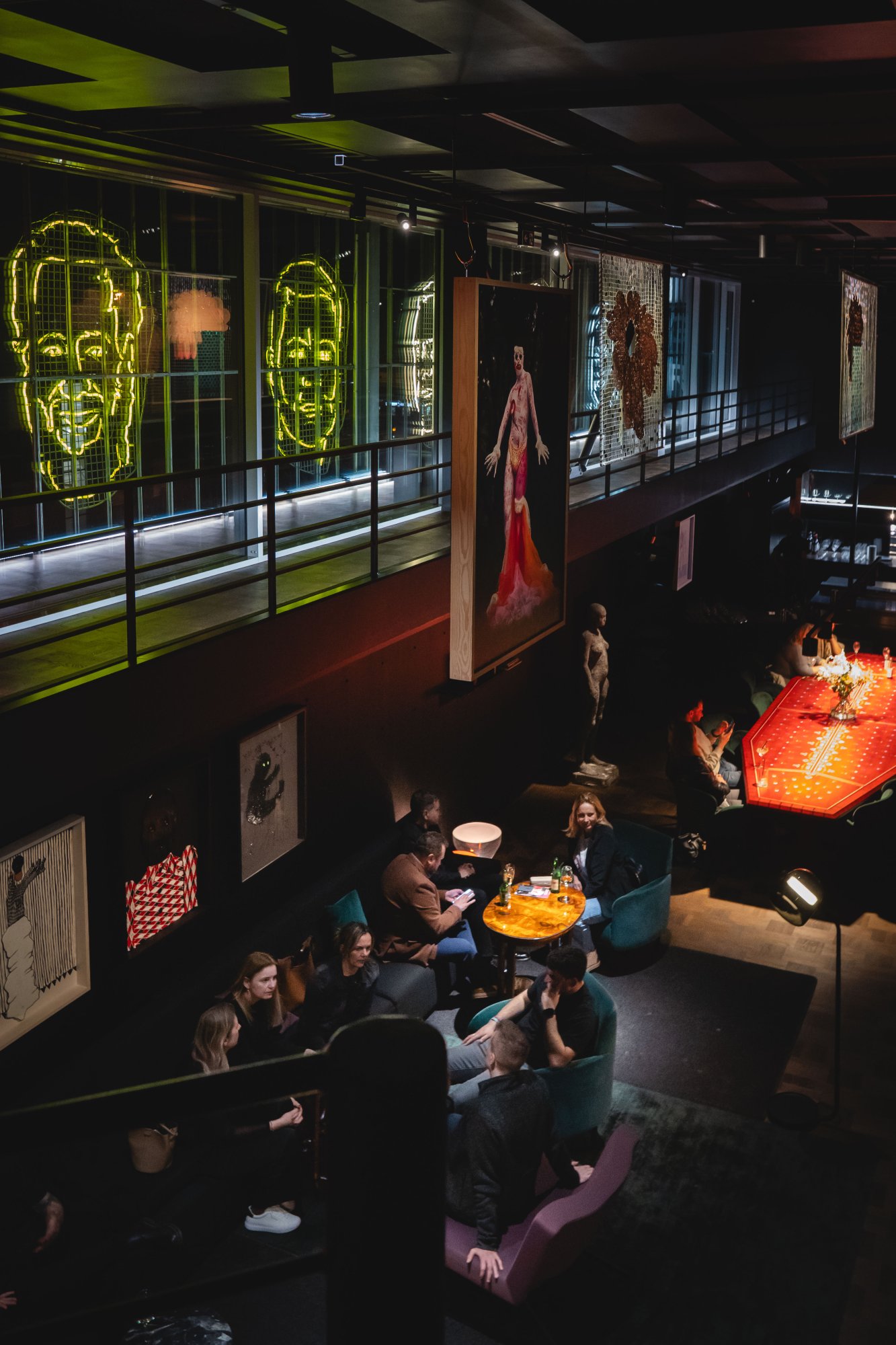
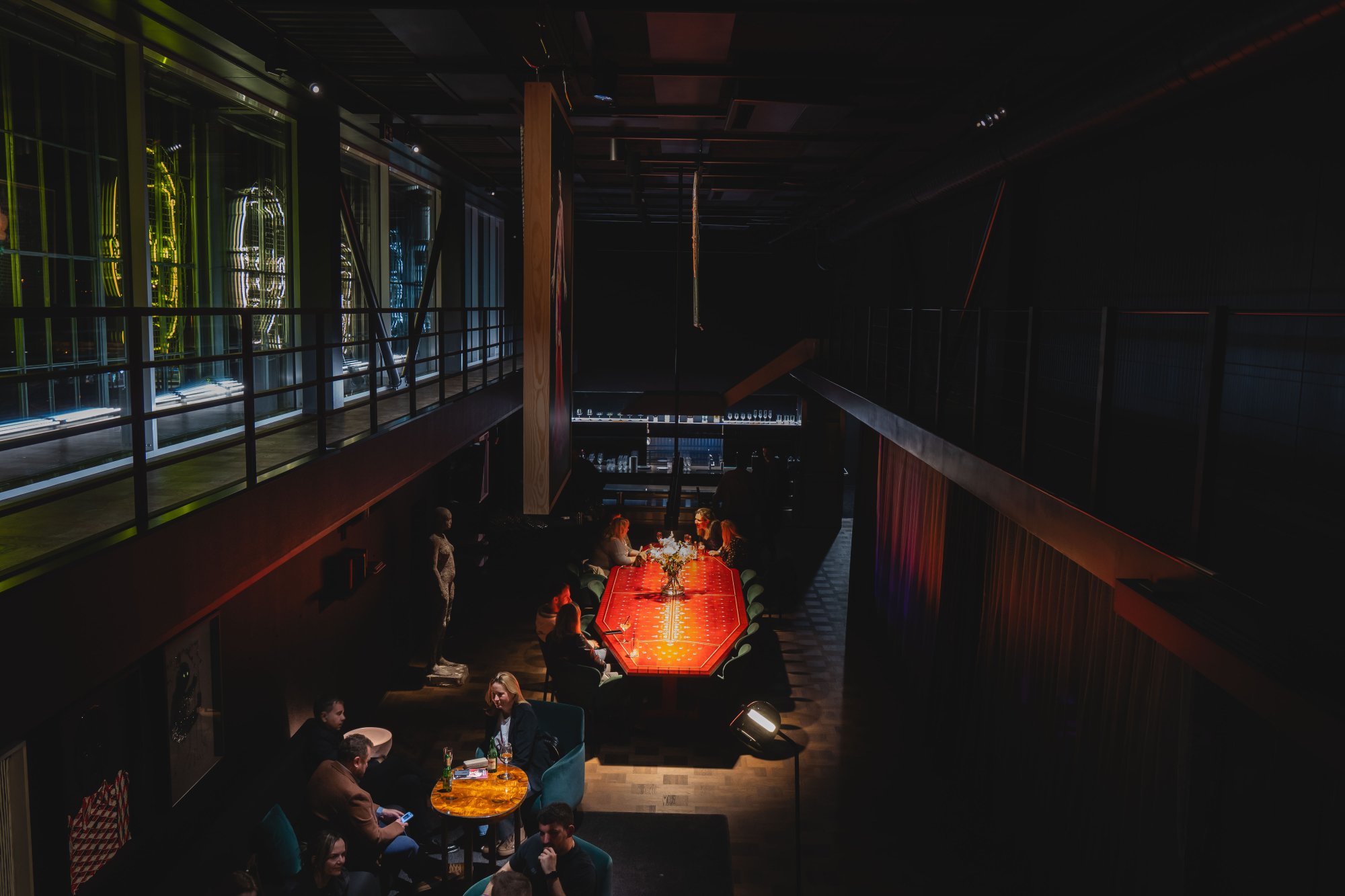
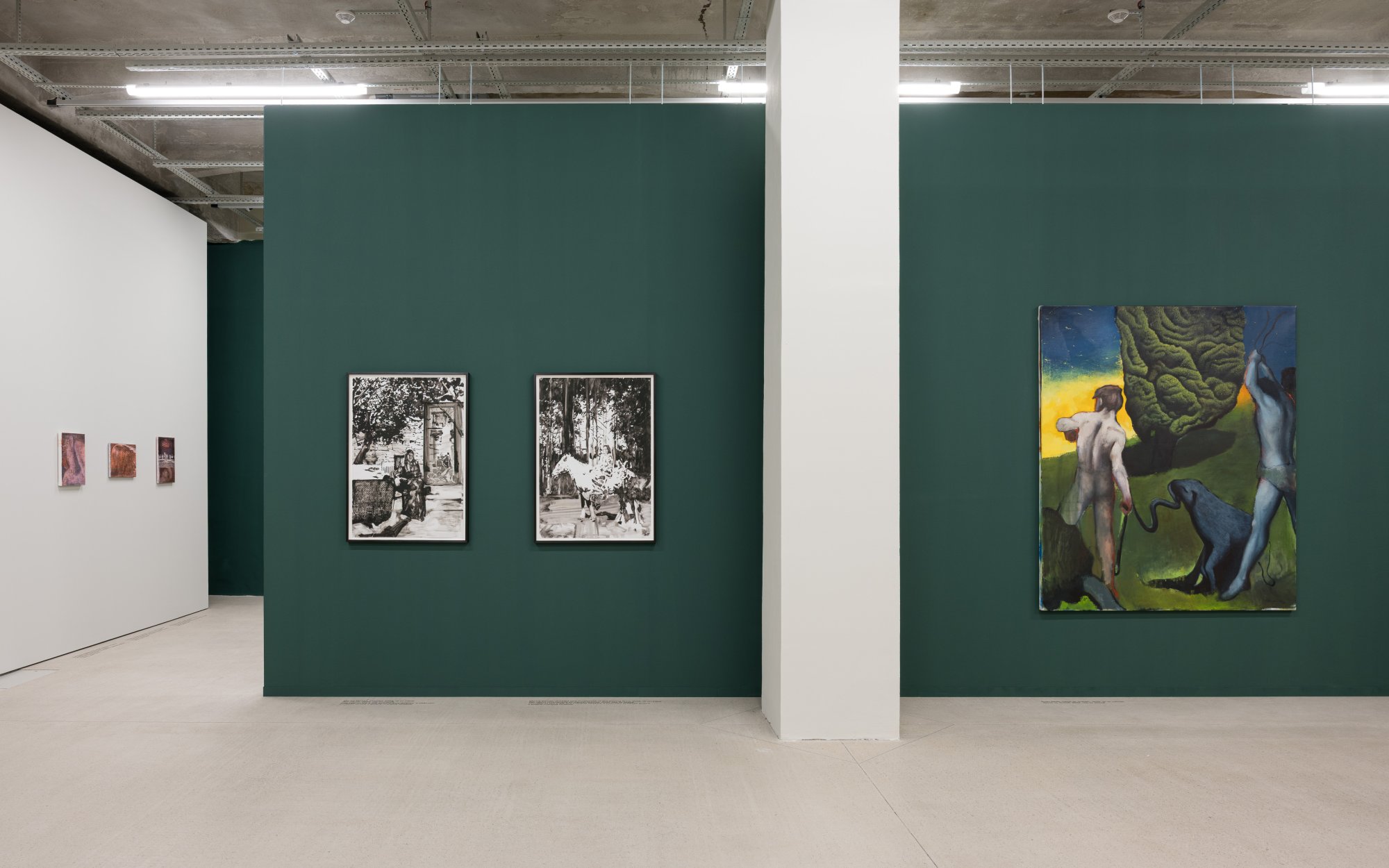
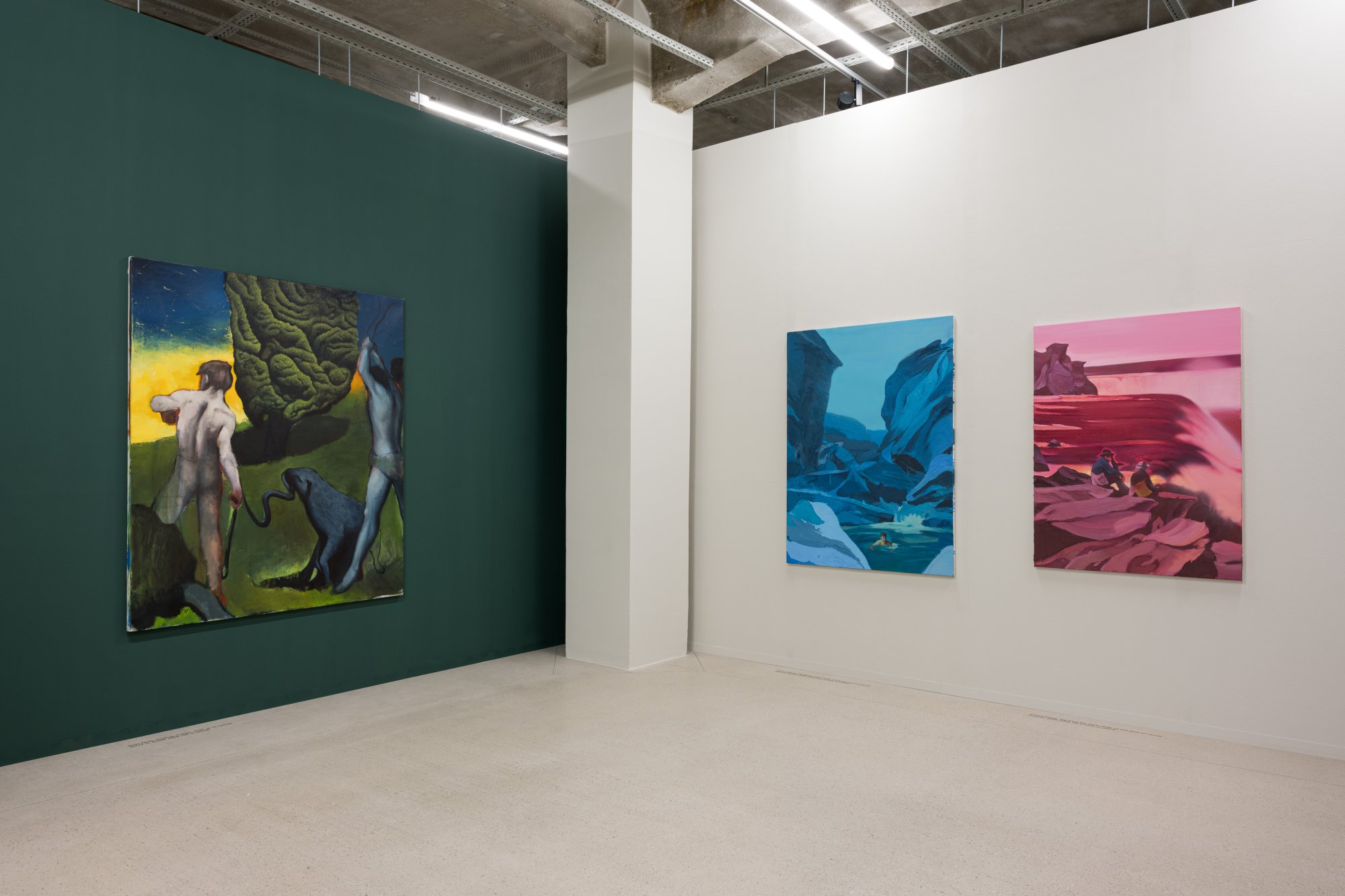
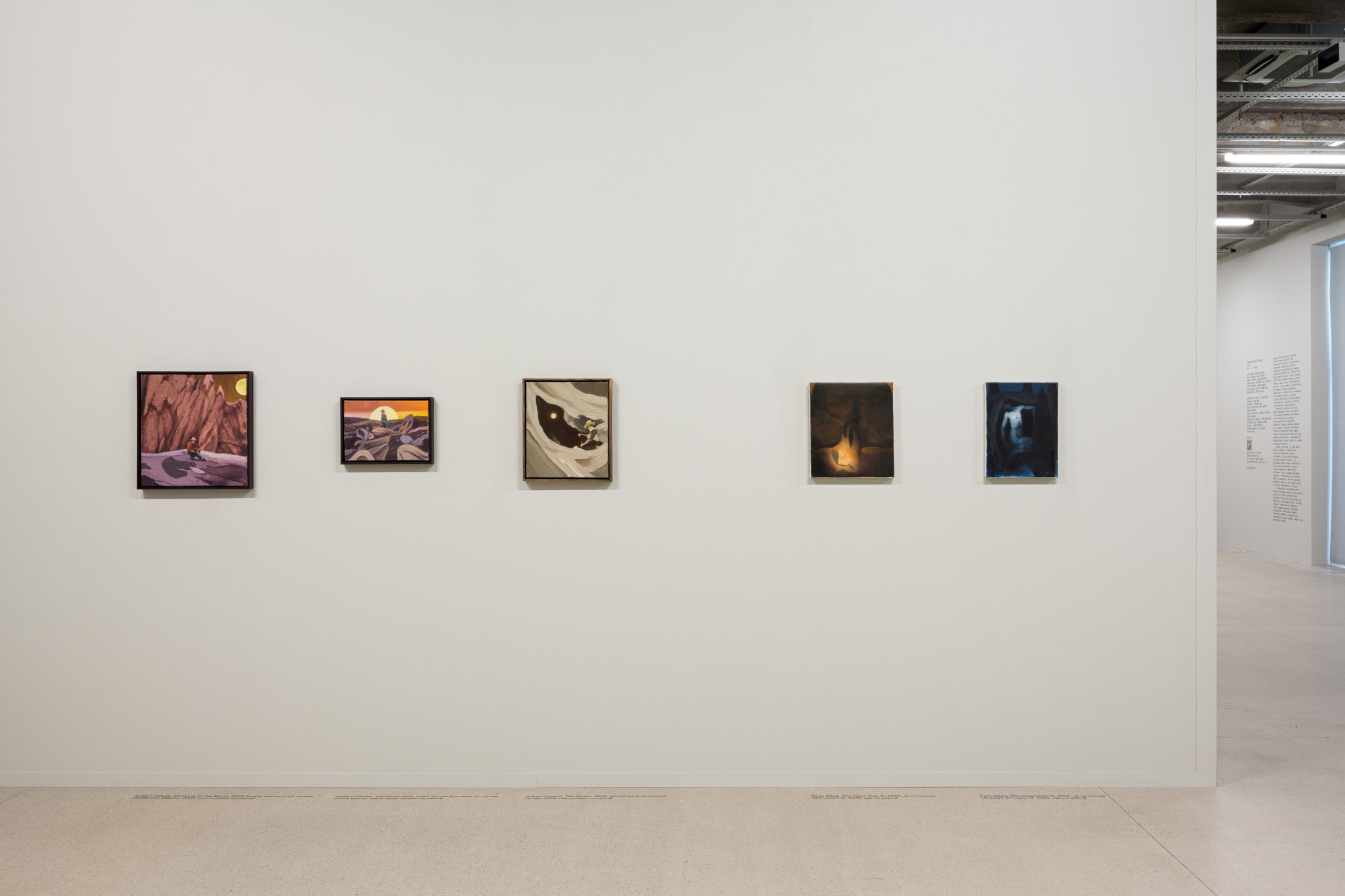
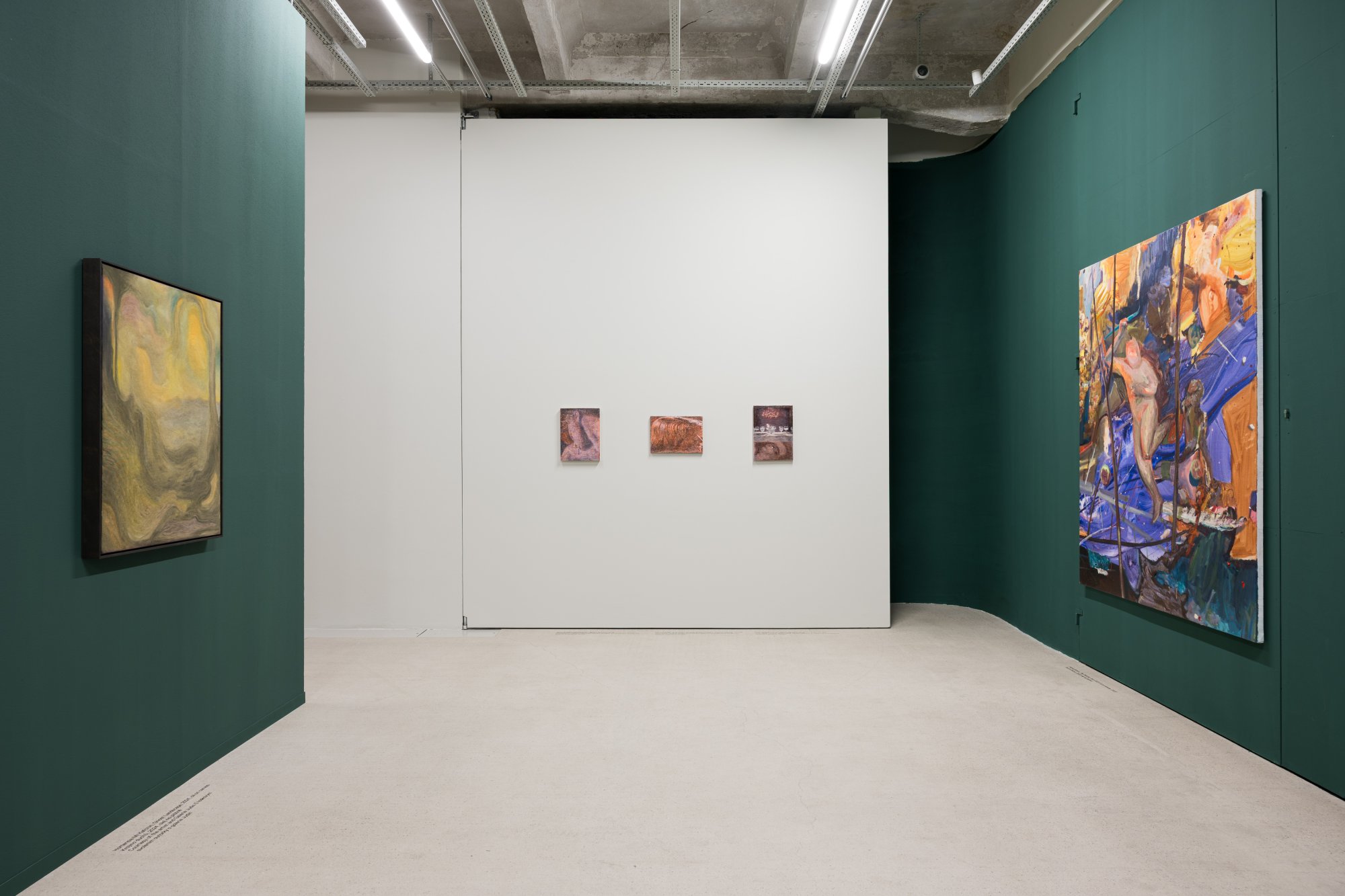
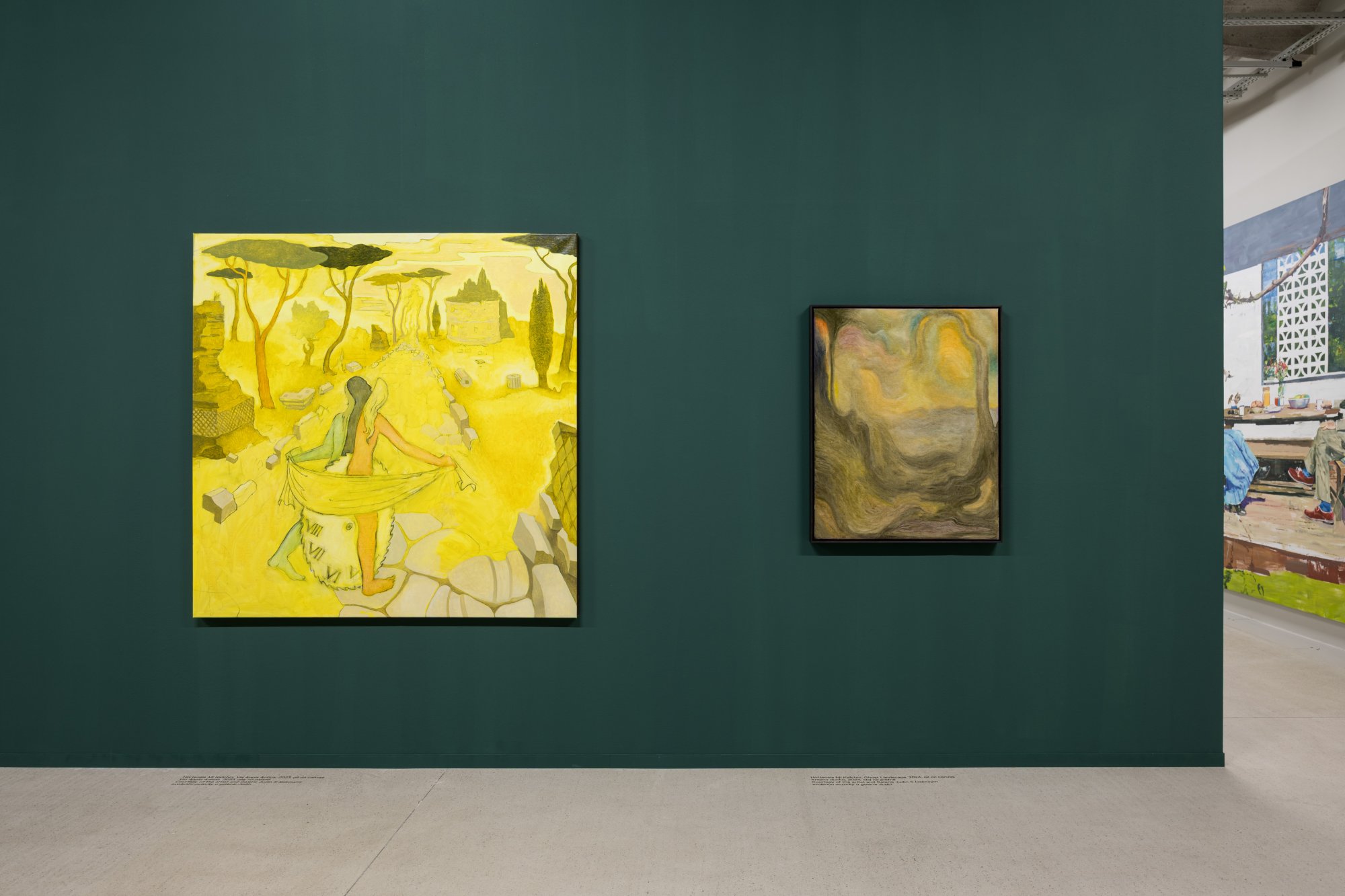
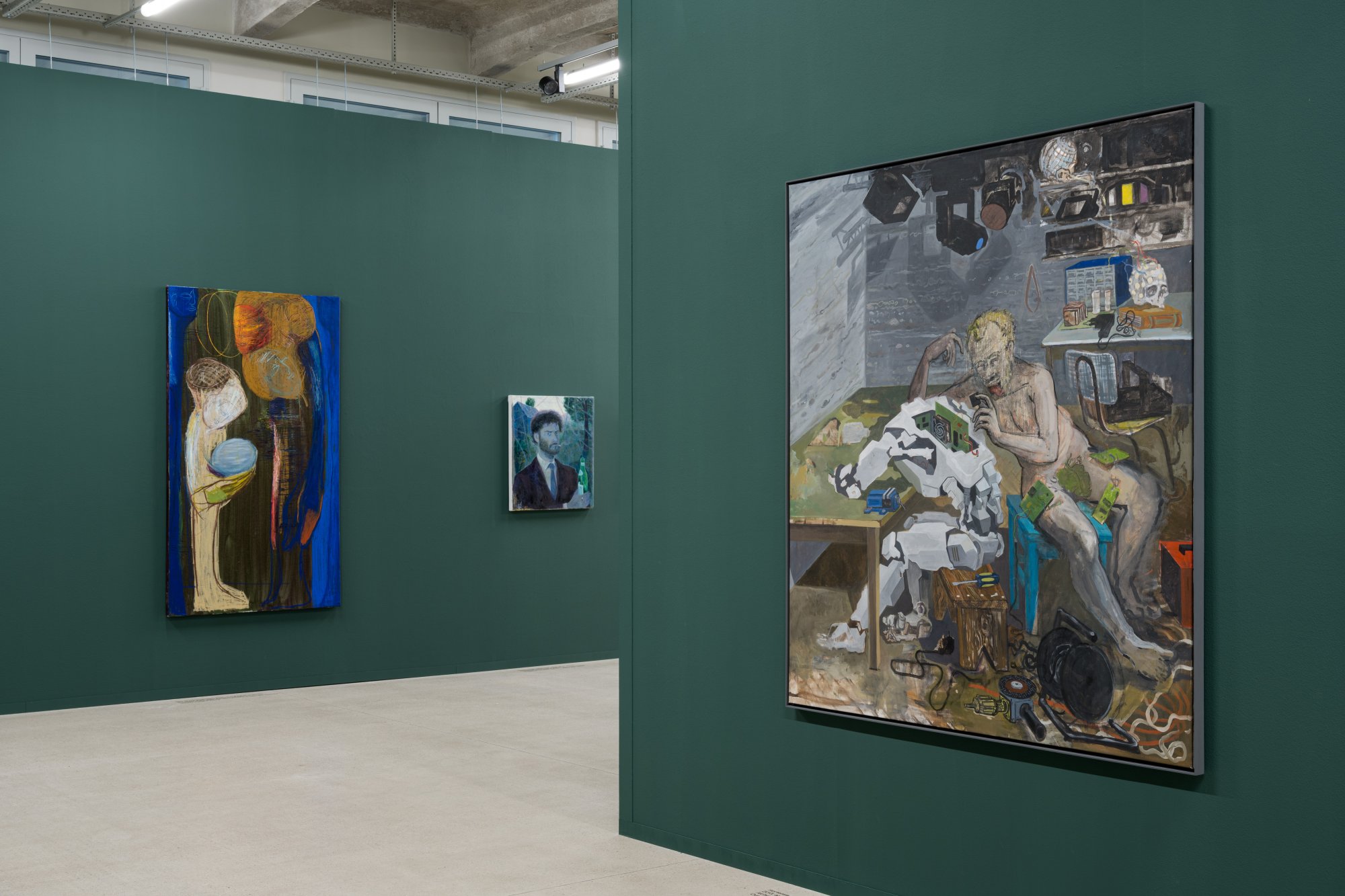
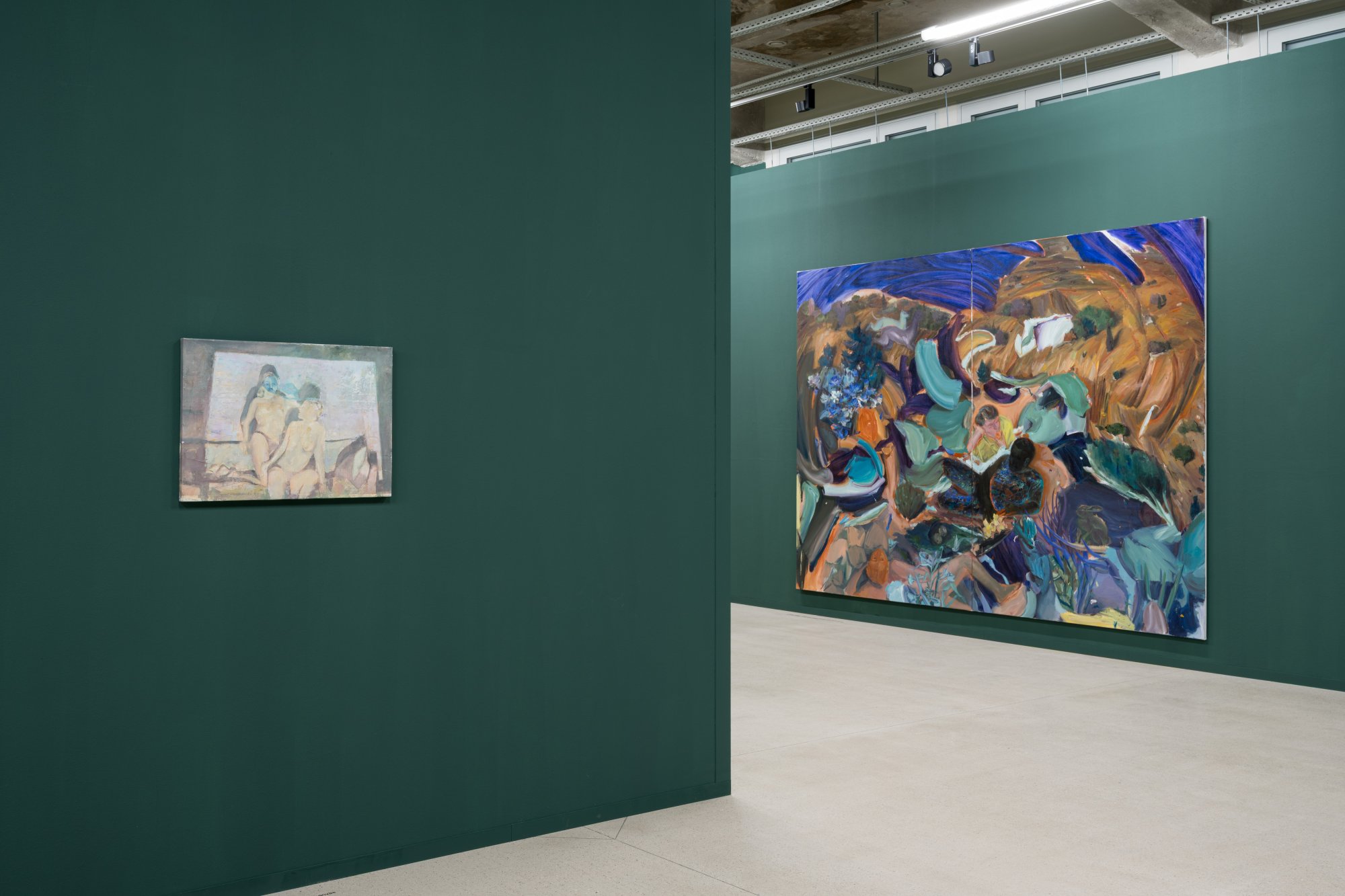
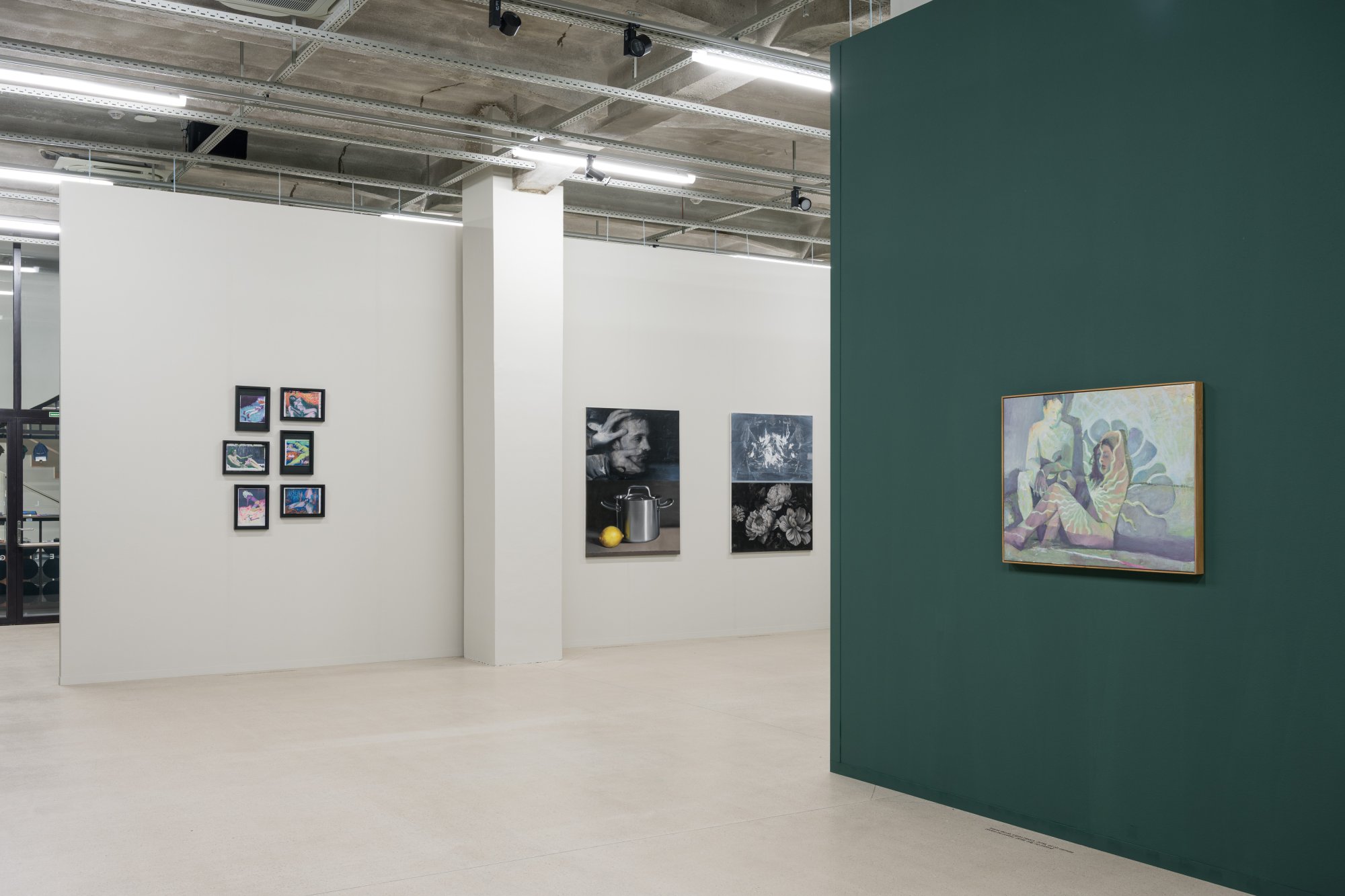
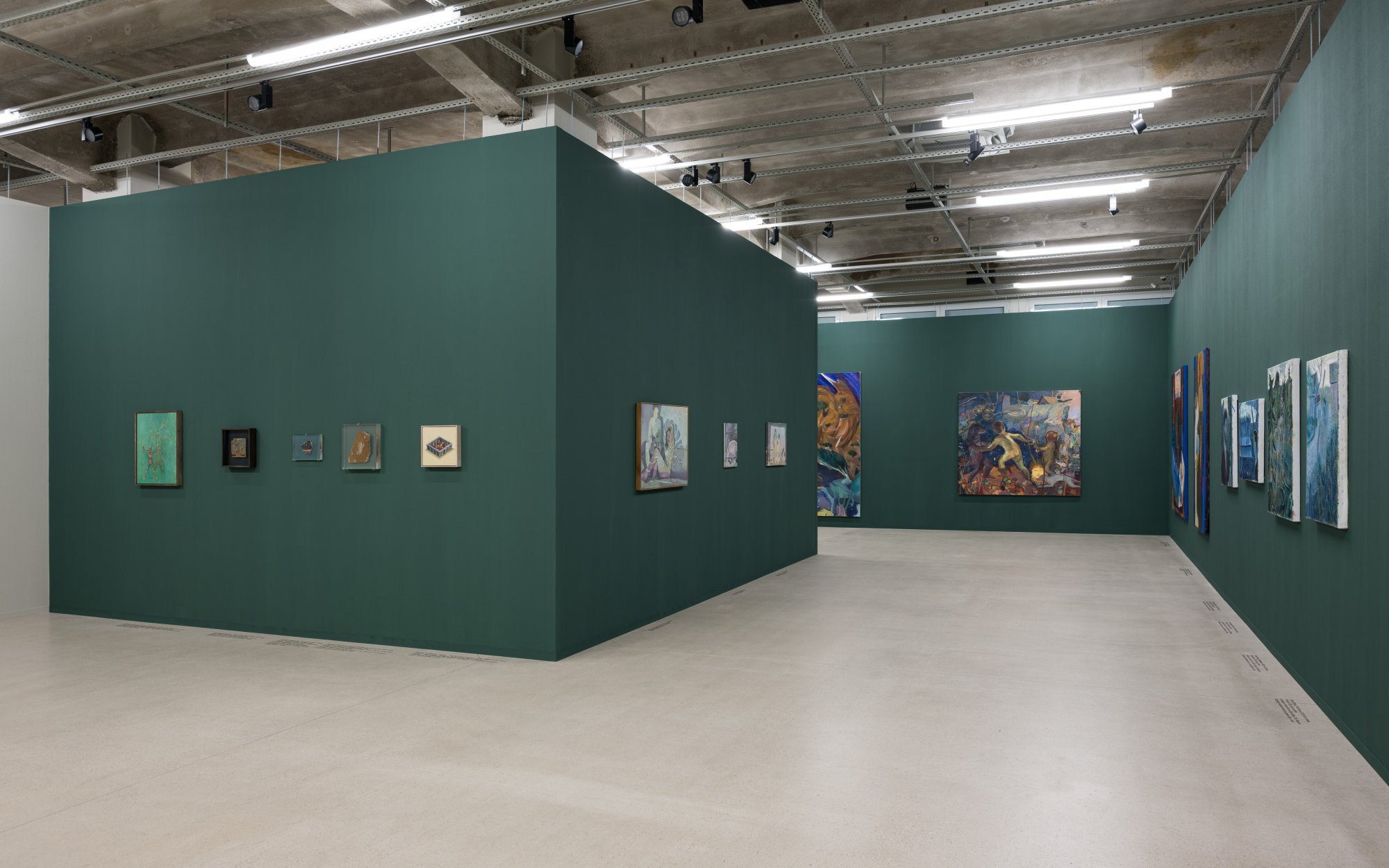
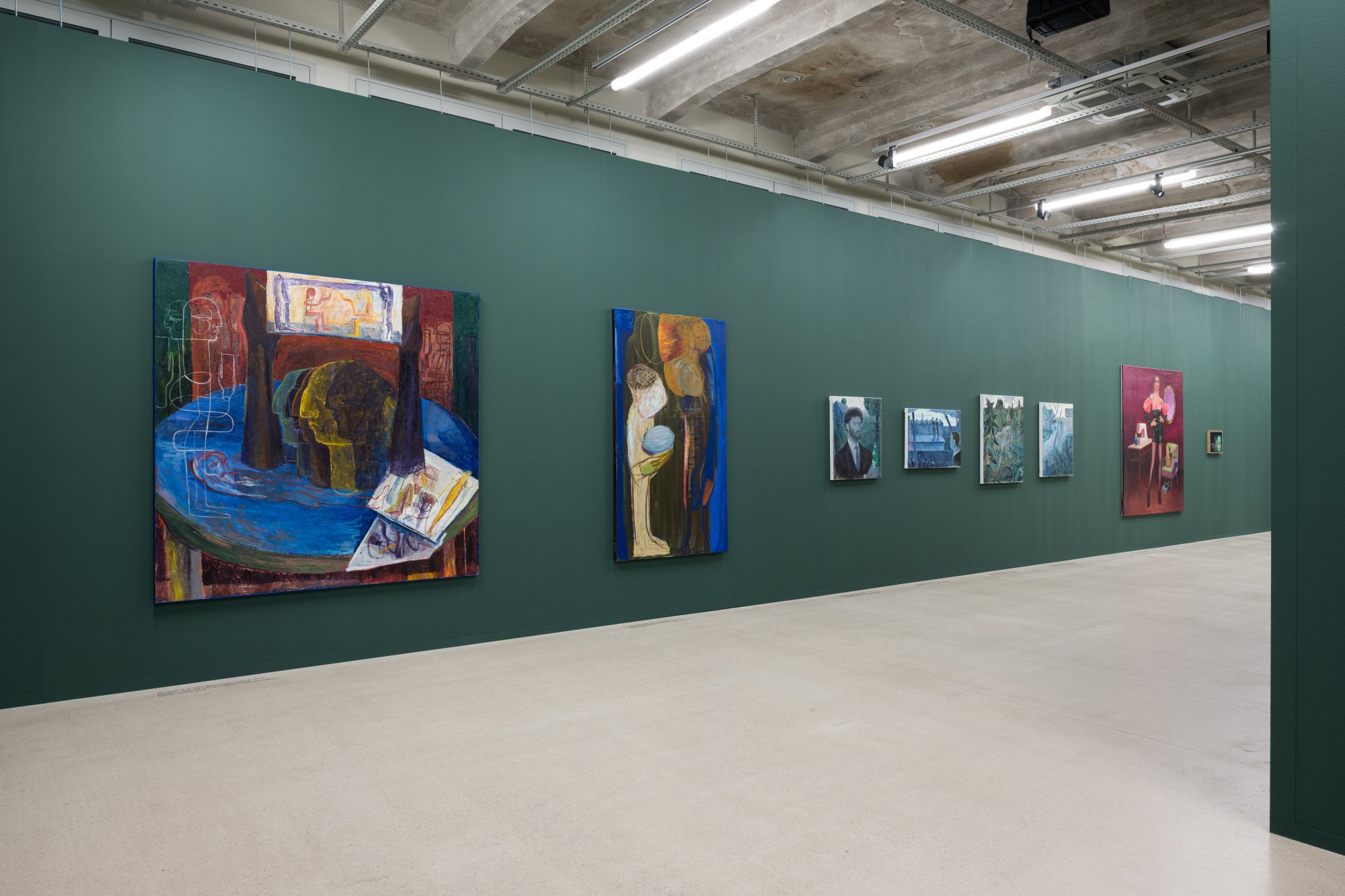
This analytical yet poetic approach is reflected in his dynamic exhibition career, which has quickly established him on the art scene from Europe to Asia and the U.S. The London exhibition Standstill clearly demonstrated his ability to freeze a fleeting moment, and his Asian solo debut, Hindsight, in Hong Kong offered a deep insight into the human mind reconstructing past events. He followed up on this exploration with the exhibition Almost There in Los Angeles, which possessed immense psychological intensity. Within the Transylvanian Painting Today exhibition at the Telegraph Gallery, Paul Robas serves as a conceptual bridge between classical Cluj training and the contemporary Central European context. In contrast to the dense oil paintings of his older colleagues, his blurred canvases appear as a quiet reflection on how, in today’s visually oversaturated age, we perceive the human face and preserve our own identity.