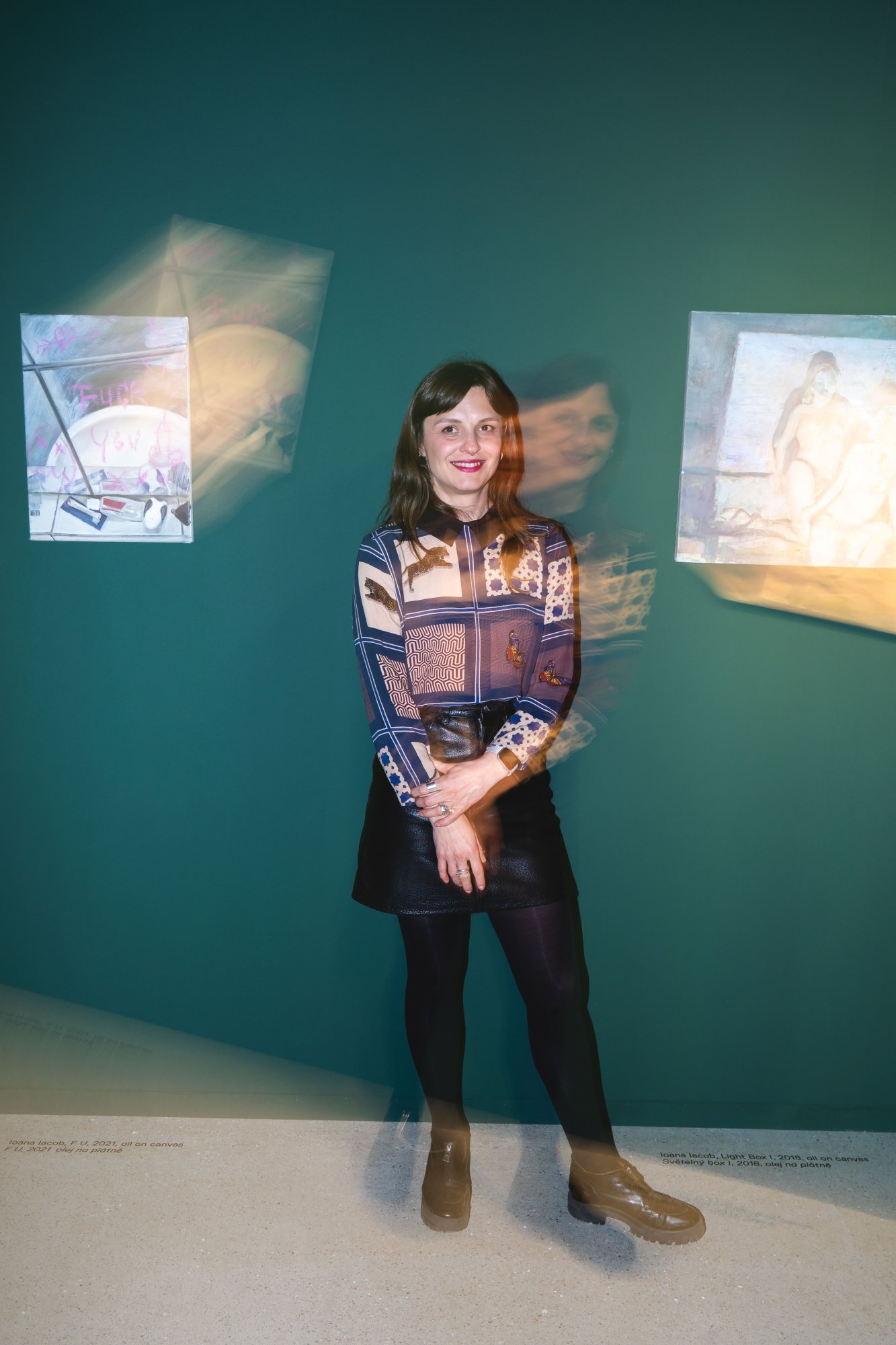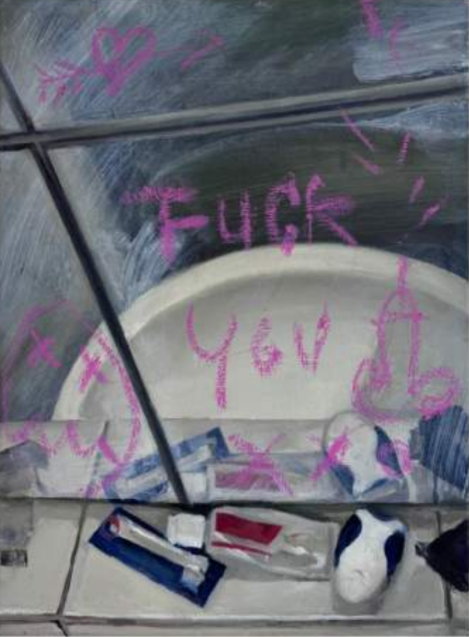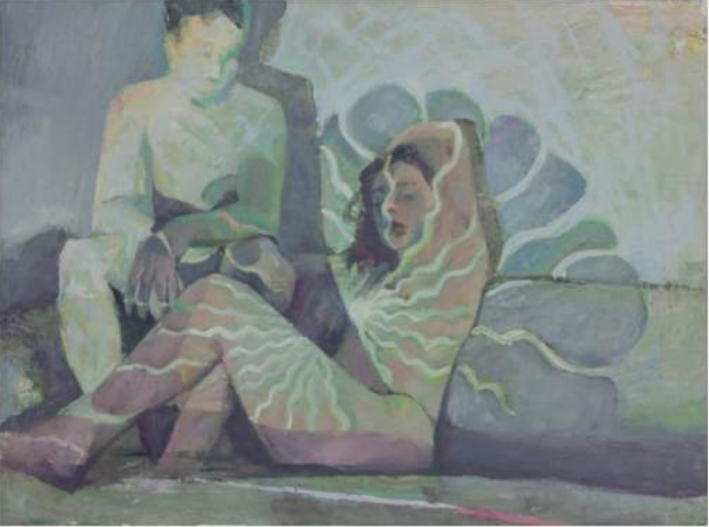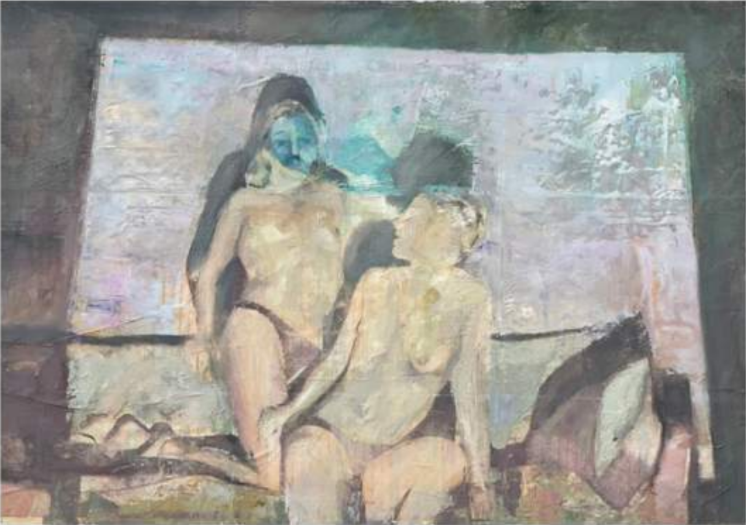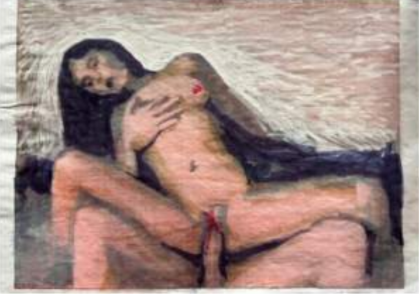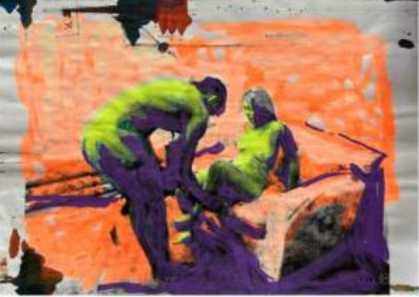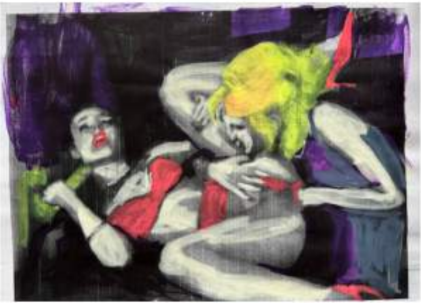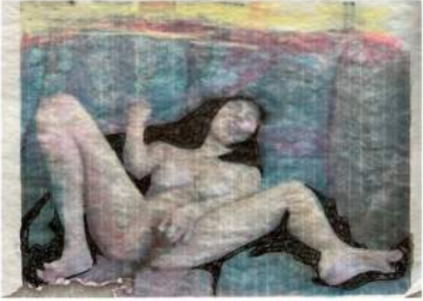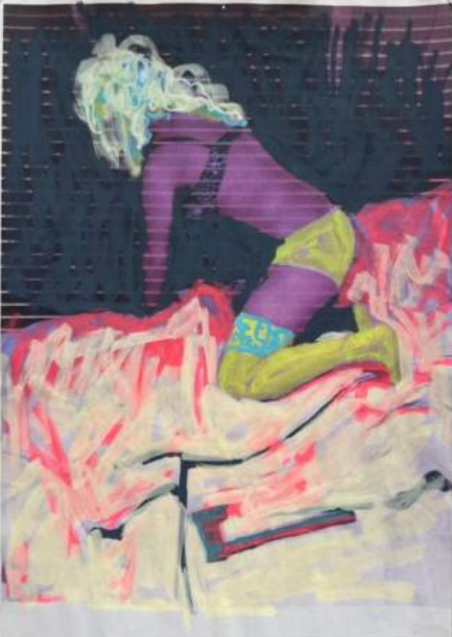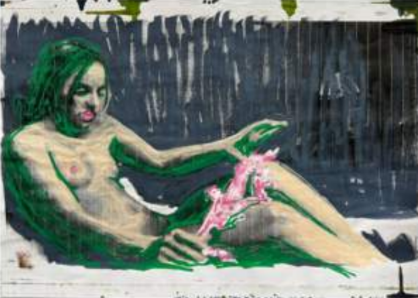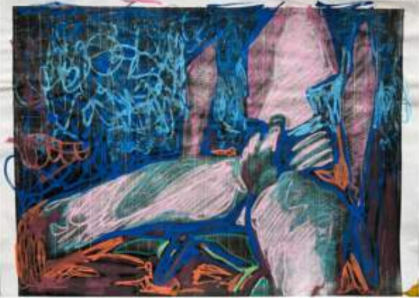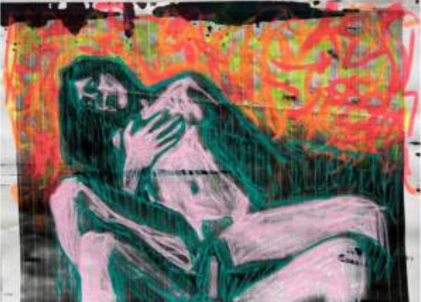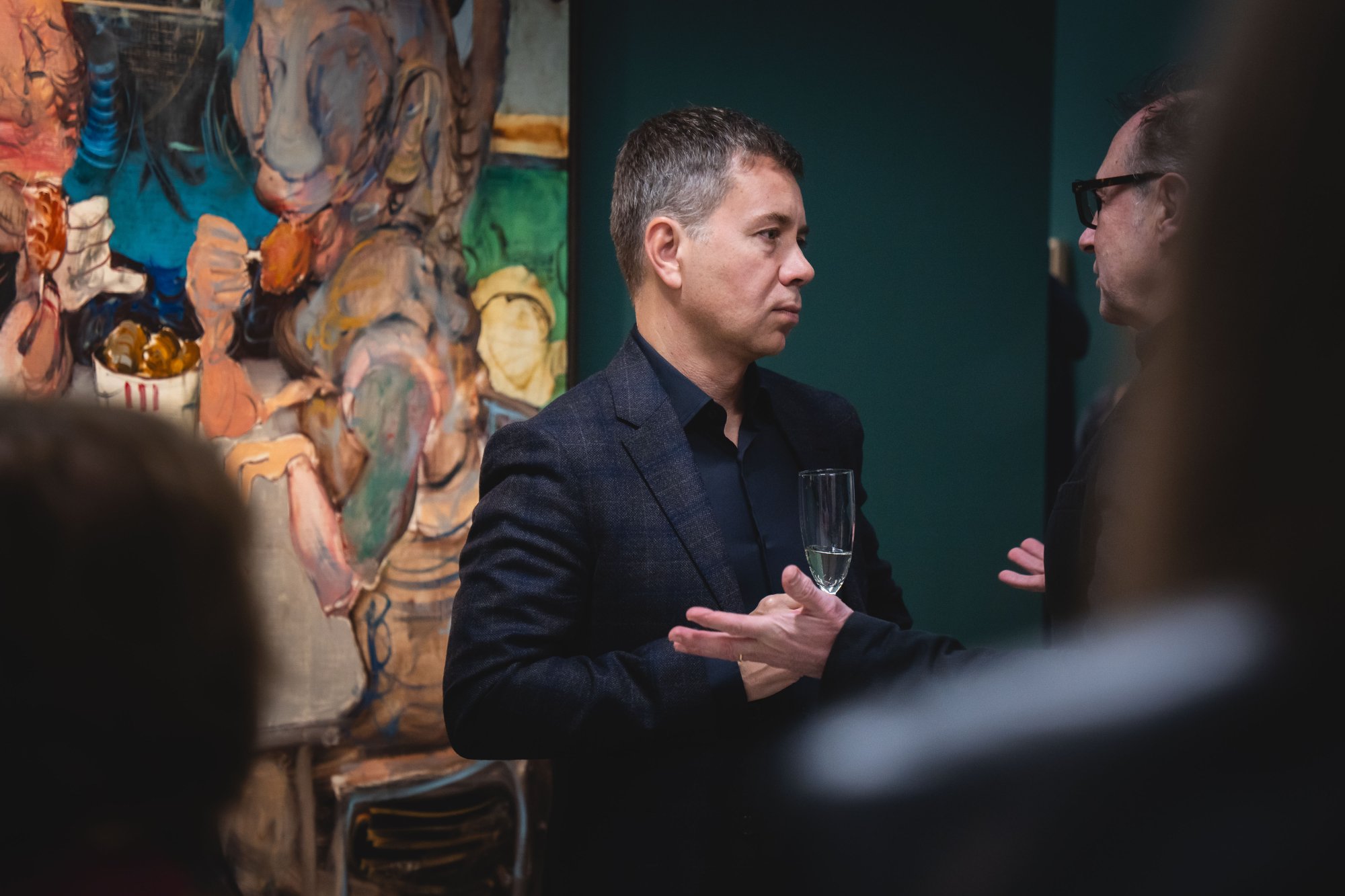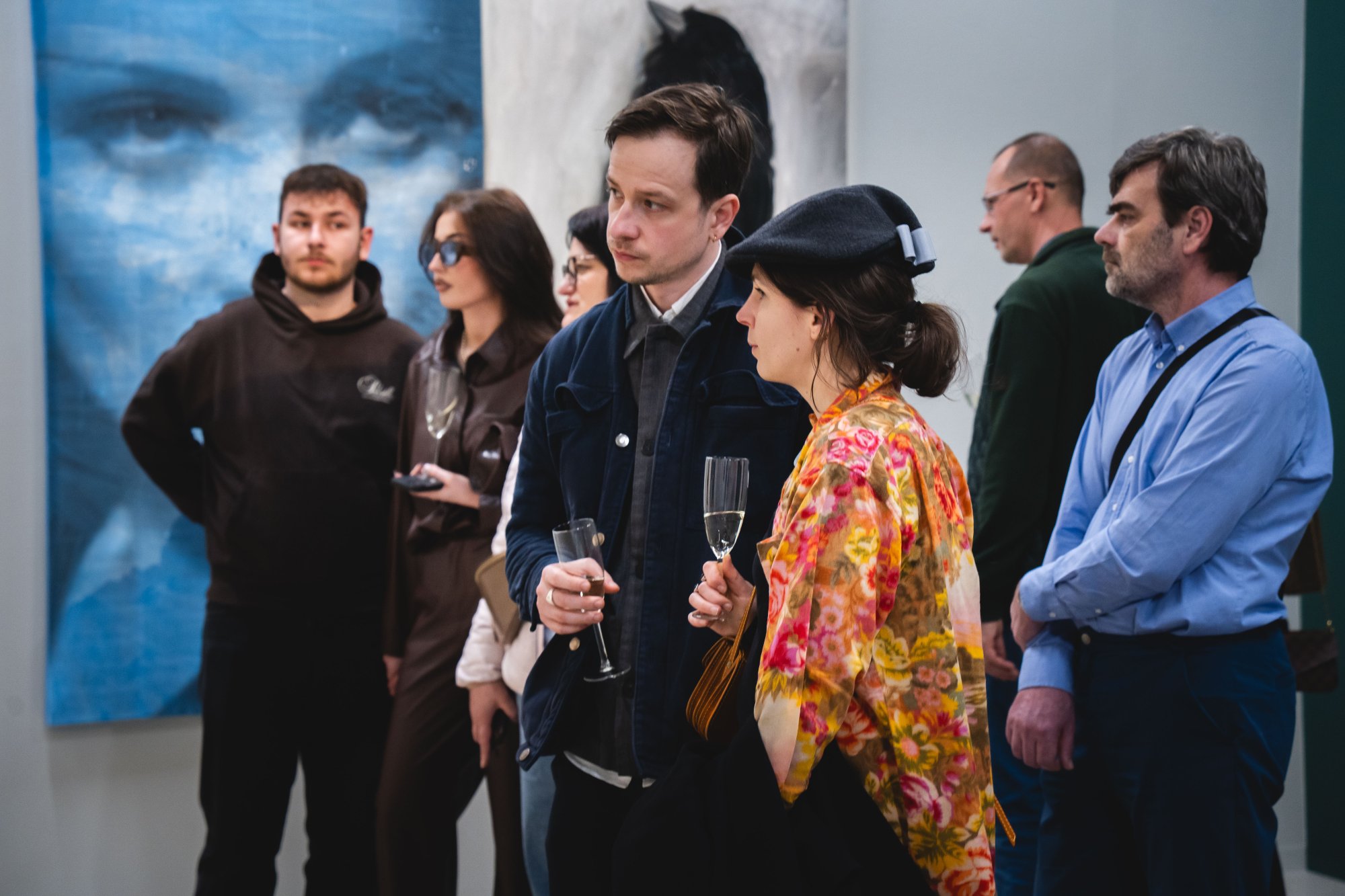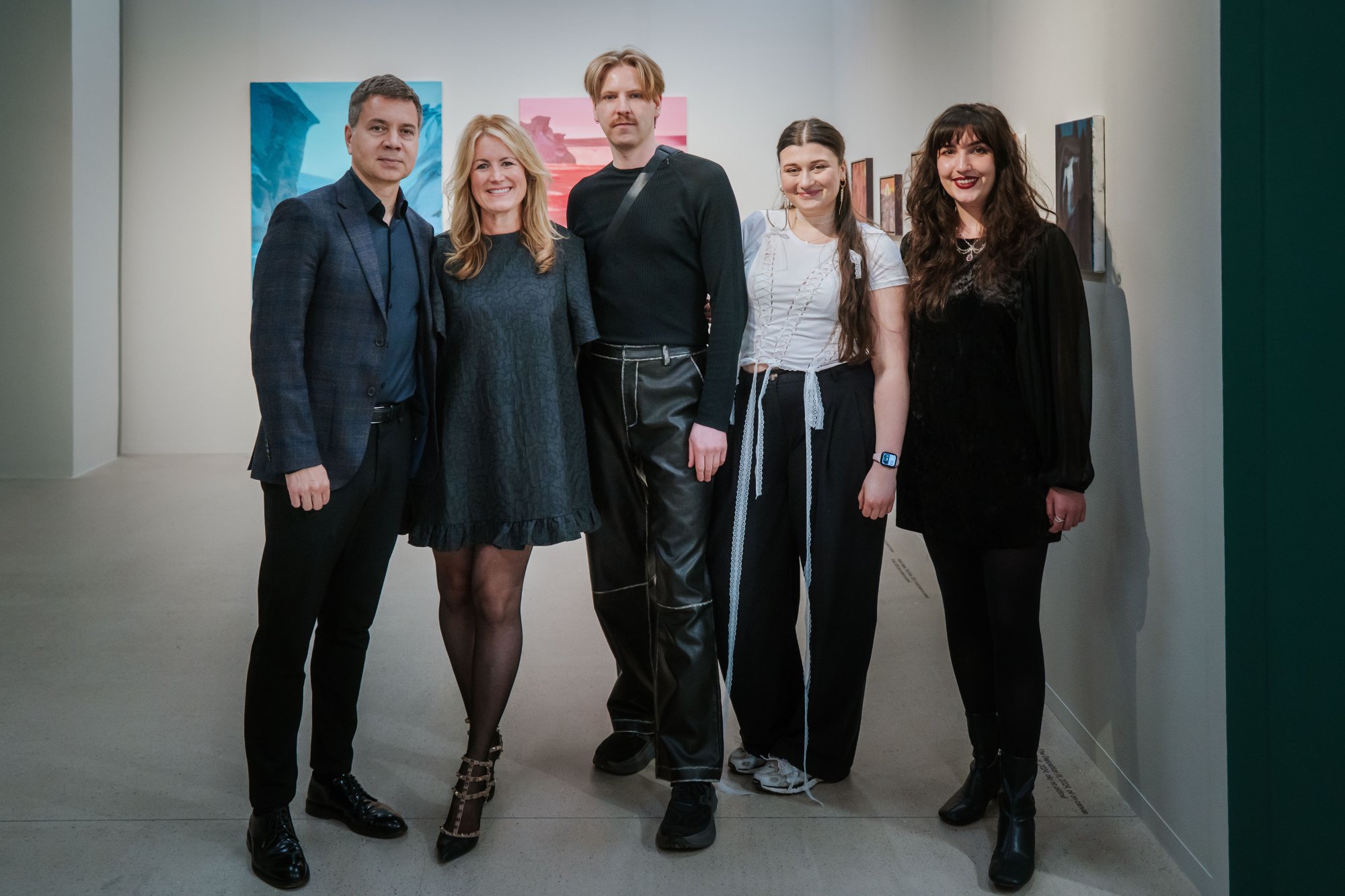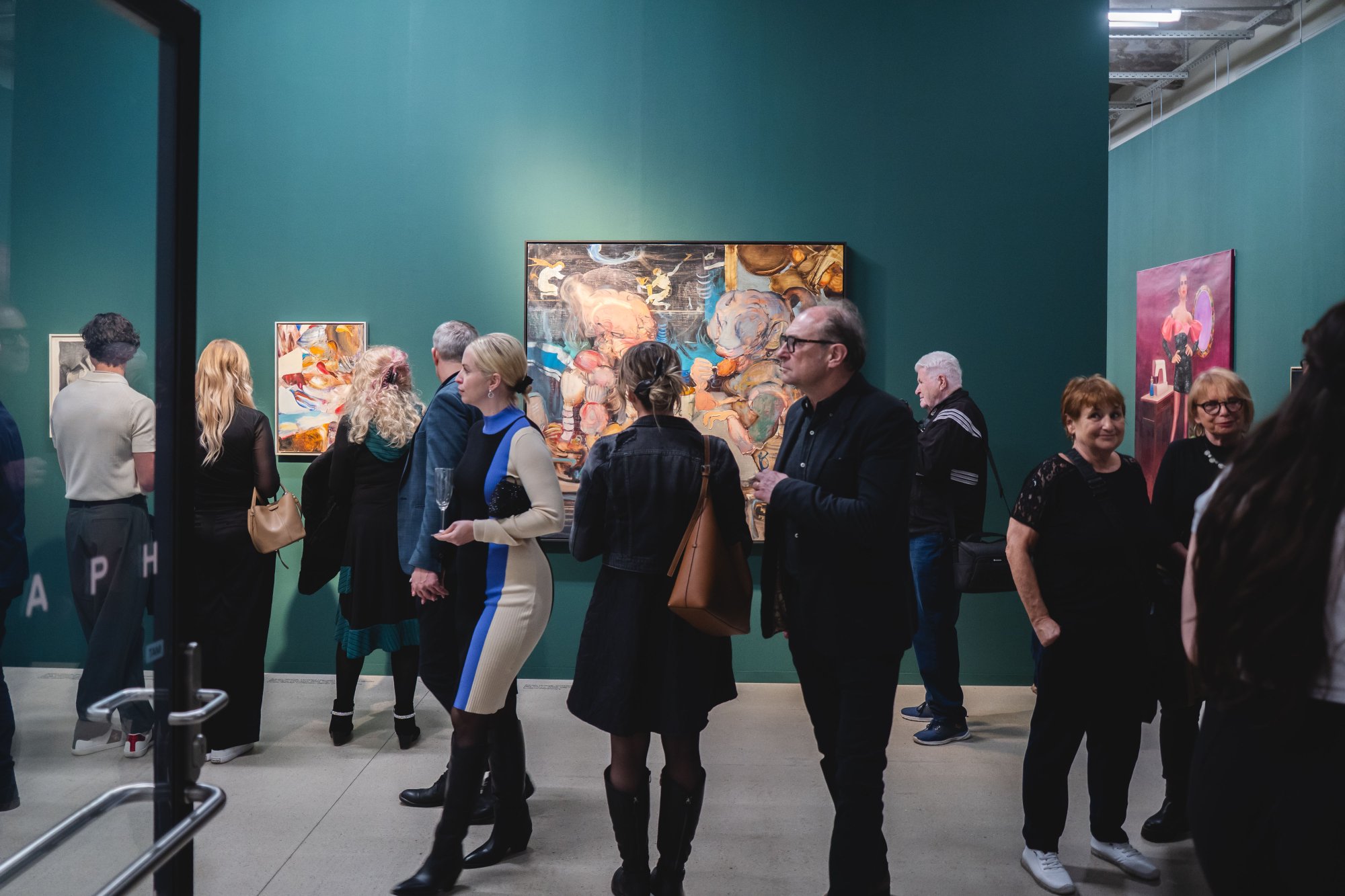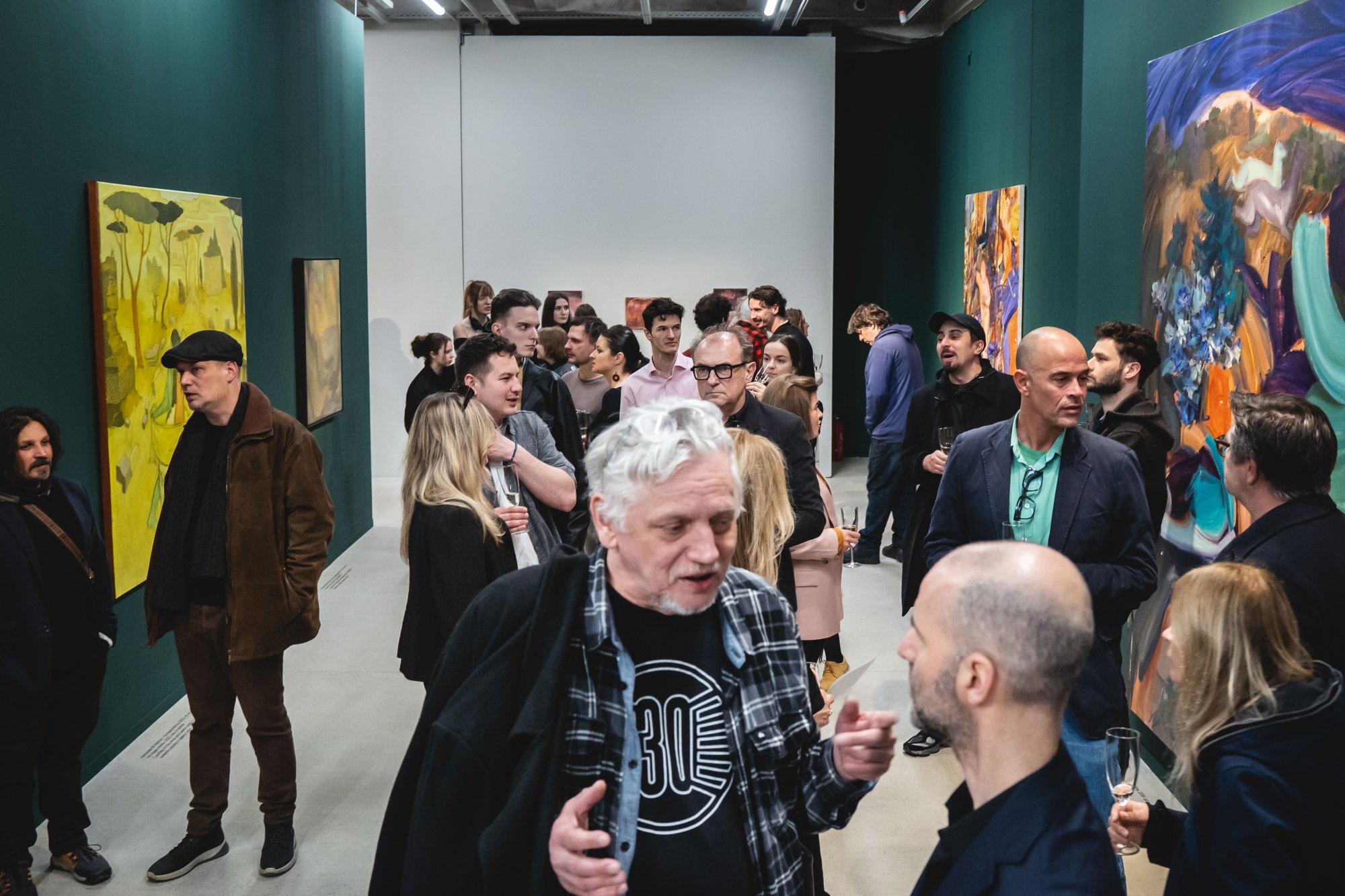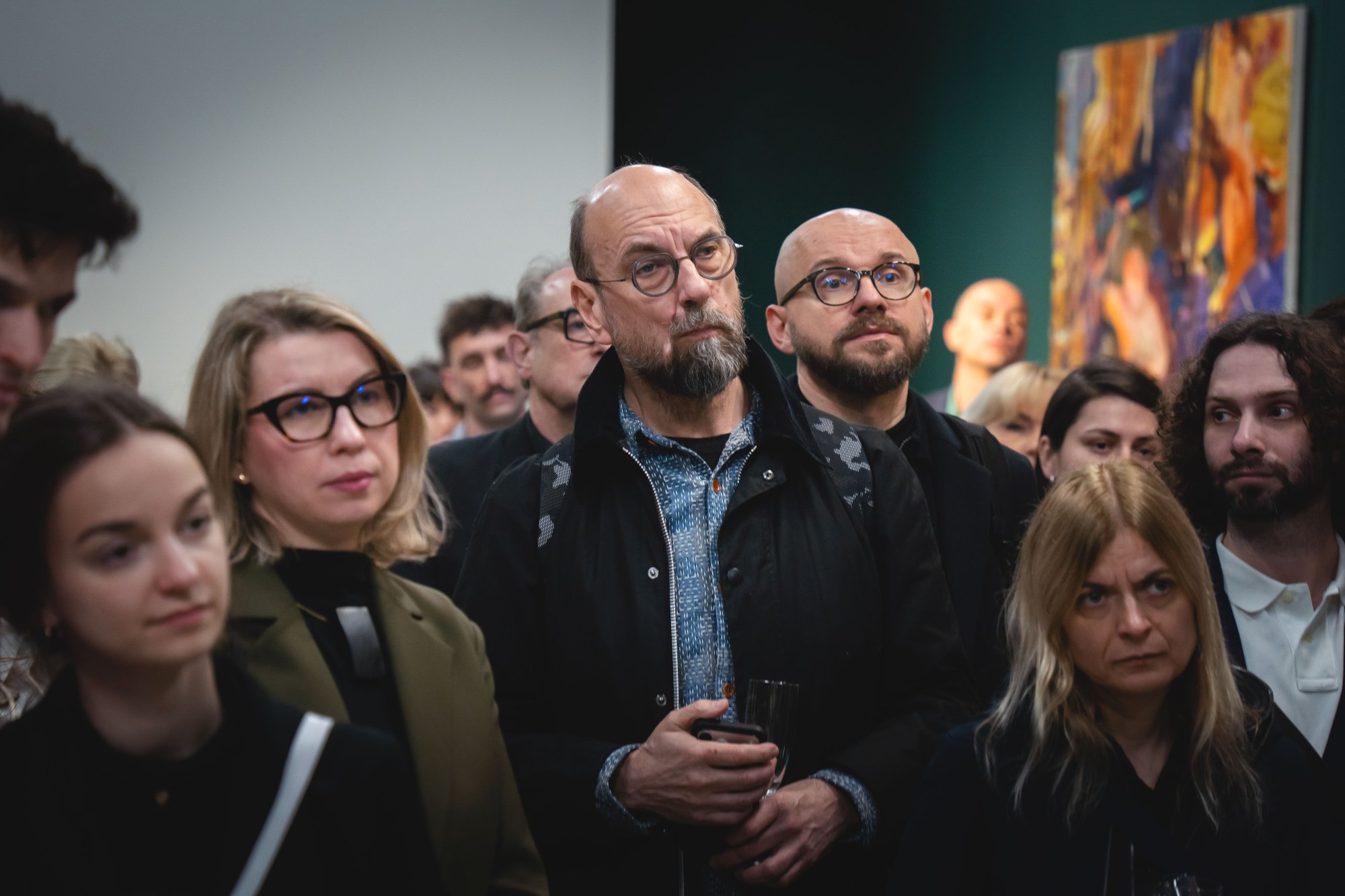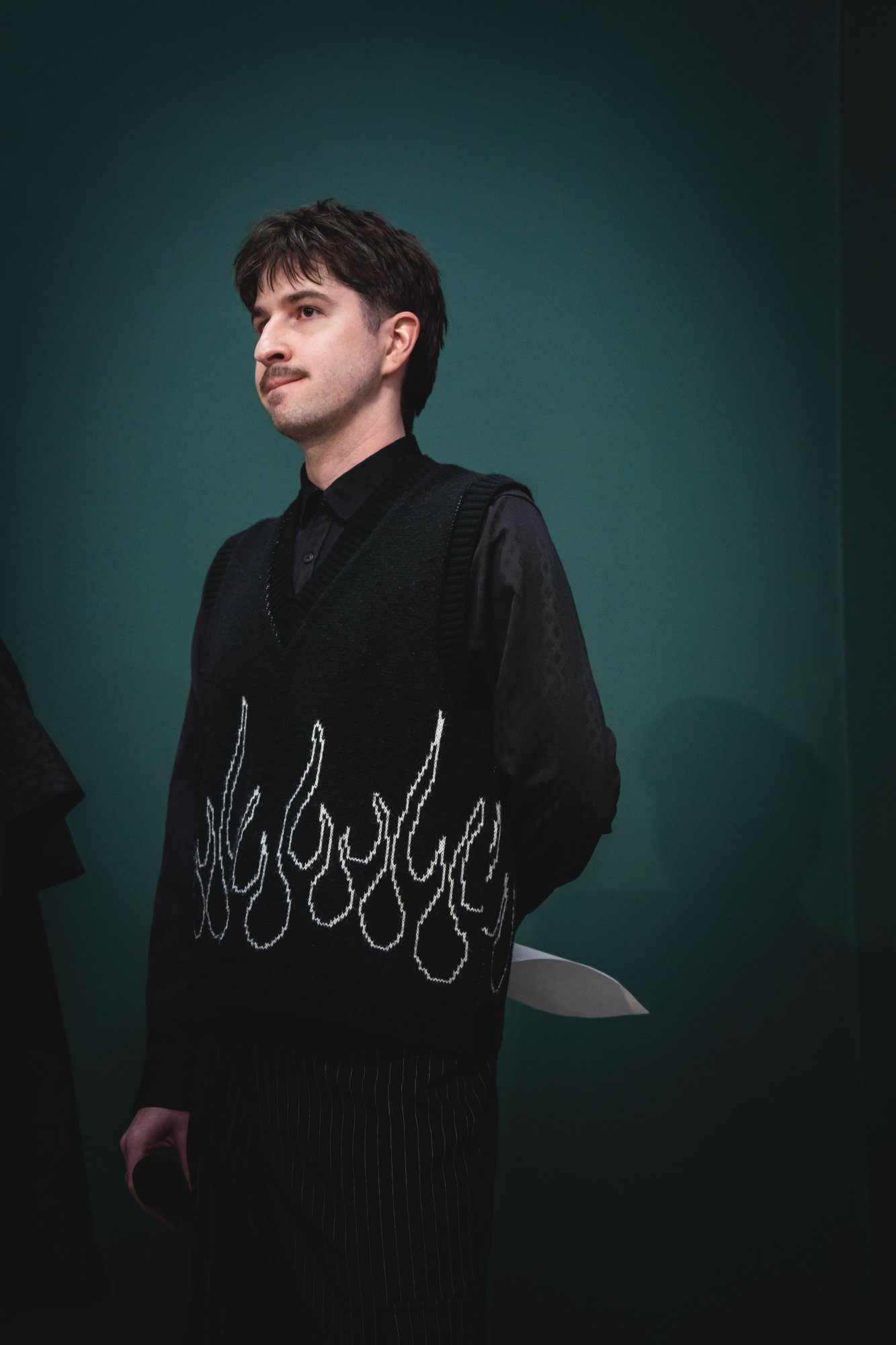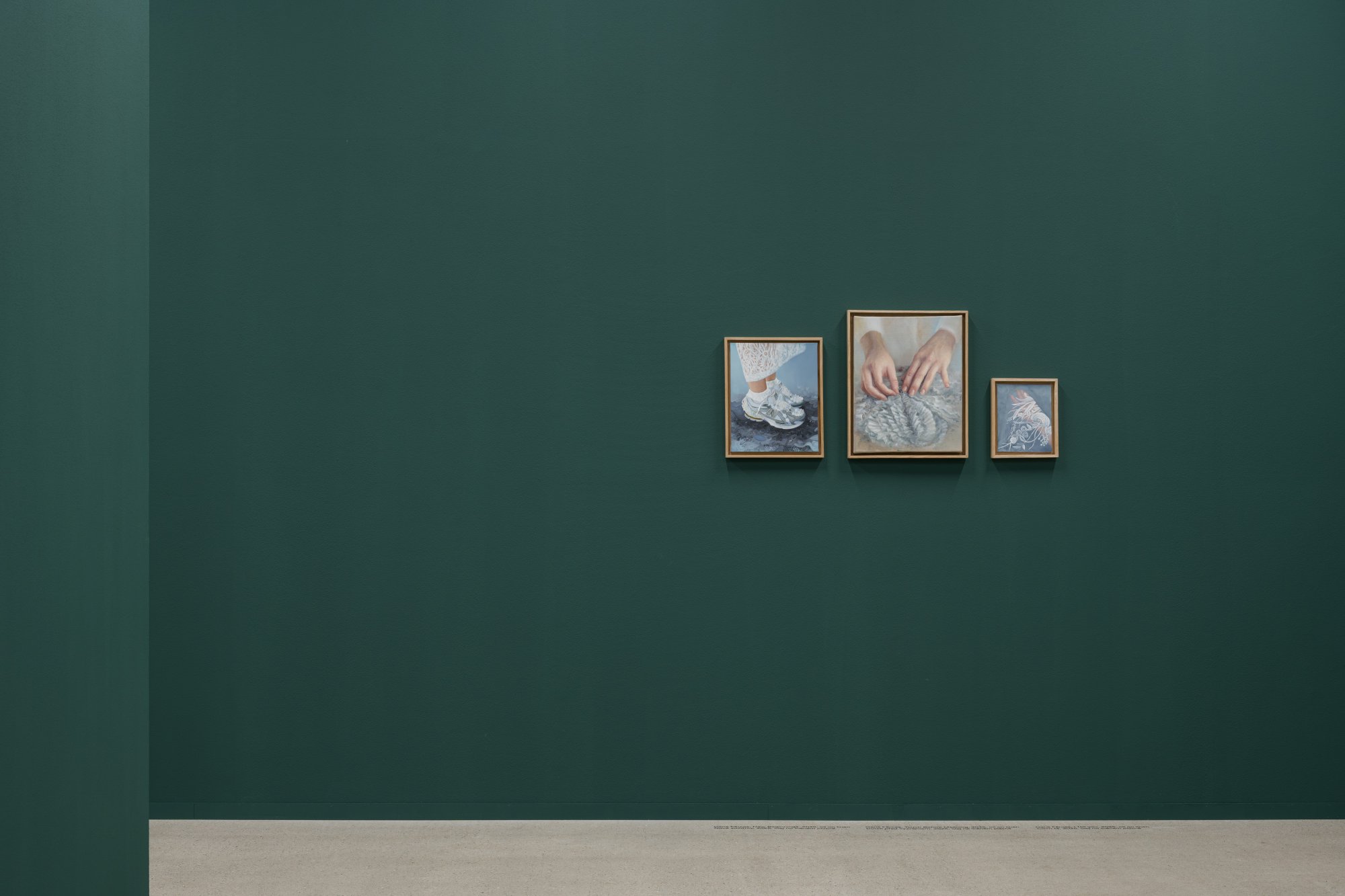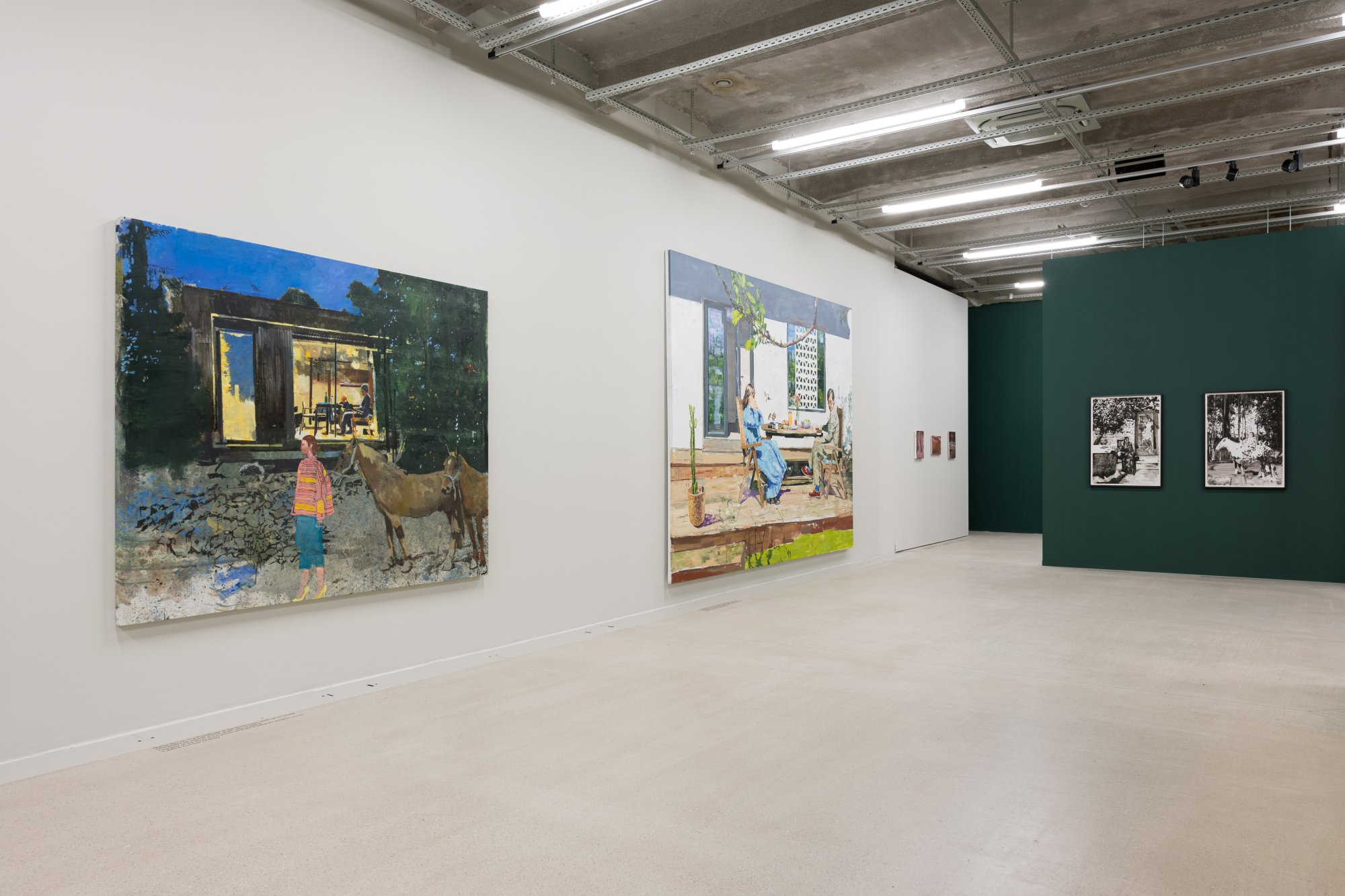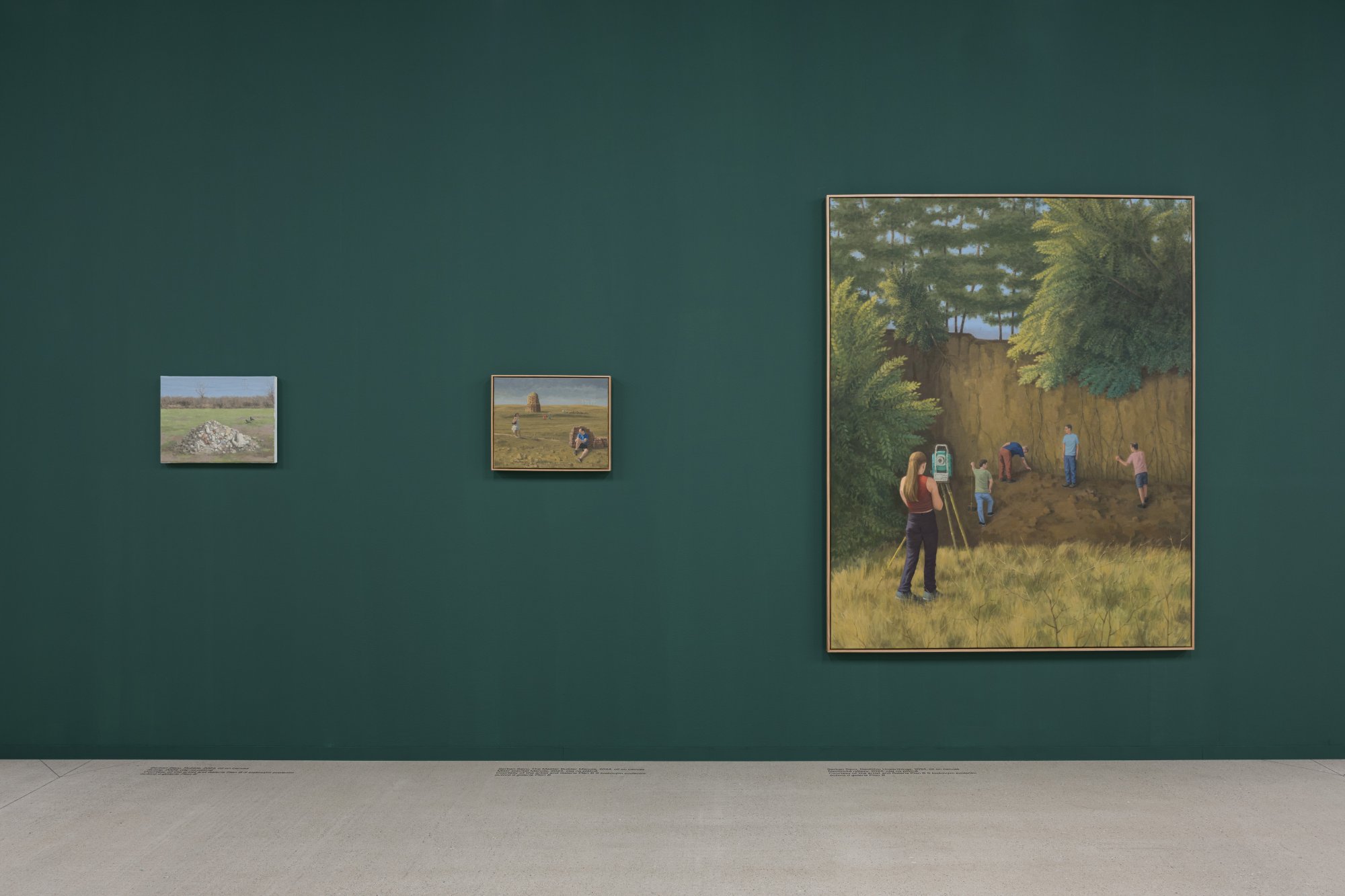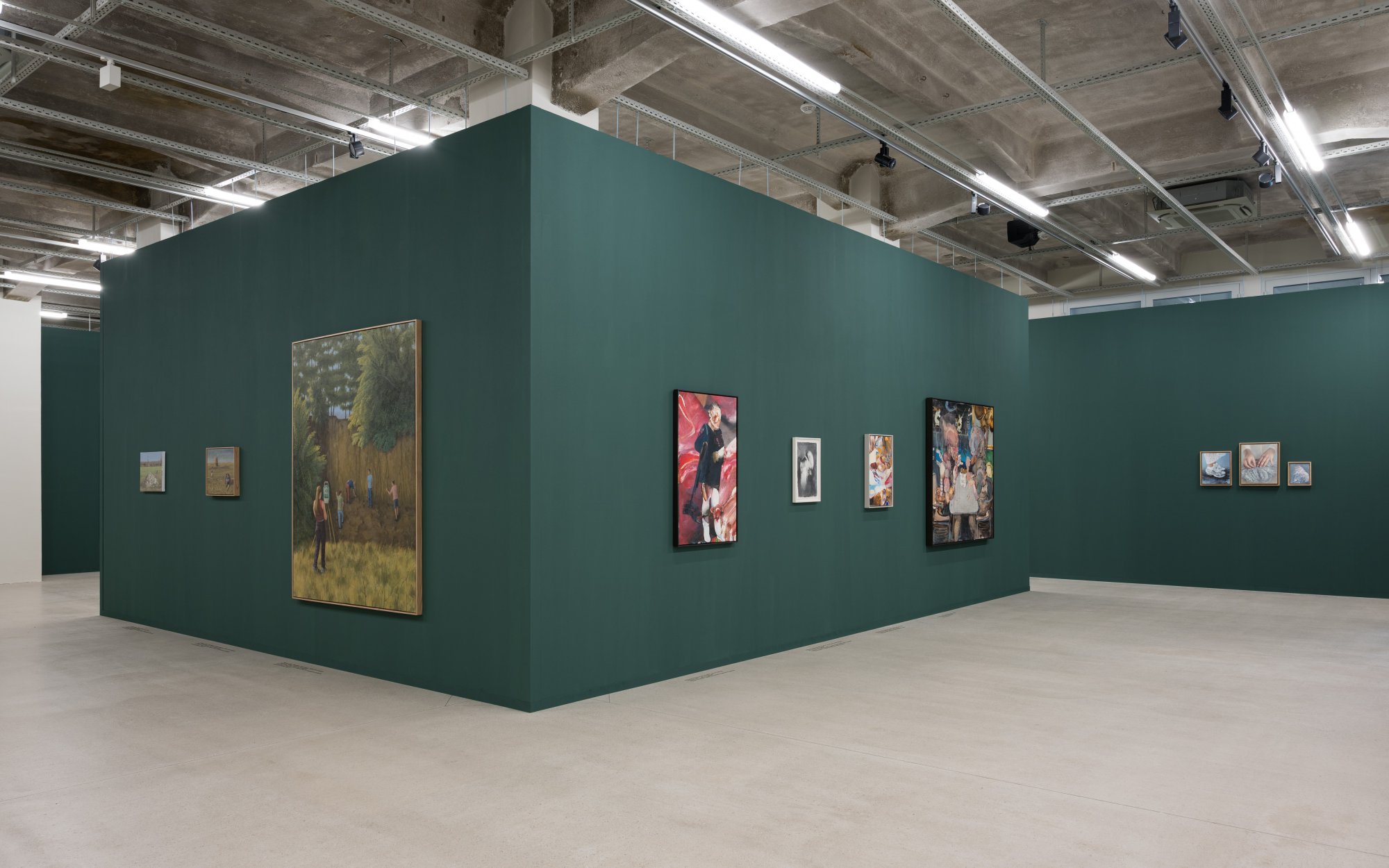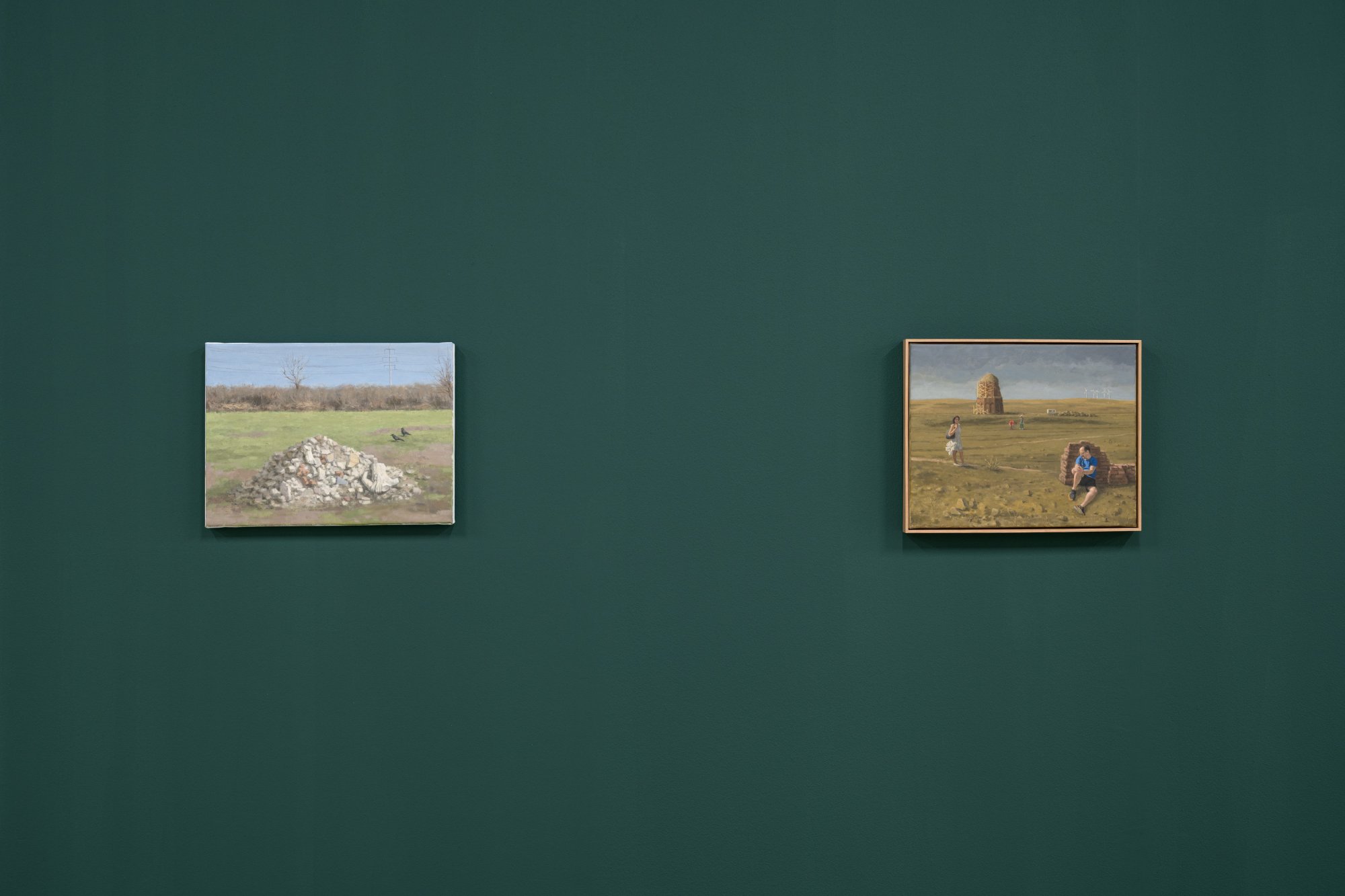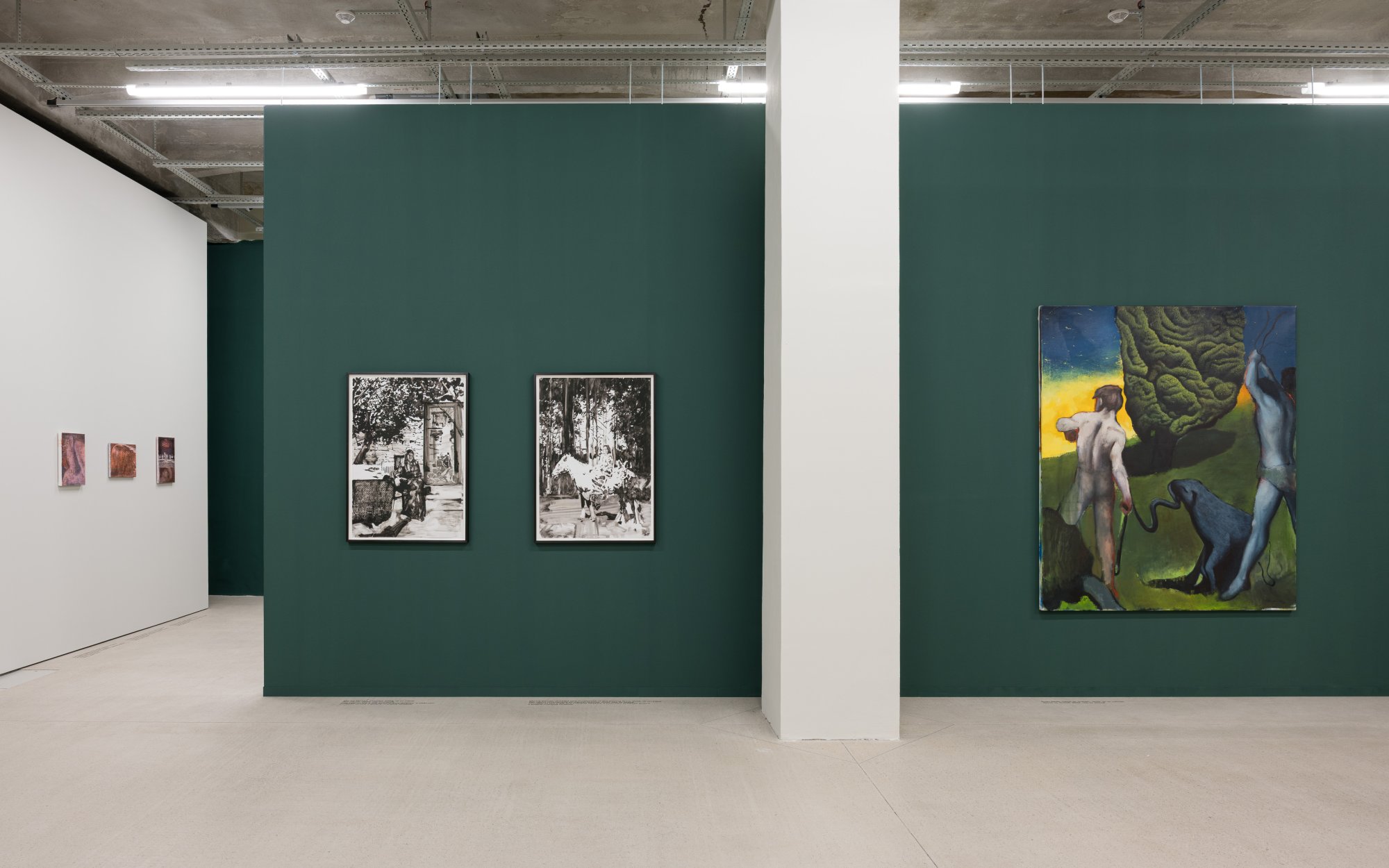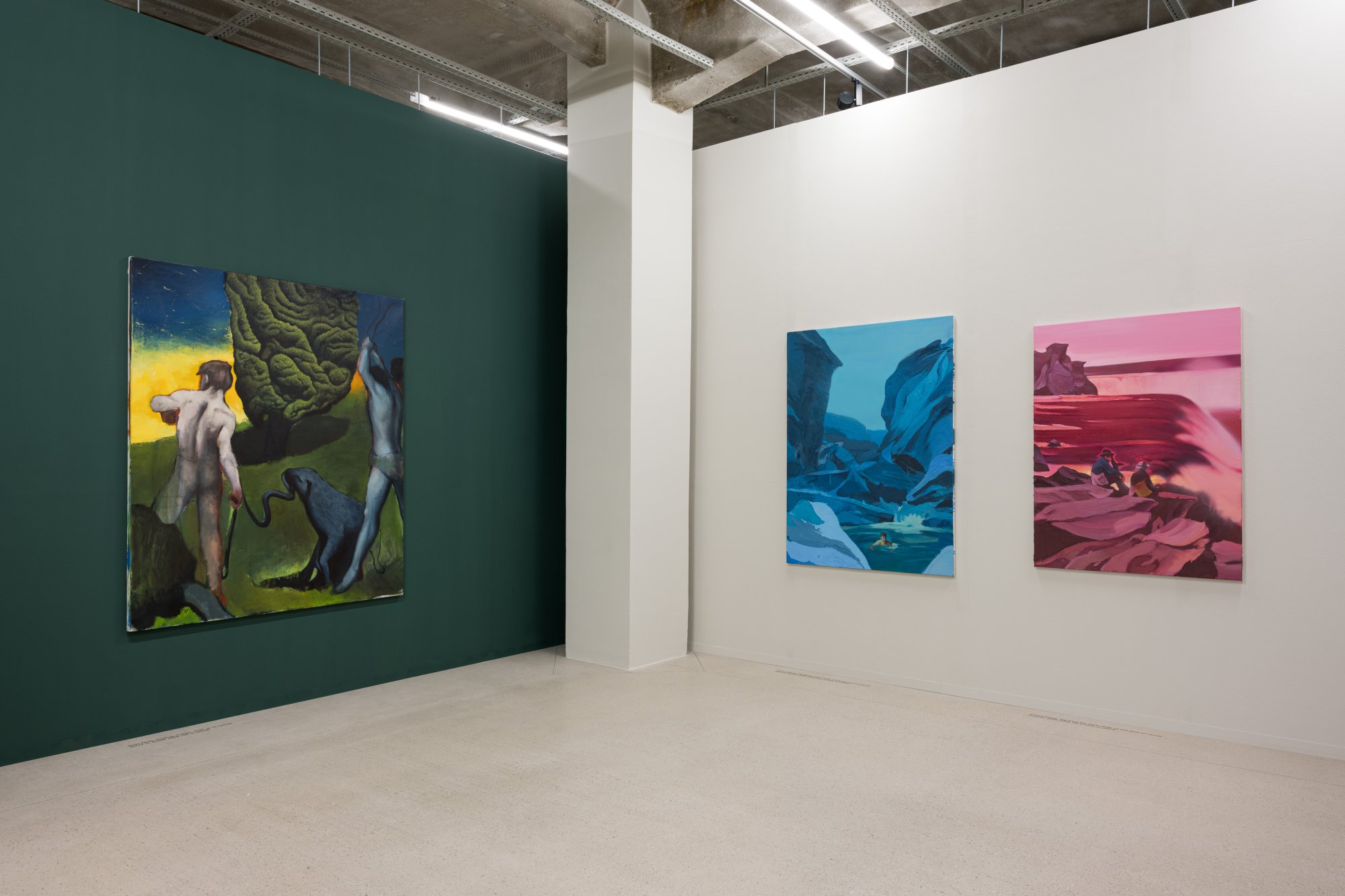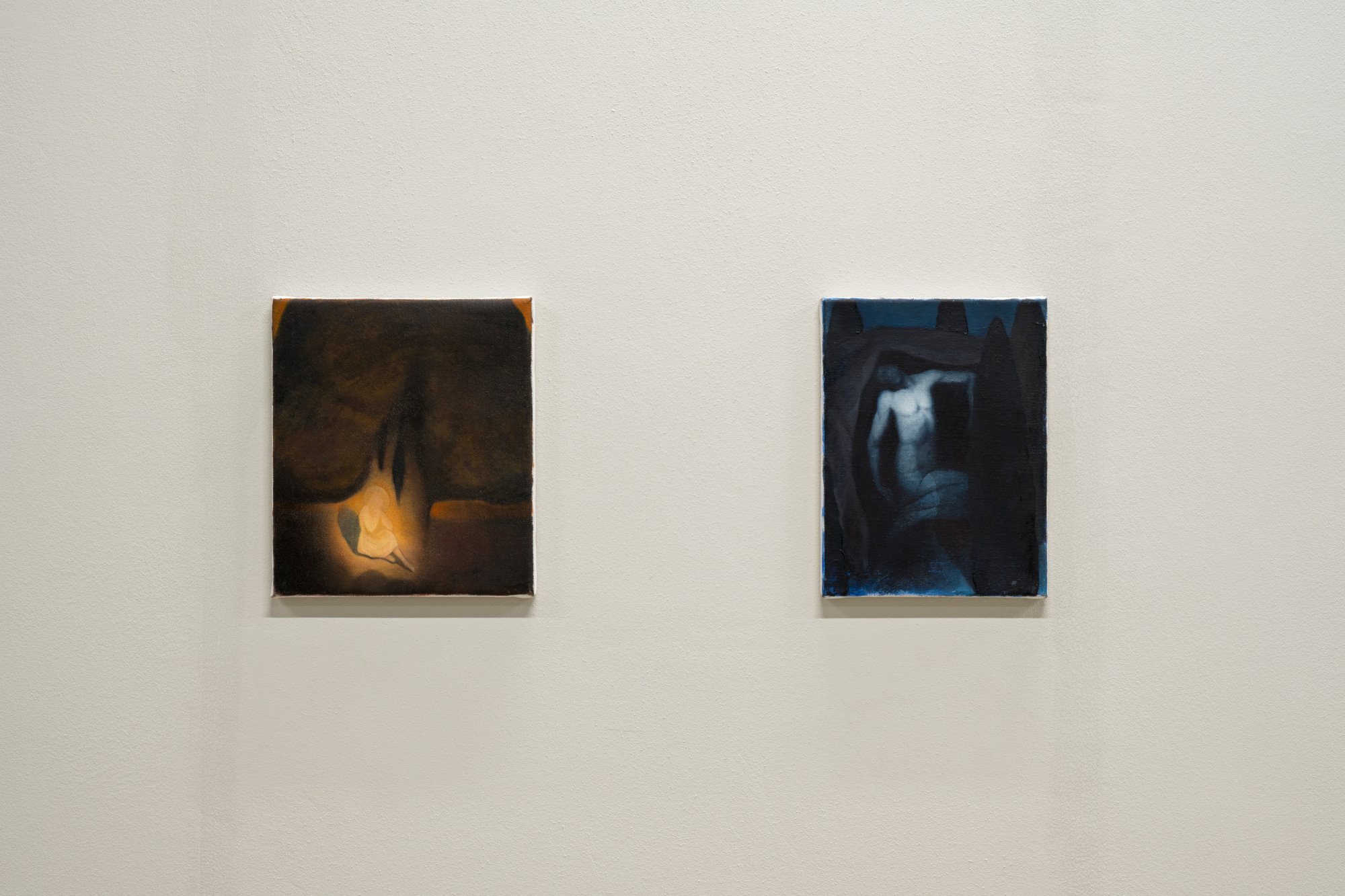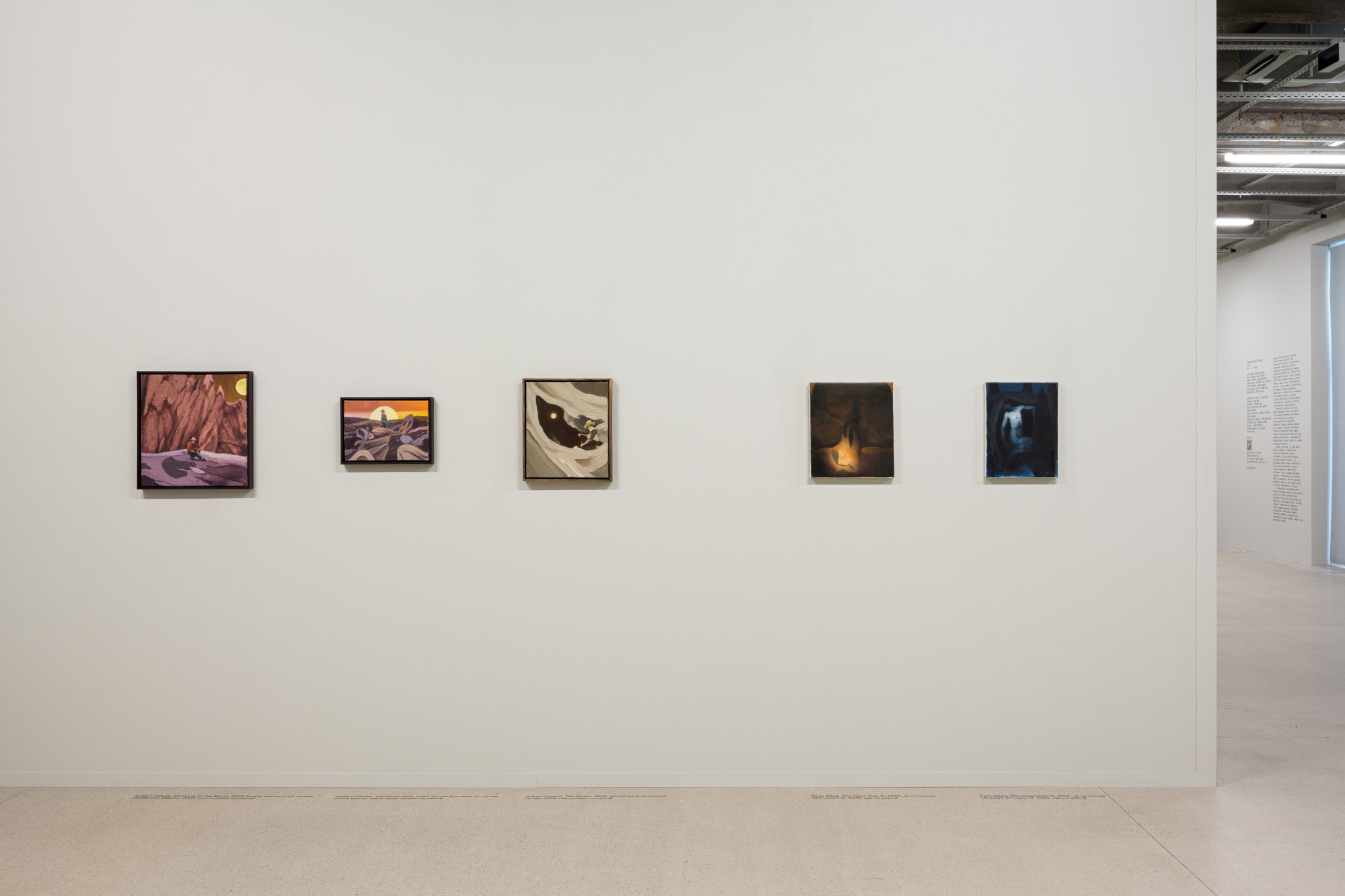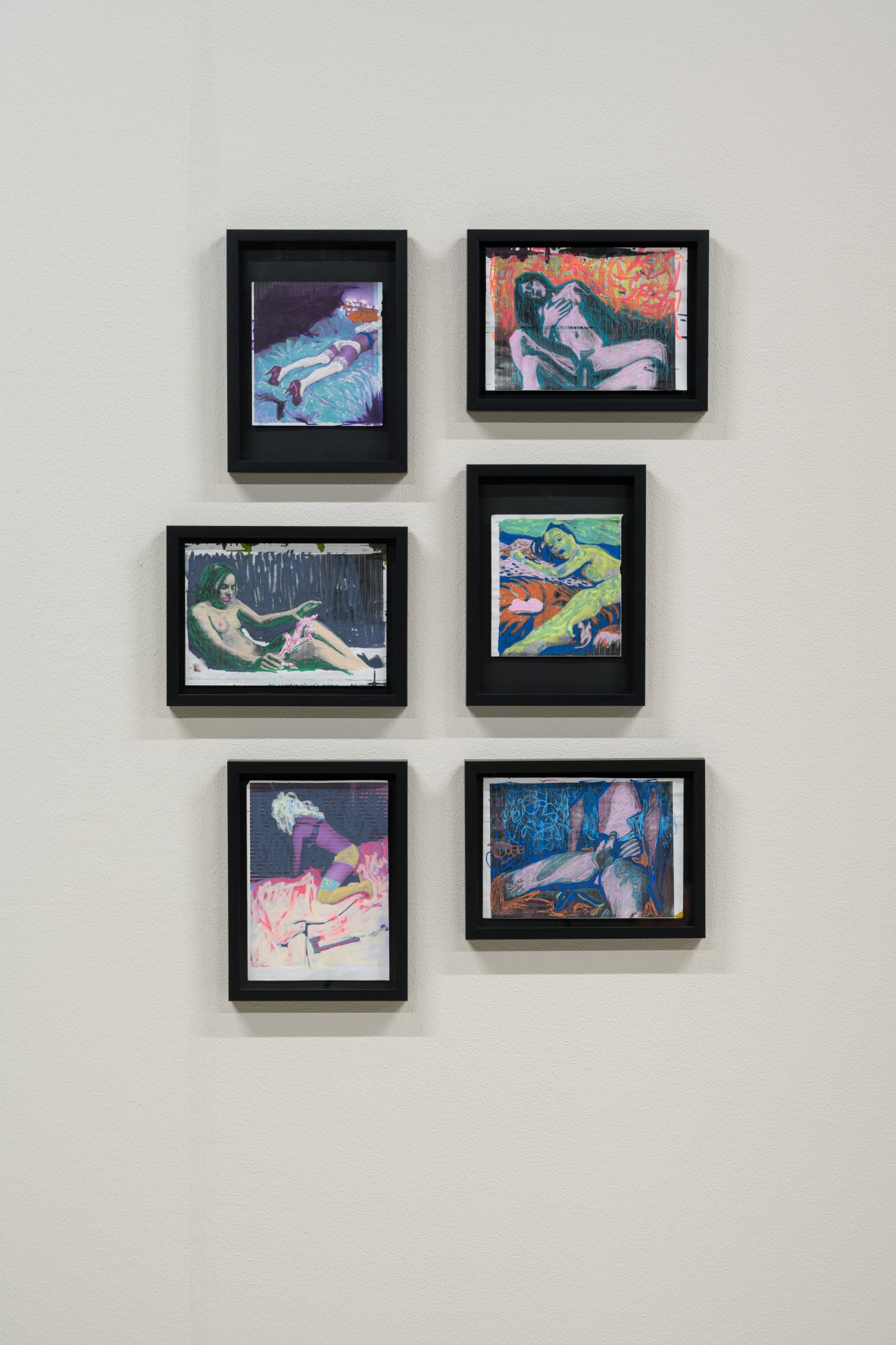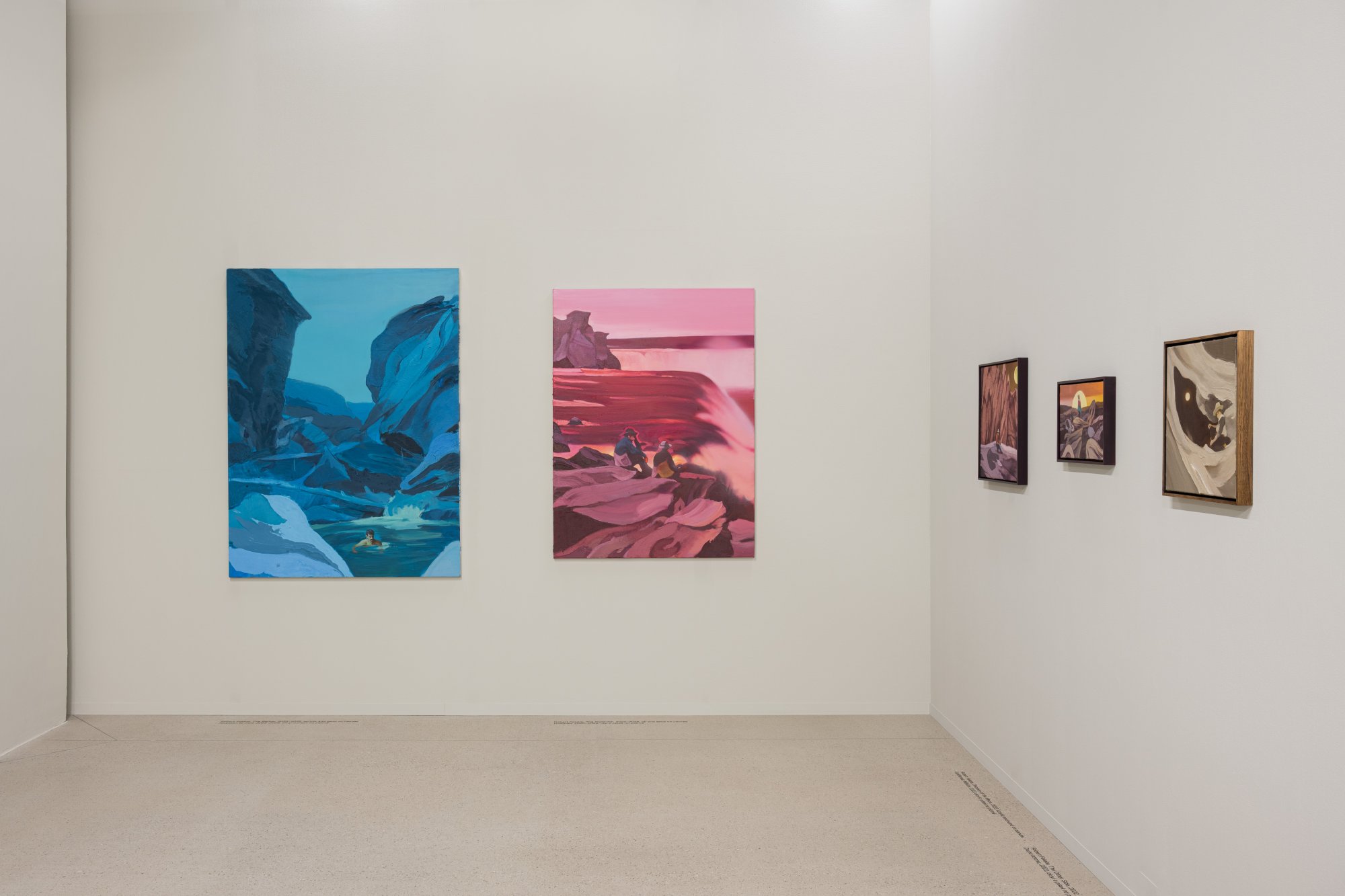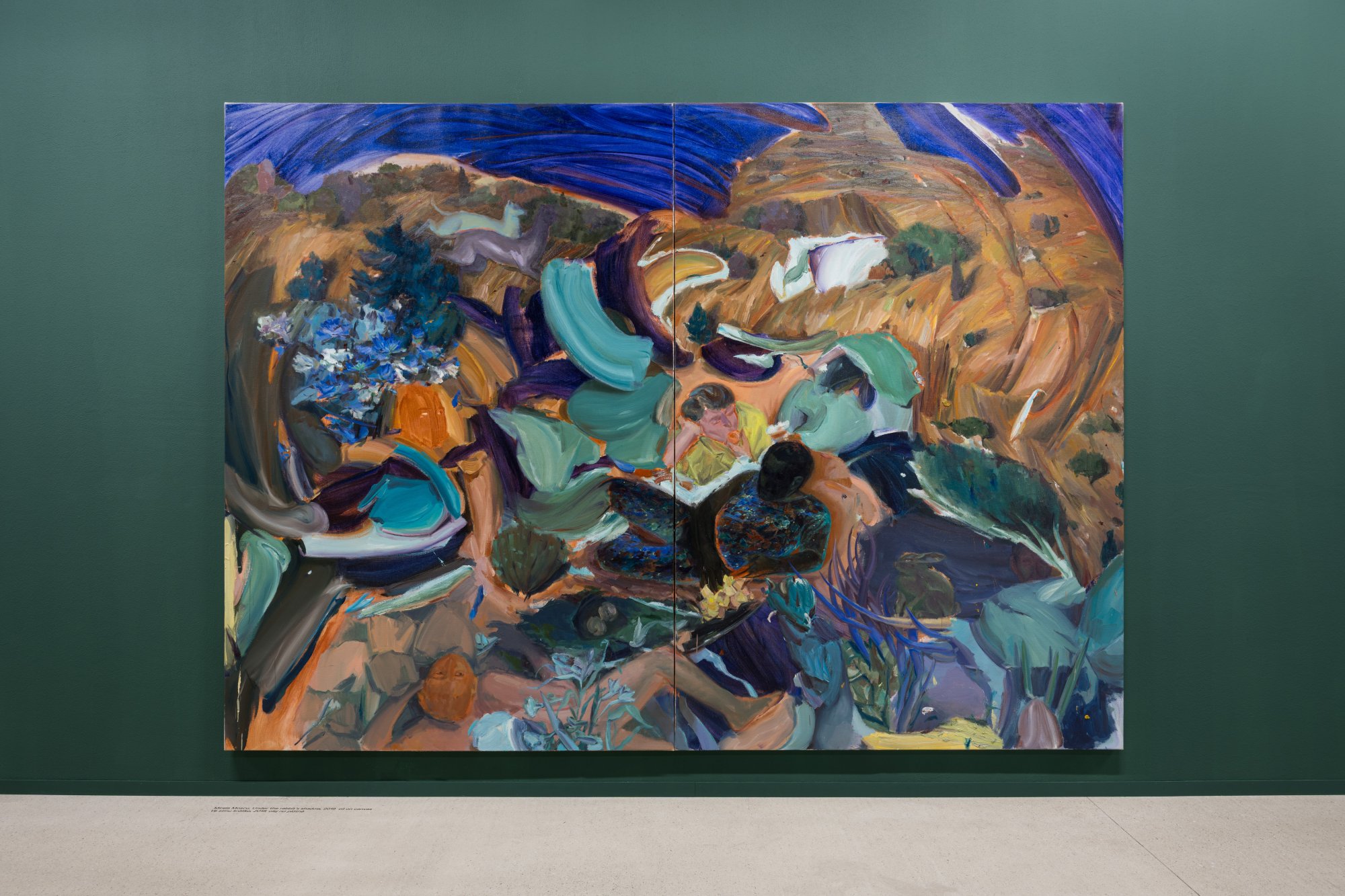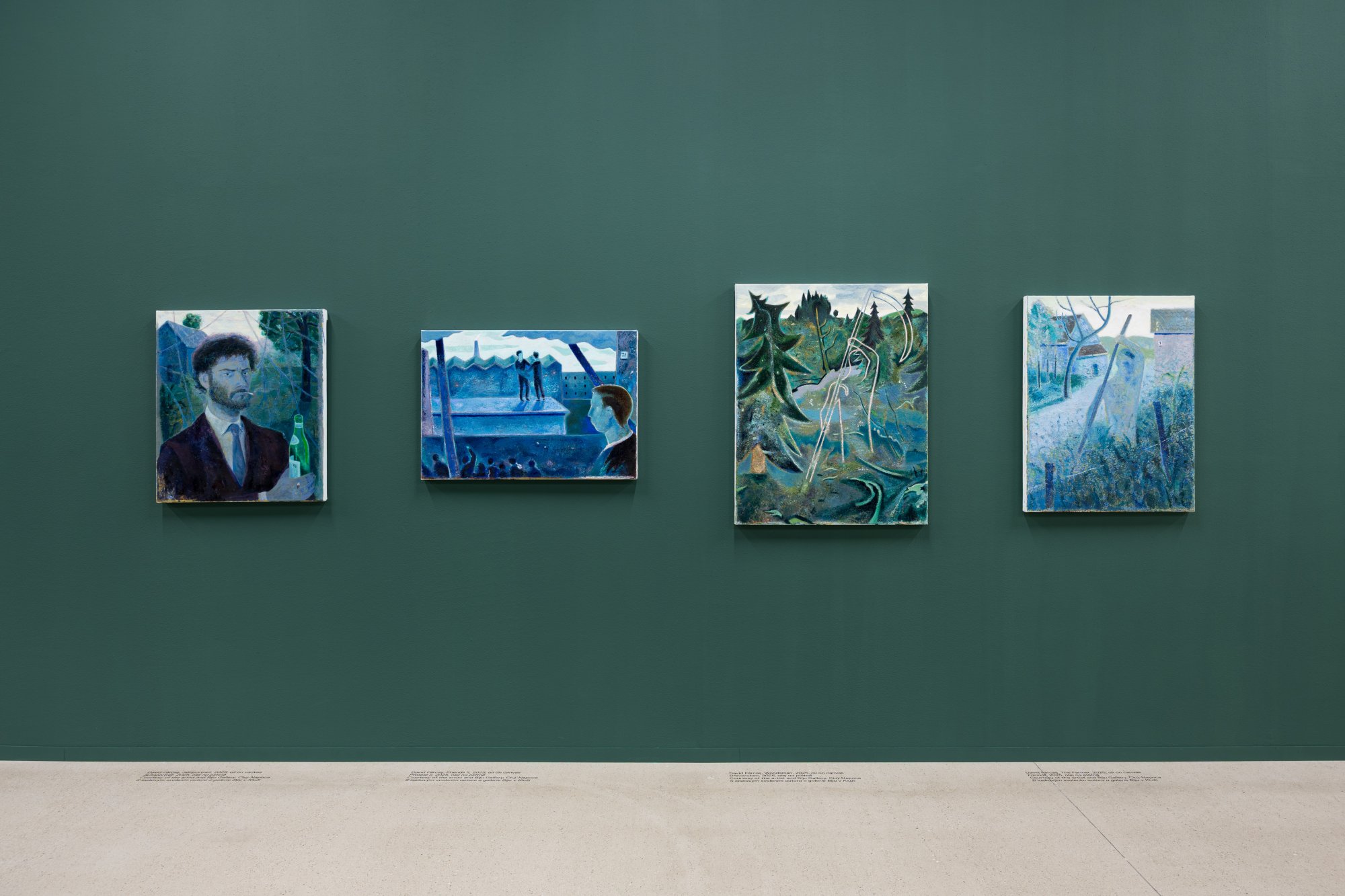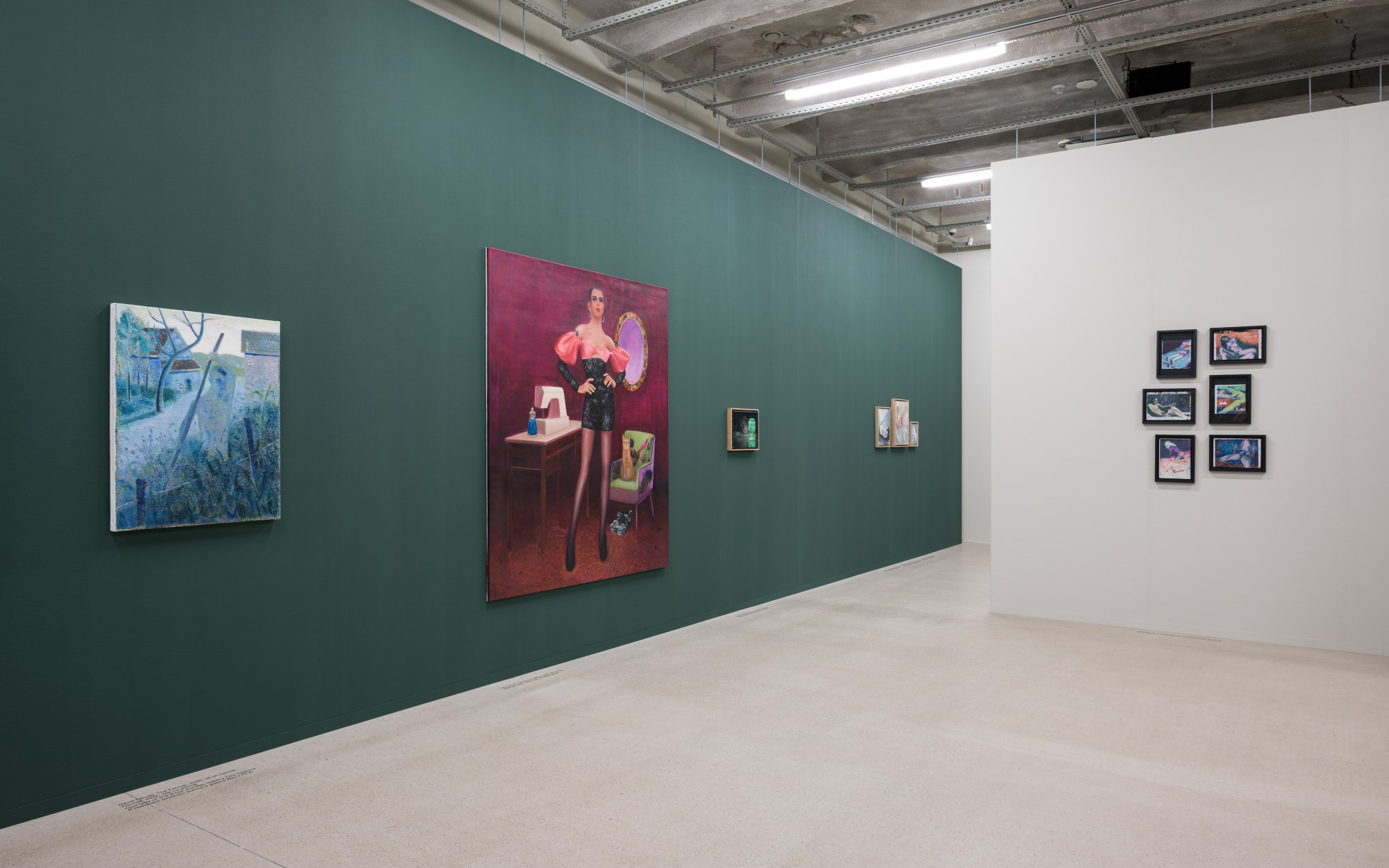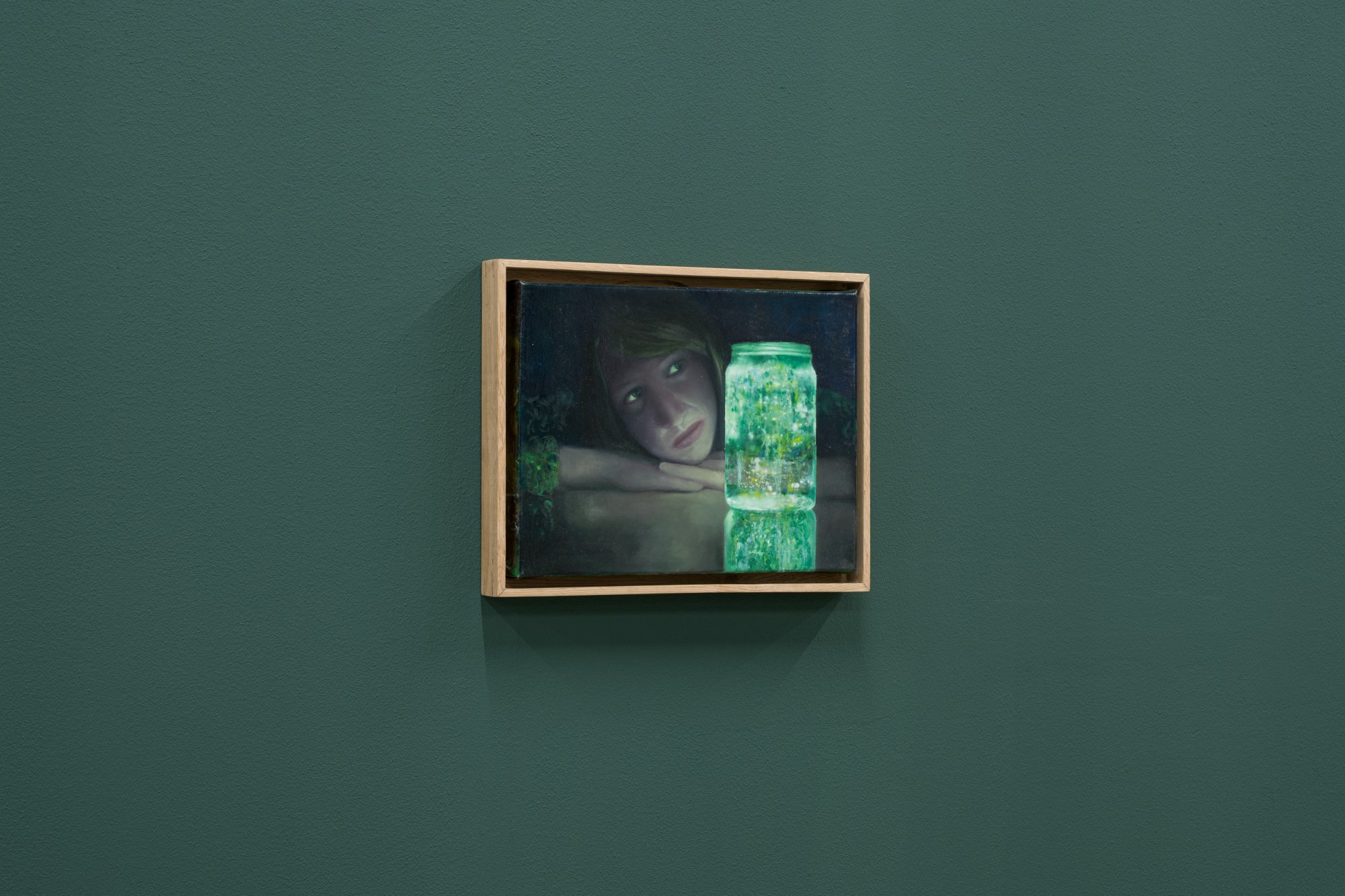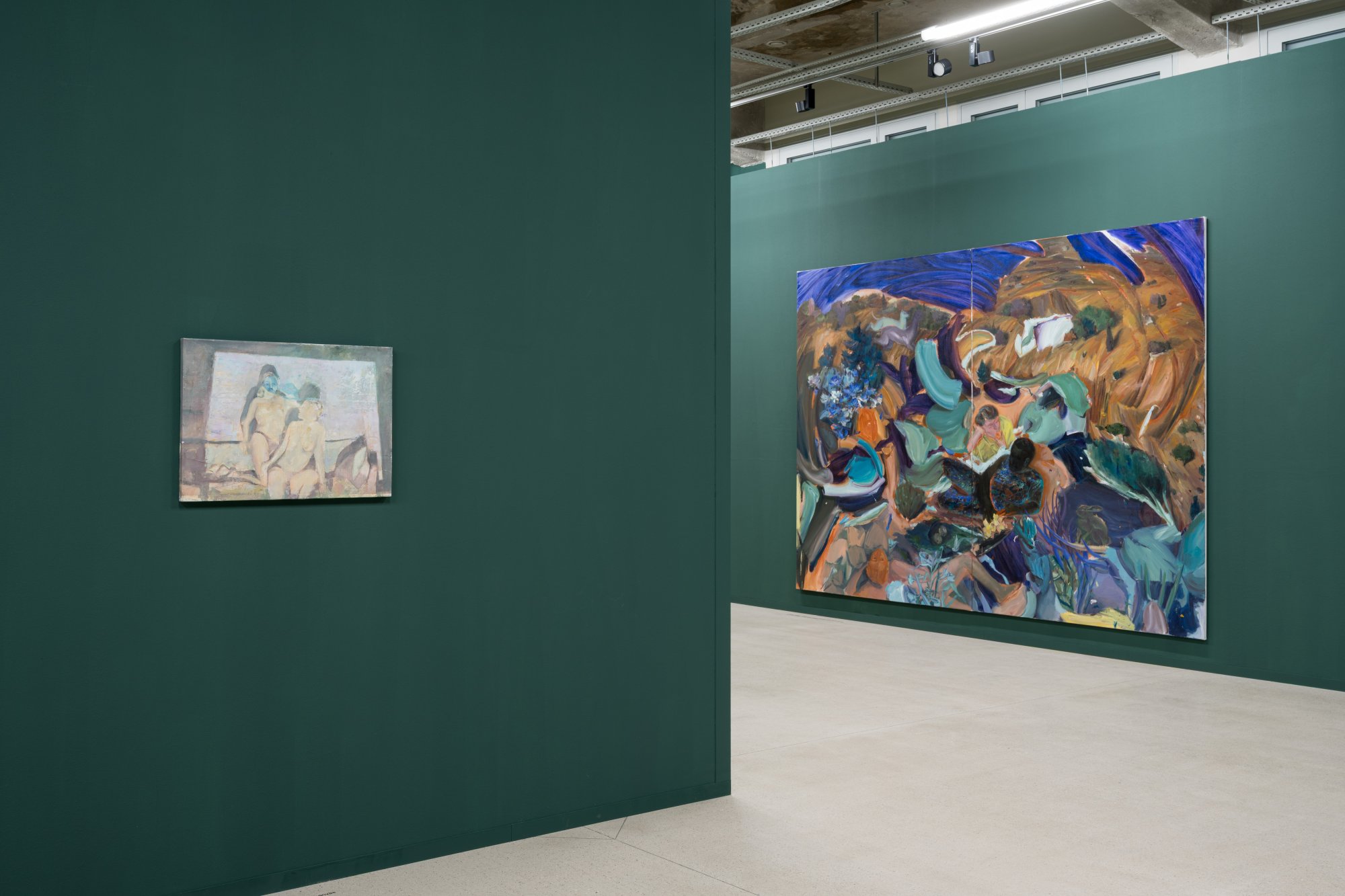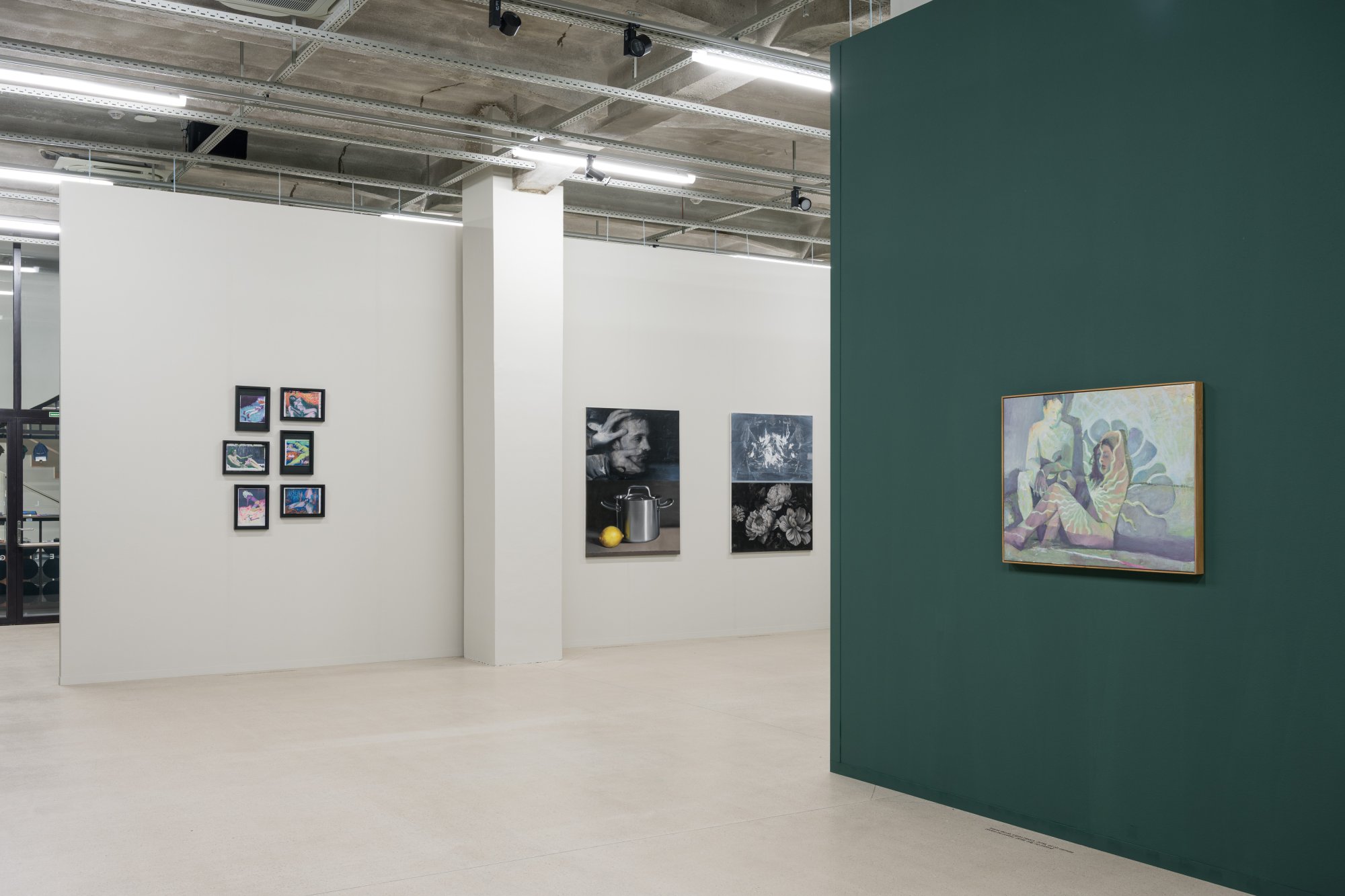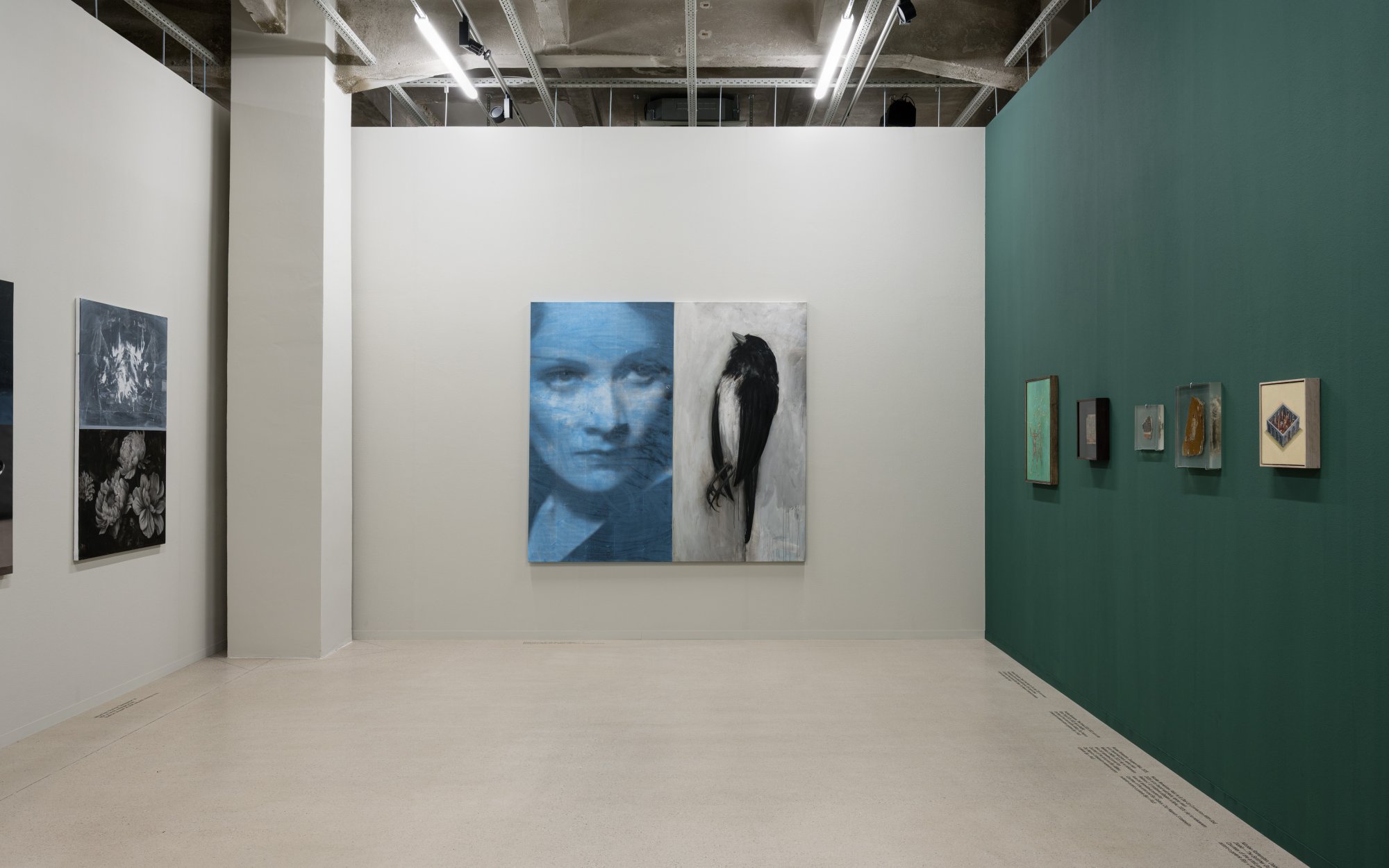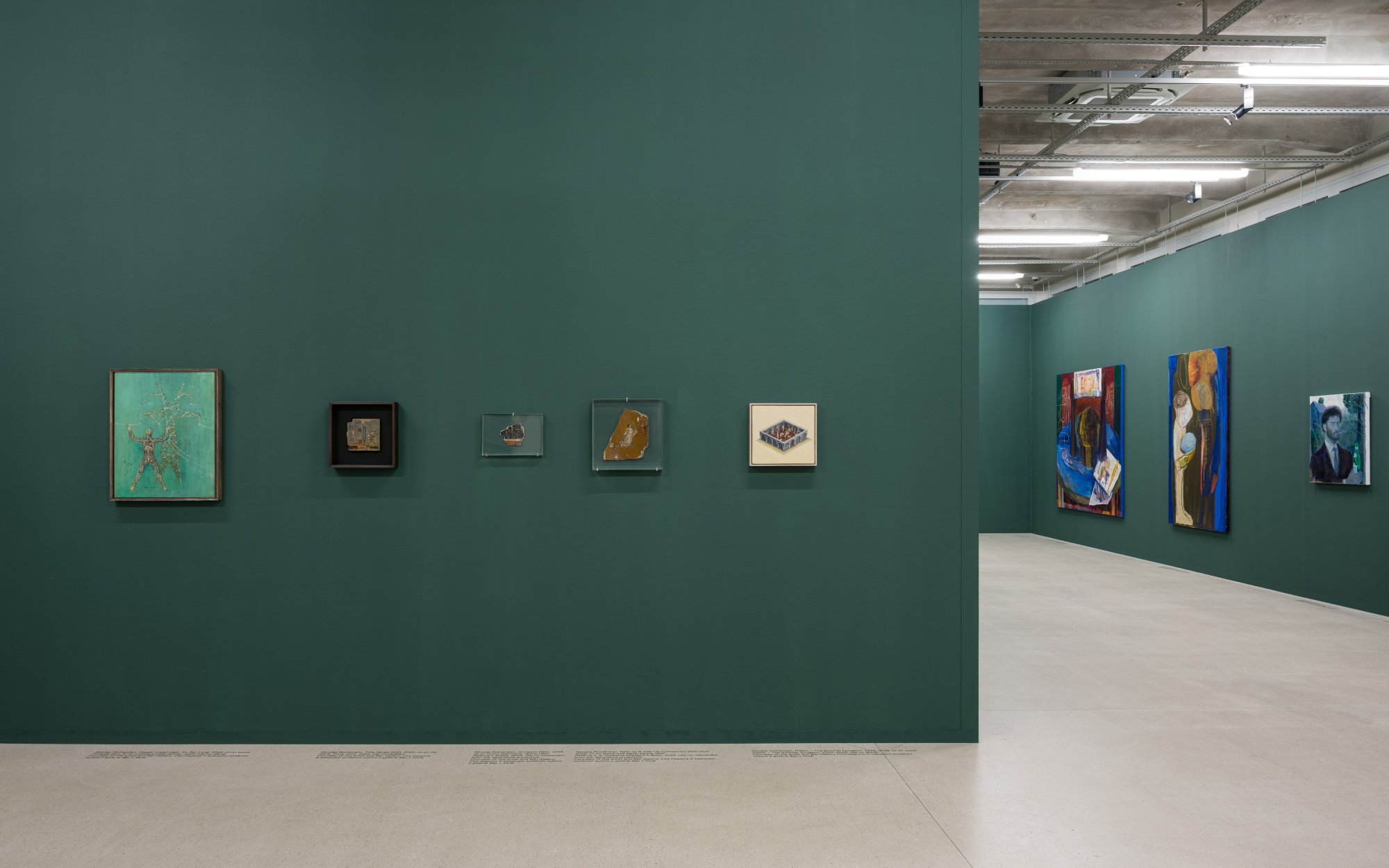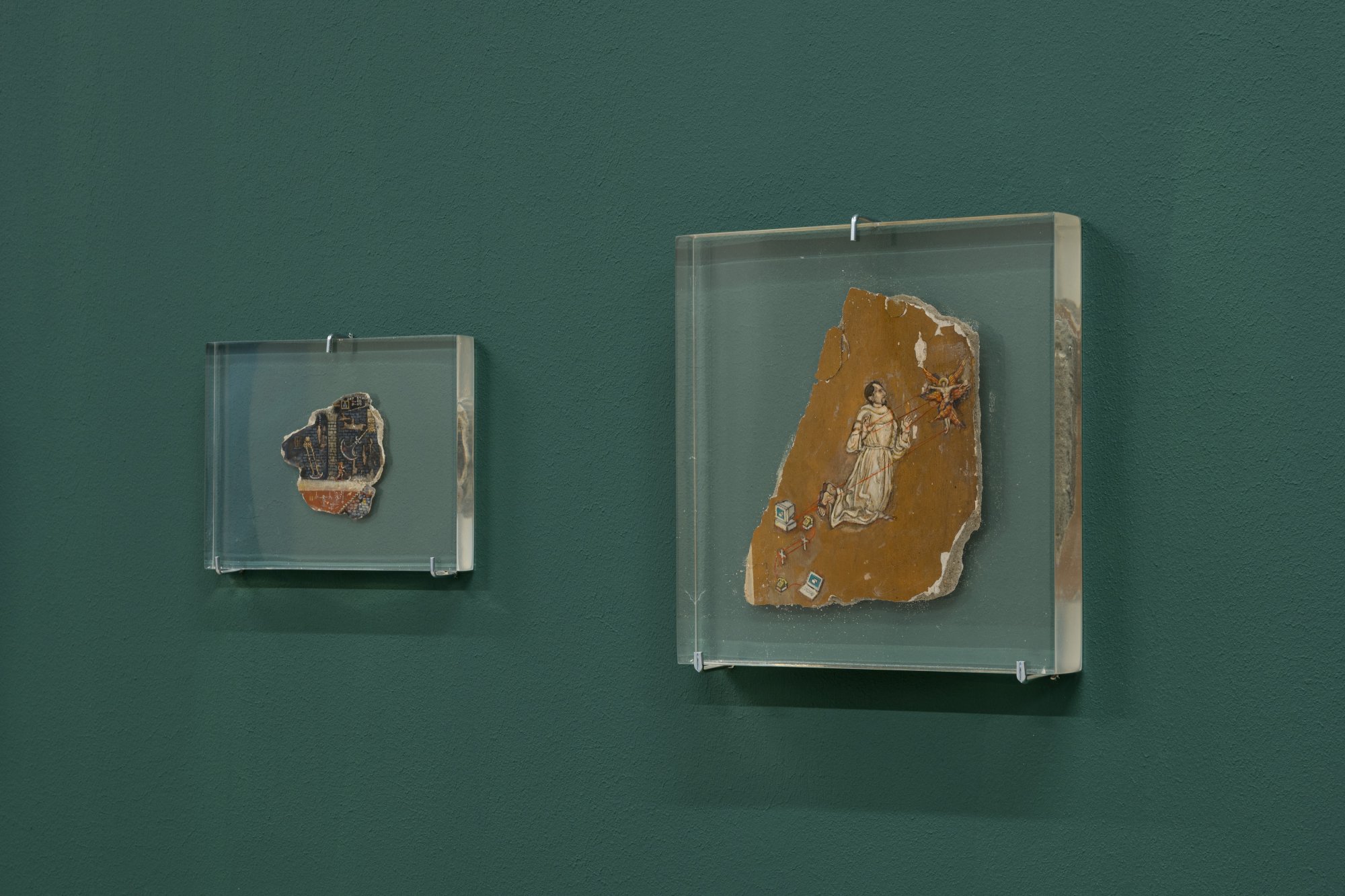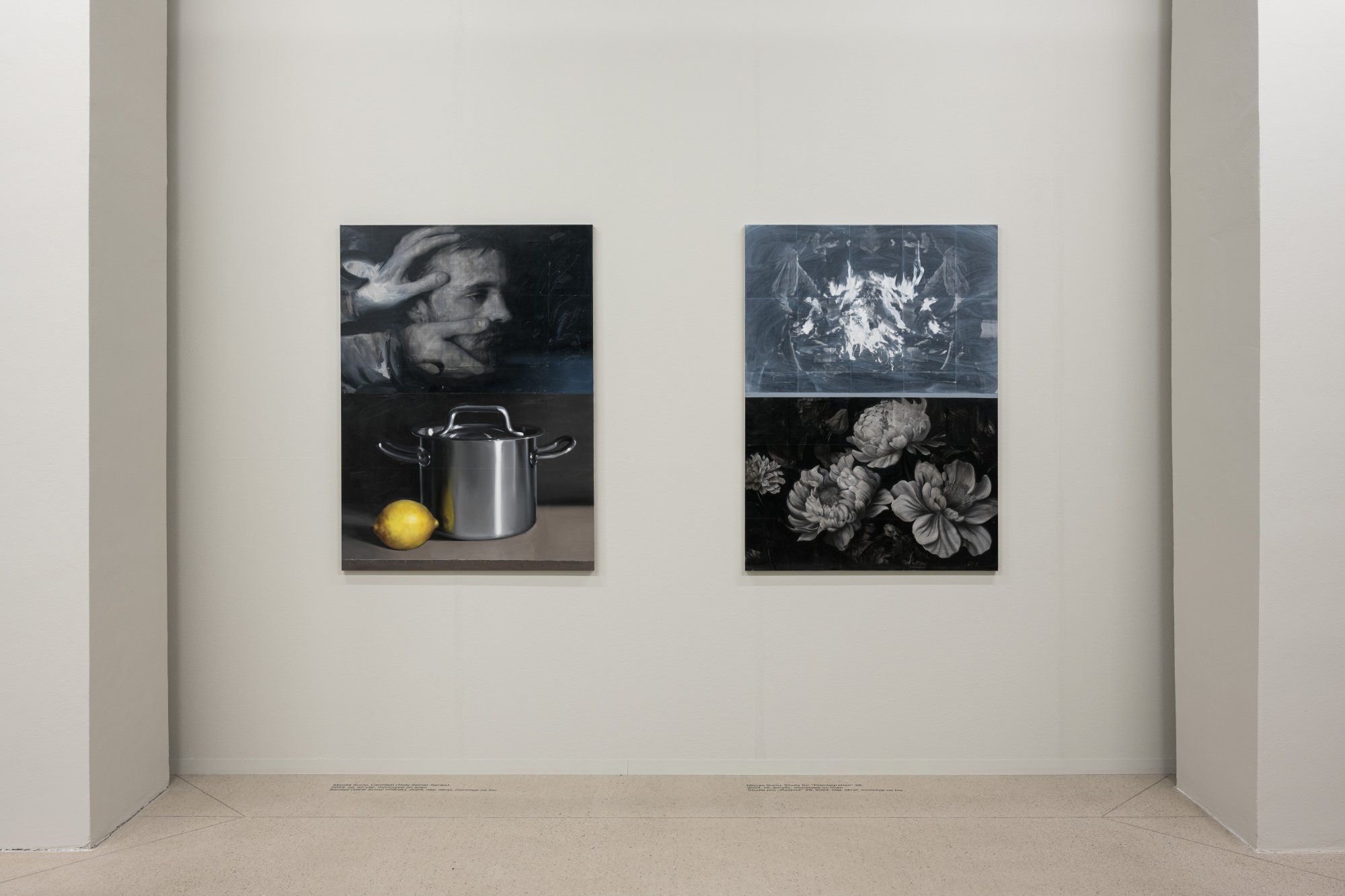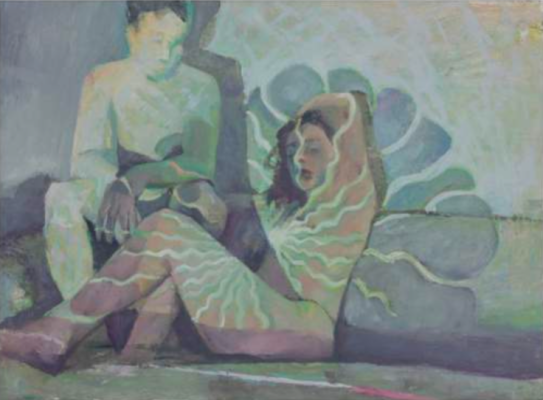
Ioana Iacob (*1987) represents a completely different and highly intimate approach within the contemporary Cluj School. She graduated from the University of Art and Design in Cluj, where she also successfully earned her doctorate. However, she does not use her masterful academic technique to depict monumental historical themes or social traumas, as is often typical of other artists of the so-called Cluj School. Instead, her work focuses on exploring the domestic, personal, and highly vulnerable microcosm. For her, painting does not function as a tool for analyzing grand ideologies, but rather for capturing the fragility of contemporary human existence, which is constantly torn between the unstoppable joy of life and the inevitable anxiety of its end.
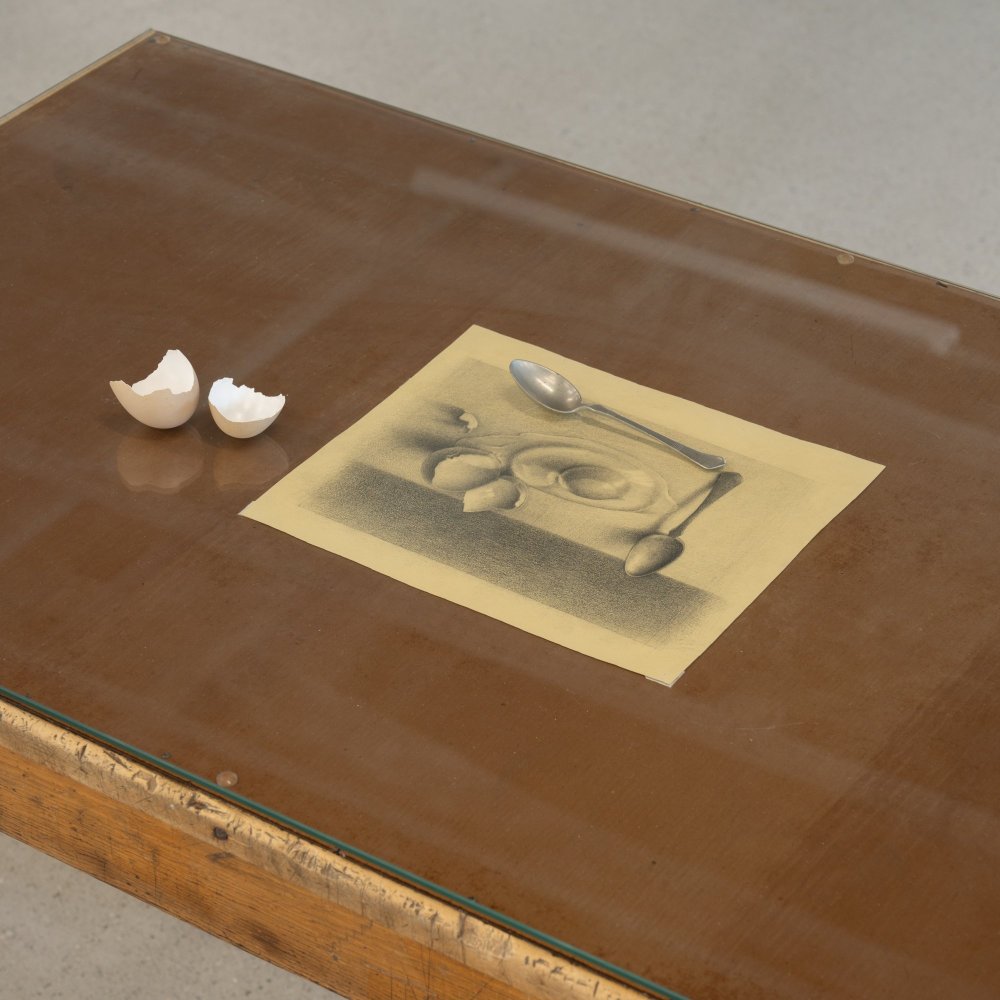
Her visual expression is fundamentally shaped by the revitalization and redefinition of classical painting genres, particularly still life. Everyday objects, such as toilet paper, underwear, or various intimate feminine accessories, unexpectedly encounter Baroque chiaroscuro and a muted, dreamlike palette on the canvases. This contrast lends the works a distinct cinematic quality, as if the viewer were watching a scene frozen in slow motion. Ordinary and often deliberately provocative or erotic motifs thus acquire a sense of peculiar melancholy and a nostalgic longing for truth. The paintings function as a deep insight into hidden emotional states, where even the most banal scene from a bedroom or bathroom takes on enormous symbolic power.
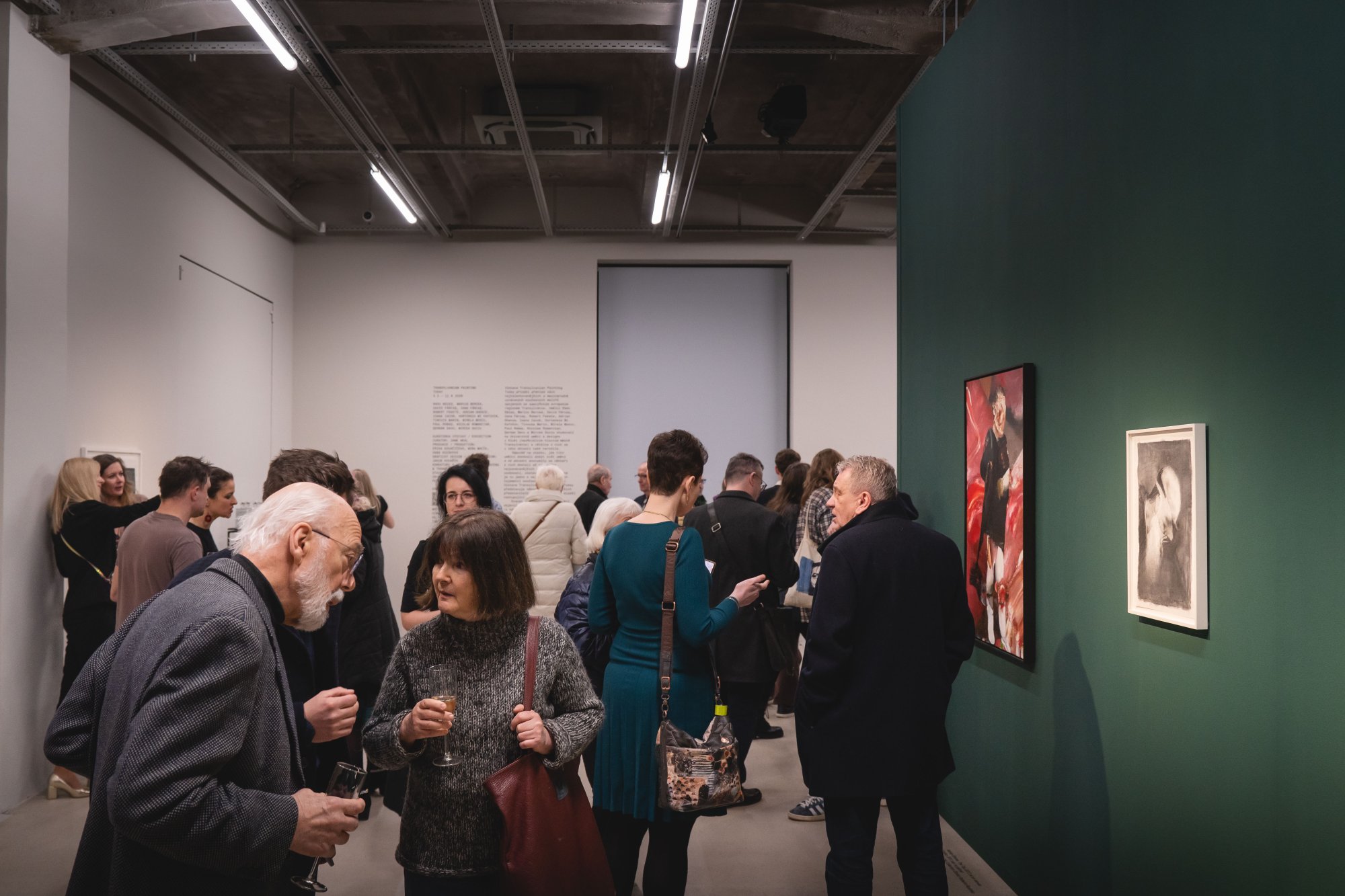
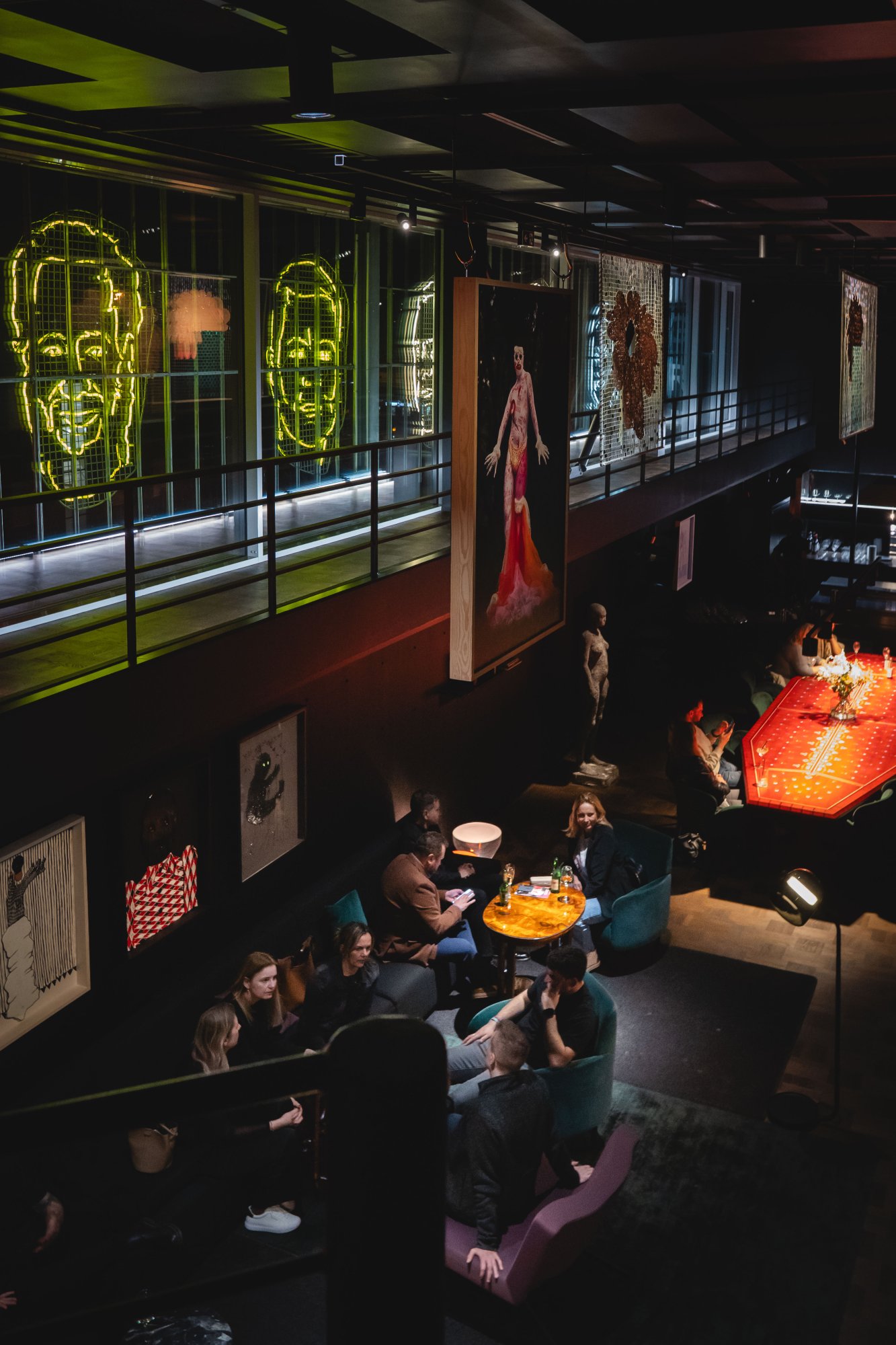
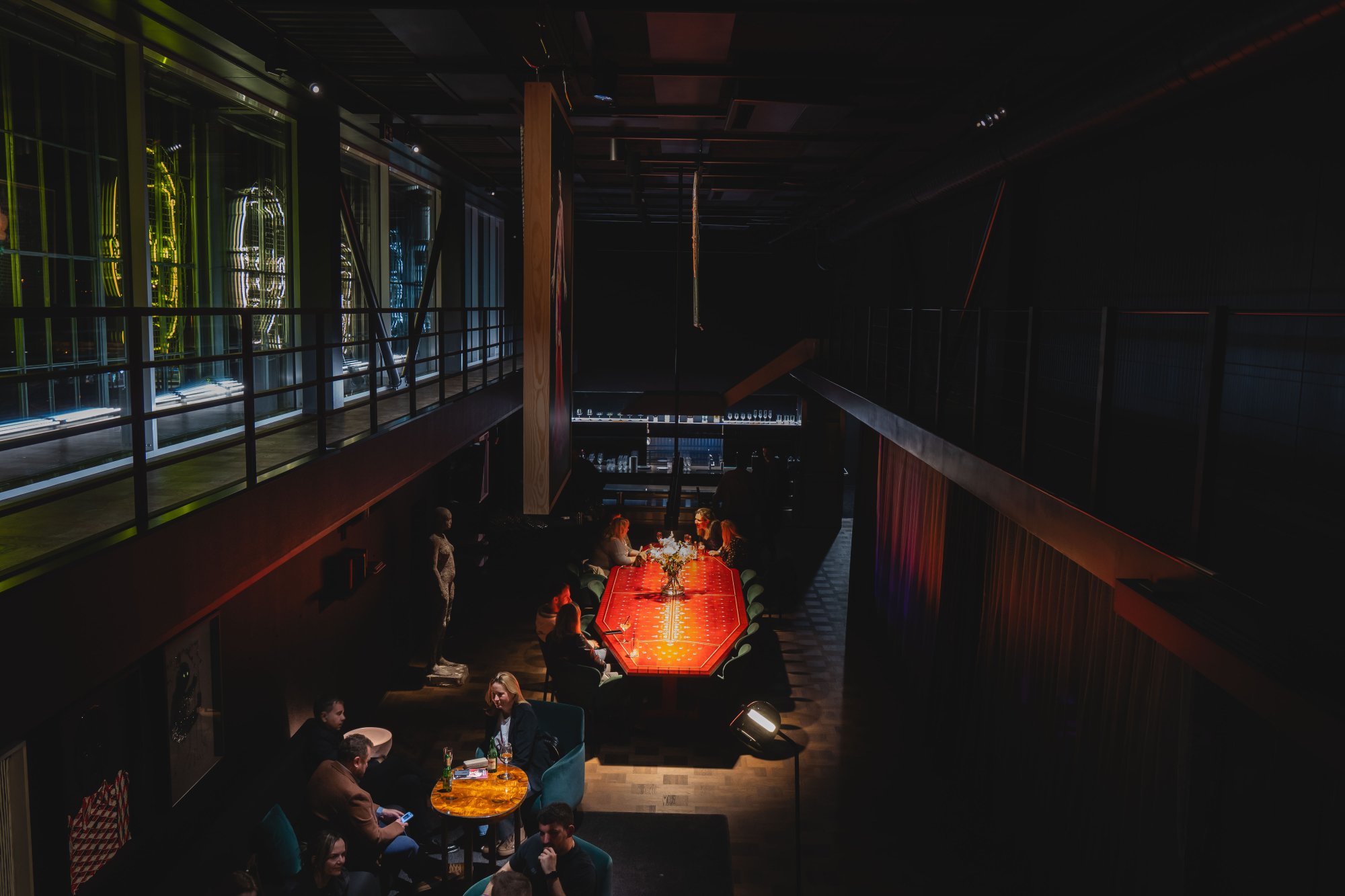
The artist’s conceptual and technical evolution can be seamlessly traced throughout her prolific exhibition career. Even early projects such as Do not dispose after use or Still Life demonstrated her ability to transform everyday objects into carriers of contemporary allegory. Her international reach was confirmed by her participation in the London exhibitions Stolen Moments, Vivid Dreams, and projects at the renowned Martin Kudlek Gallery. The definitive confirmation of her creative maturation was the extensive solo exhibition Bloom and Doom at the Cluj Art Museum, which explored the tension between beauty and inevitable decay. Ioana Iacob’s inclusion in the exhibition Transylvanian Painting Today at the Telegraph Gallery enriches the dialogue on Cluj painting with an essential female perspective and delicate sensuality. Her canvases invite the viewer to reflect on how many layers of emotion lie hidden behind the facade of ordinary everyday objects.