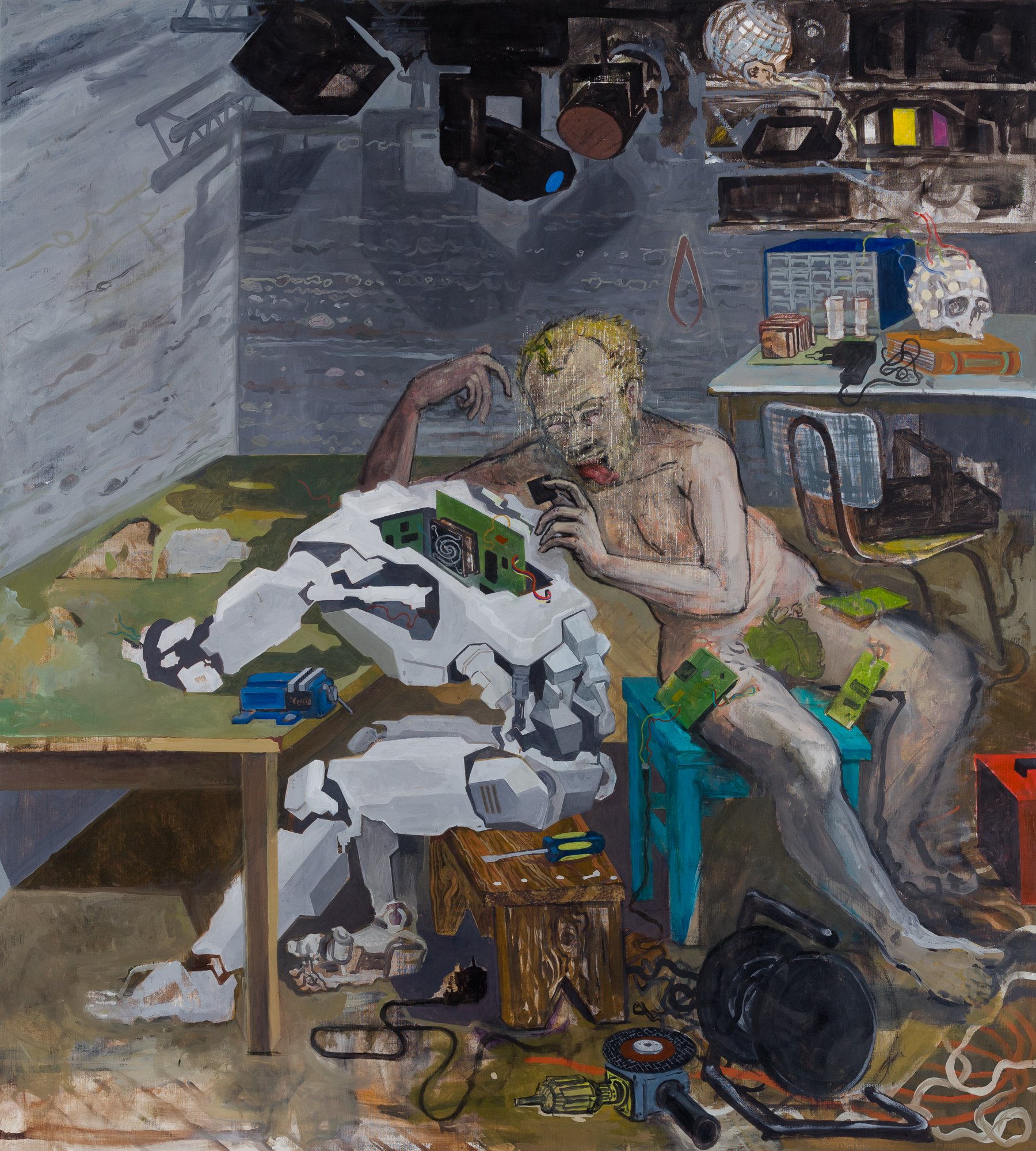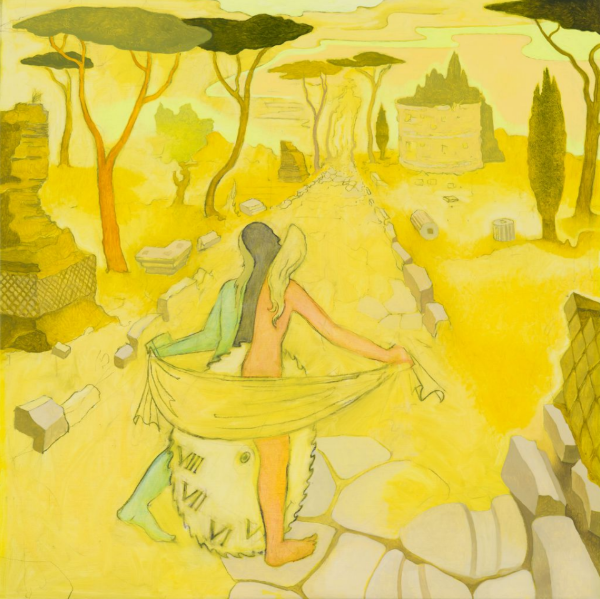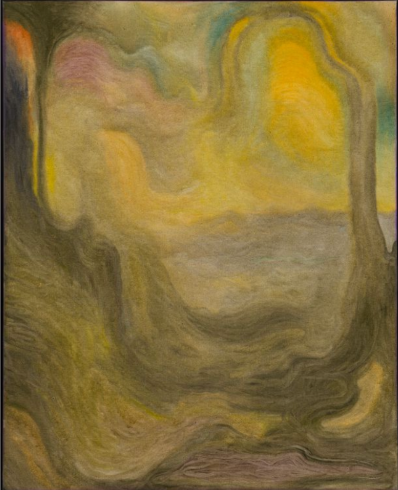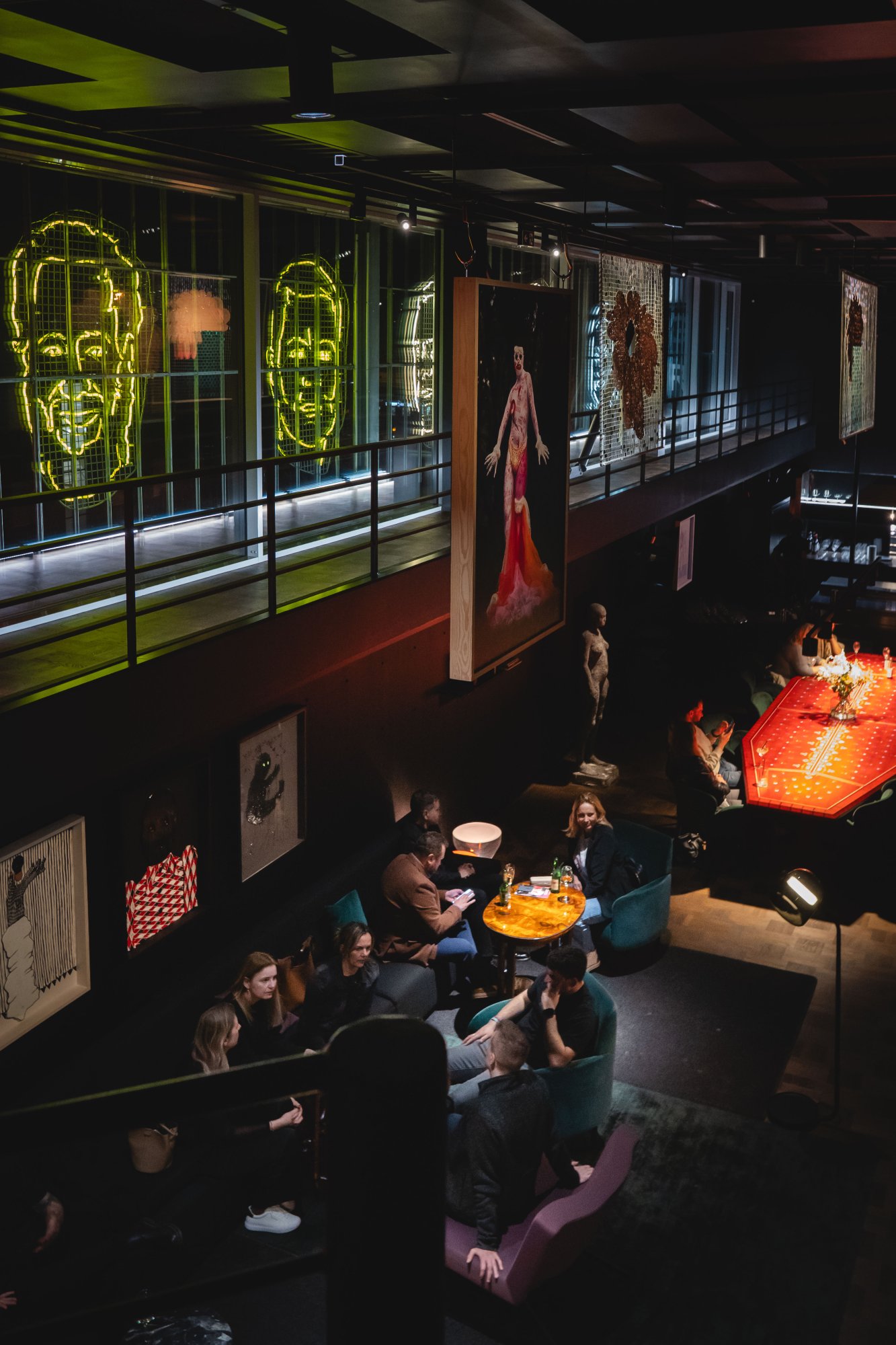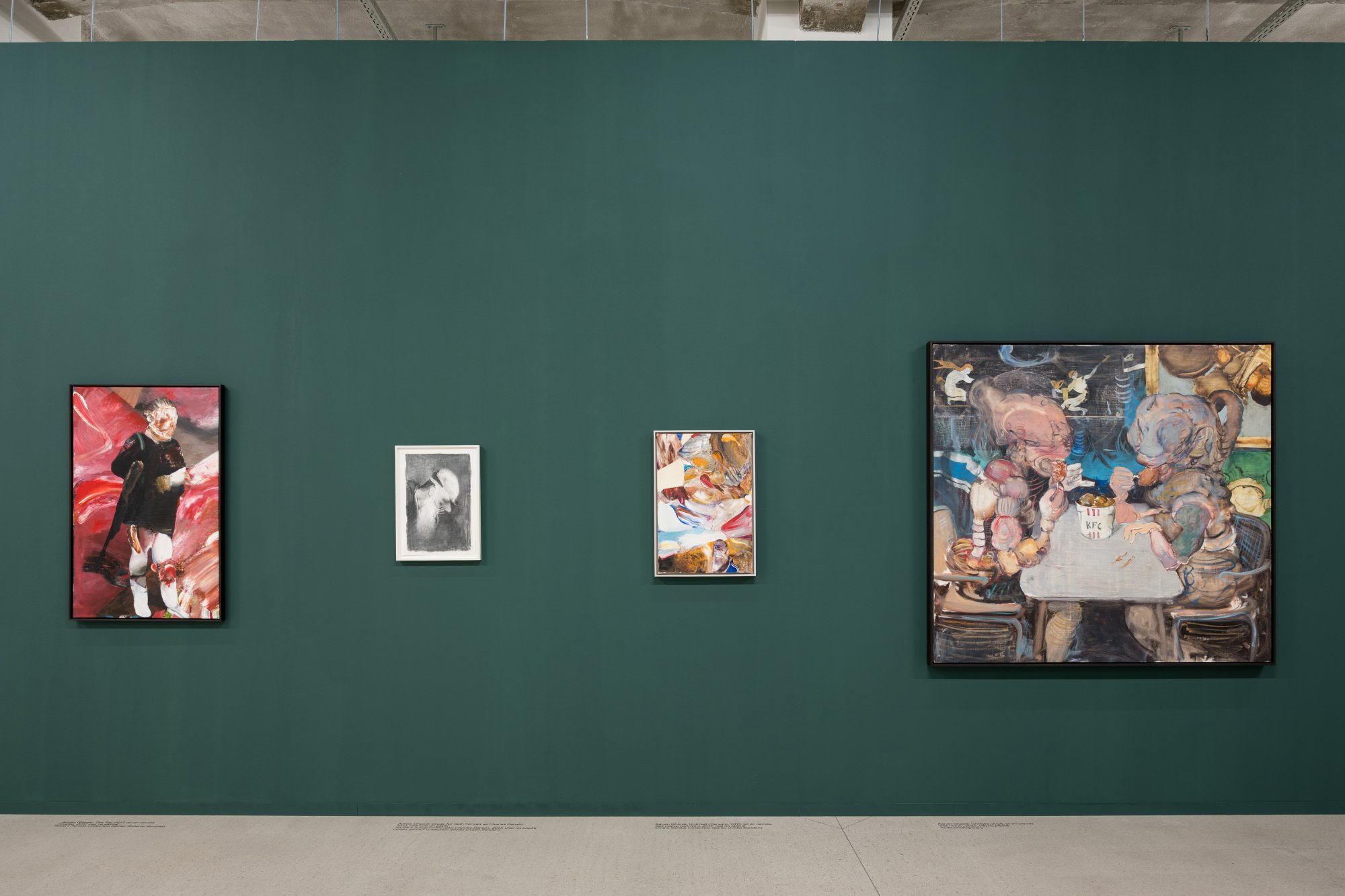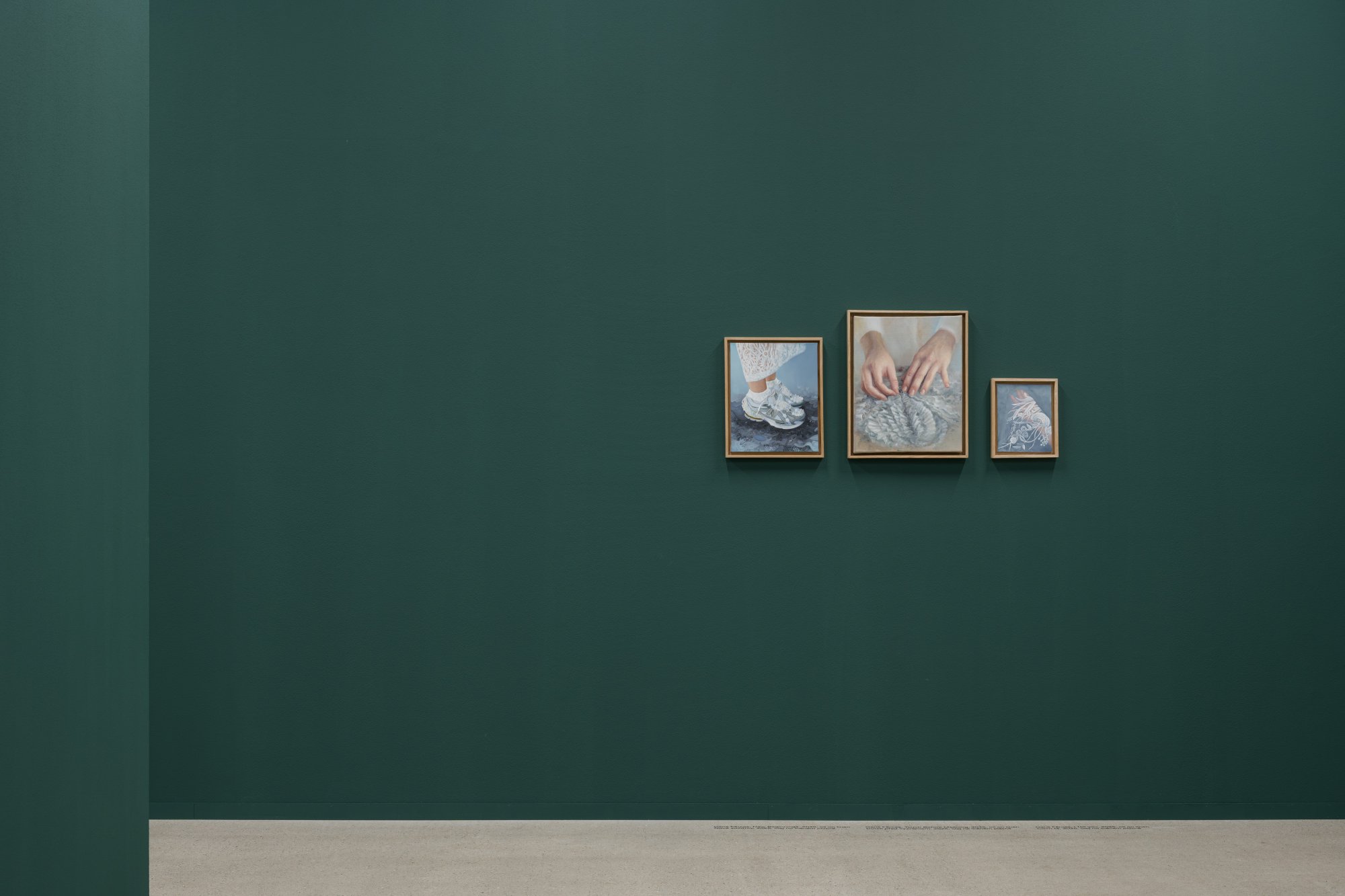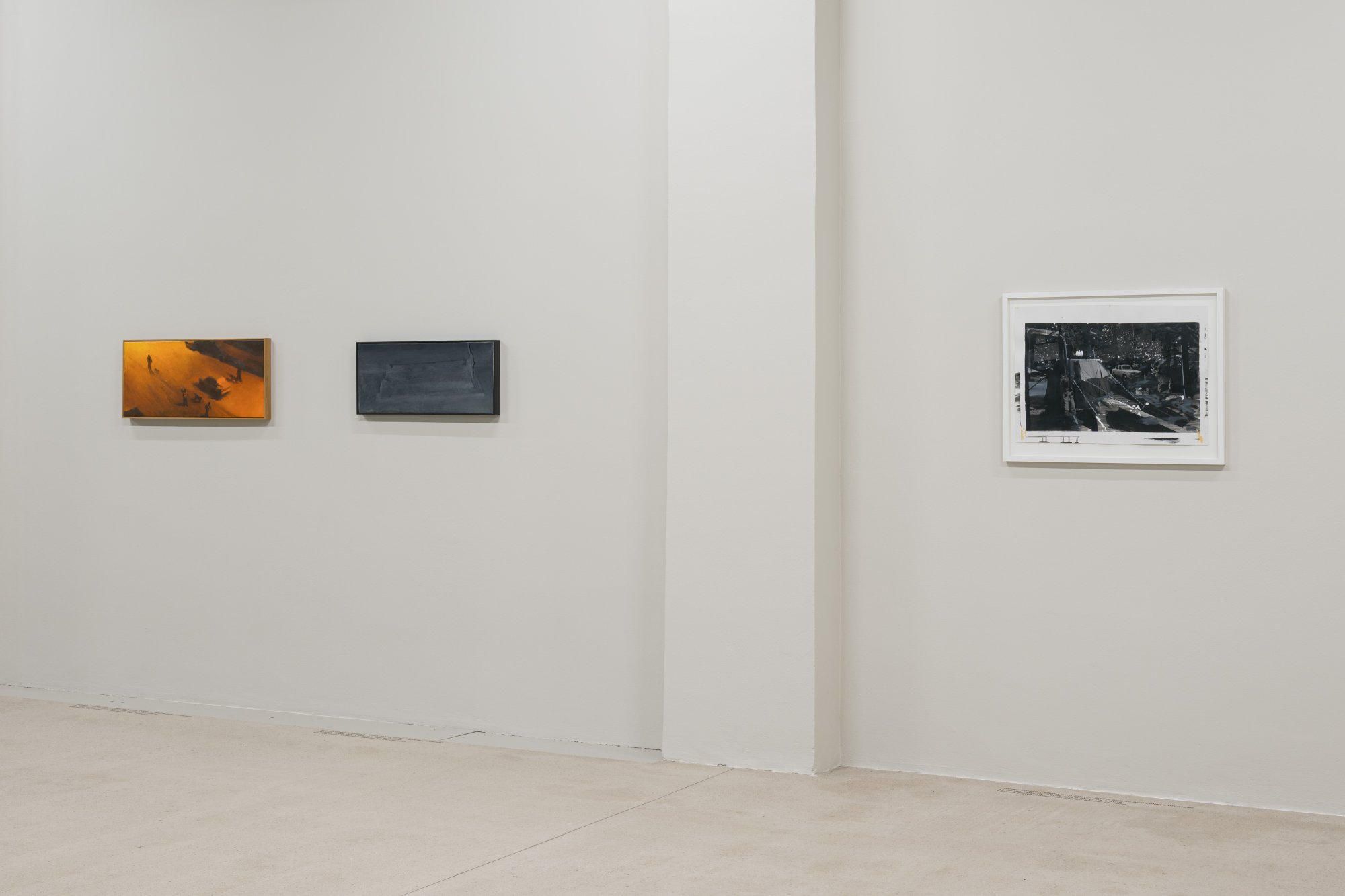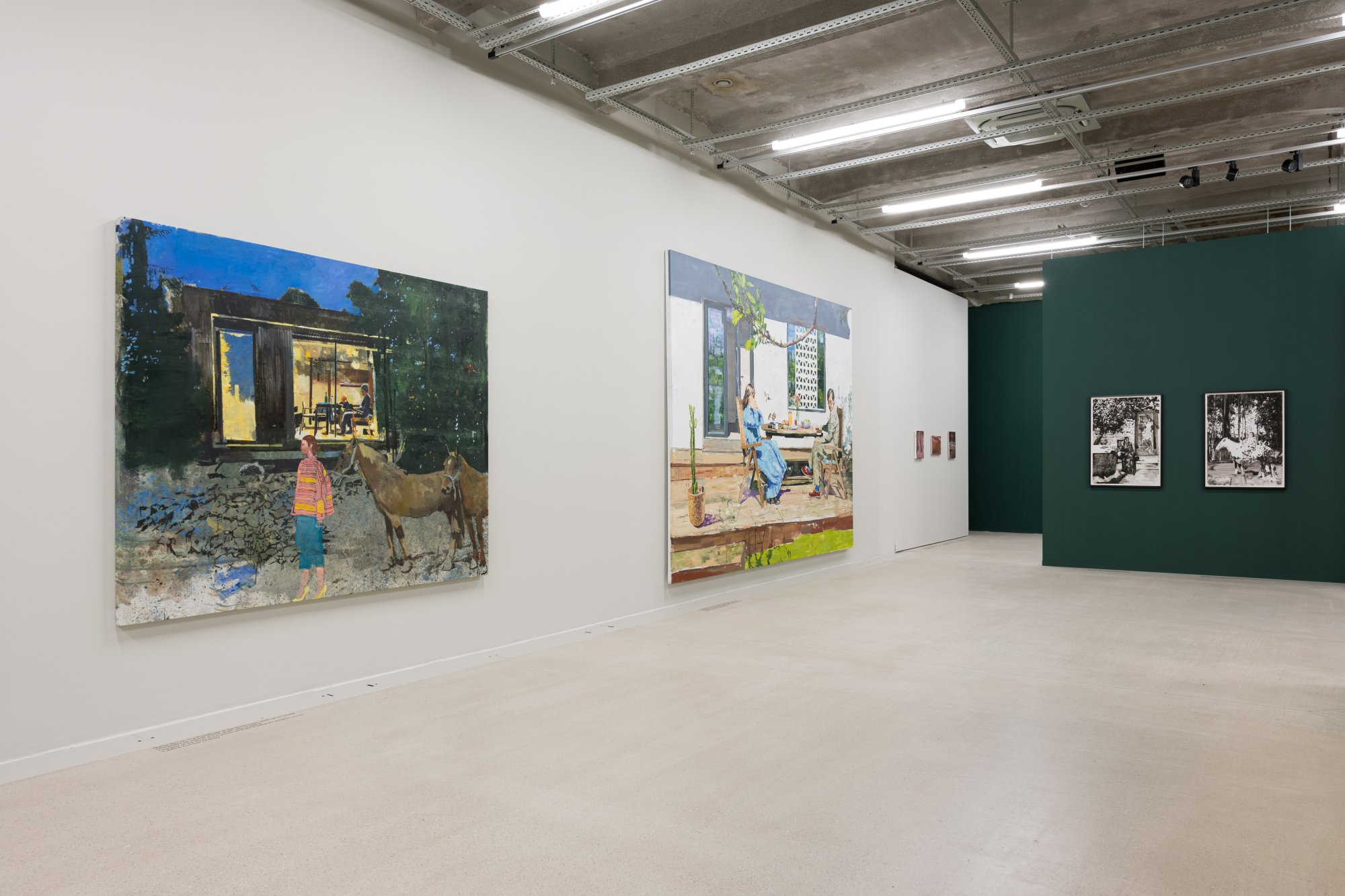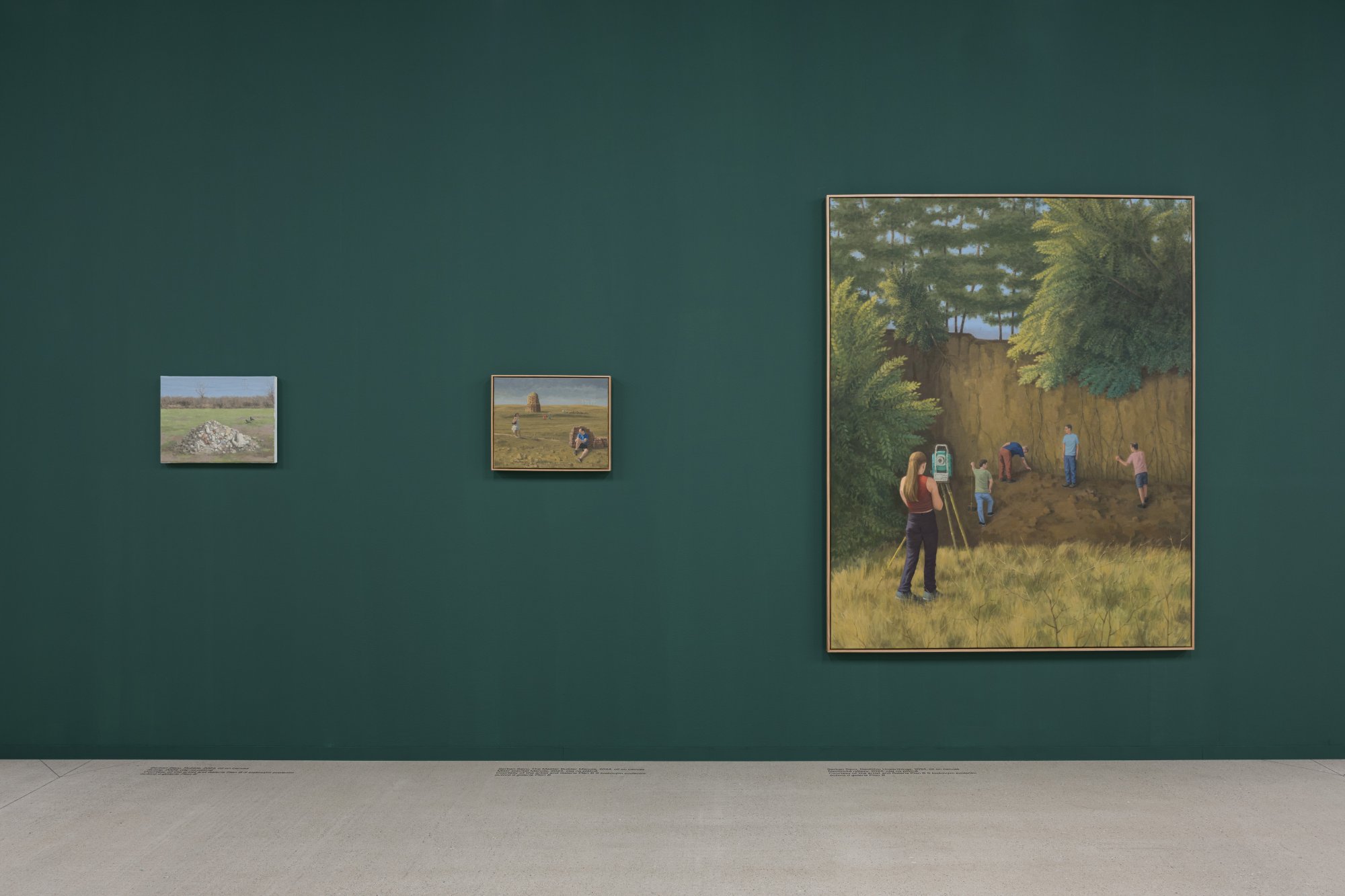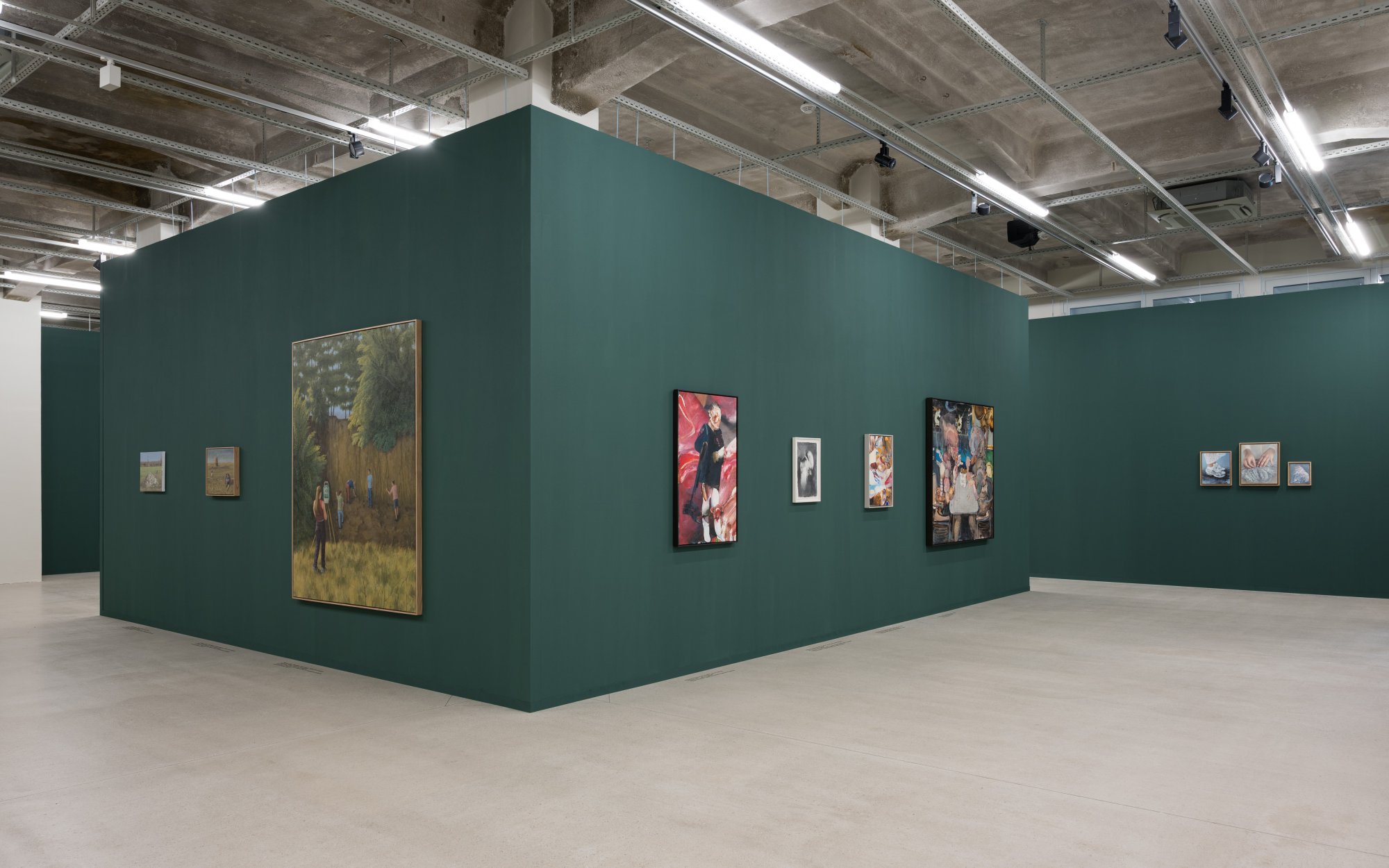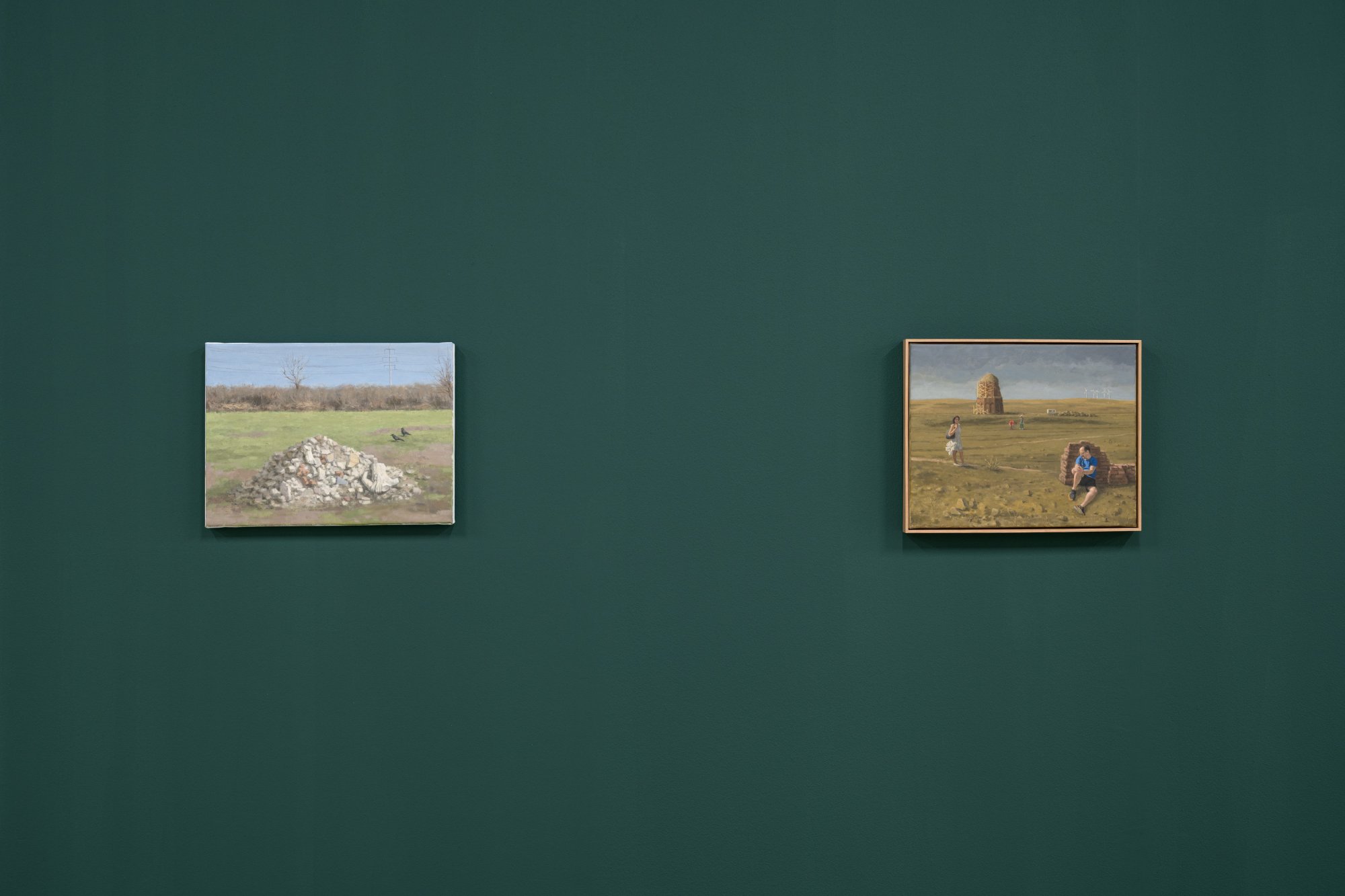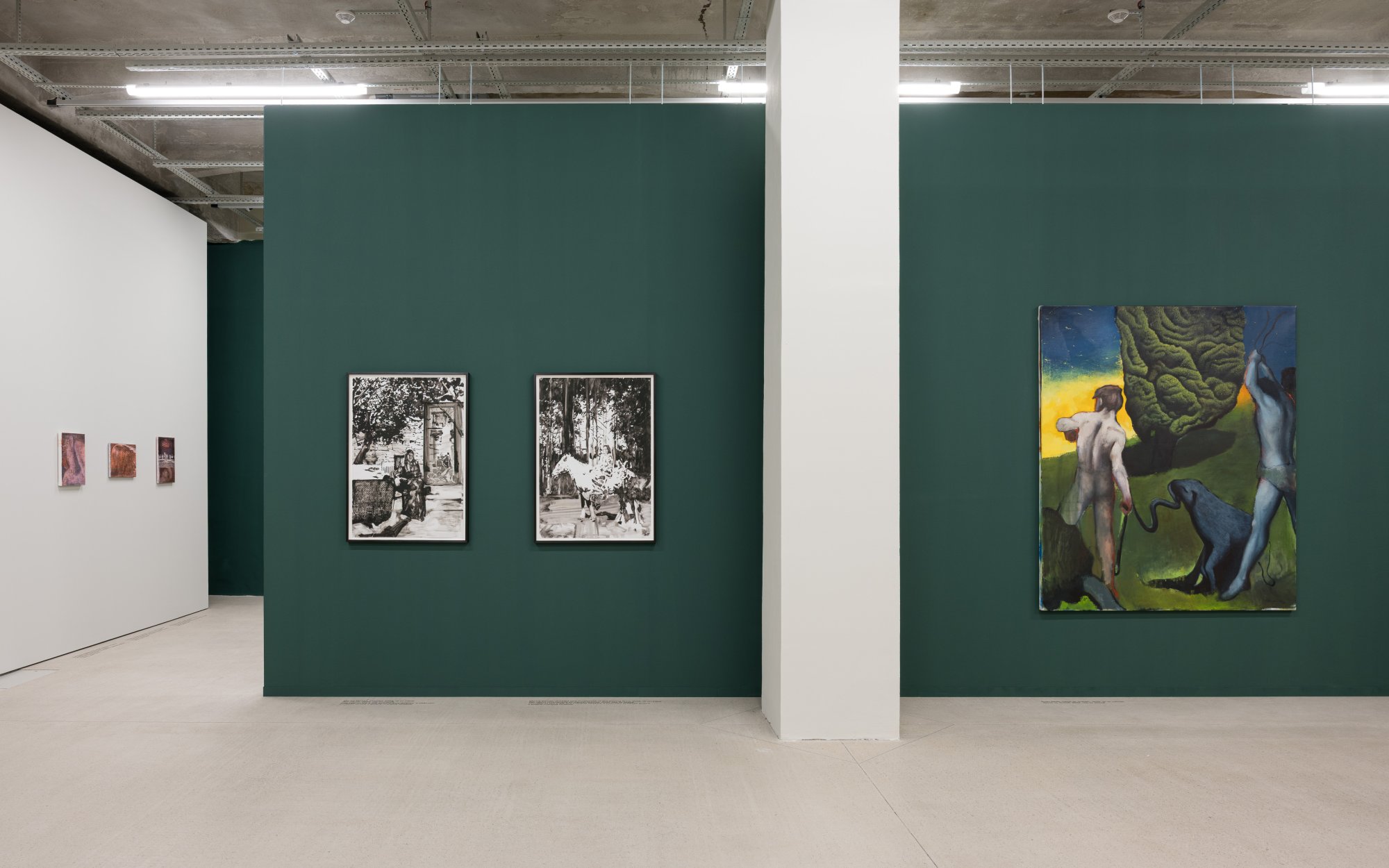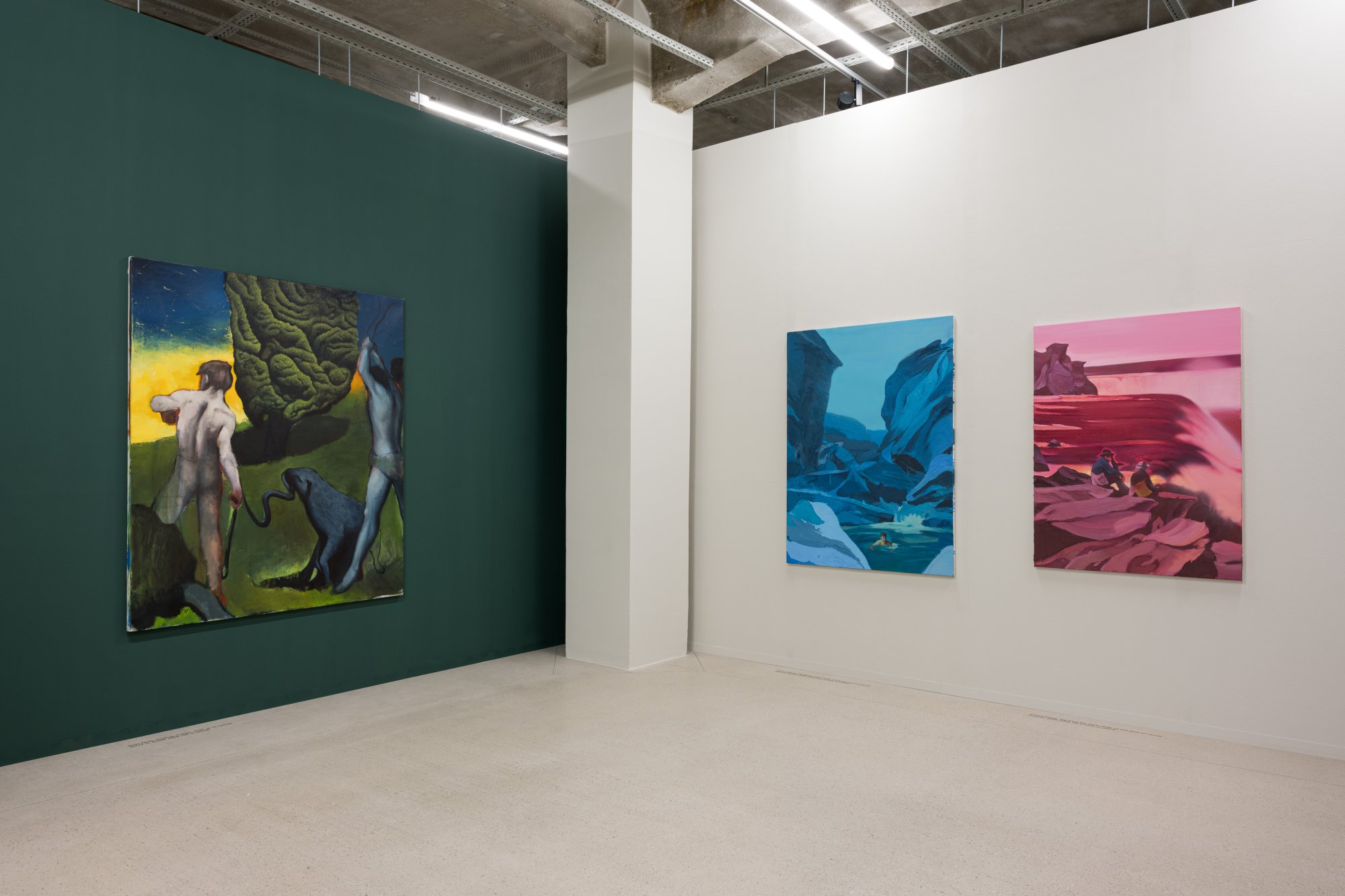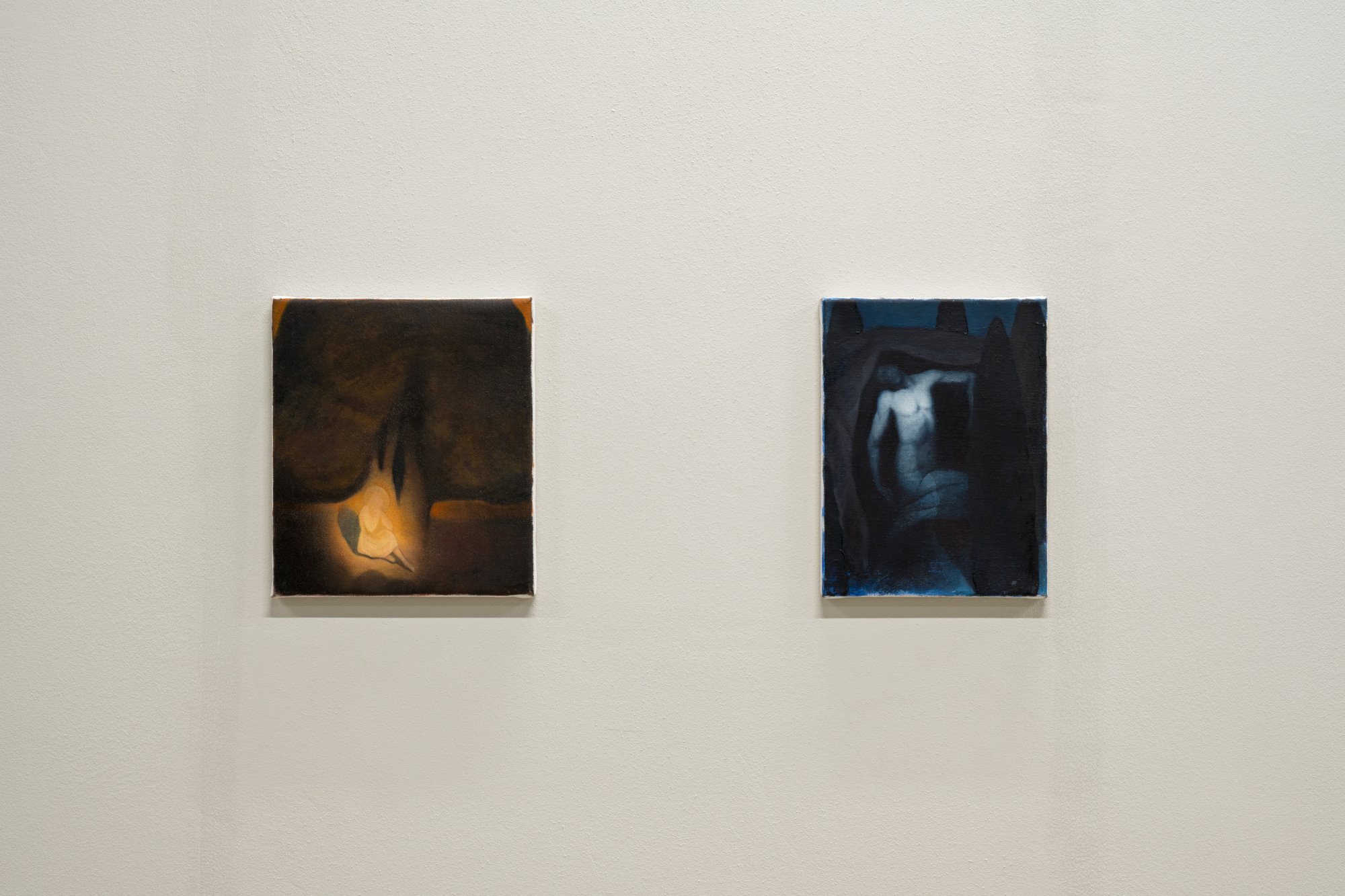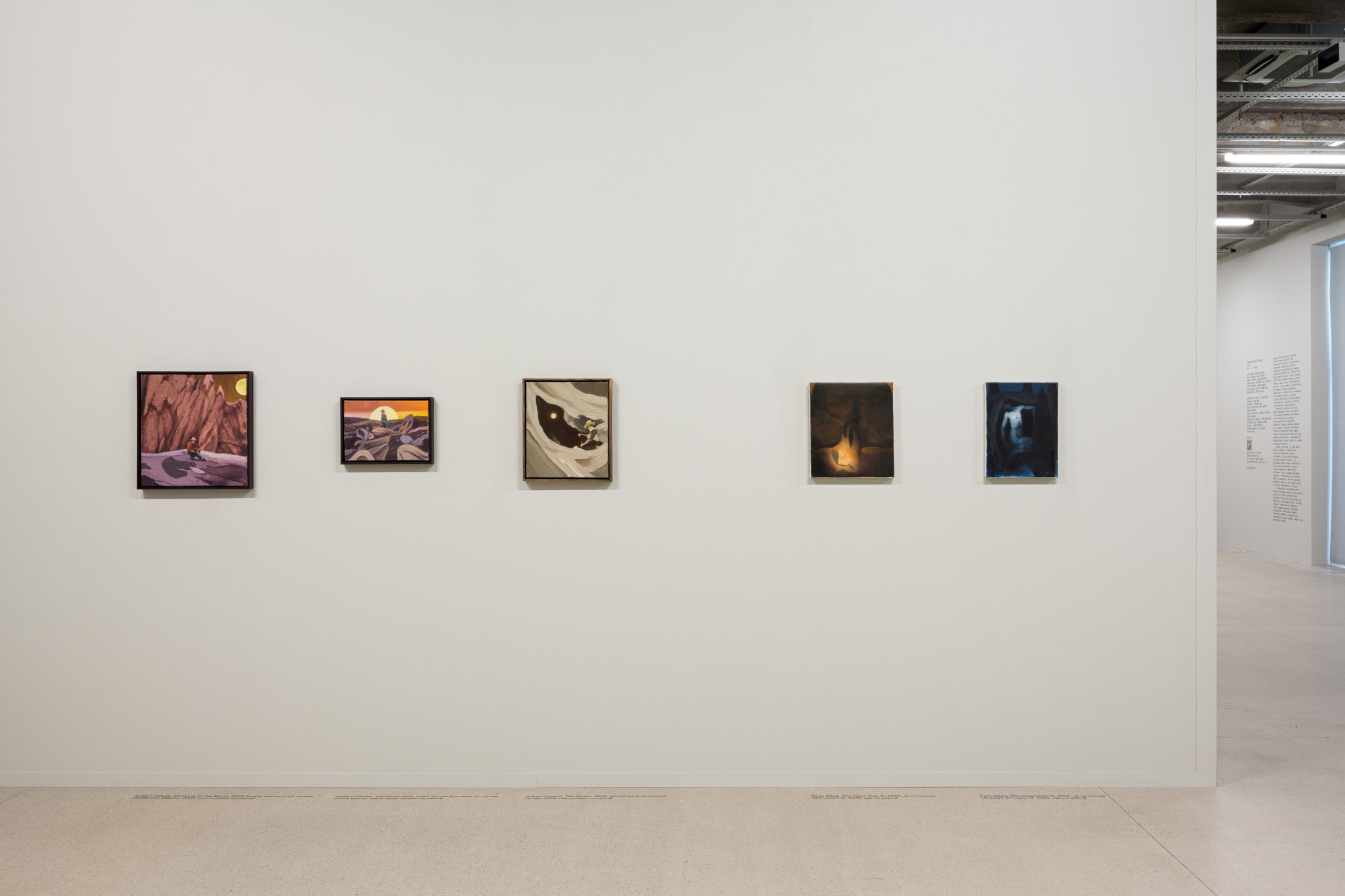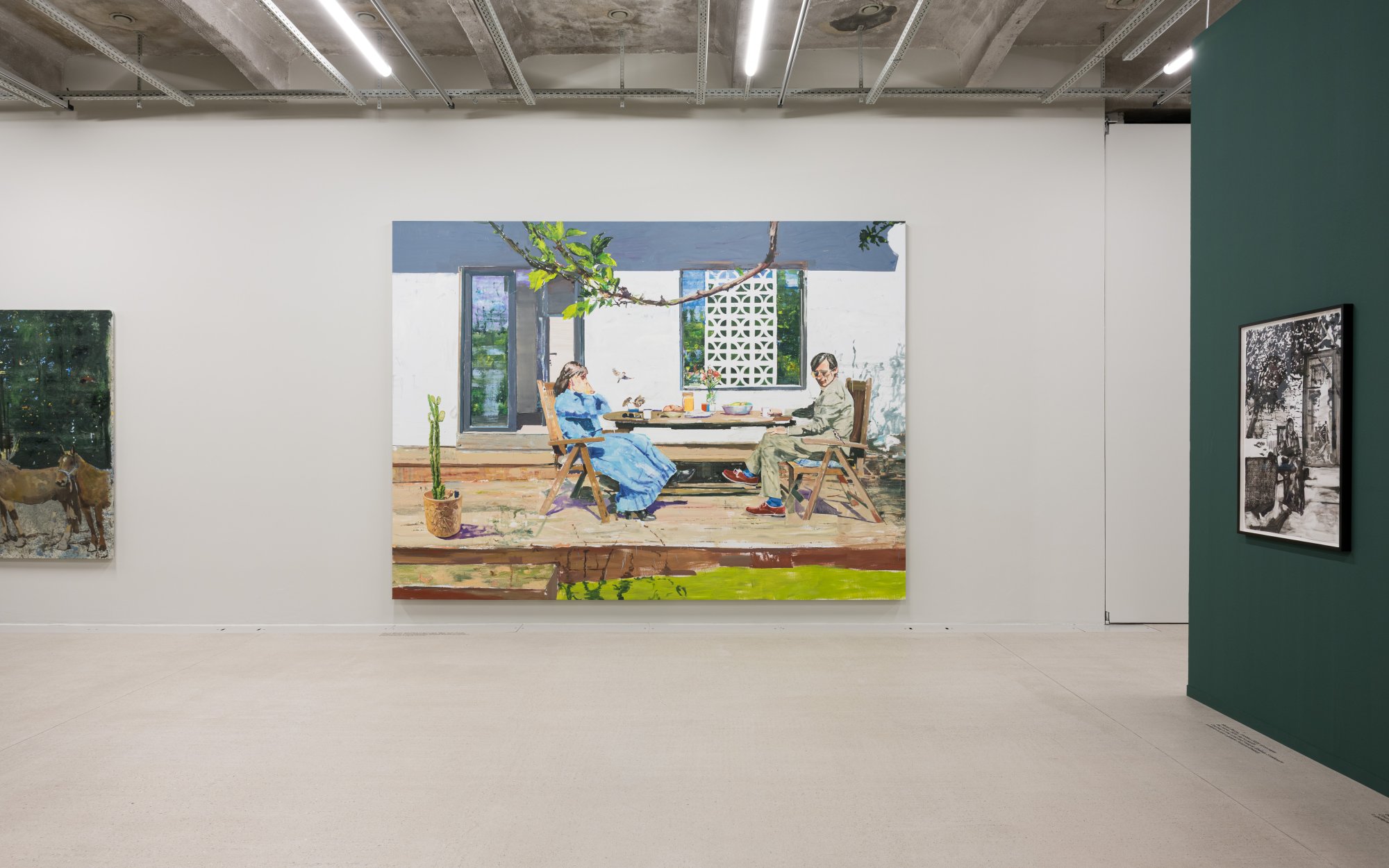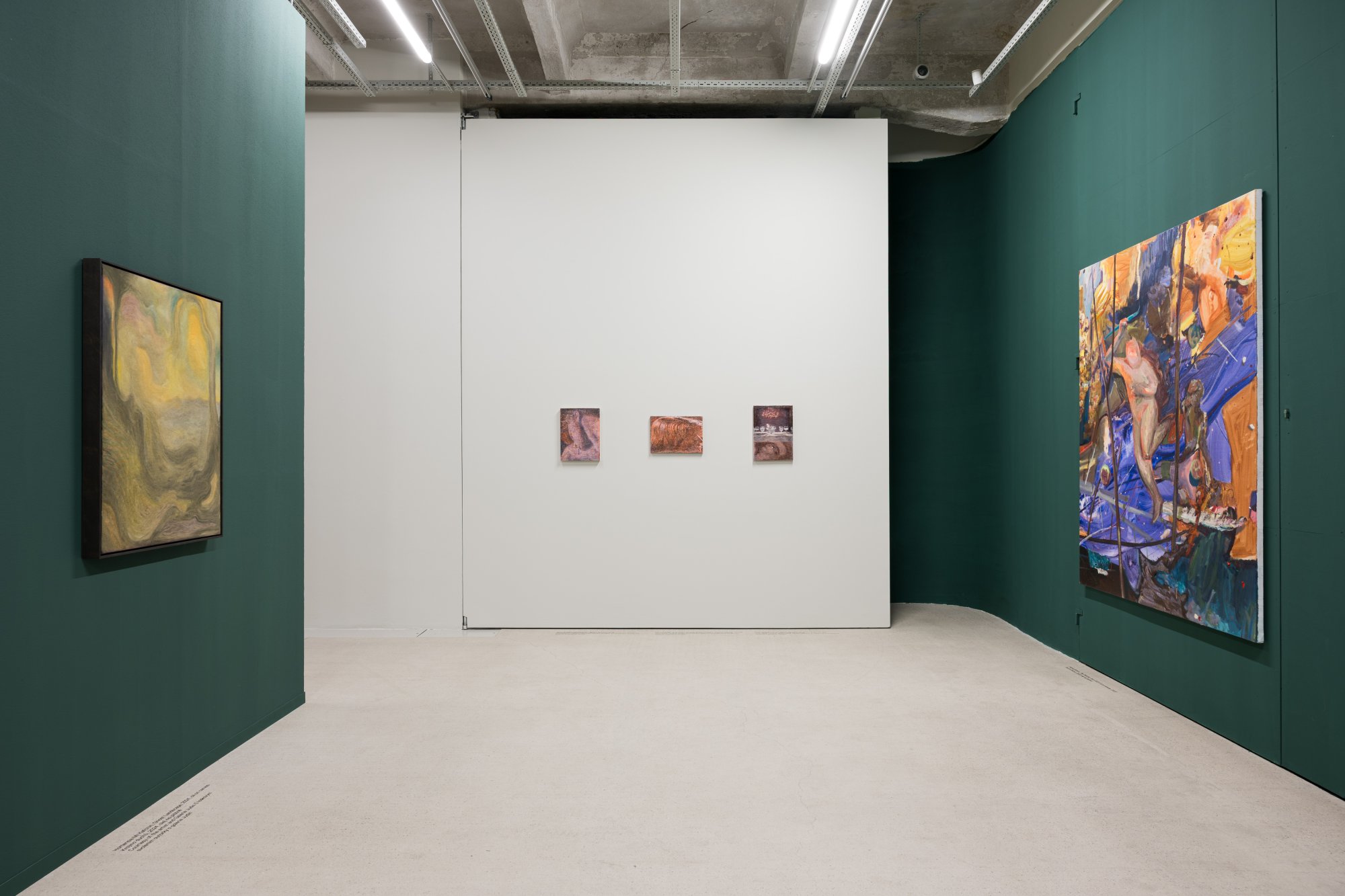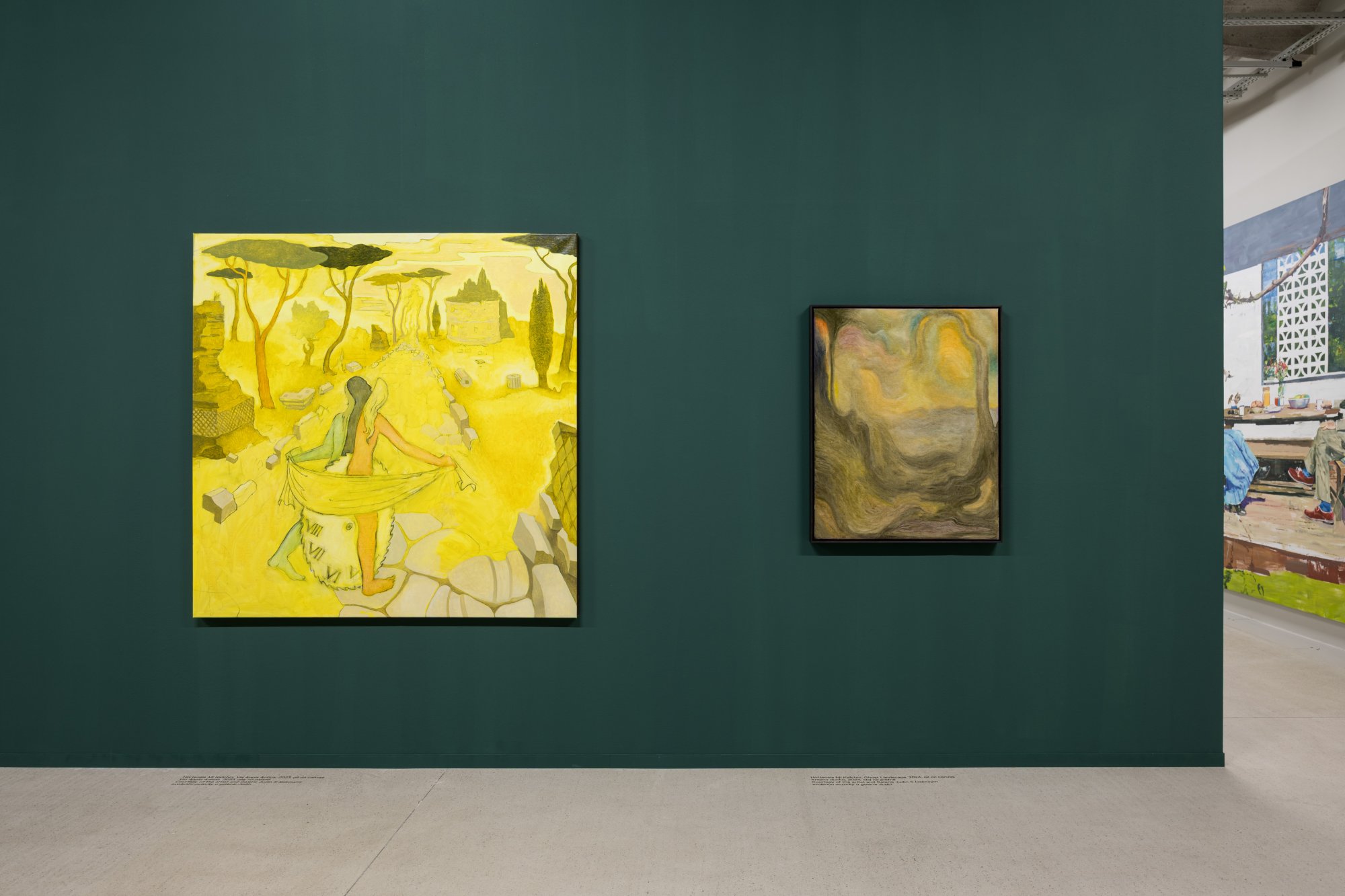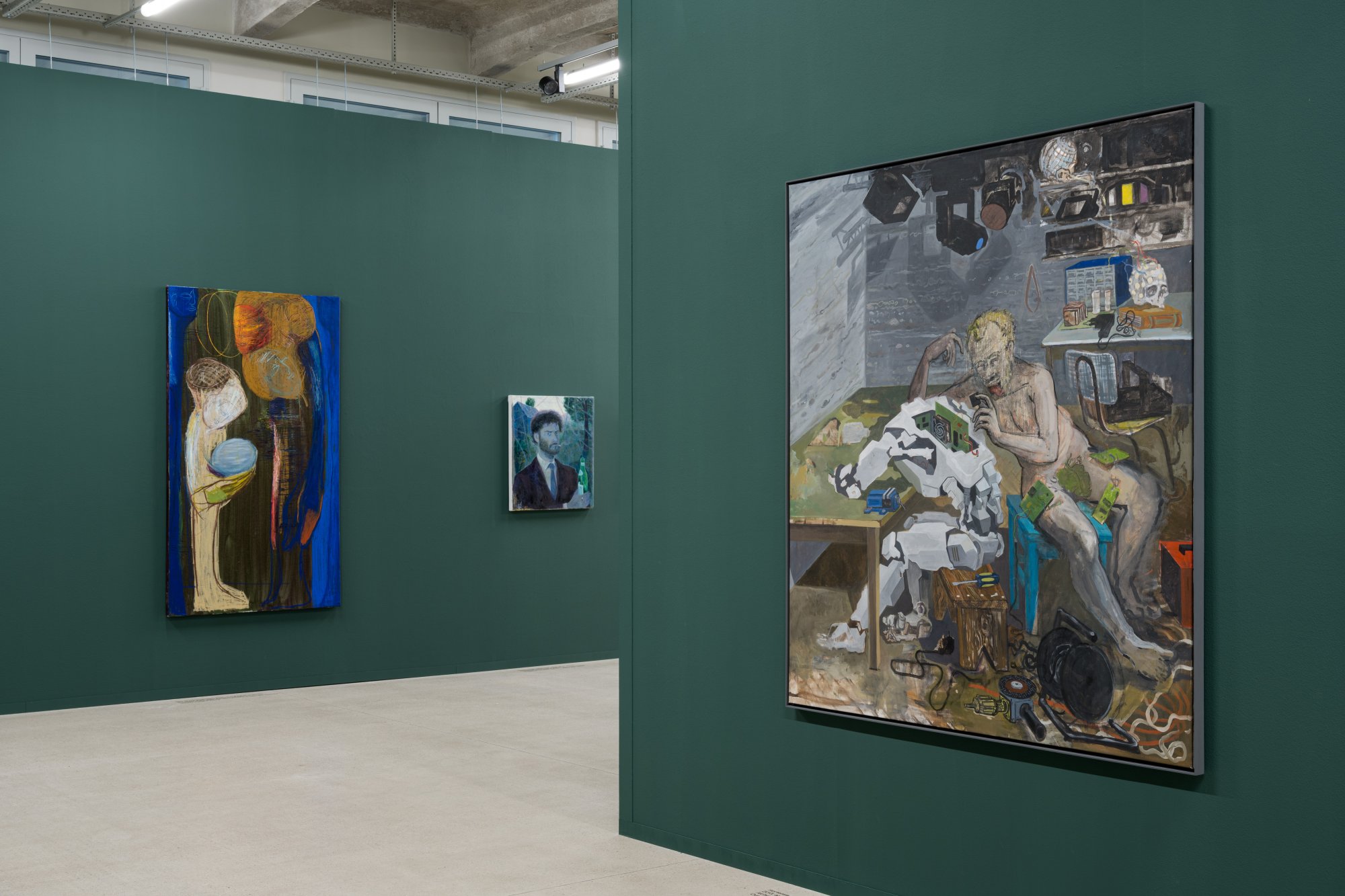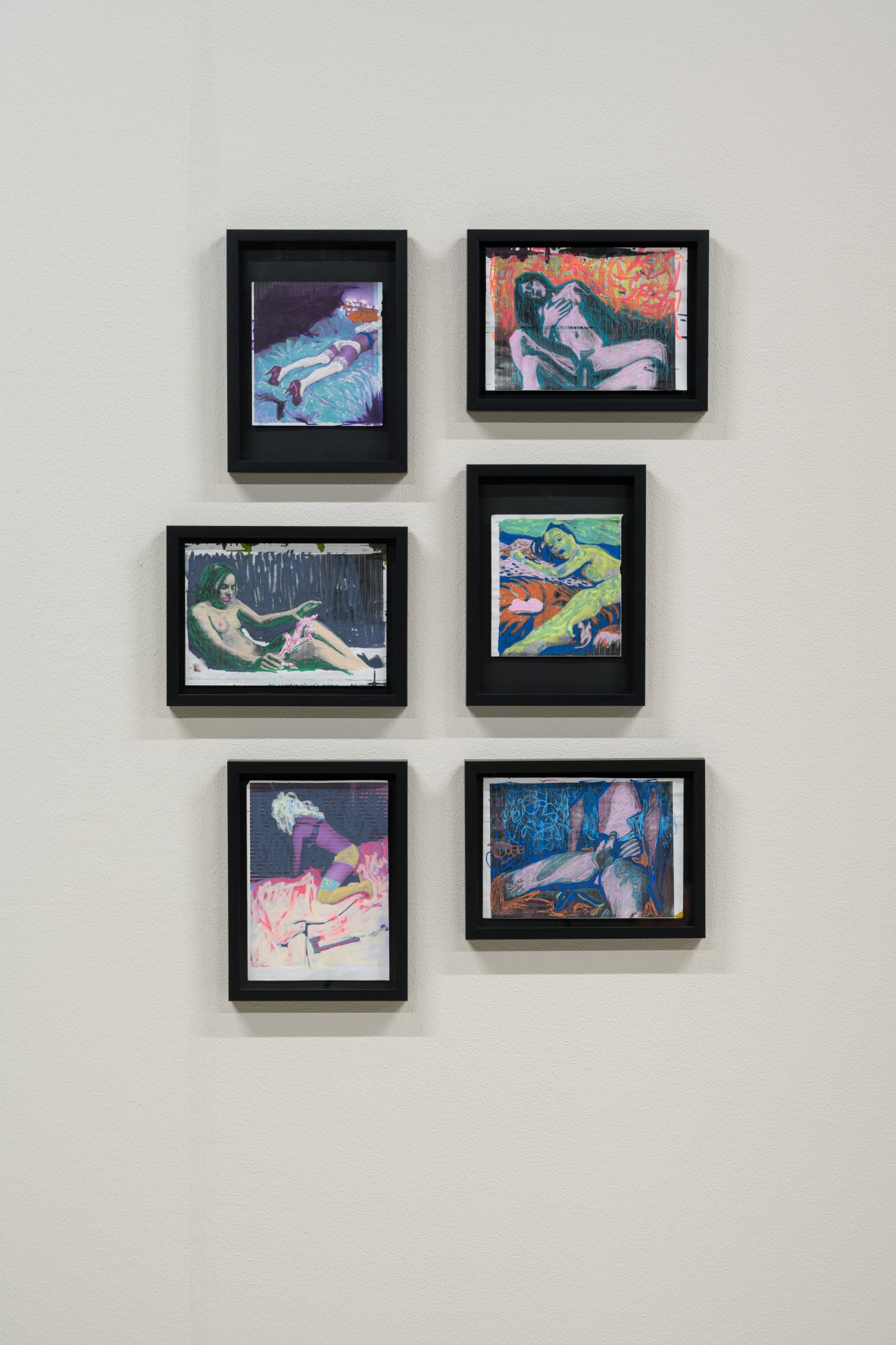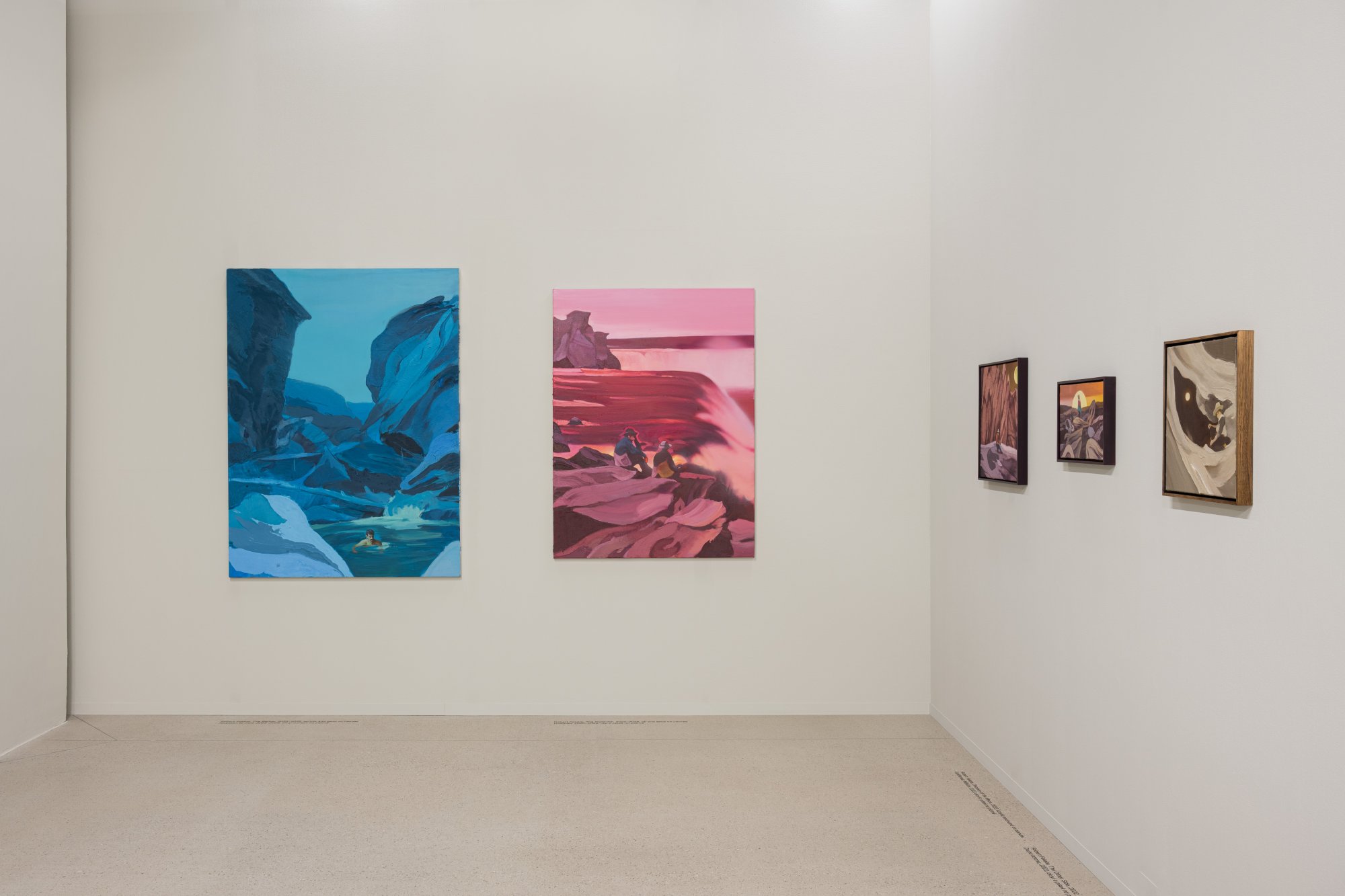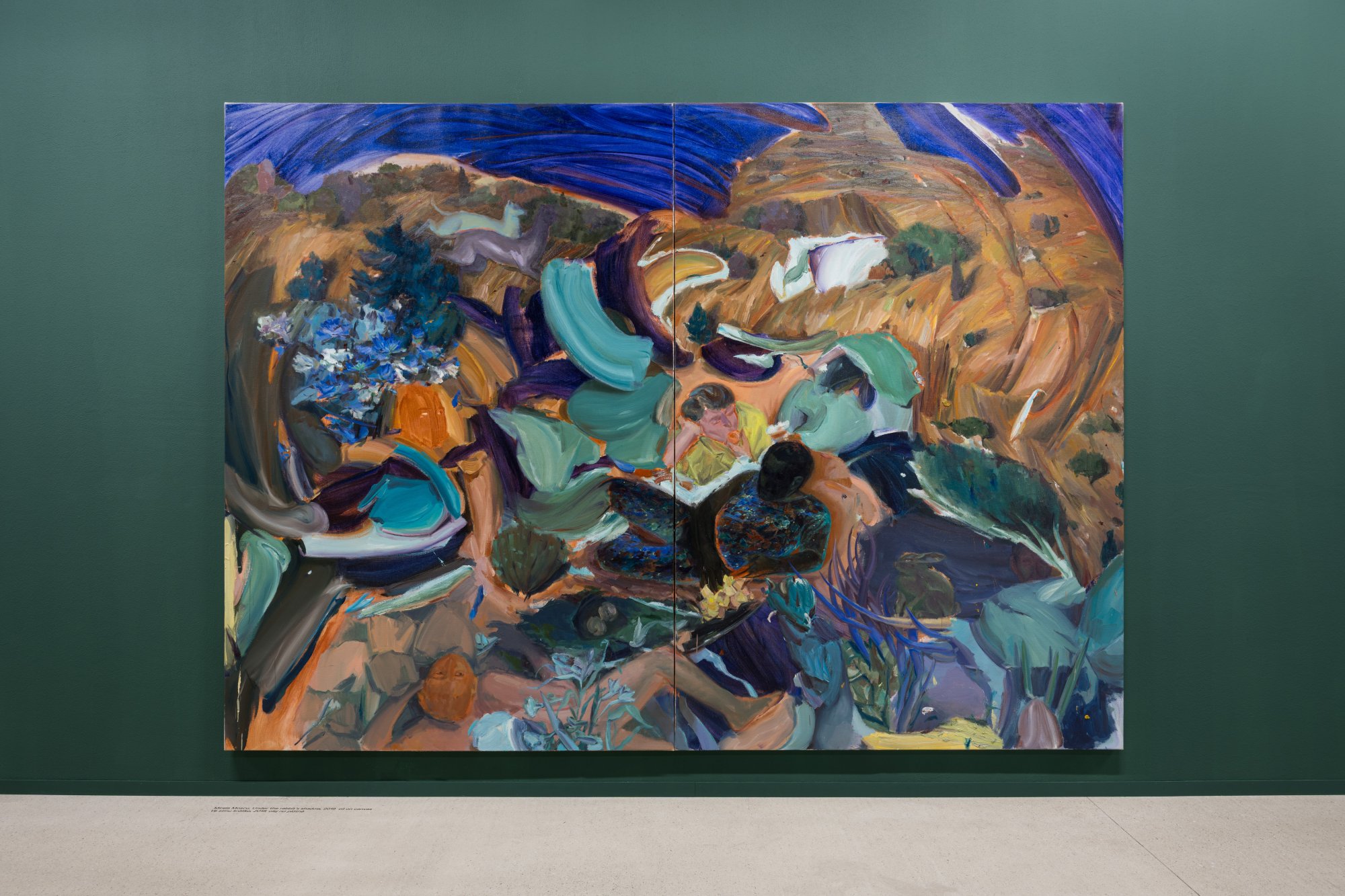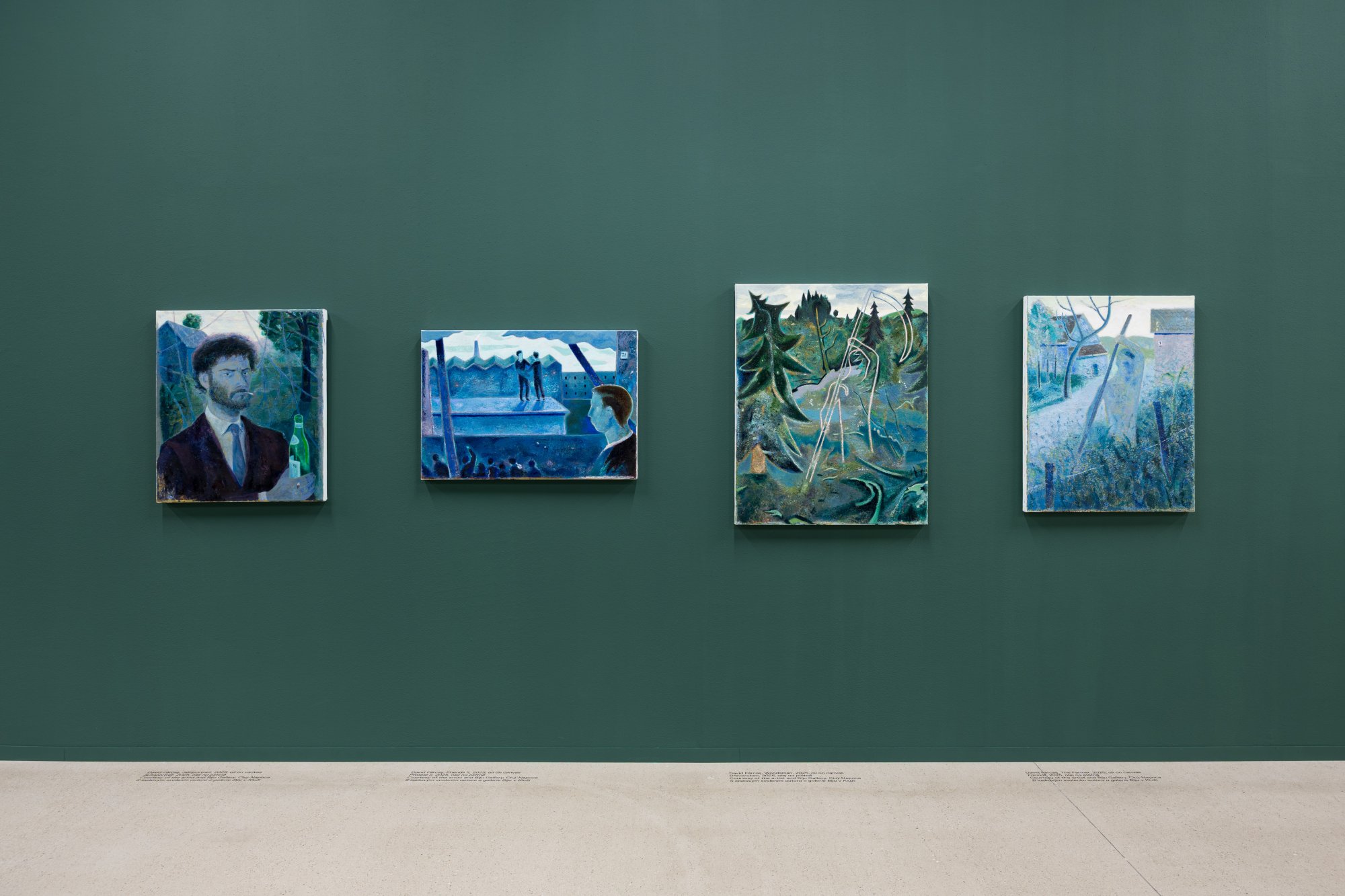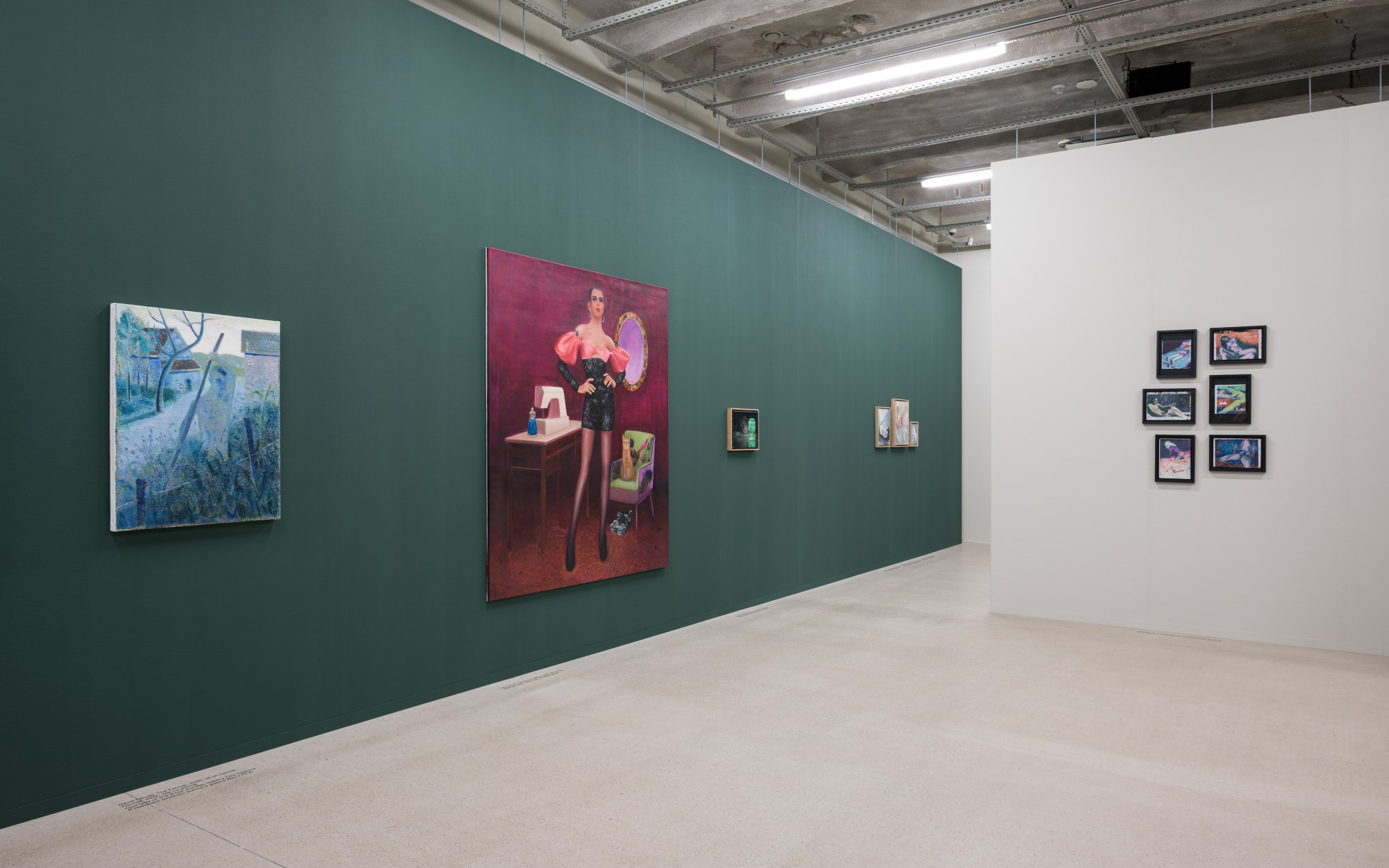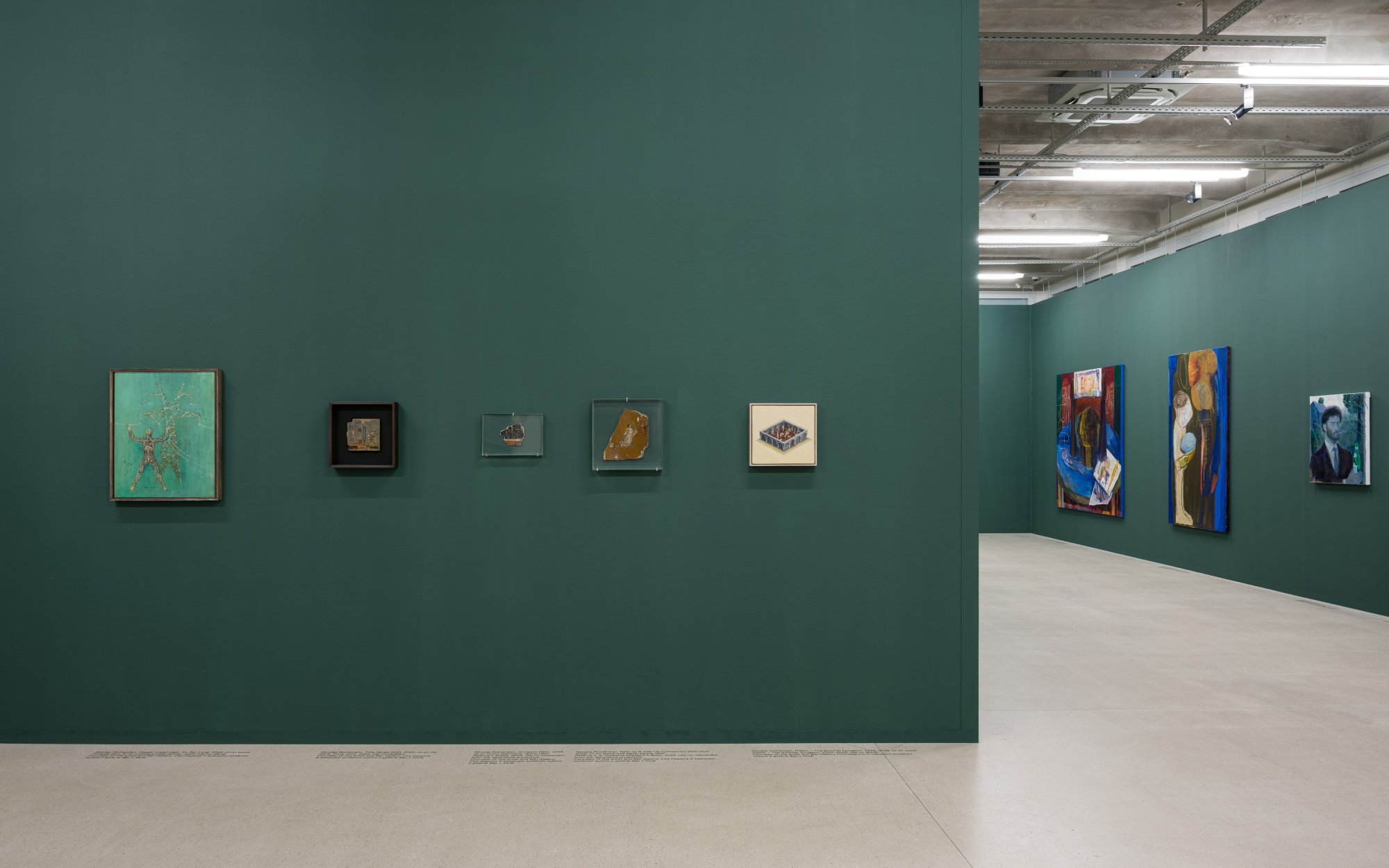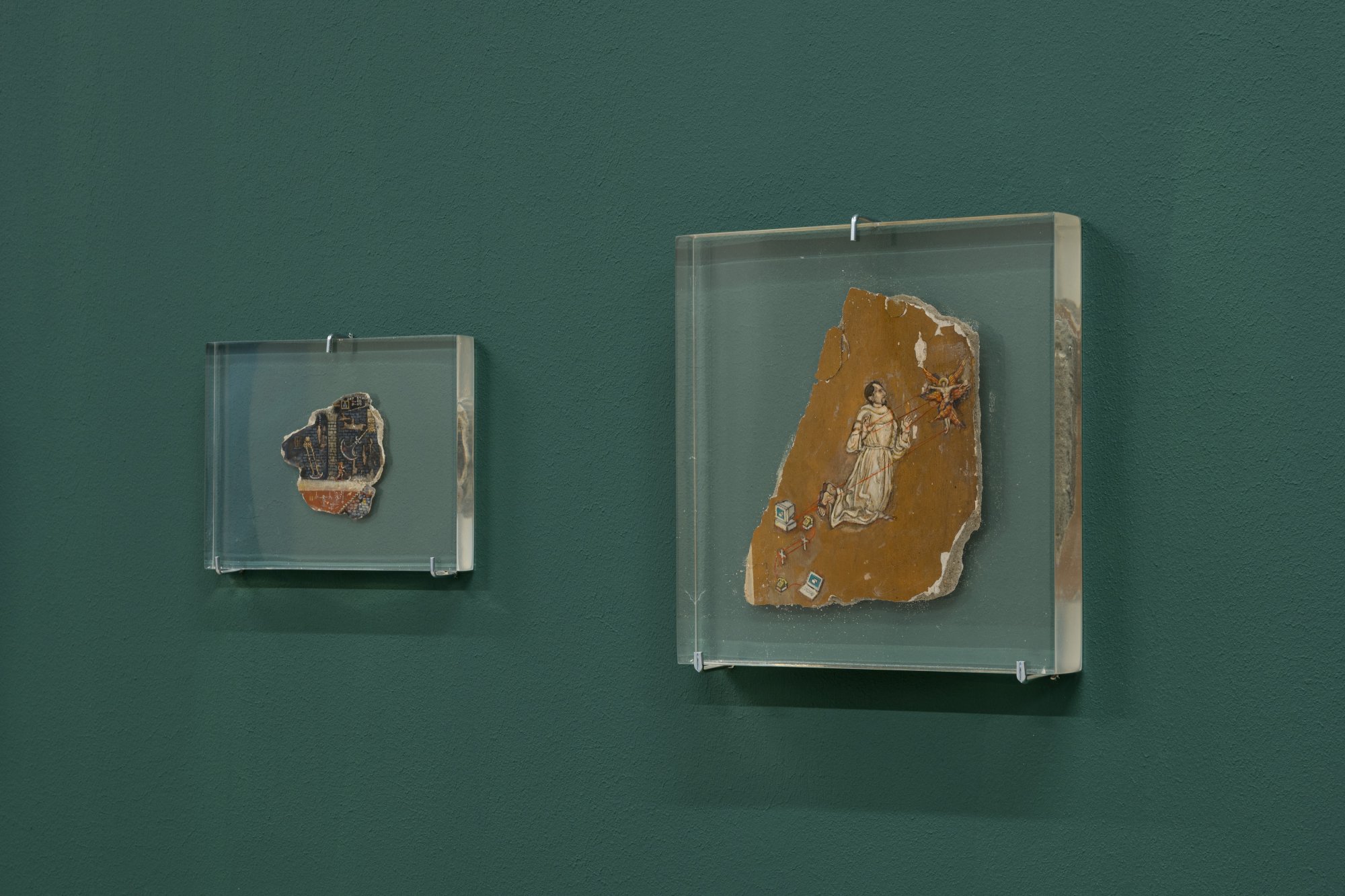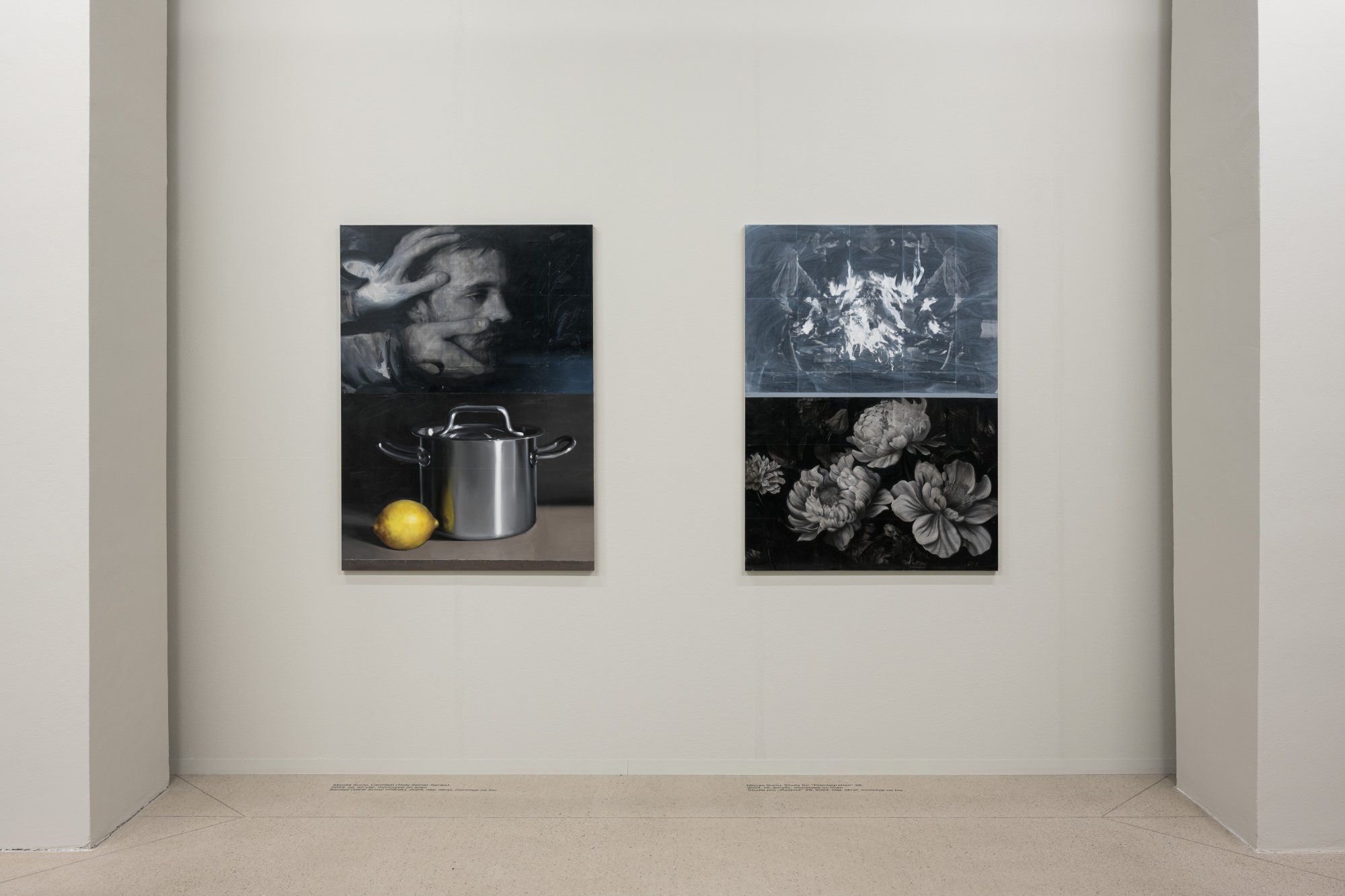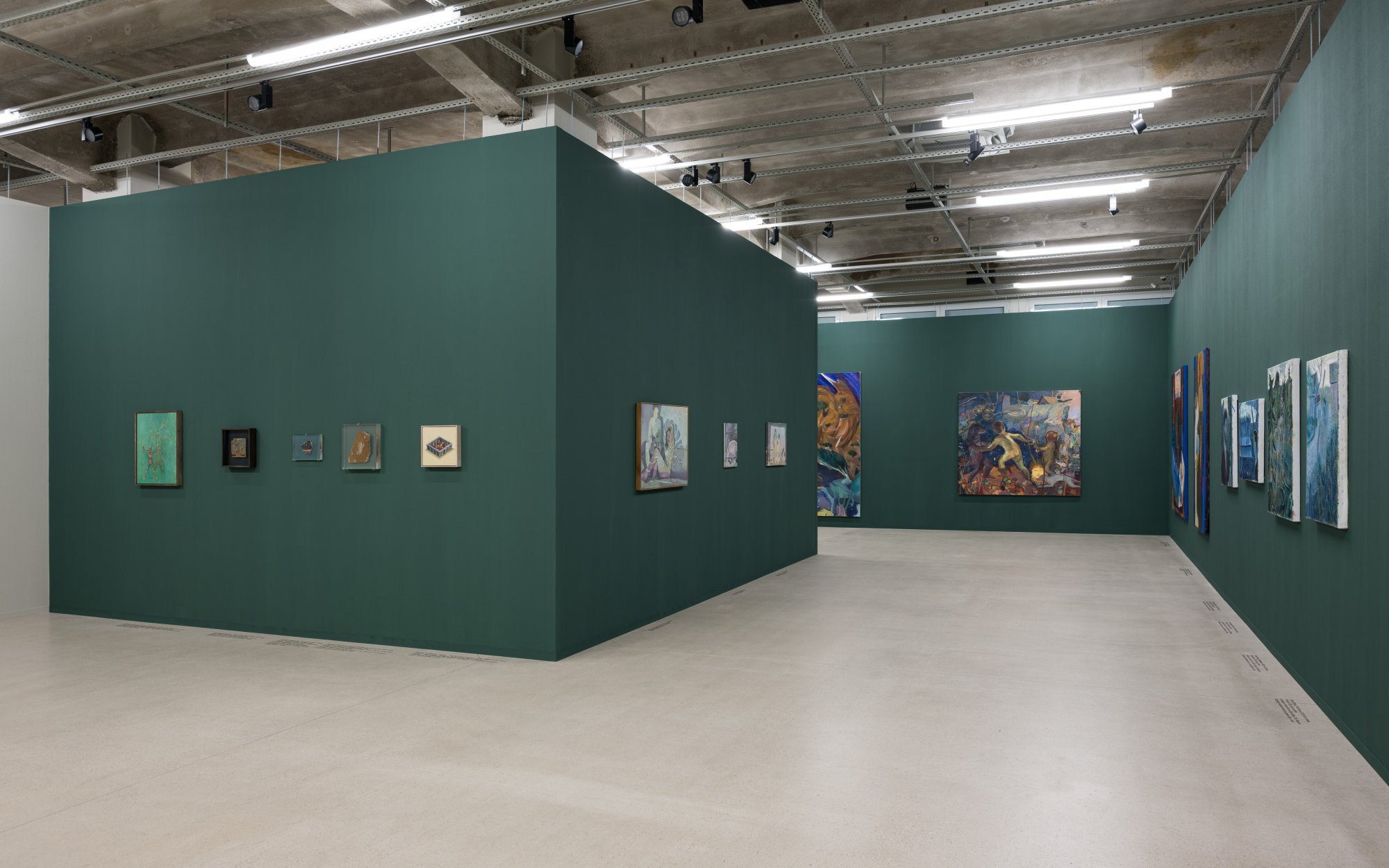
Hortensia Mi Kafchin (*1986) is one of the leading figures in contemporary Romanian painting, and her work is deeply rooted in the Cluj art school. Although she draws on the traditional figurative foundations of this milieu, she radically transforms them through the lens of a queer perspective and post-digital sensibility. In her canvases, raw introspection meets absolute aesthetic boldness, giving her work a completely unique character. Thanks to this approach, the artist has managed to break into the global art scene, and her work today resonates strongly in many prestigious institutions worldwide.
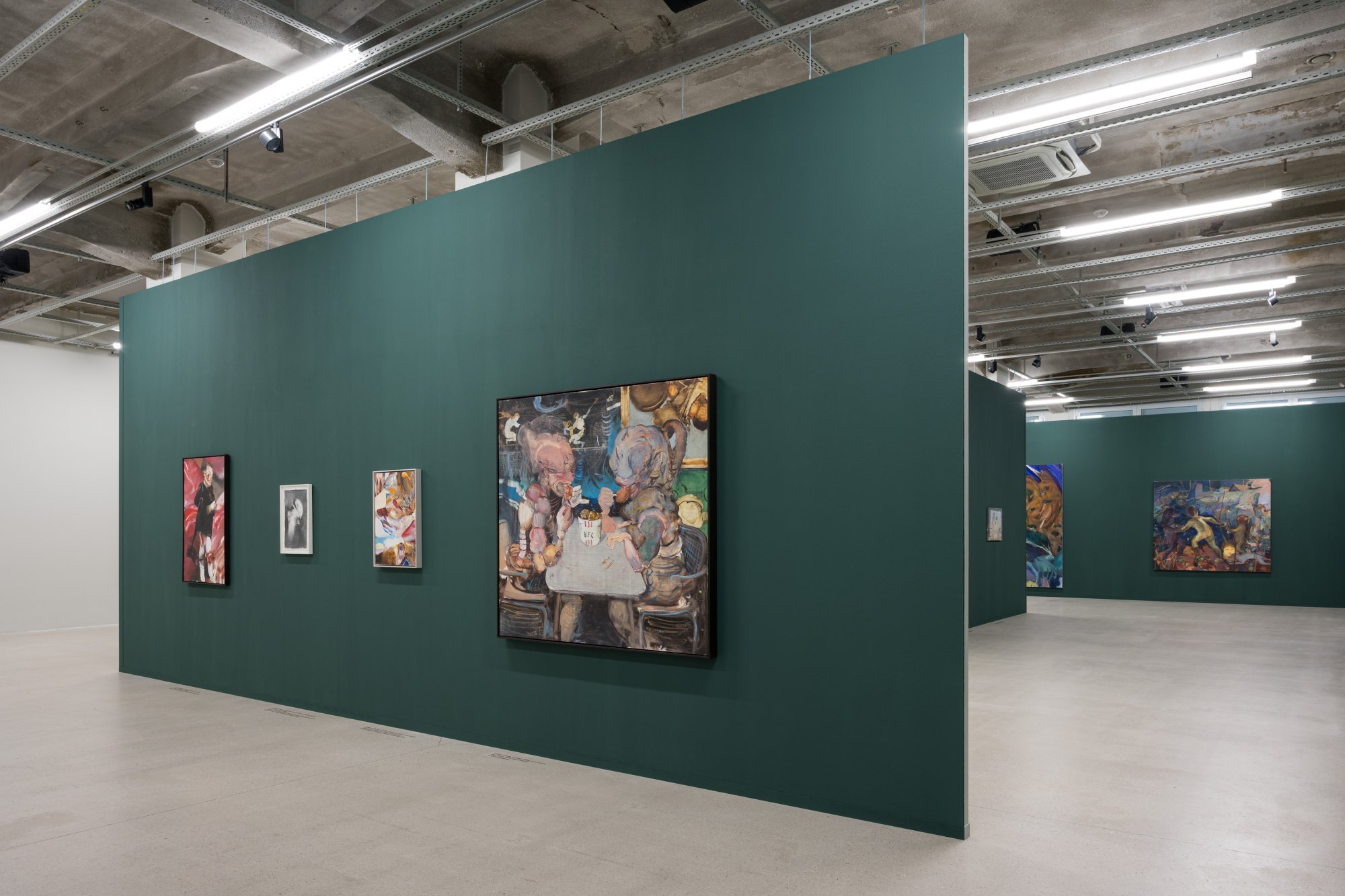
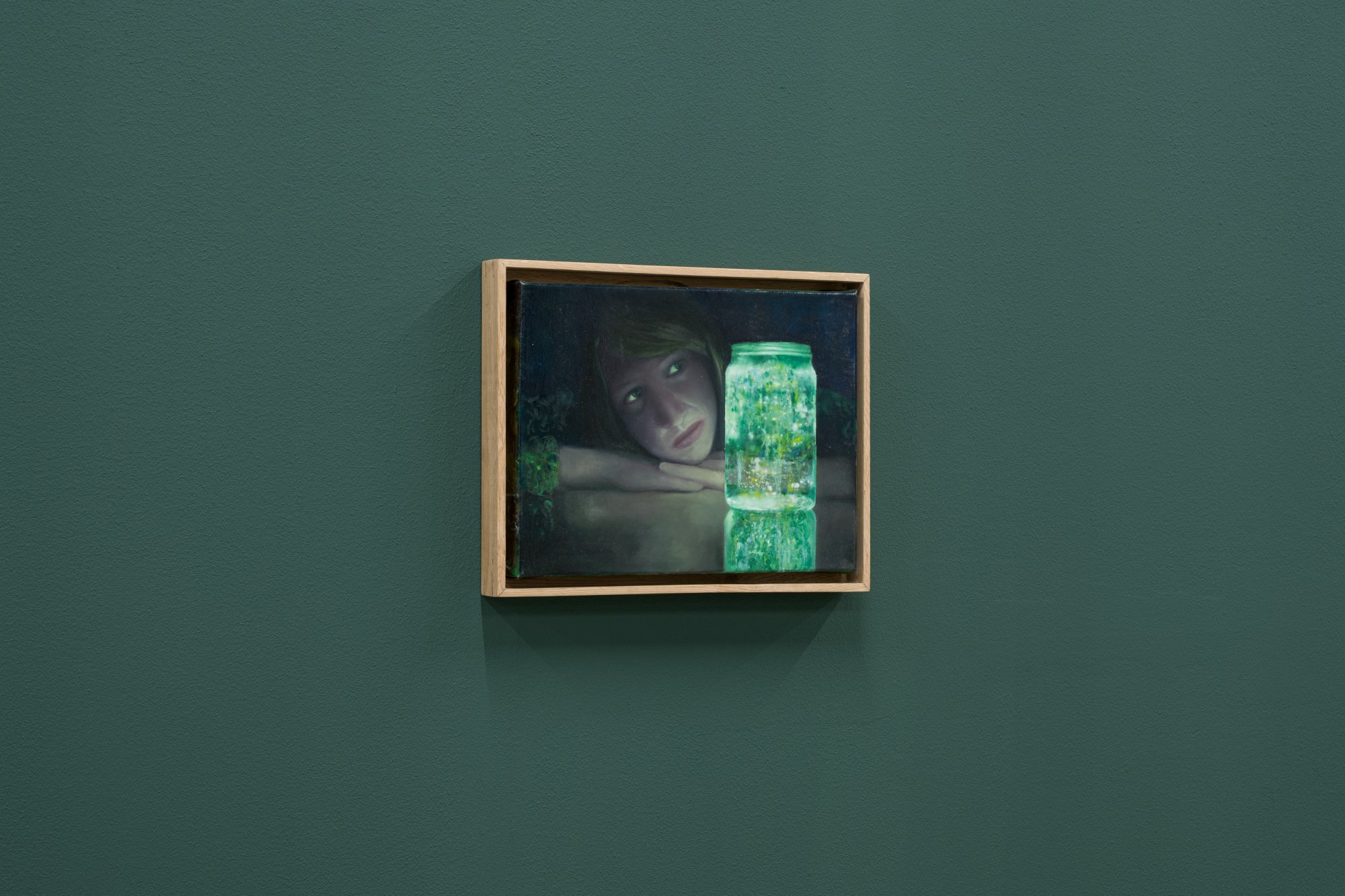
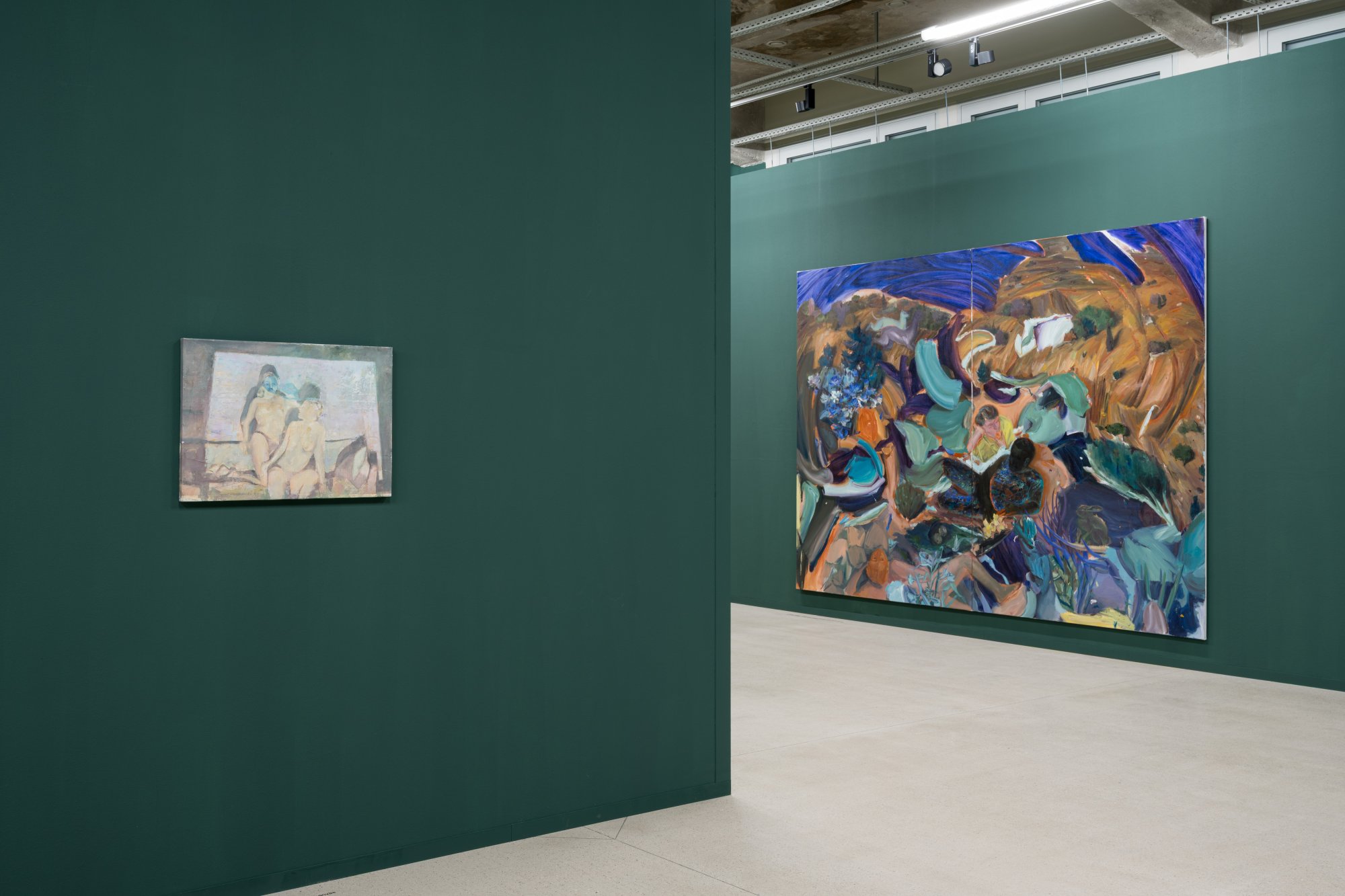
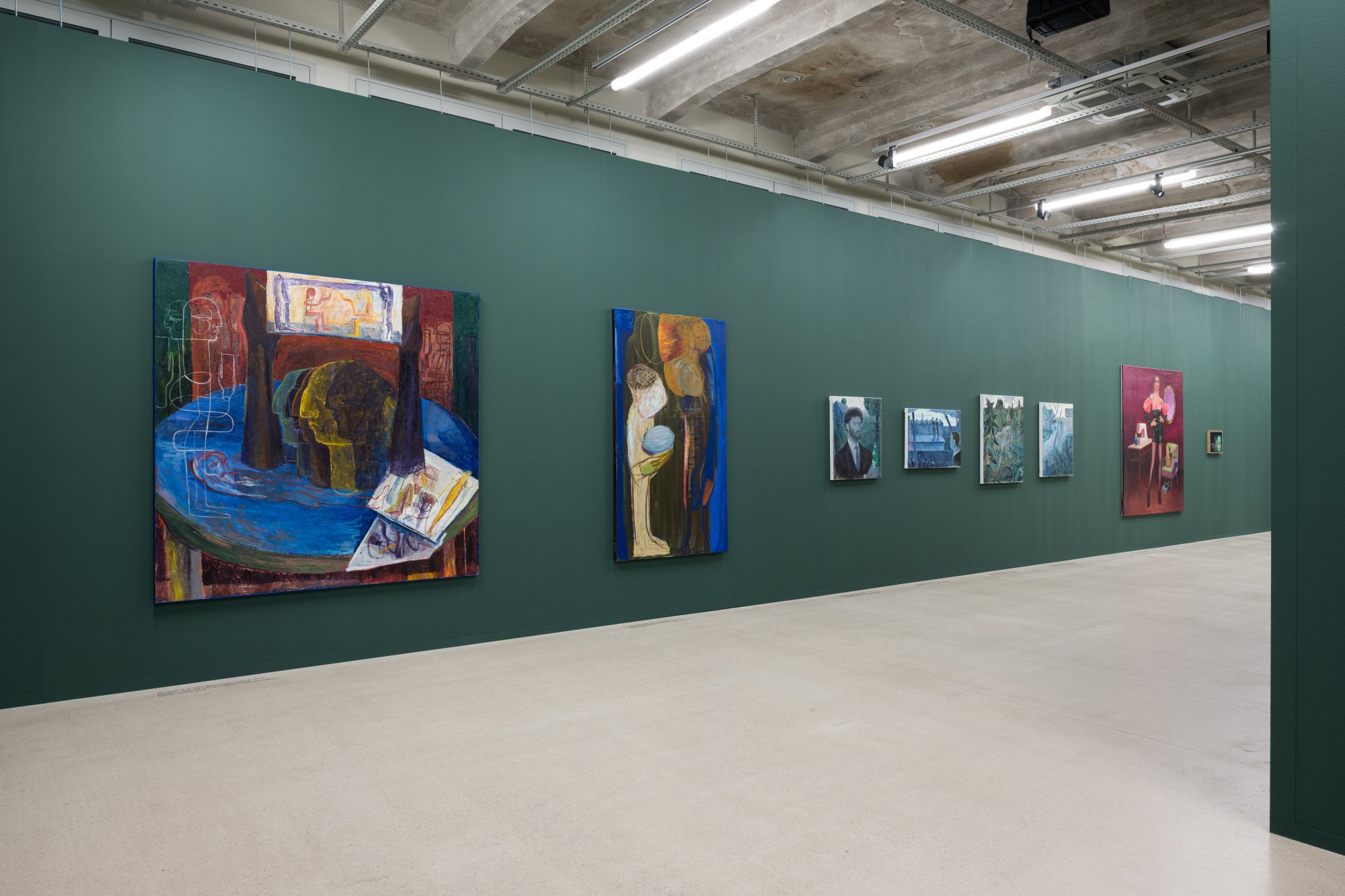
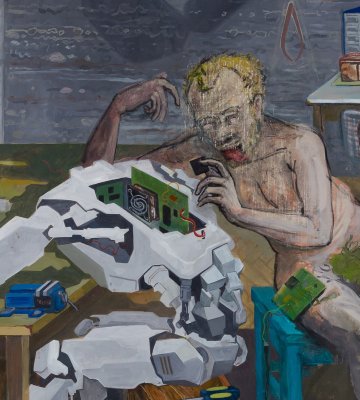
The central theme of her work is the fluidity of human identity. In her work, the artist openly reflects on her own trans experience, yet rejects any simplistic interpretations. In her interpretation, identity is ambiguous and constantly in a state of flux. Thus, androgynous figures, hybrid beings, and fragmented bodies moving on the border between dream and reality appear on her canvases. Technically, her work is dominated by oil and acrylic, often complemented by precise drawing. Her style is easily recognizable thanks to an explosion of colors full of rich neon hues and her use of transparent layers that create the impression of dreamlike veils. Small details such as tattoos or esoteric symbols give the paintings the character of personal visual diaries connecting spirituality with digital aesthetics.
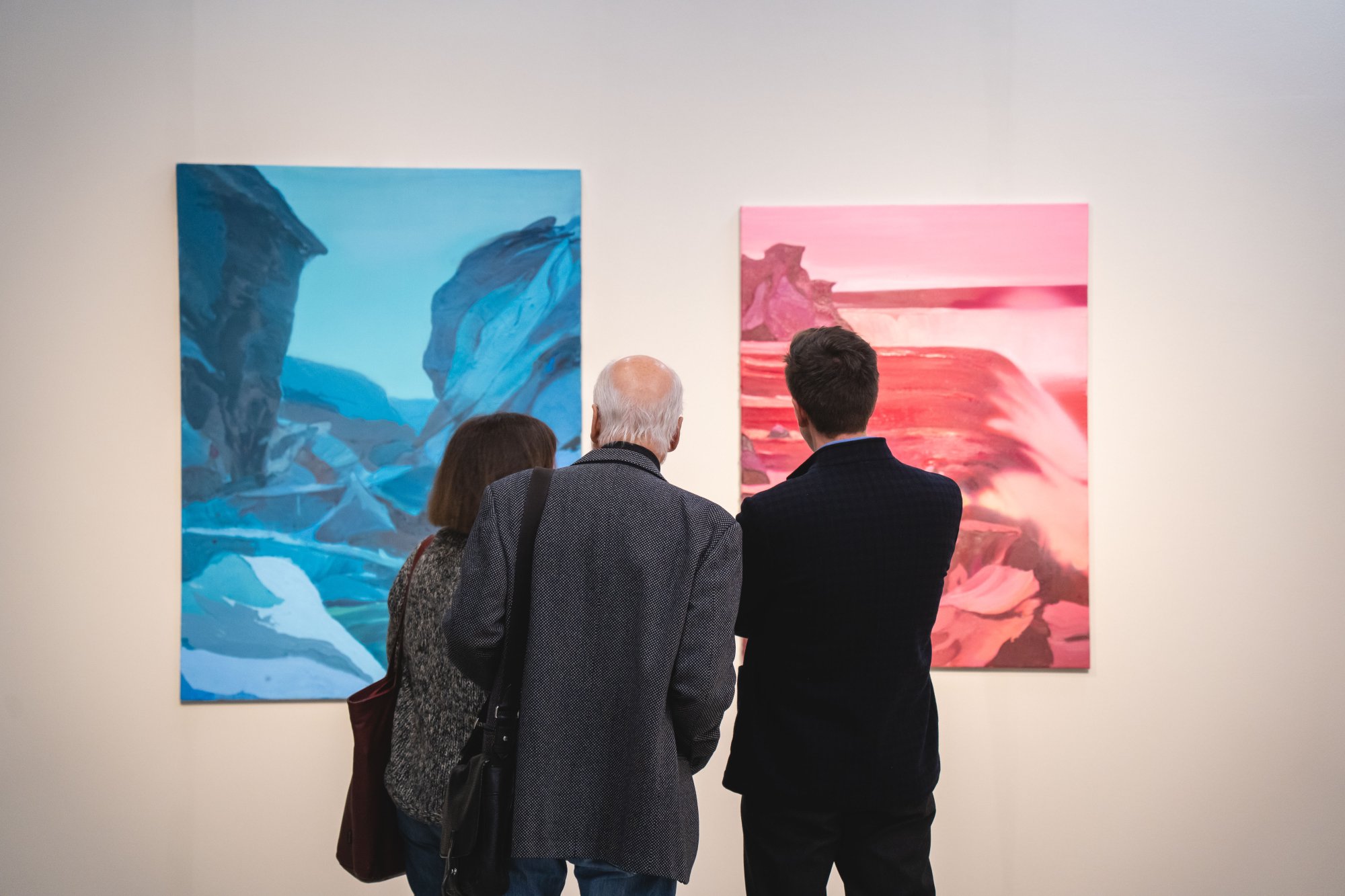
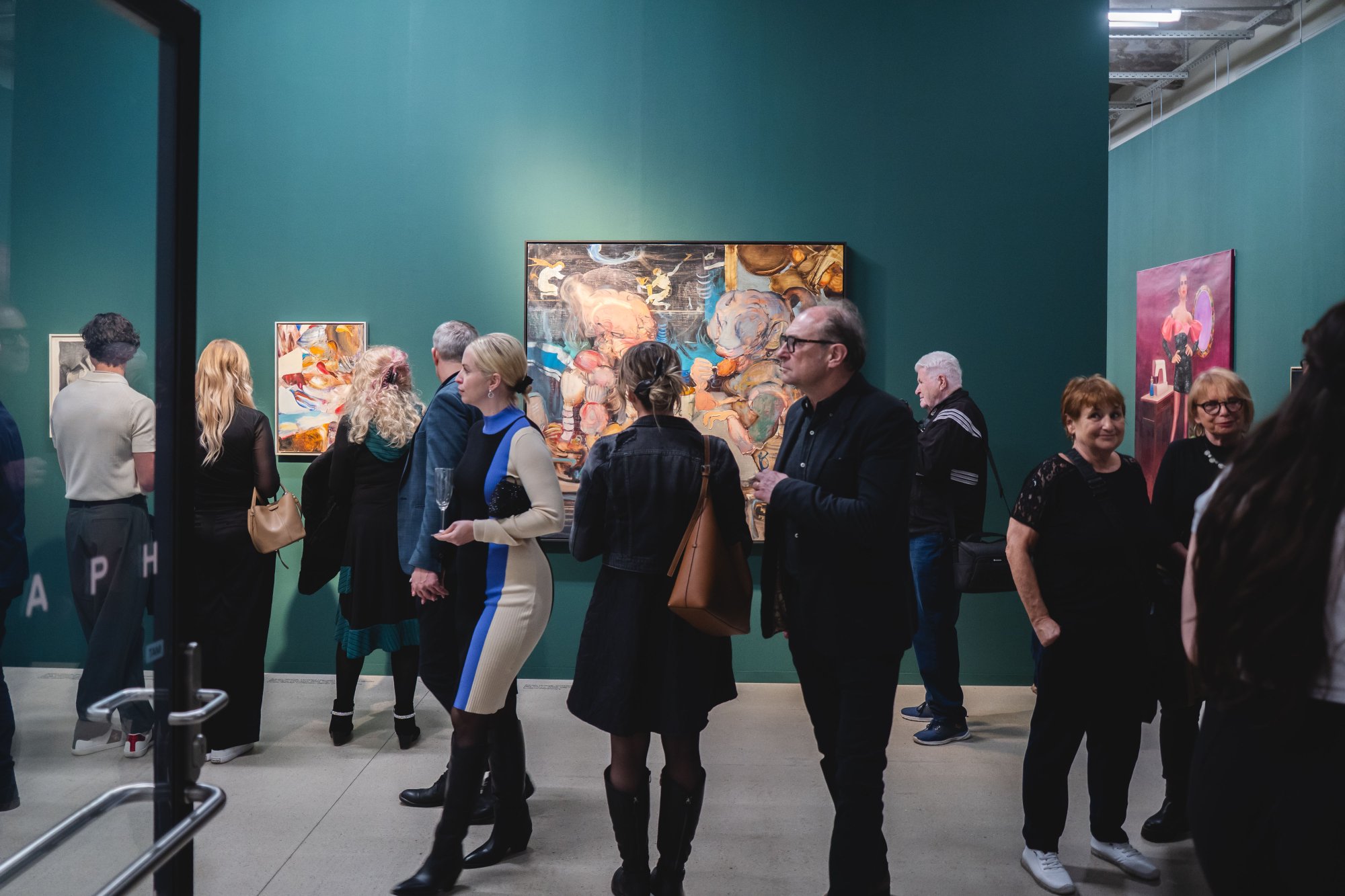
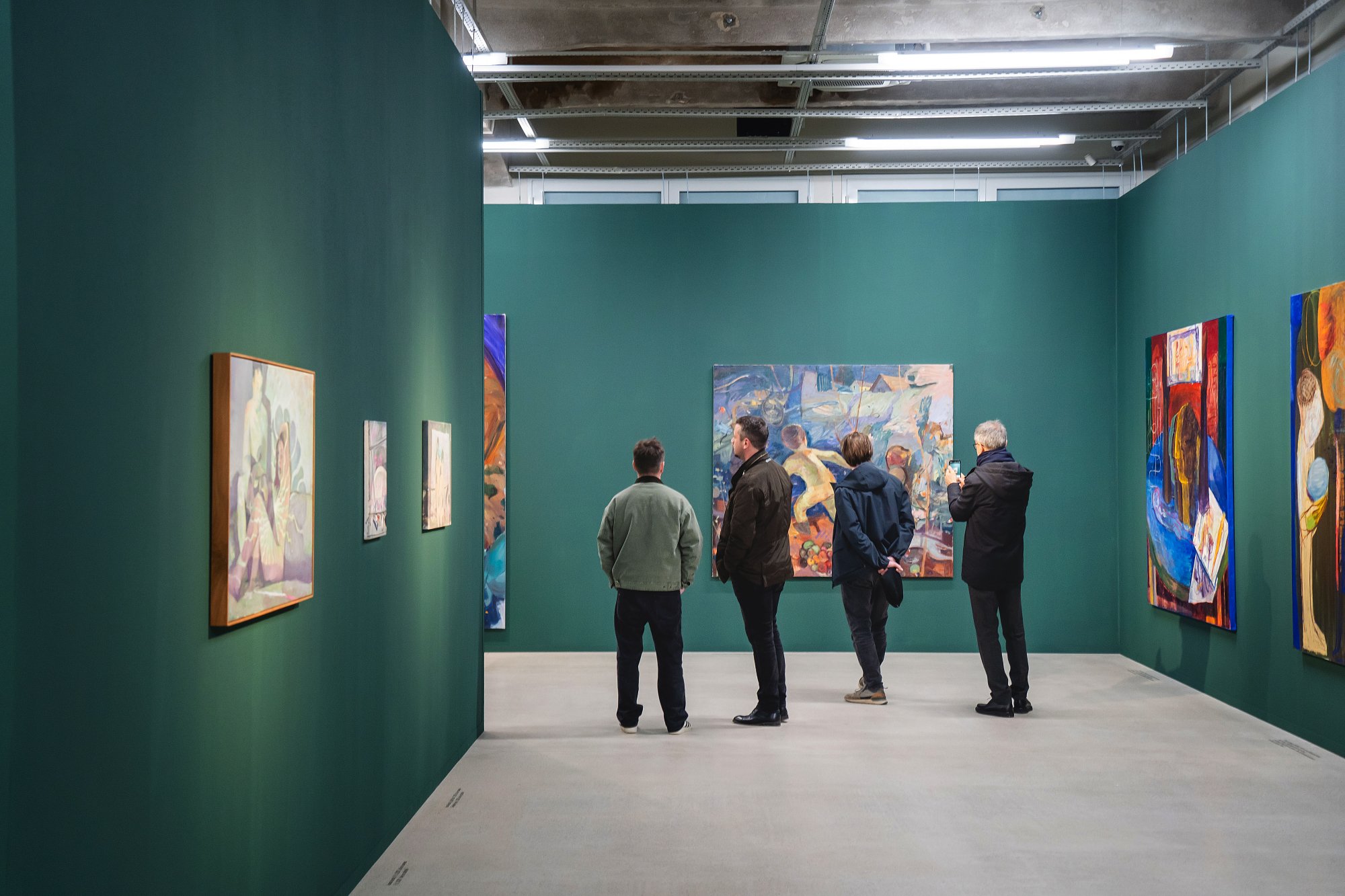
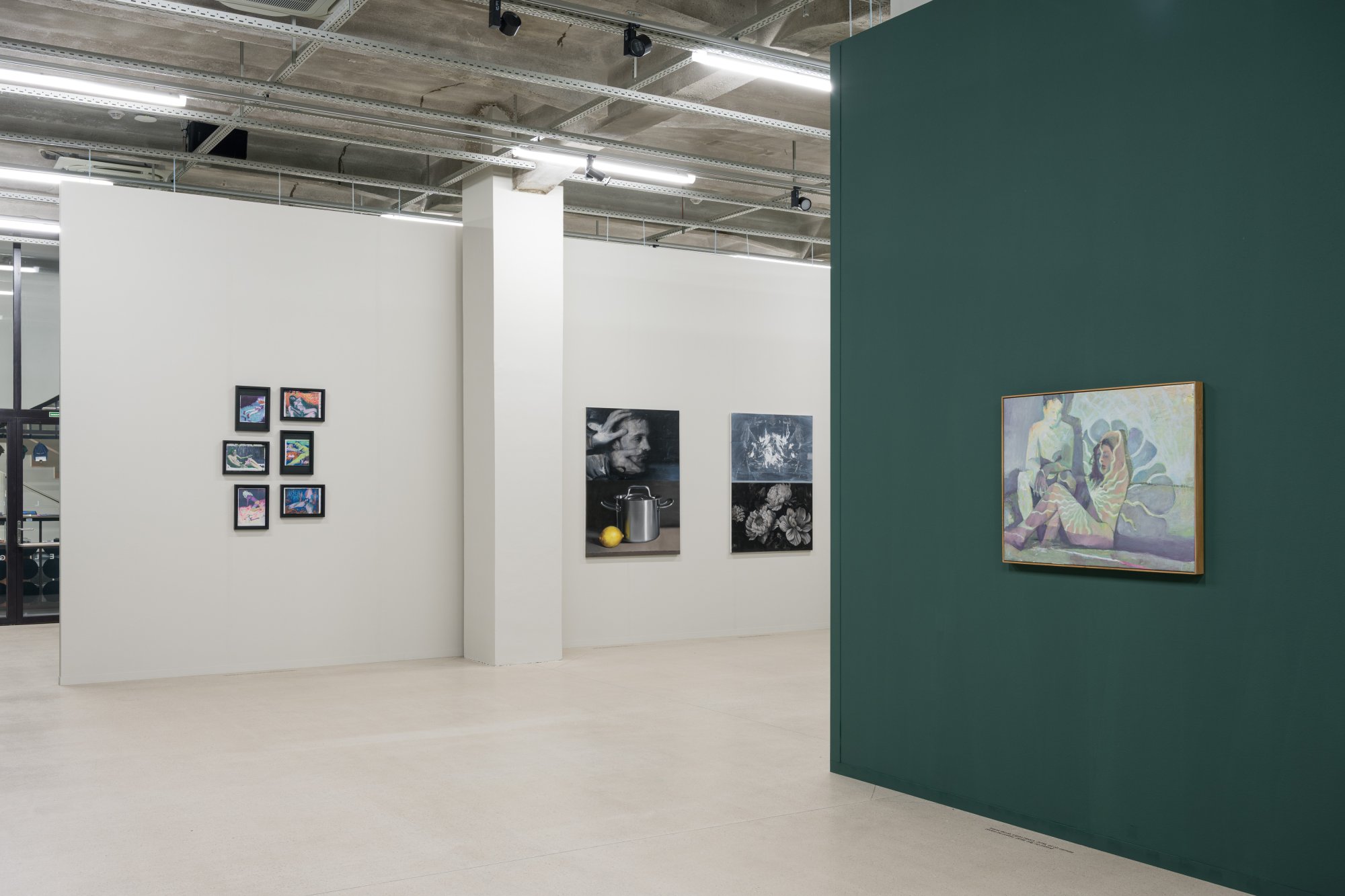
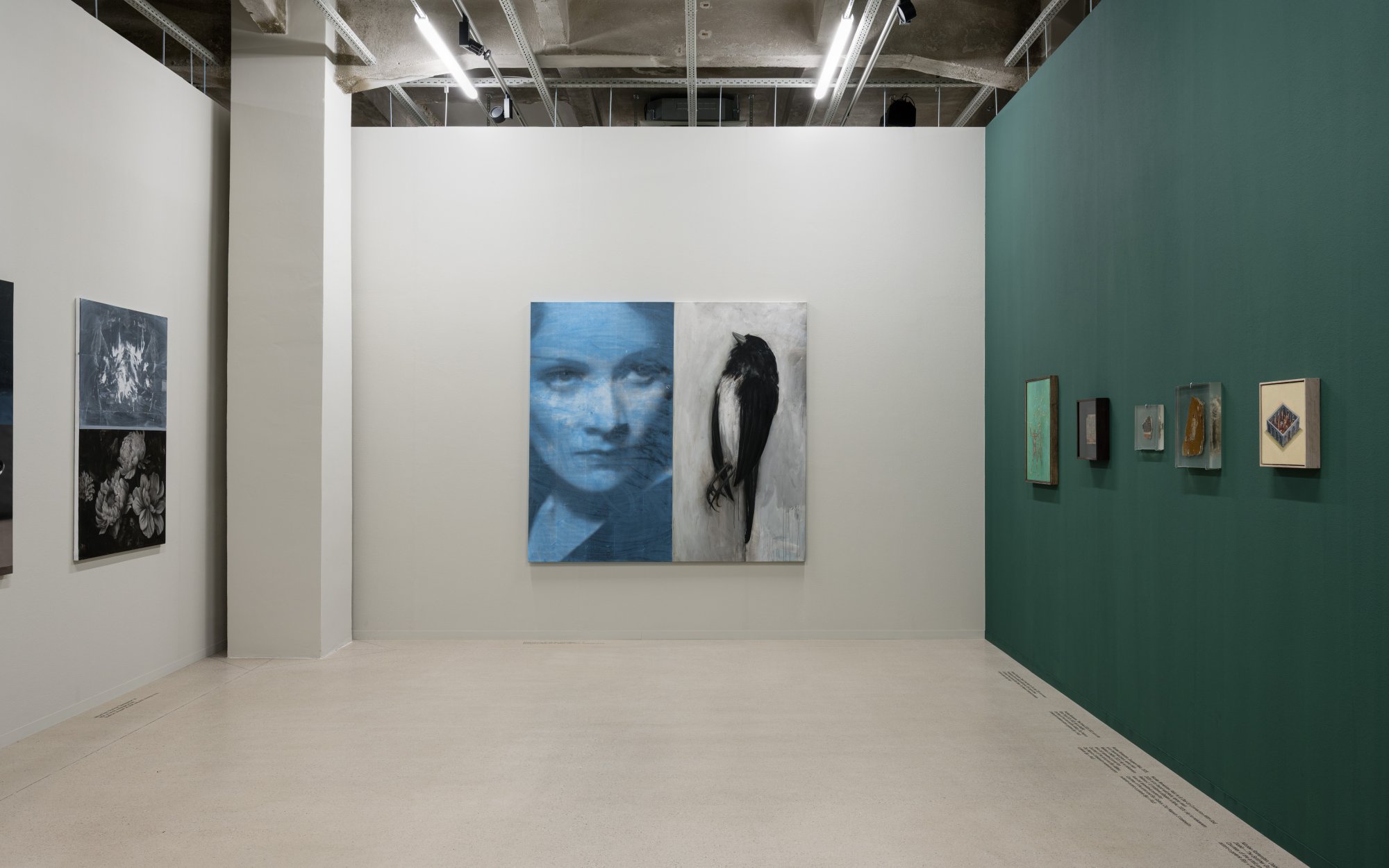
The artist’s international career is marked by successes at renowned institutions such as the Leslie Lohman Museum of Art in New York, Galerie Judin in Berlin, and the Nicodim Gallery in Los Angeles. Hortensia Mi Kafchin’s work is clear proof that the intimate themes of physicality and gender redefinition can be universally accessible when presented with such a degree of vulnerability and painterly mastery. Her inclusion in the exhibition Transylvanian Painting Today at the Telegraph Gallery brings an exceptionally powerful and timely perspective to the exhibition. Standing before her canvases, the viewer is confronted with a space where reality does not dissolve, but rather transforms freely into new and more open configurations.