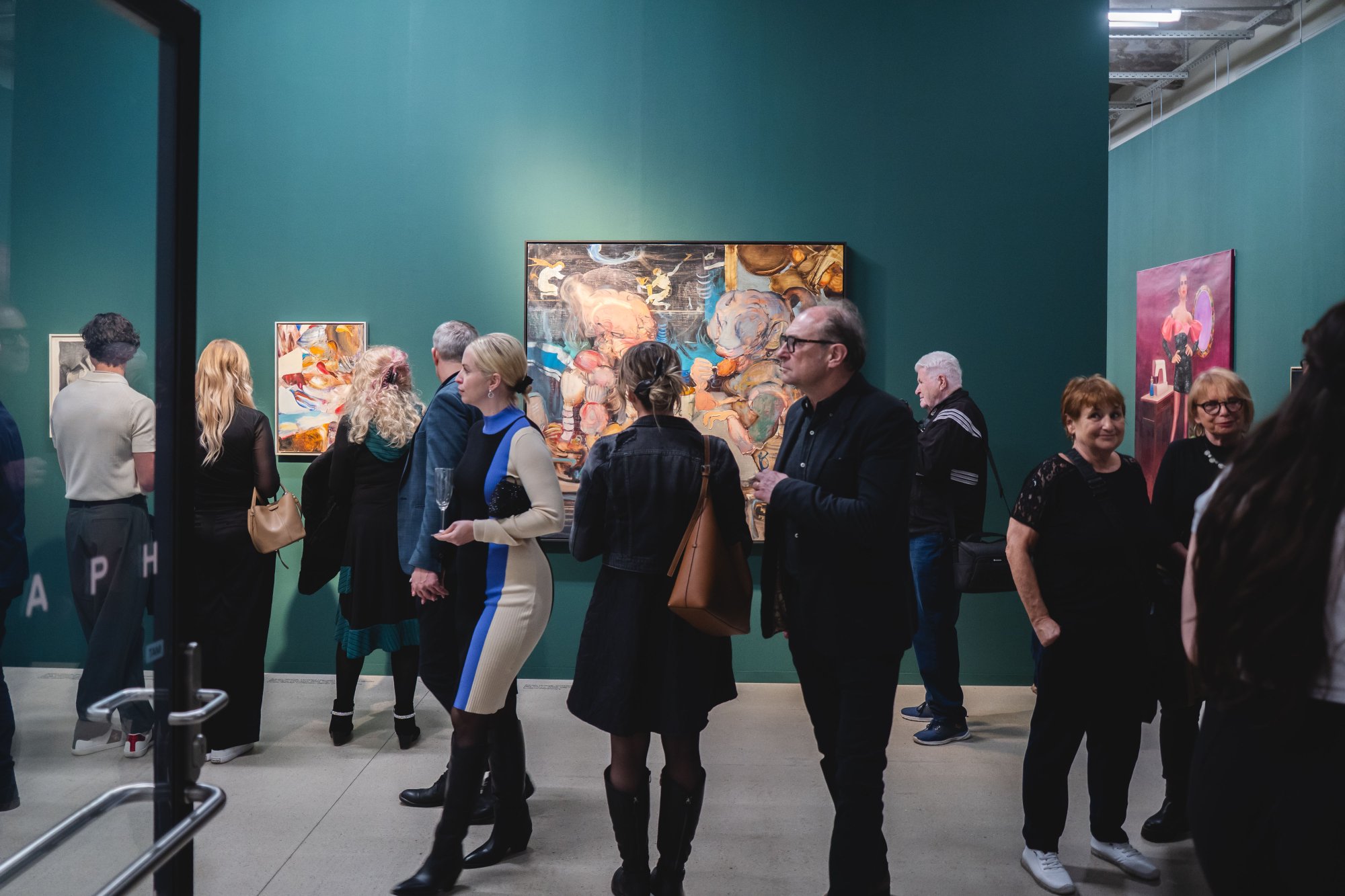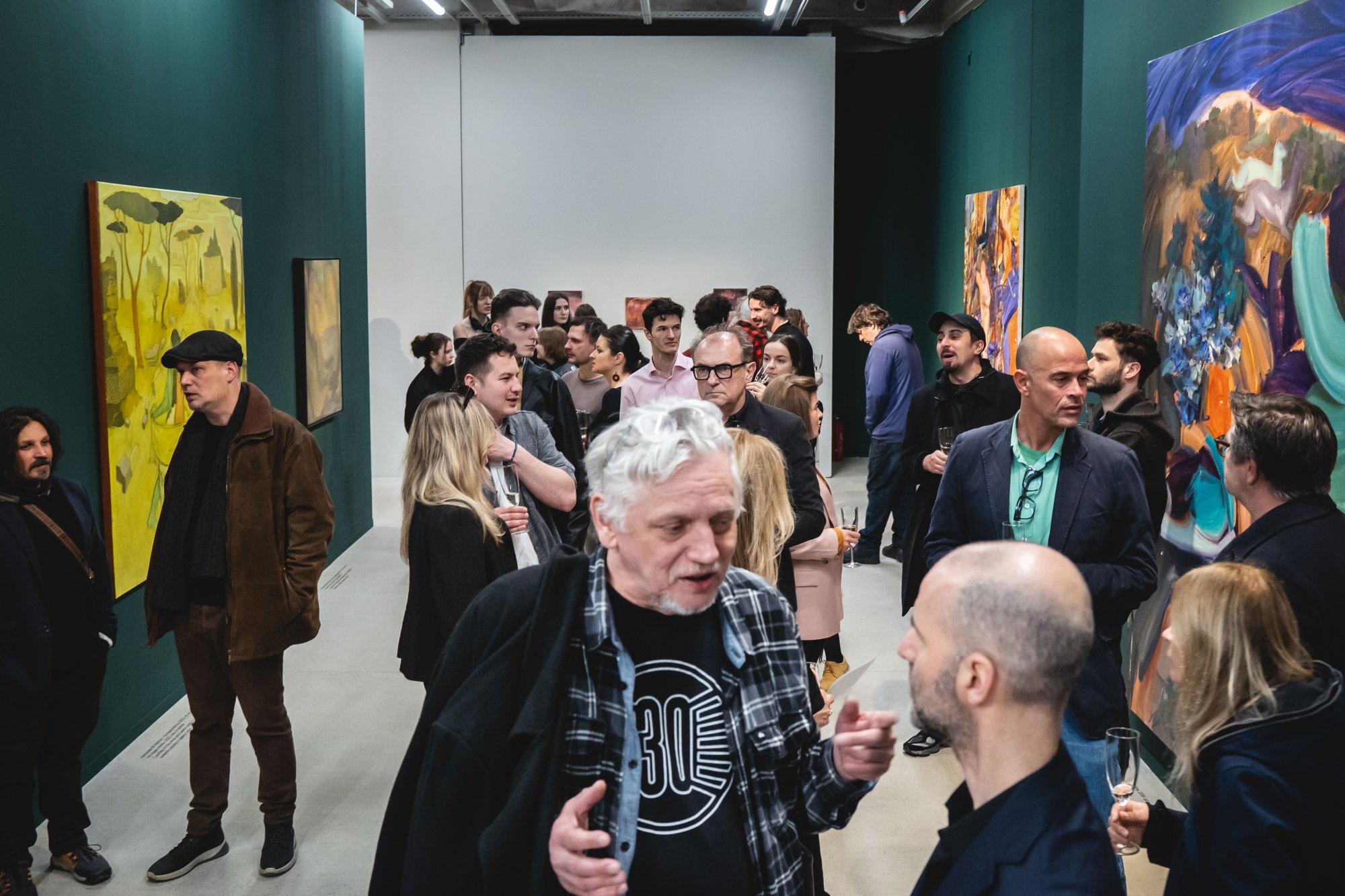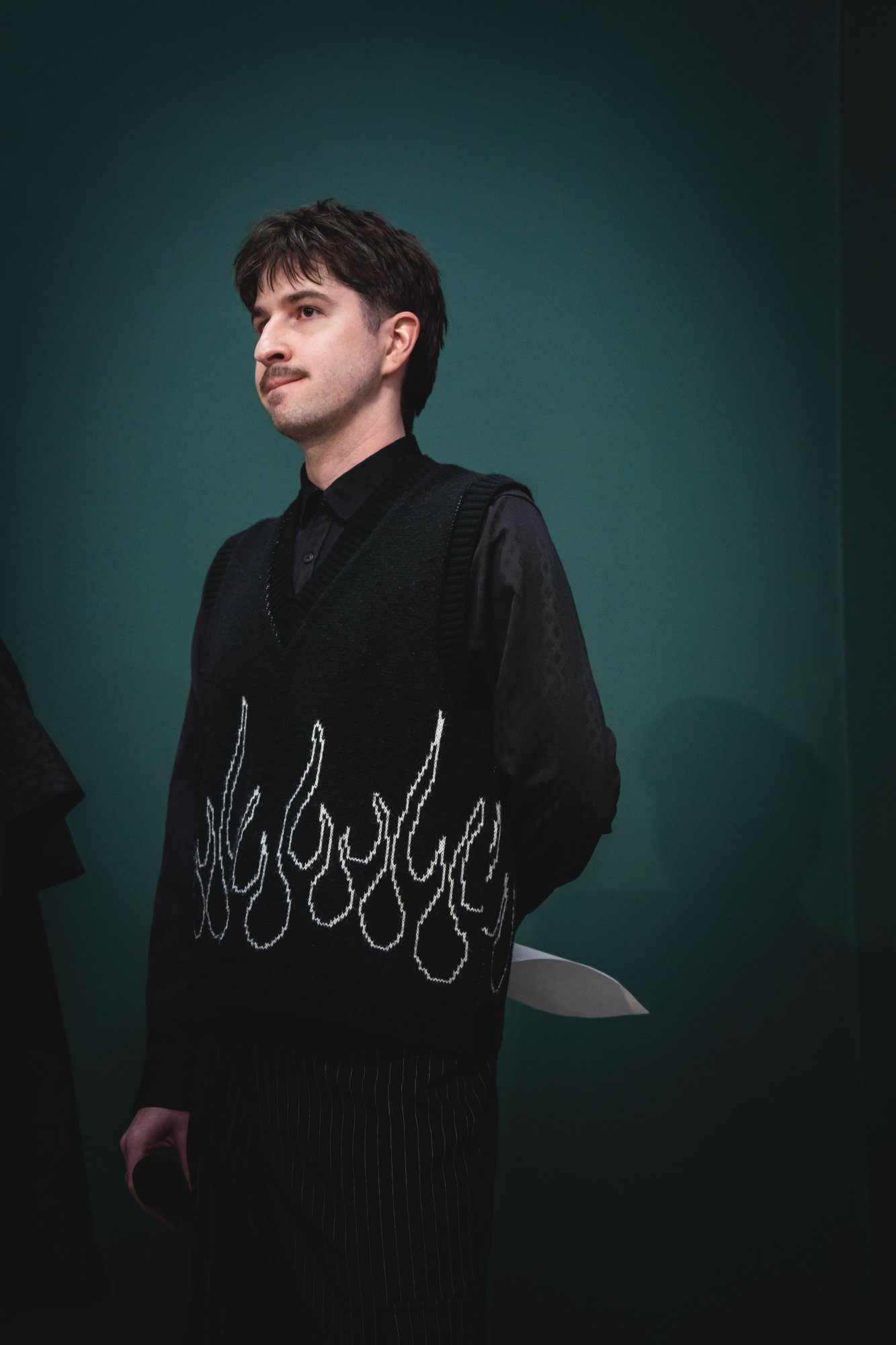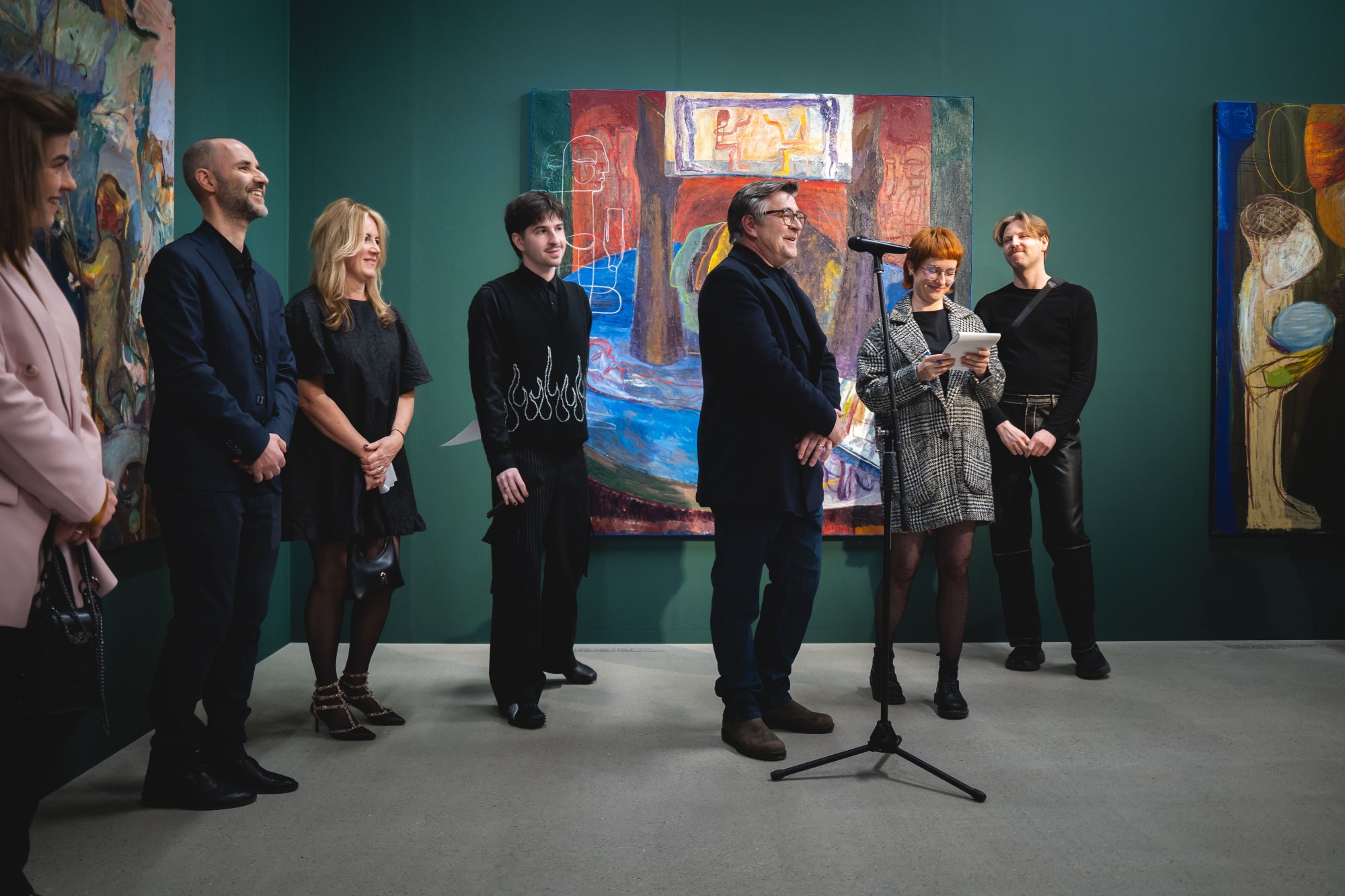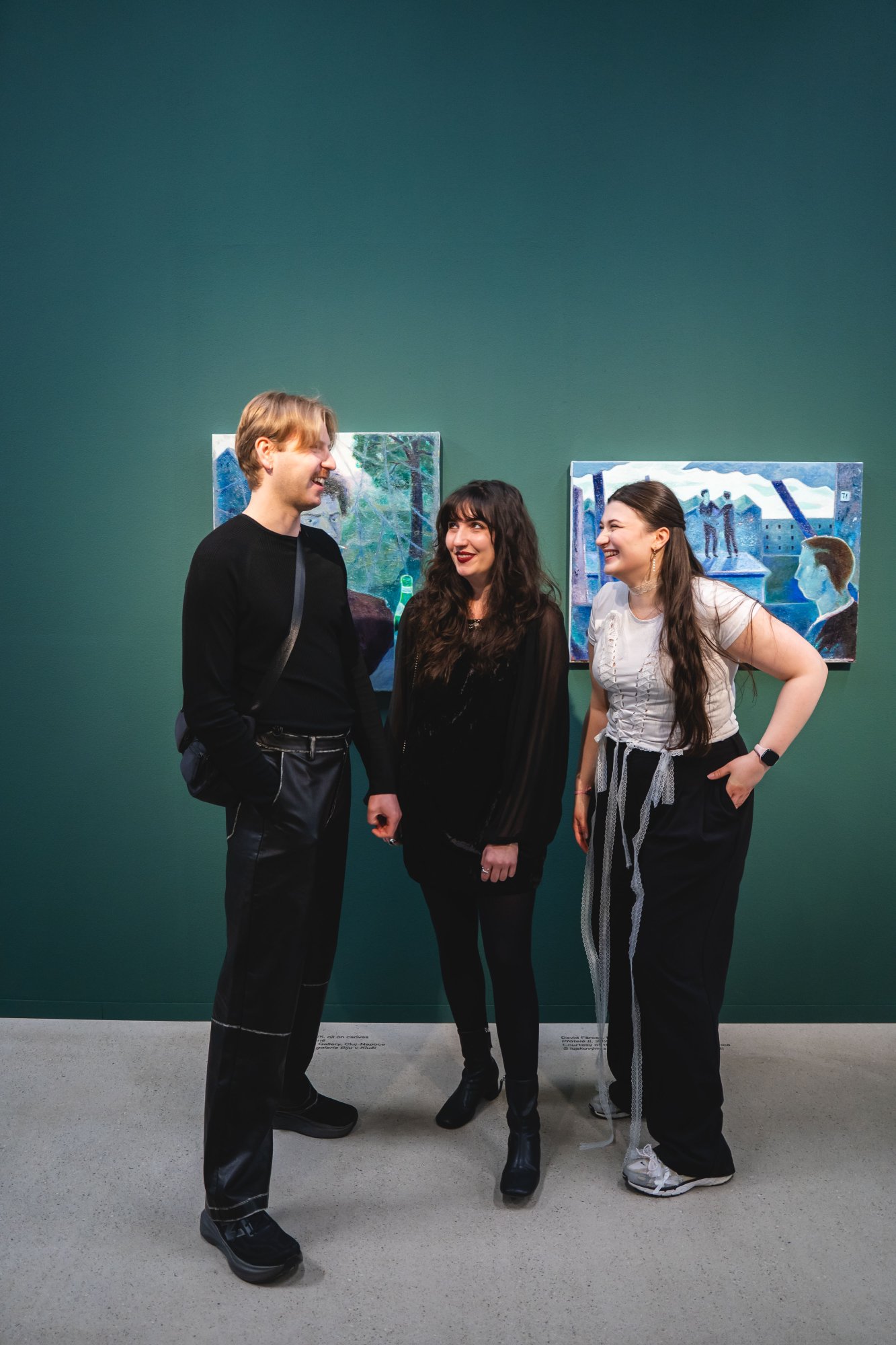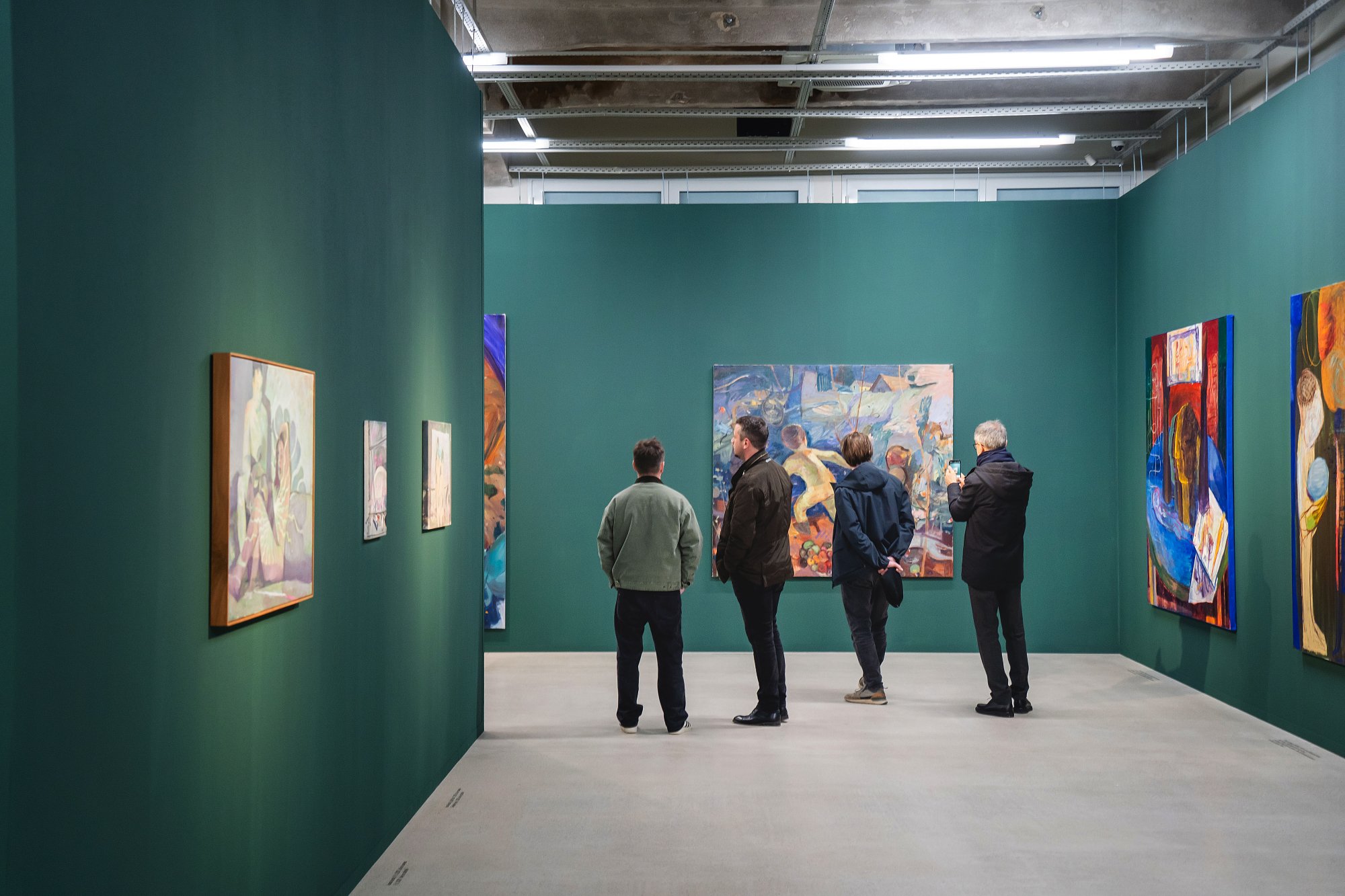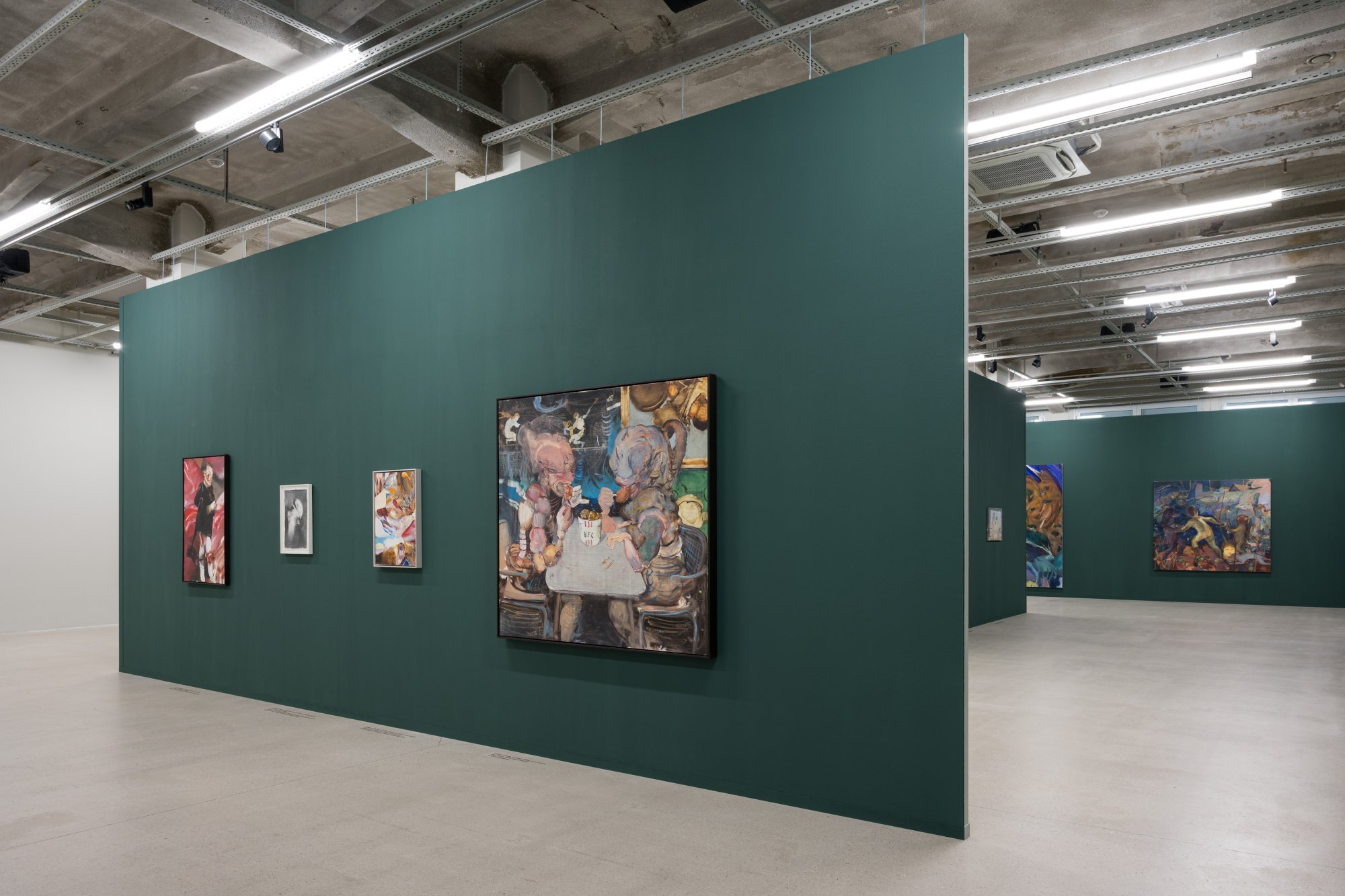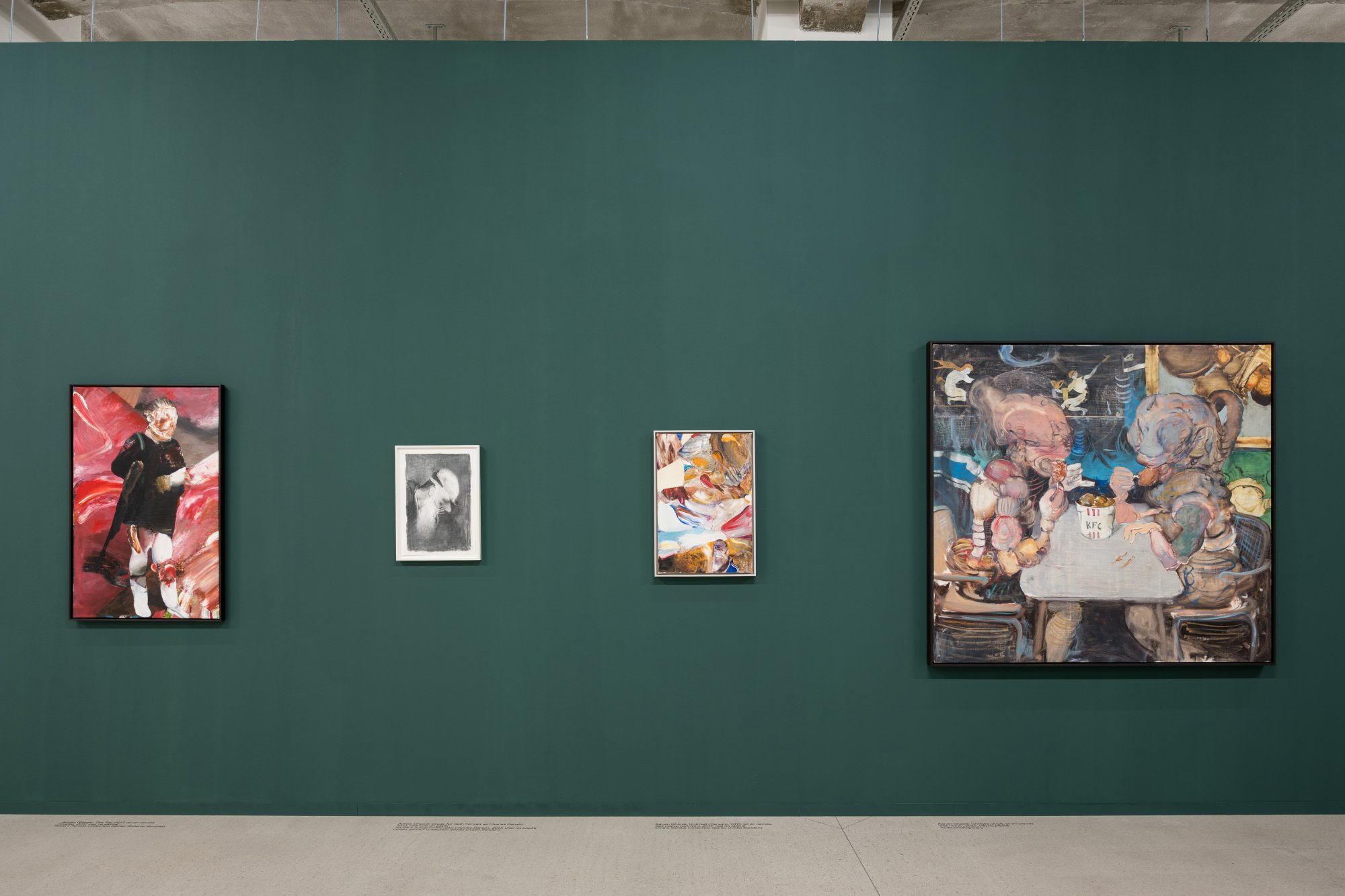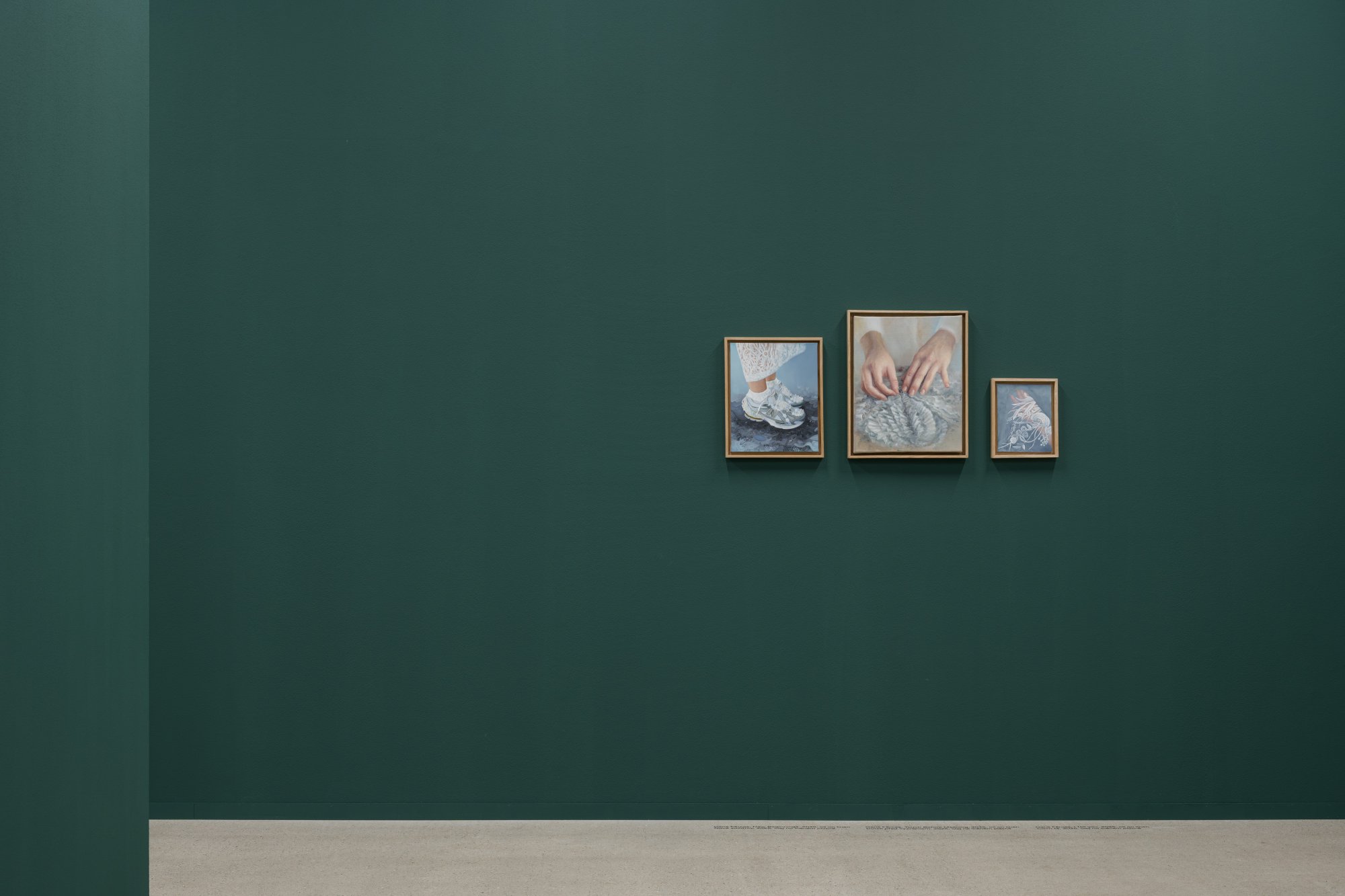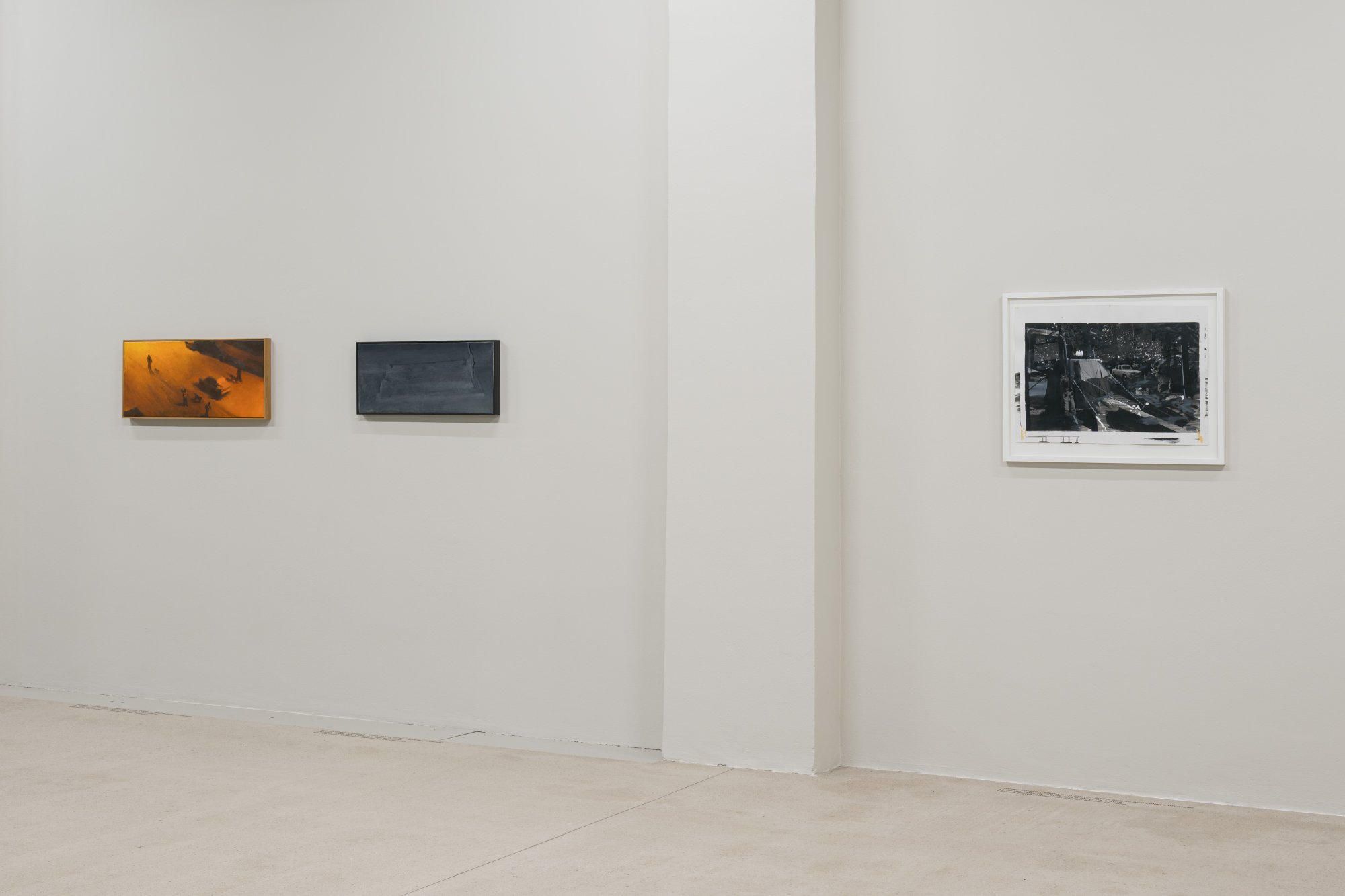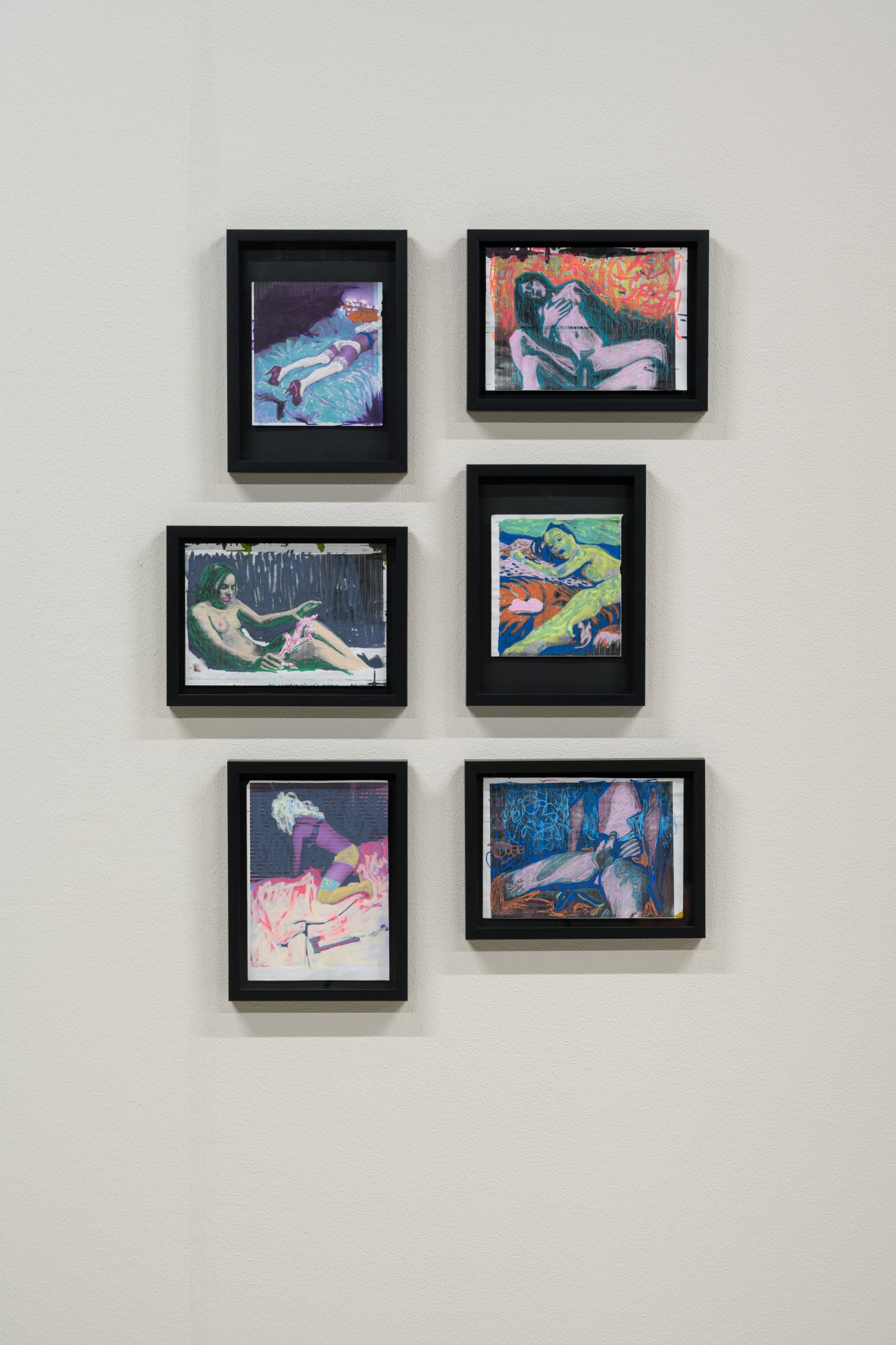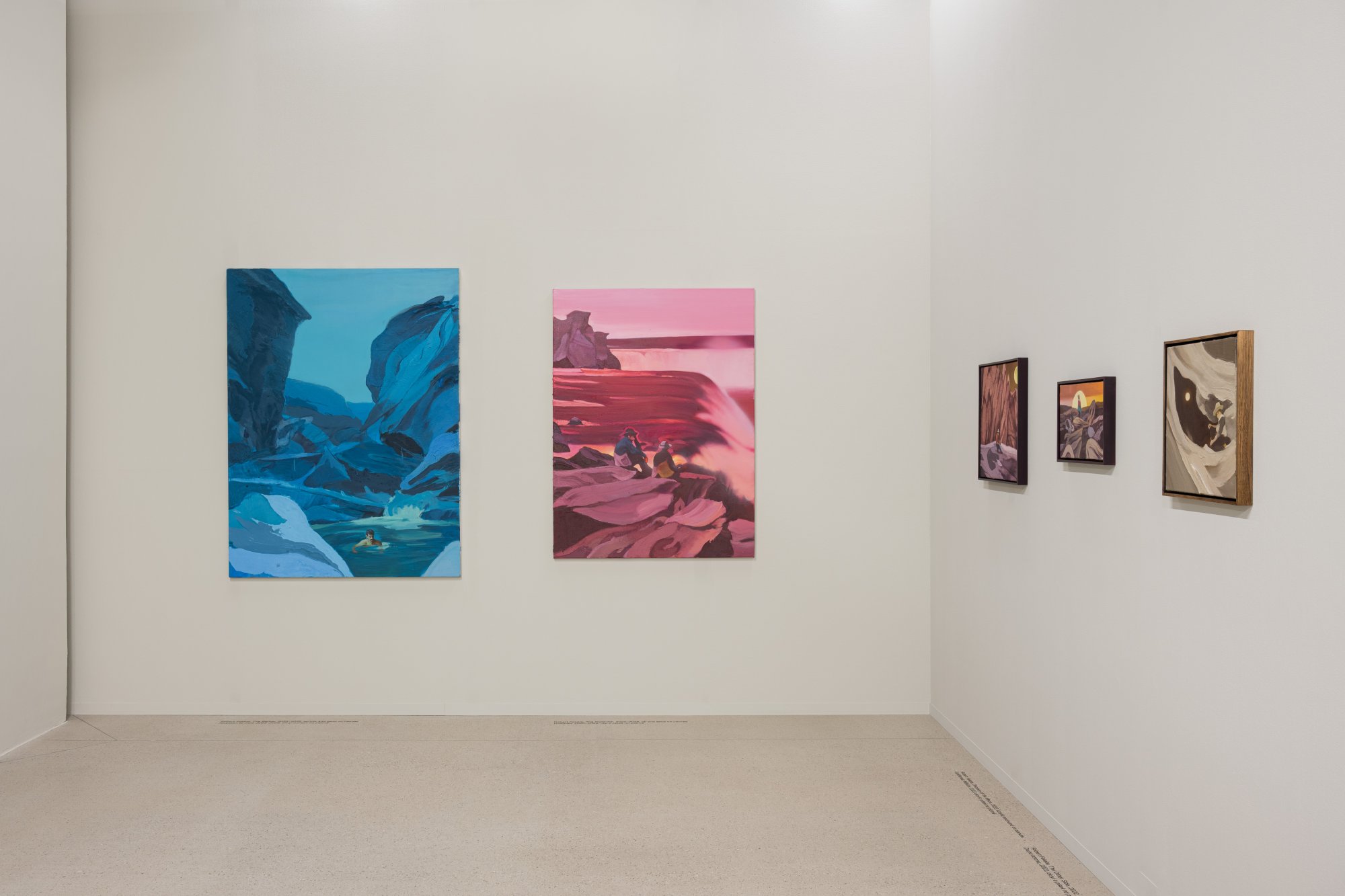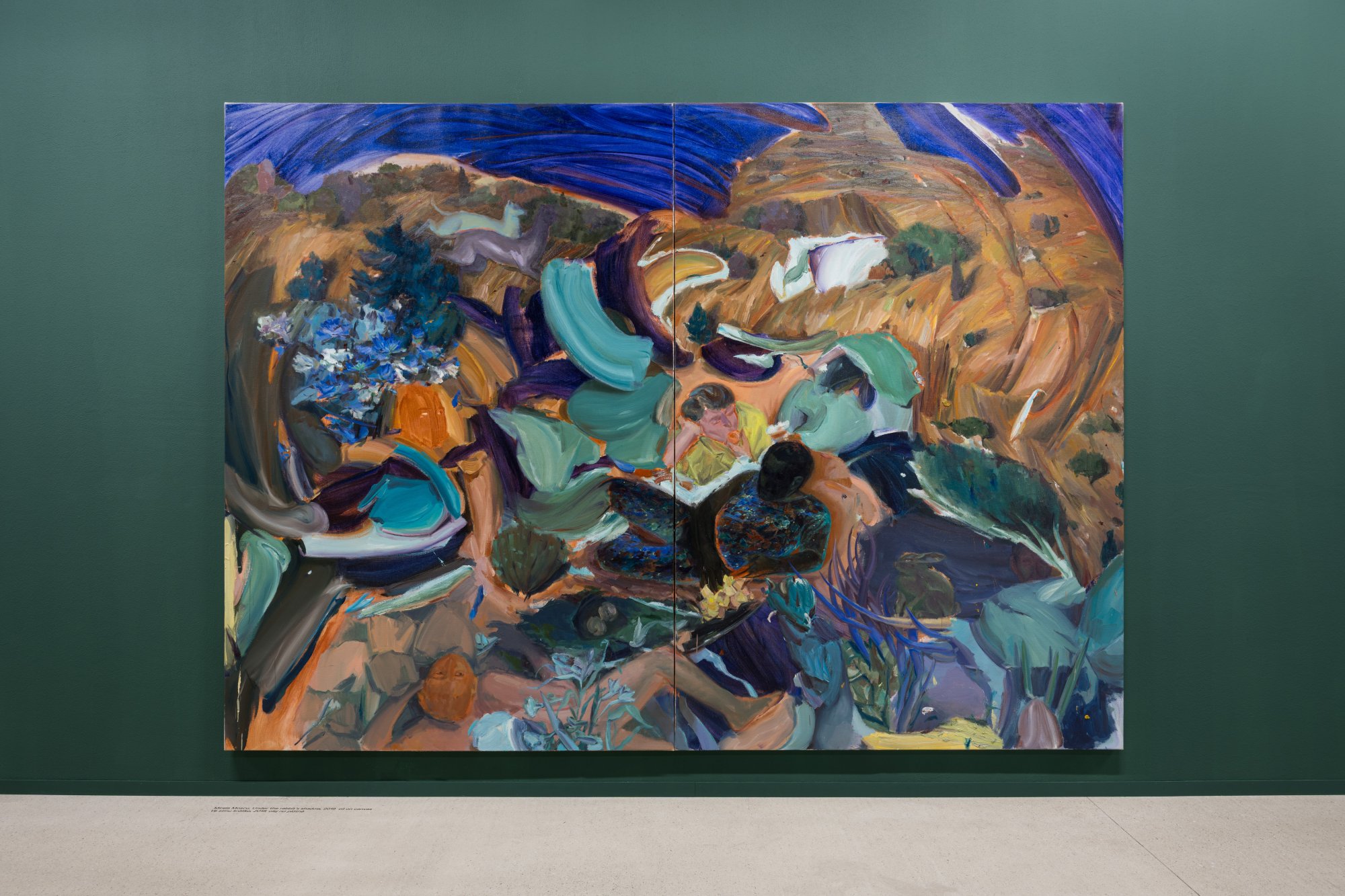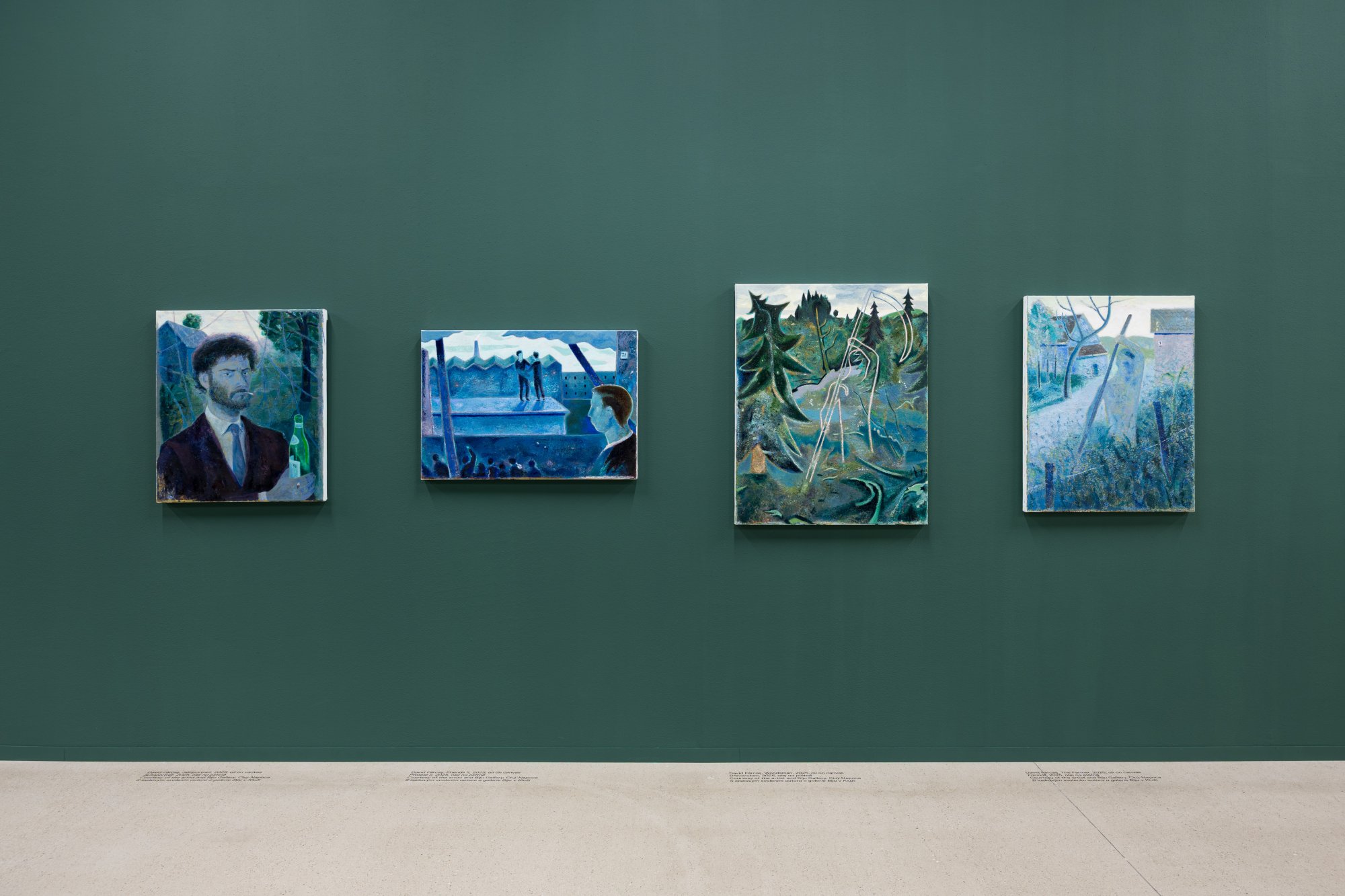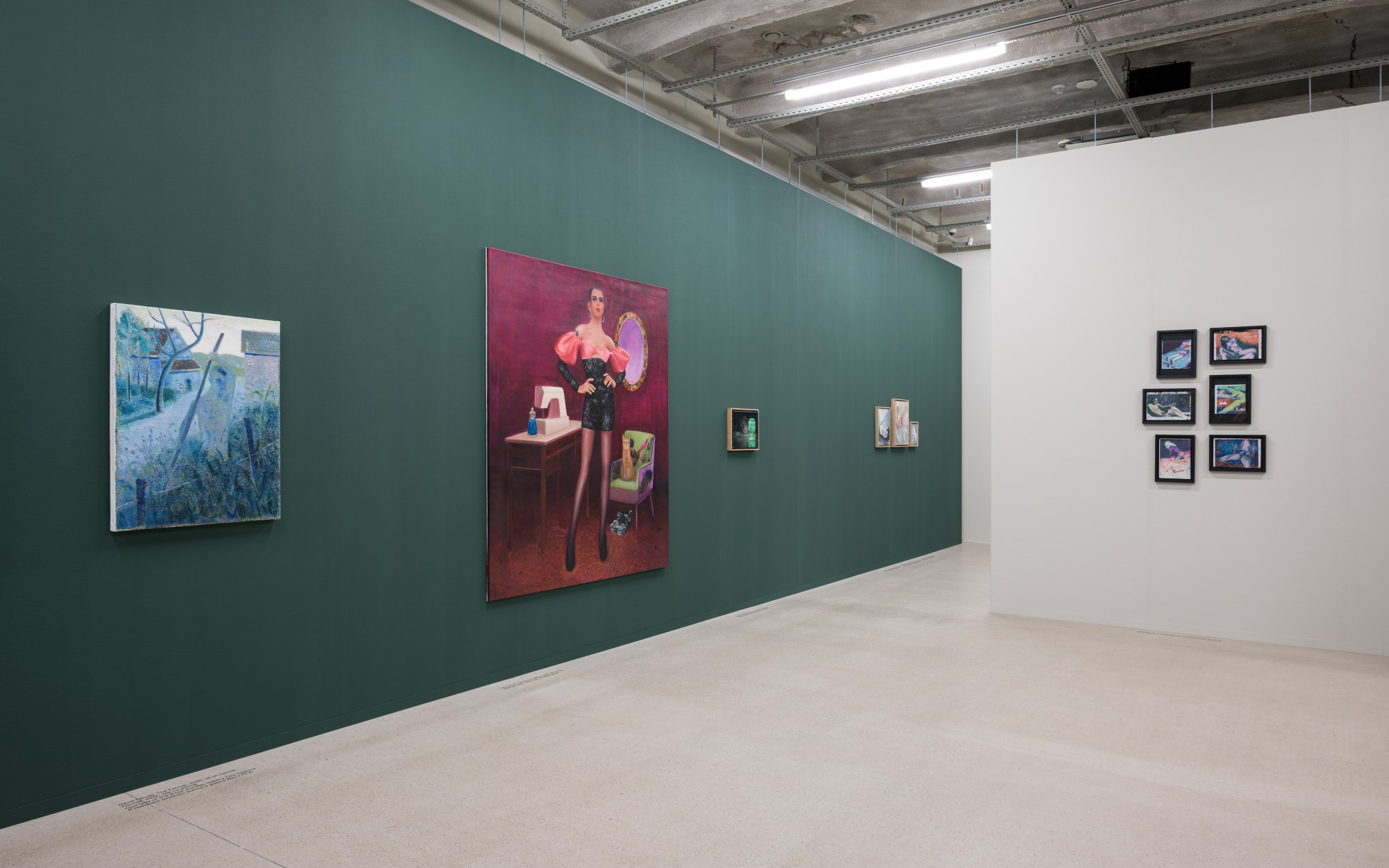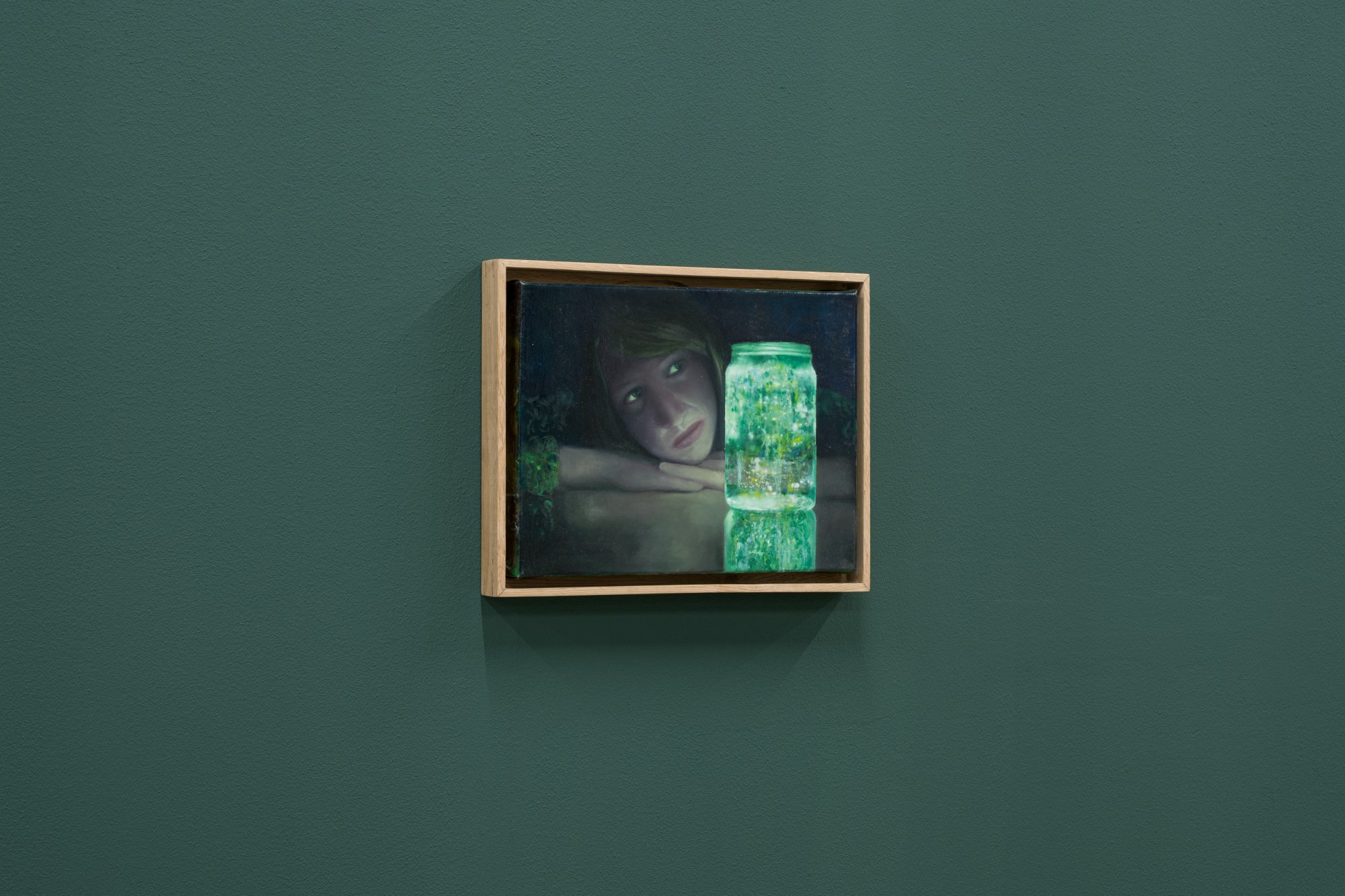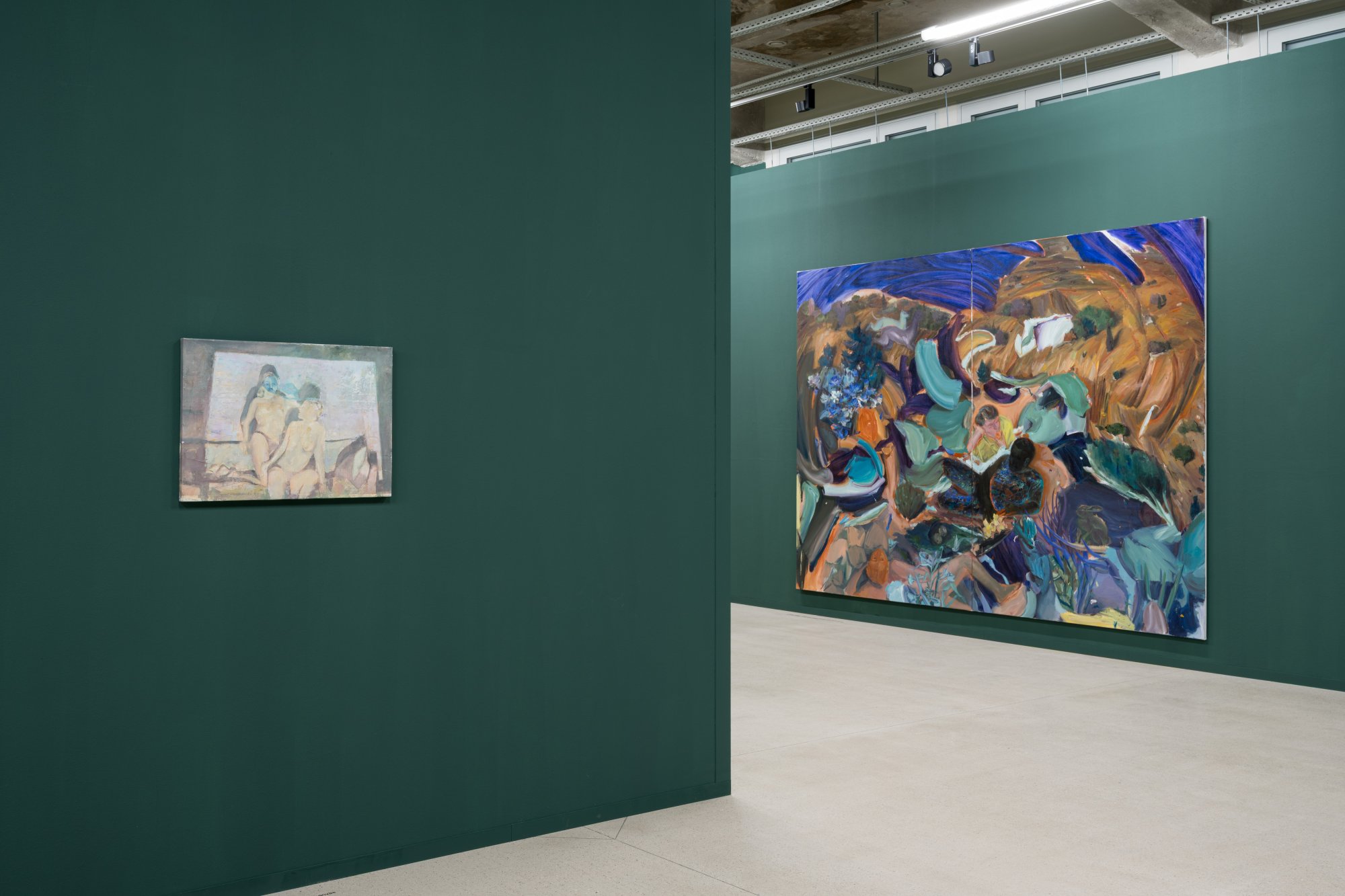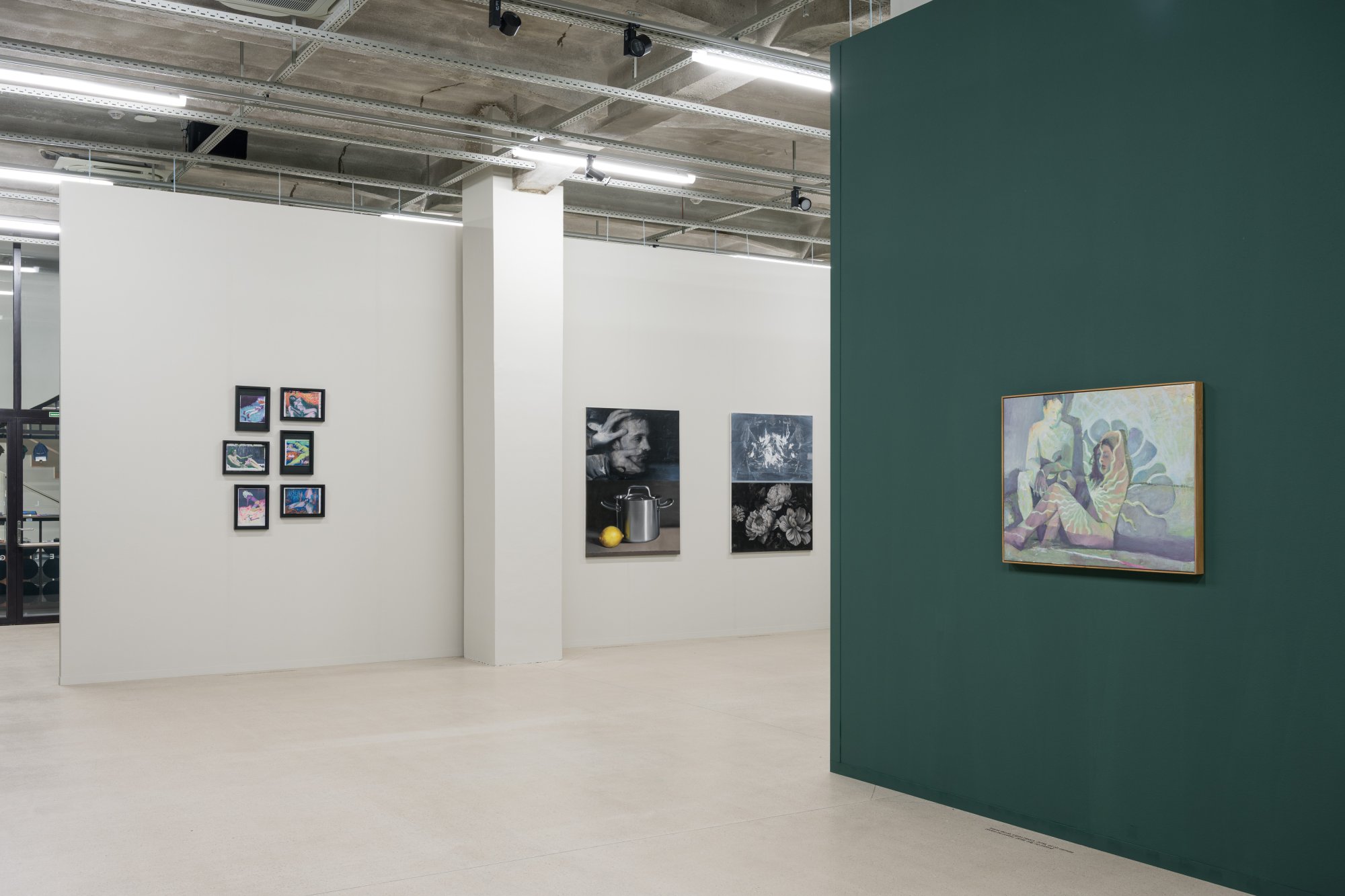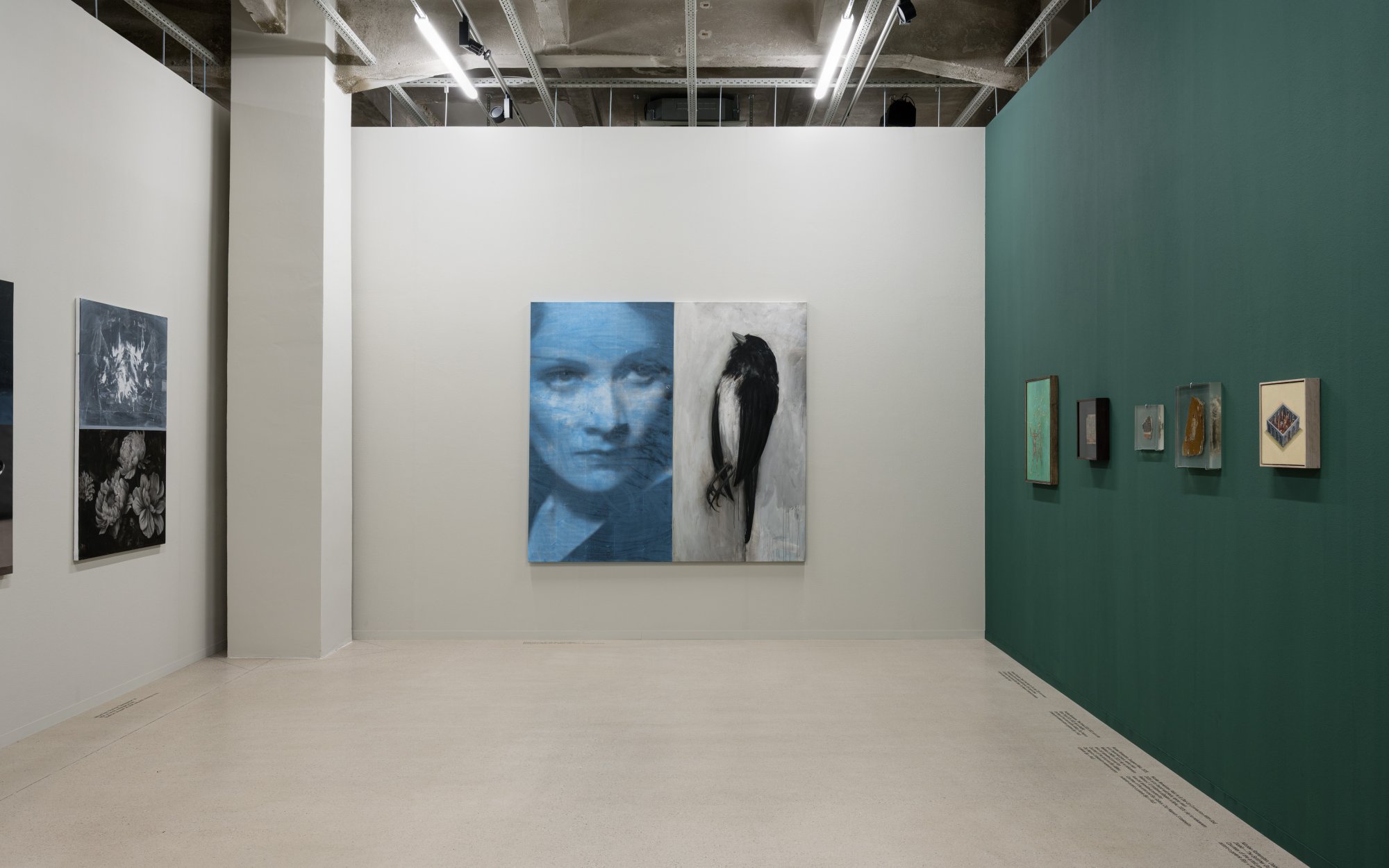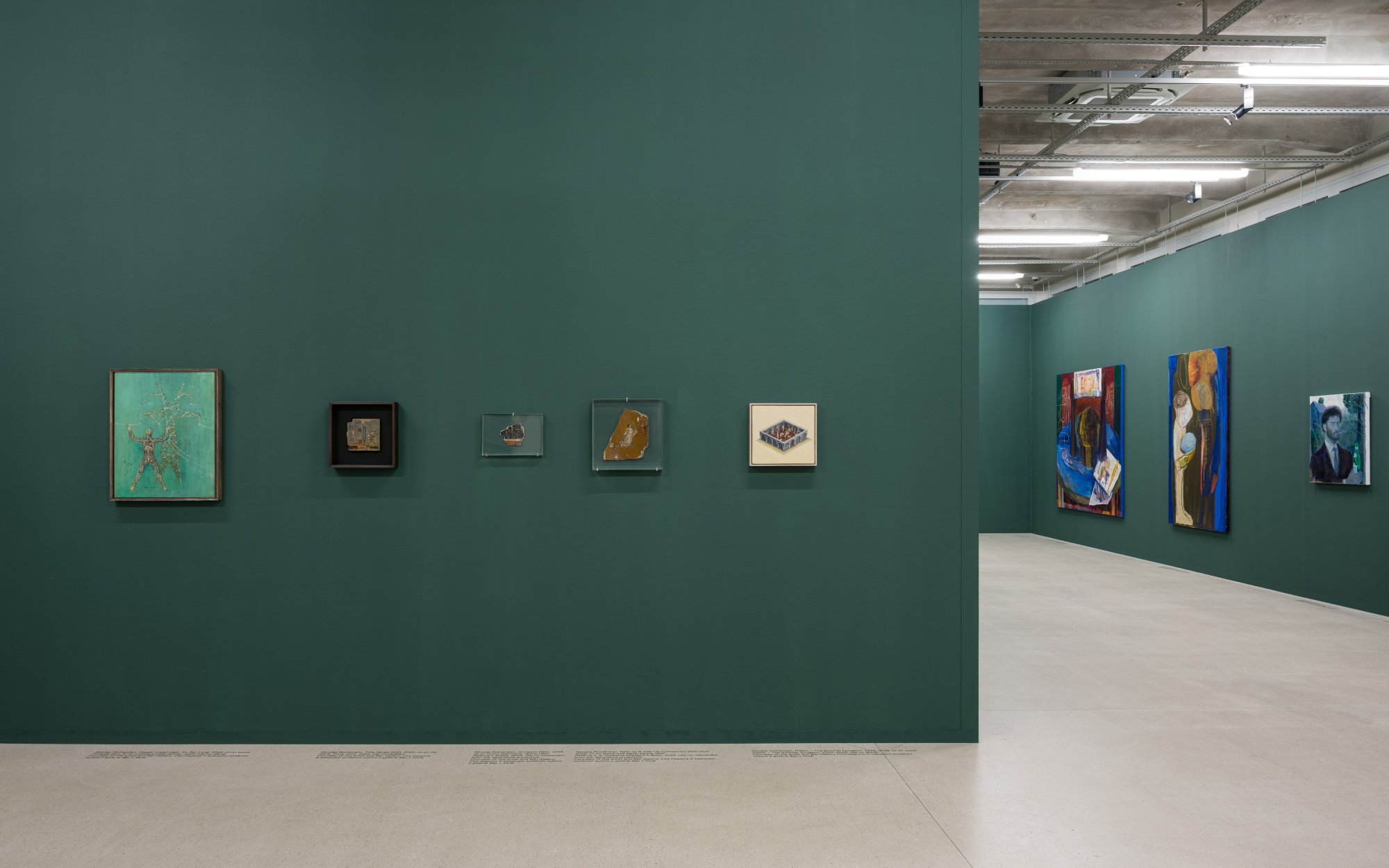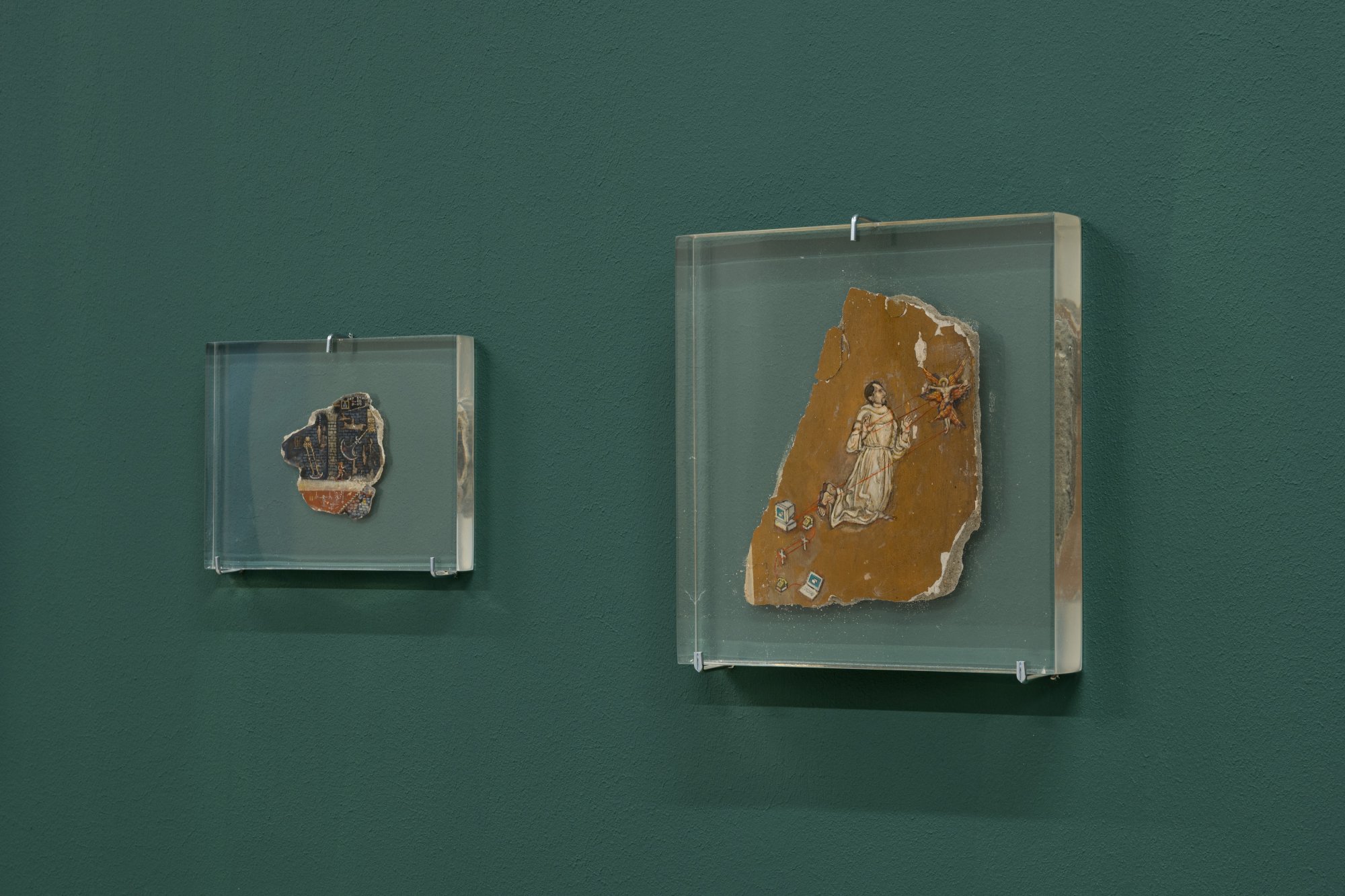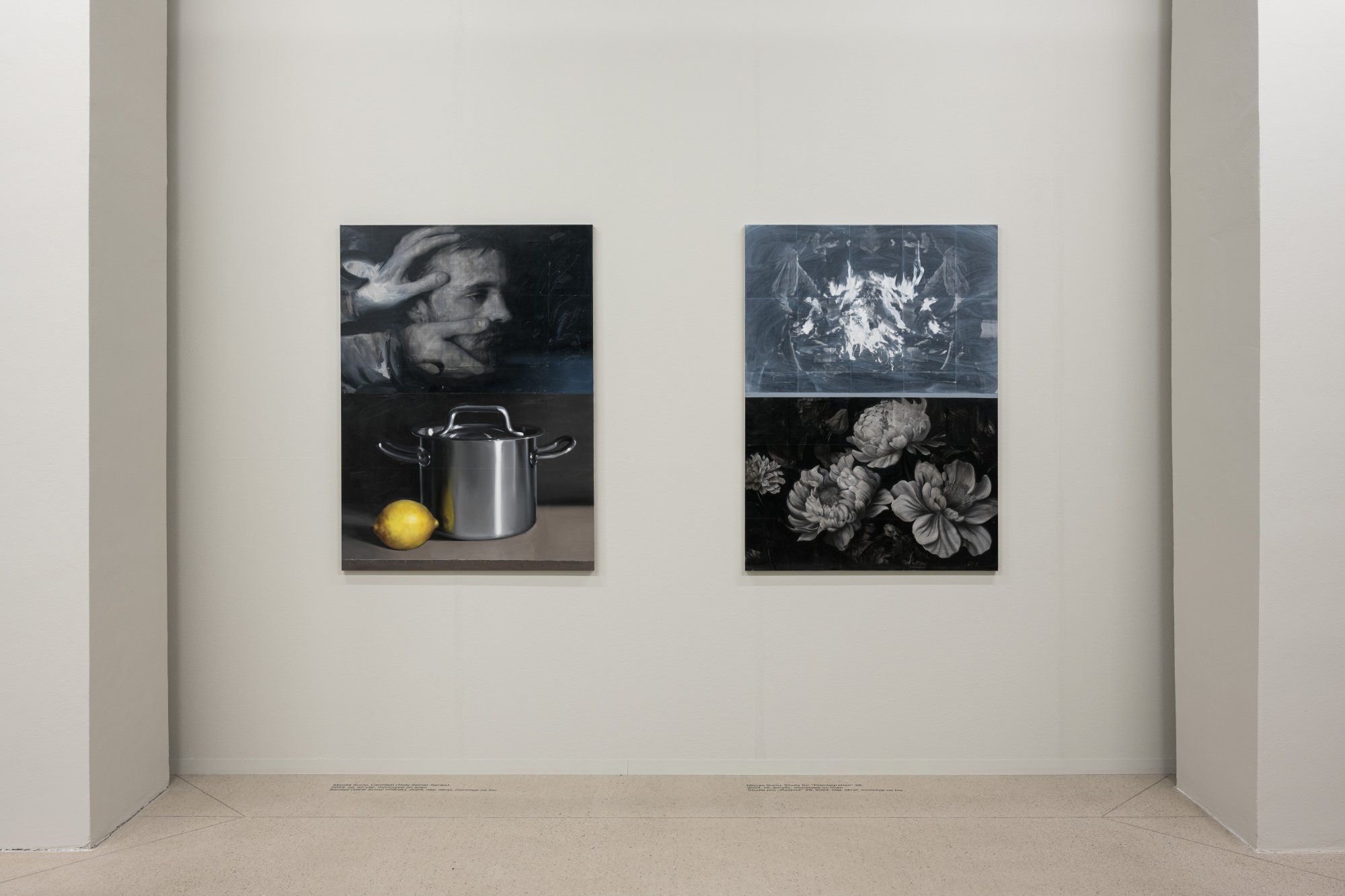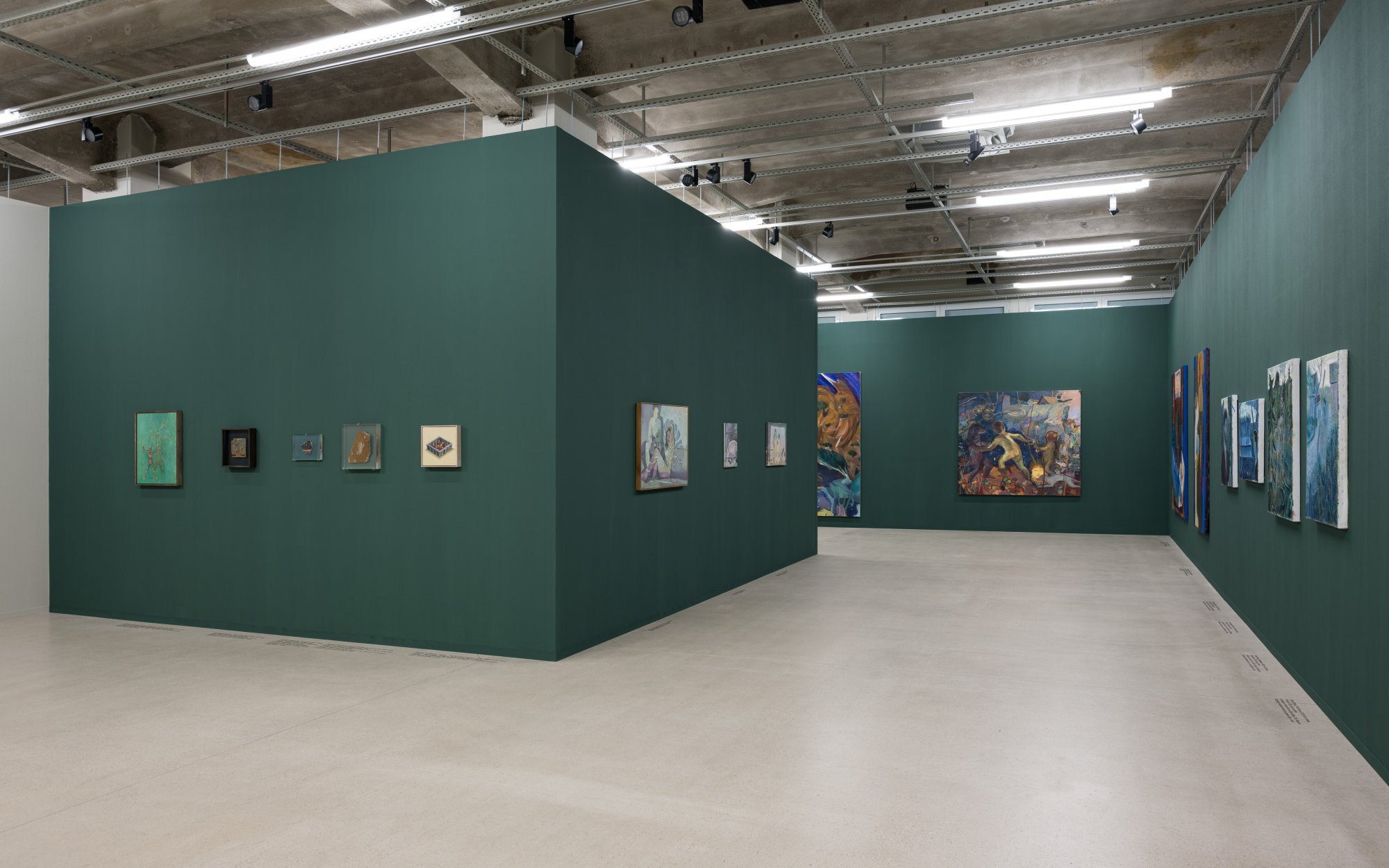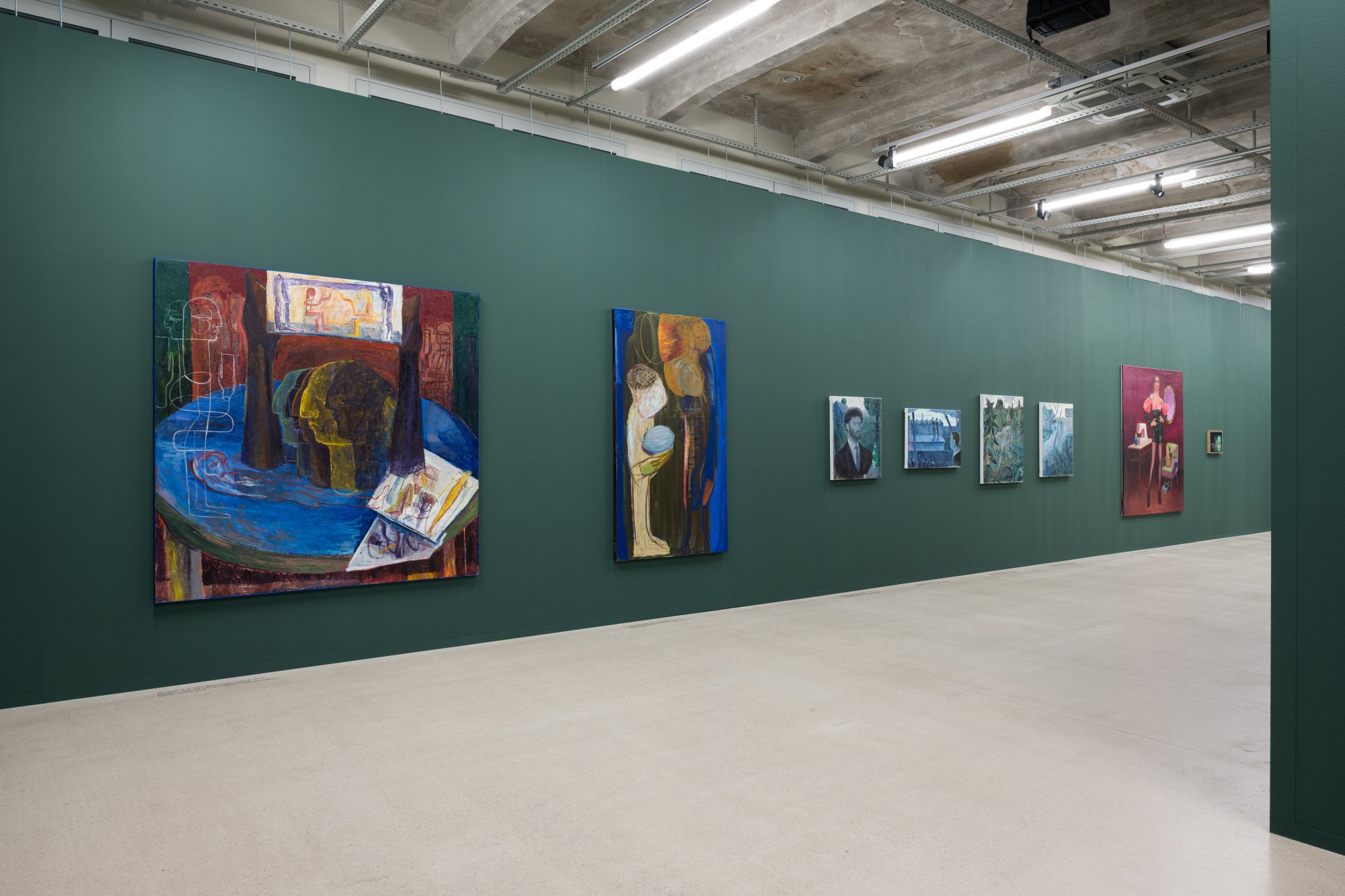
Tincuta Marin (*1995) is one of the leading figures of the young generation of contemporary Central European painters. She received her formal education in the painting studio at the University of Art and Design in Cluj-Napoca, where she still lives and works today. Although her creative roots lie deeply in the tradition of the Cluj School, over time she has developed a completely unique and easily recognizable visual style. This style combines painterly mastery with a completely unbridled imagination, thus attracting well-deserved attention at major international art fairs and in prestigious European galleries.
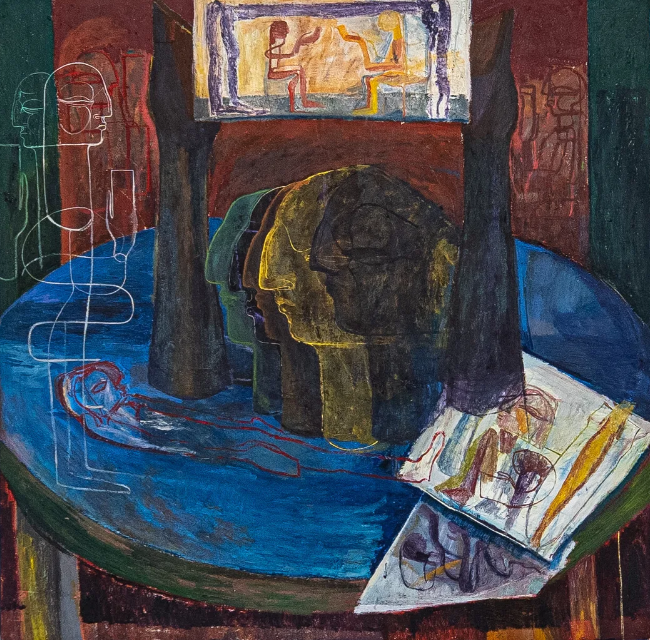
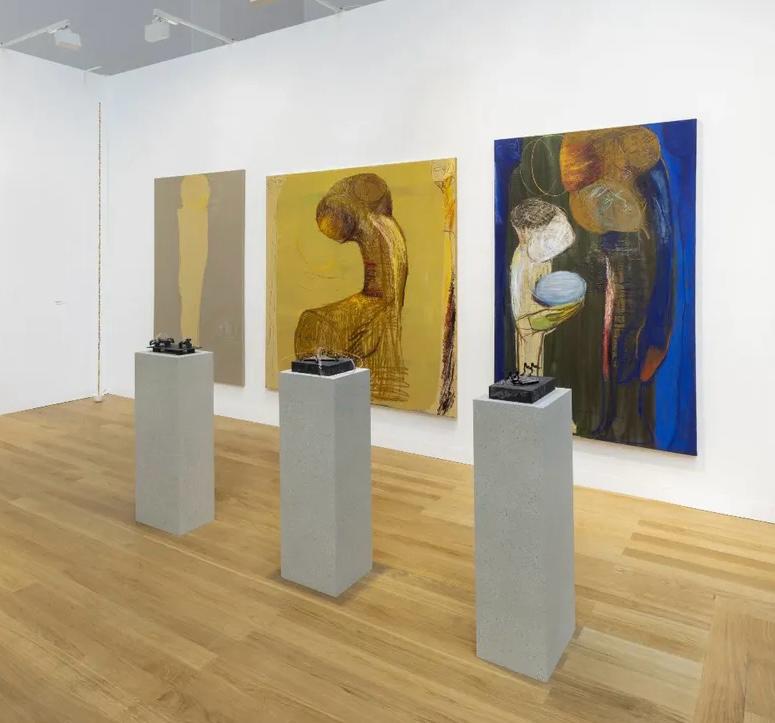
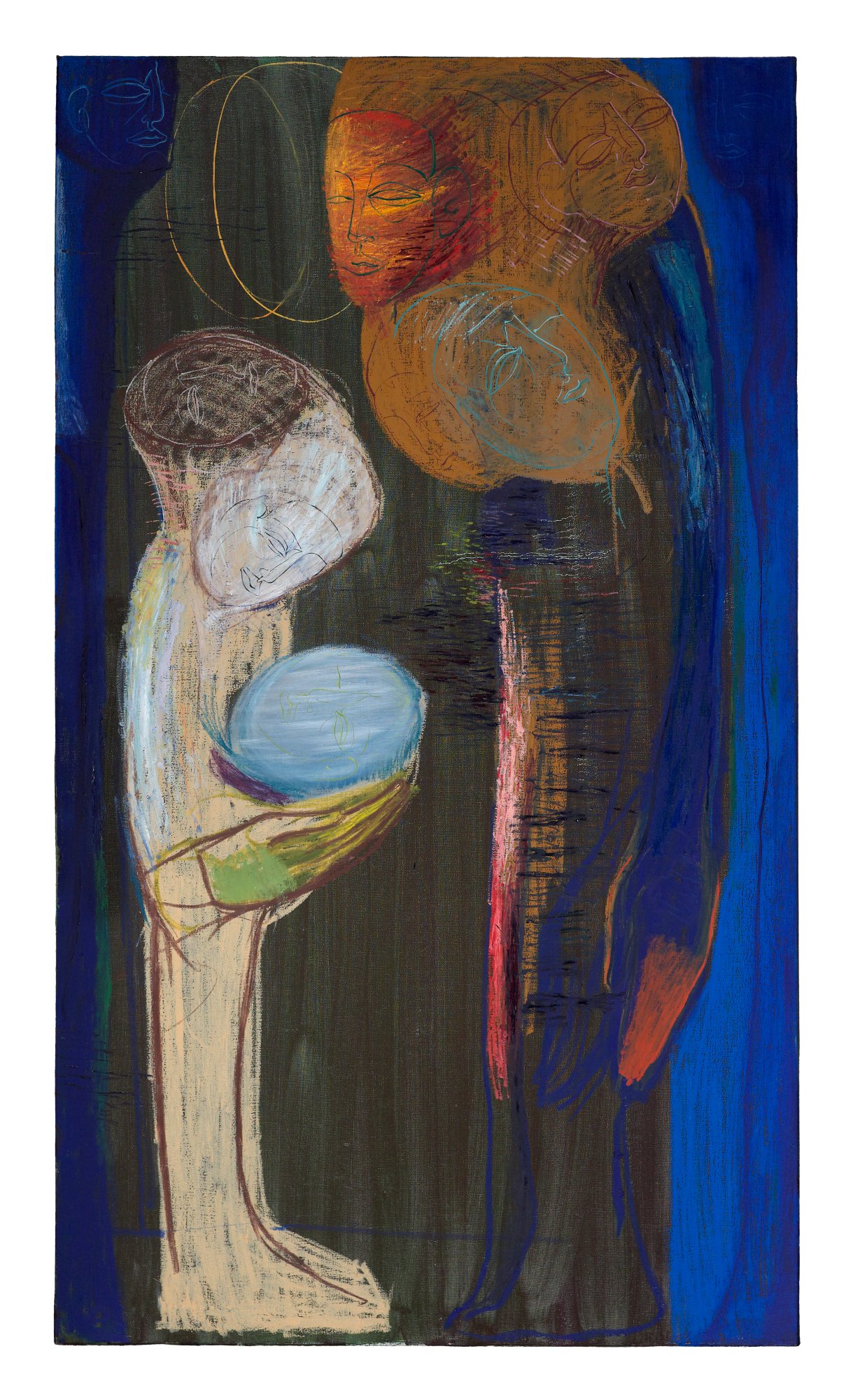
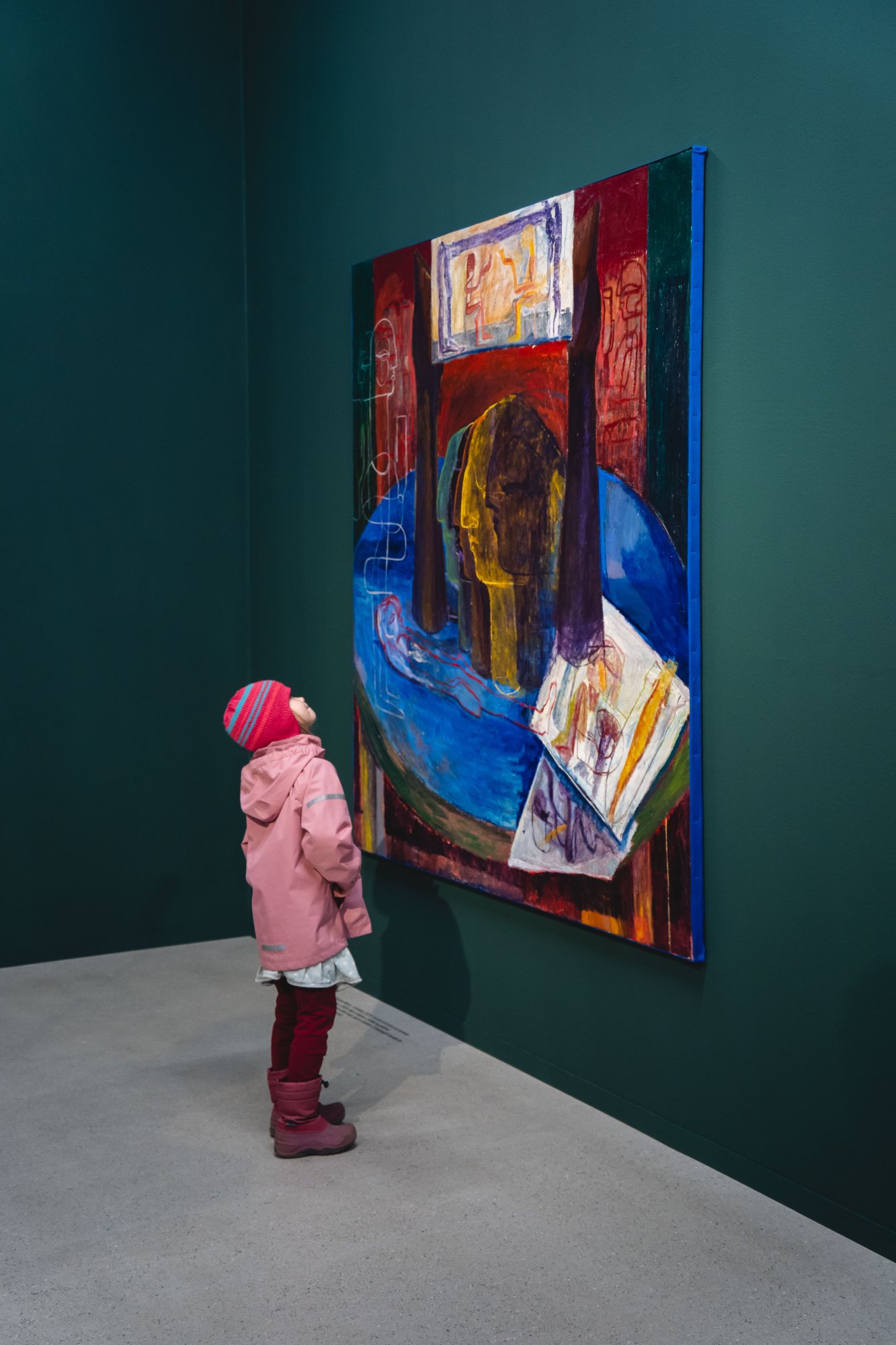
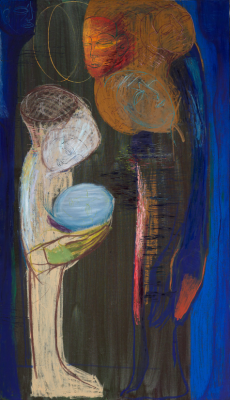
In her work, the artist seamlessly blends the medium of painting with sculpture and spatial installations. Her works straddle the boundary between dream and reality, folkloric fantasy and contemporary visual culture. The central elements of her canvases are hybrid figures and fantastical creatures that seem to come from parallel worlds. Marin draws heavily on Romanian mythology and folklore, which she transforms into a personal aesthetic full of the grotesque, subtle humor, and melancholy. Her work is characterized by strong stylization, distorted forms, and very vivid colors. Her compositions often resemble theatrical scenes in which the usual laws of physics no longer apply.
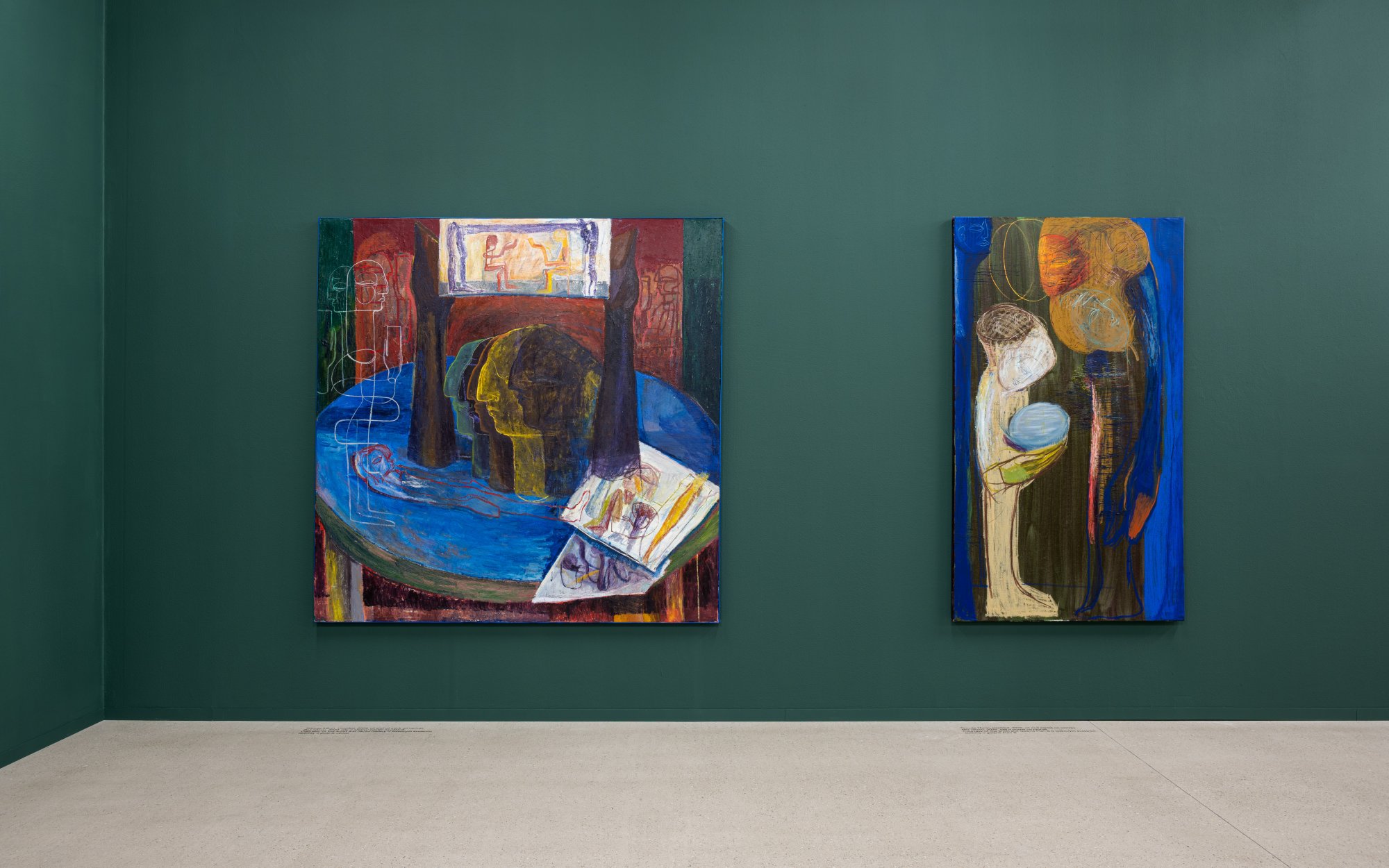
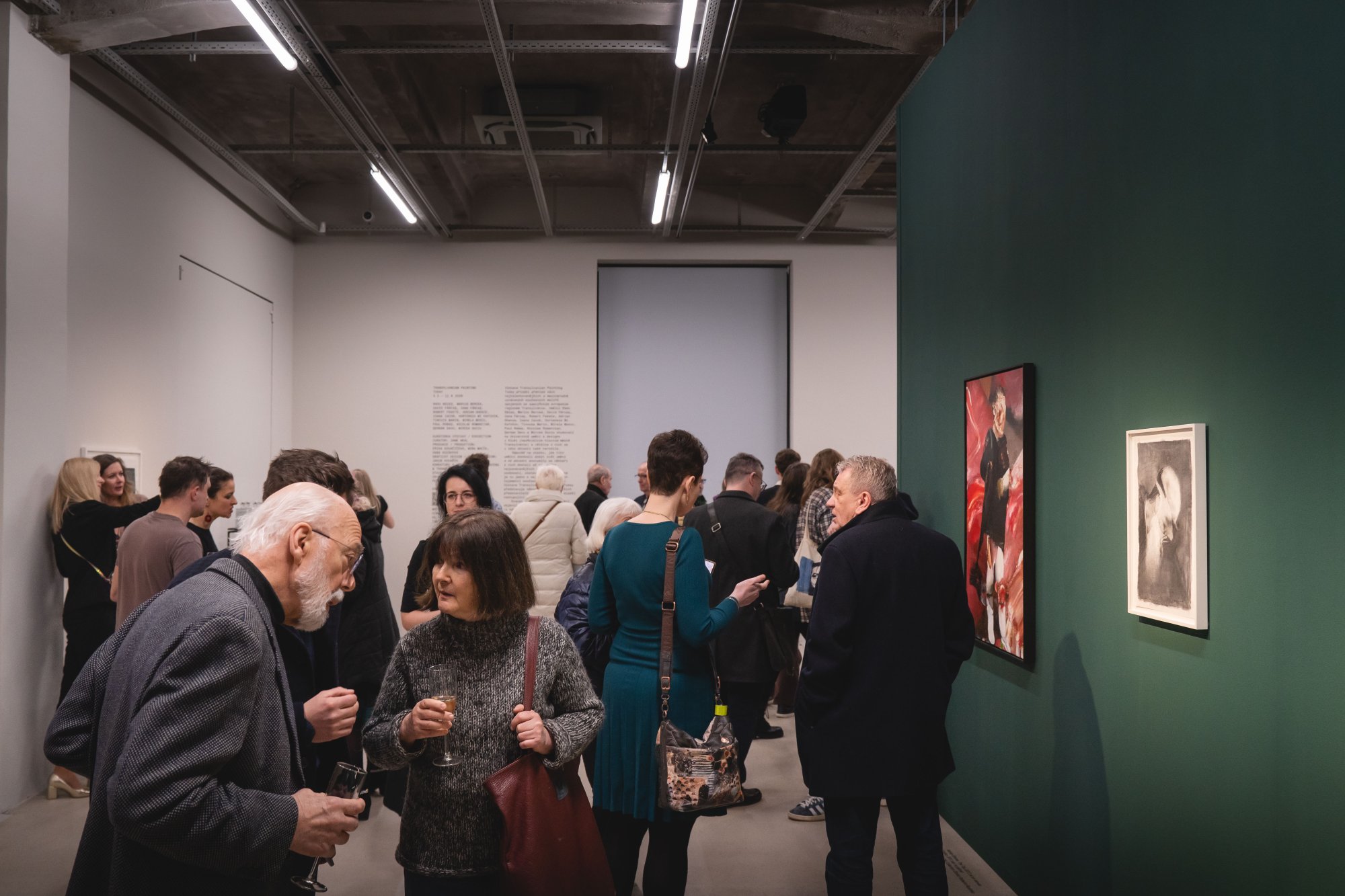
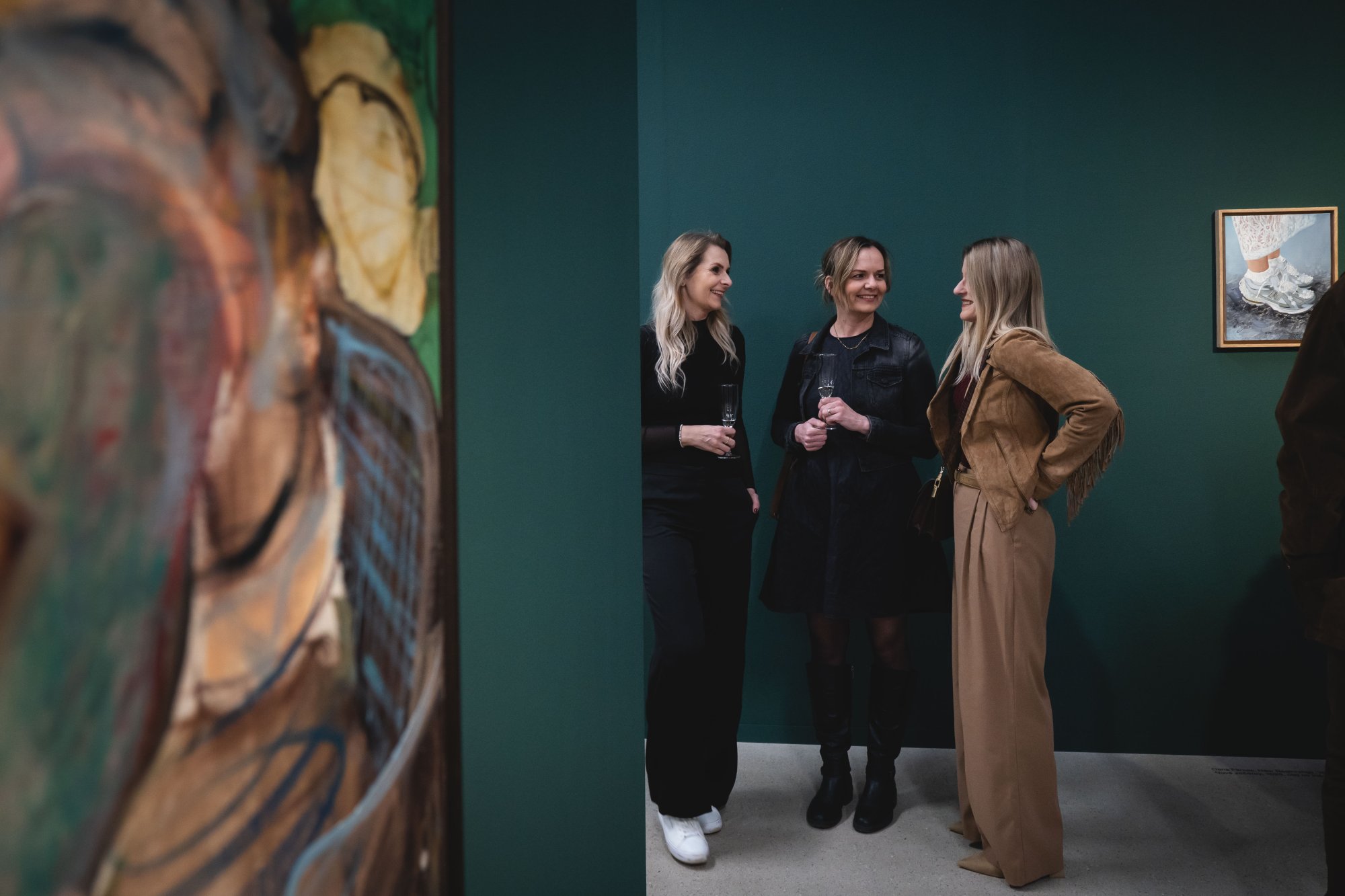
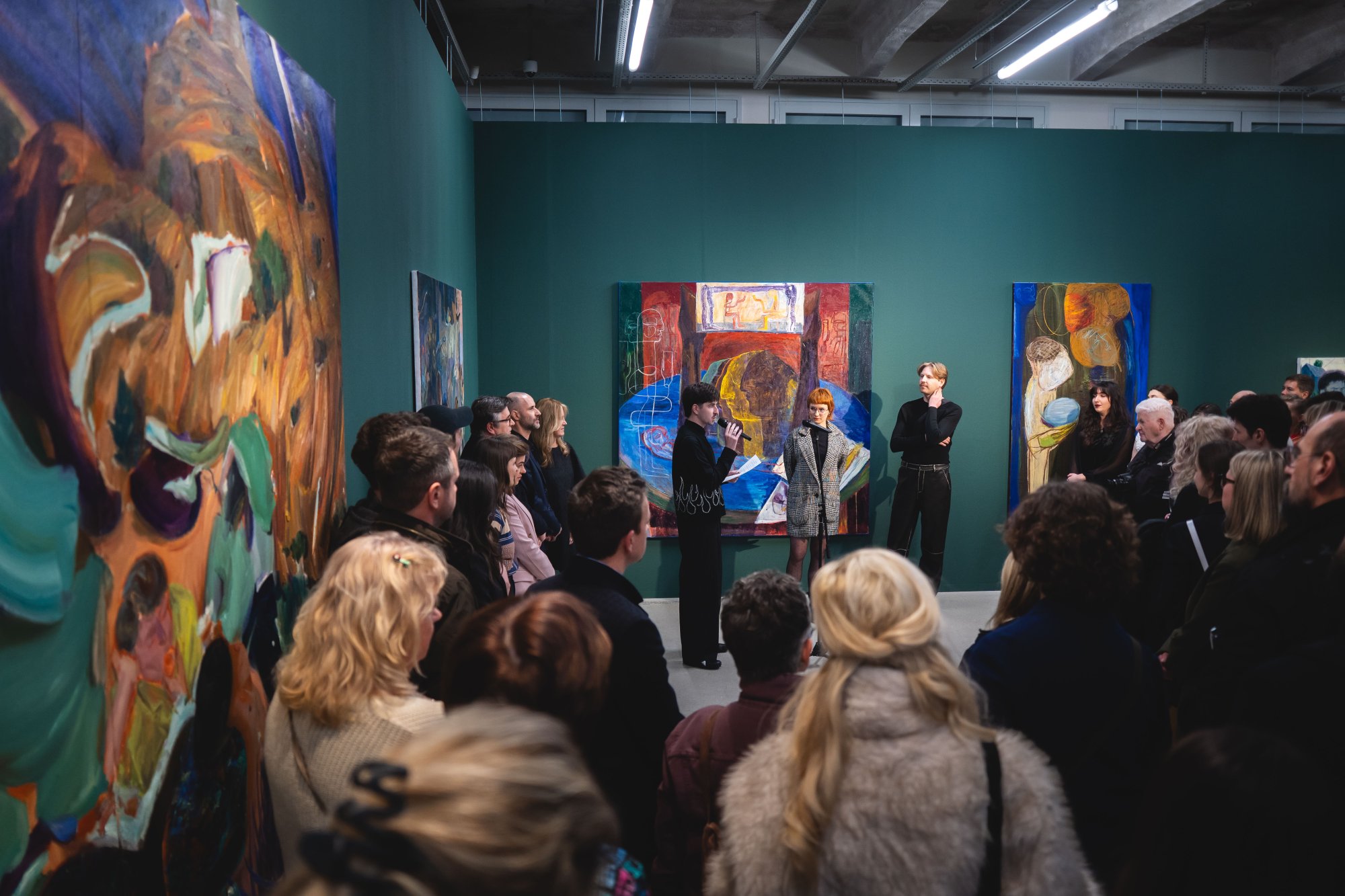
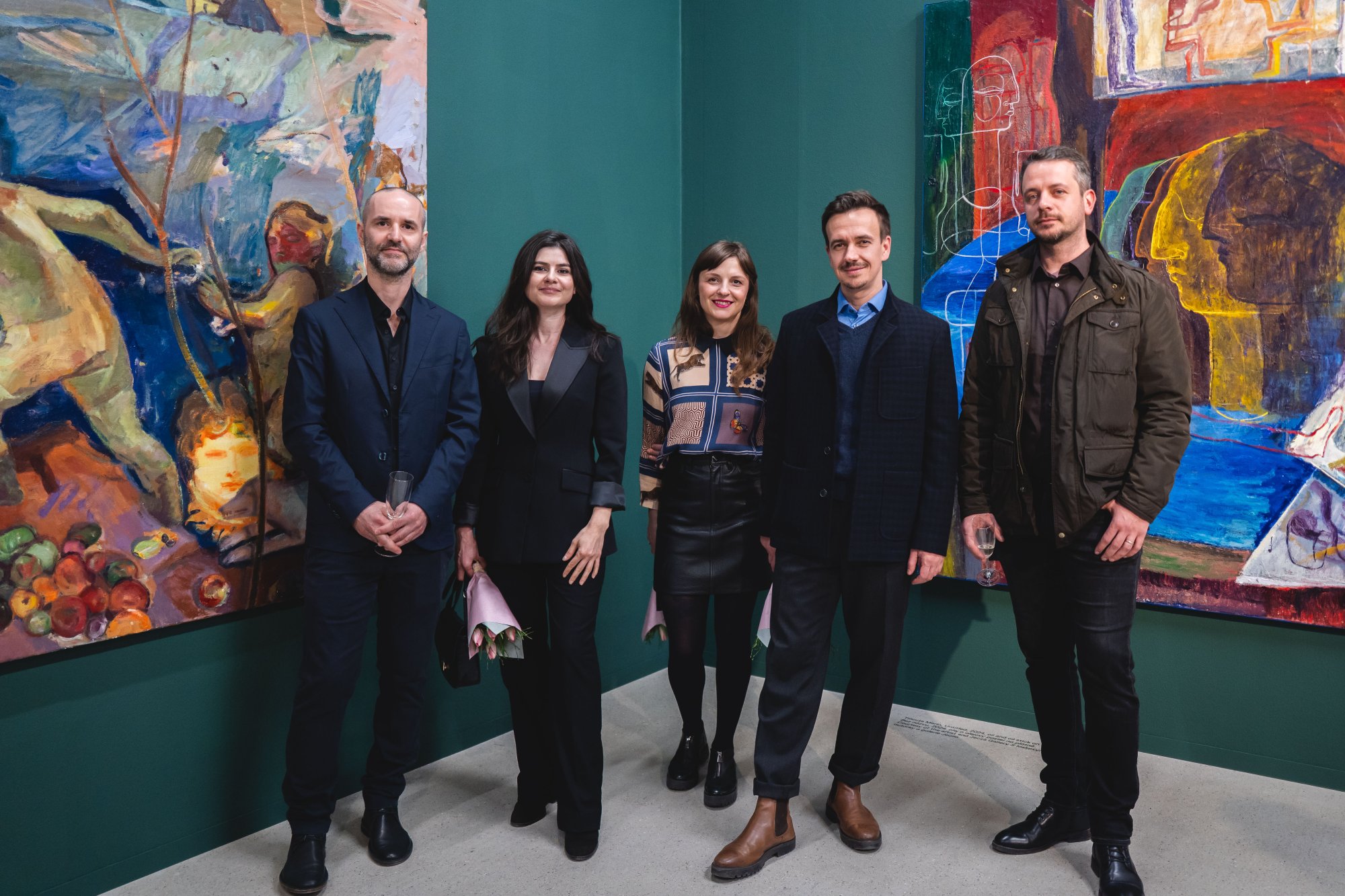
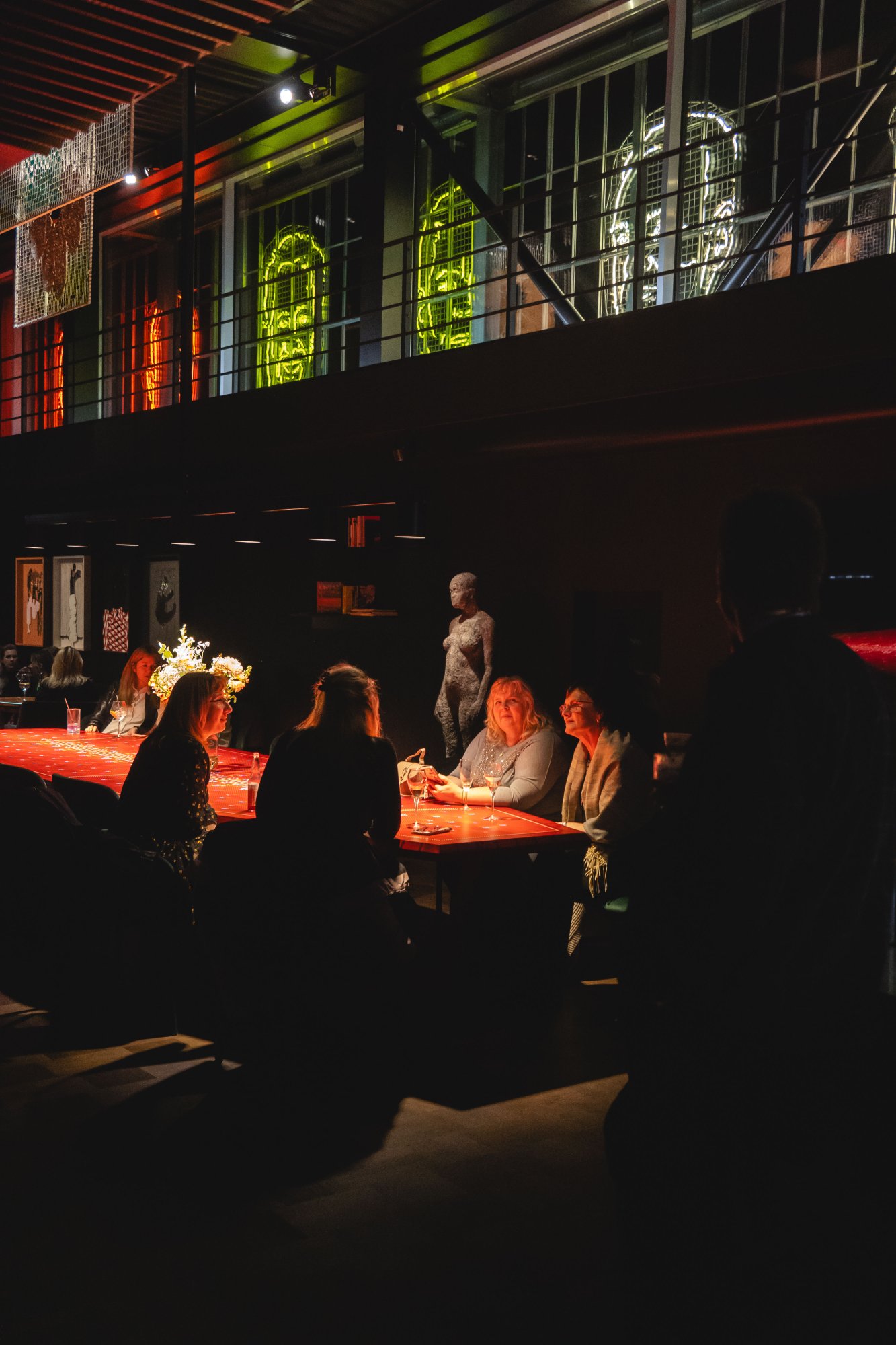
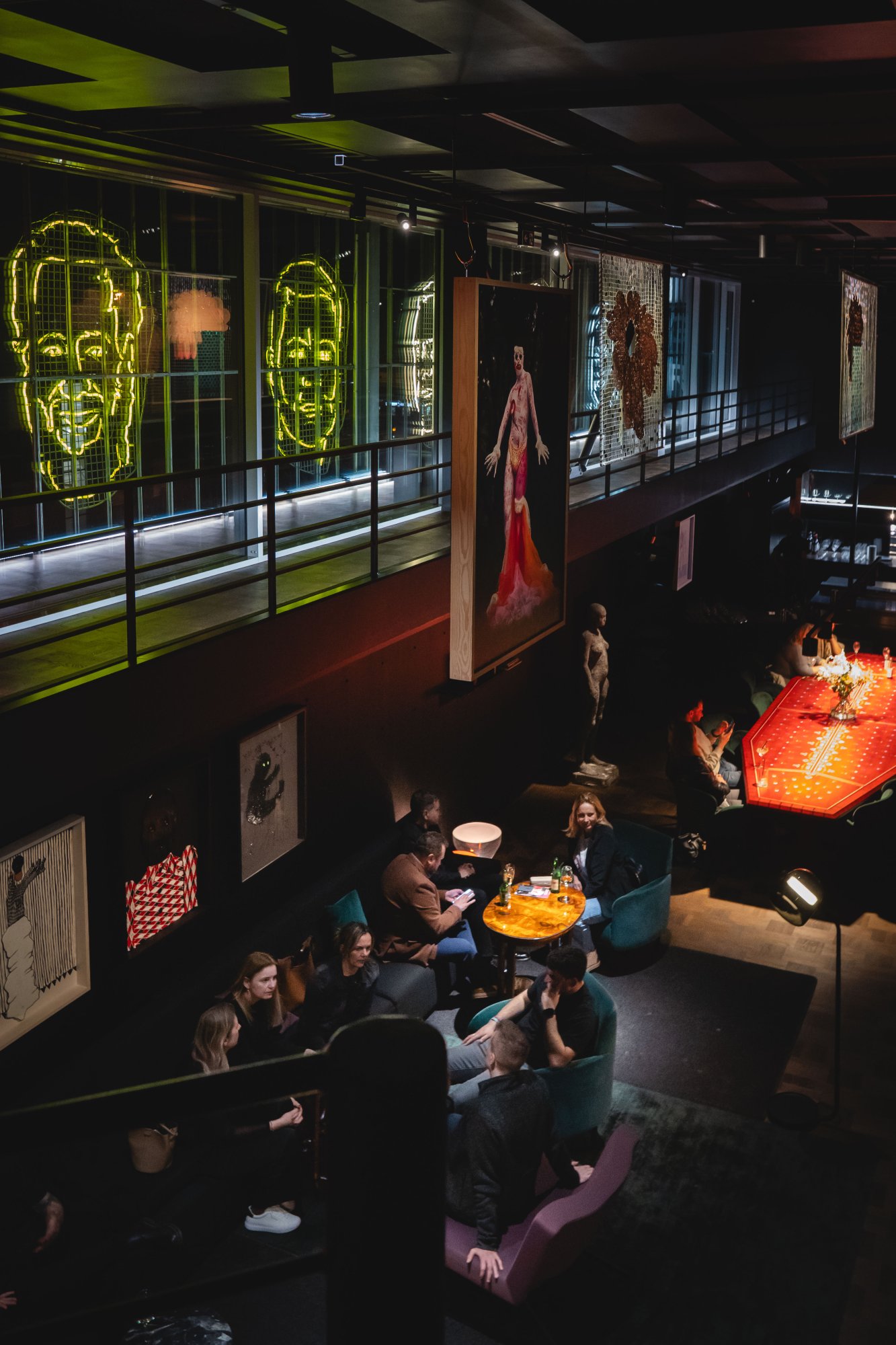
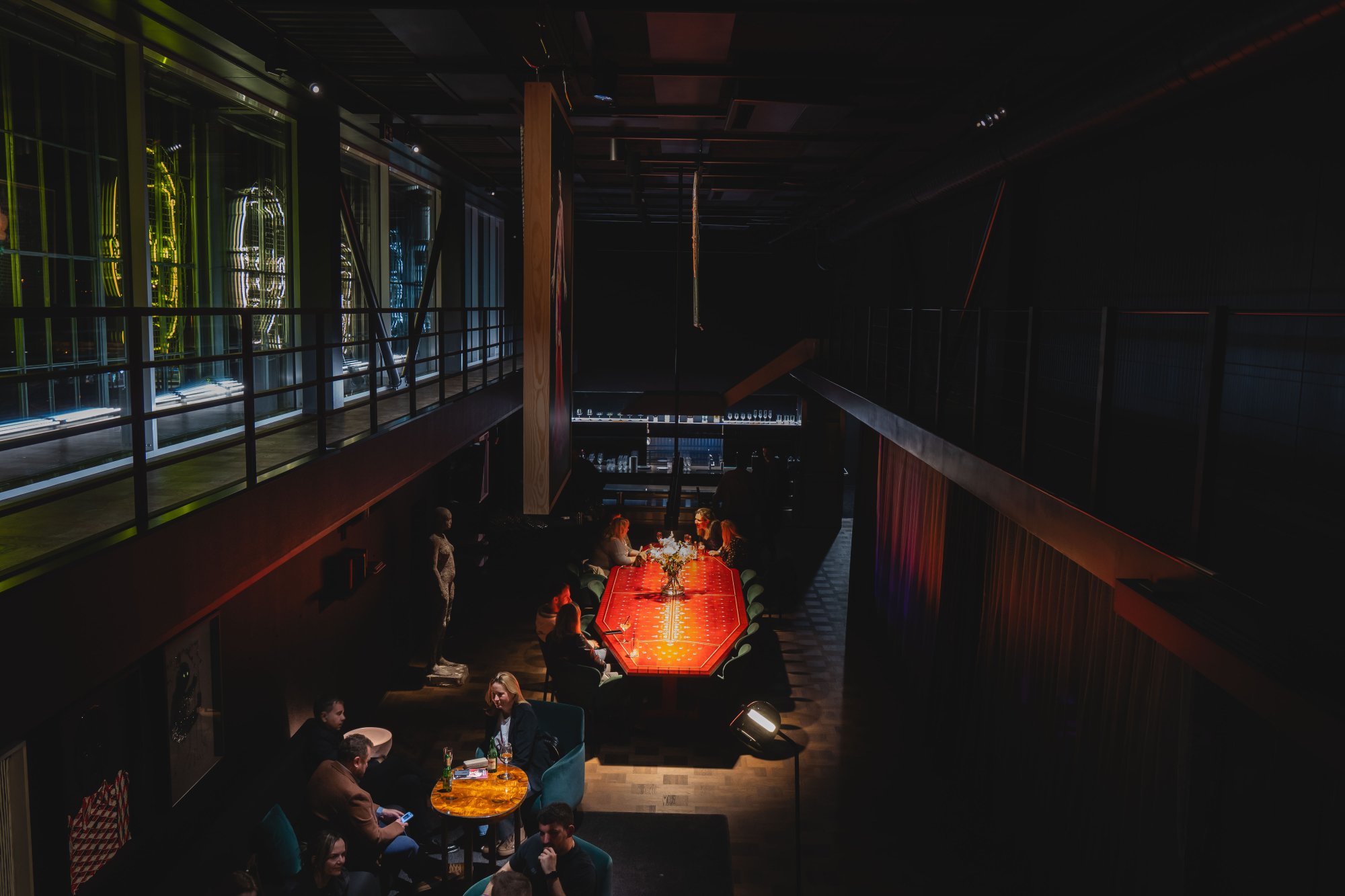
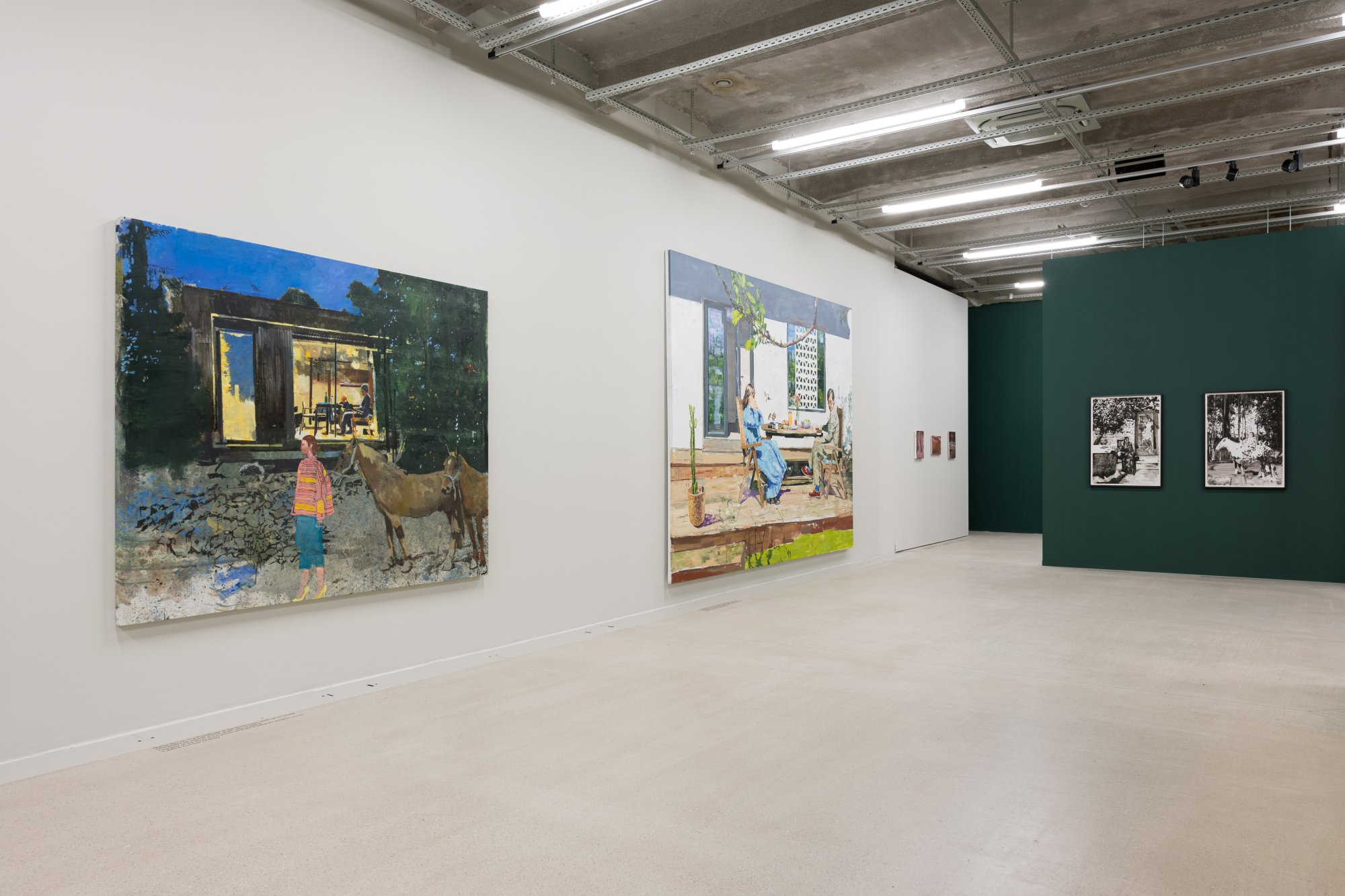
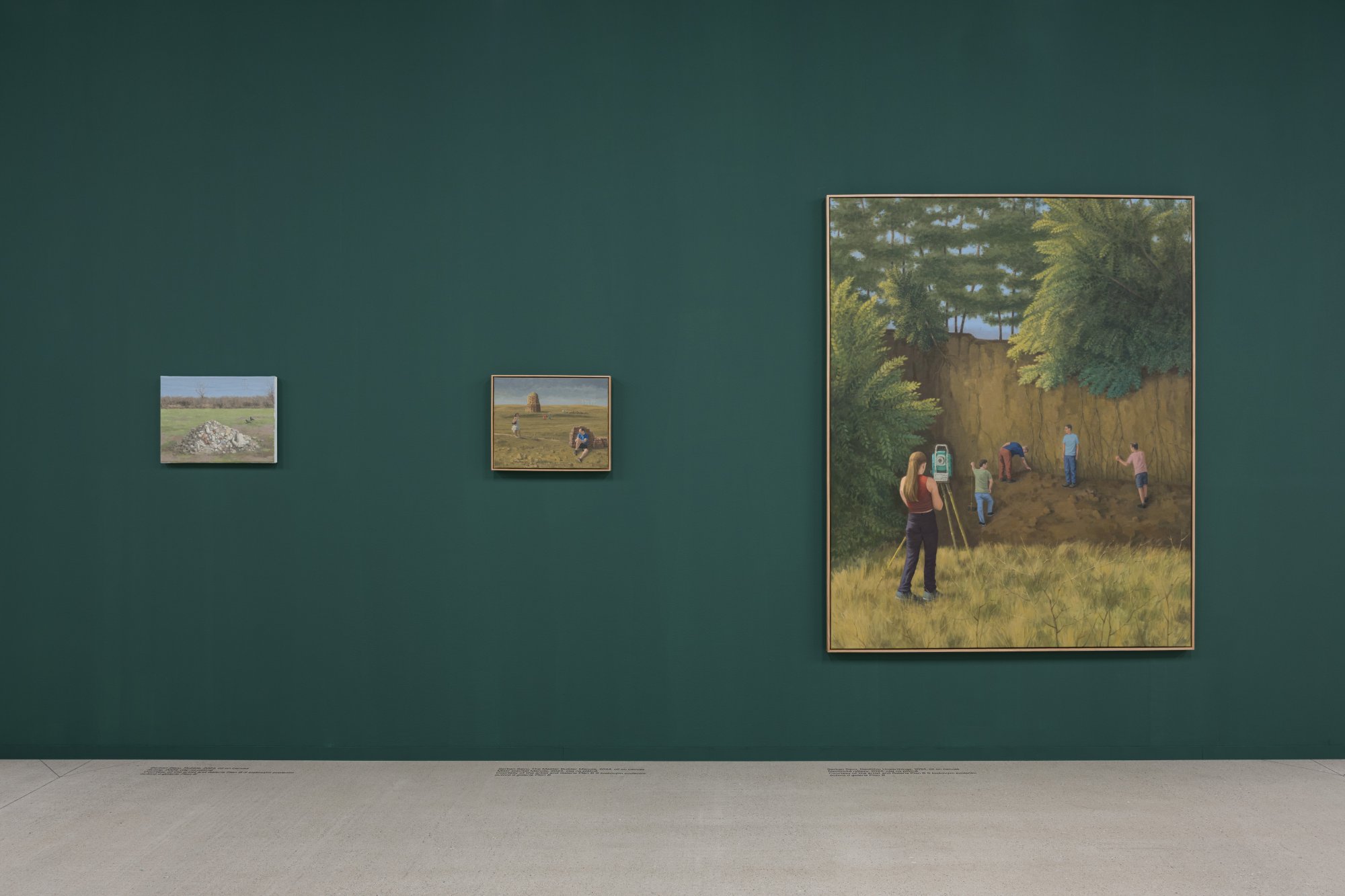
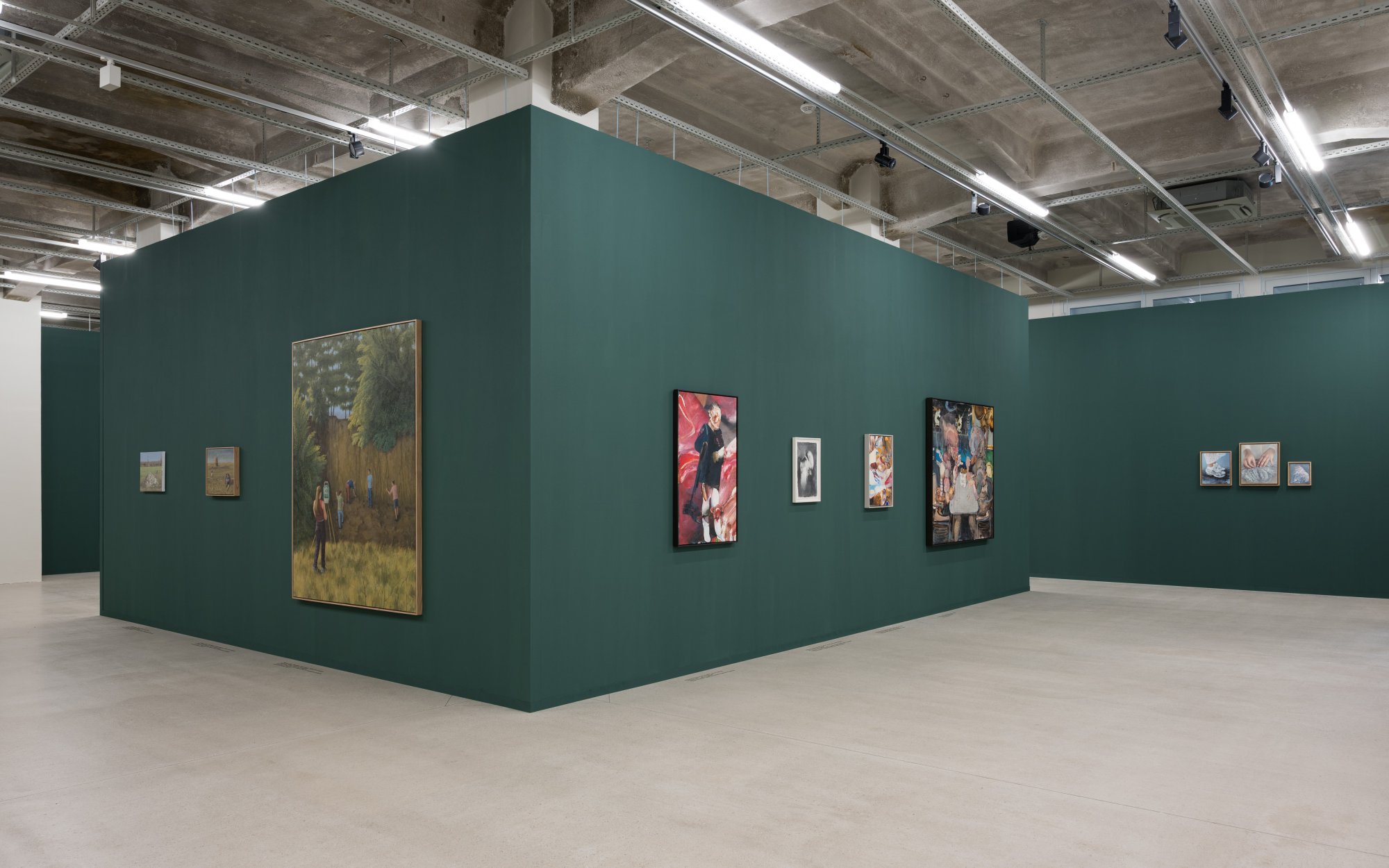
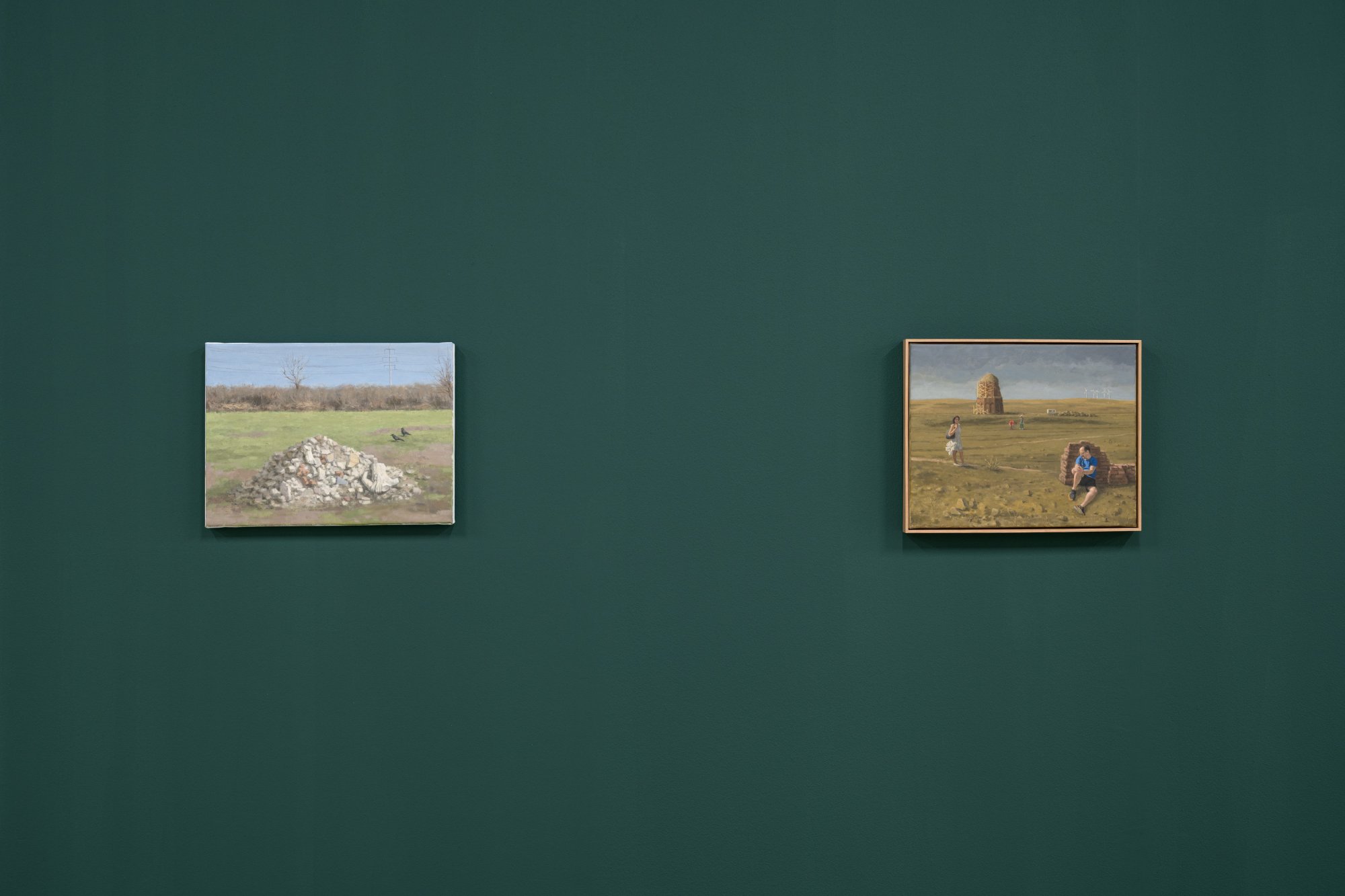
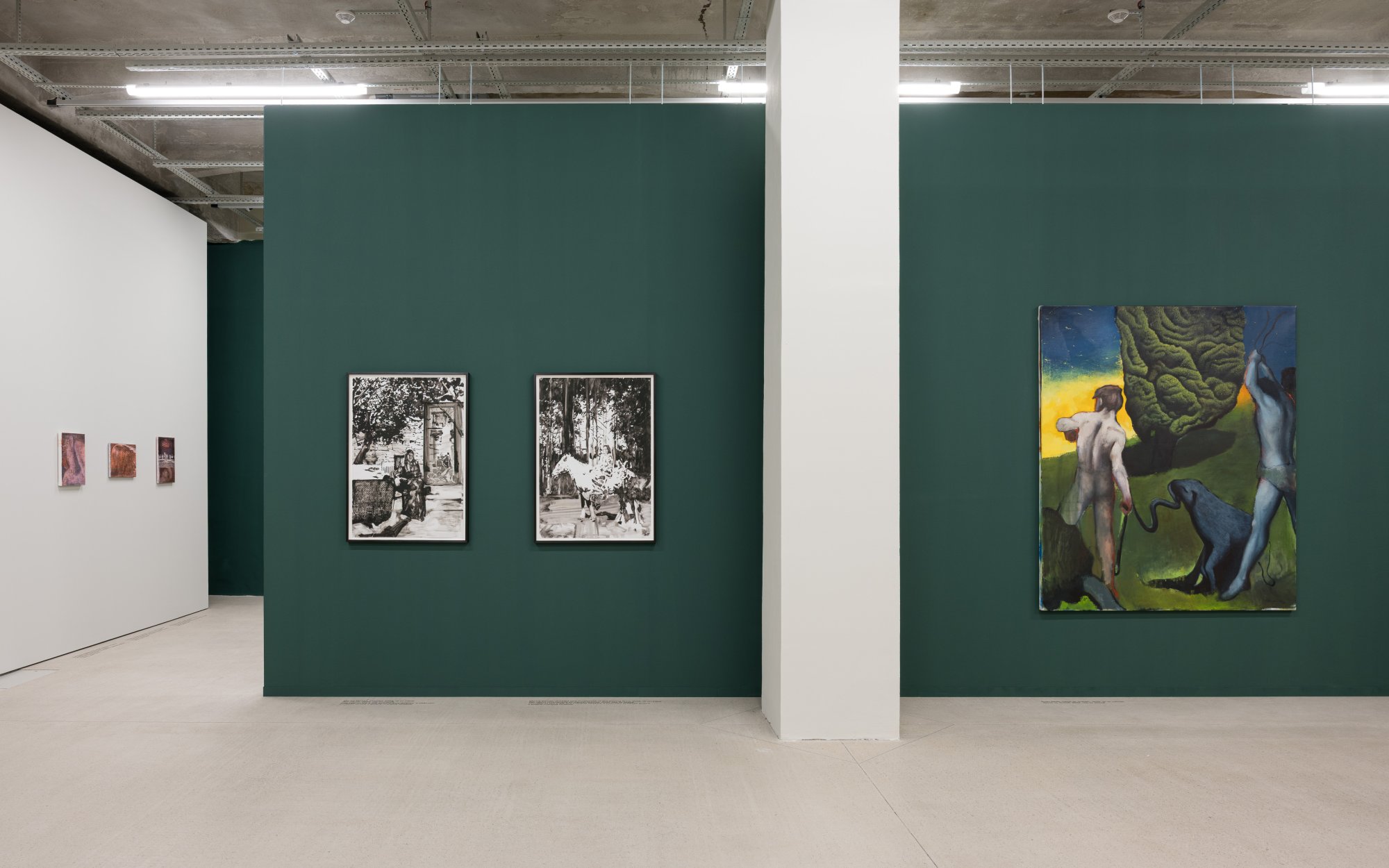
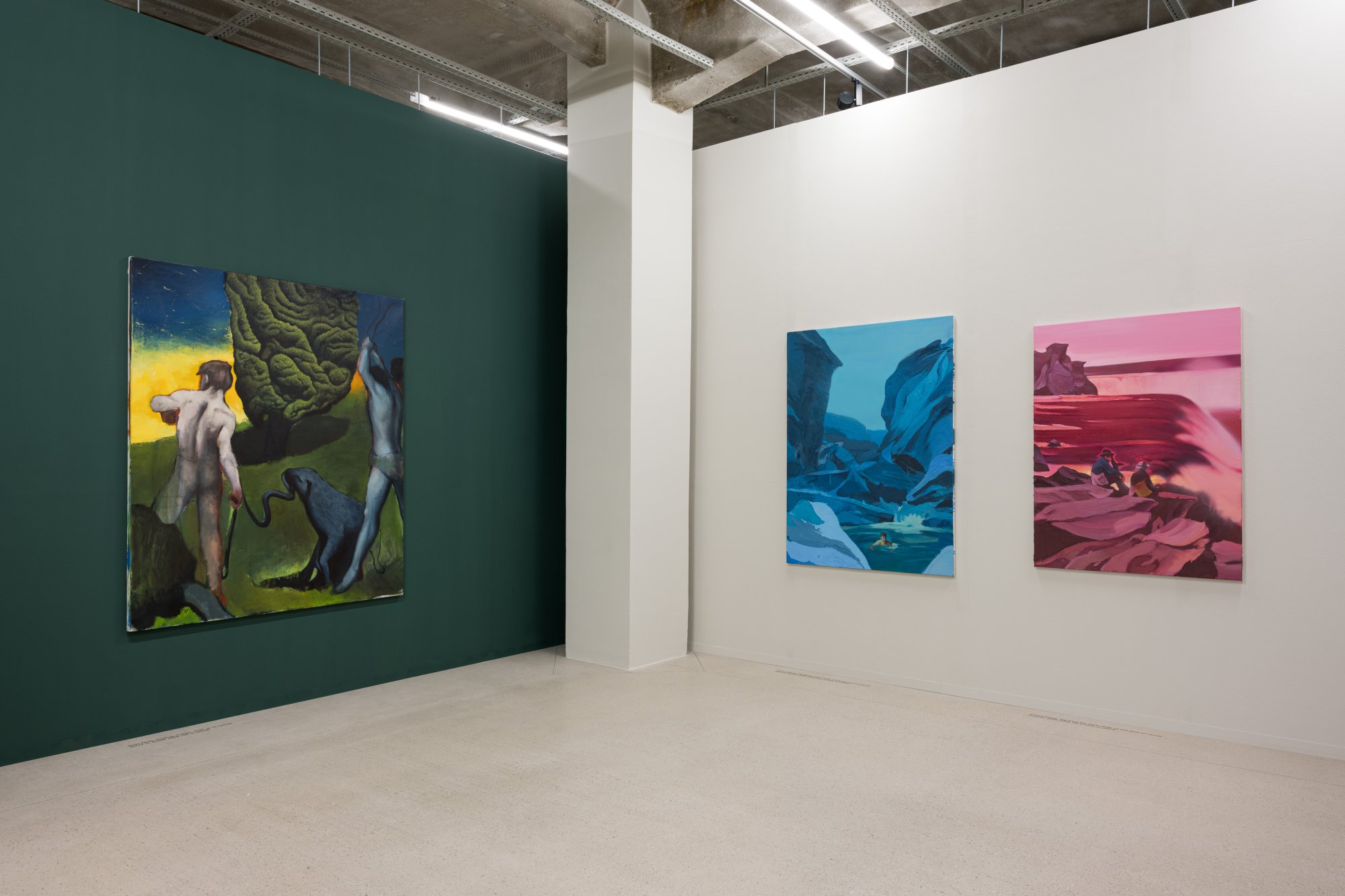
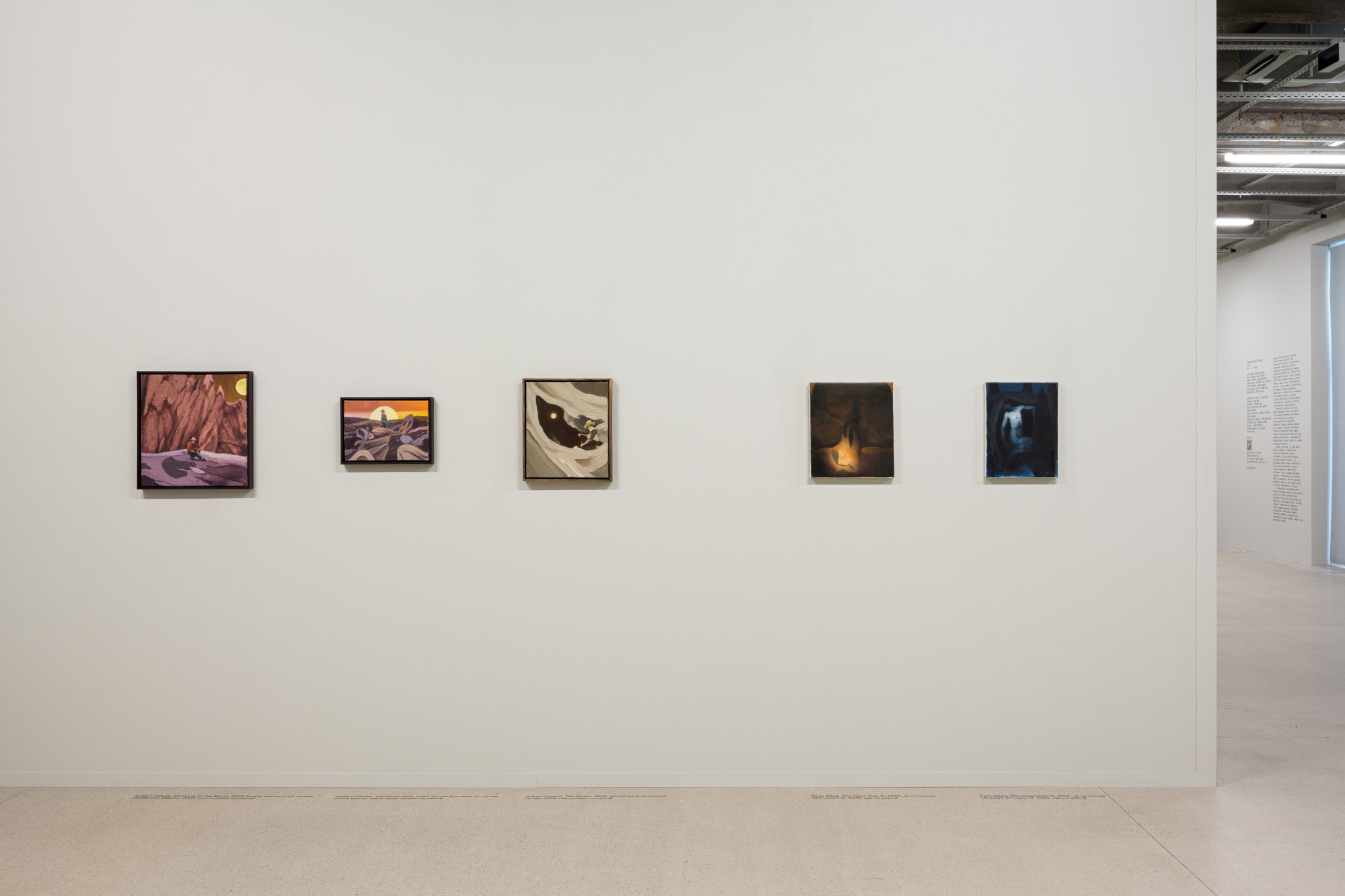
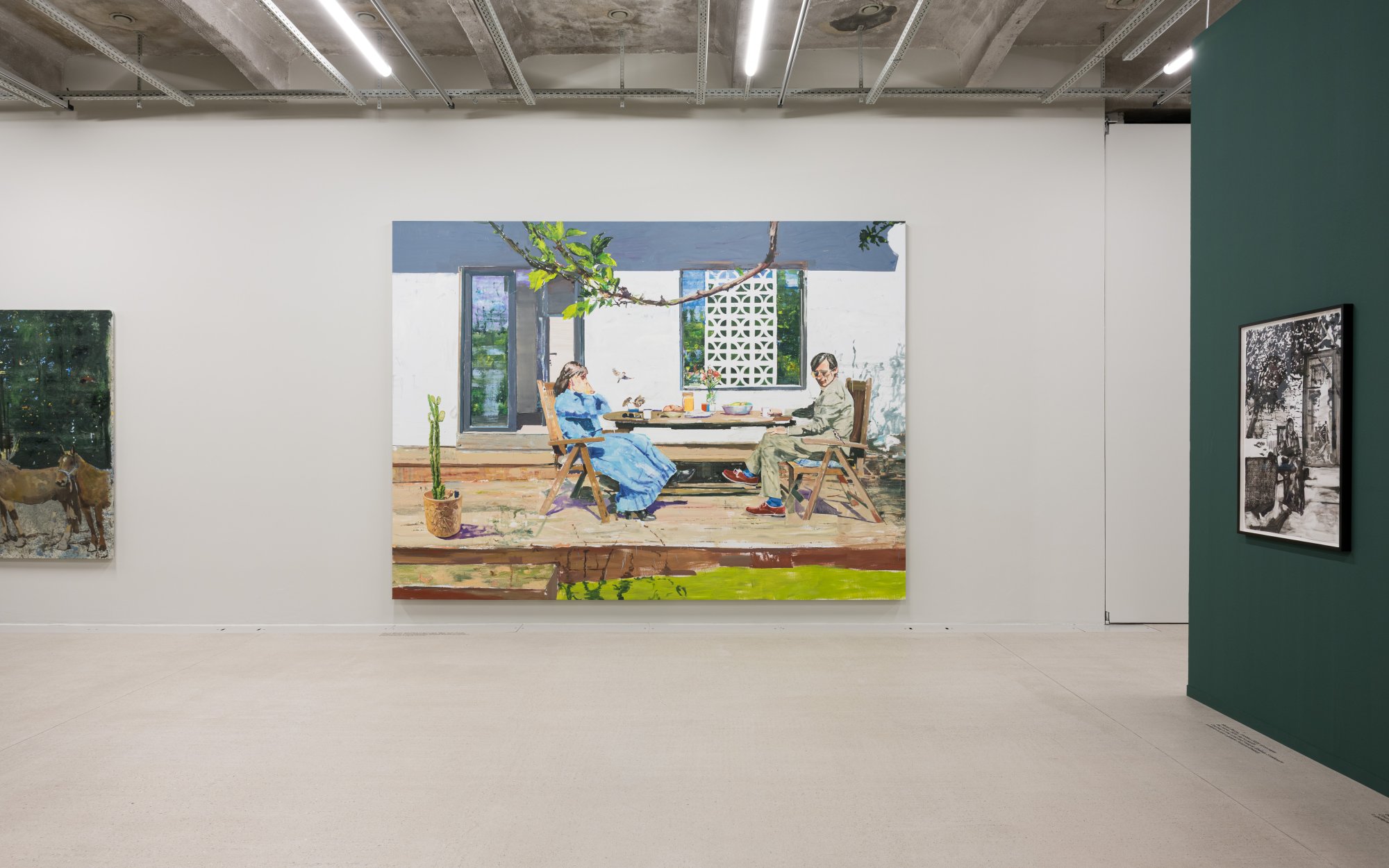
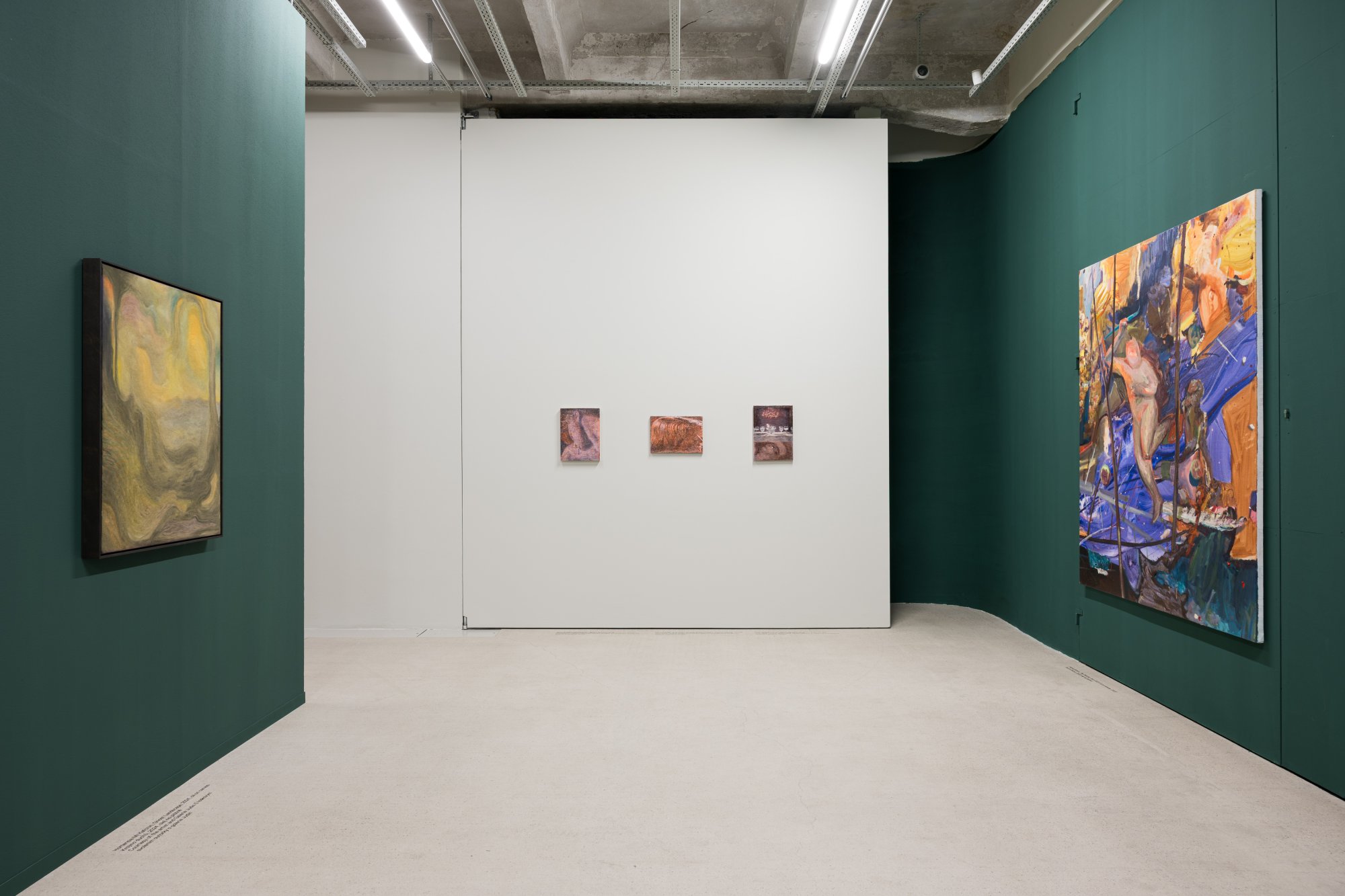
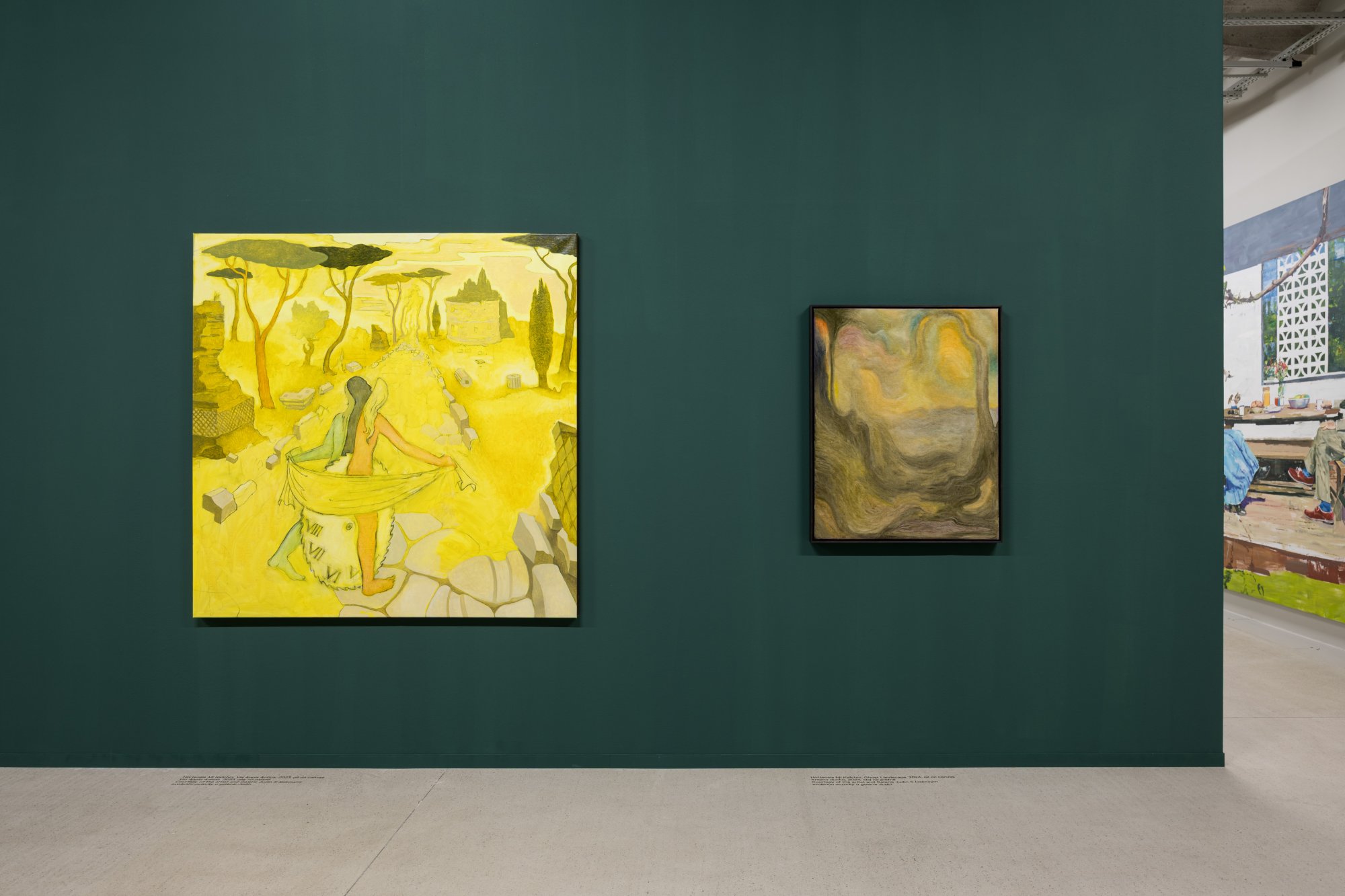
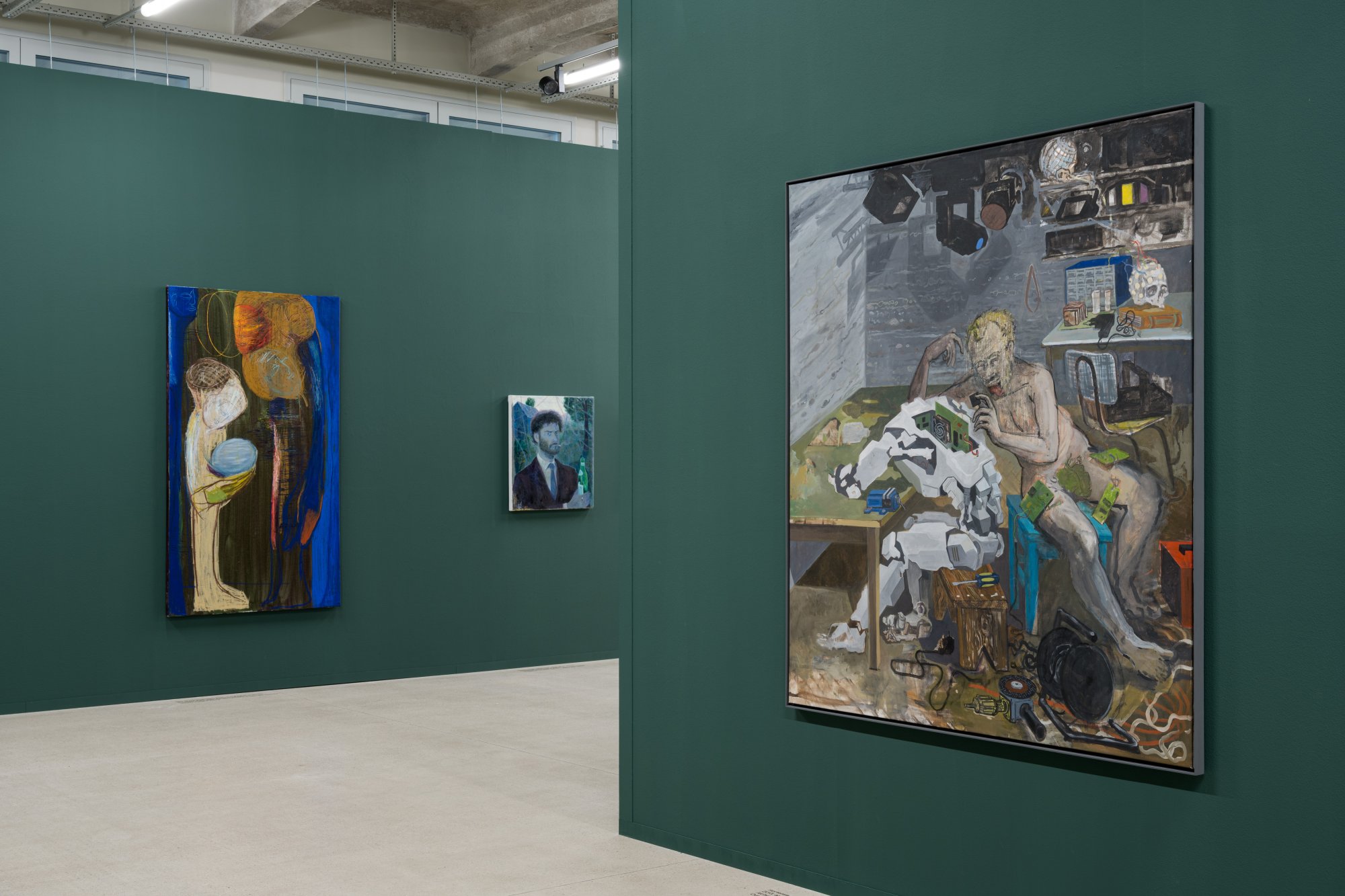
The artist regularly exhibits at leading European galleries, including Galeria Plan B, Jecza Gallery, and SECCI Gallery. A major solo project was her installation Where the Sun Sleeps, realized at the Oratorio dei Crociferi in Venice. Here, the artist boldly confronted her modern and often unsettling aesthetic with a historic sacred space. Thanks to her unique approach to figurative painting, her work is now represented in numerous private and institutional collections. The inclusion of her works in the exhibition Transylvanian Painting Today at the Telegraph Gallery clearly demonstrates her exceptional ability to transform local myths and personal memories into the universal language of modern art.