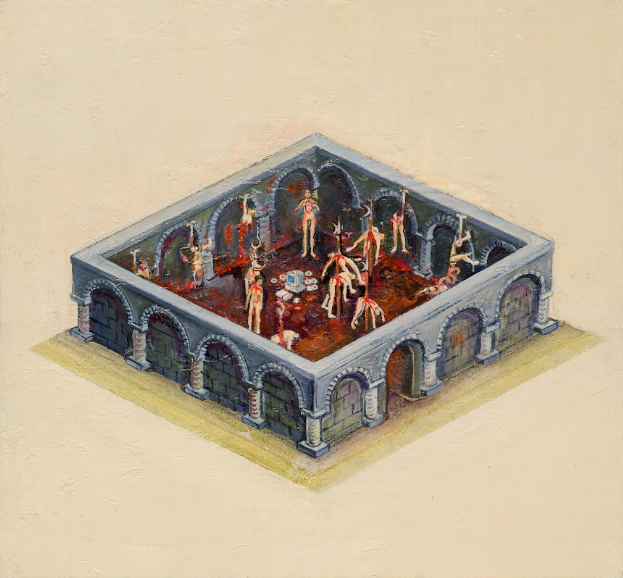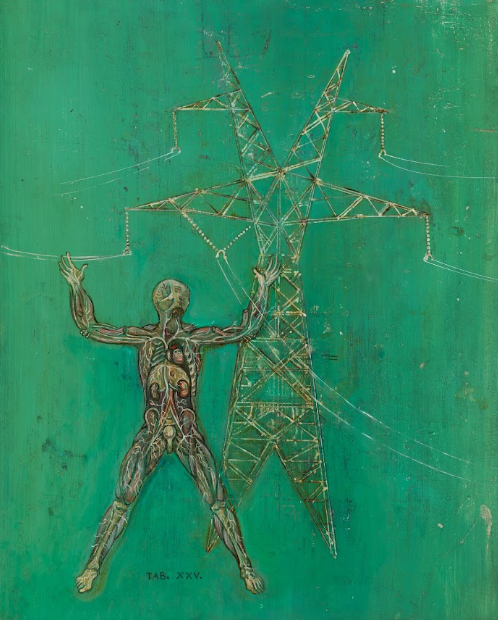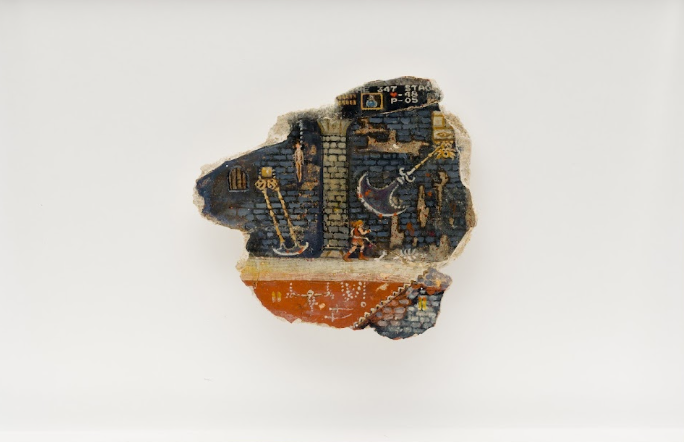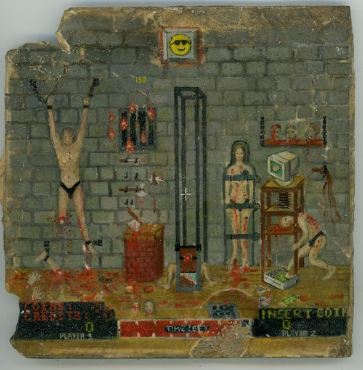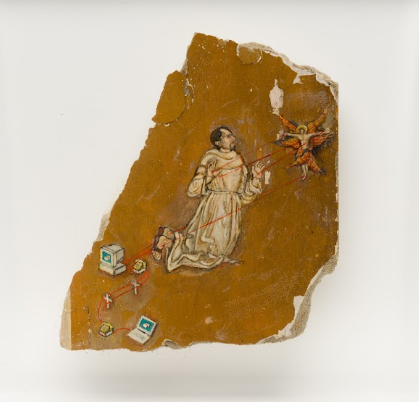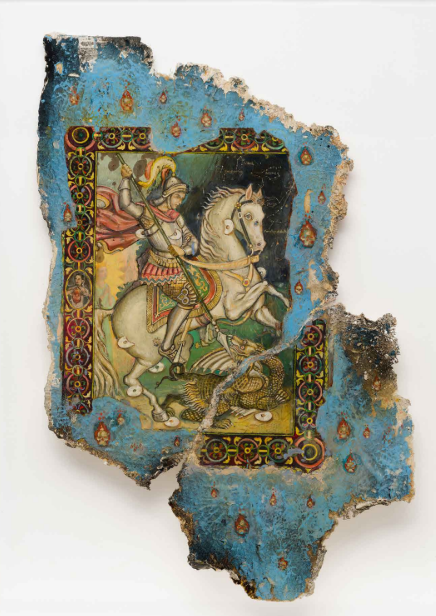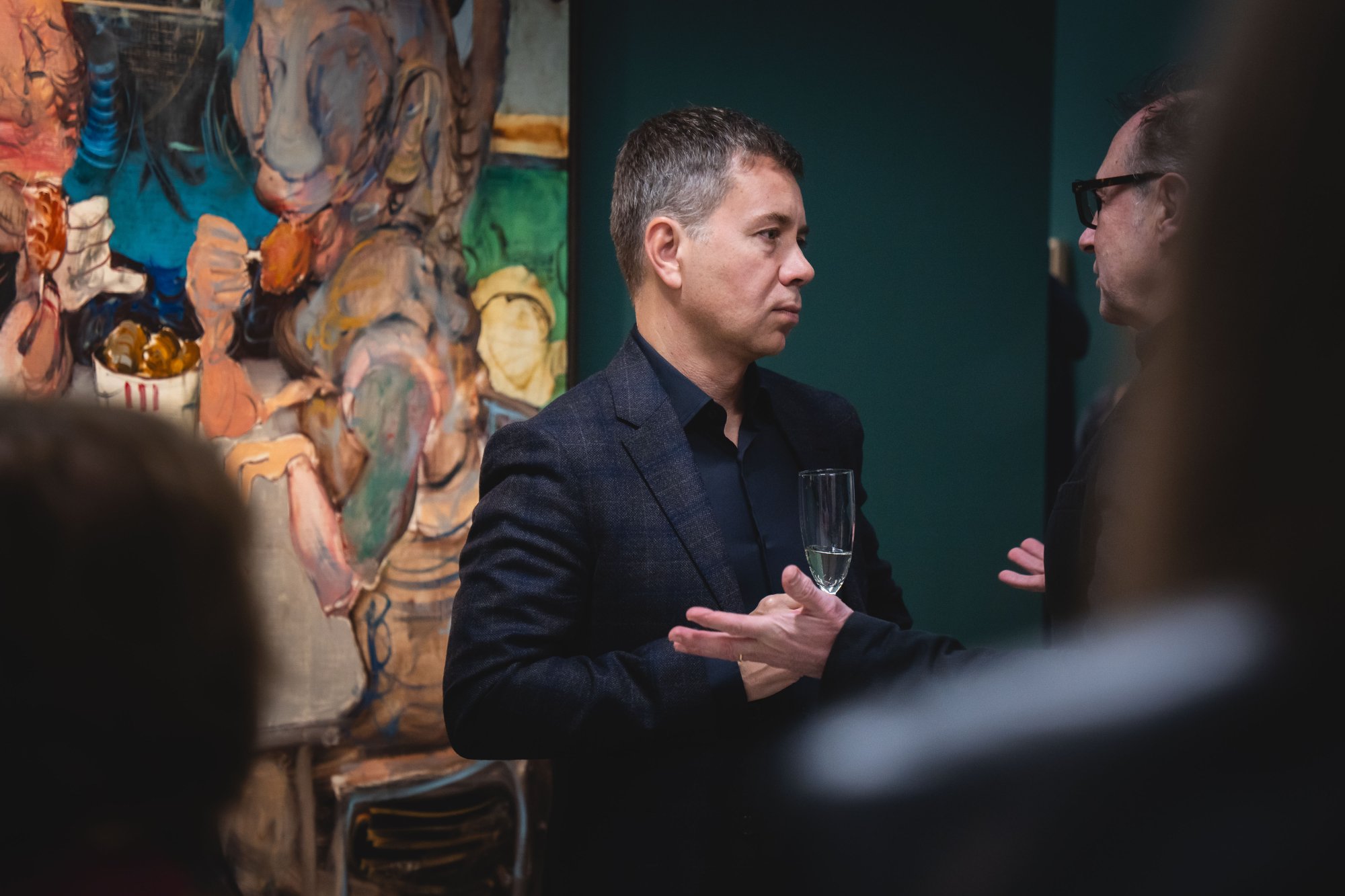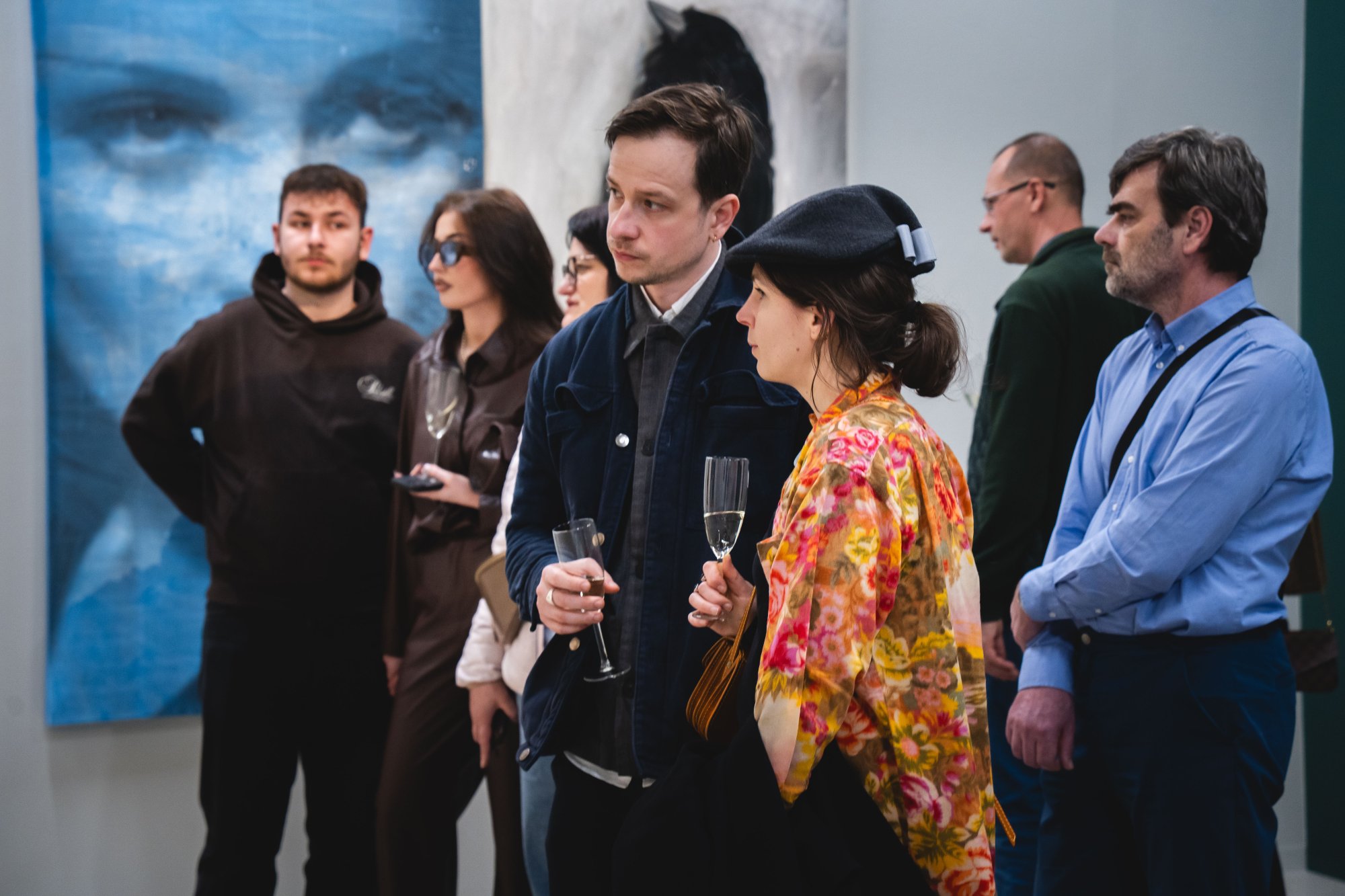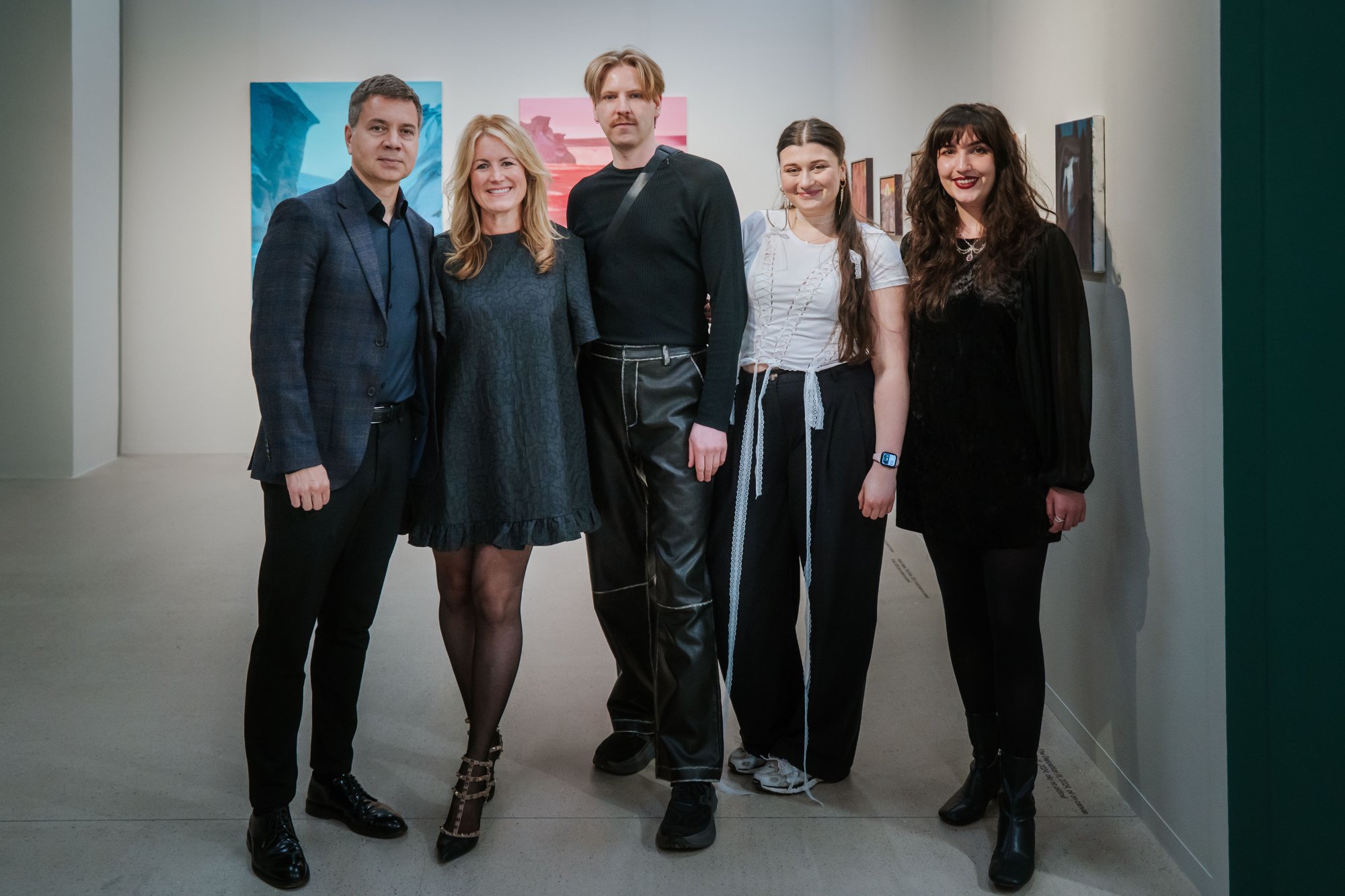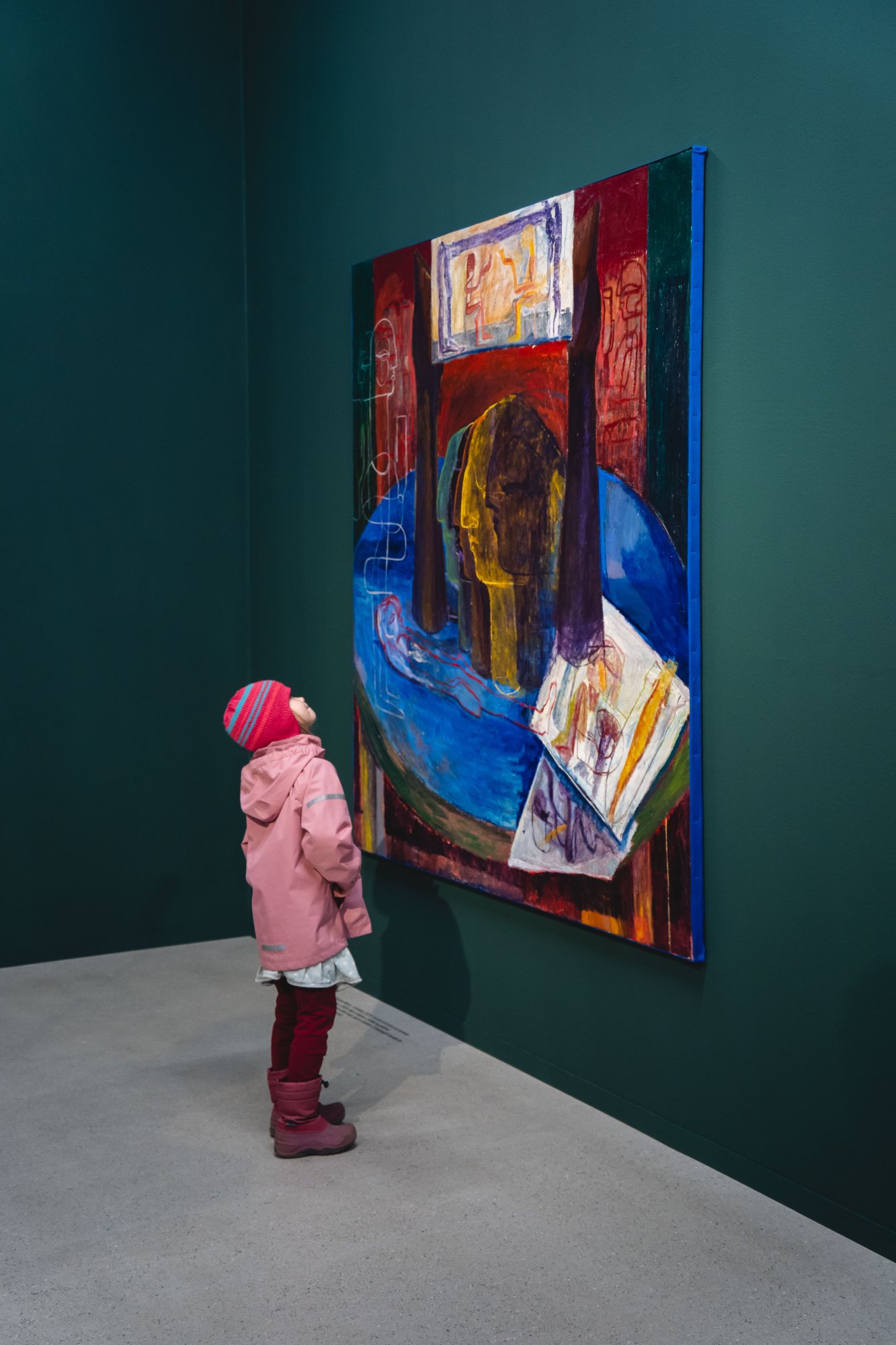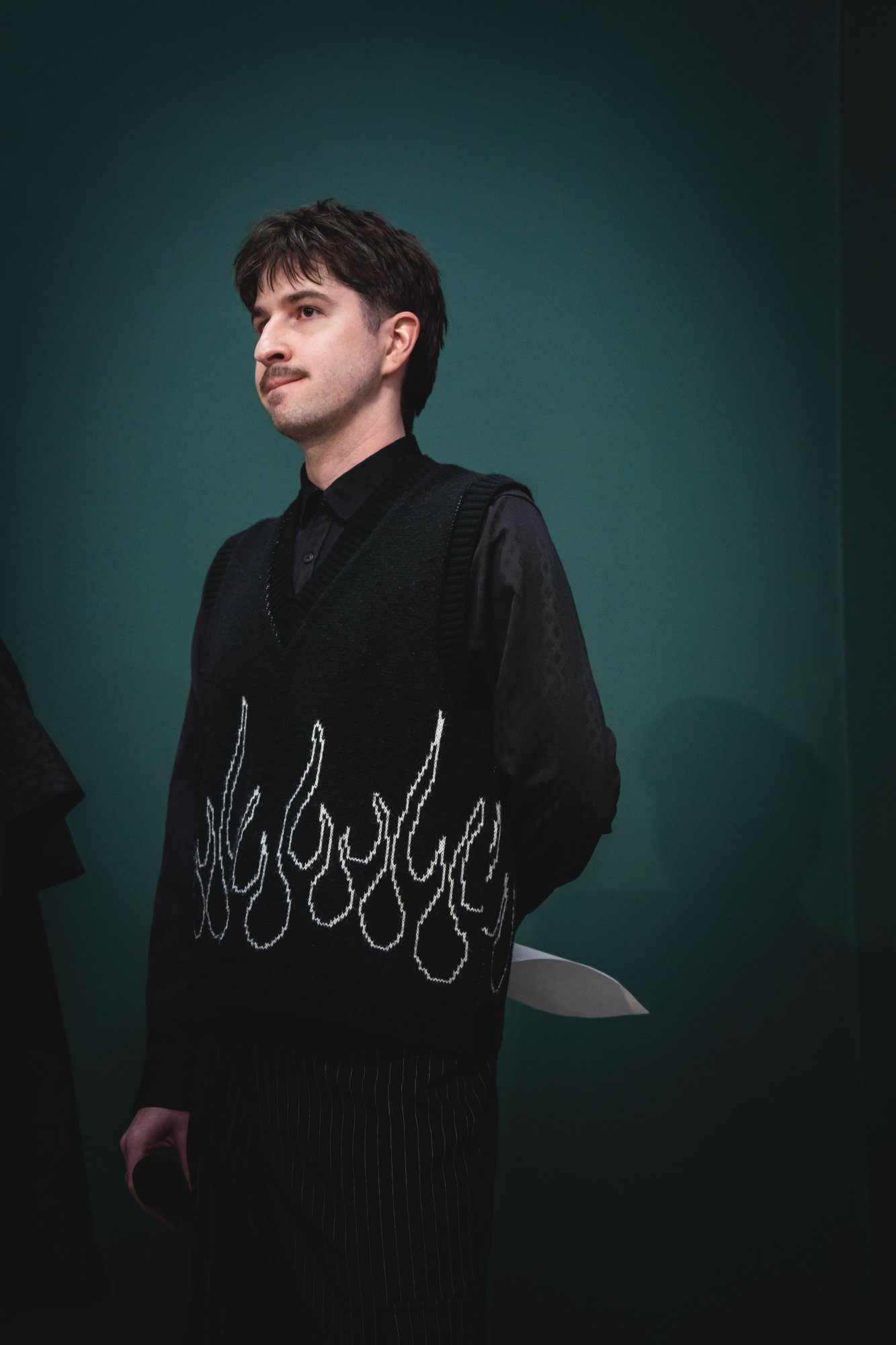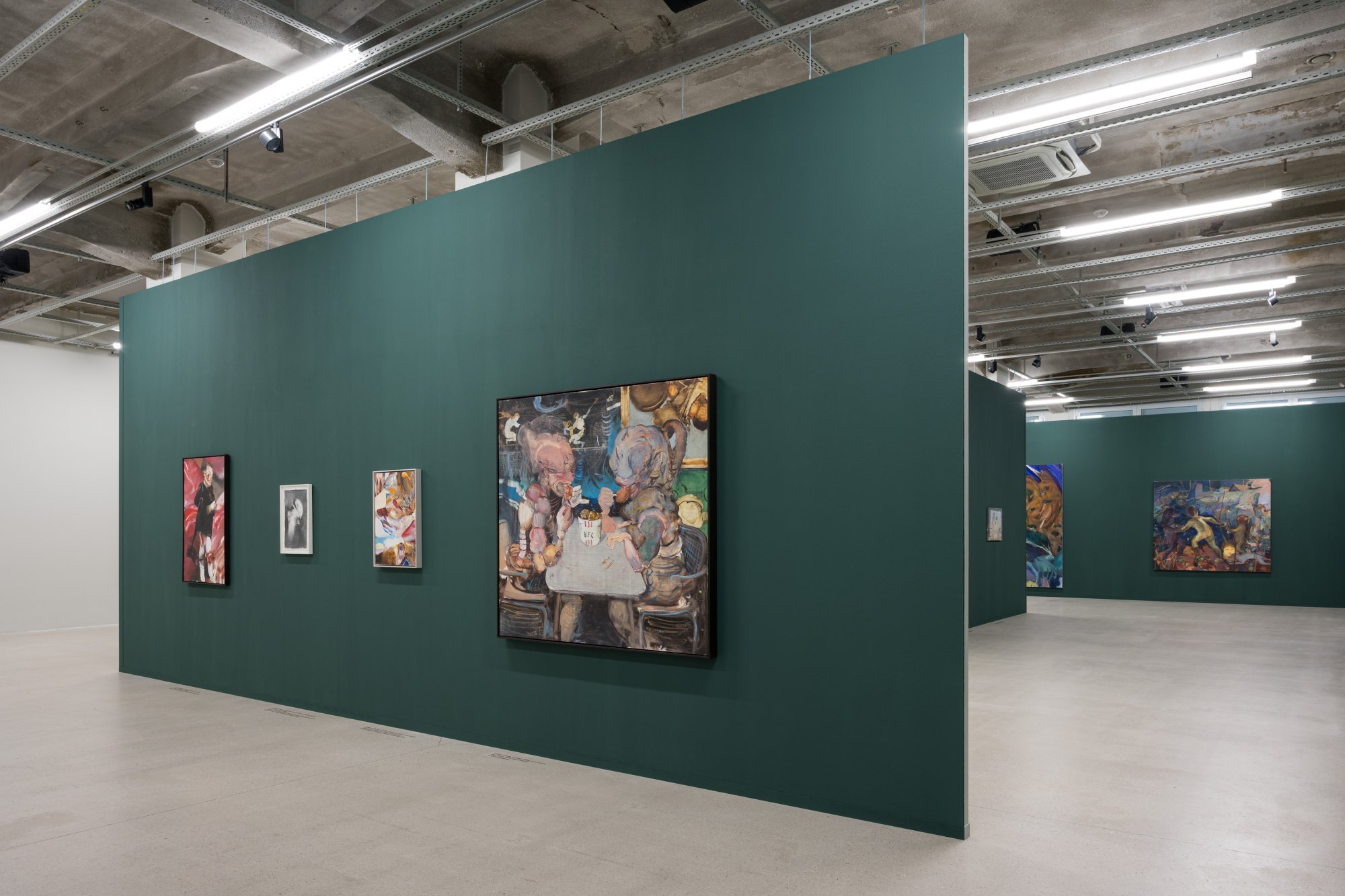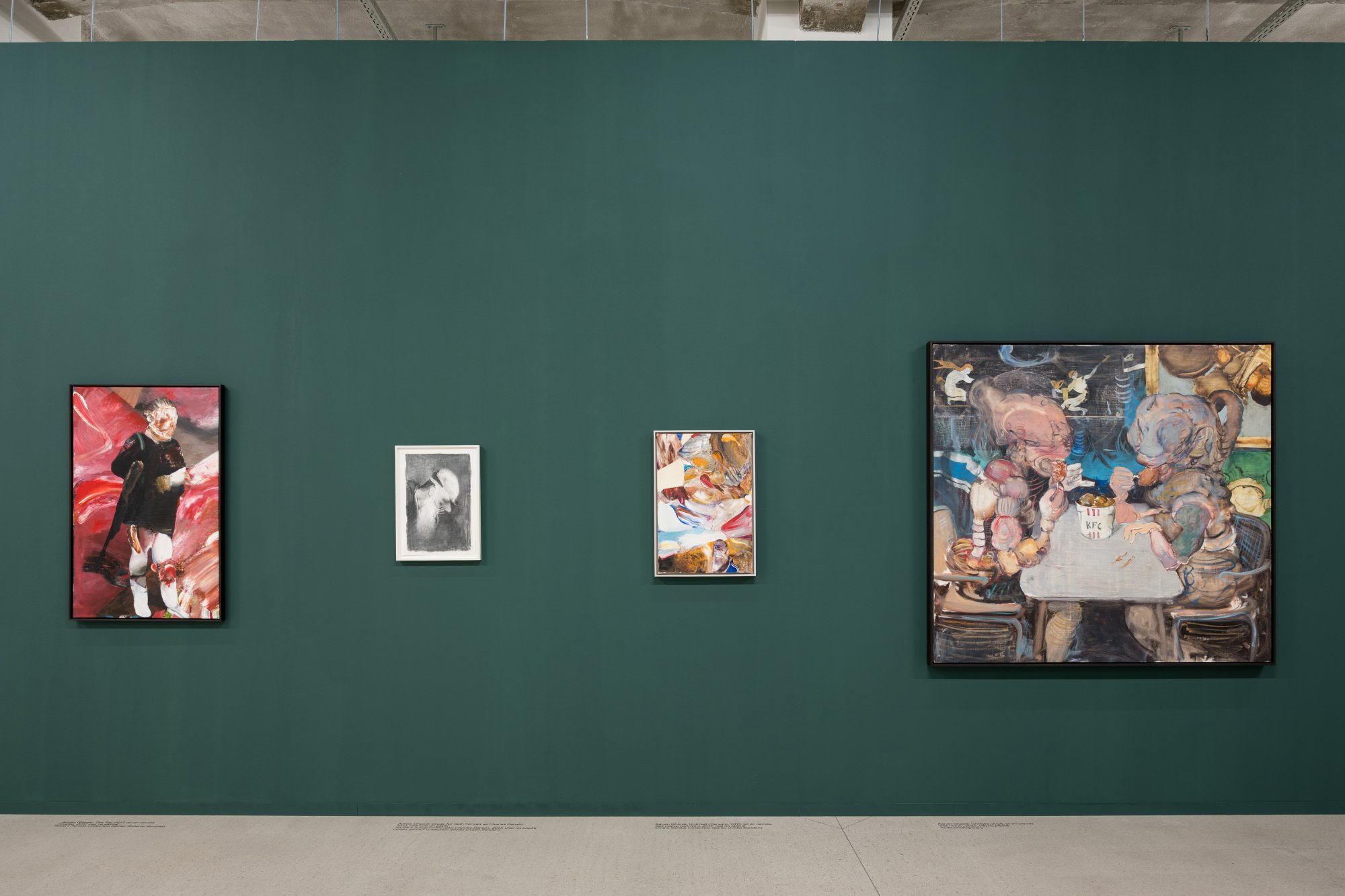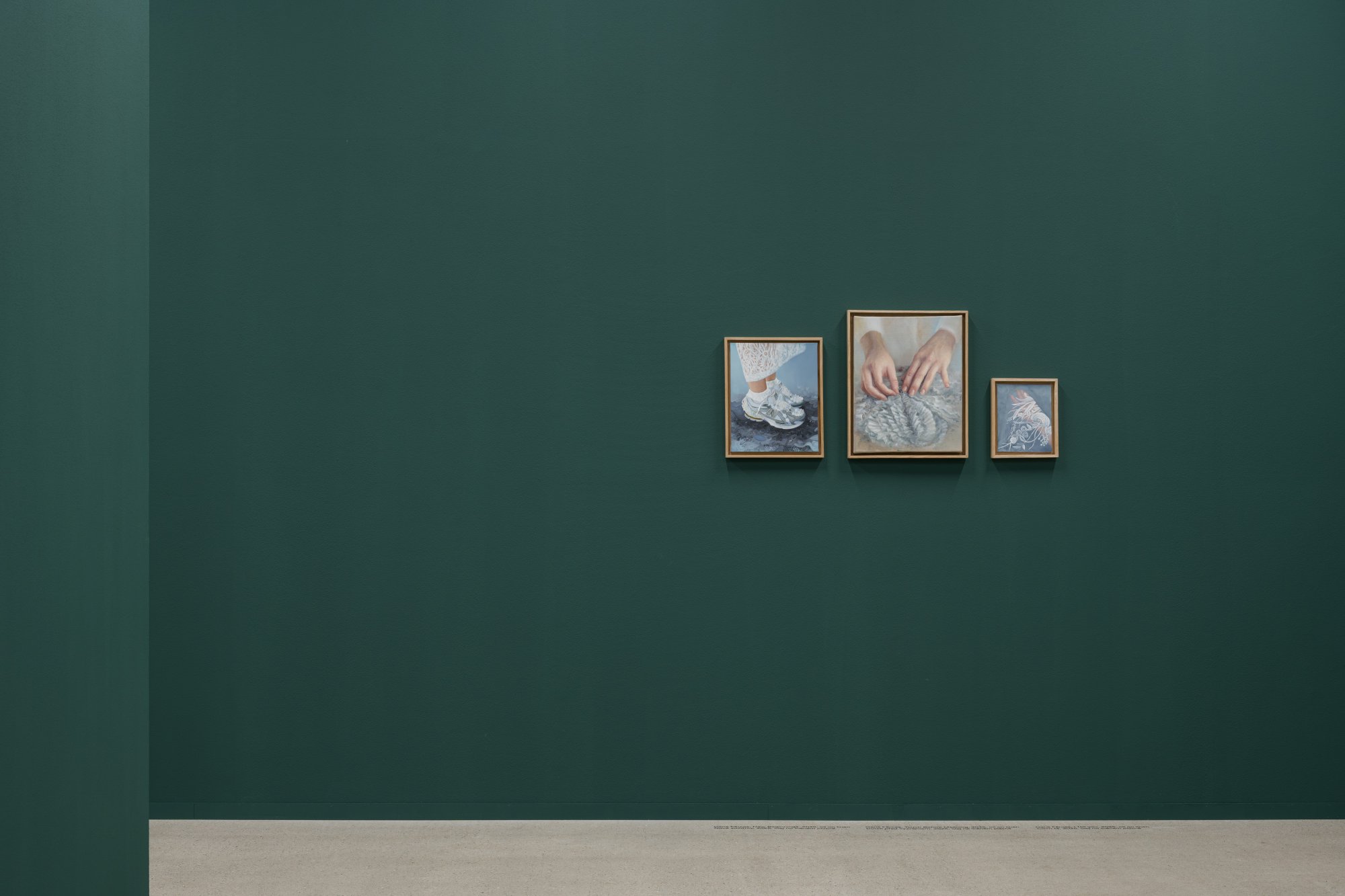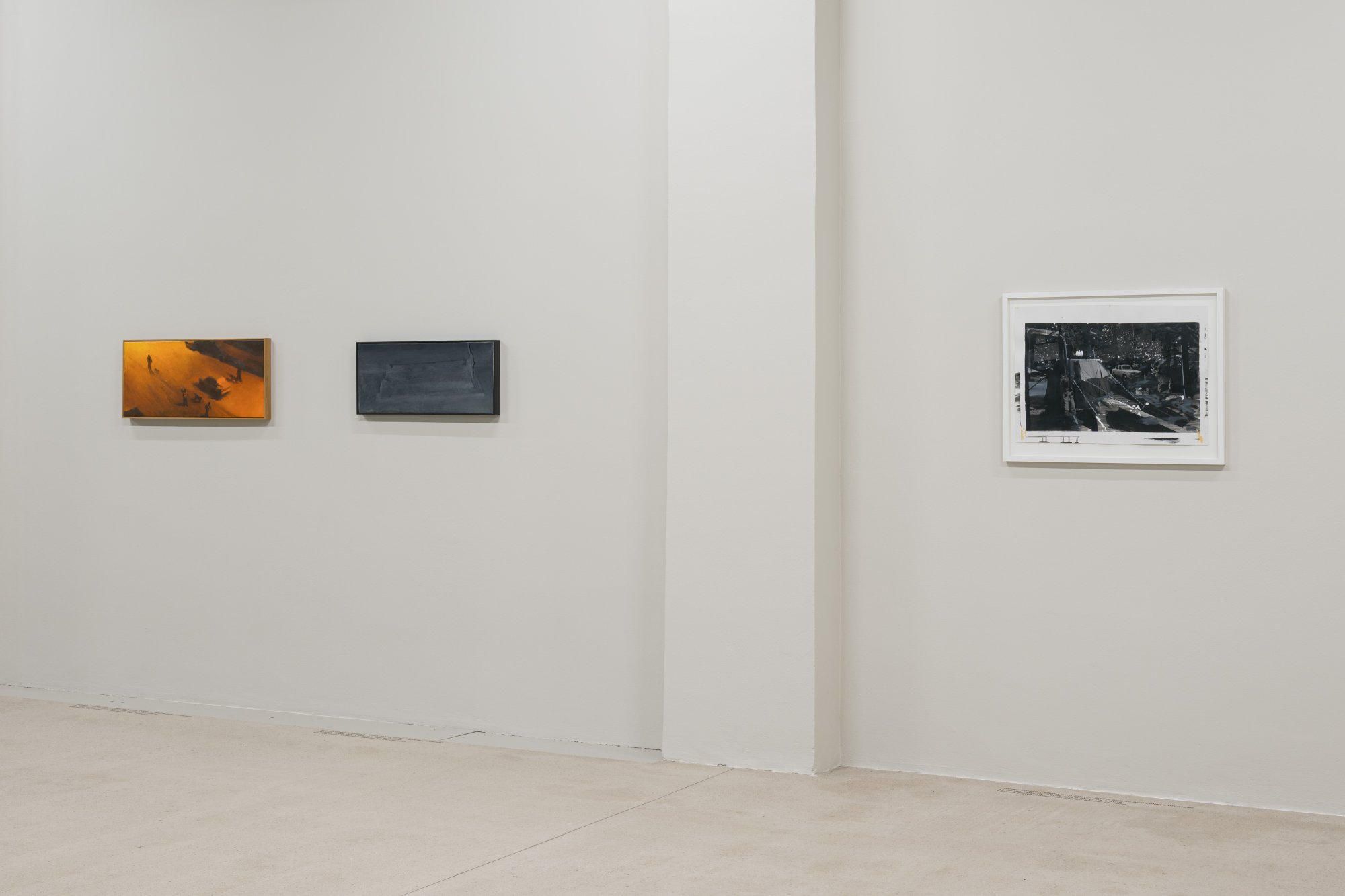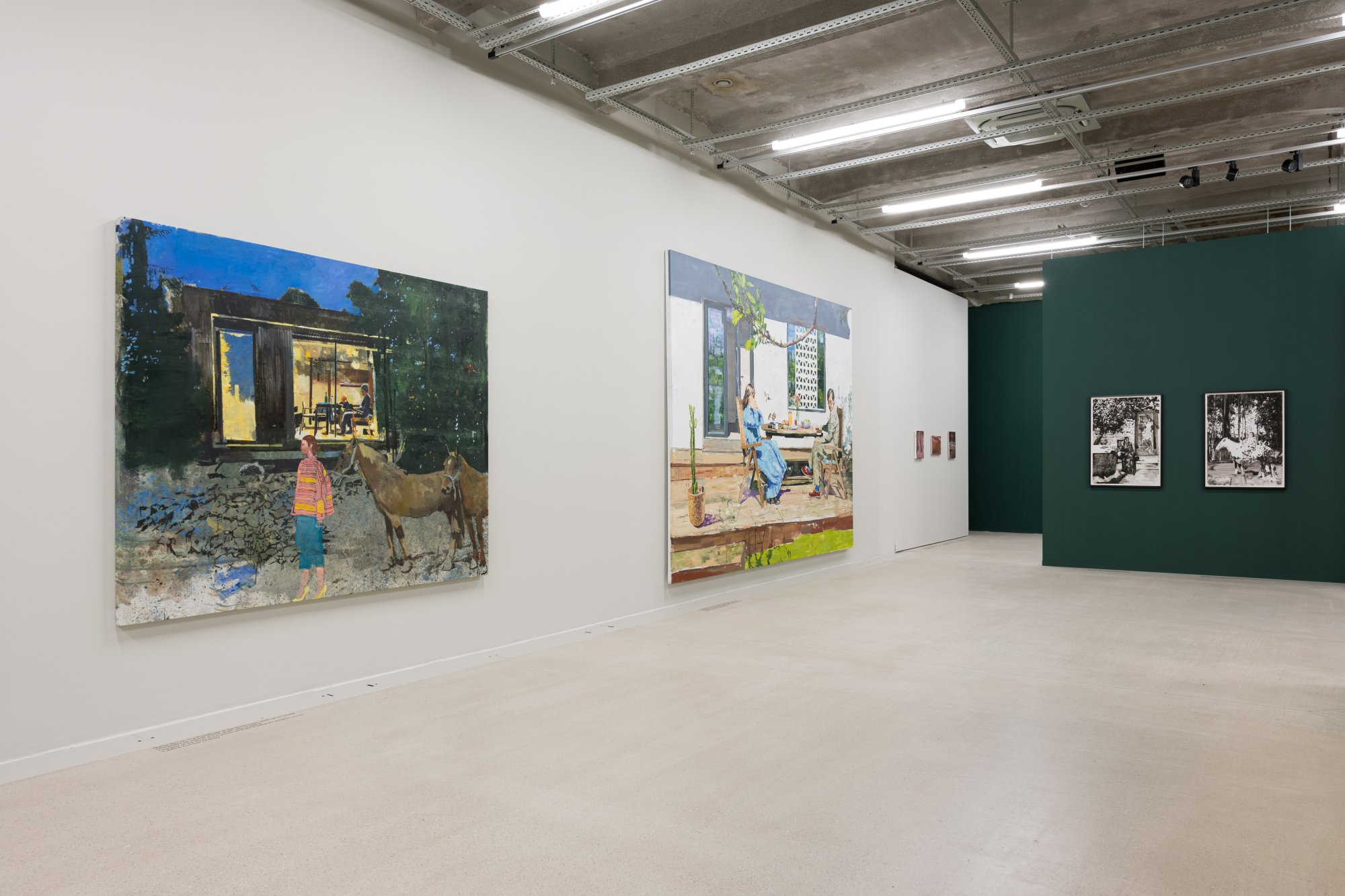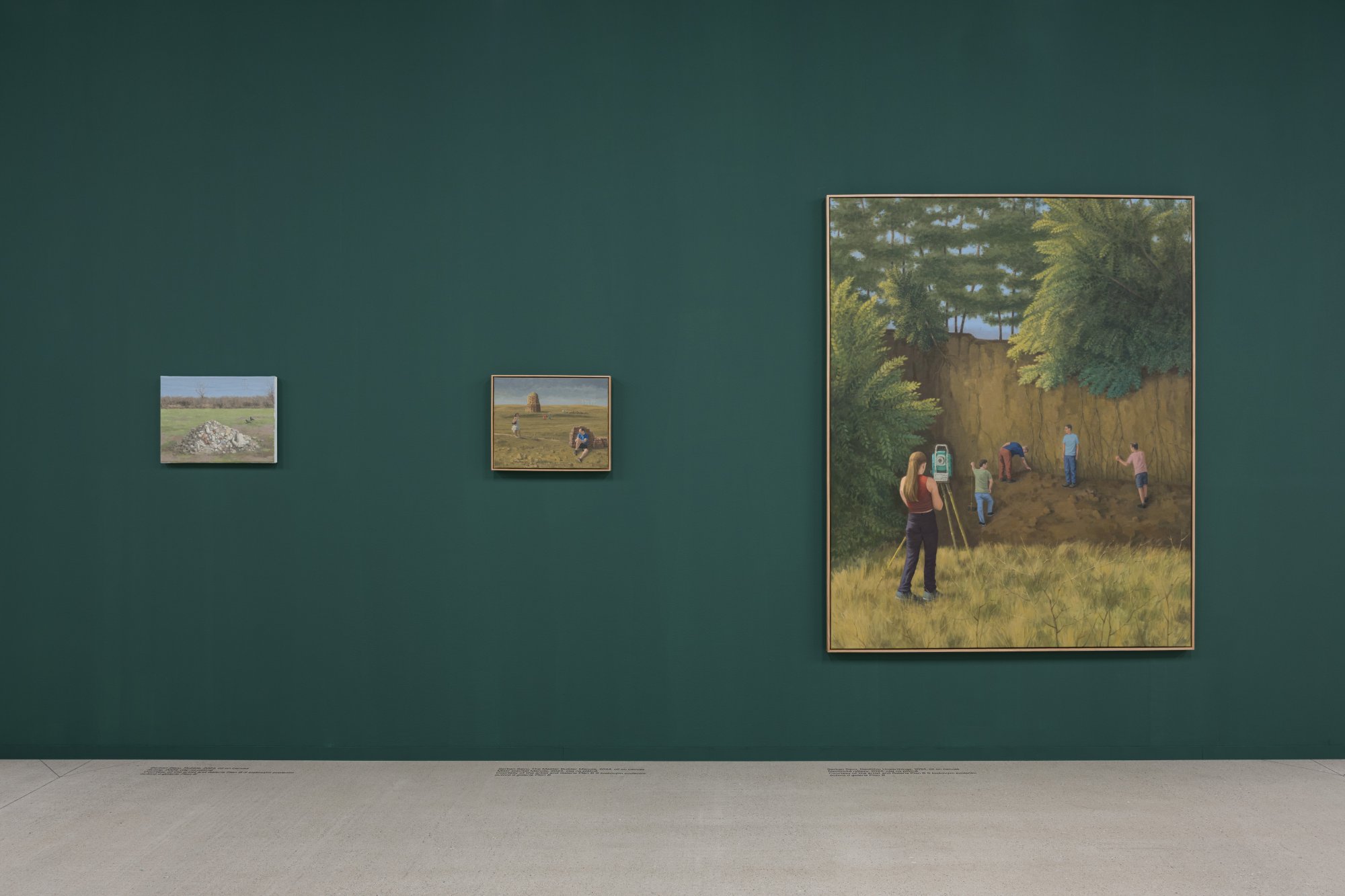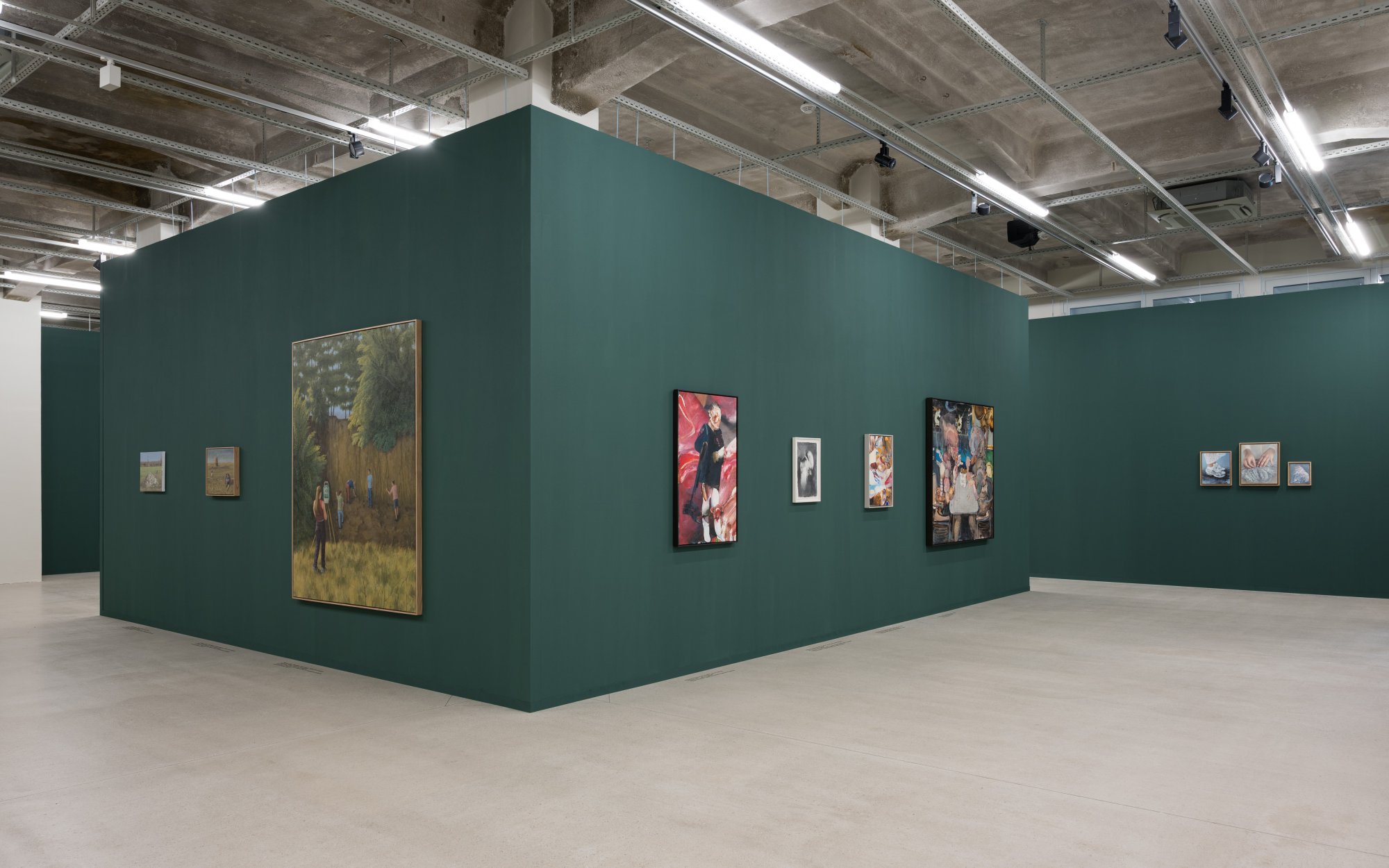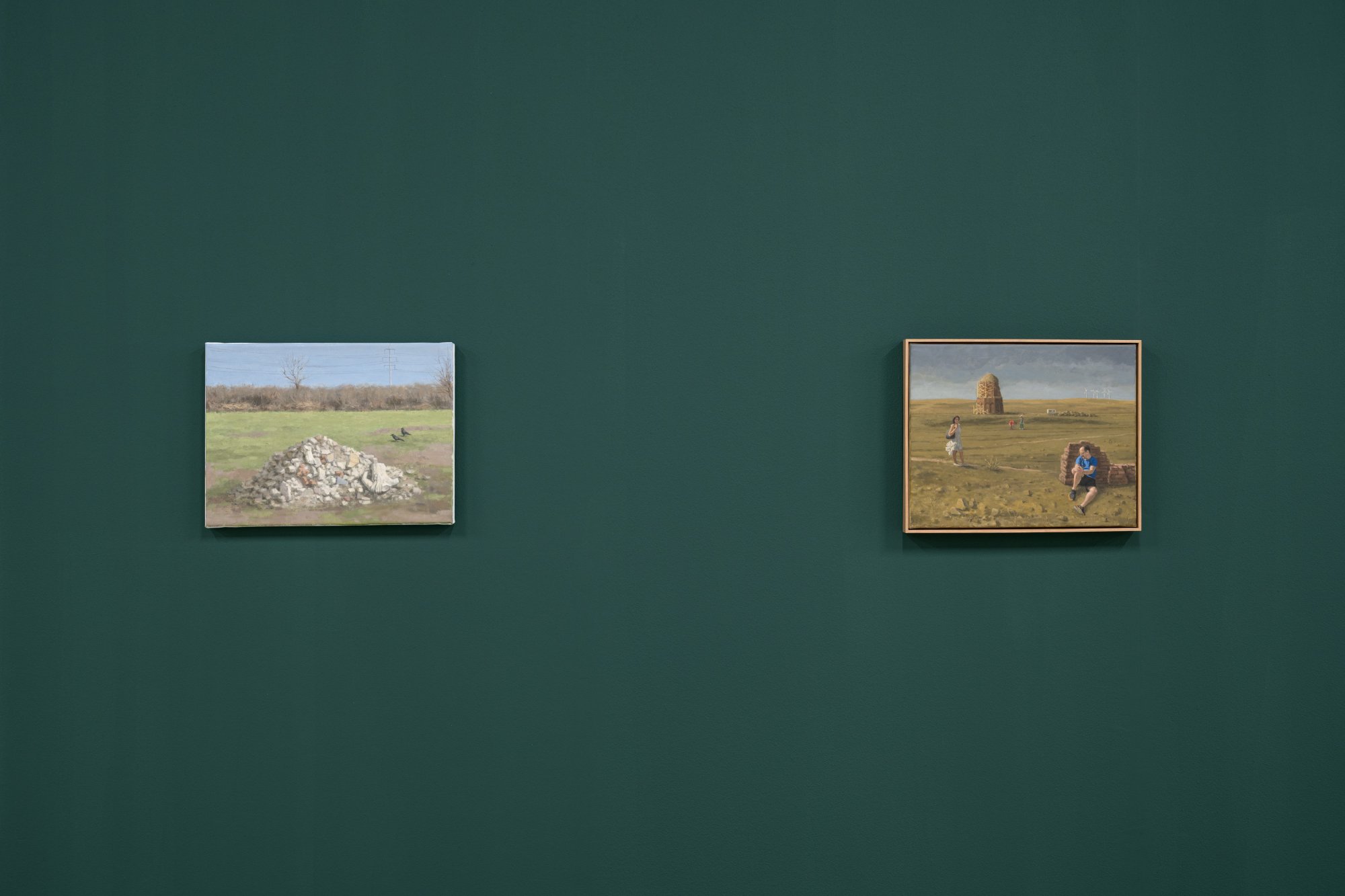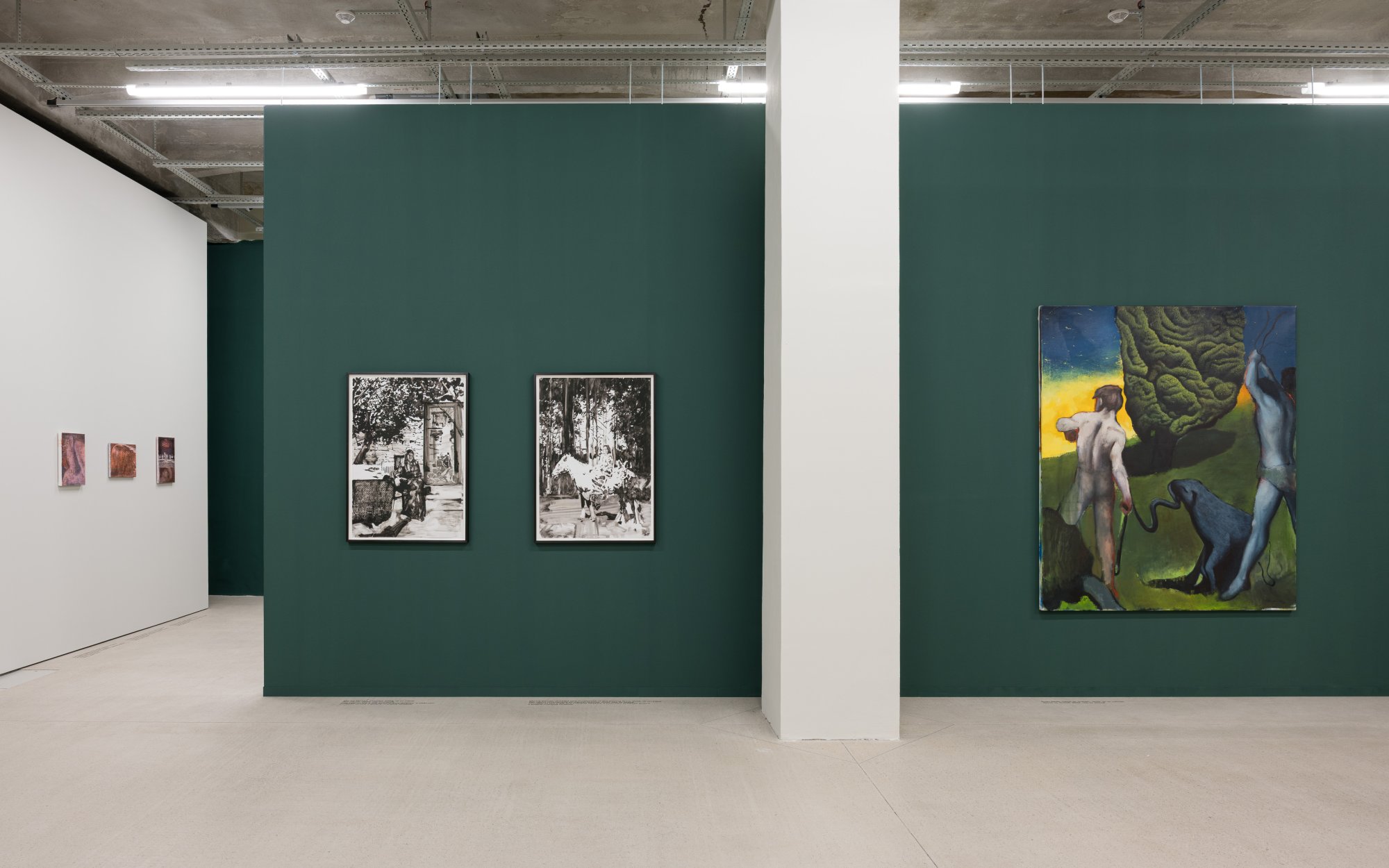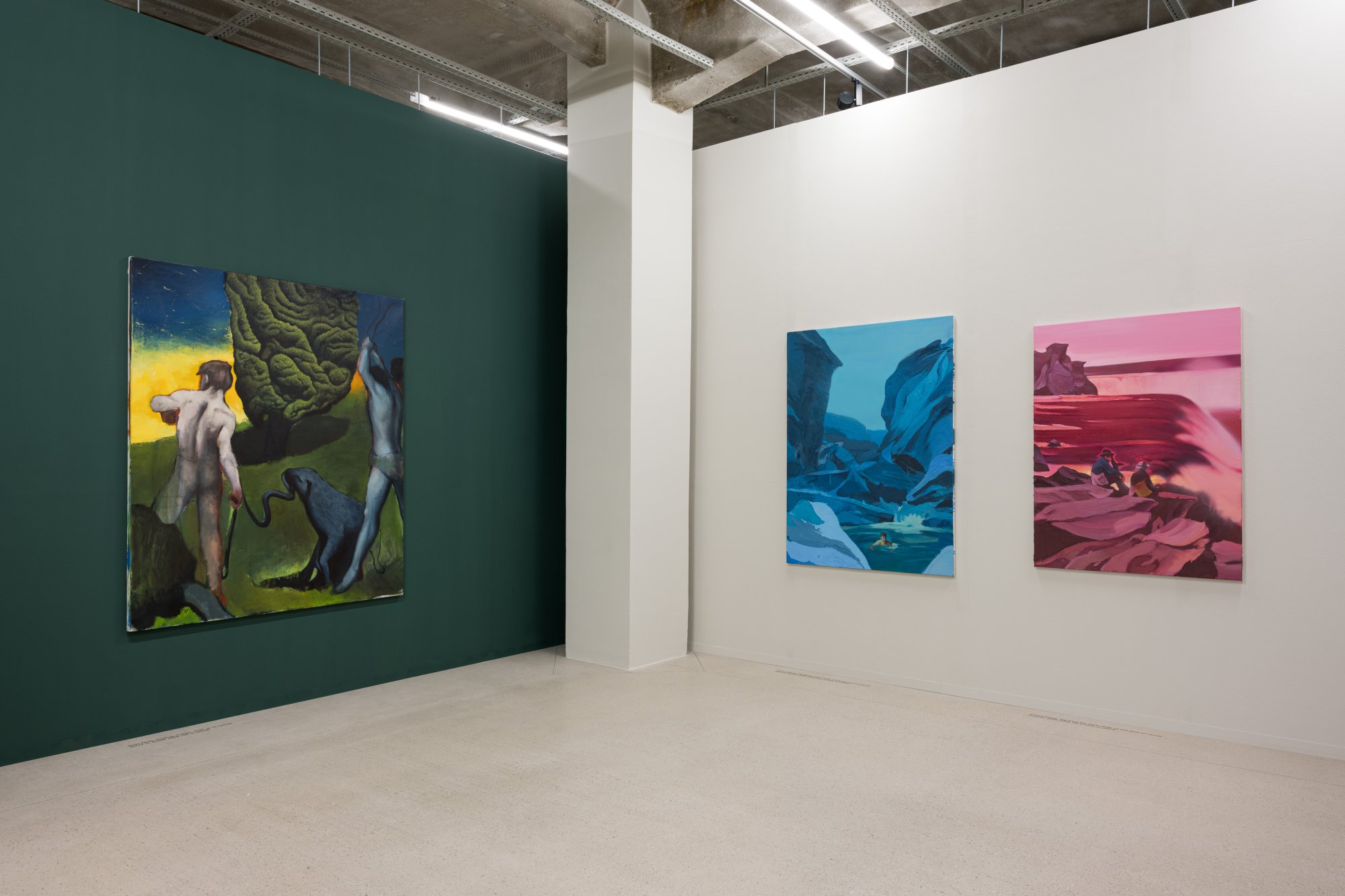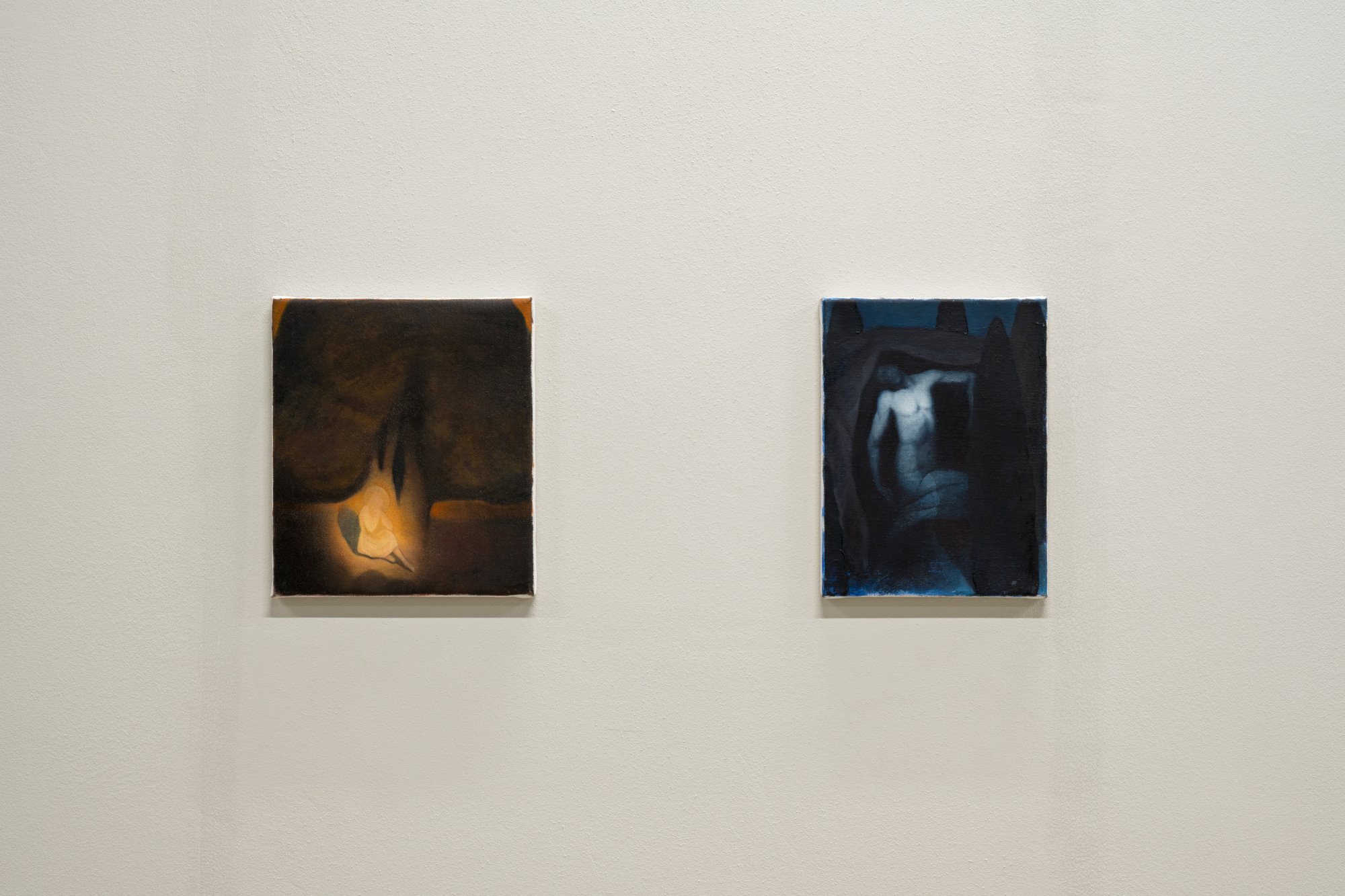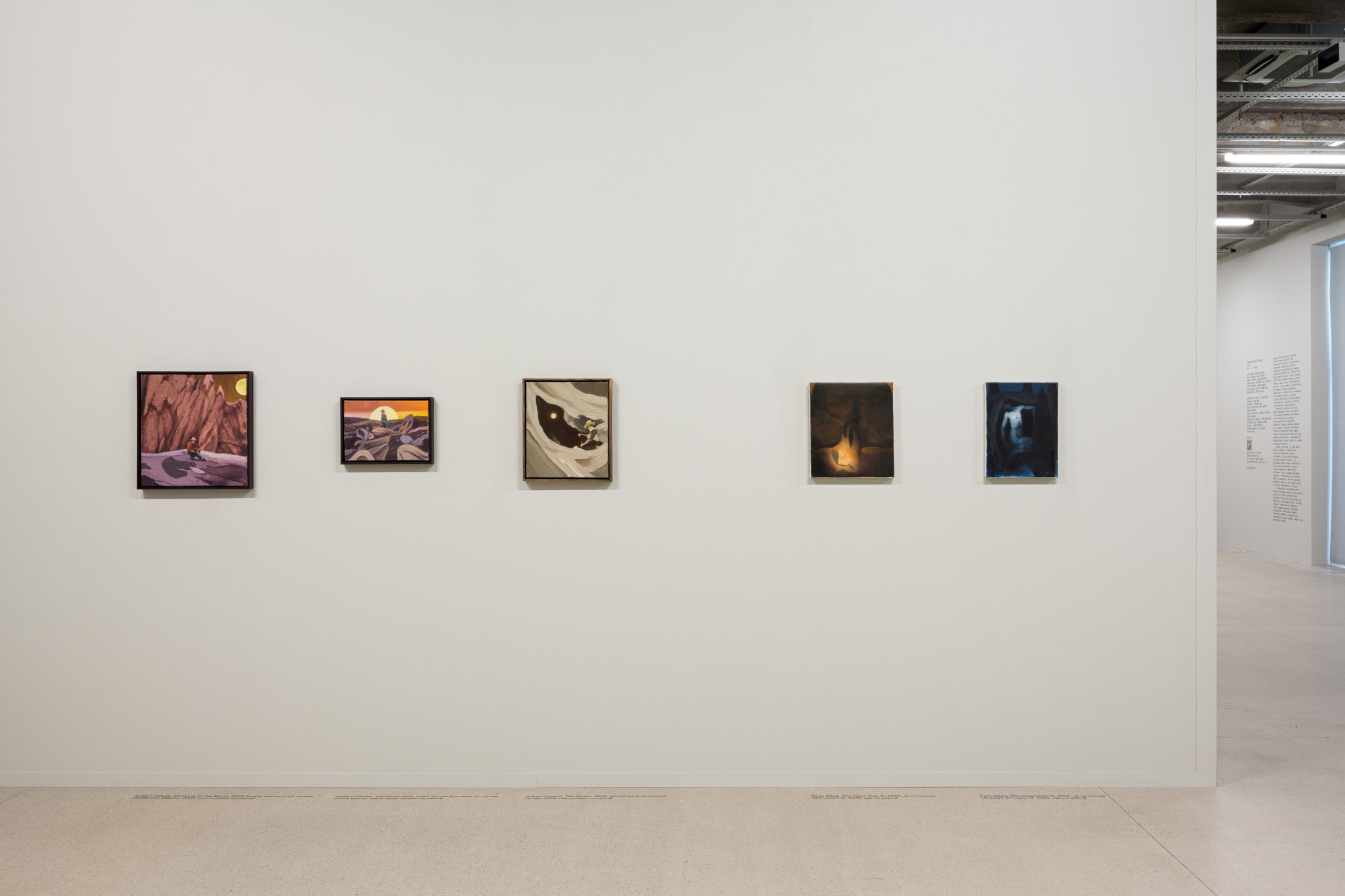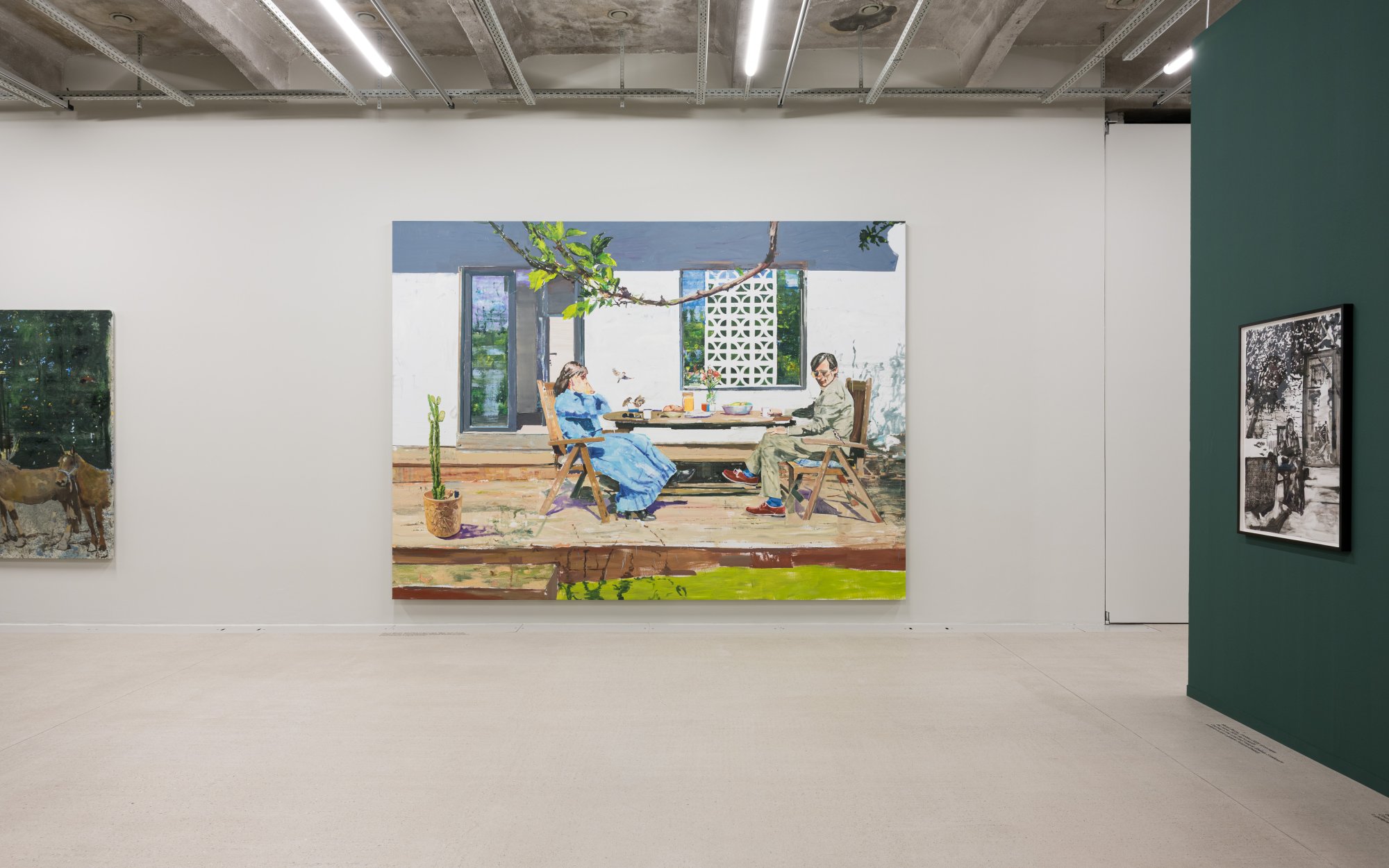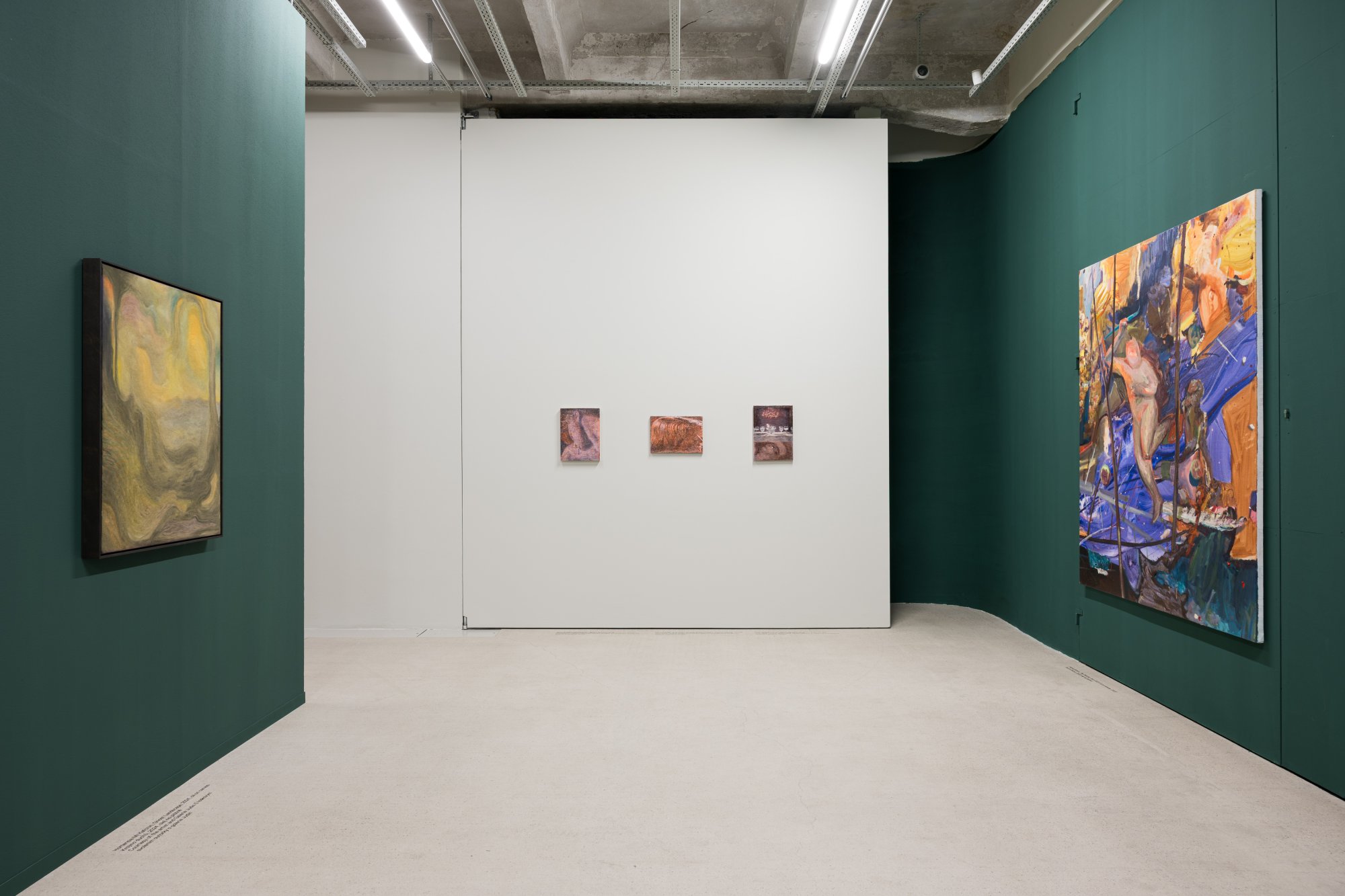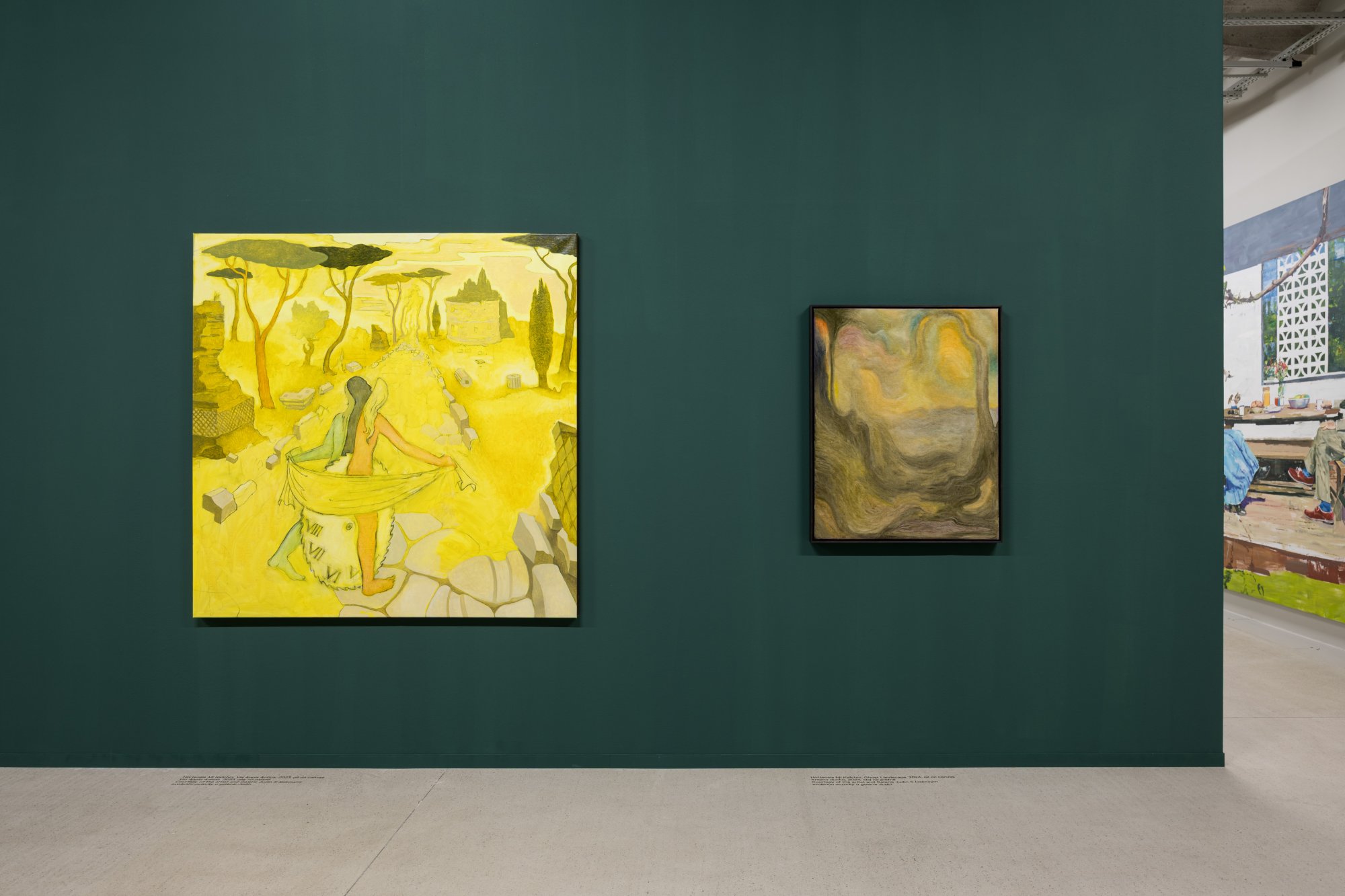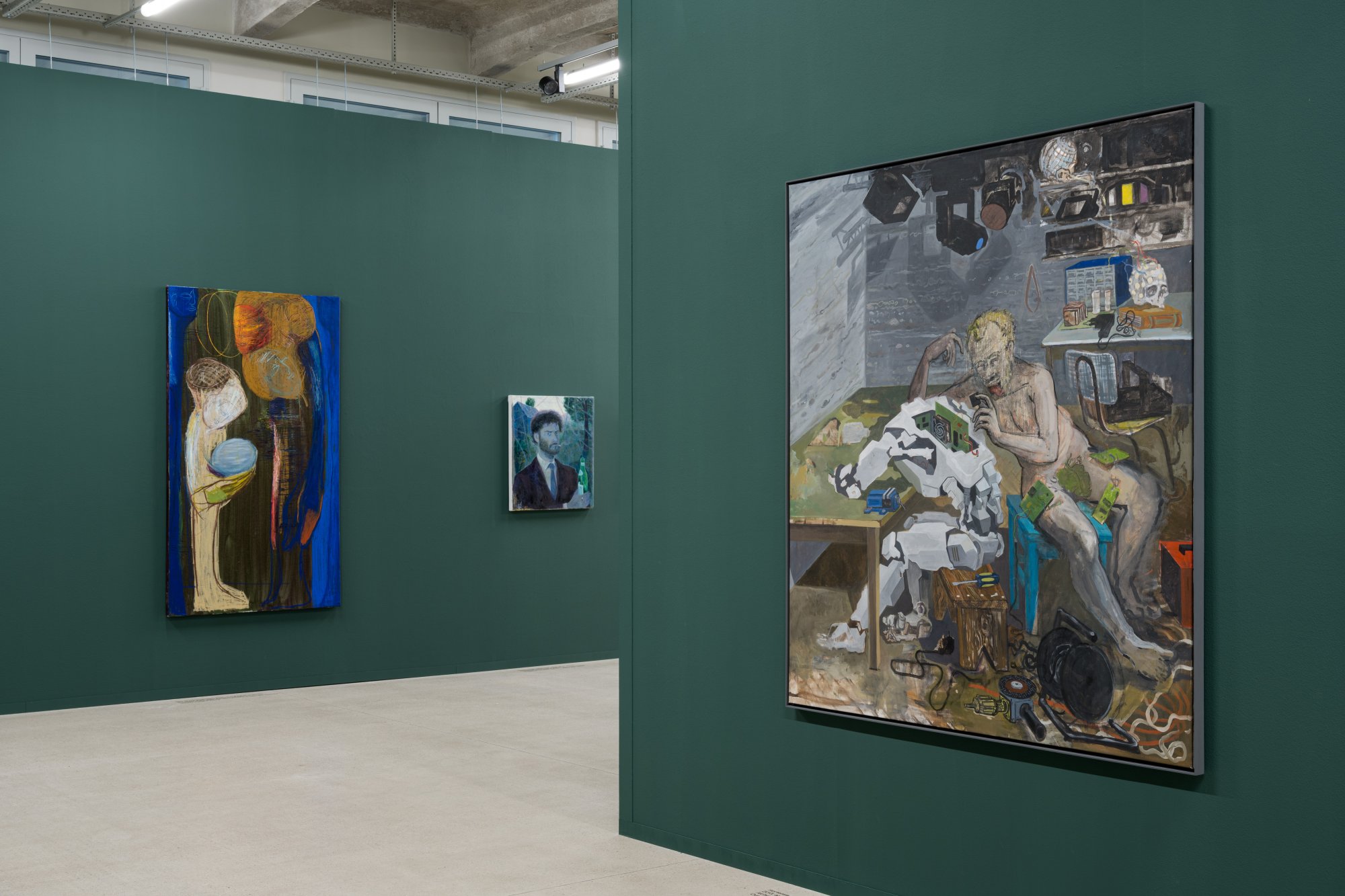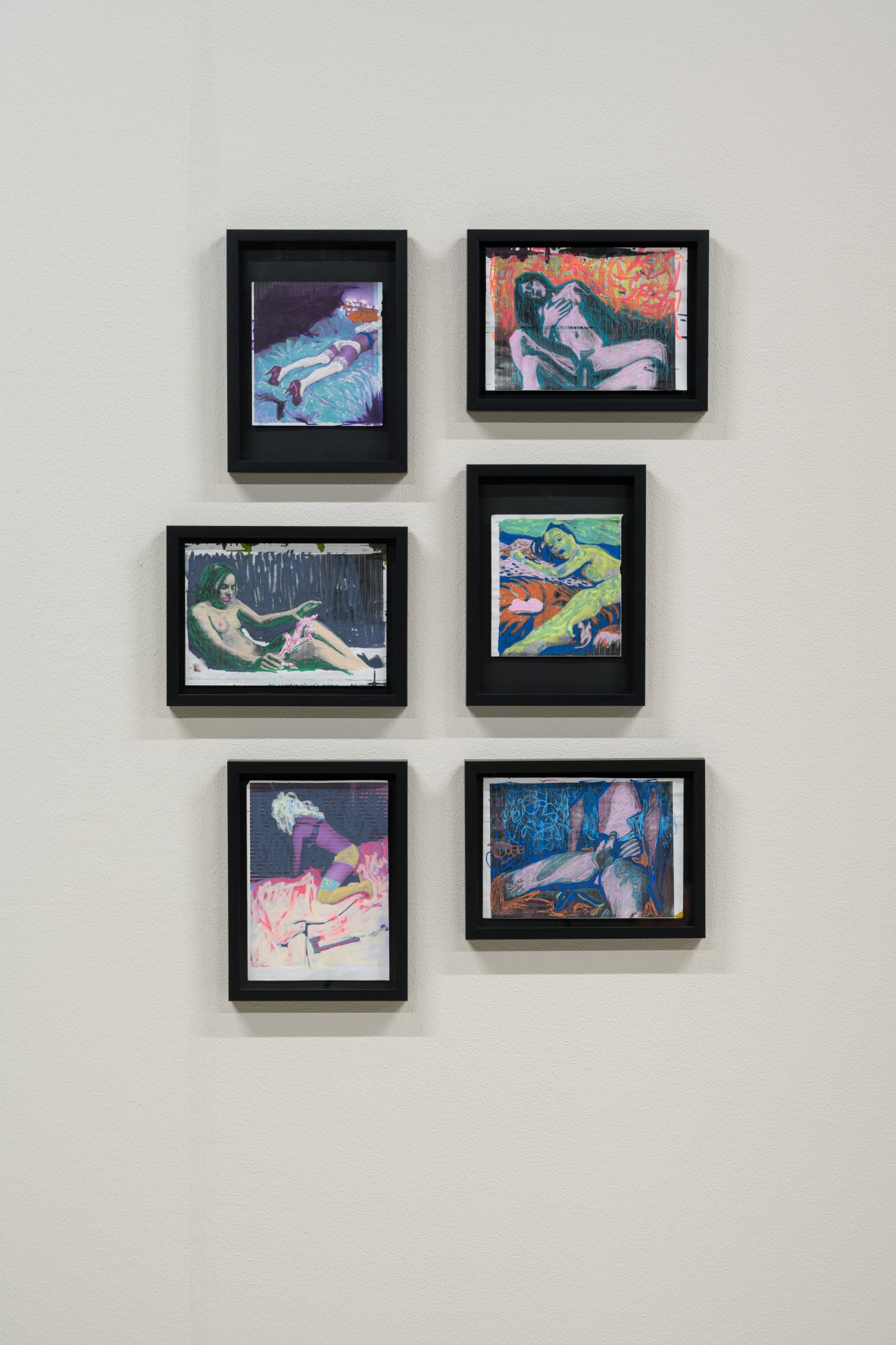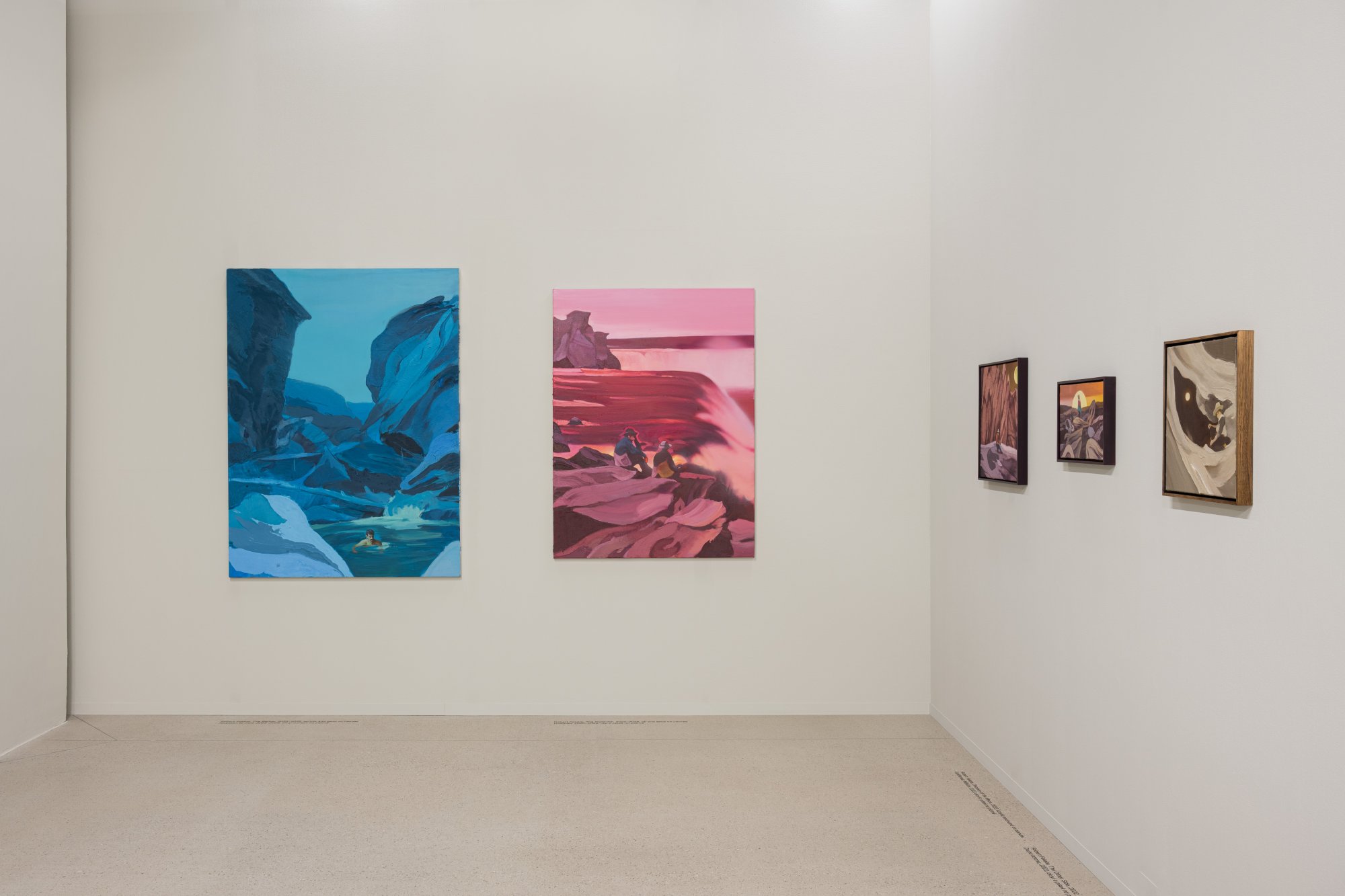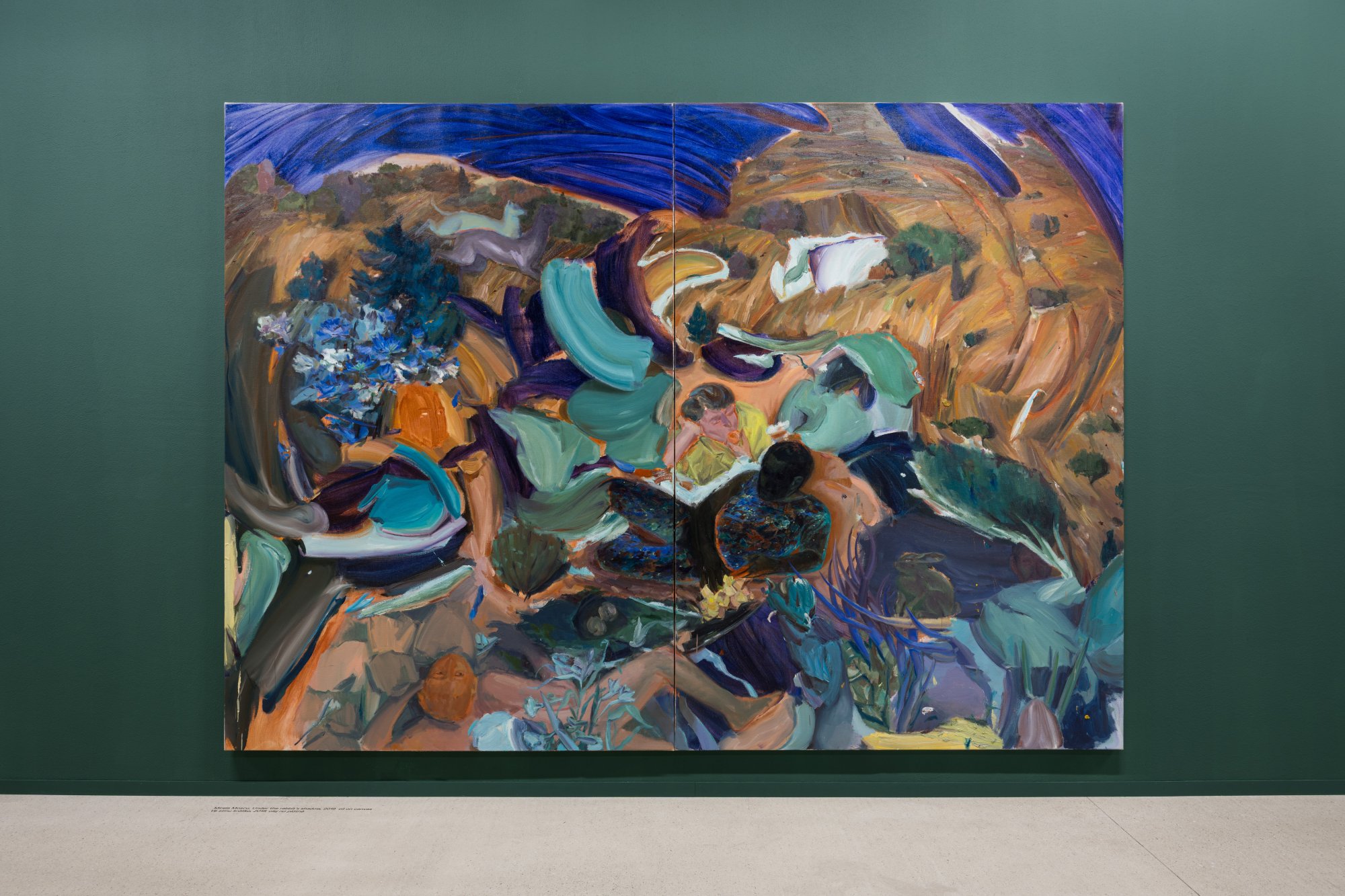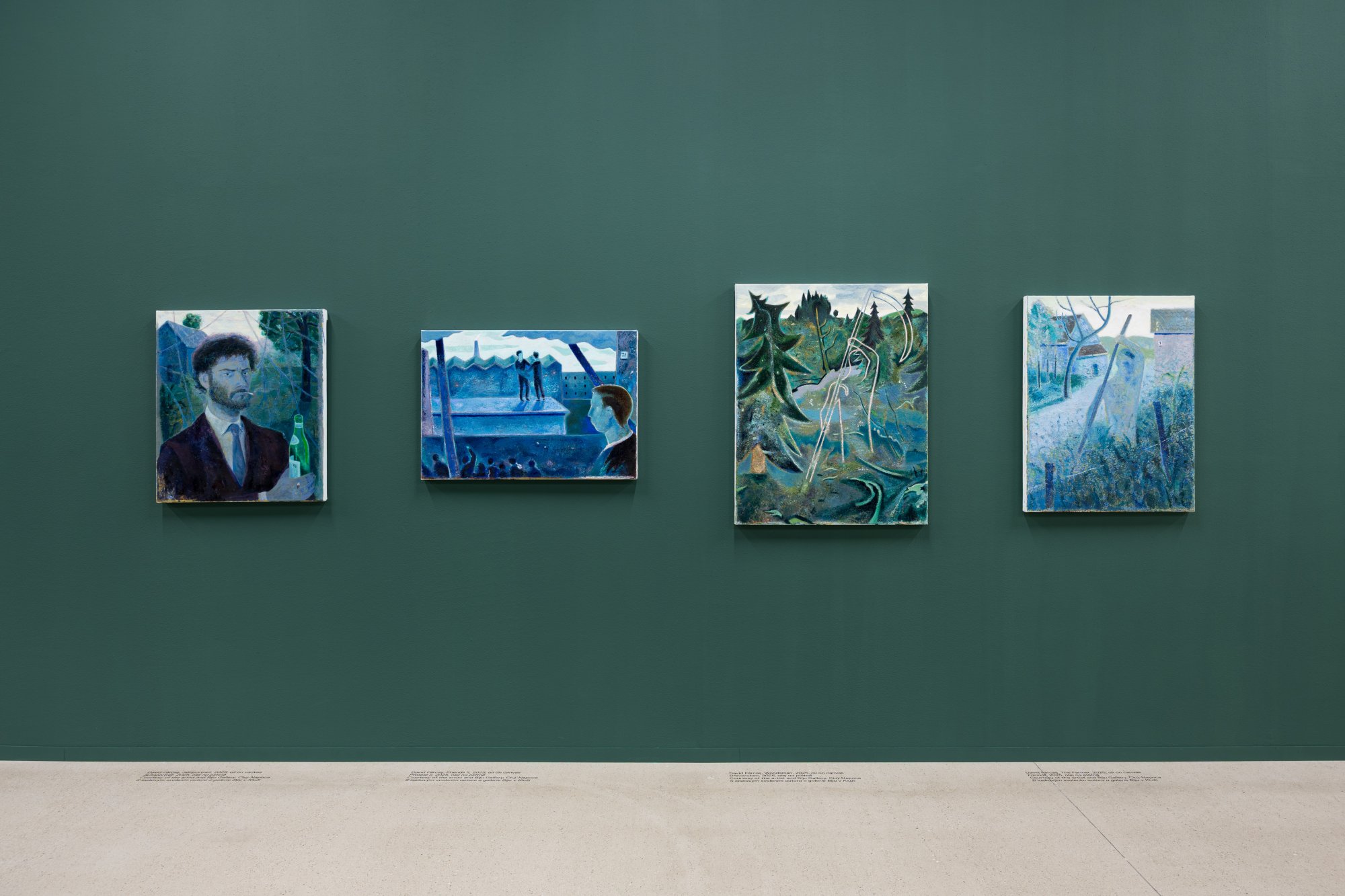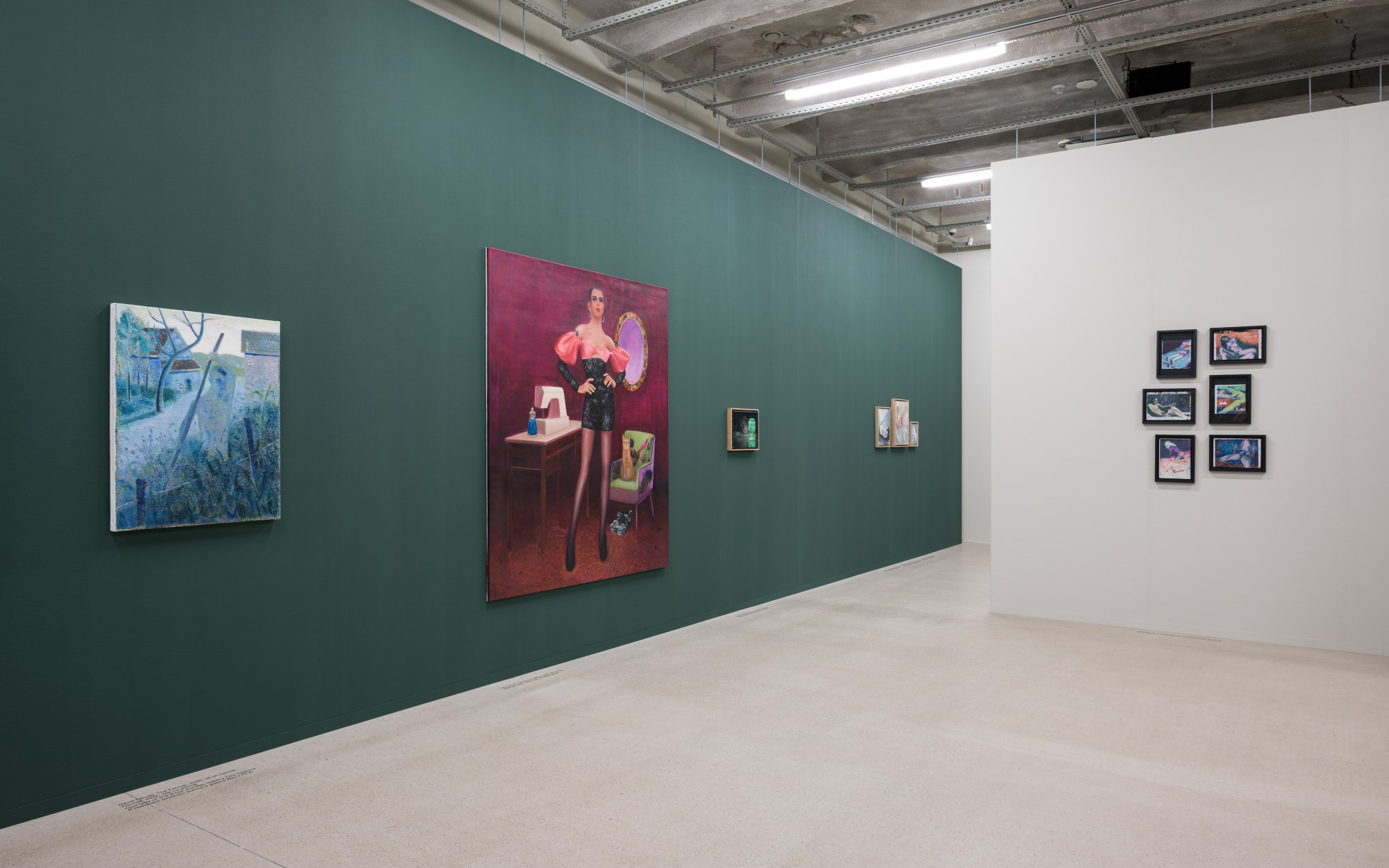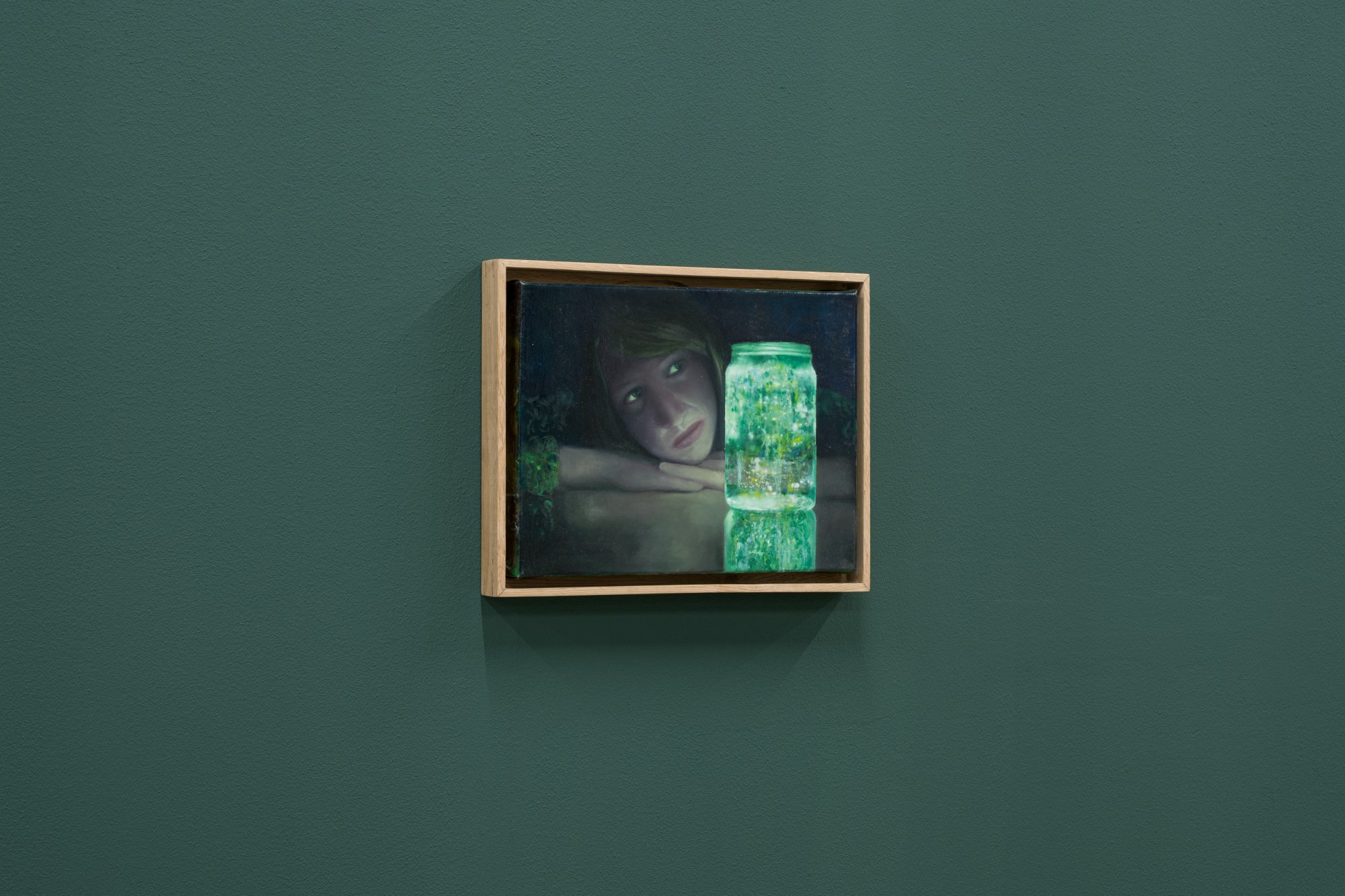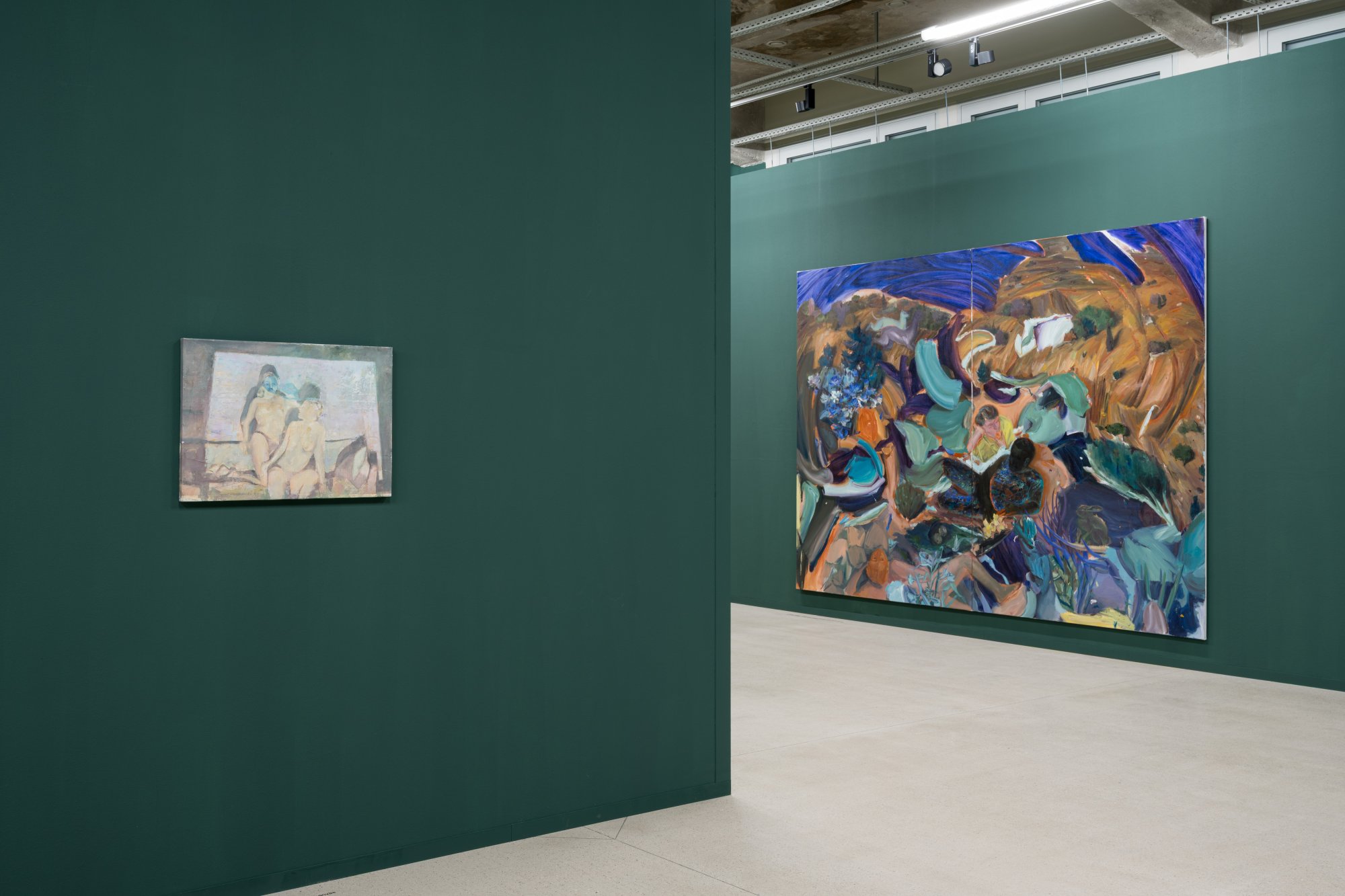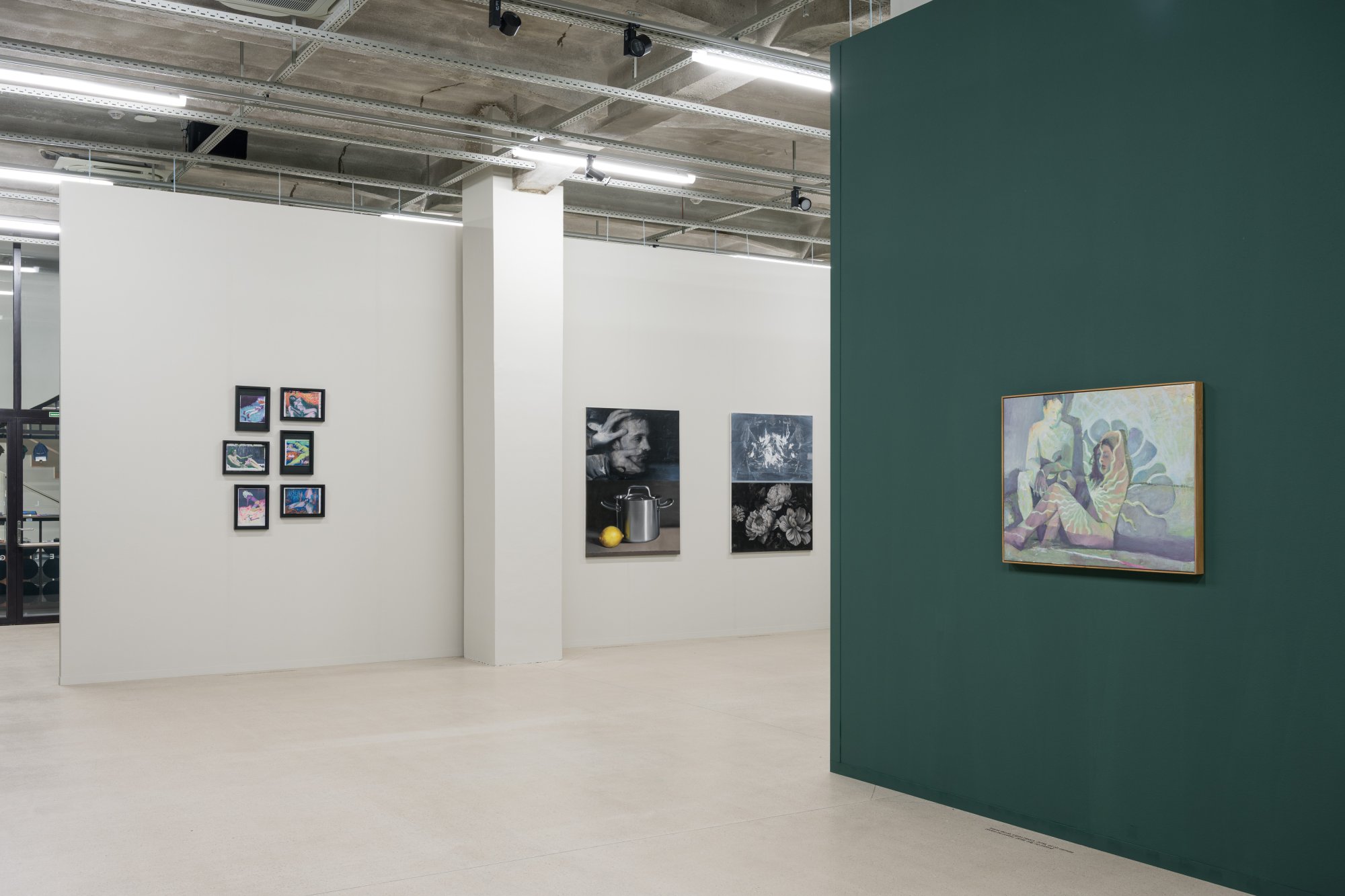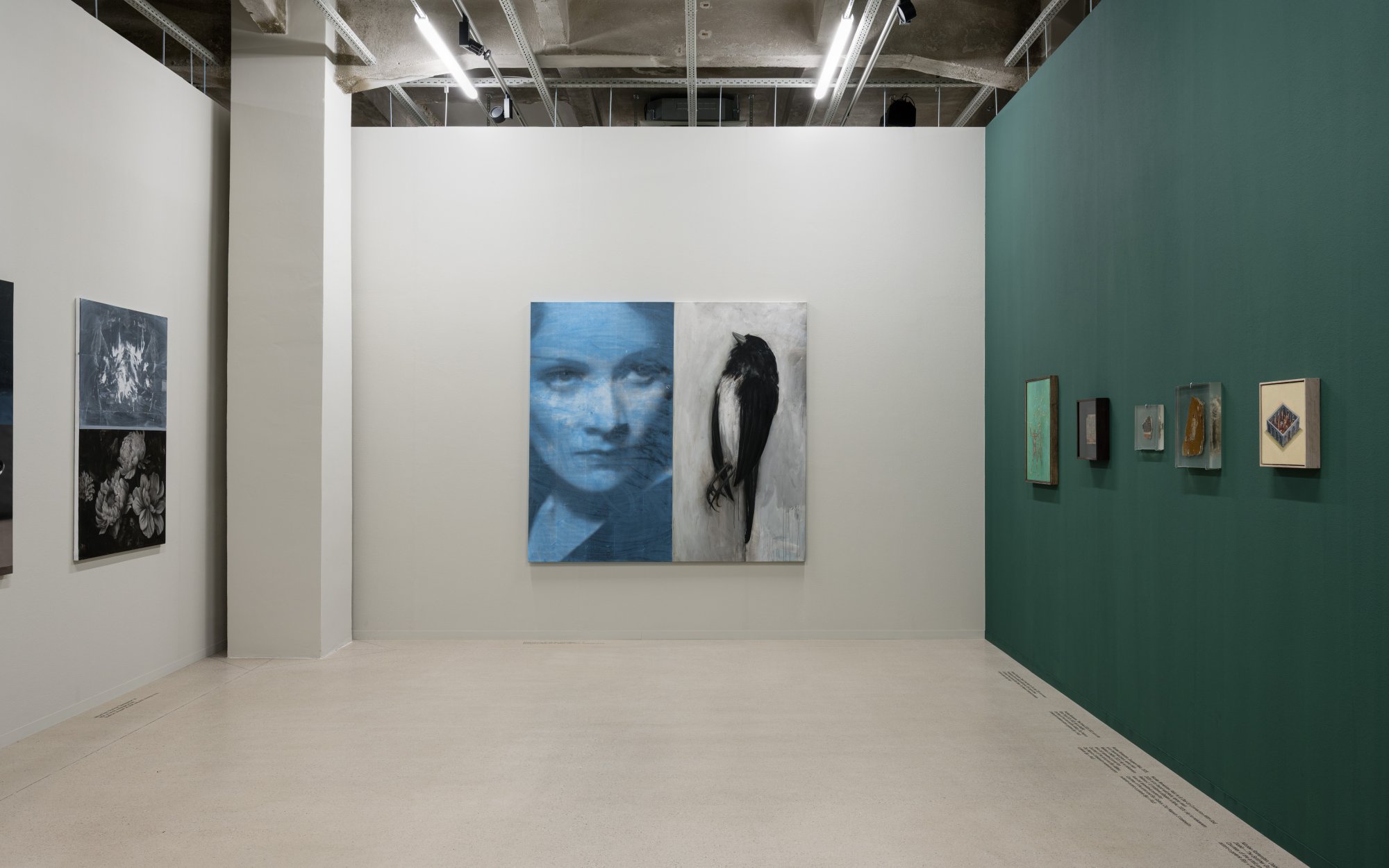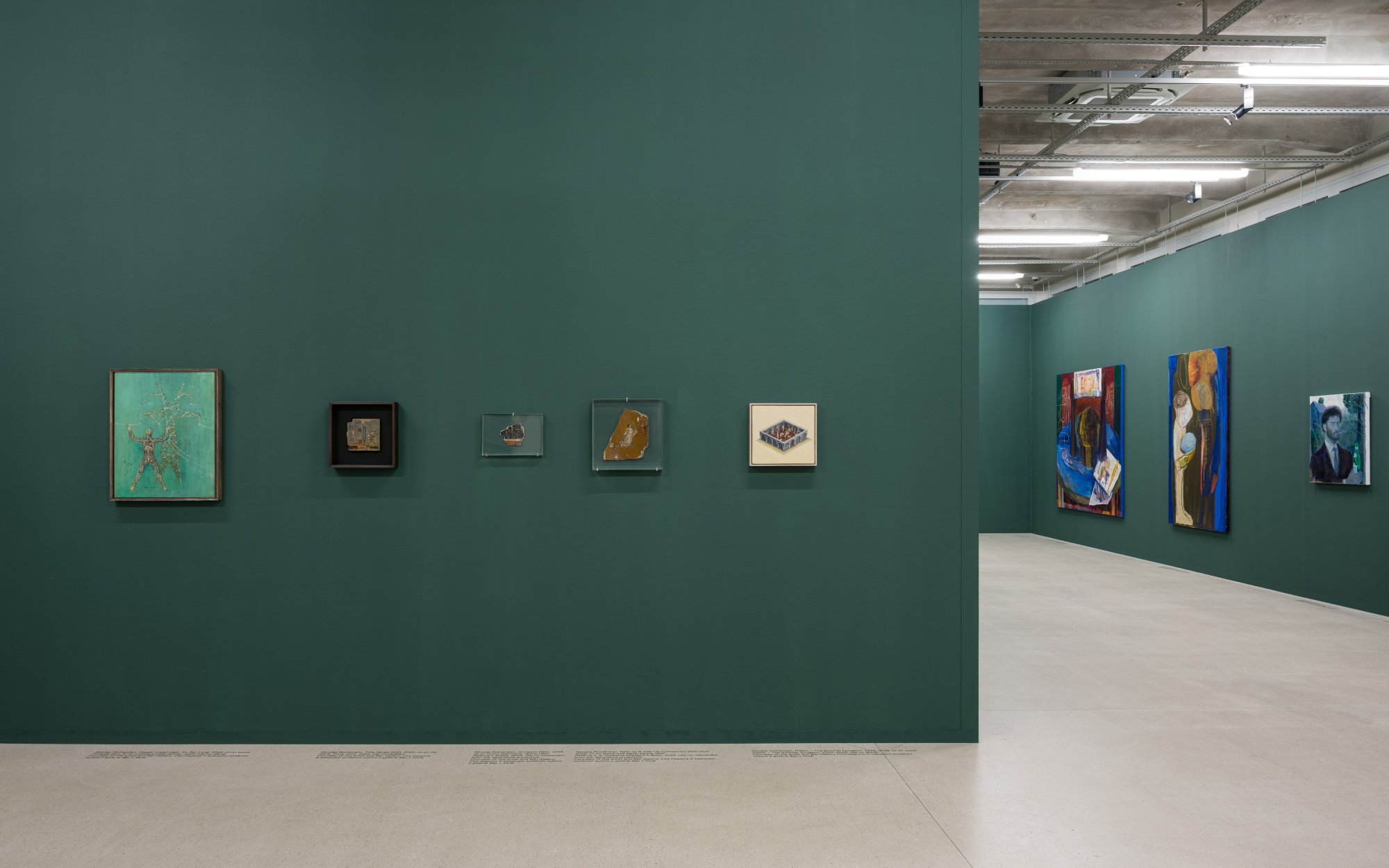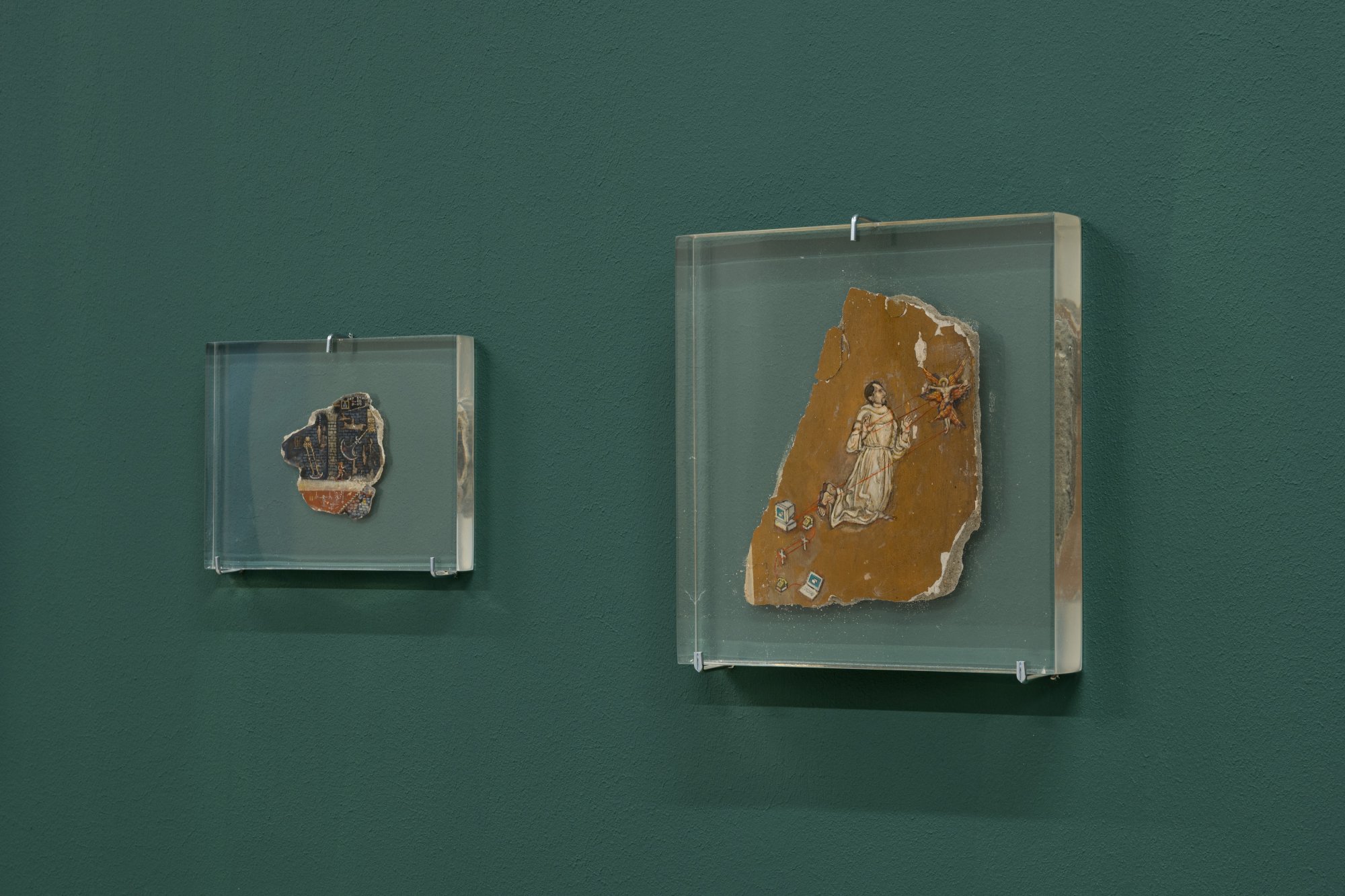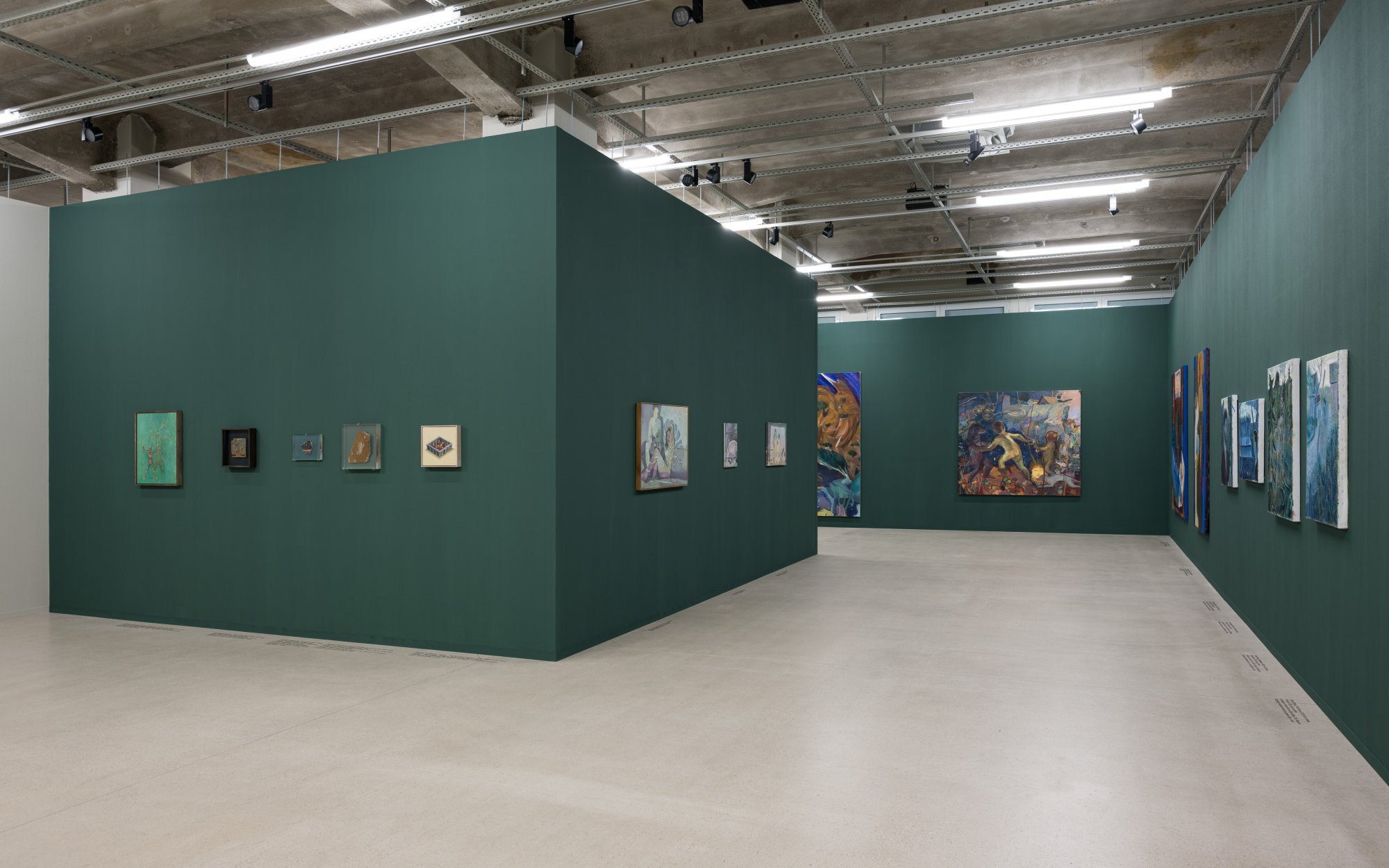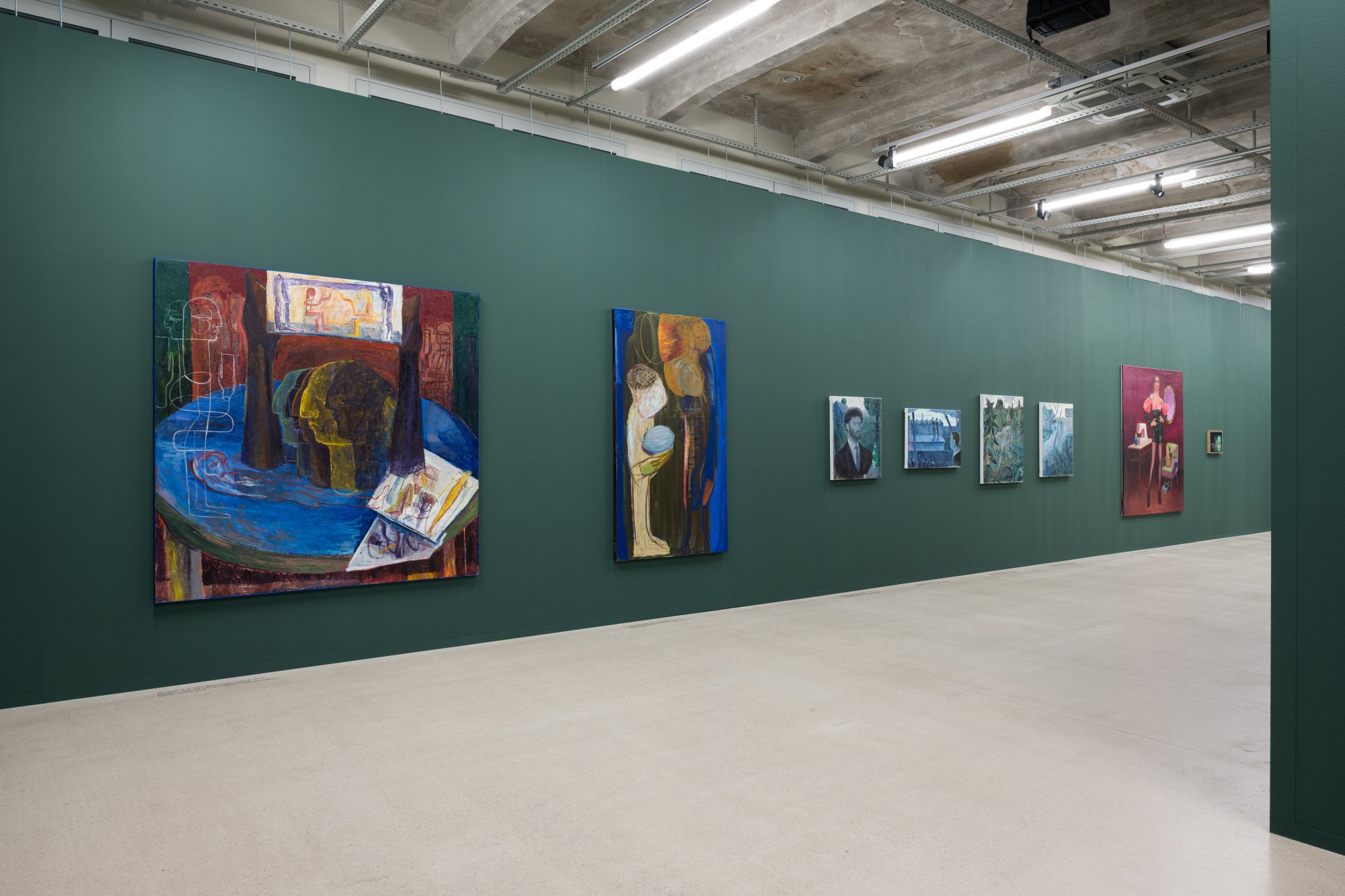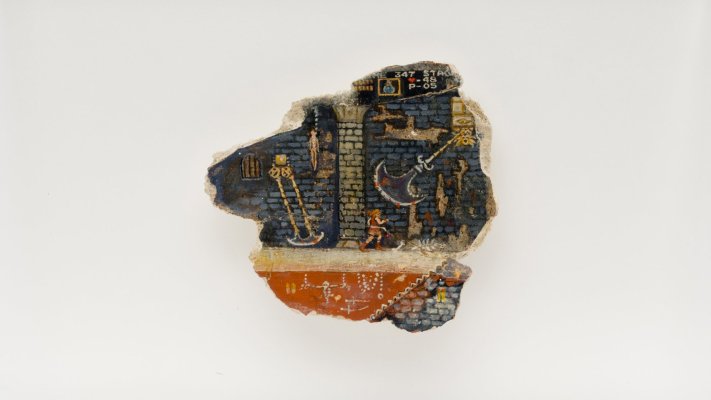
Nicolae Romanițan (*1991) represents a prominent voice of the younger generation within contemporary Transylvanian painting. Although he comes from the Cluj school, his work moves away from the classical concept of painting toward objects, materials, and found fragments. As a graduate of the University of Art and Design in Cluj, he has mastered the technical skills of this milieu, yet his work today is not limited to the canvas. He works with painting, drawing, and objects, often using wood, tiles, fragments of walls, or other architectural and building materials, some of which come directly from abandoned sacred spaces. These elements enter his works as bearers of memory, wear, and time. Romanițan does not address grand historical themes, as his primary focus lies in the microcosm of everyday life.
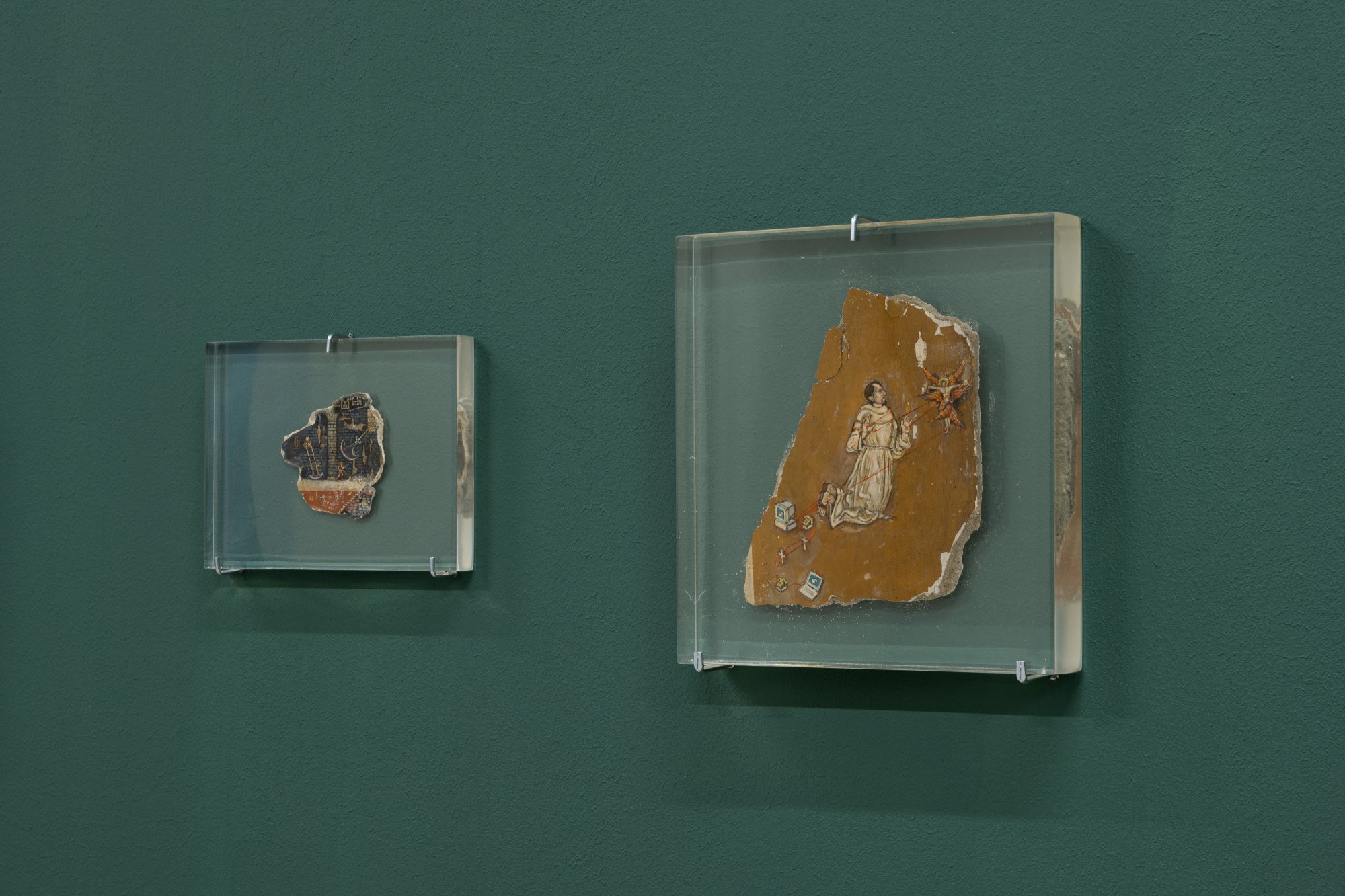
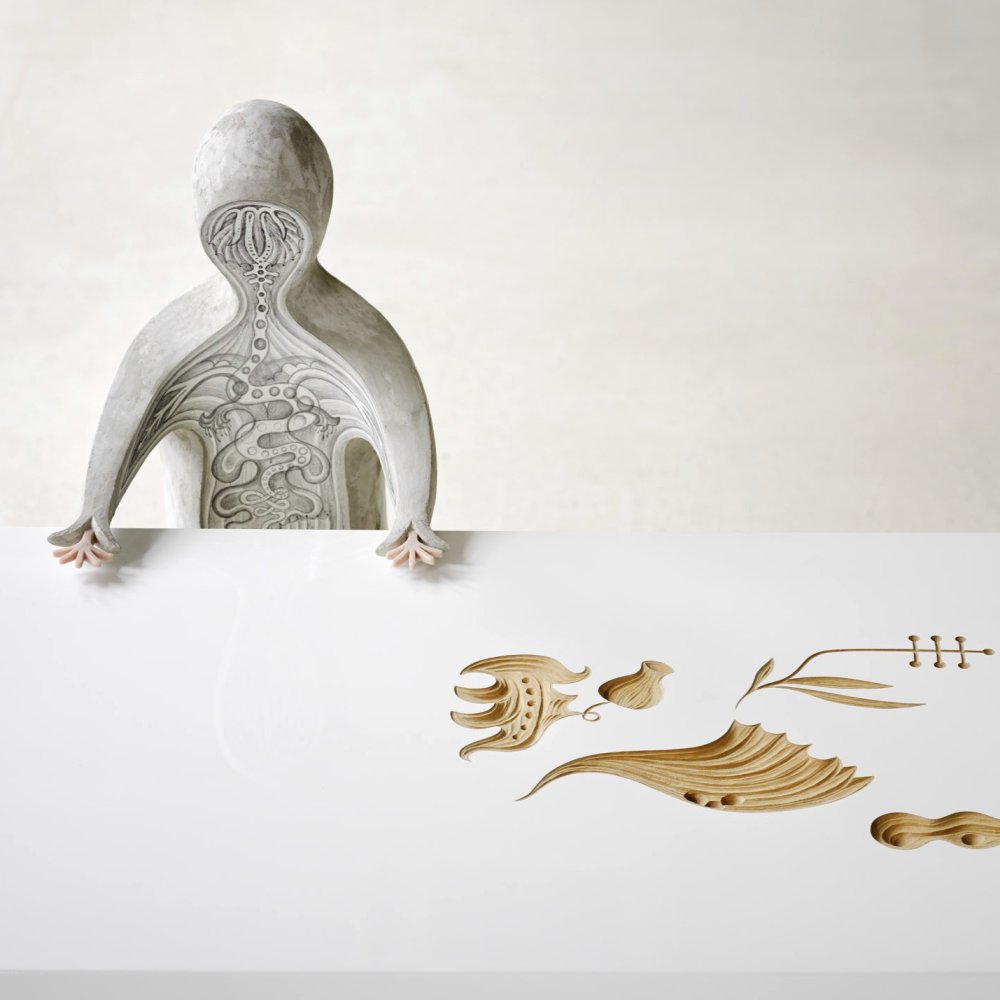
In his works, the old and the new naturally converge. On the one hand, he returns to medieval, Byzantine, Gothic, or Flemish iconography; on the other, he works with the aesthetics of old computer games, arcades, screens, and the digital culture of the turn of the millennium. Saints, demons, knights, anatomical bodies, or religious scenes may thus find themselves alongside game elements, technical components, and references to early digital worlds. He does not turn this into a flashy collage. Rather, he observes how images from different eras return, change format, and remain with us longer than we think. Characters, often isolated in intimate interiors, embody quiet anticipation and solitude in the digital age. Earthy and muted tones of gray or ochre are disrupted by unexpected accents of vivid colors, creating a melancholic atmosphere. In short, Romanitan does not strive for photorealistic precision, but for absolute psychological truth.
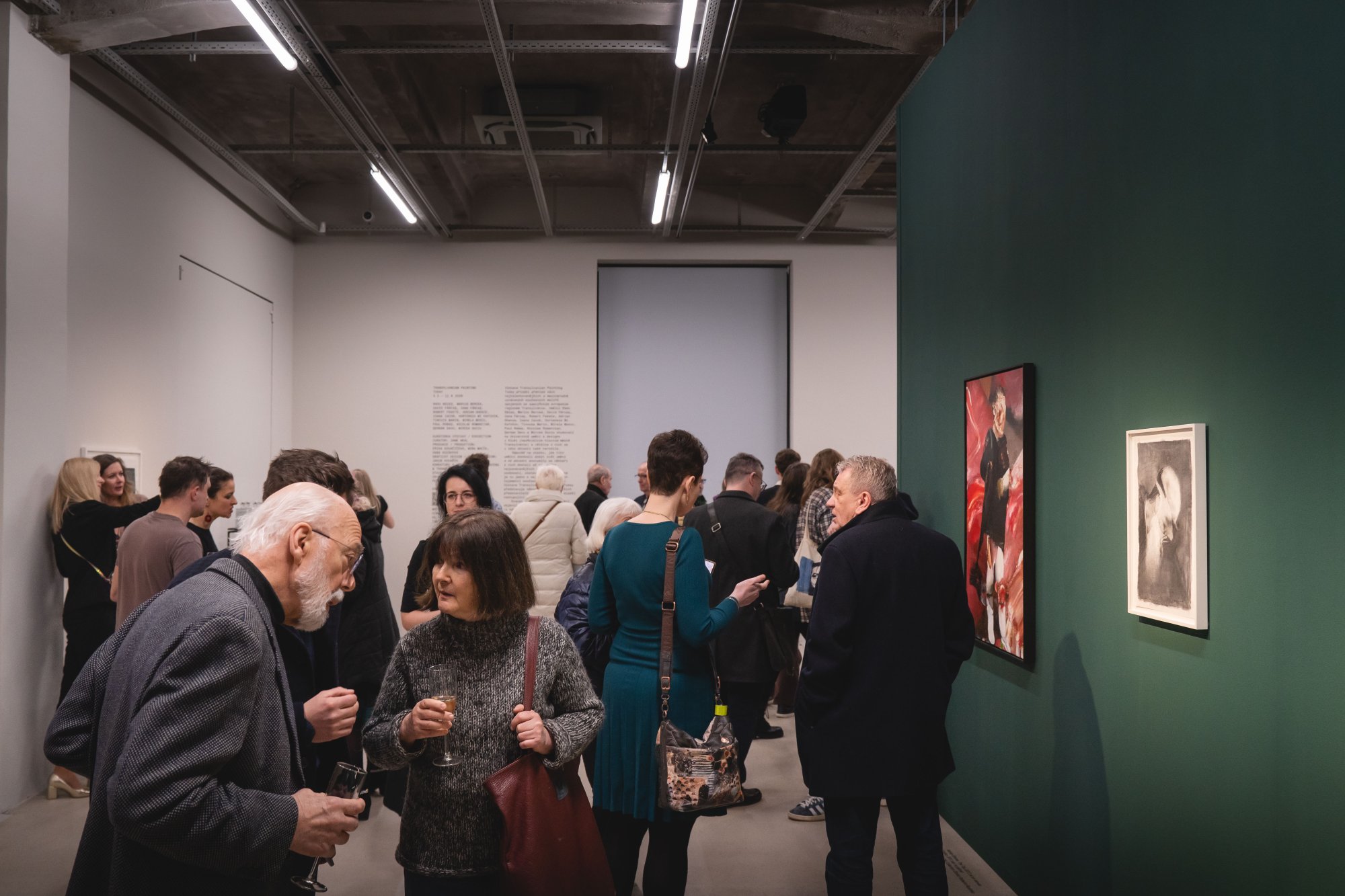
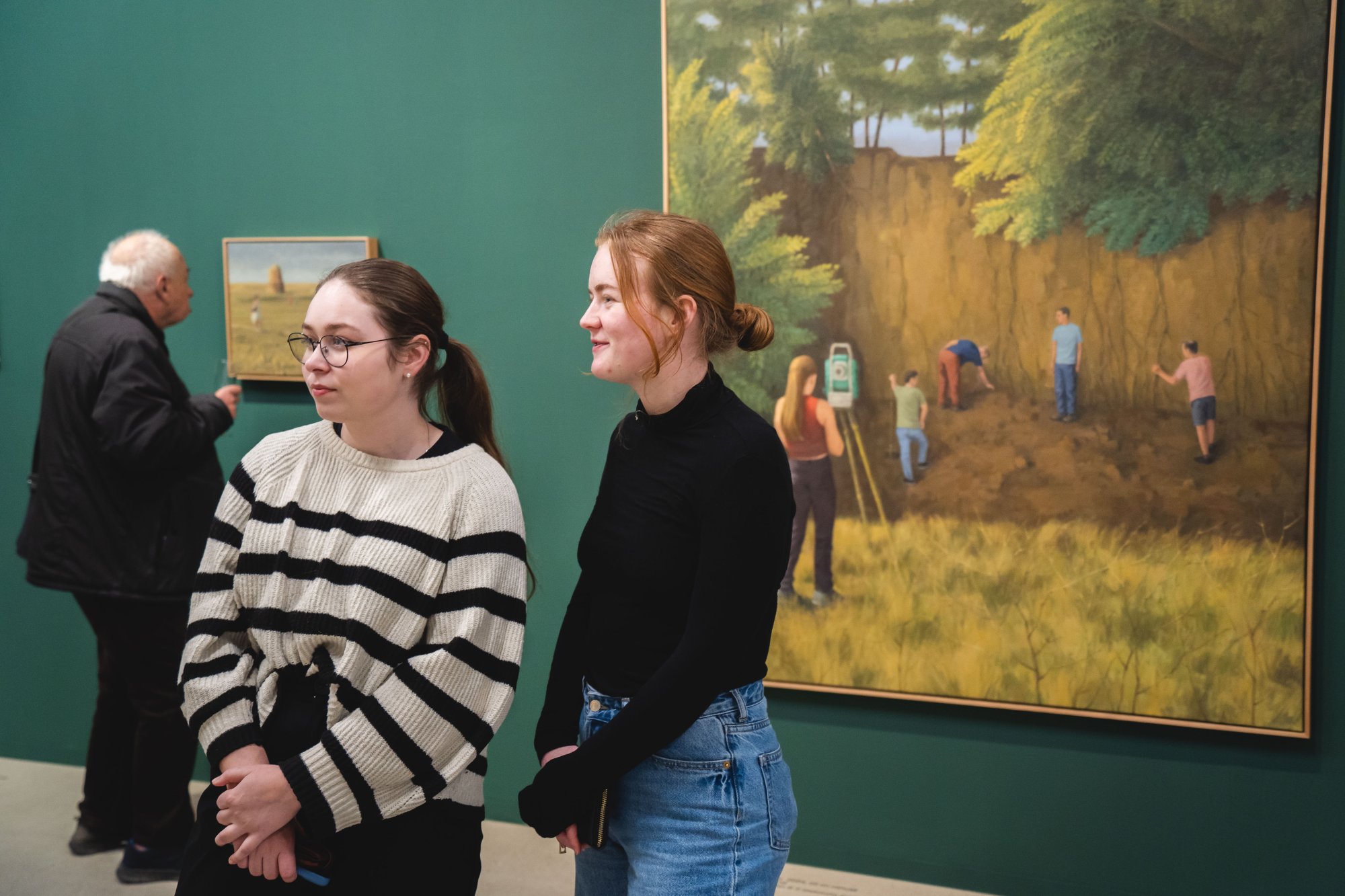
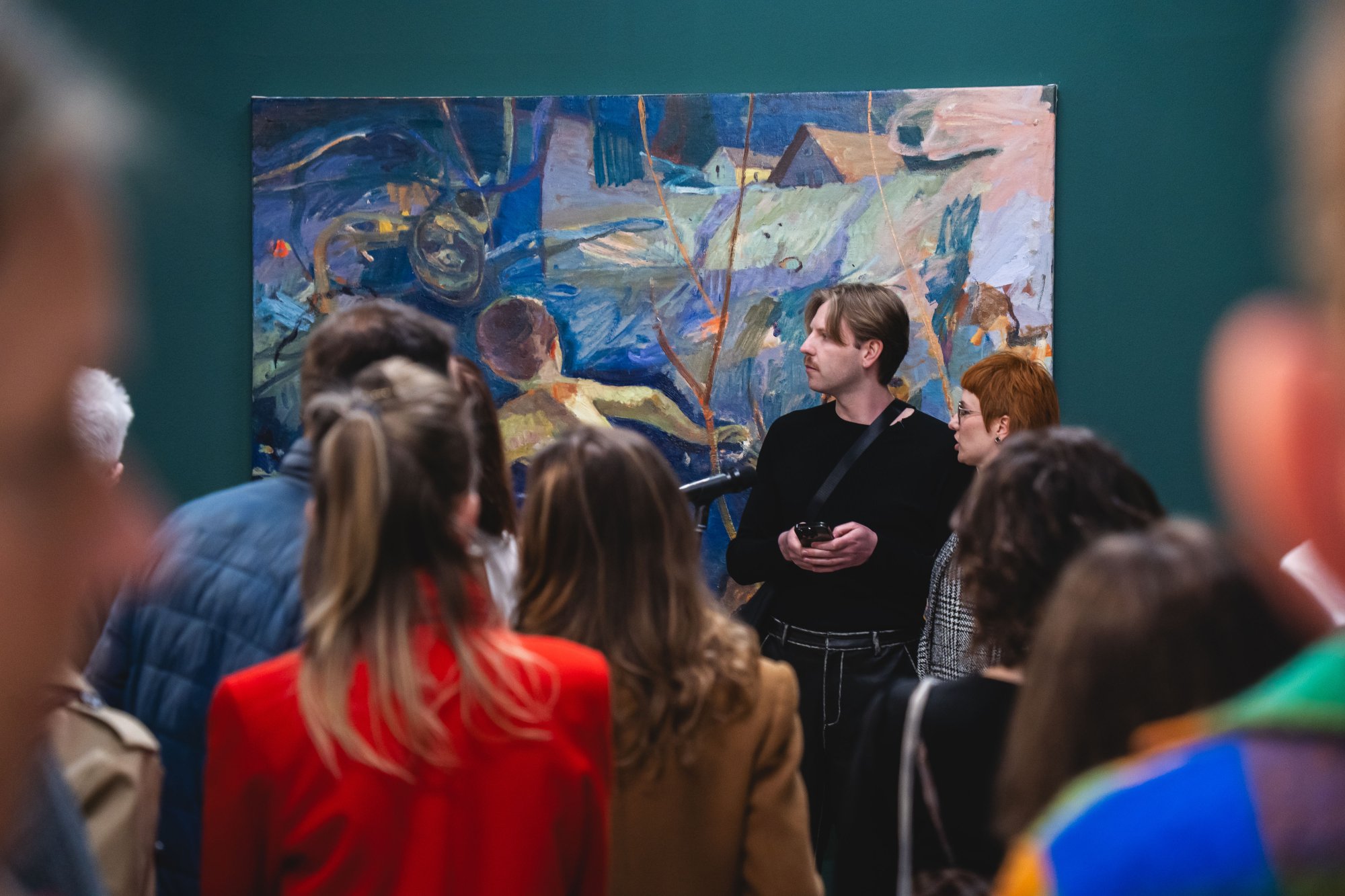
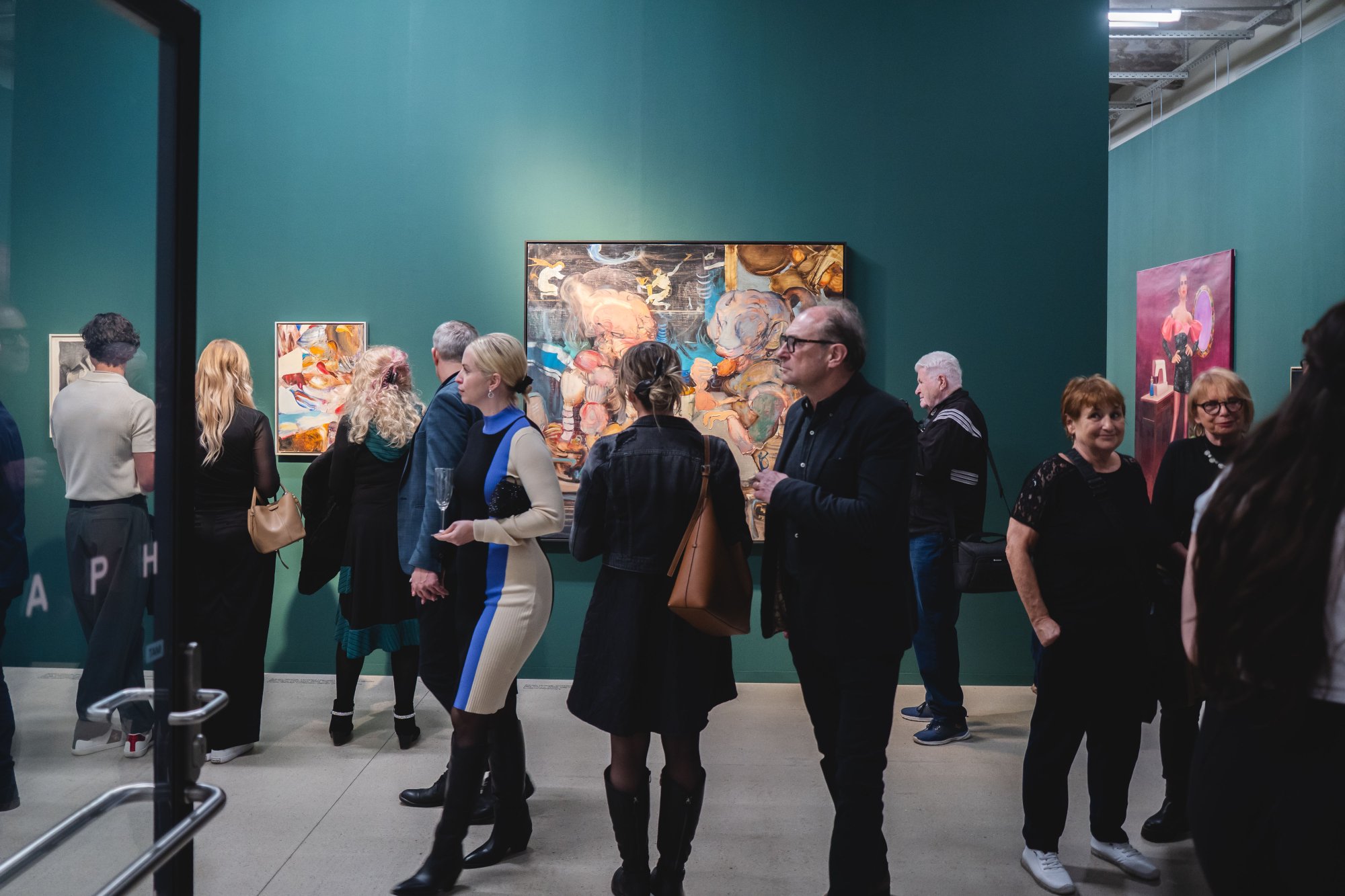
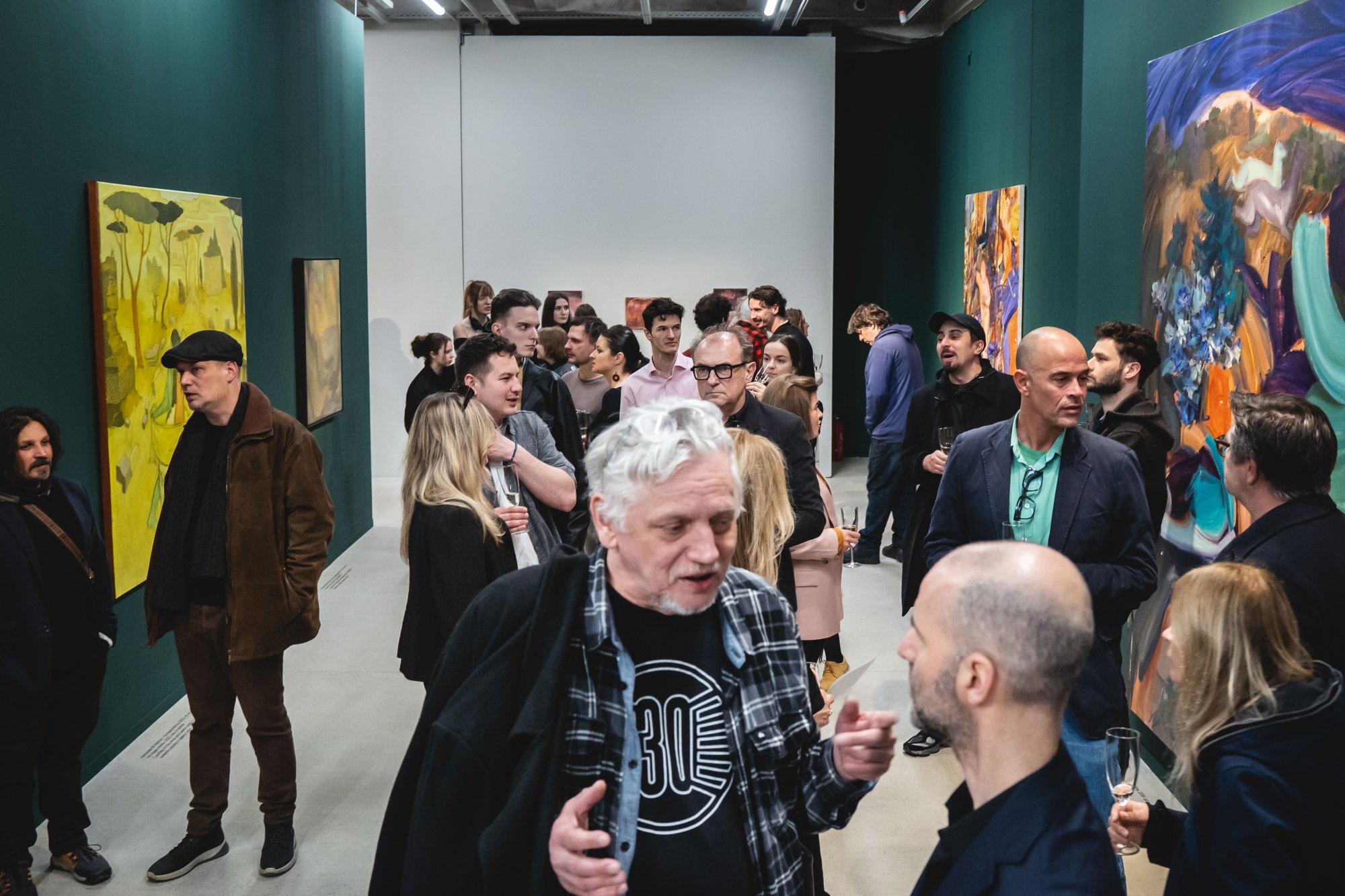
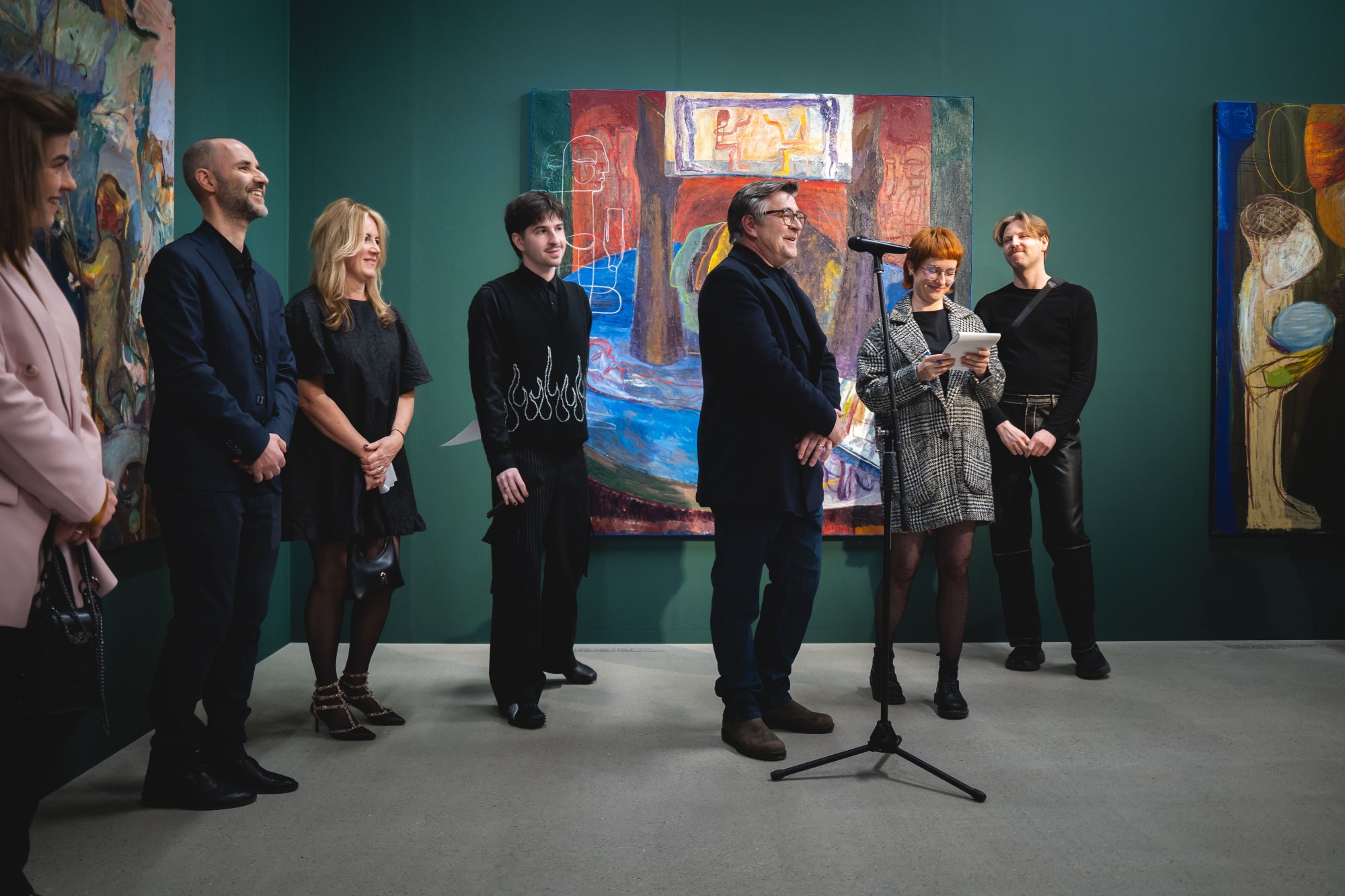
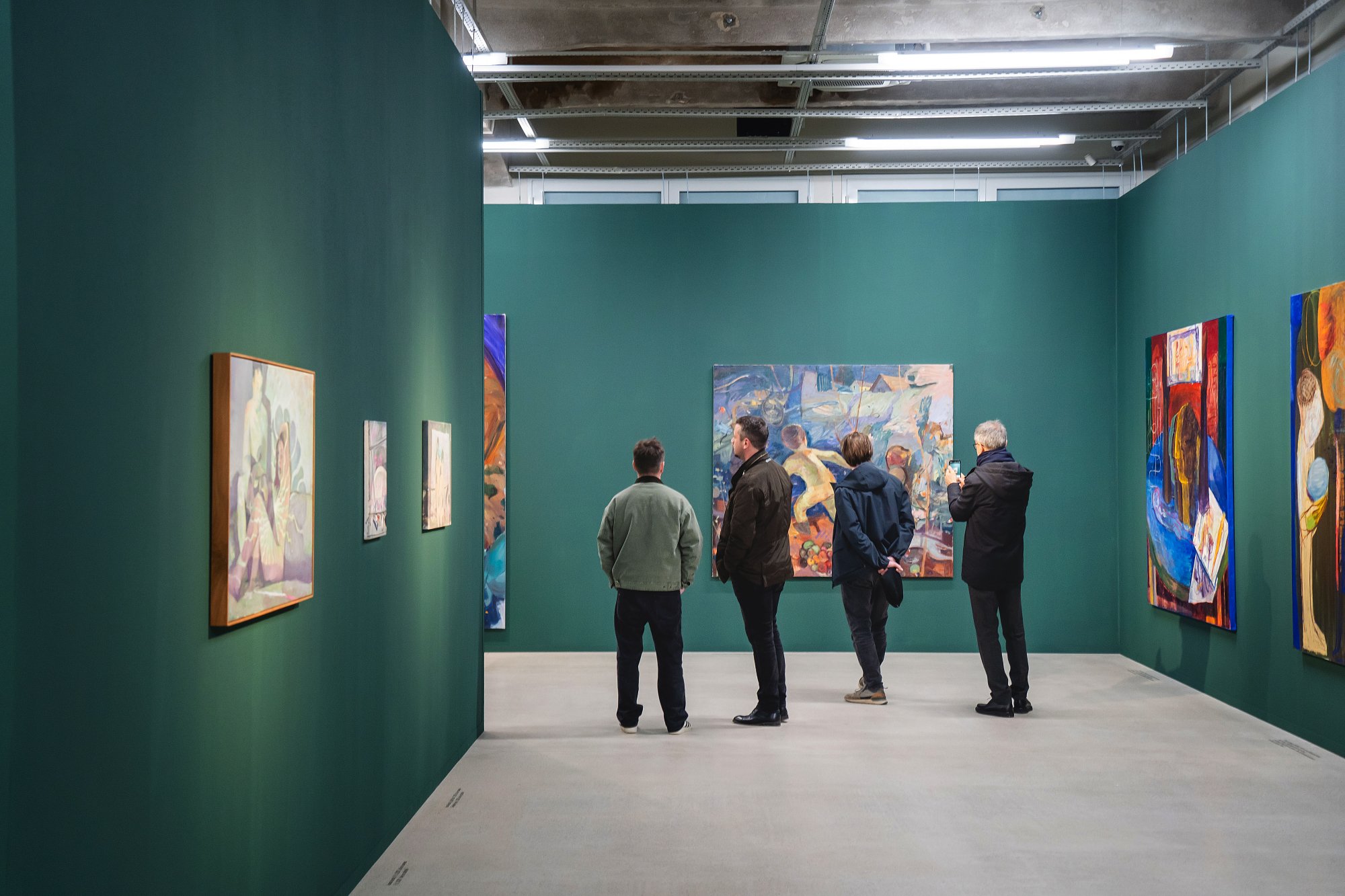
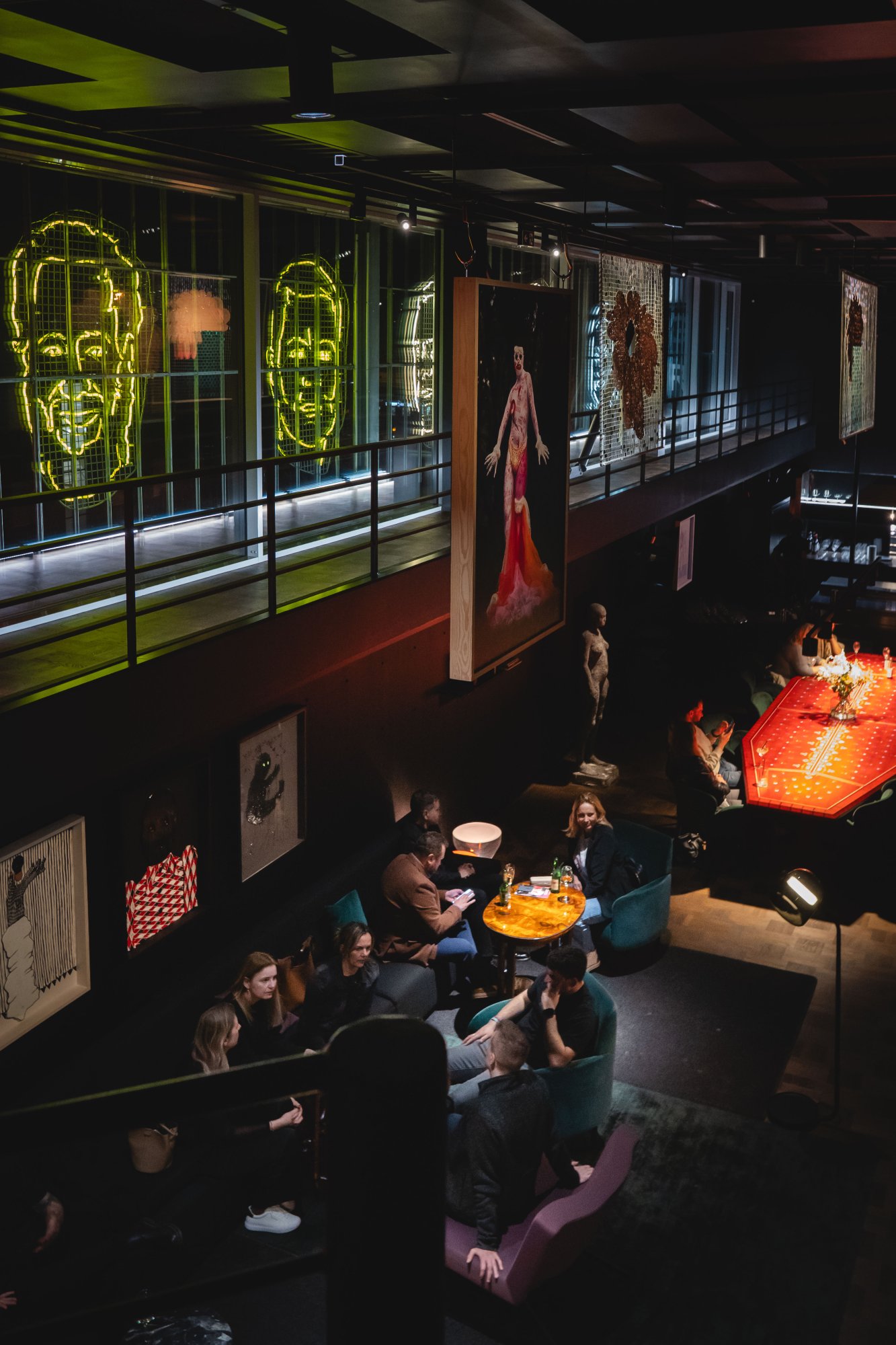
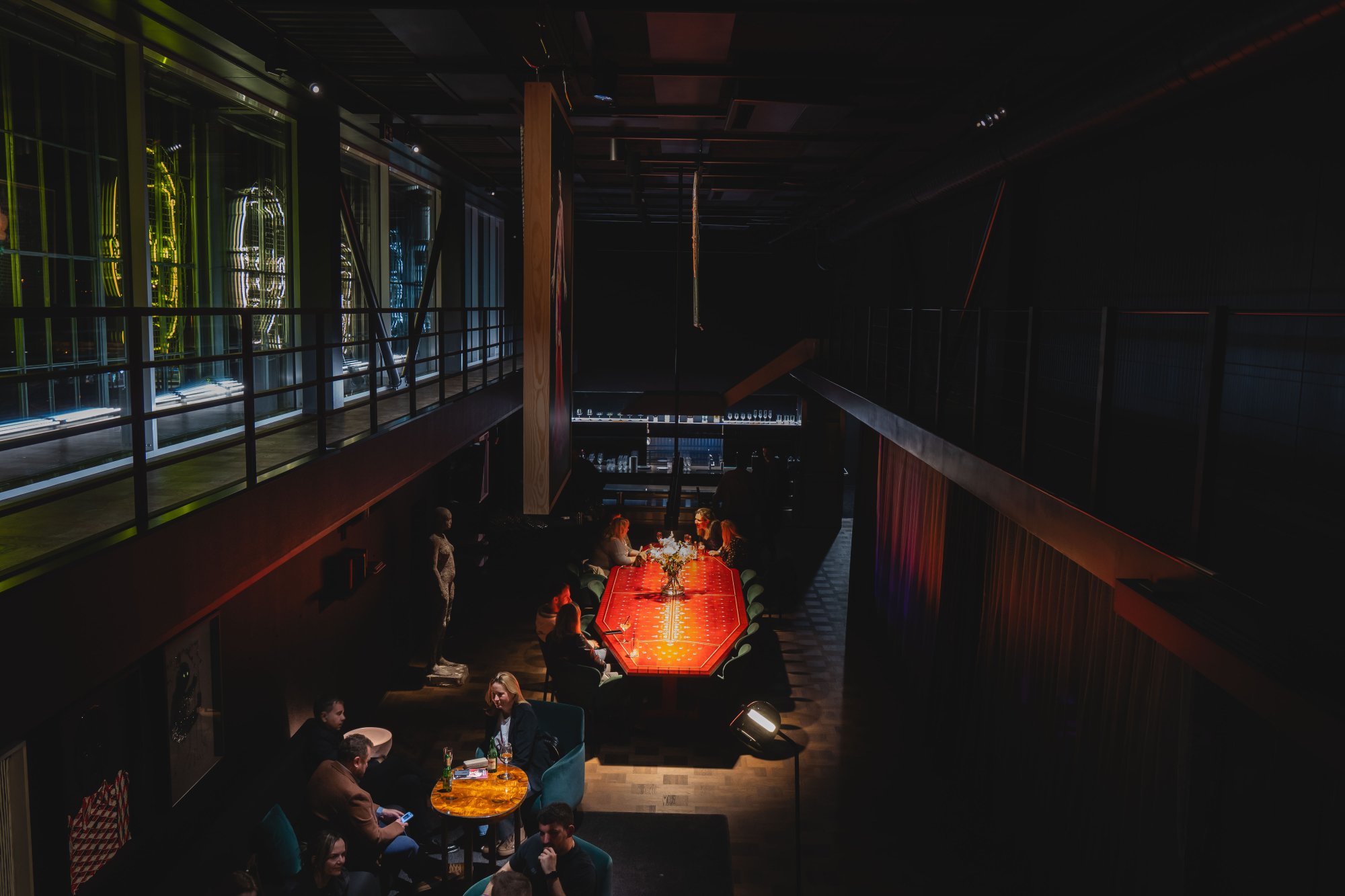
As part of the exhibition Transylvanian Painting Today at the Telegraph Gallery, Nicolae Romanitan thus adds to the view of the contemporary Cluj scene with an artist who pushes painting beyond its usual format. He is interested in what happens to a painting when it is not created on a blank canvas, but on a piece of wall, a tile, or another material with its own past. His work brings together history and the present in a very concrete way, through a found fragment, a religious motif, an old game, or a technology that has itself grown old in the meantime.