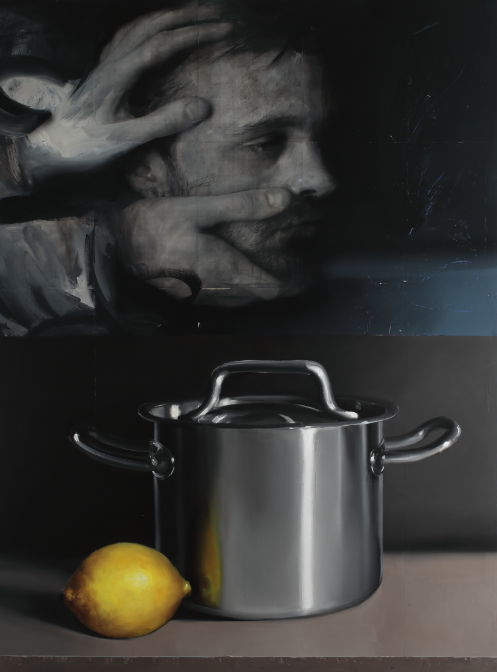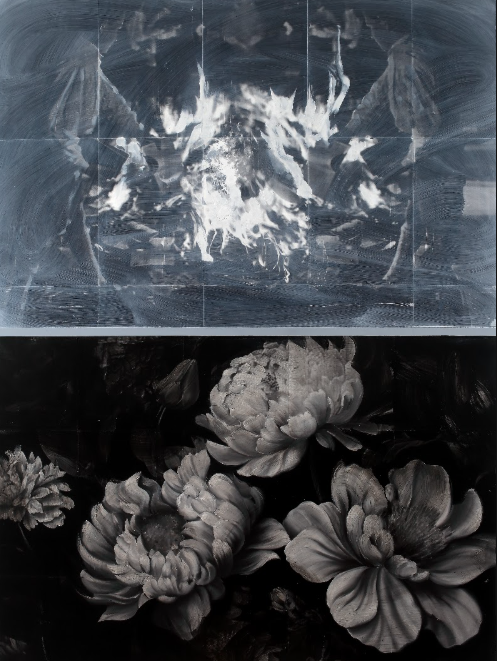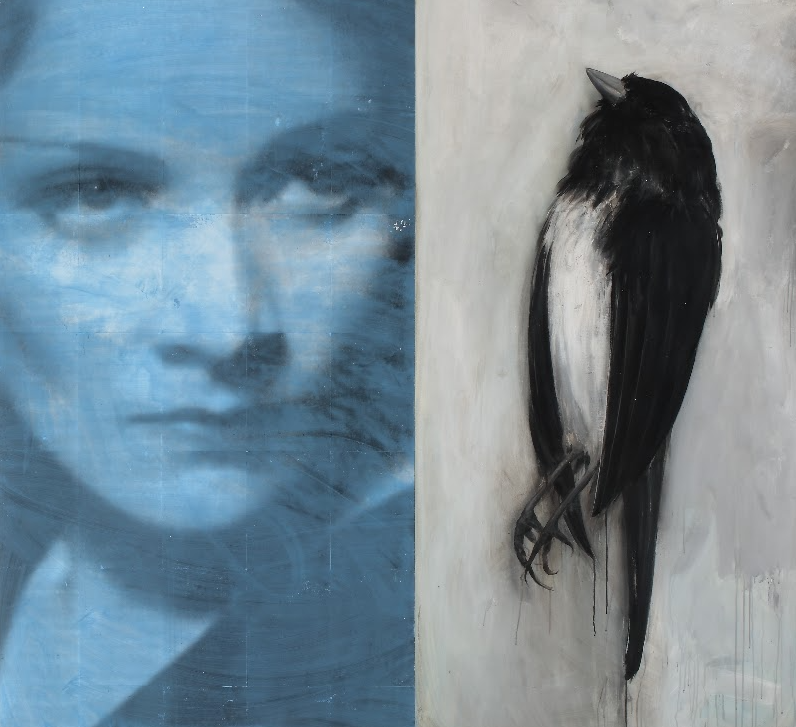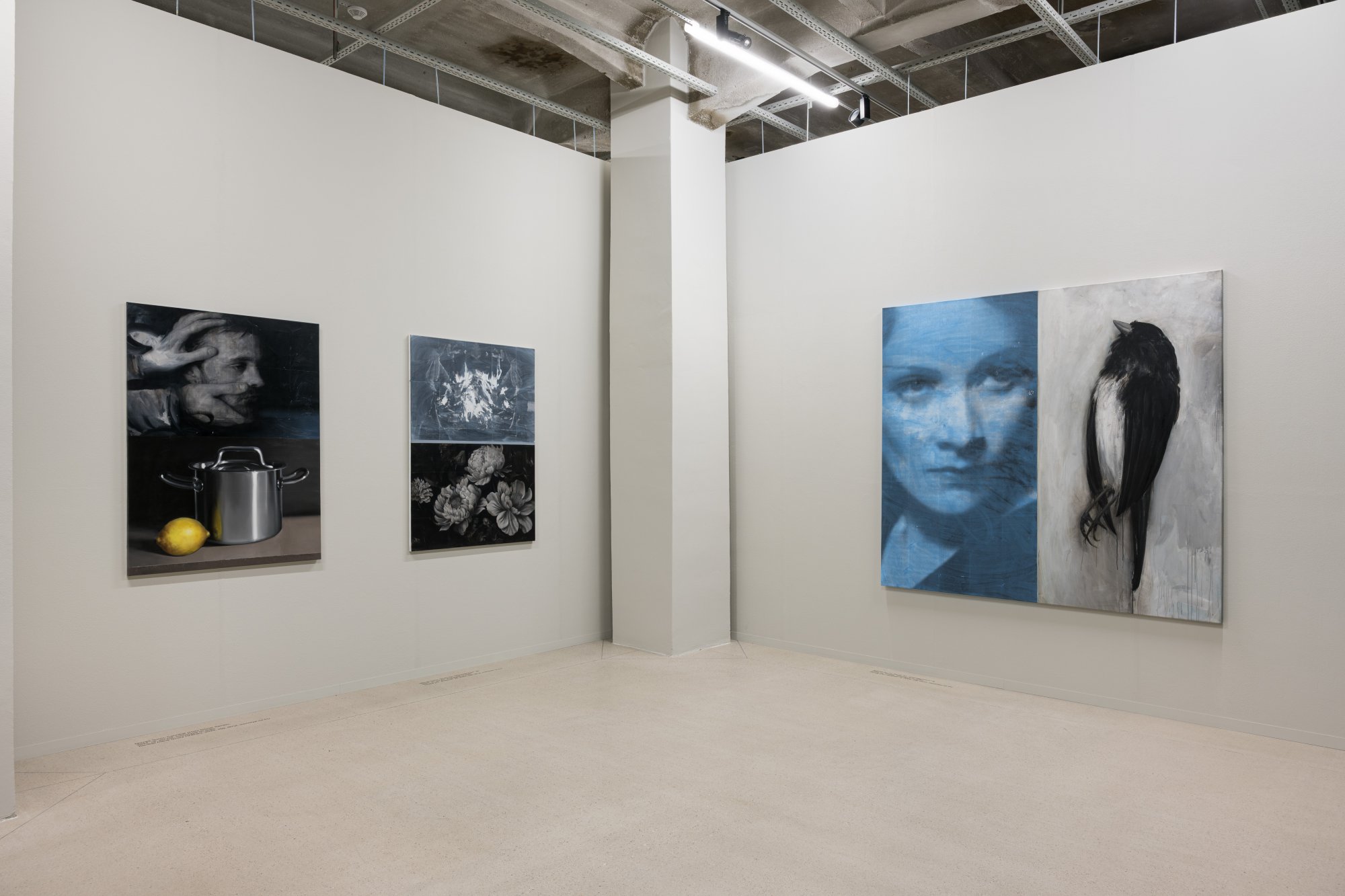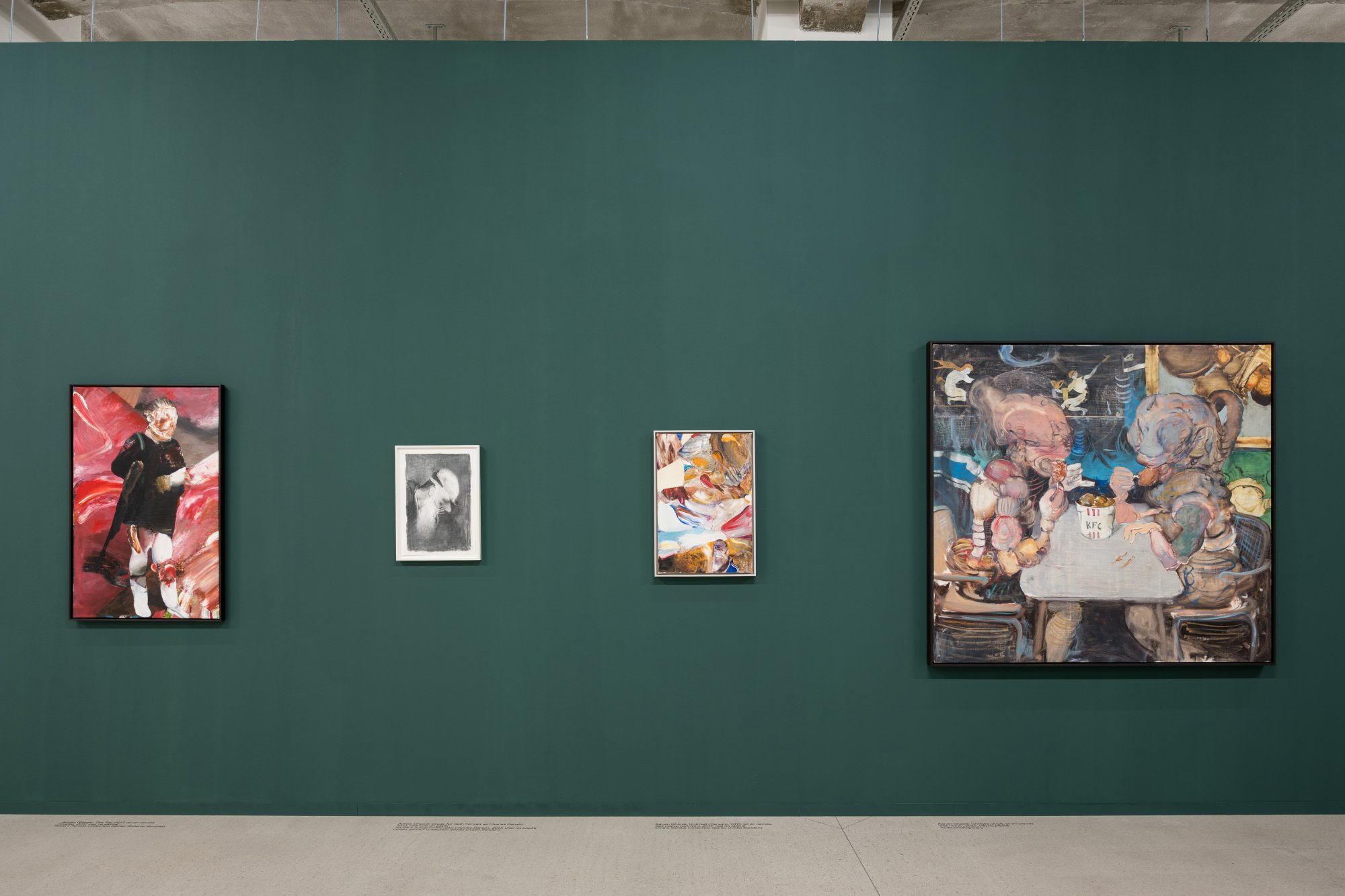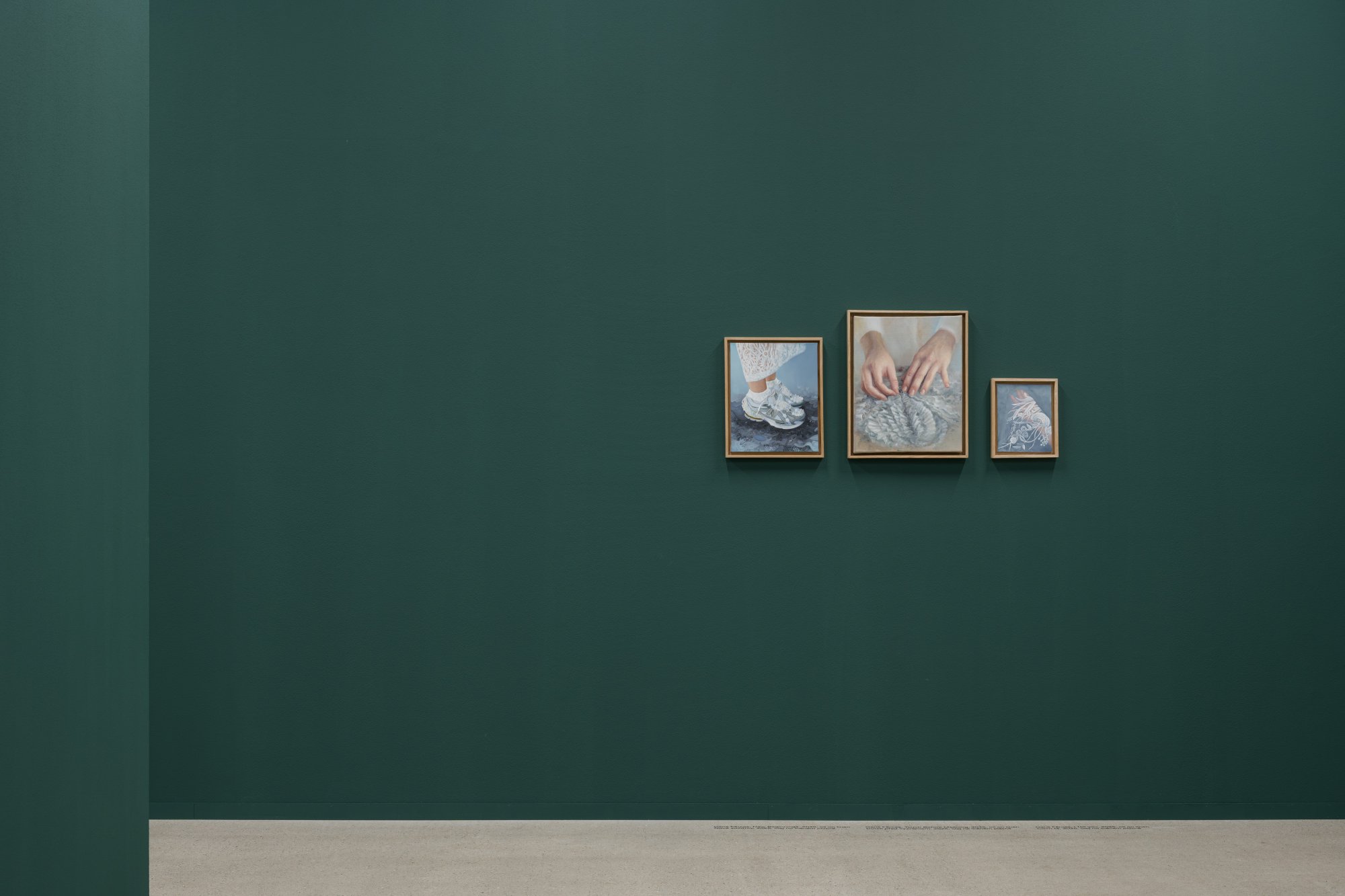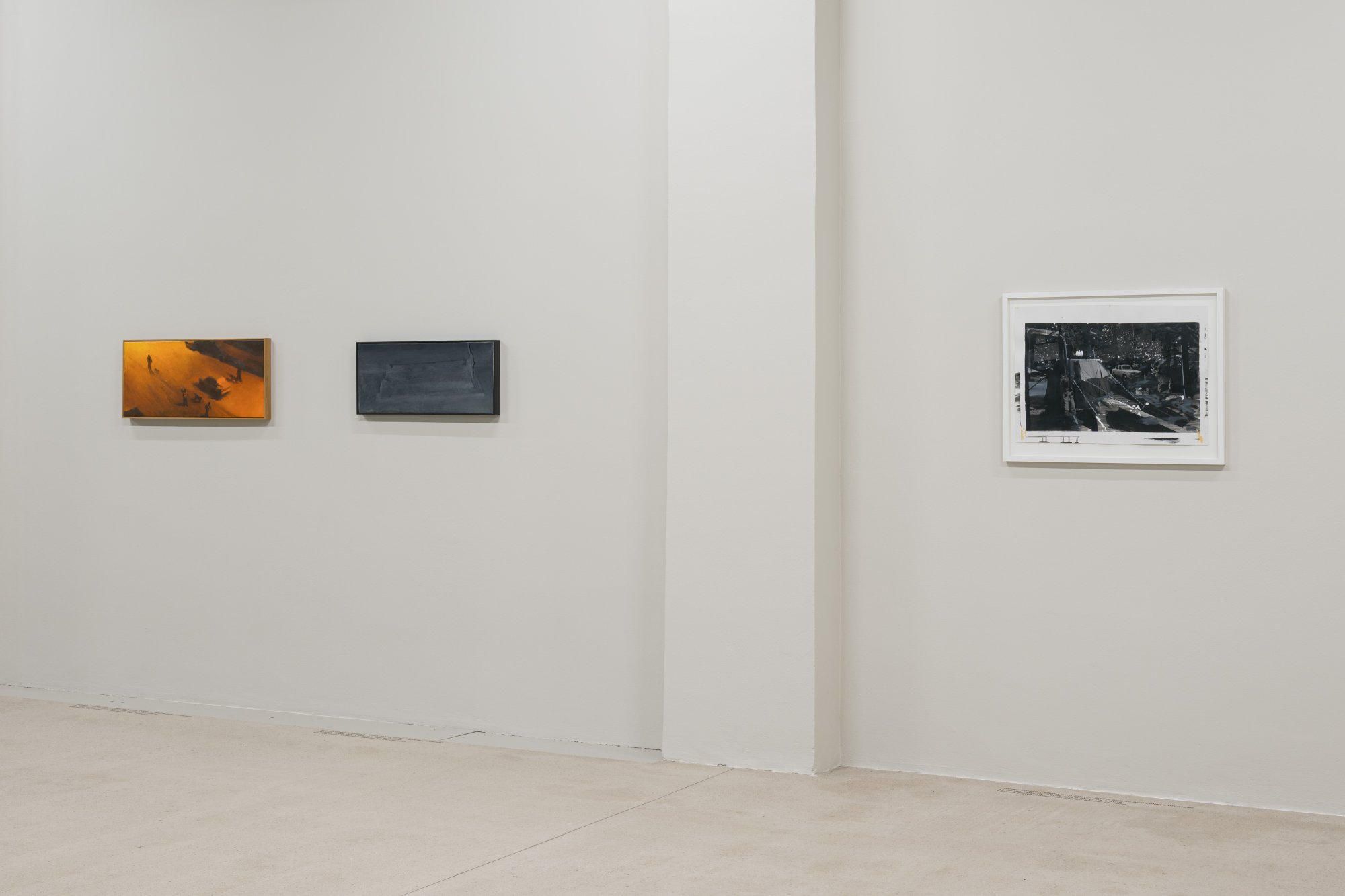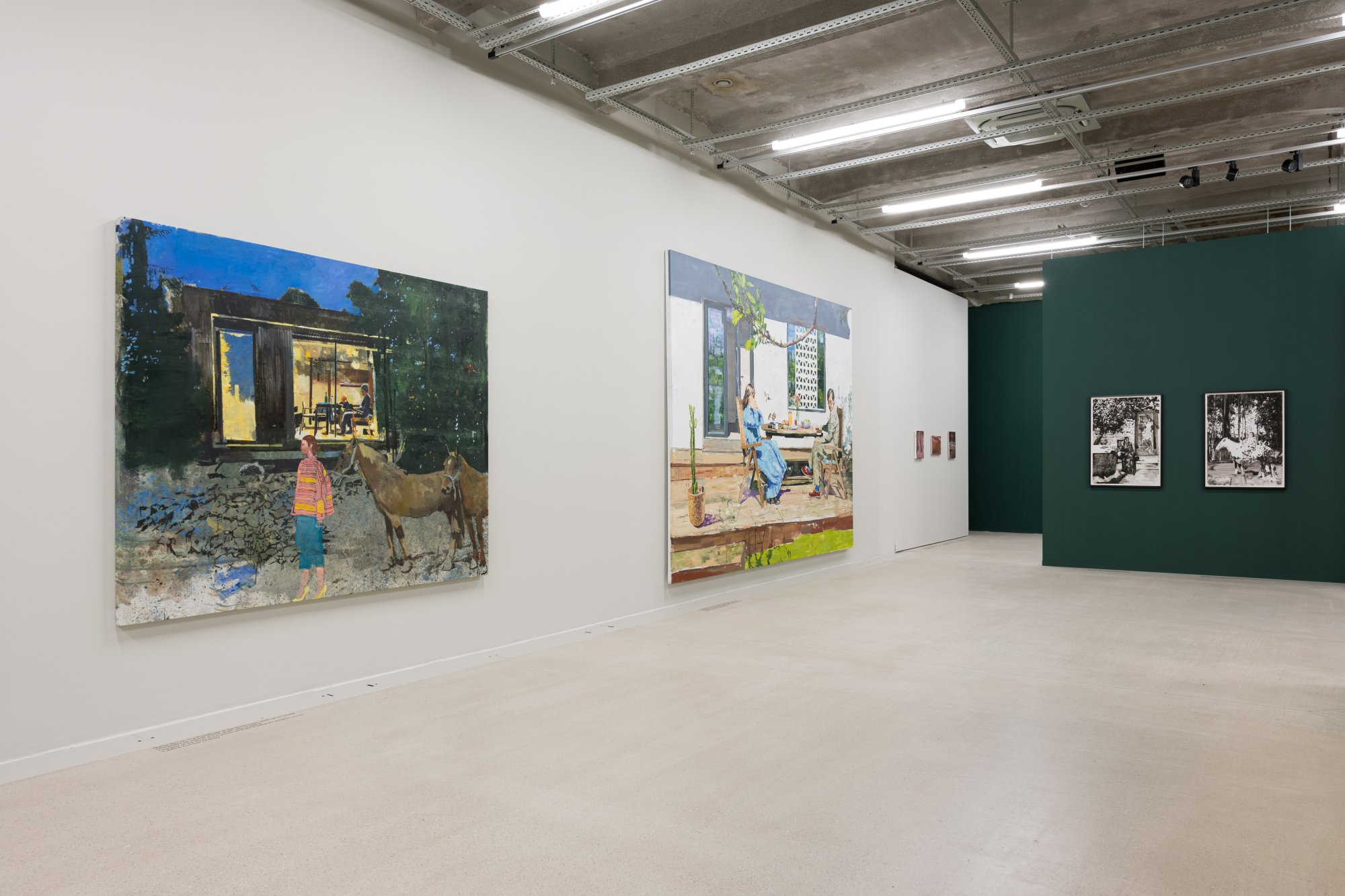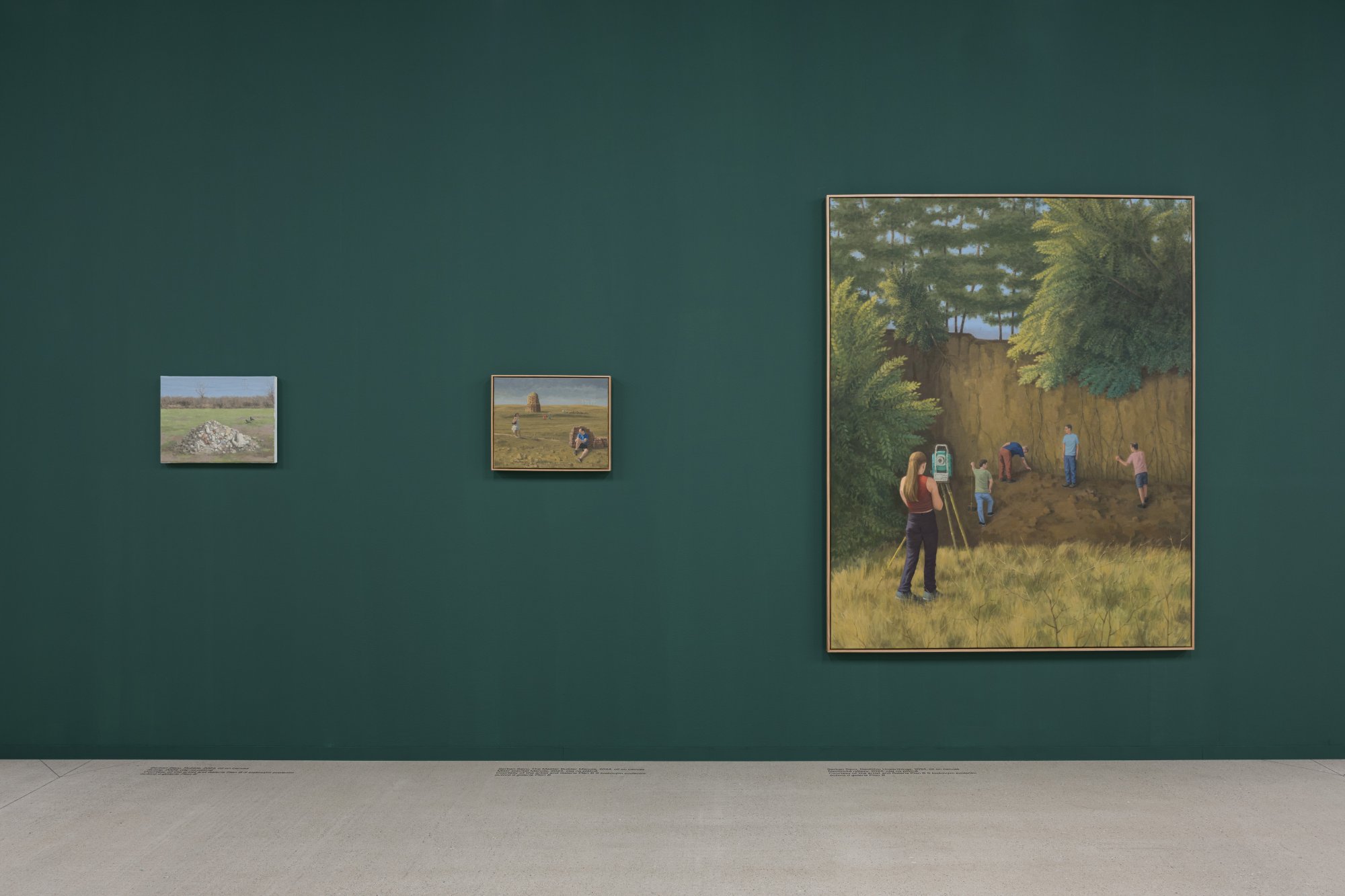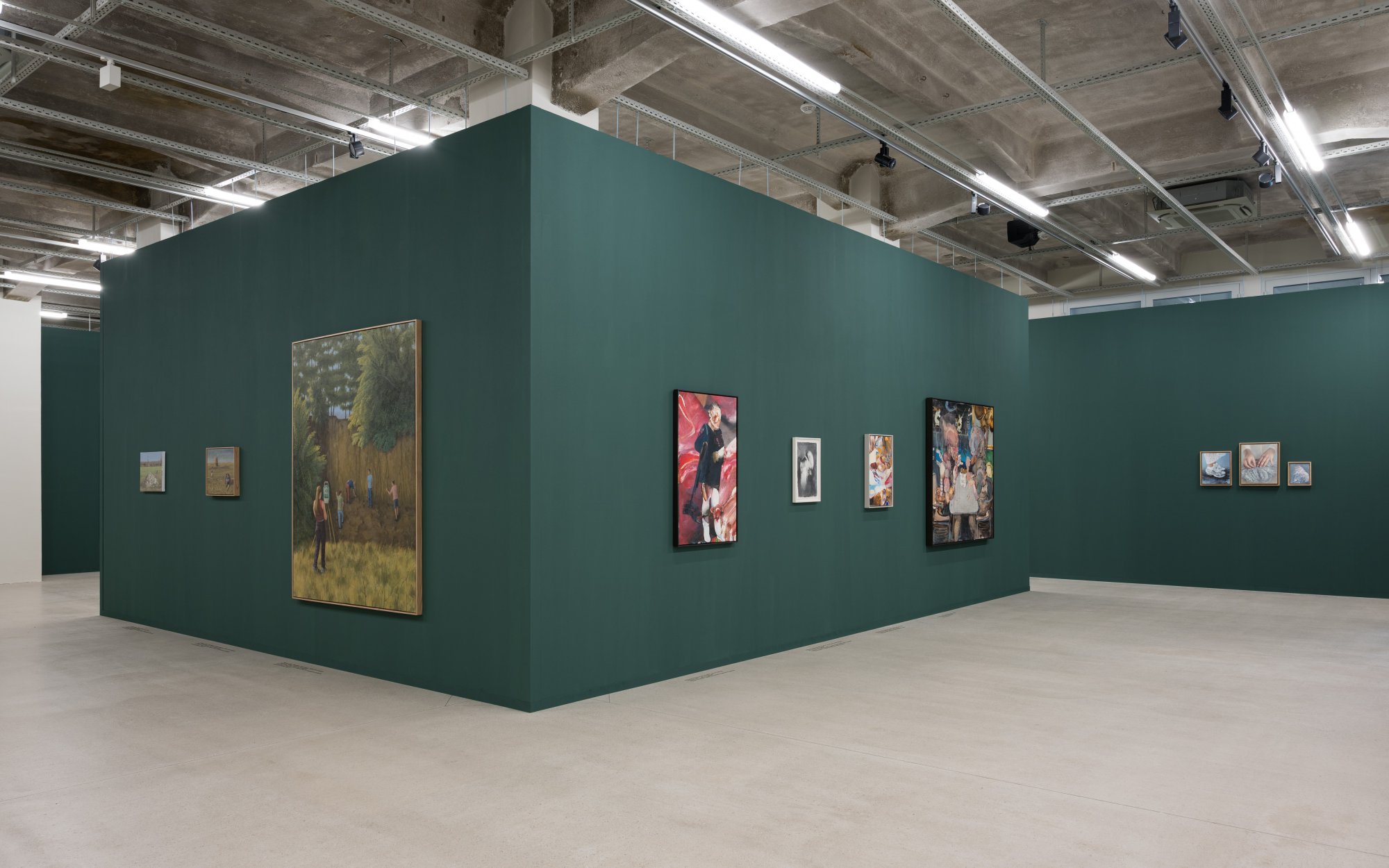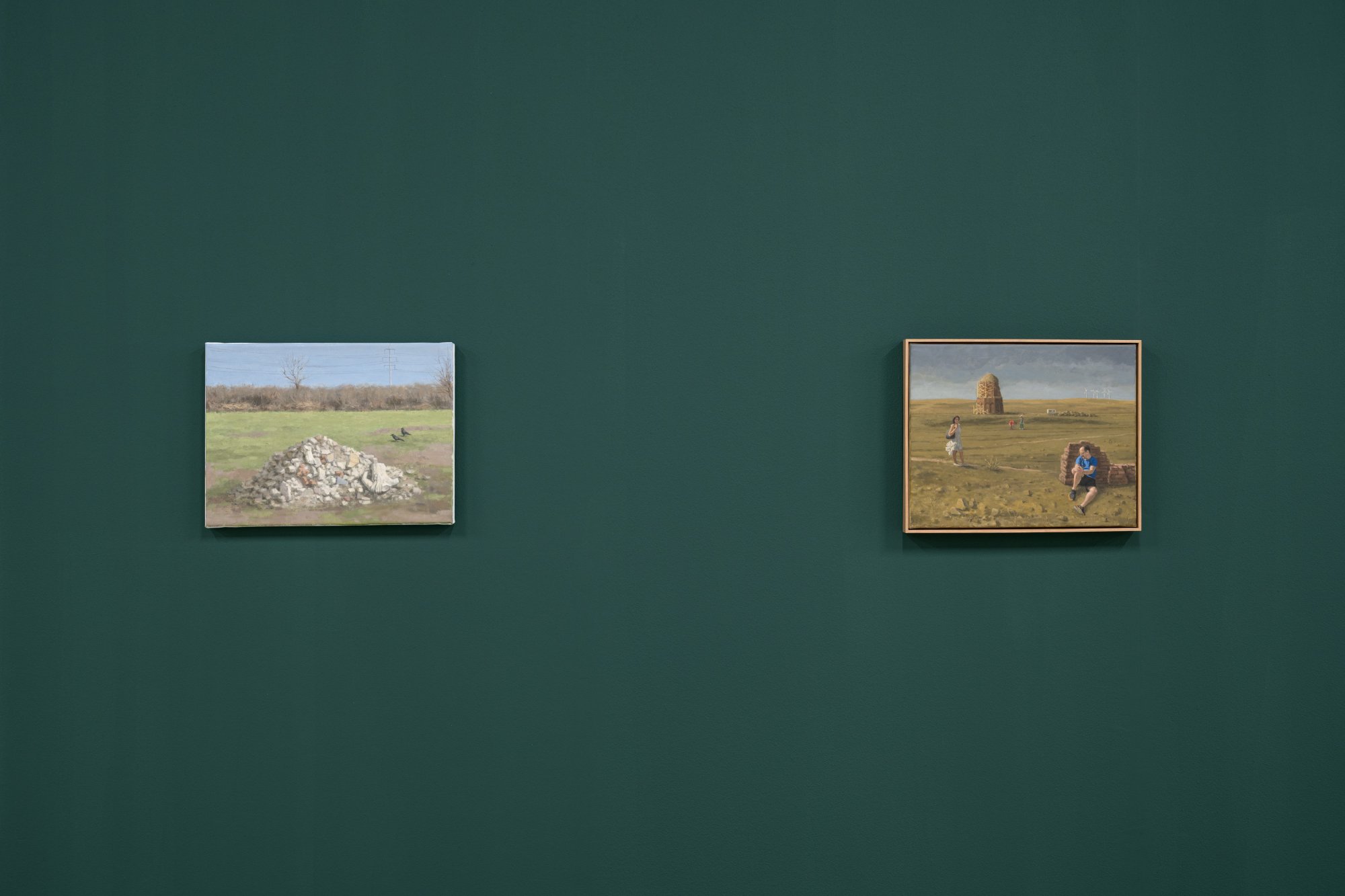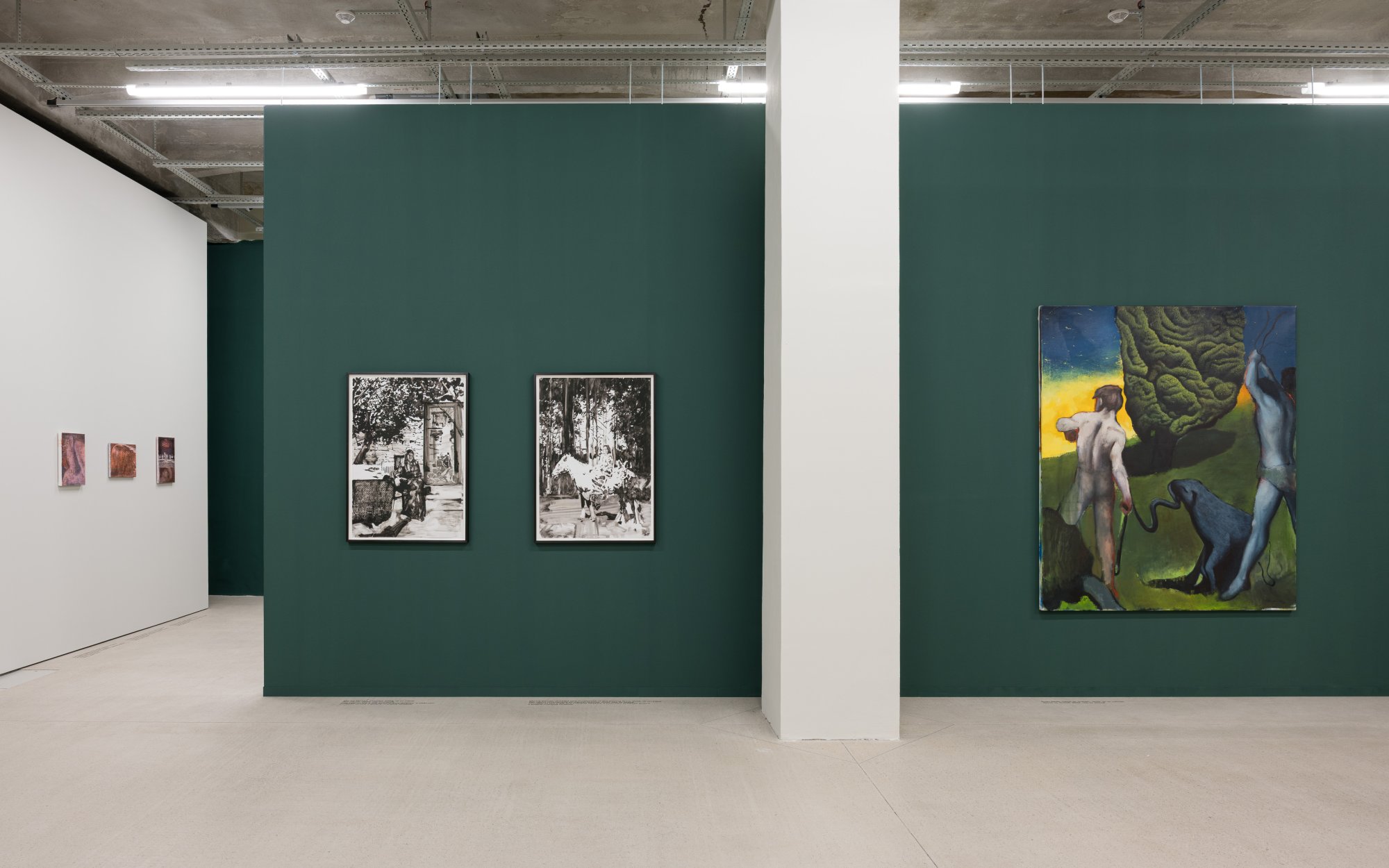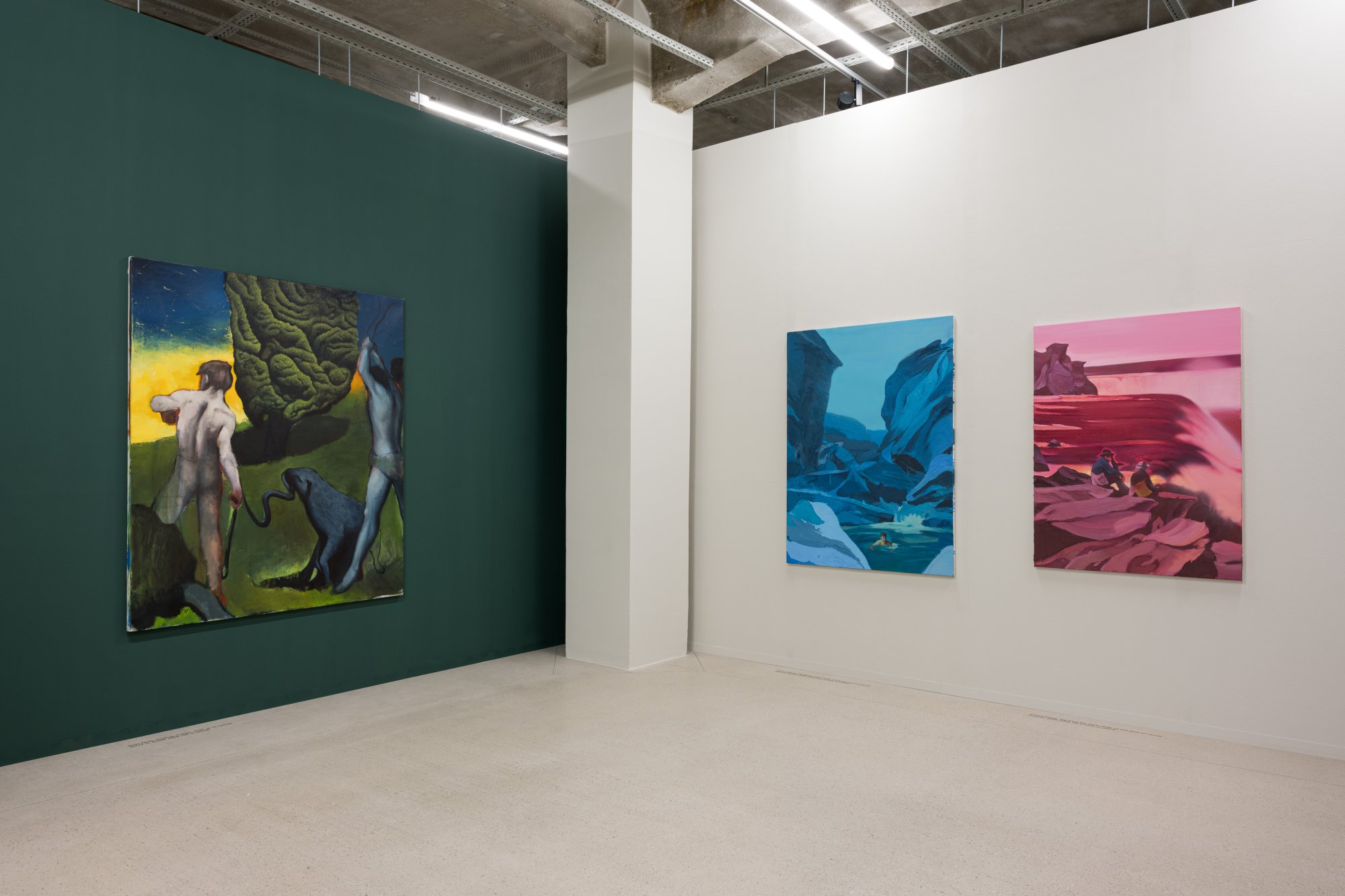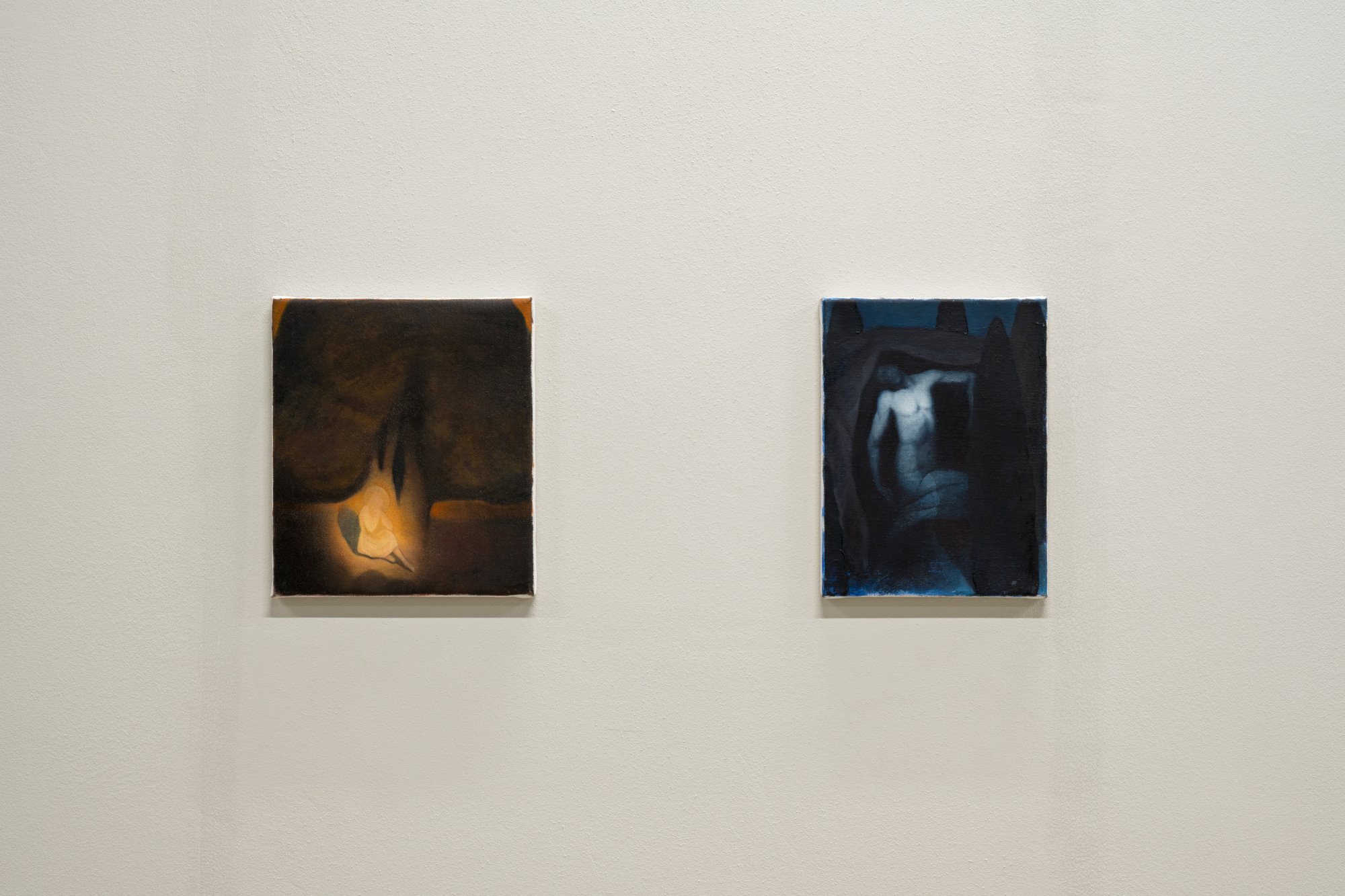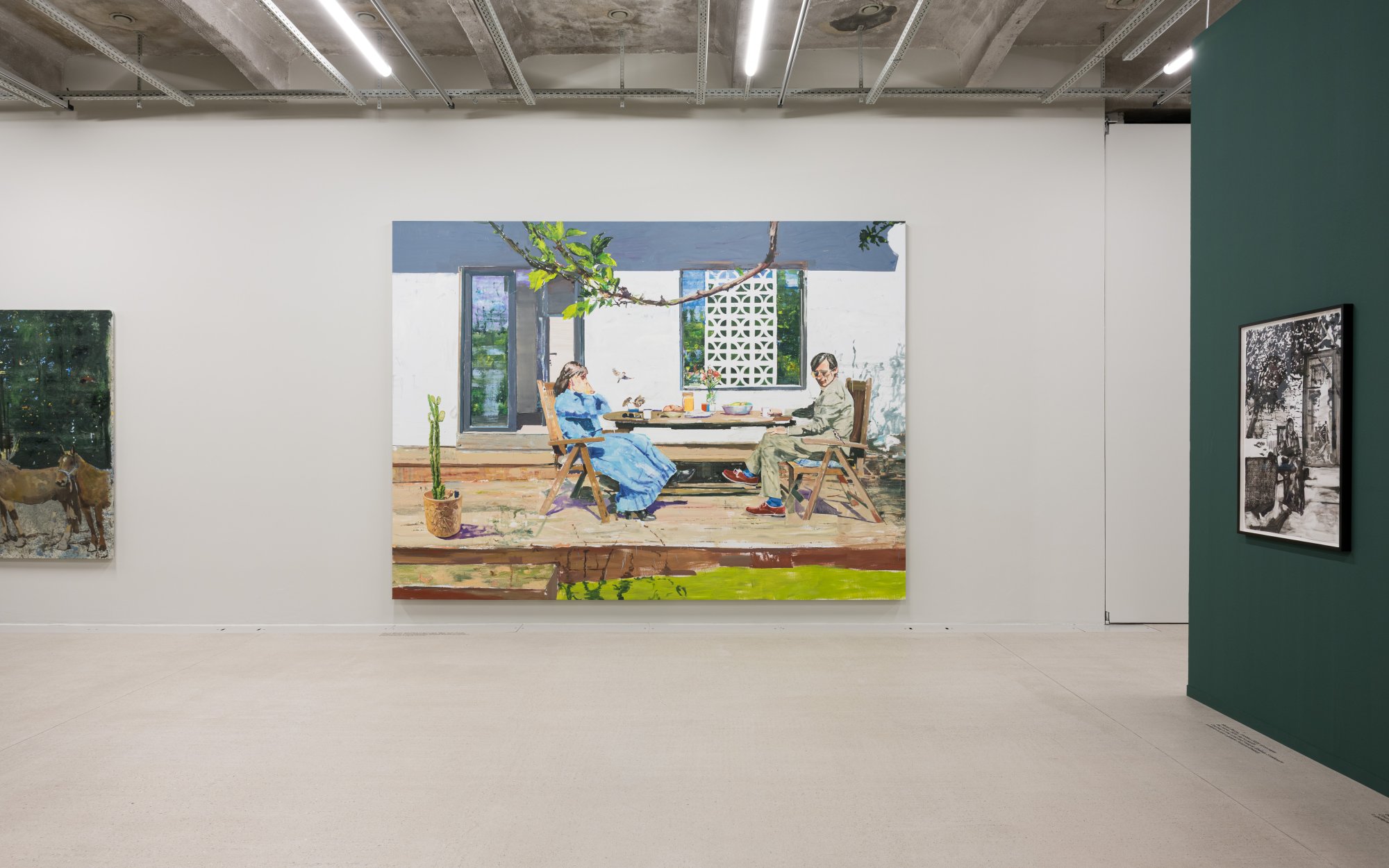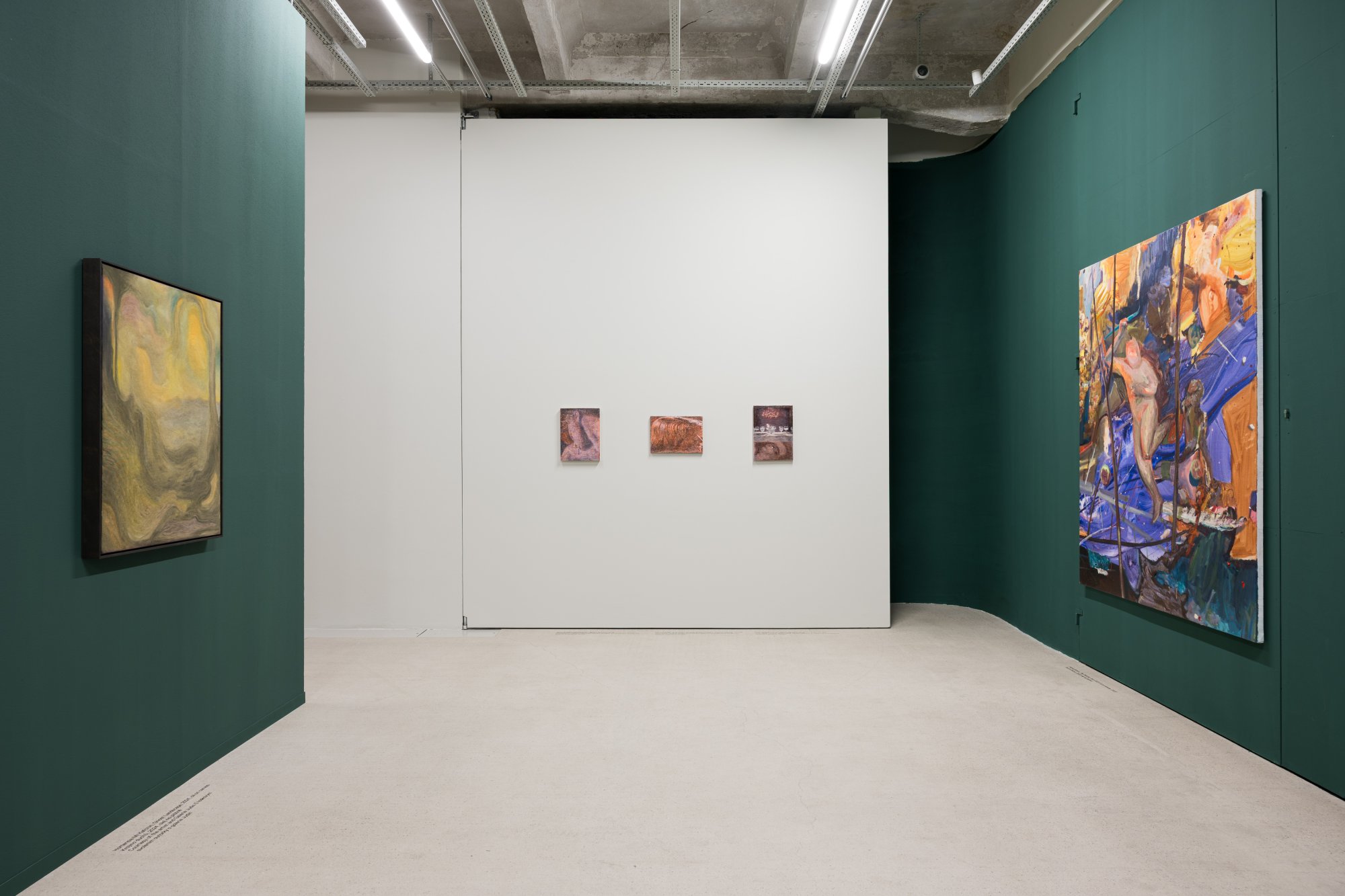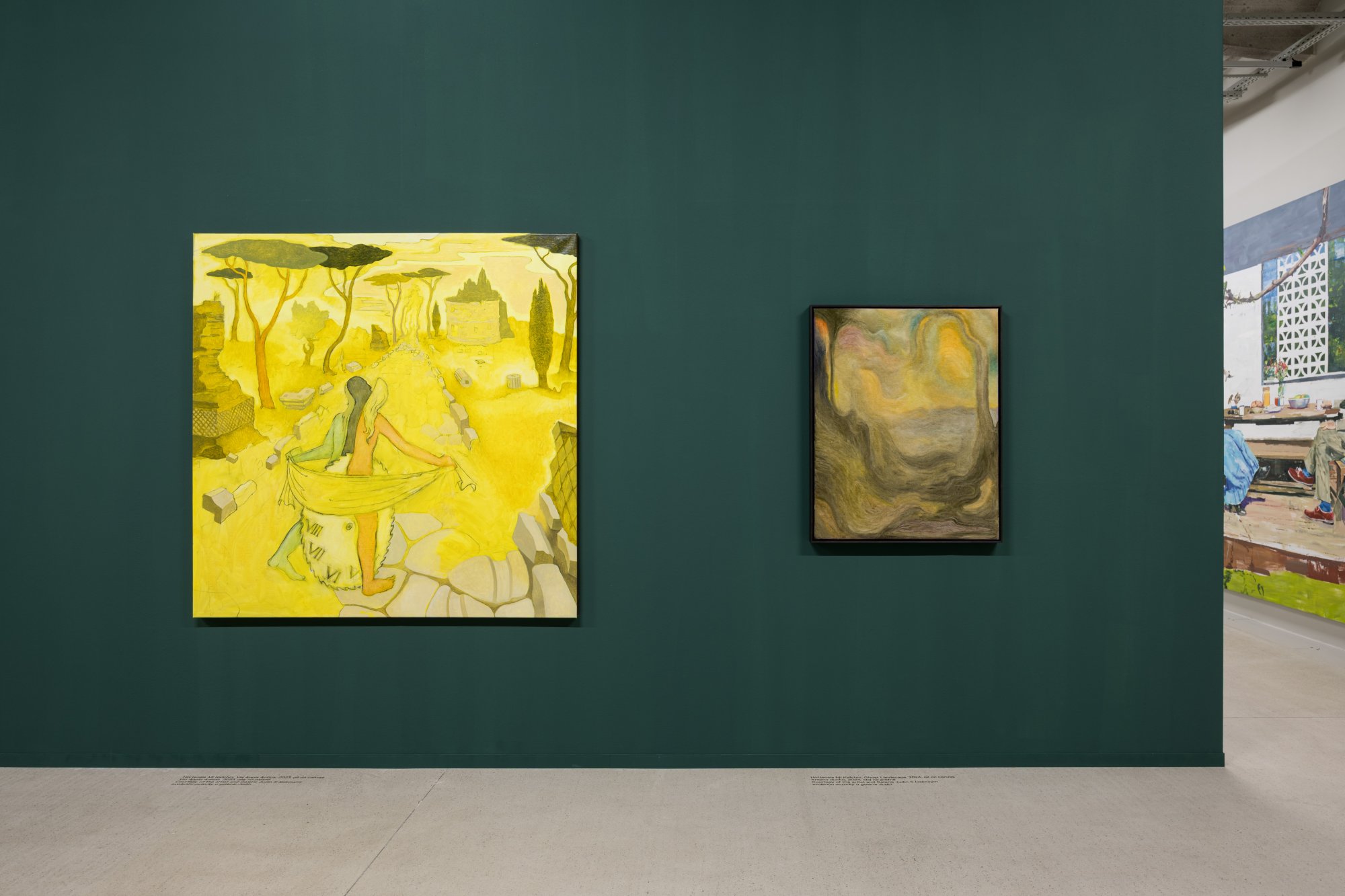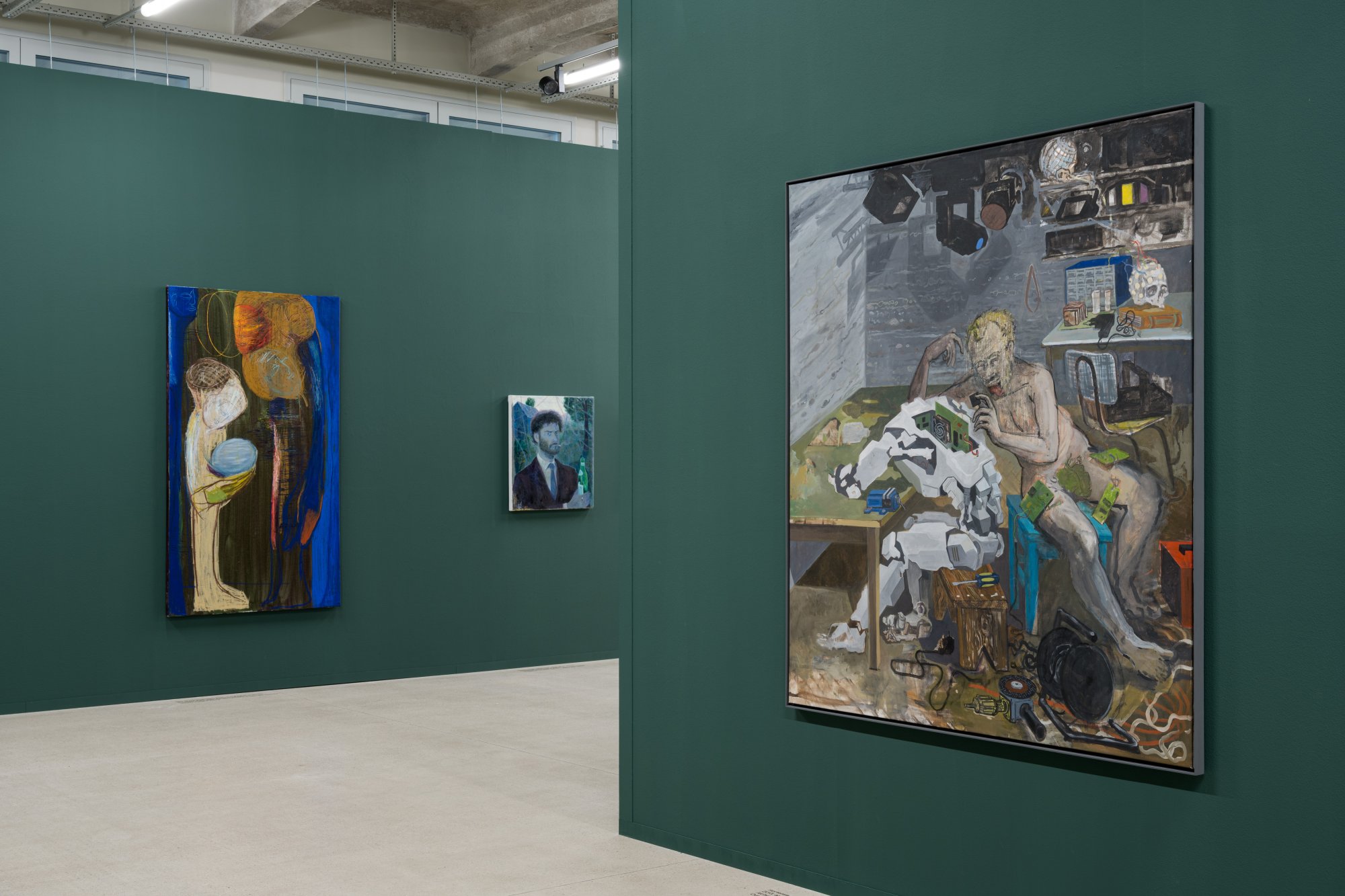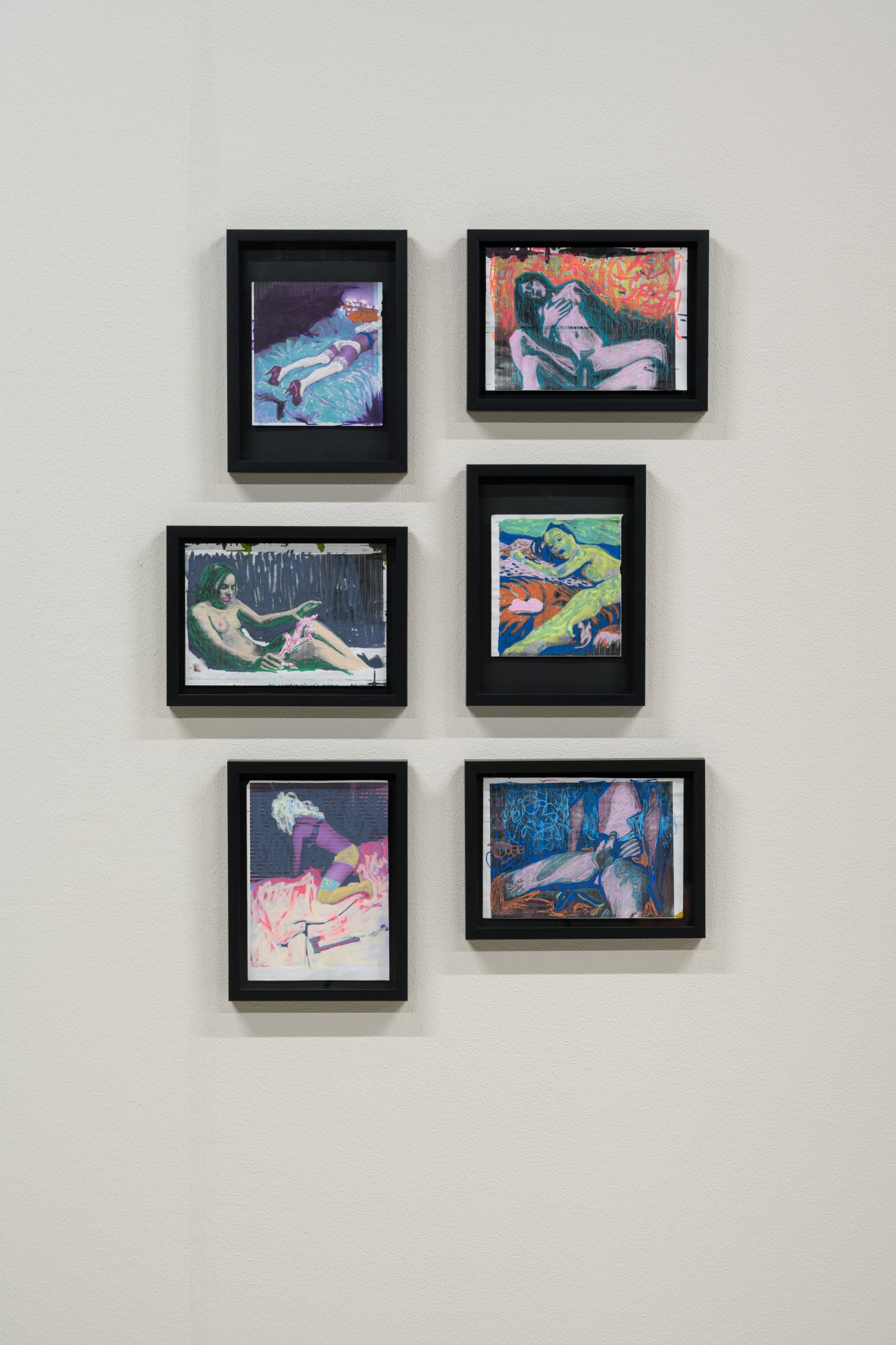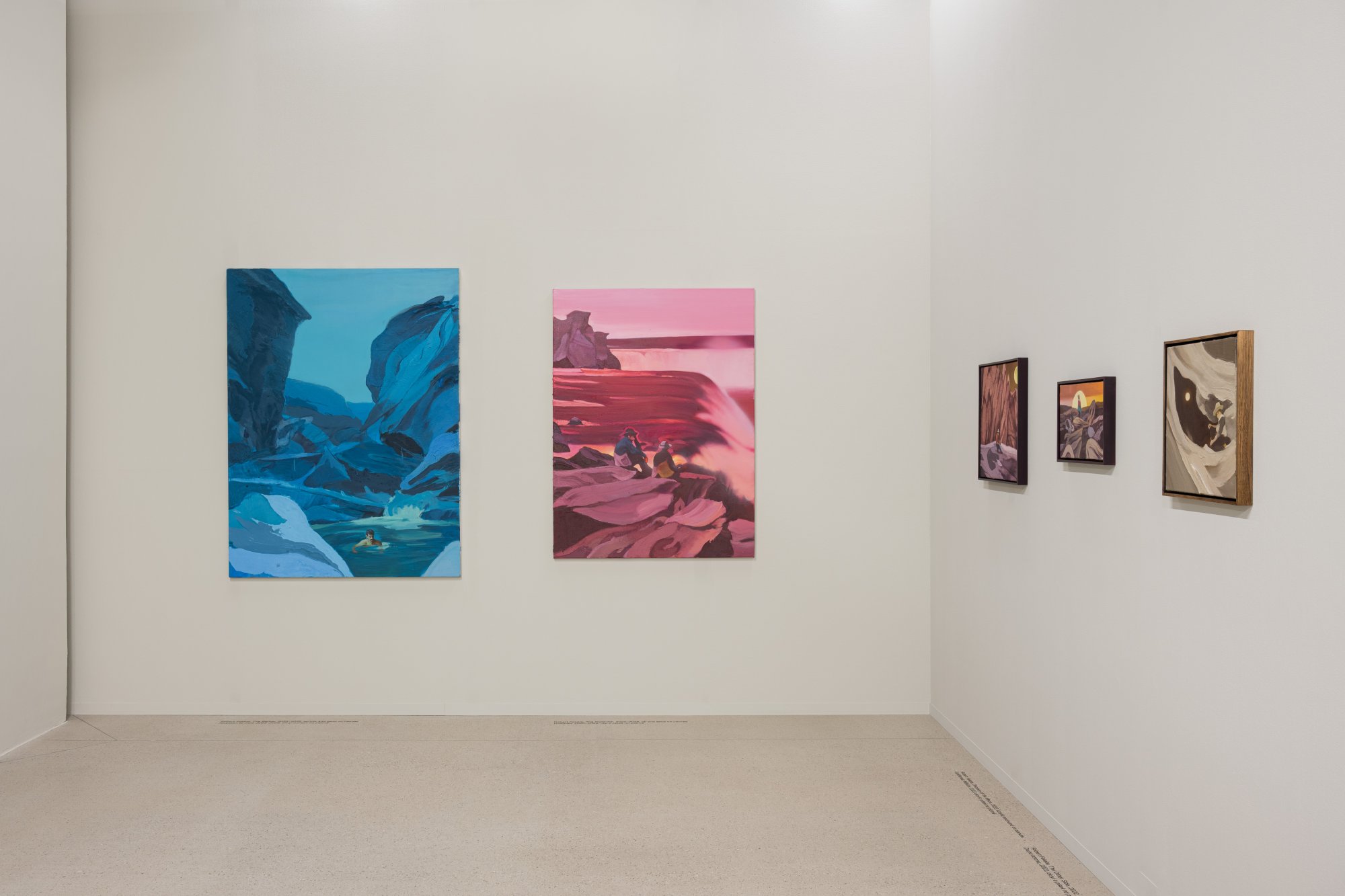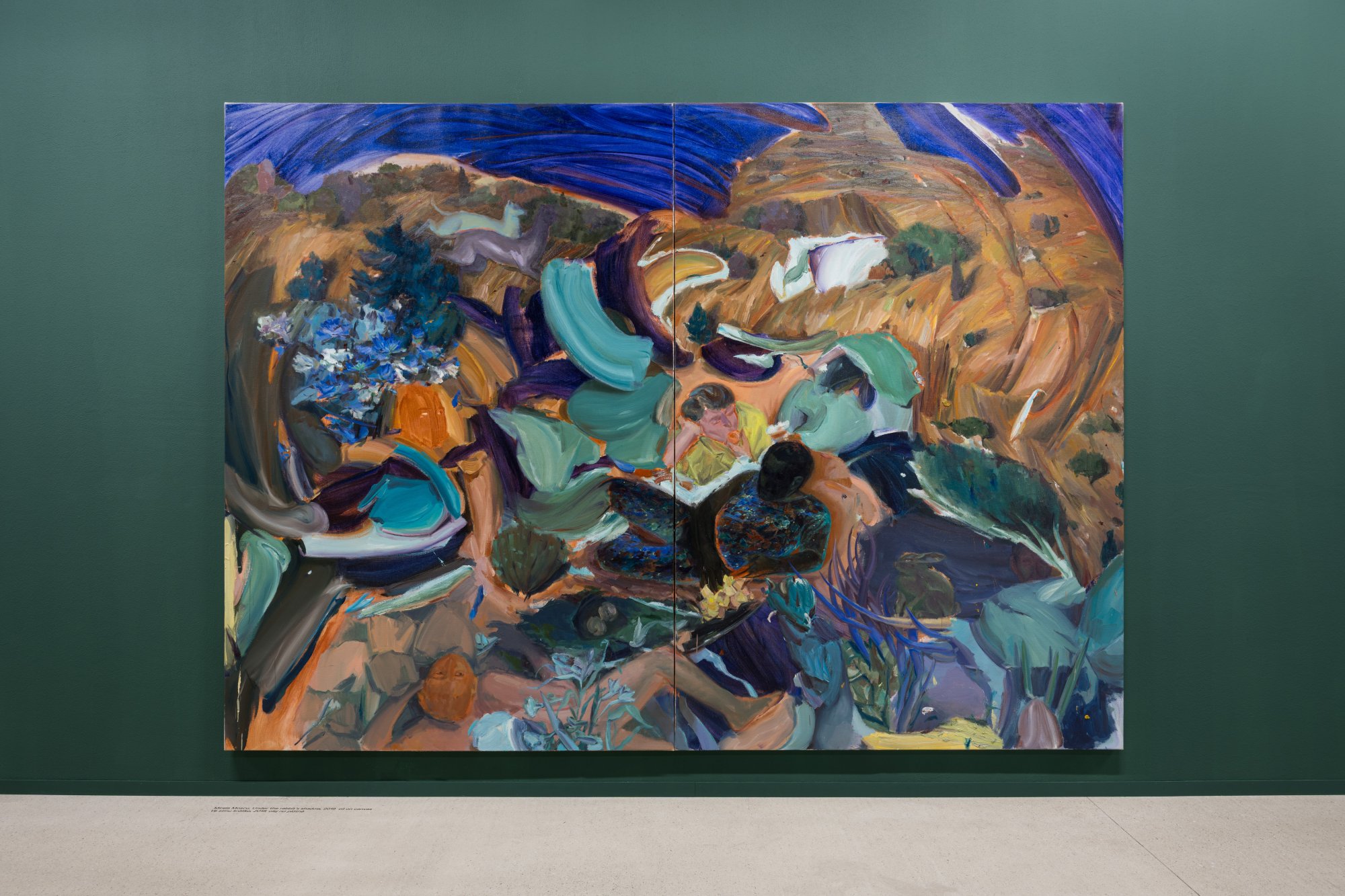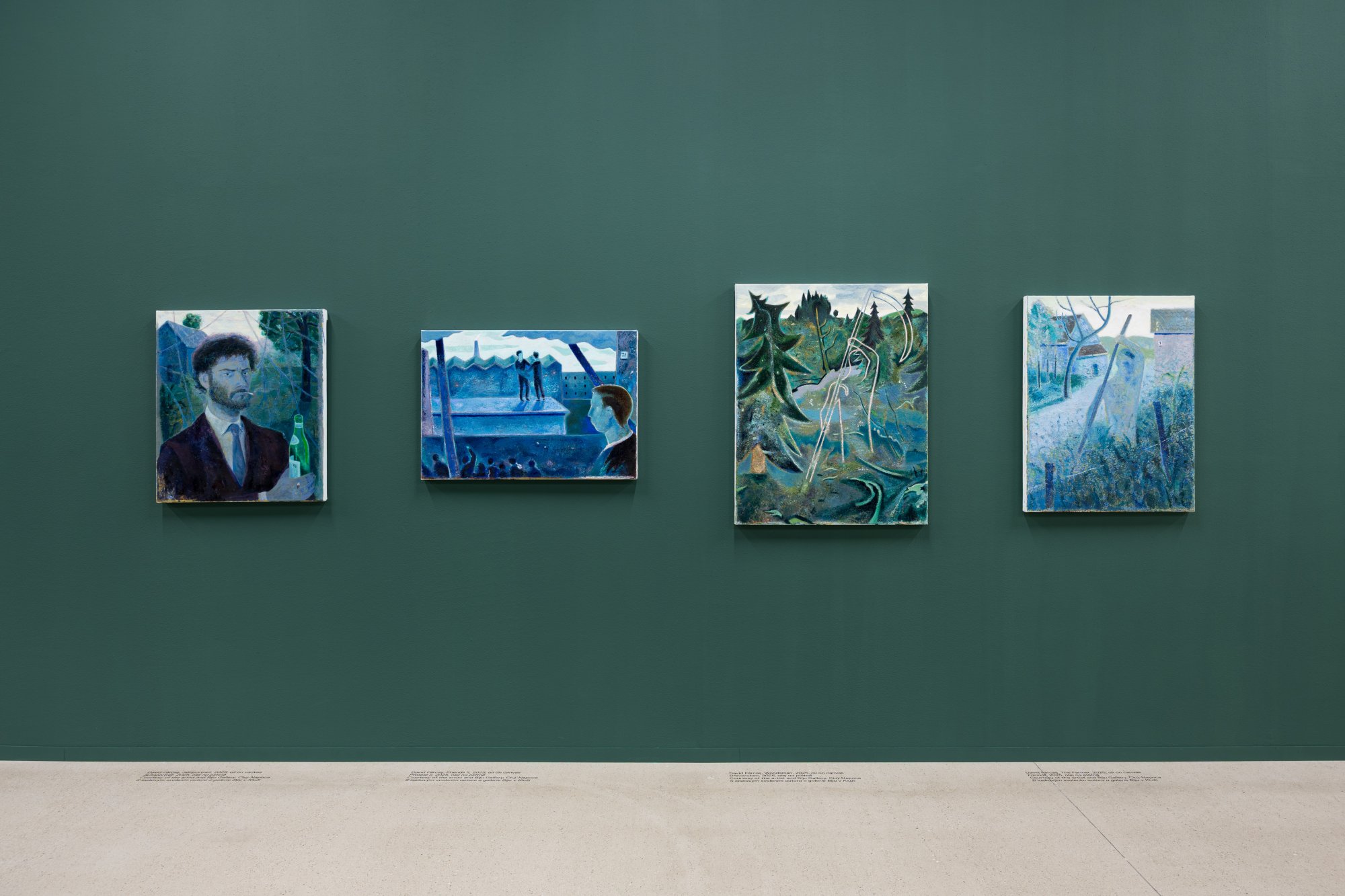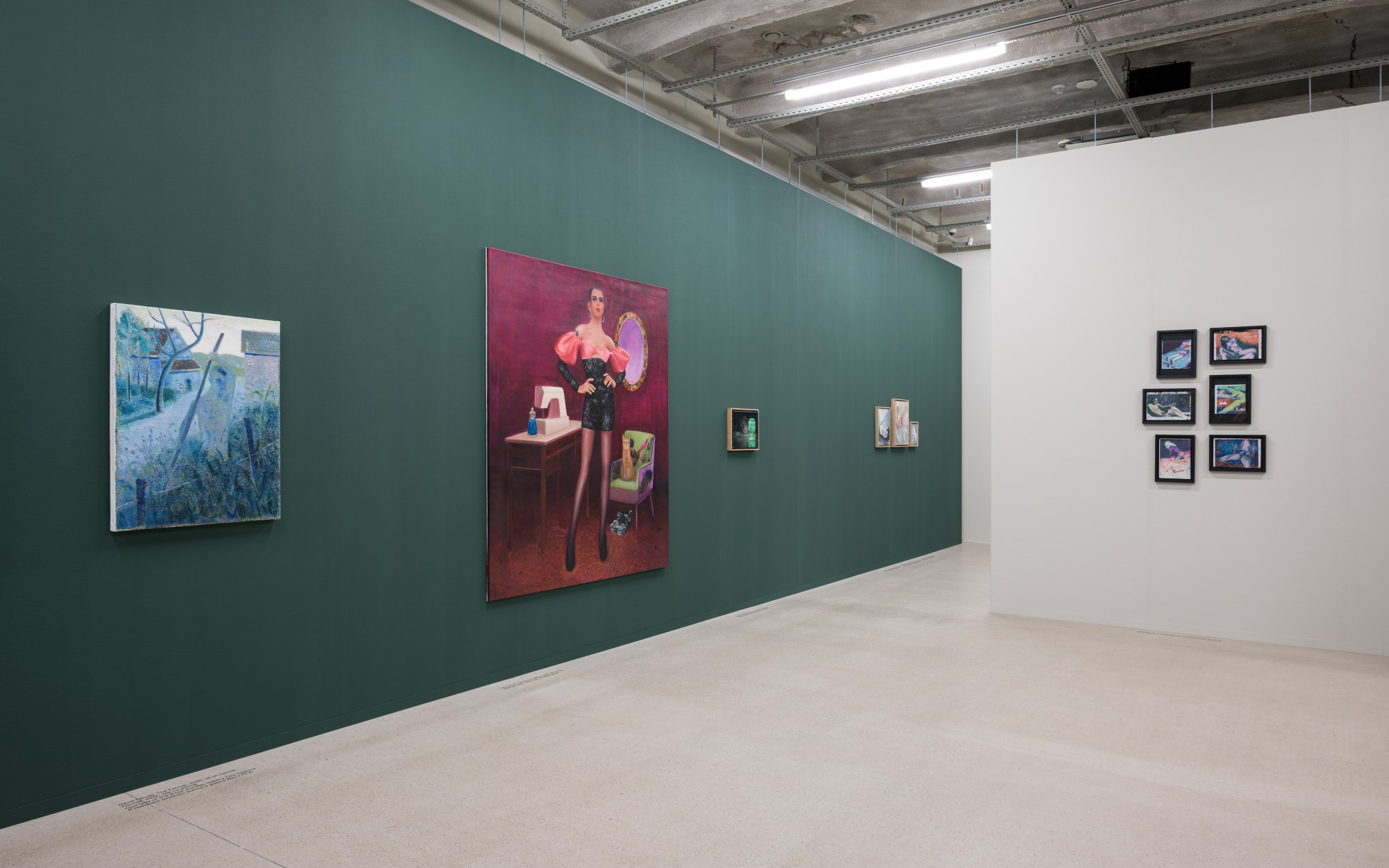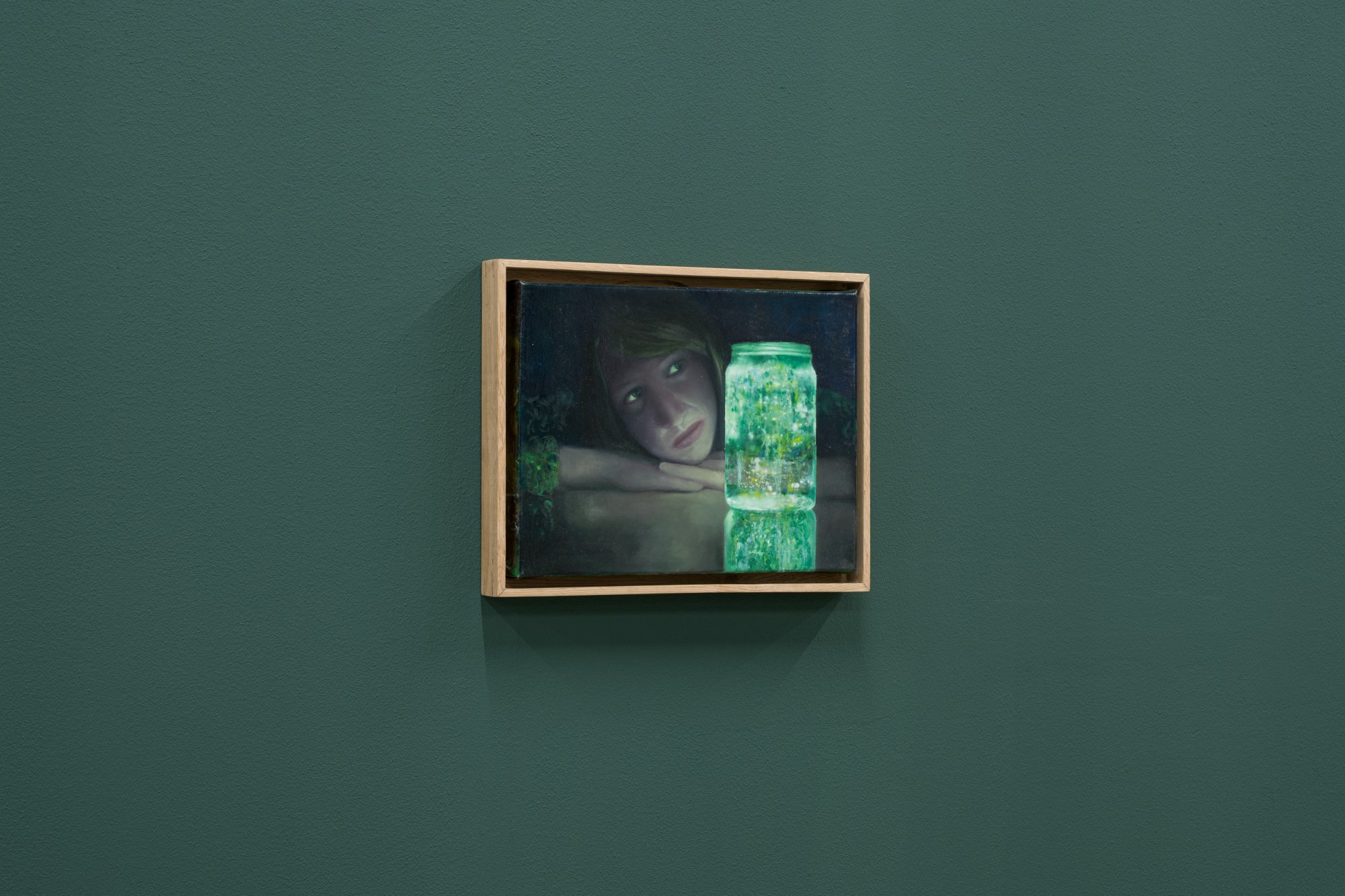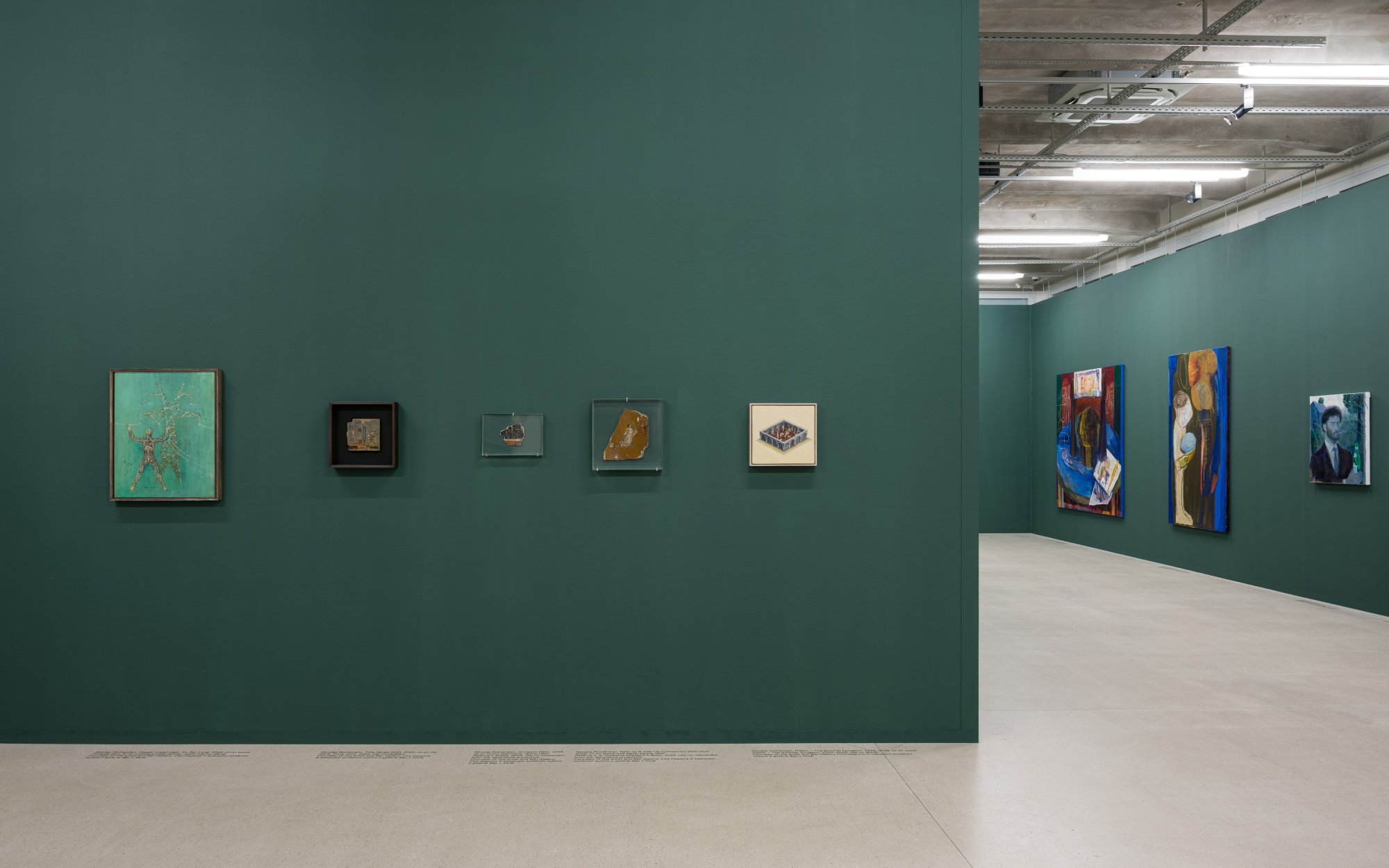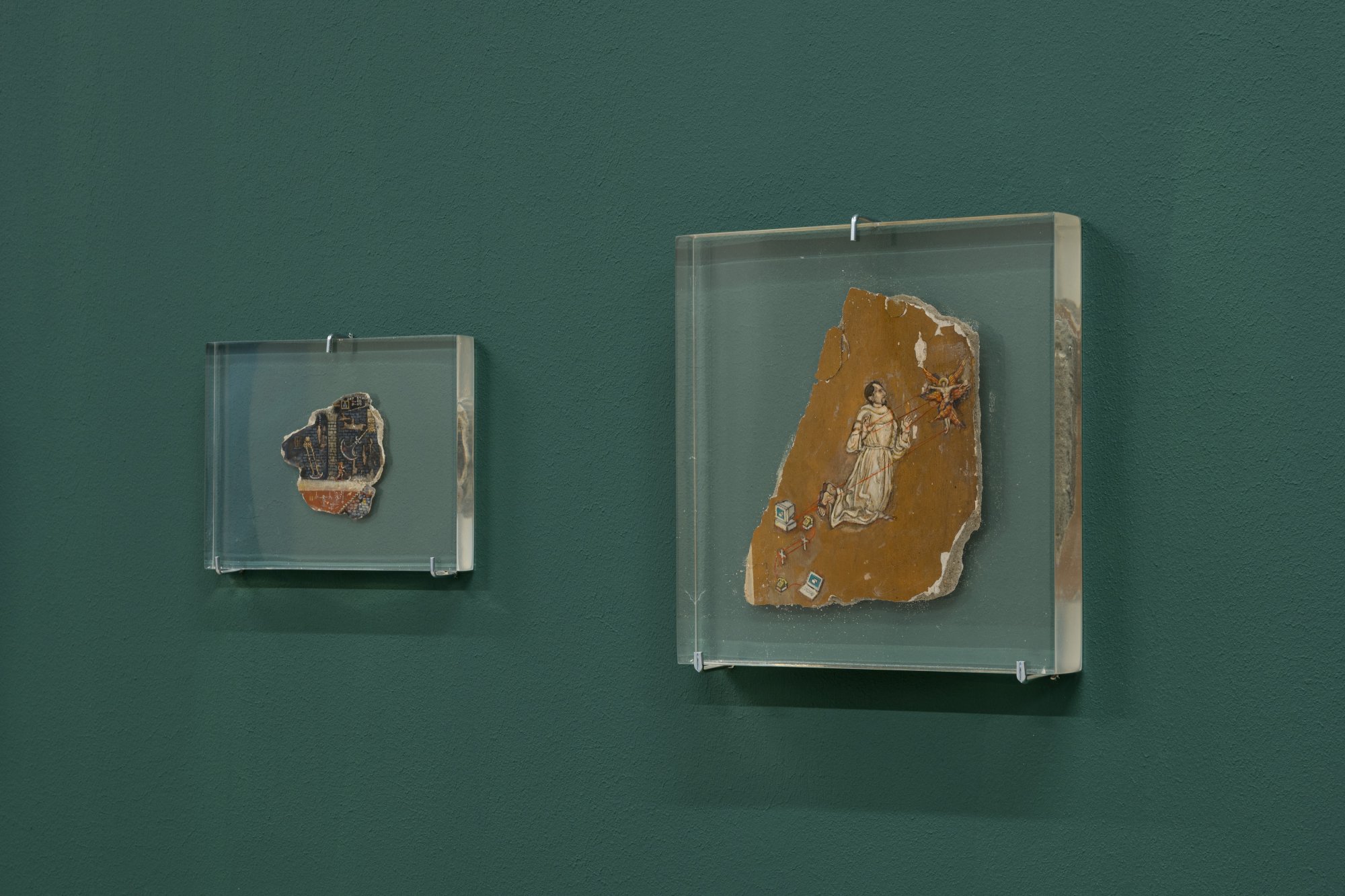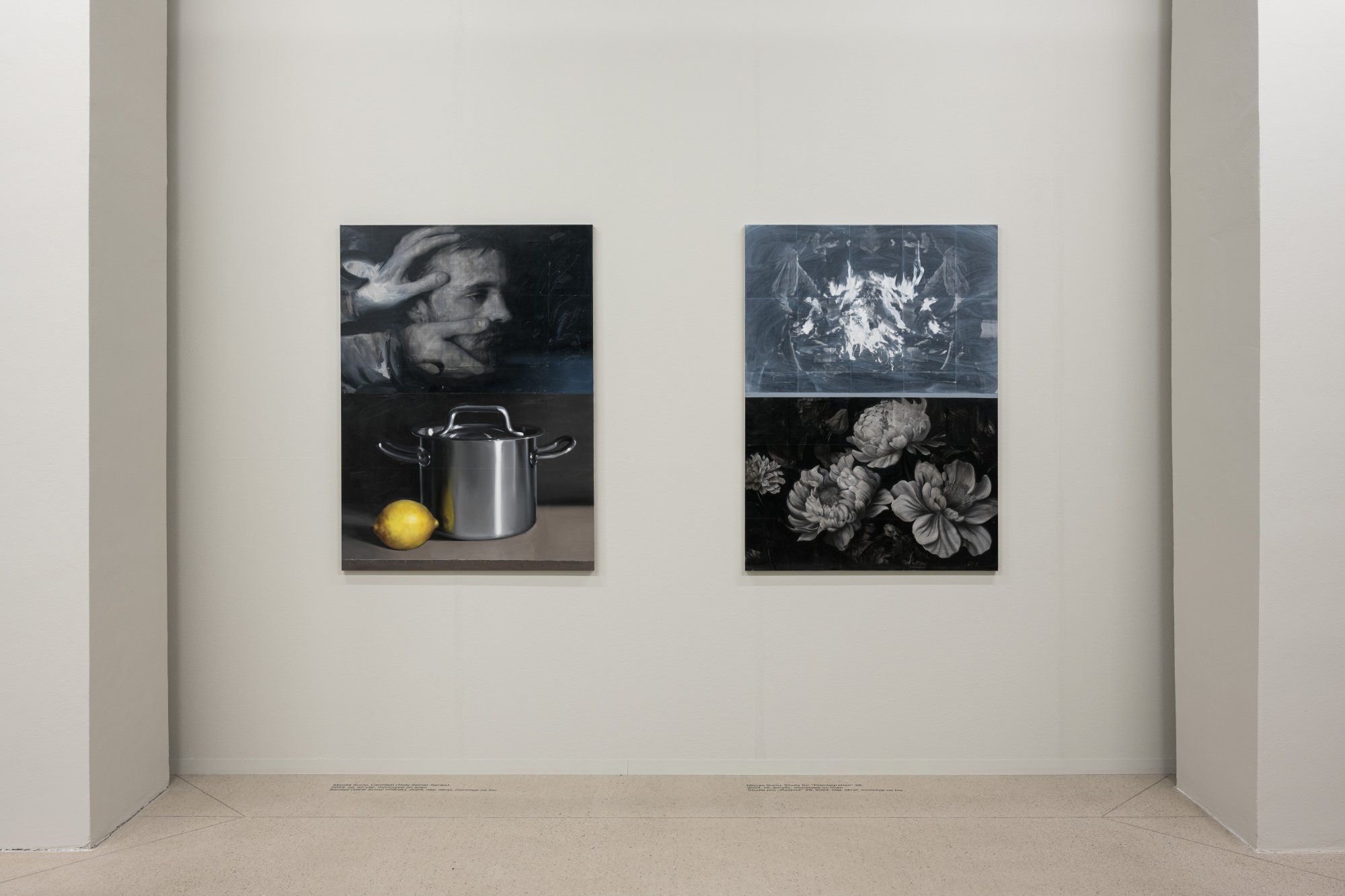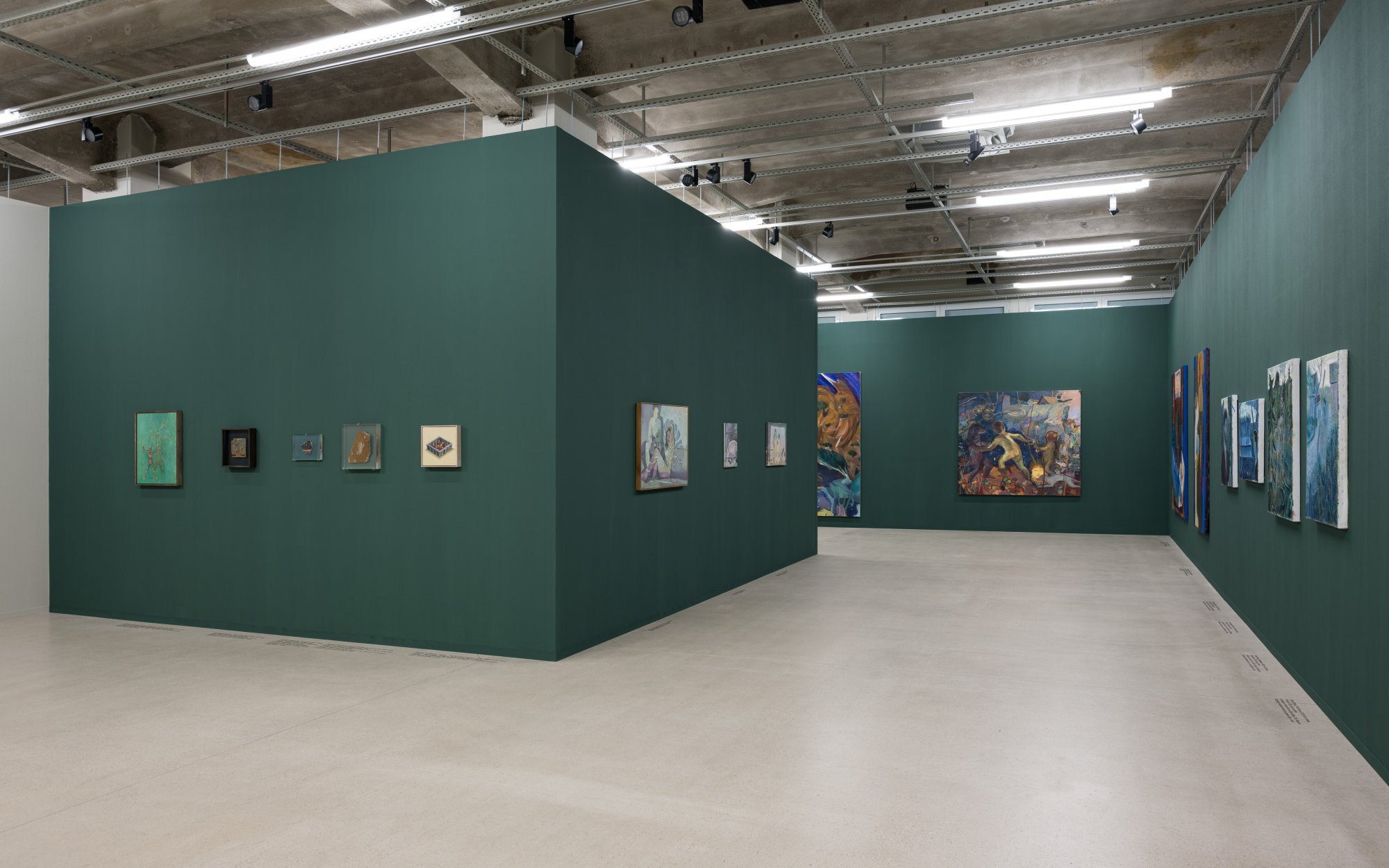
Mircea Suciu (*1978) represents one of the most psychologically complex and technically innovative approaches within the phenomenal generation of the Cluj School of Painting. He is a successful graduate of the University of Art and Design in Cluj. While his peers often rely on a confident painterly gesture or direct historical critique, Suciu chooses the path of deep introspection and the methodical deconstruction of the image itself. He does not treat painting merely as a means of capturing reality, but rather as a tool for visualizing pain, fear, power relations, and the vulnerability of the human condition. His works are quiet yet all the more unsettling studies of historical and personal trauma.
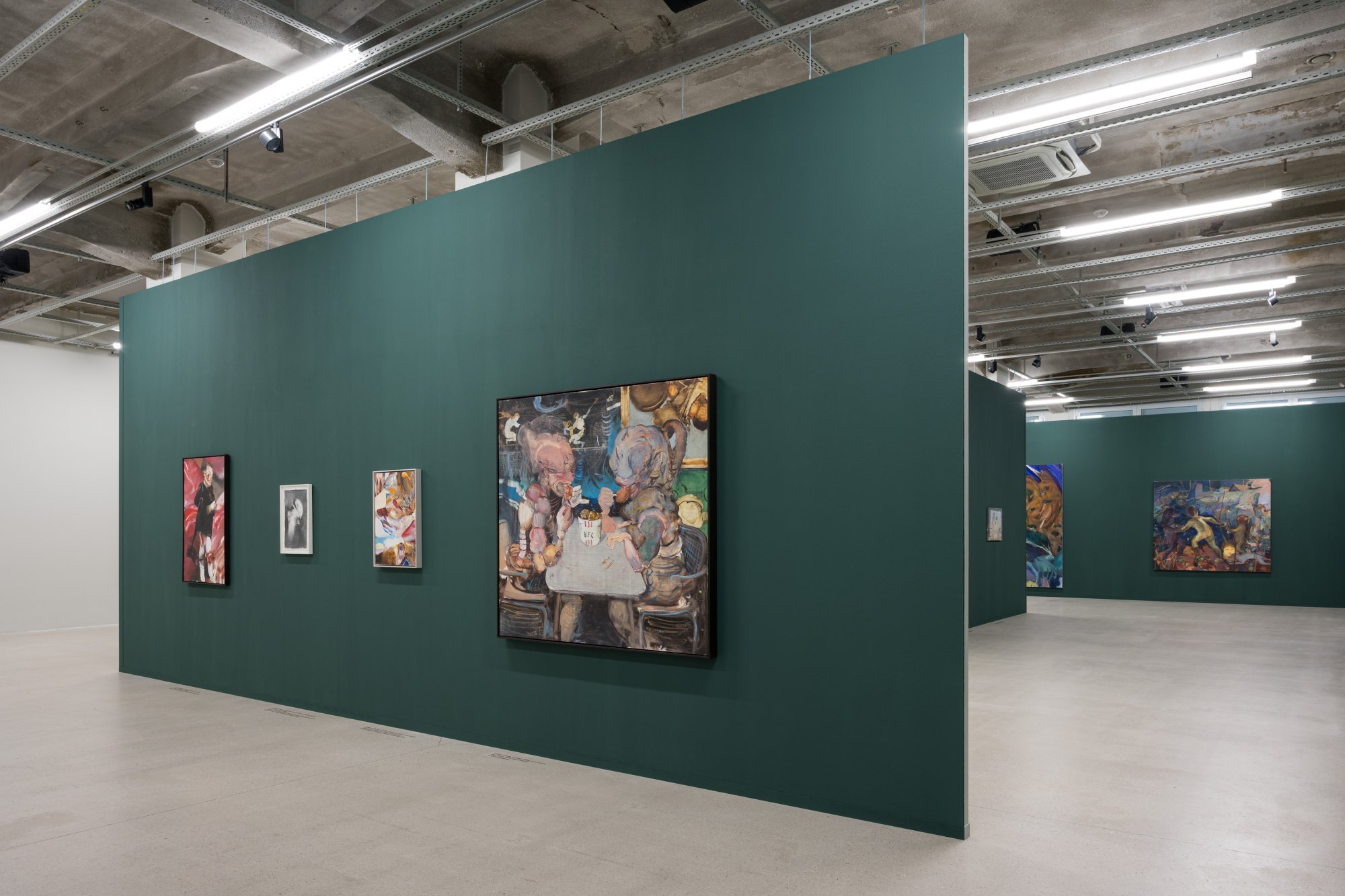
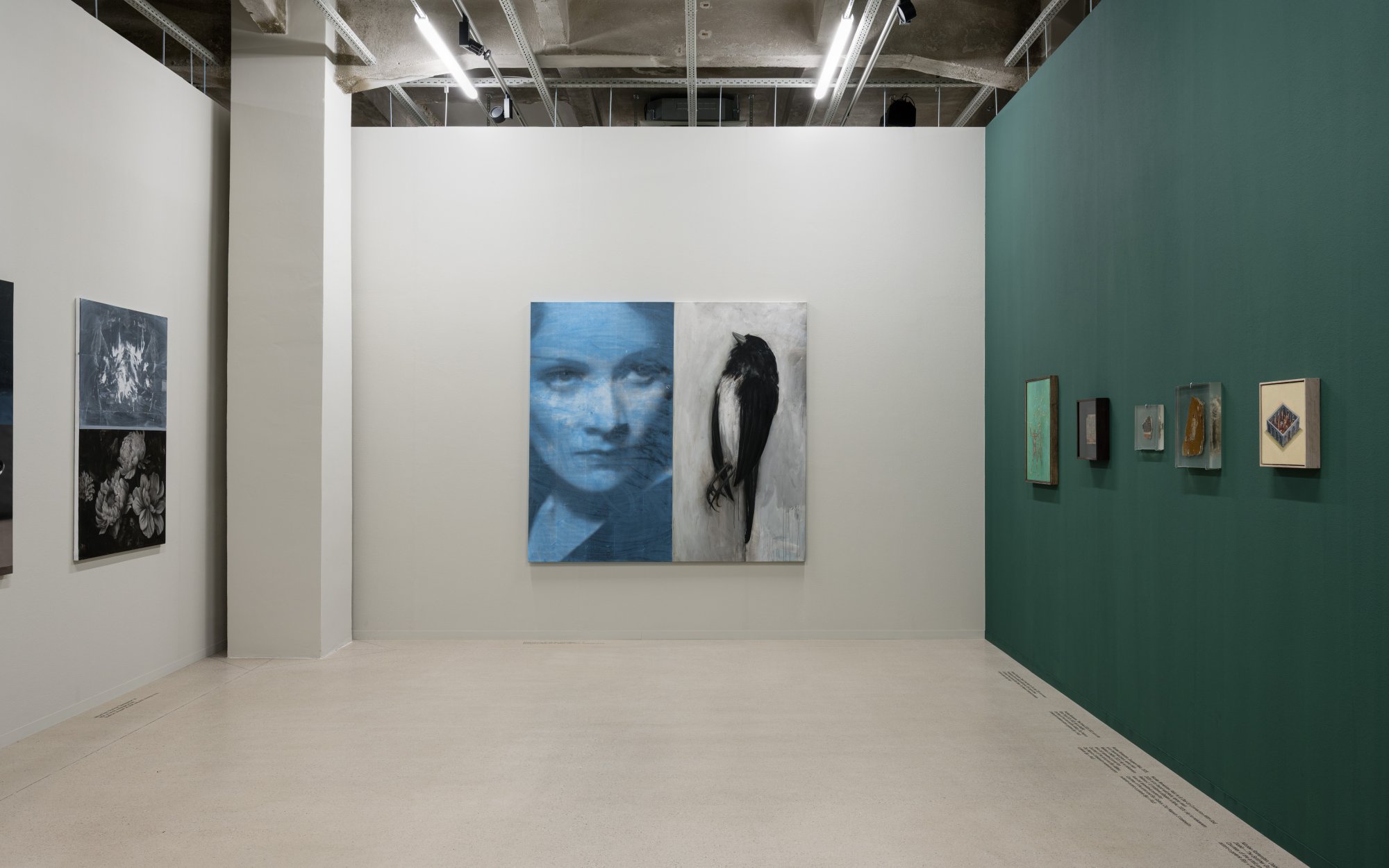
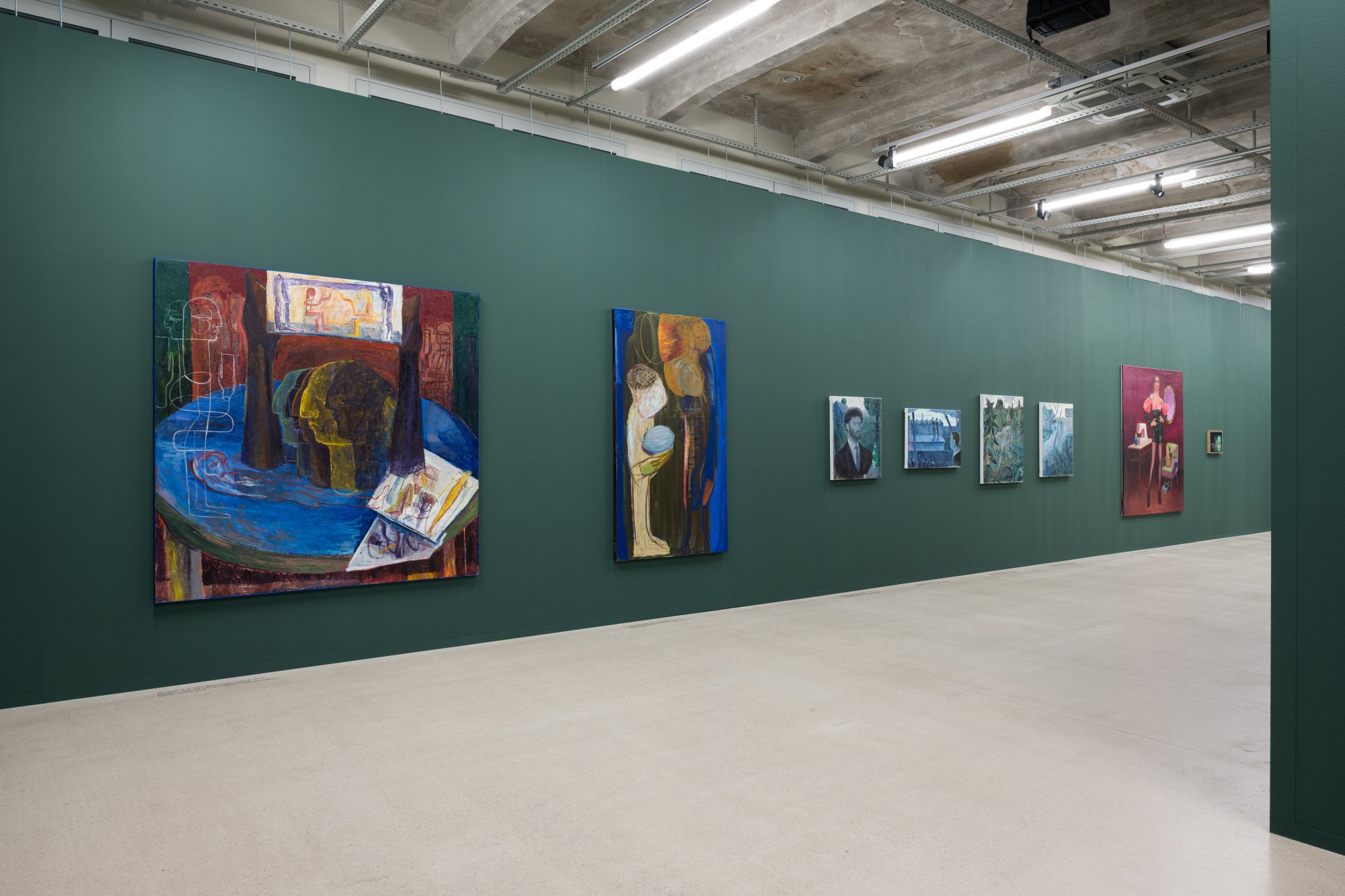
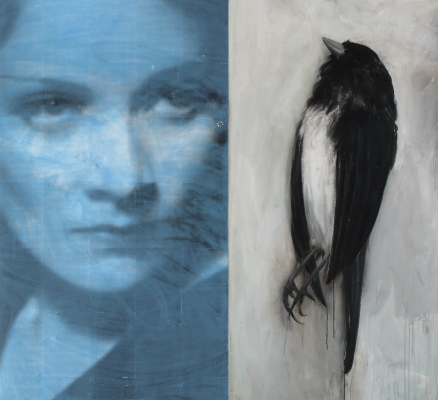
A key aspect of his work is a unique eclectic technique that blurs the boundaries between photography, printmaking, and classical painting. Suciu has developed his own monotype method, in which he transfers found and original photographic images onto canvas using acrylic and plastic films. This transfer process is intentionally imperfect; the image tears, fragments, and loses sharp details. The artist himself describes the subsequent lengthy painting process with oil and acrylic as an act of restoring this damaged memory. The result is visually mesmerizing canvases where hyperrealistic details meet dense swaths of color, scratches, and dripping paint. His figures, with hidden faces or captured in moments of inevitable fall, function as universal symbols of existential distress.
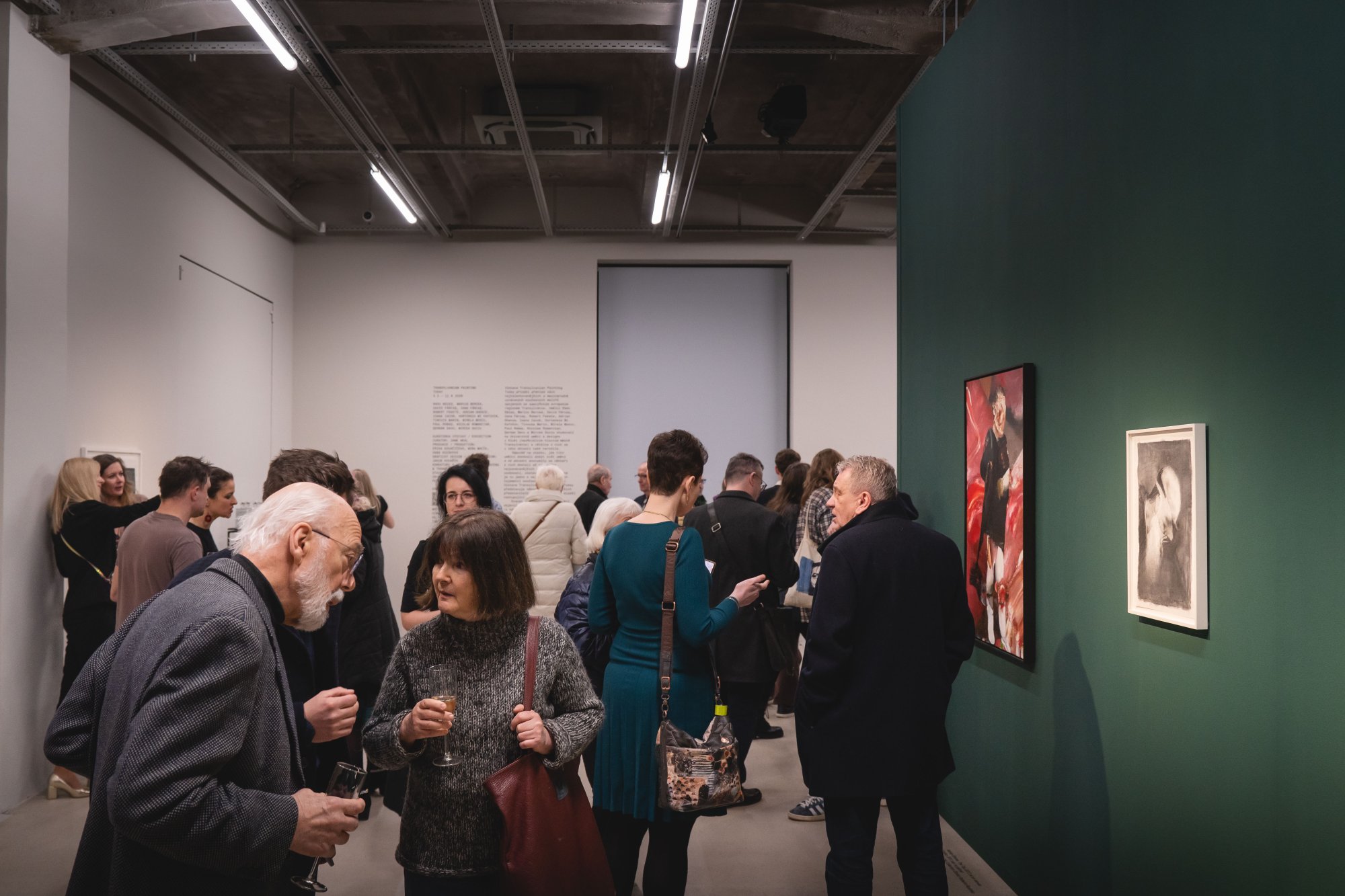
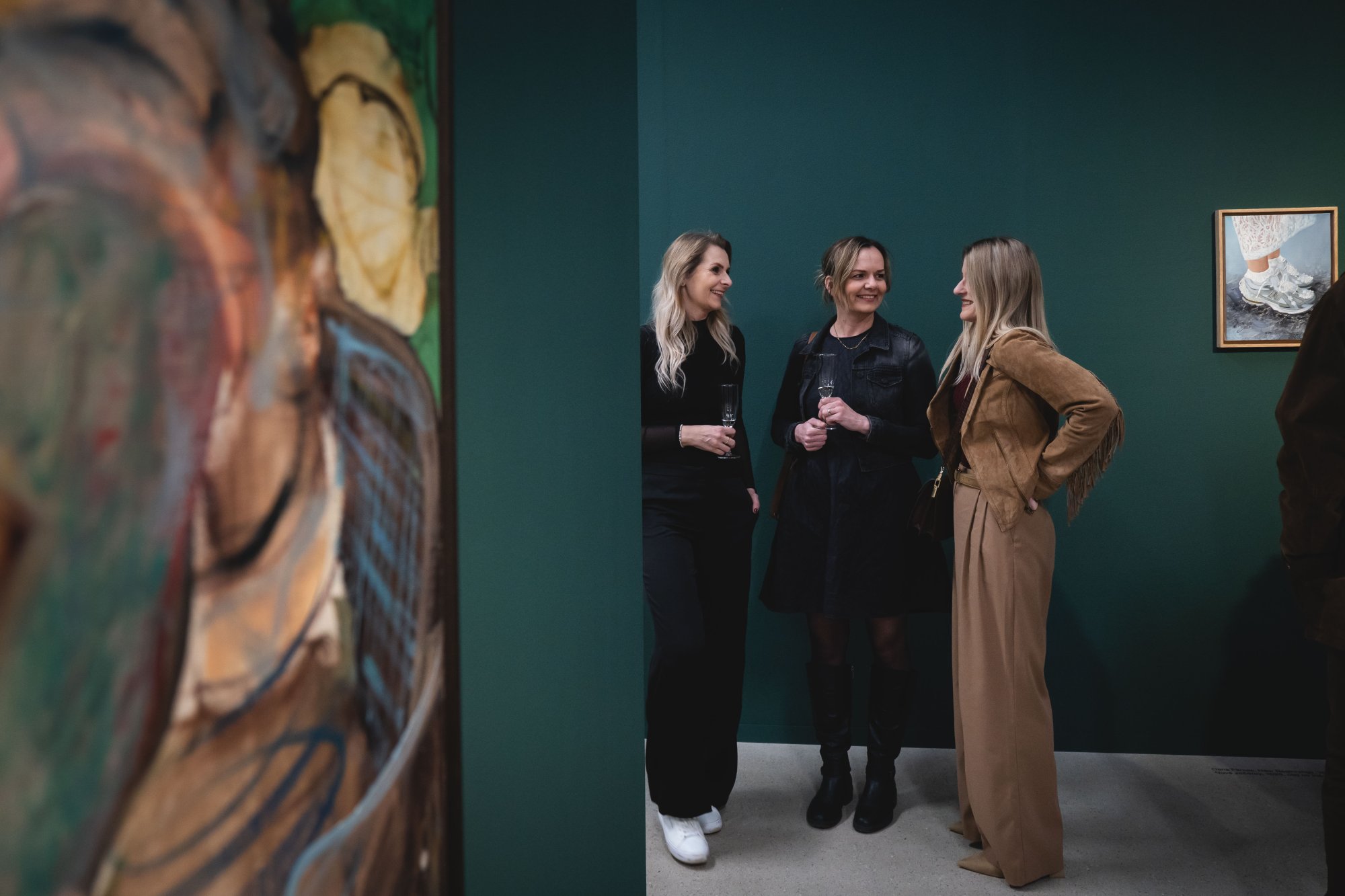
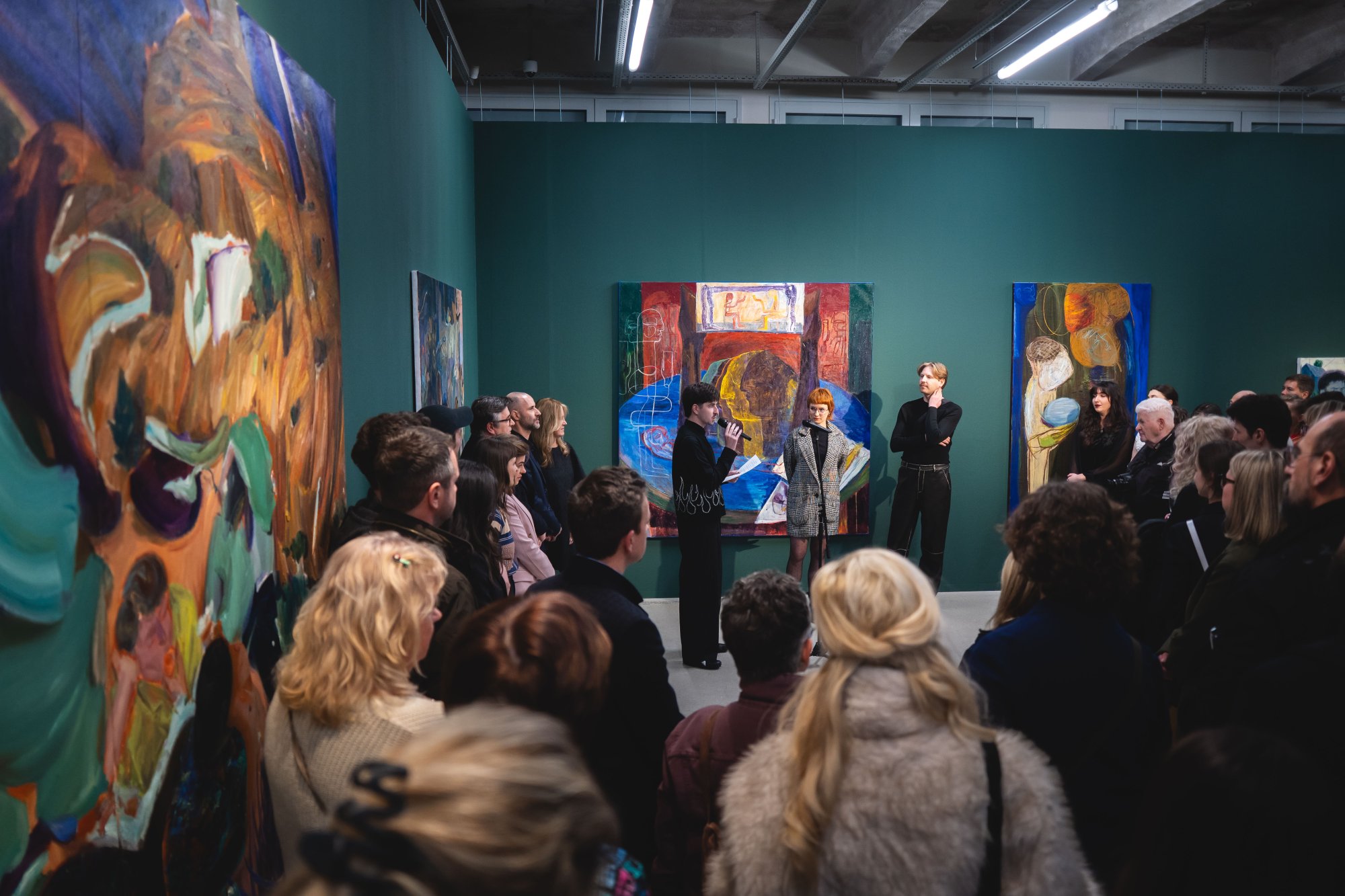
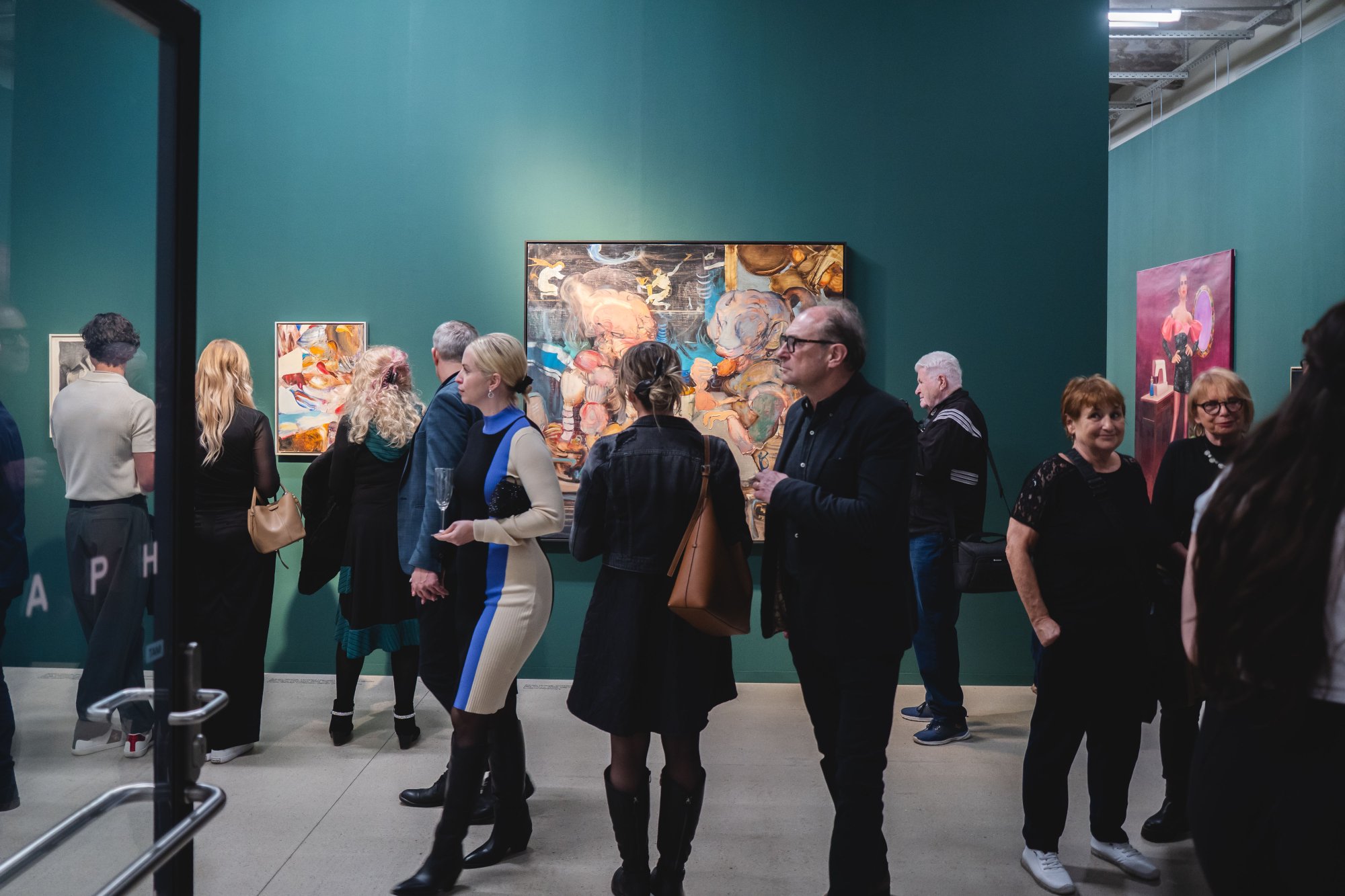
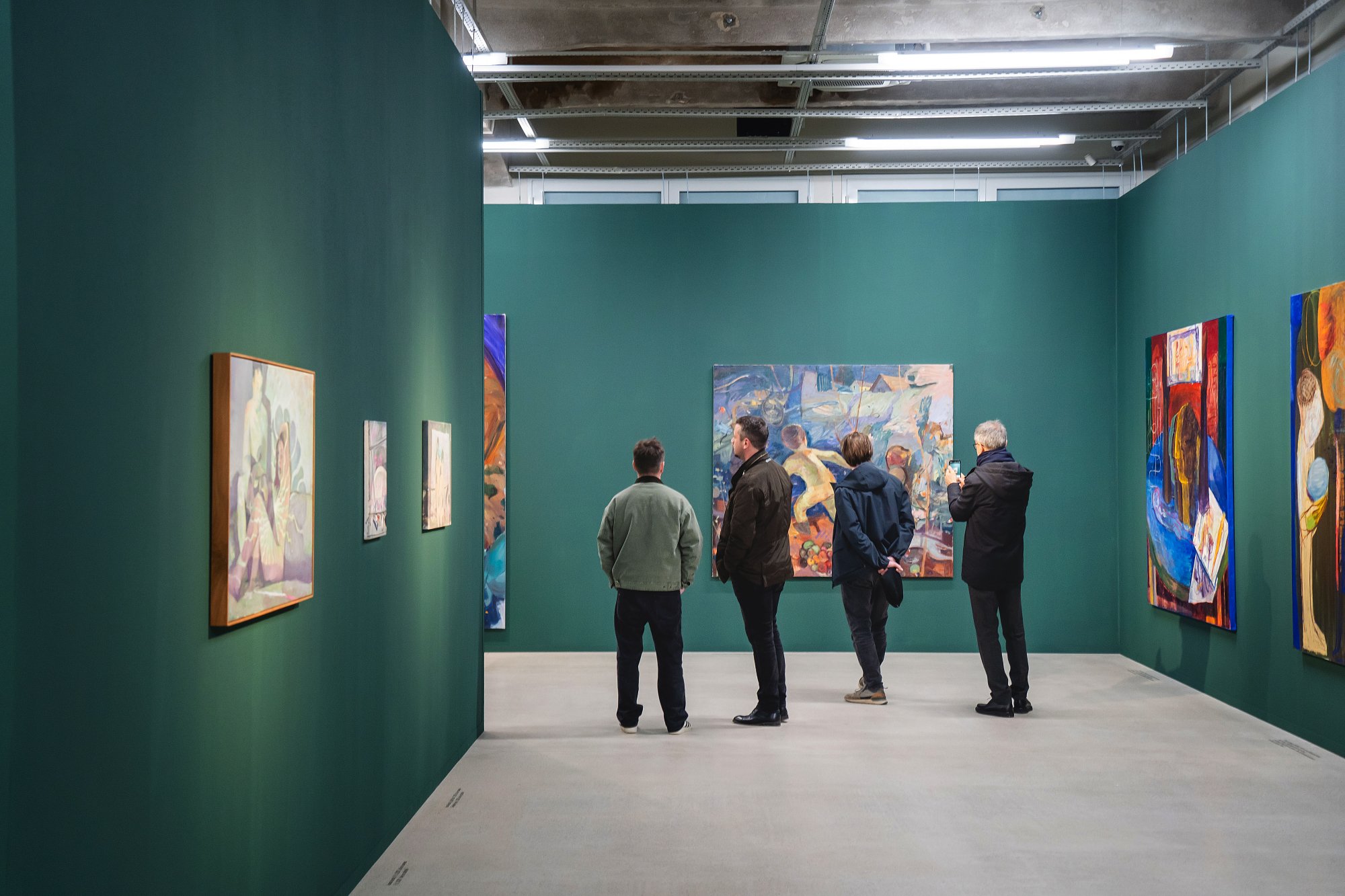
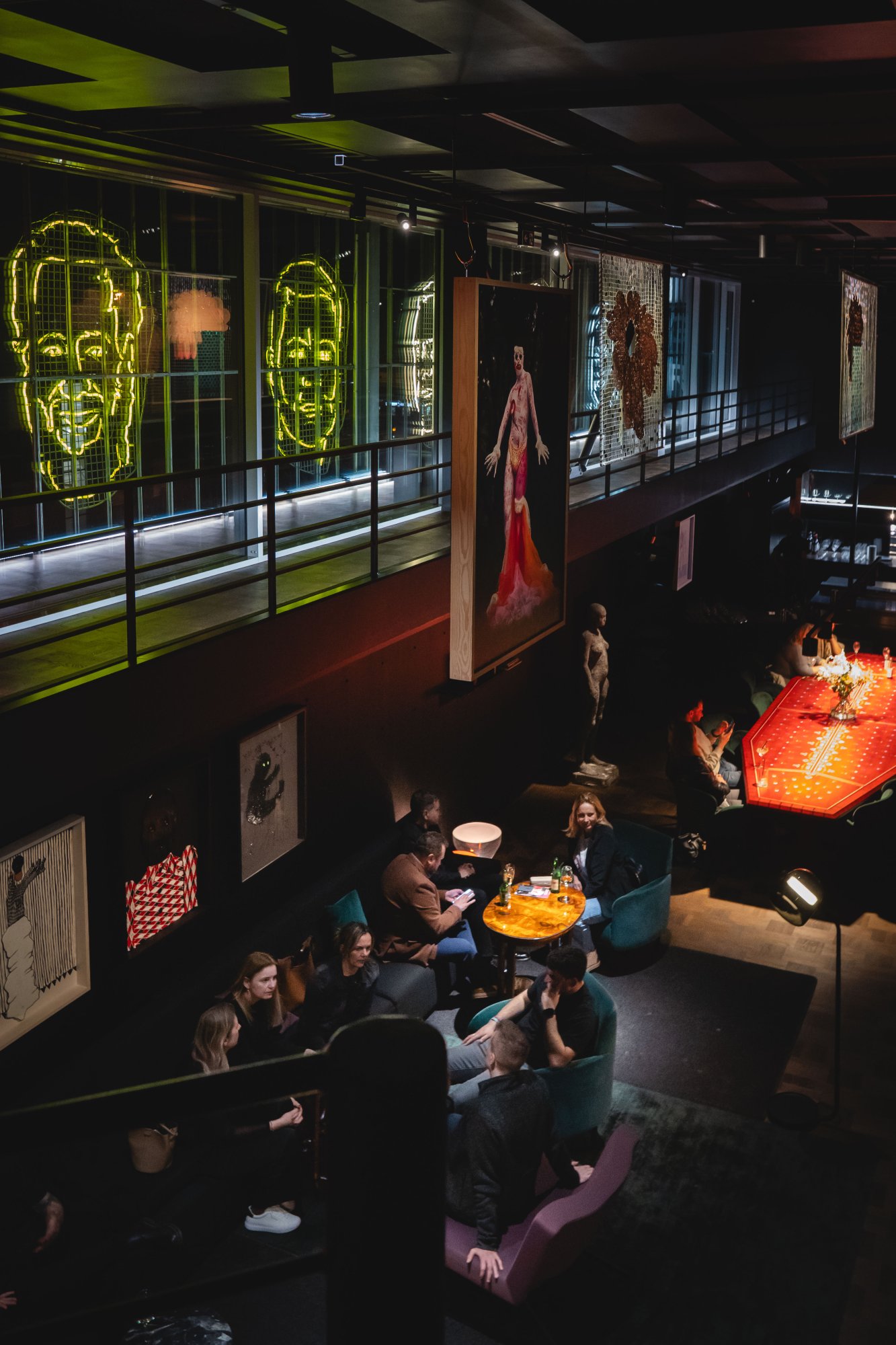
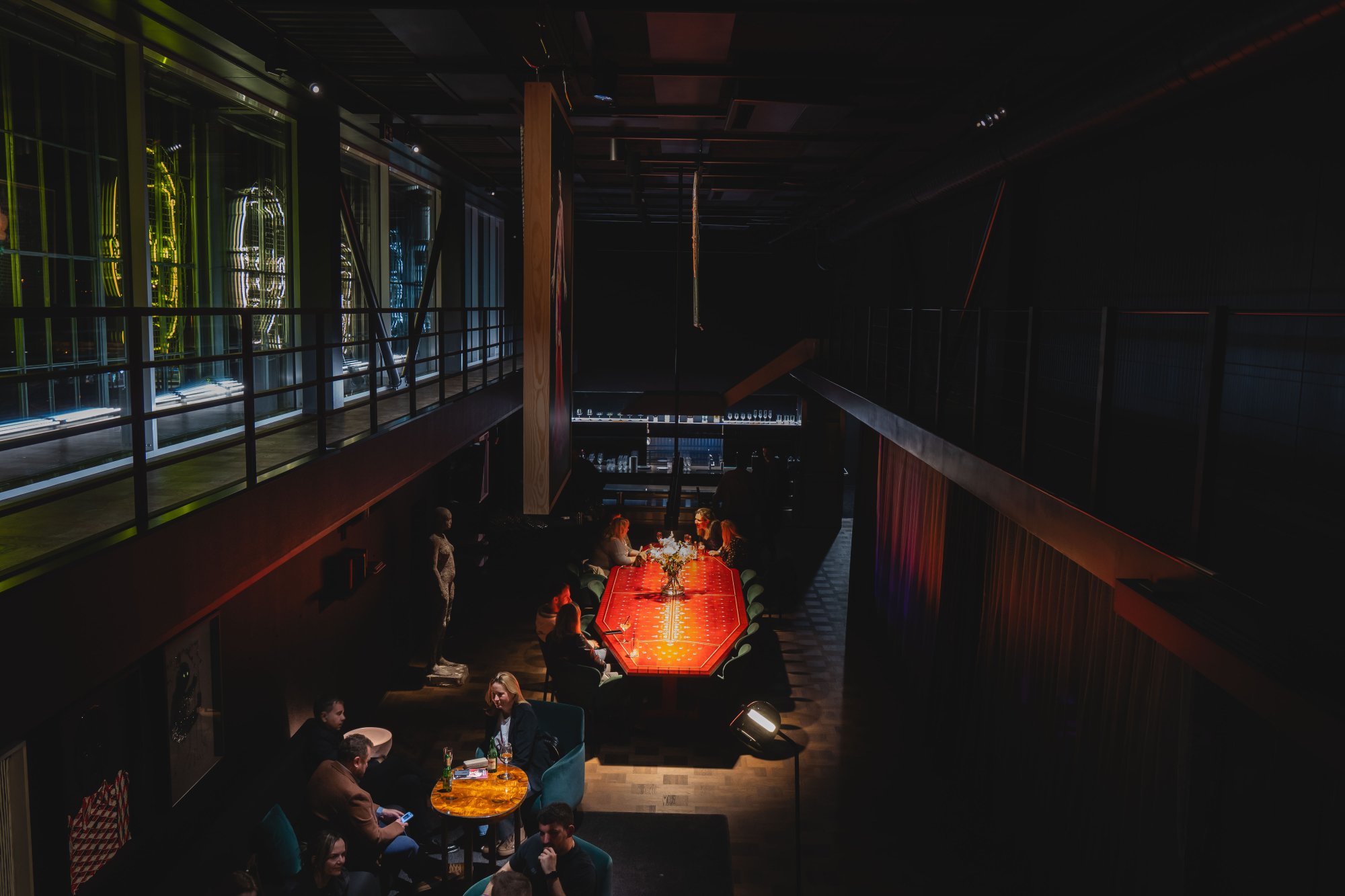
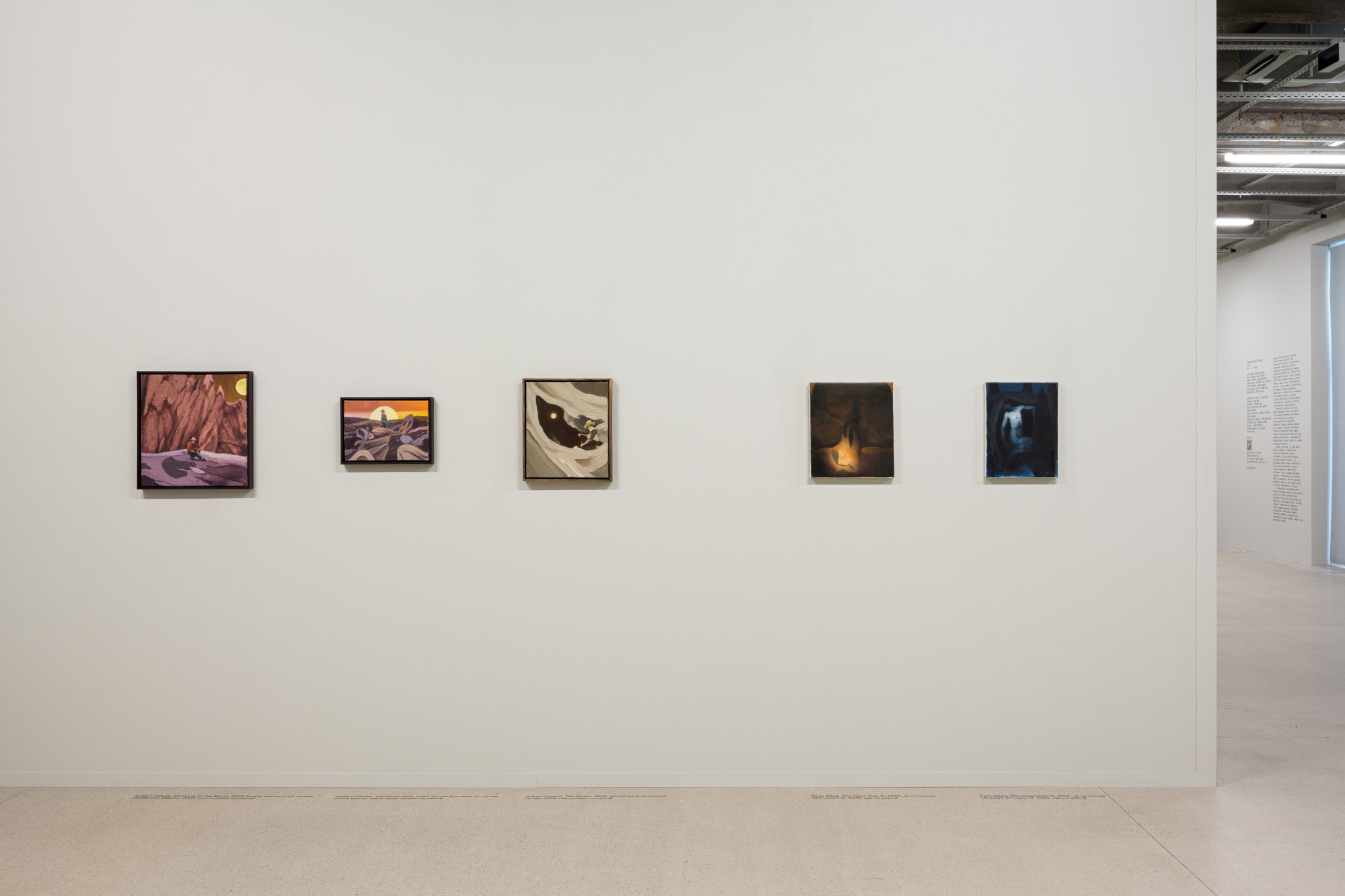
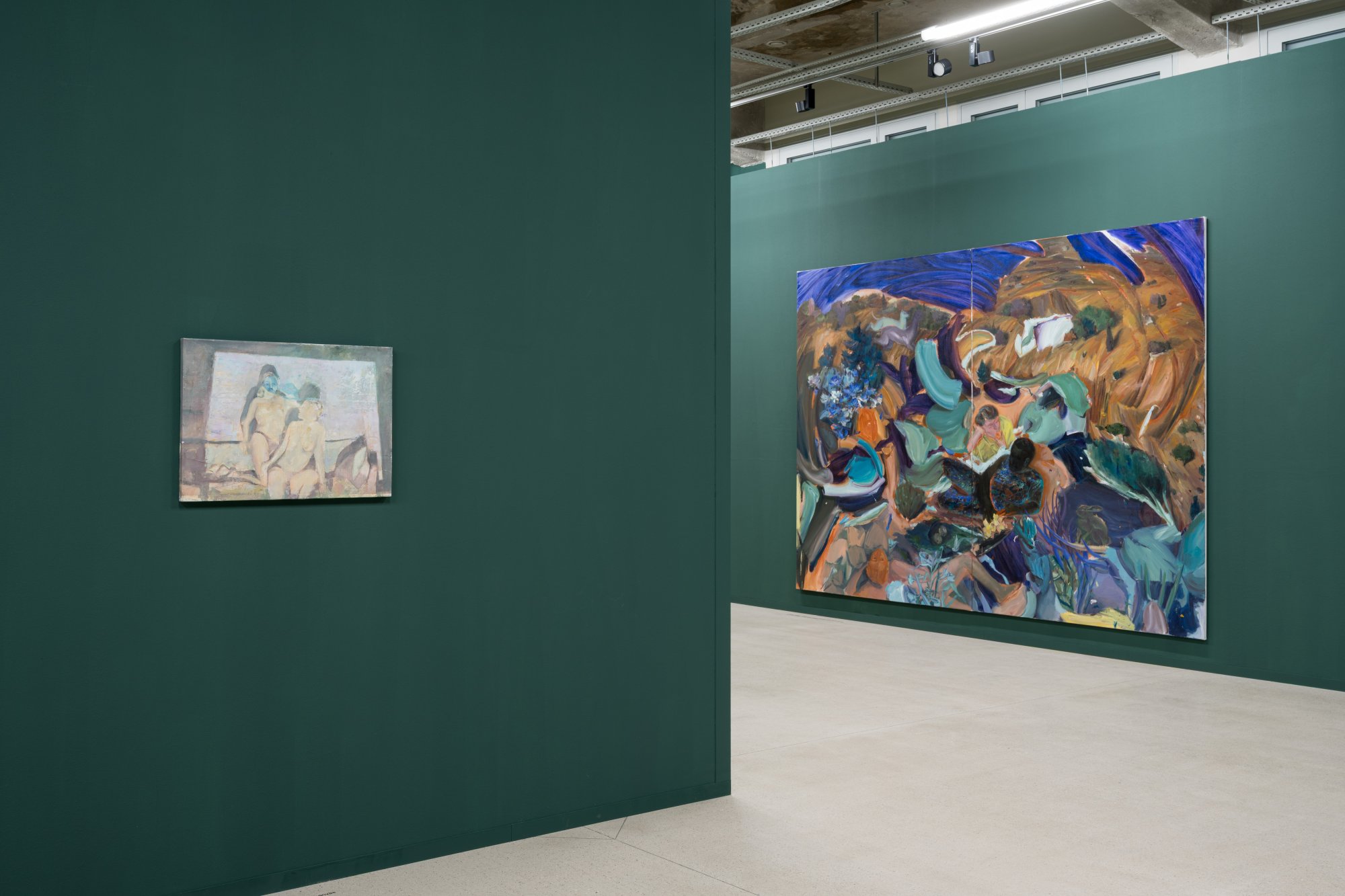
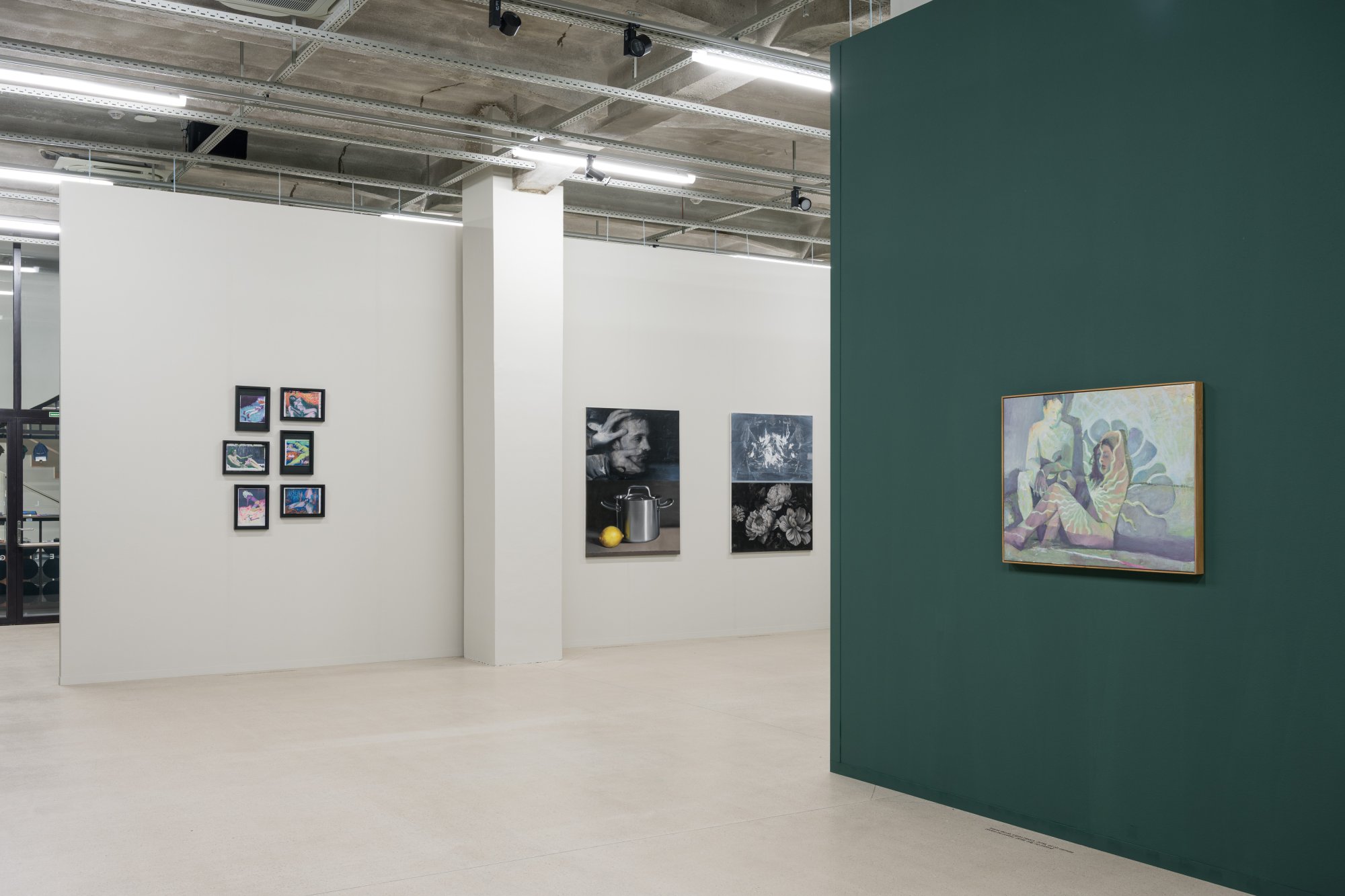
This tireless exploration of the human psyche is reflected in his strong international exhibition career, making him a fixture at prestigious galleries and global biennials. We can trace his career from his early New York presentations at Slag Gallery through key projects at the renowned Zeno X Gallery in Antwerp to the exhibition Earthly Delights at the Mennour Gallery in Paris. His works are now represented in major global collections, and his participation in the Gwangju Biennale and the Prague Biennale has confirmed the reach of his message beyond the local post-communist context. The inclusion of his works in the Transylvanian Painting Today exhibition at the Telegraph Gallery represents a thematic high point and a darker counterpoint to the entire exhibition. In direct confrontation with his peers, his work offers essential insight into the abysses of the human subconscious and proves that contemporary figurative painting can be both ruthlessly precise and deeply emotional.