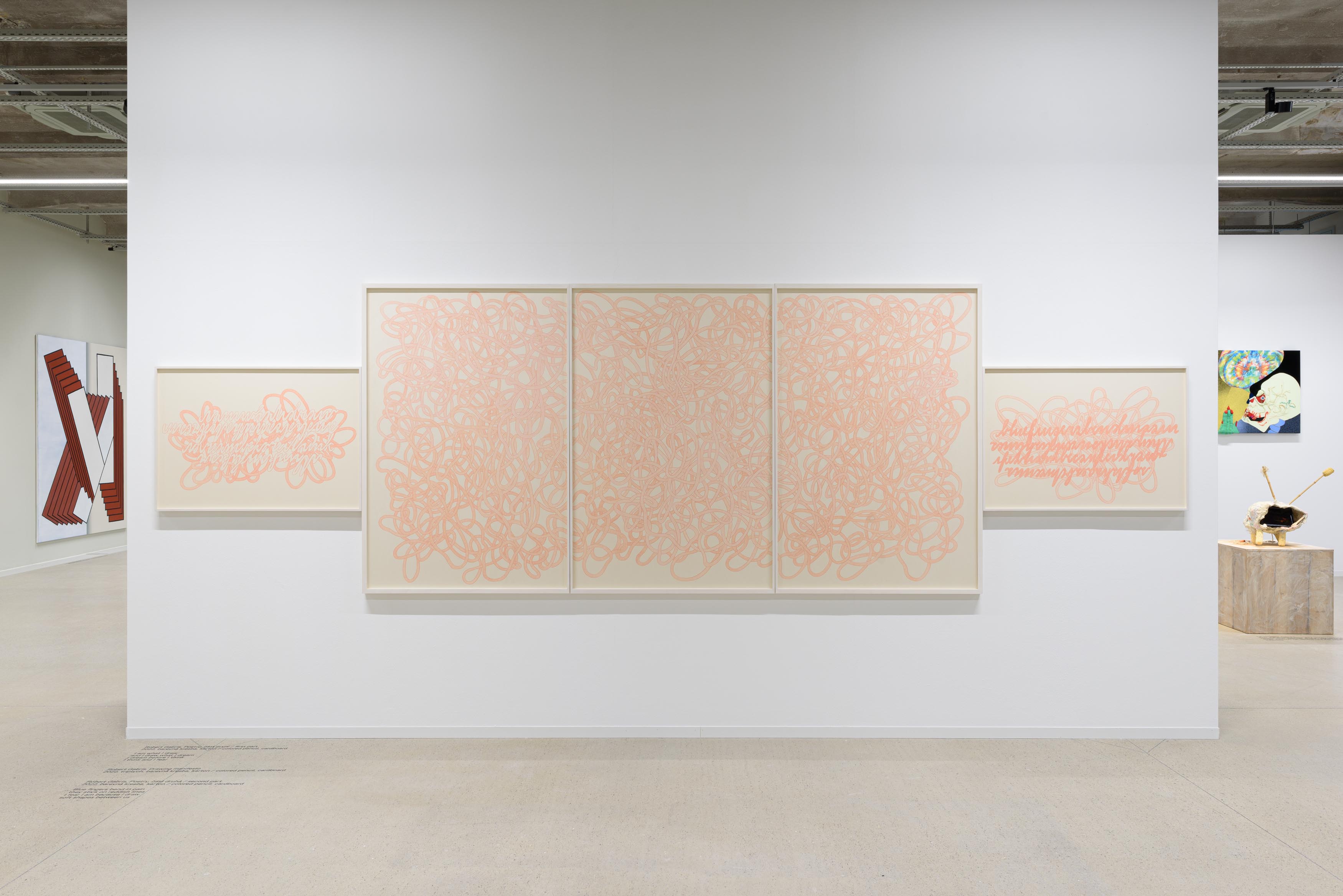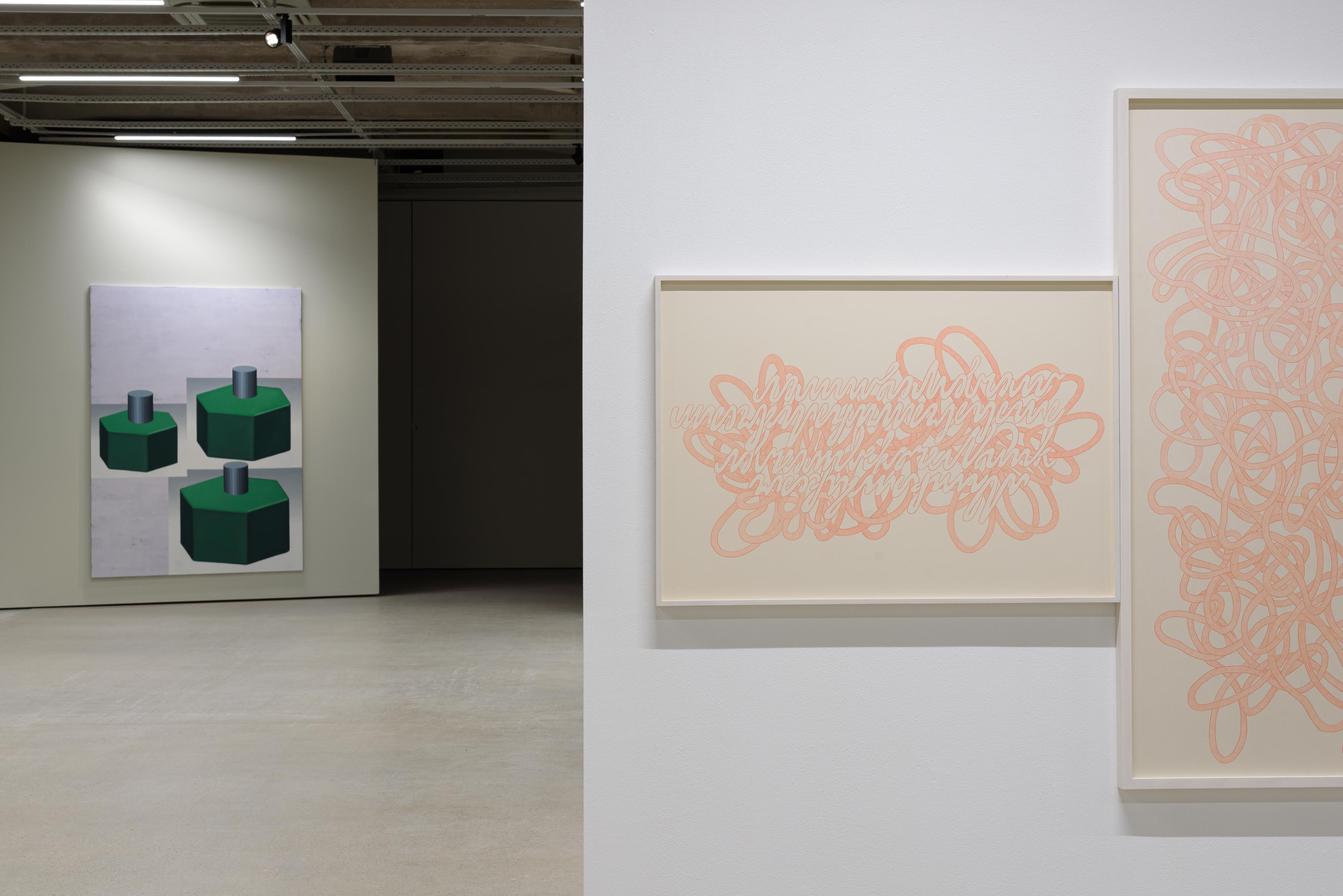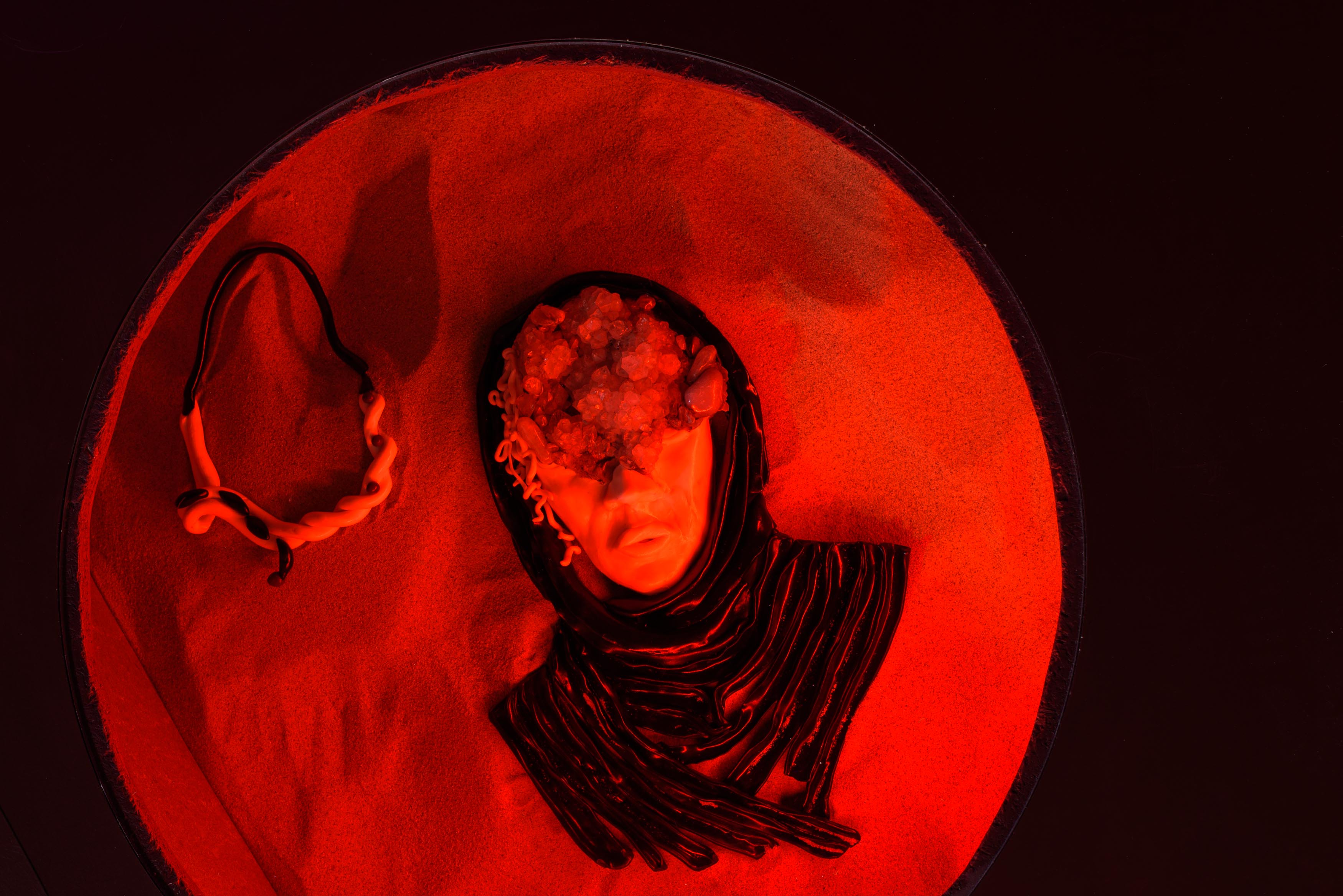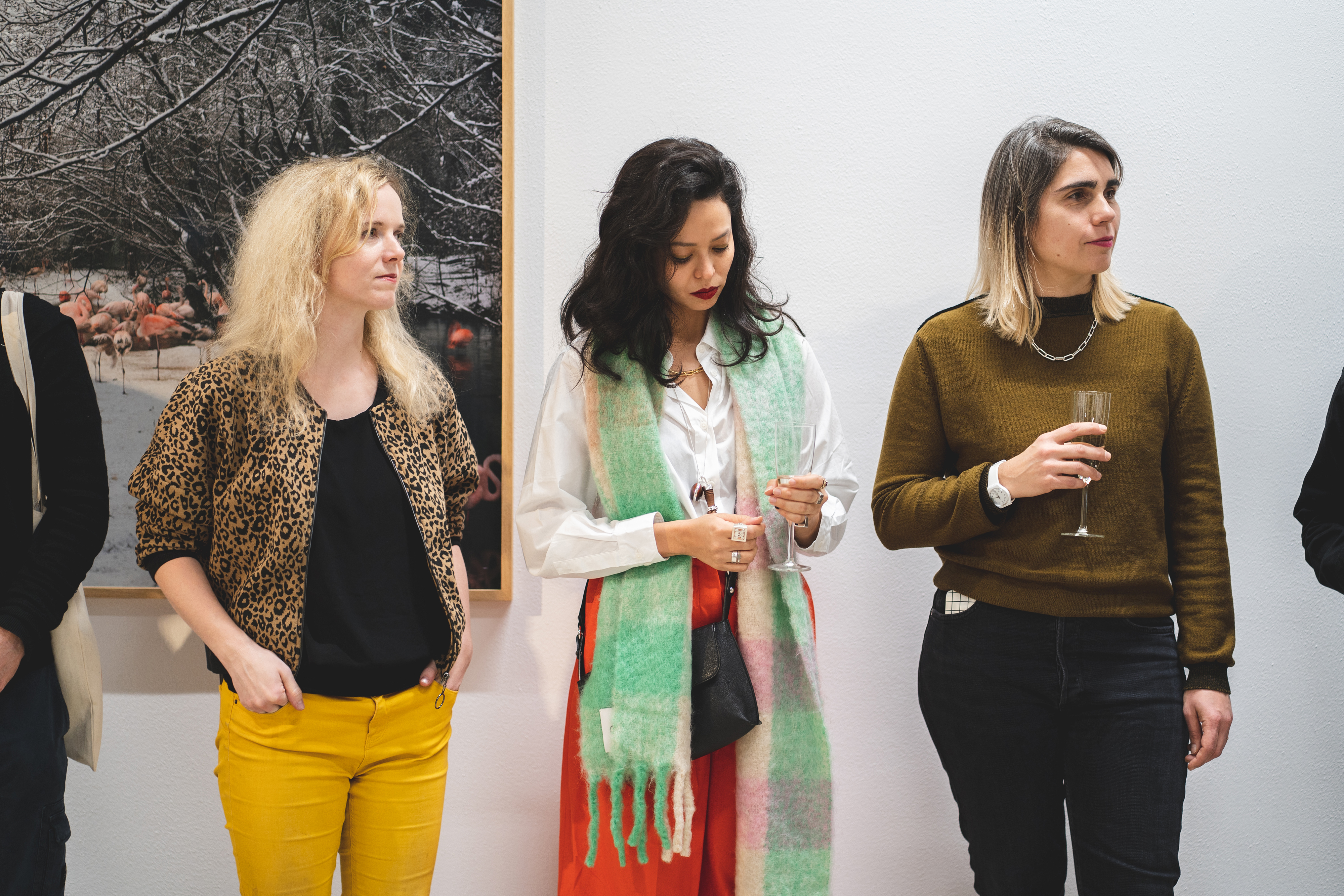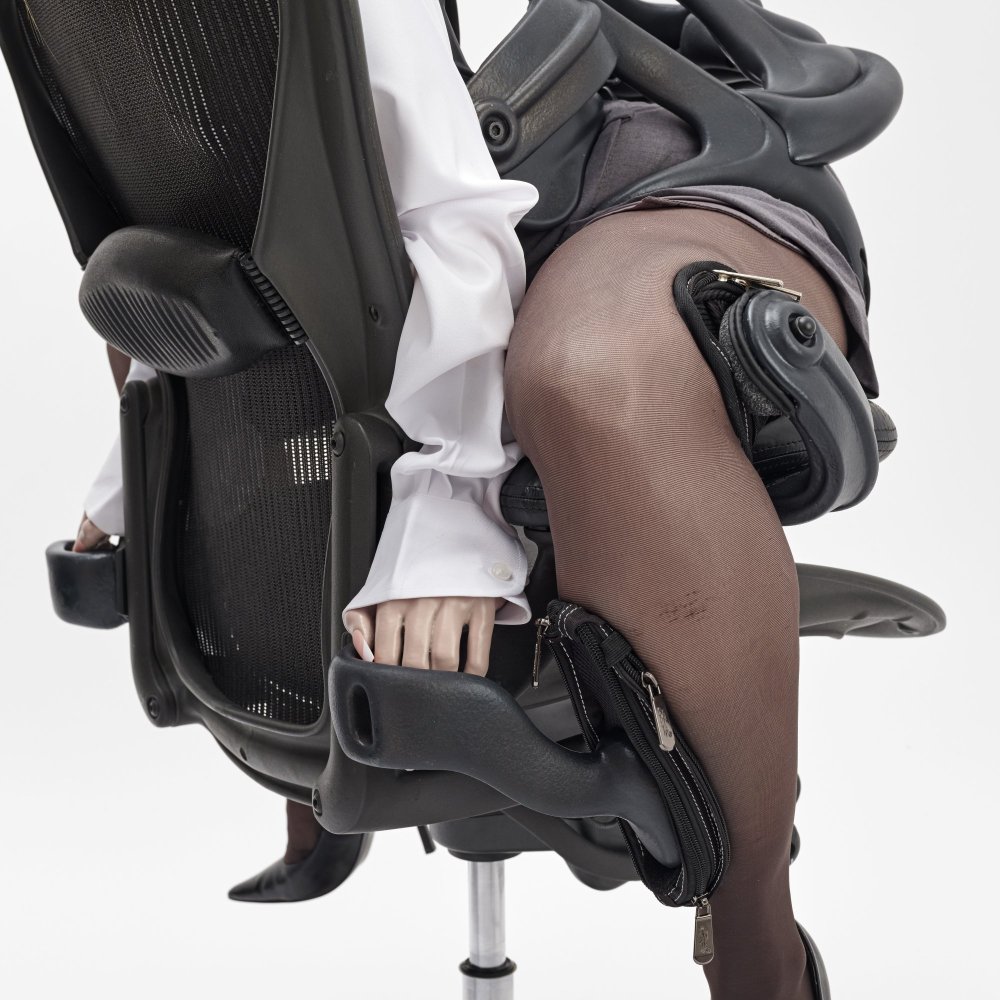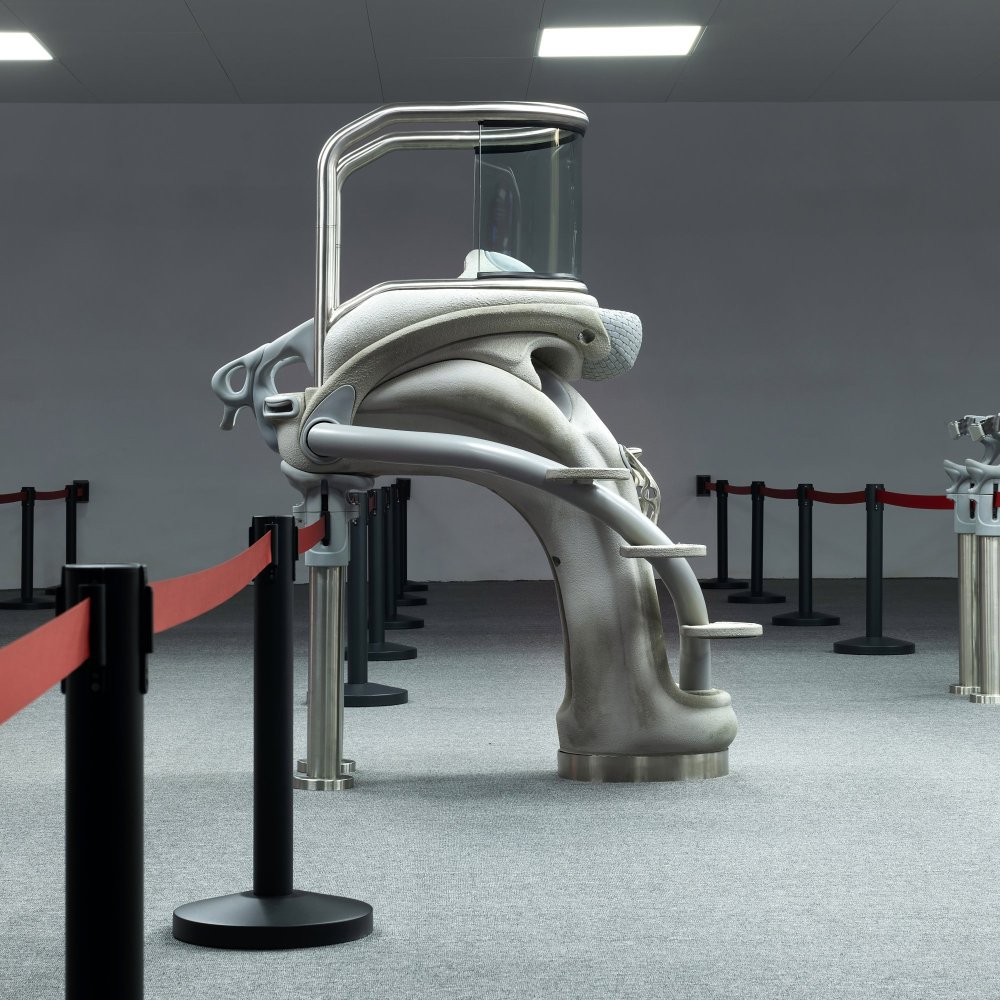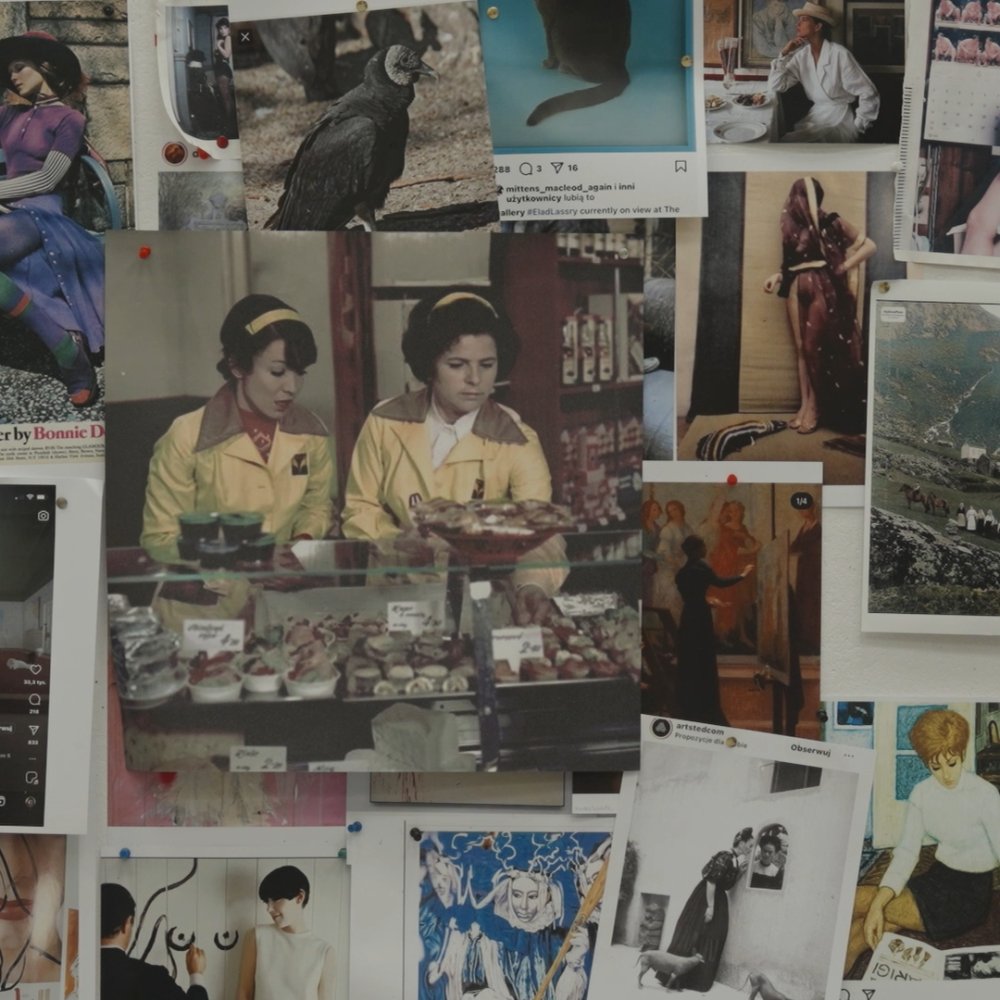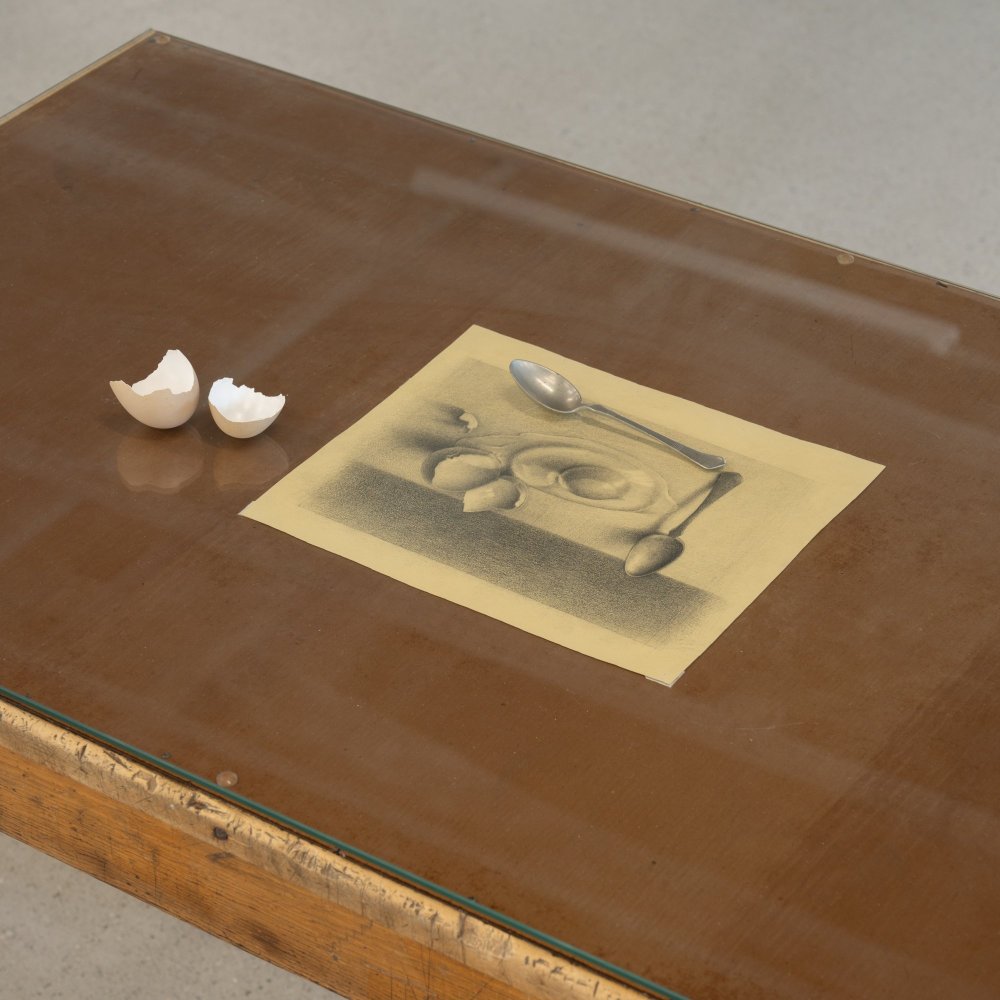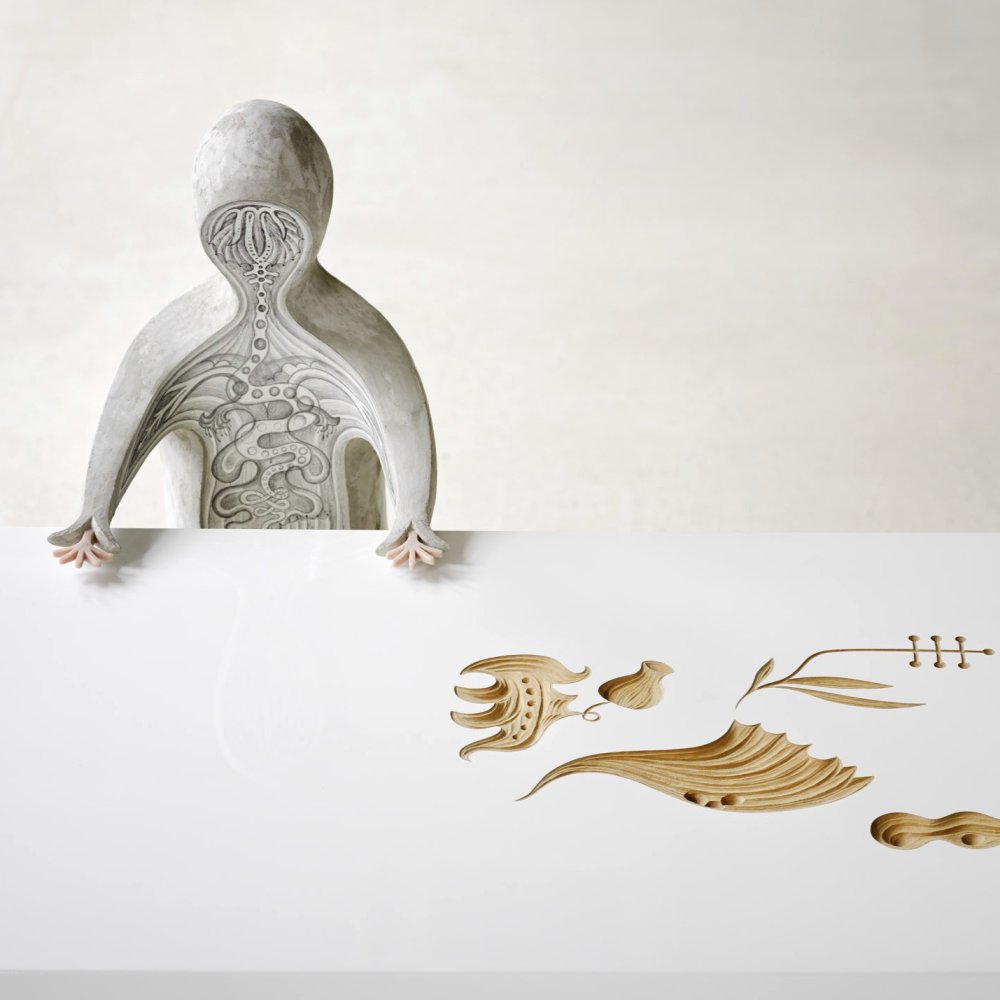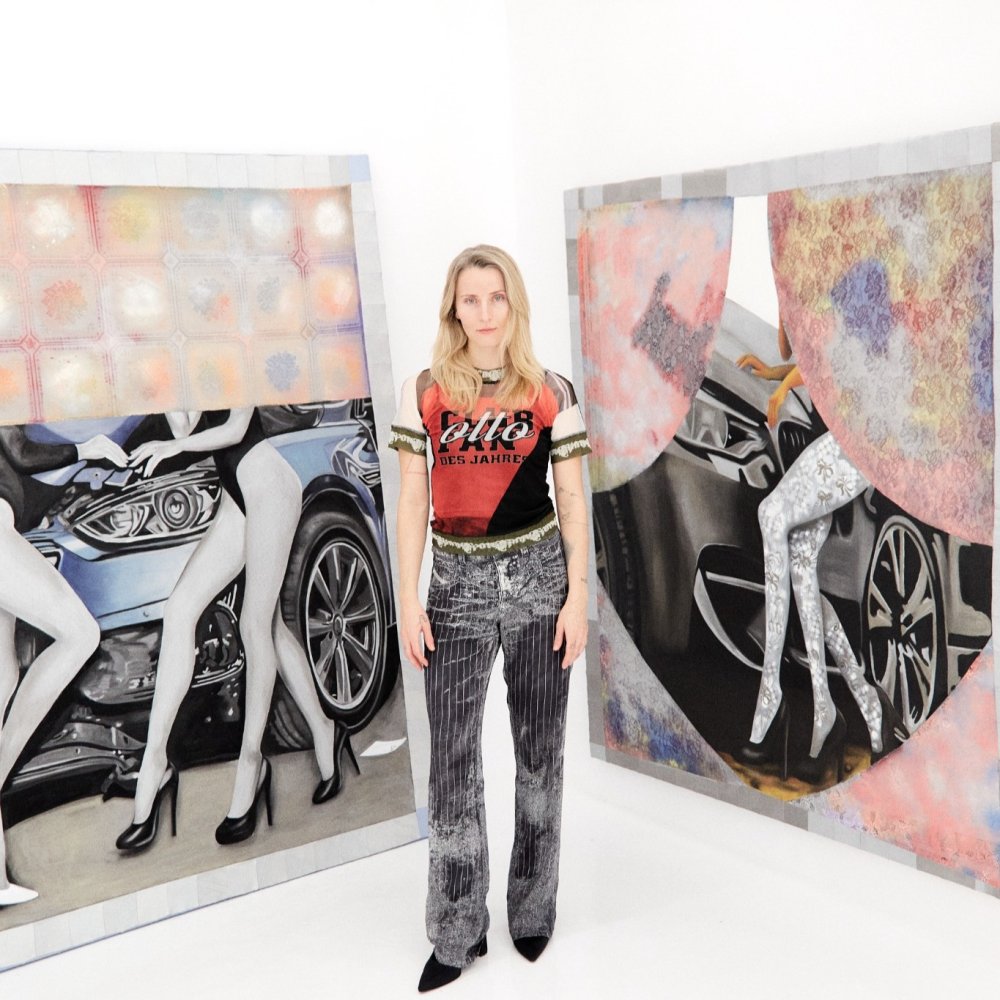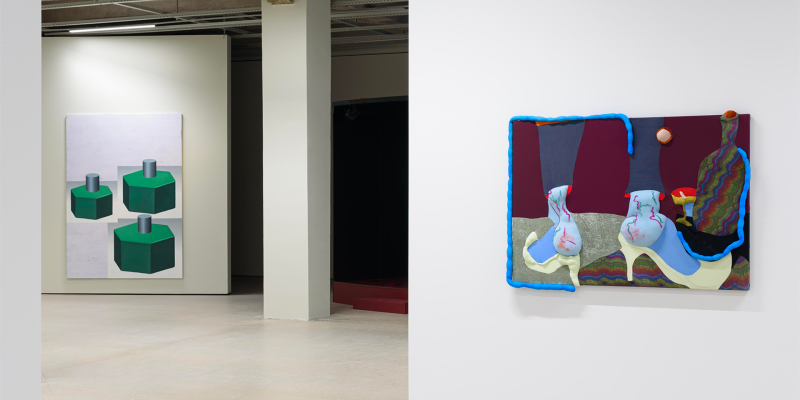
The Brave World exhibition is currently on display at the Telegraph Gallery. A nationally diverse selection of artists is brought together by the Vienna-based Gregor Podnar Gallery - Gregor Podnar himself is the author of the exhibition's concept, curated by Tevž Logar. The varied works side by side represent contrasting approaches in material as well as conceptual understanding of artistic creation. We present a closer look at the five artists, including Markéta Magidová, Robert Gabris, Primož Bizjak, Yuli Yamagata and Anne Neukamp.
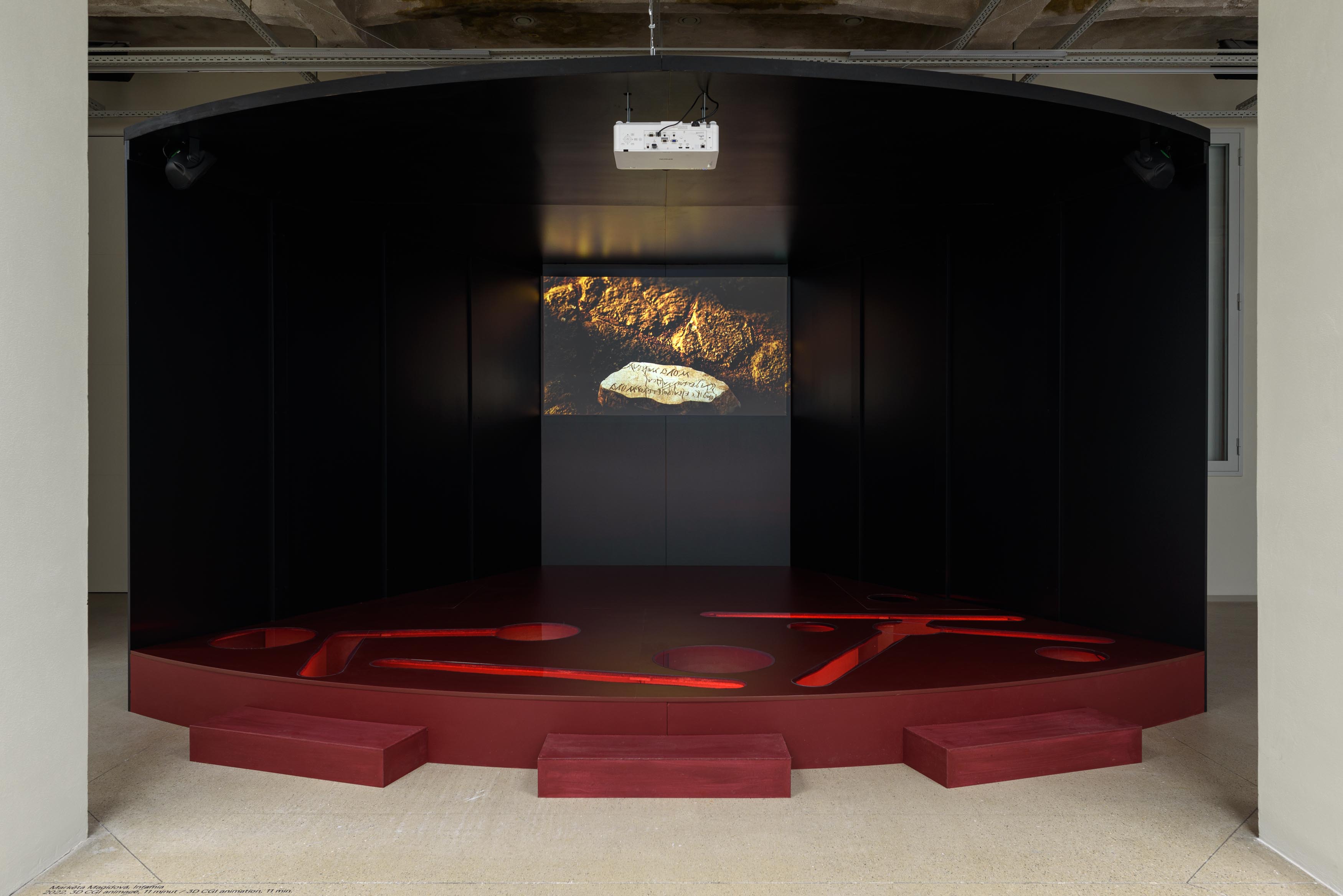
Markéta Magidová (b. 1984) studied at Tomas Bata University in Zlín in the studio of advertising photography (BcA.), which she followed up with studies at UMPRUM in the theory and history of design and new media (M.A.) and at the Faculty of Art of Brno University of Technology in the studio of video by Jasper James Alvaer, Martin Zeta and Jiří Ptáček (M.A.). He currently lives and works in Prague. Her internships, both domestic and abroad, are in the spirit of intermediality. She has had a number of solo and group exhibitions, and in collaboration with PositiF publishing house she has published three books.(Překlepy a přehmaty (2015), Překlad (2013) and Domácí slovník (2013).
Markéta Magidová does not limit herself to a single artistic expression, and her visual language speaks in all art forms, always accompanied by a strong conceptual focus. The body - the individual, social schemas, text as a means, family and crisis. This could be perhaps the most basic characteristic accompanying the work of Markéta Magidová. On the one hand, the intimate and human aspect of the works is accompanied by a call for solutions to global and "big" issues.
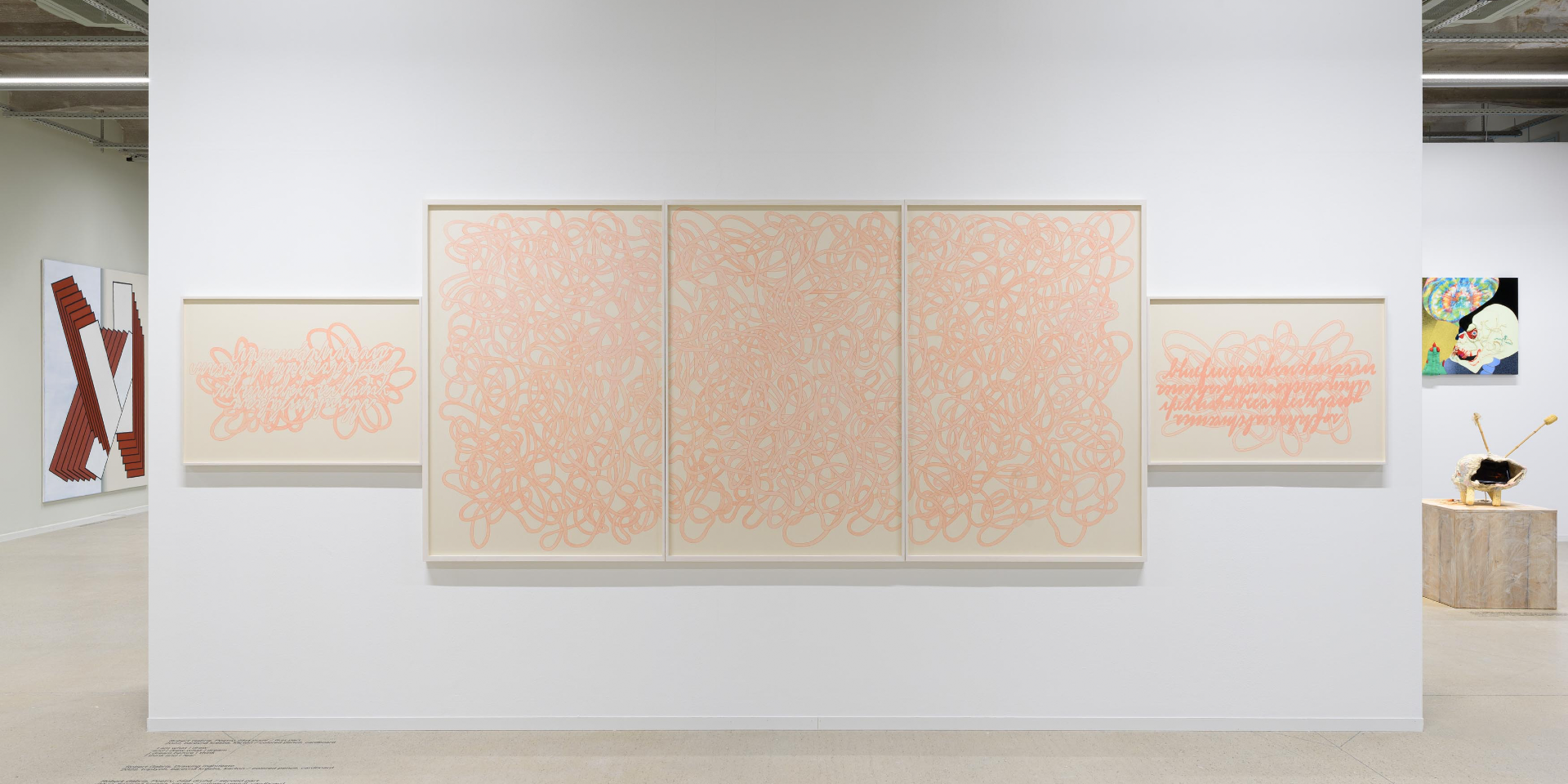
Robert Gabris (b. 1986) has completed his BA (B.A.) at the Academy of Performing Arts in Bratislava, where he studied scenography and costume design. He continued his studies in scenography at the Academy of Fine Arts in Vienna (MgA.), where he currently lives and works. In 2021, Robert Gabriš became one of the 5 laureates-winners of the Jindřich Chalupecký Award. In addition to the collective exhibition at Telegraph Gallery, Robert Gabris' work could be seen at this year's Prague Biennial In the Matter of Art, where together with Ľuboš Kotlár they presented the installation Sugar.
As Robert Gabris writes about himself, the source of his artistic creation is the confrontation of his own individuality with social schemes. The artist, who belongs to the Roma minority, uses his work to demonstrate his struggle against the social networks whose binding force is racism. The notion of networks, individuality and collectivism is also reflected in Gabris's last installation Sugar, whose unveiling was accompanied by a performance - the rejection of the spiritual level of the collective body is replaced by an experience in a given network of relationships. Although the artist's work is strongly autobiographical, it is not an intimate insight into the artist's mind, but his position within the aforementioned social network.
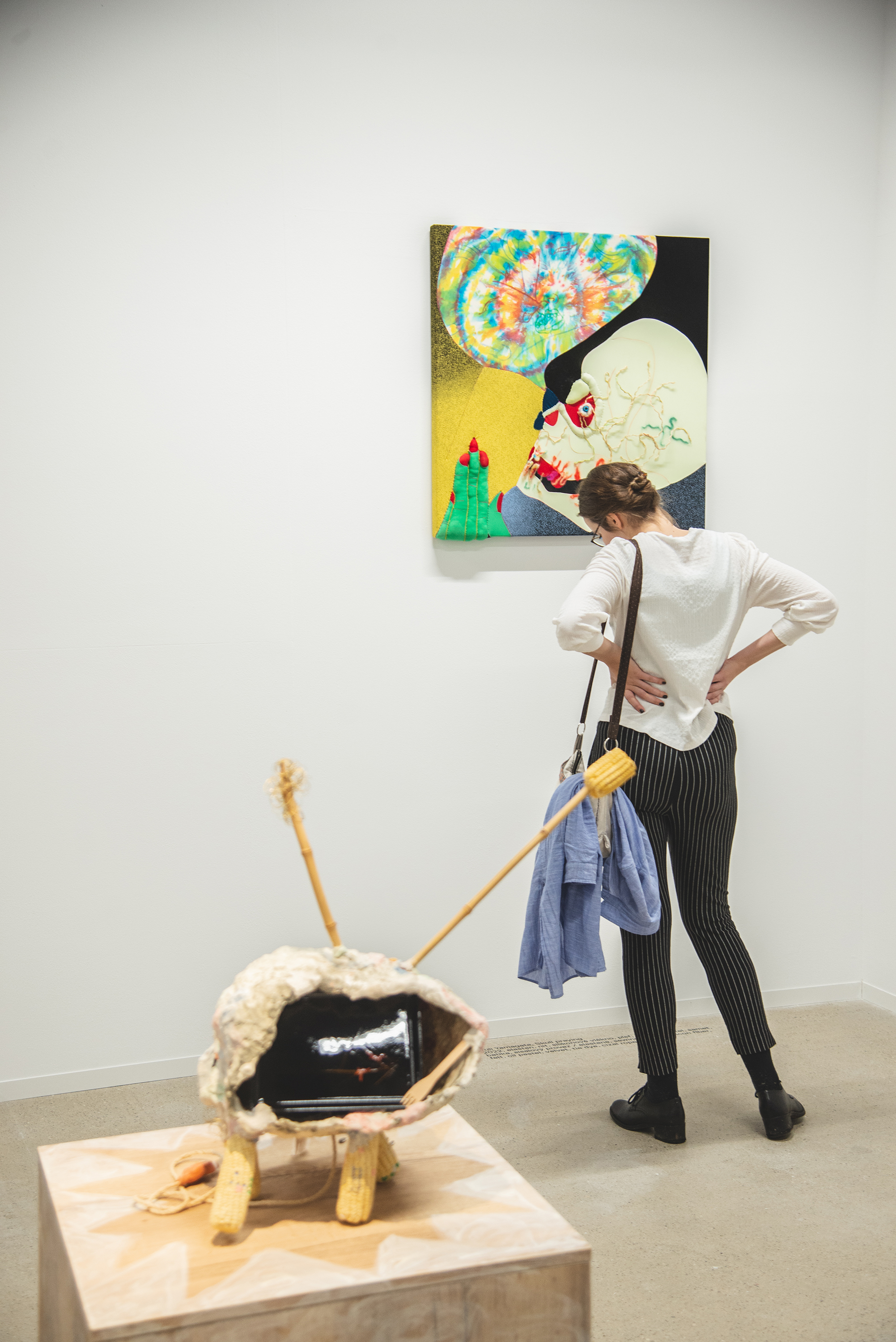
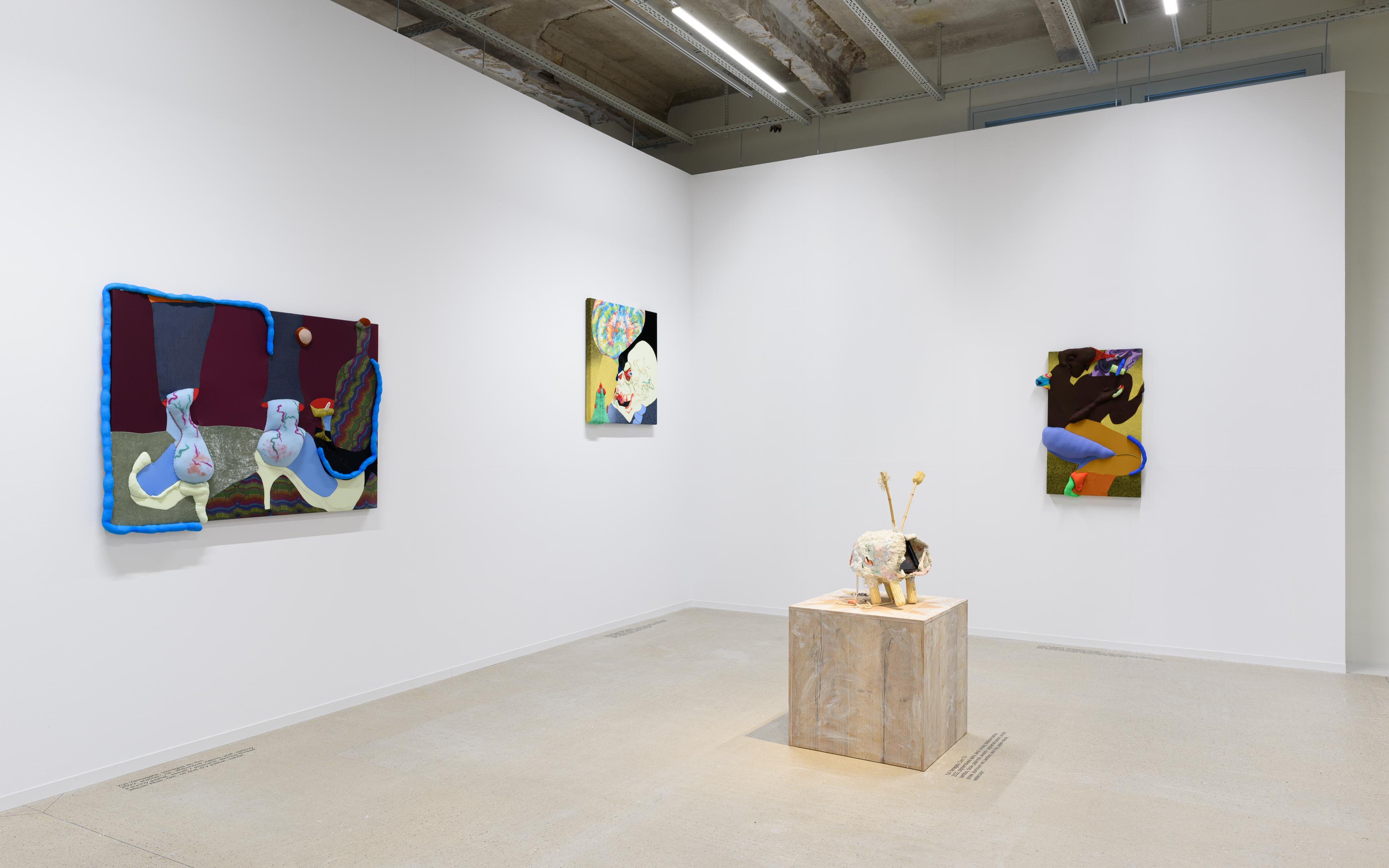
Yuli Yamagata (b. 1989) studied at the University of São Paulo, where she was also born, continues to live and work. Her main field of study was sculpture. Since her studies, she has exhibited both nationally and internationally. Yamagata often combines techniques in her works, moving in the field of painting, drawing, sculpture and "wall work", as she defines the last of the methods used. Her "wall work" is based on working with textile materials.
The artist's work borders on surrealism, moving into fantasy landscapes in the mind of the artist herself. In her works, Yamagata embraces the idea of the human body, not shying away from mysticism and the influences of her origins. The body, it seems, is a strong motif for the artist - as if it has a life of its own in her paintings, referring to her human roots within the framework of "surreality". Yuli Yamagata's work is distinctive for its colourfulness, which evokes a mixture of feelings and can be associated with the legacy of Fauvism and Expressionism. Due to the wide range of colors, the artist's work, especially in the medium of drawing, has an almost comic book aesthetic.
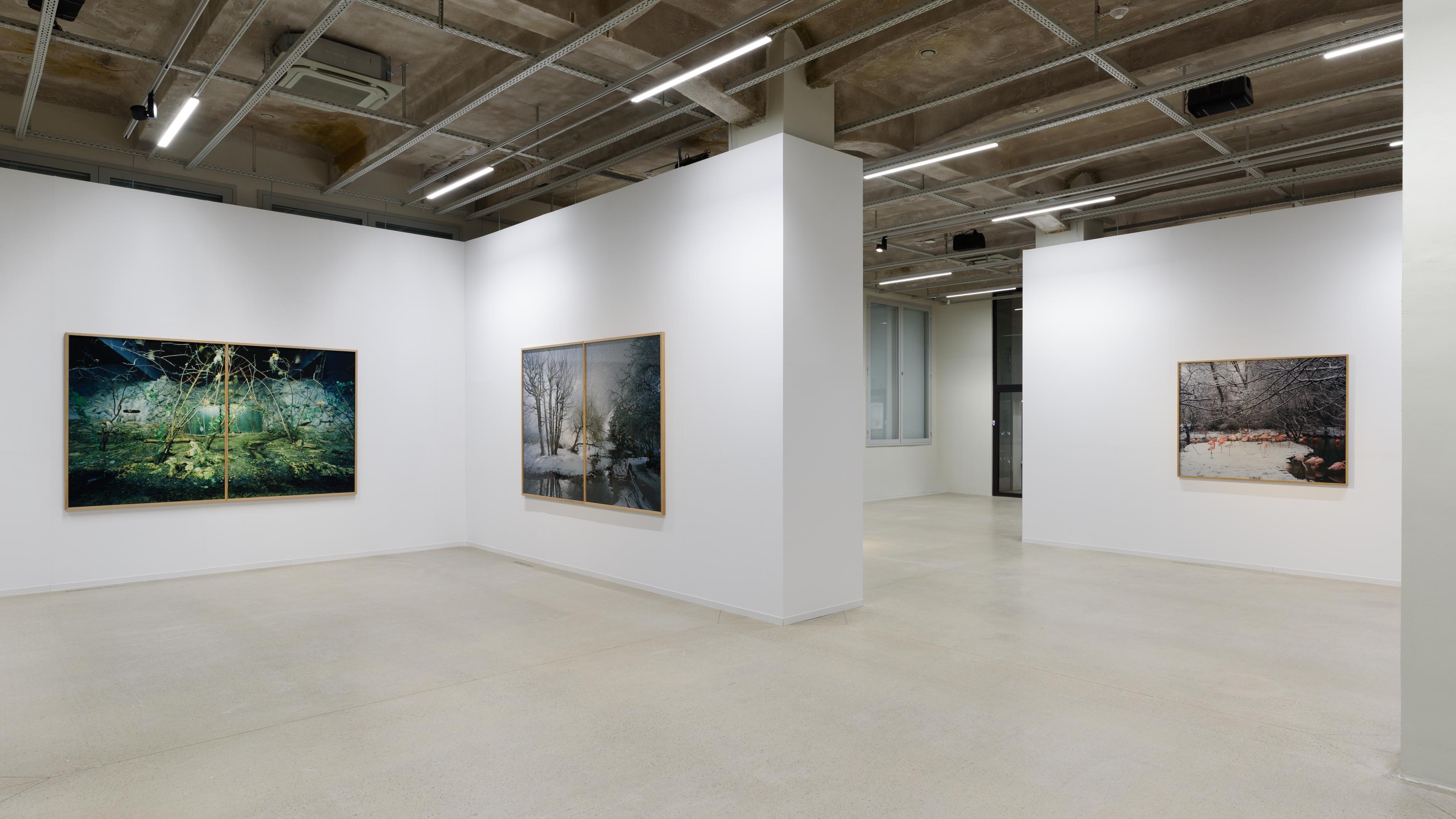
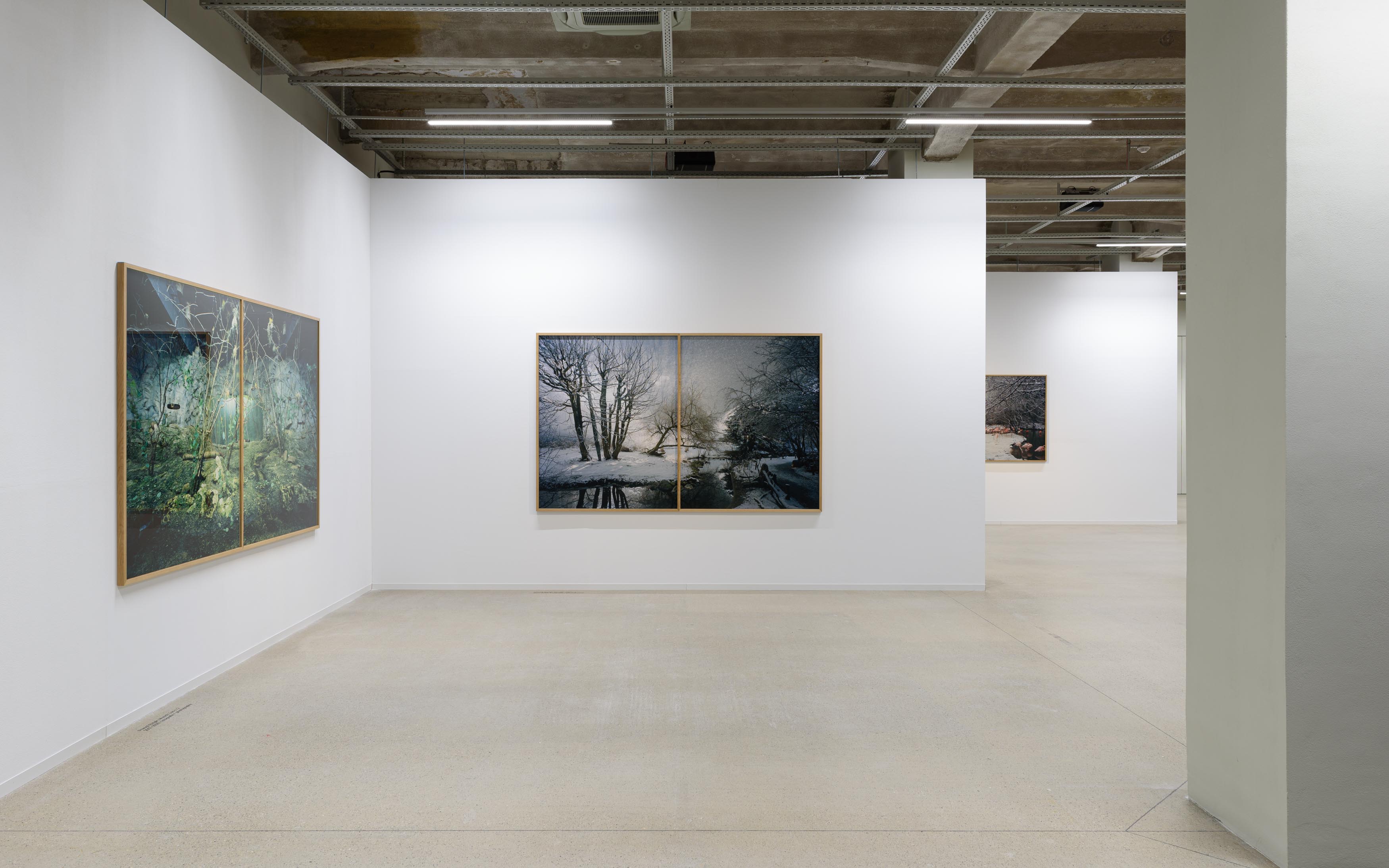
Primož Bizjak (1976) is a Slovenian-born artist who now lives and works in Madrid, Spain. He completed his studies at the Academy of Fine Arts in Venice in 2005 under the guidance of Professor Luigi Viola. The artist's work has been exhibited in solo and group exhibitions around the world, and in 2011 he contributed his work to the 54th Venice Biennale of Contemporary Art.
Photographs are the primary technique used by Primož Bizjak. The images often show traces of human existence in space. Thanks to Bizjak, the ruin - a remnant of human and once actual creation - becomes again a contemporary object, a contemporary work of art. In his work, Bizjak thus subverts the principles of temporal chronology, working anachronistically with human remains - with the actualization of legacy. The artist also works with time technically, his nocturnes are created using an excessively long exposure time, which reveals hidden contours. The photograph thus more than ever approaches an image in which the clock of reality is anachronistically closed.
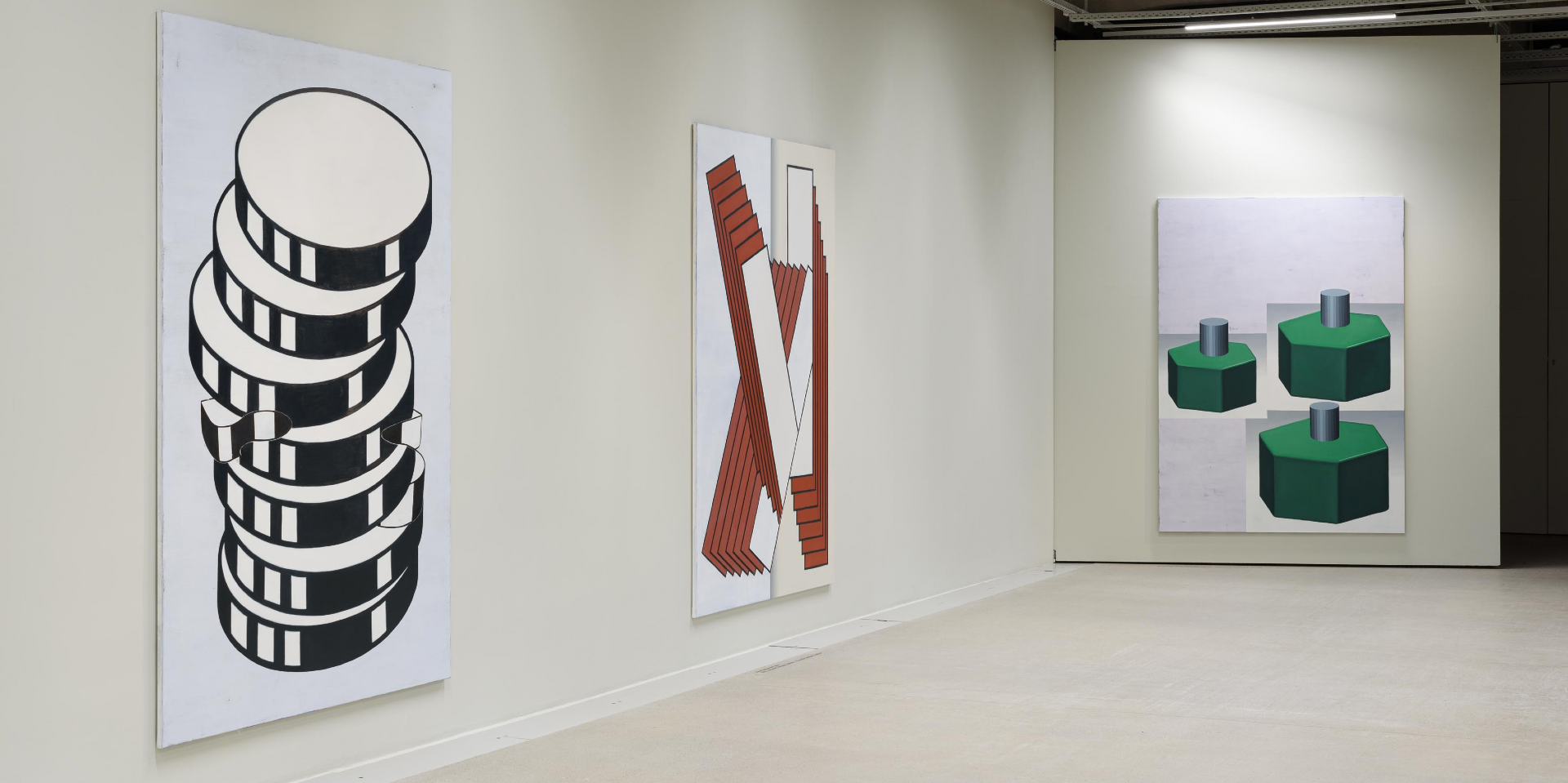
Anne Neukamp (b. 1976) is a German visual artist born in Düsseldorf. She first studied at the Hamburg University of Applied Arts, then worked as a visiting student at the University of Düsseldorf. She holds a Master's degree in Fine Arts from the University of Dresden, where she has been a professor of painting since 2020. Anne Neukamp lives and works in Berlin.
With small details that refer to objects of everyday use, Anne Neukamp also refers to human existence. The simplicity of the subject is underlined by the simplicity of the form itself. The largely traditional medium - oil, acrylic, tempera on canvas - and the subtle range of colours offer the viewer a sense of security. "Big" global issues are pushed into the background by the subtle banality of the everyday. Sometimes verging on abstraction, Anne Neukamp's work is the result of the artist's consistent attention to the expression of form, line and surface.
By Barbora Křížová / Telegraph Gallery