Mark Ther (*1979) has a long association with the Telegraph Gallery. Our collaborations include his residency, the creation of graphic art and the architectural design of the exhibition Connections, but especially his solo exhibition May organized in 2022. It was conceived as a German villa from the 1980s and served as a set for an immersive walk-like escape game. It is this ability to create complex spaces and narratives that typifies Mark's work.
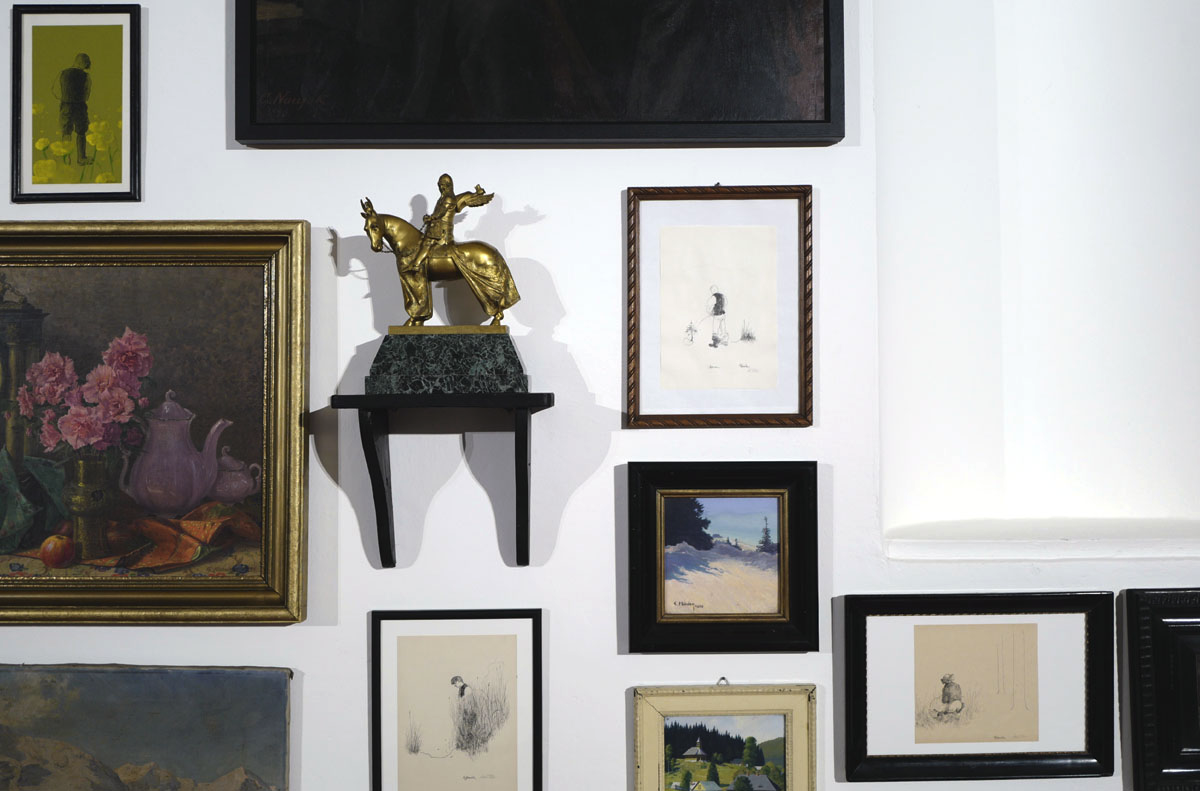
Mark graduated from the Academy of Fine Arts in Prague and completed a scholarship at the Copper Union in New York. Although he works primarily in video art and moving image, his work also extends into scenography and installation. His works are characterized by the confrontation of taboo moments, pop culture references and repressed themes. They thematize camp and queer aesthetics, as well as Sudeten German culture and the displacement of Germans. This fascination with Sudeten German themes stems from her family roots. His father comes from the Broumov region and his grandparents emigrated to Bavaria in the 1960s. Mark romantically and poignantly explores this unlived past in his projects. Already in 2011, he created the video Das wandernde Sternlein for the Václav Špála Gallery, where he deals with the dark and controversial topic of the end of the Second World War in the Sudetenland. He continued this theme in an installation at the Cella Gallery in Opava (2021) about the forced expulsion of Germans and later in the project Herren (2025), where he transformed the gallery into a men's restroom, breaking down stereotypes and established norms. This year, he also tackled the subject at Ljubljana's Ravnikar Gallery with 100% Cotton.
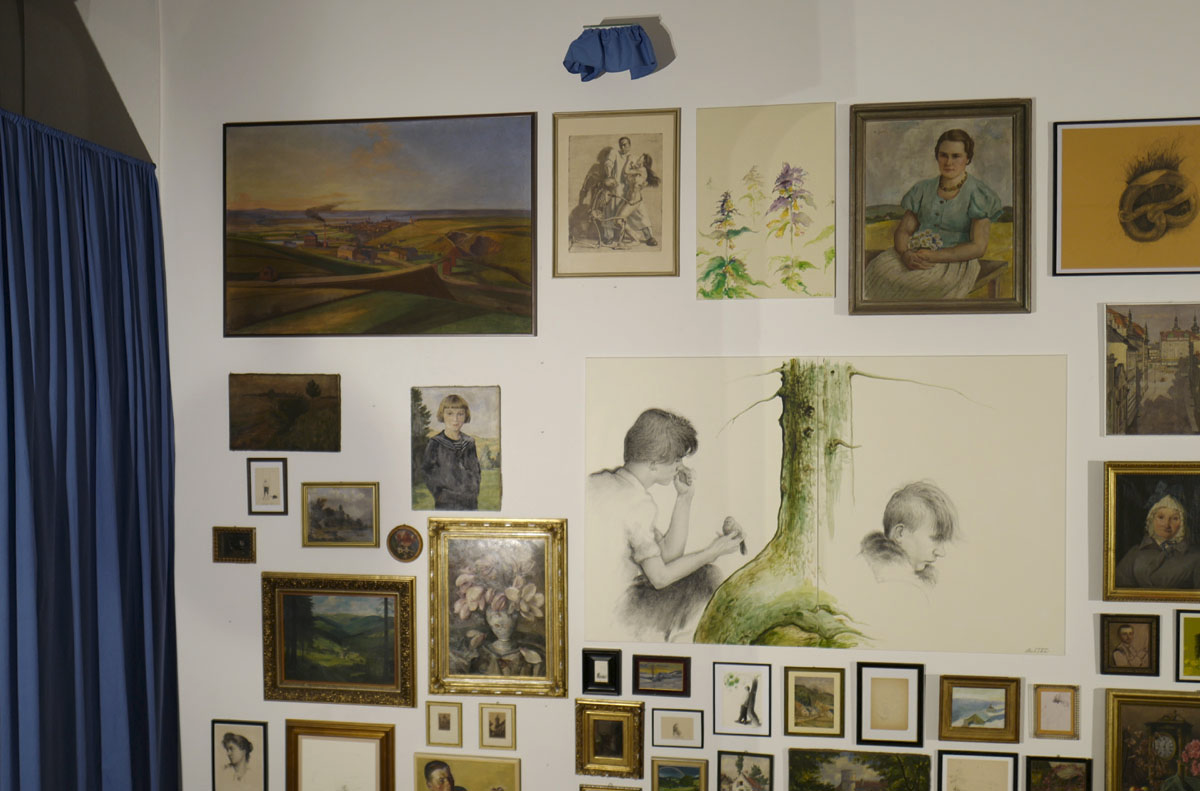
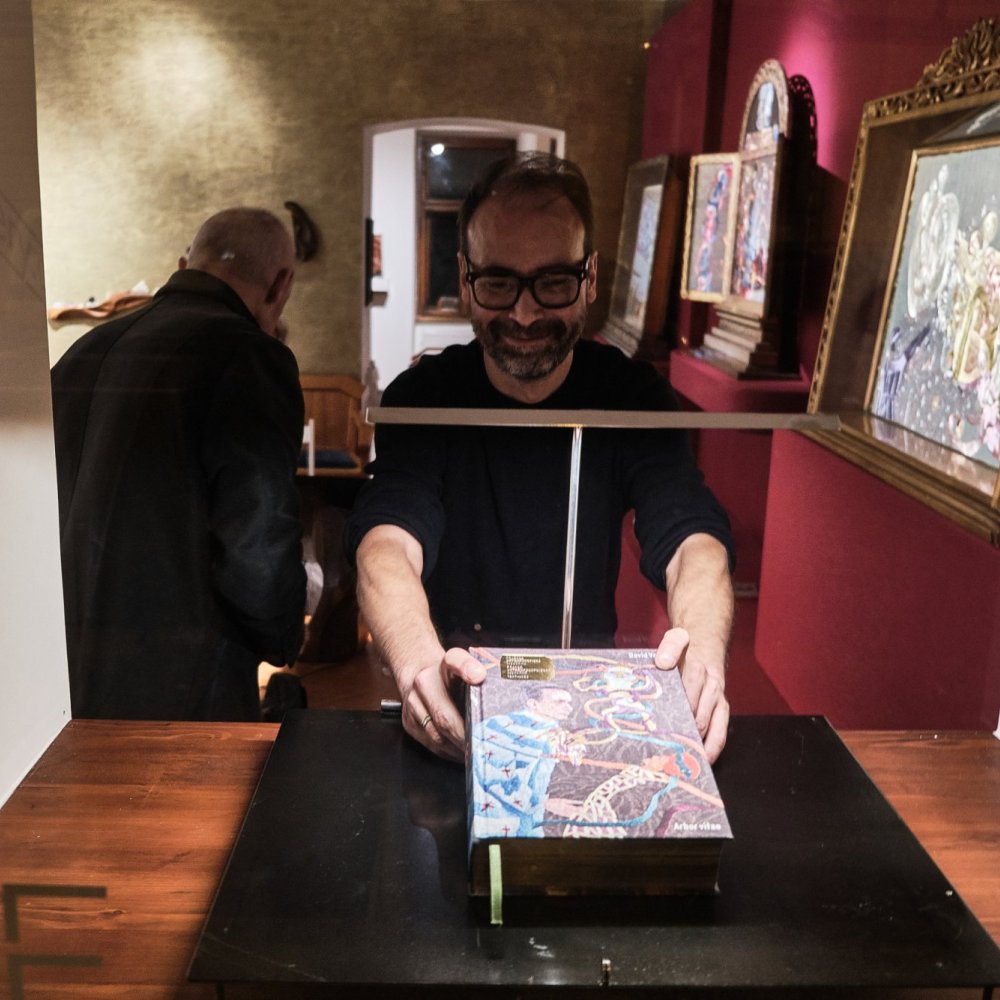
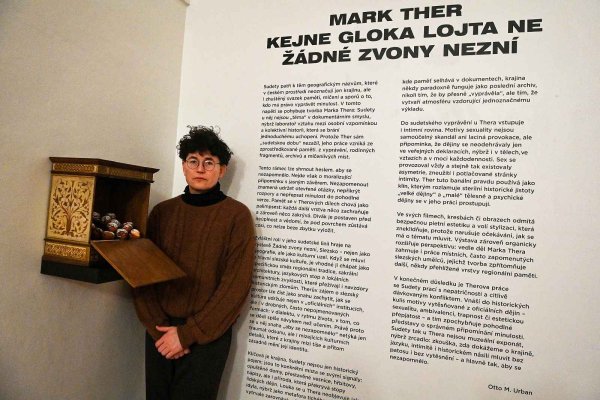
In late February this year, he presented his new exhibition titled Kejne Gloka Lojta ne (No Bells Ring) at the House of Arts in Opava. The exhibition explores the coexistence of two different cultures and their mutual historical coexistence. Mark Ther reflects on the issue of the removal of Czech, Silesian and Moravian Germans from Czechoslovakia and its historical sedimentation in the context of the anniversary of this event. In the installation, the artist has incorporated works by artists from Opava and the surrounding area from the collections on loan from the Museum in Bruntál and the Municipal Museum in Krnov. He has thus managed to put together a cultural salon from the turn of the 19th and 20th centuries that links his Sudeten German roots with his own work. The exhibition, curated by Czech art historian Otto M. Urban, makes one think about how the past influences our perception of home and identity.
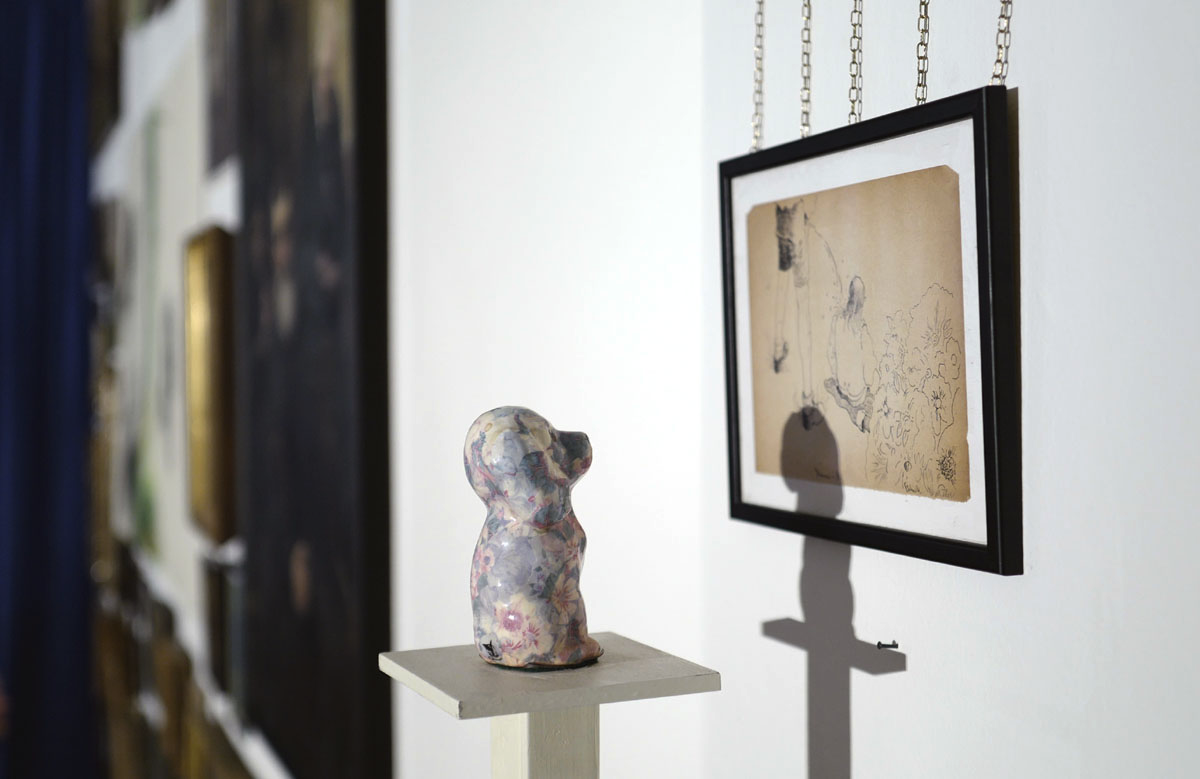
Mark Thera's work has long been praised for its ability to connect the past to the present. His current projects will be followed in April with the opening of a new exhibition Sléfstn? More? at the SPOT Gallery in Prague. The exhibition, curated by Erika Kovačičová, will evoke the atmosphere of a dim salon with fabric draperies, soft couches and paintings thematizing sleeping figures.
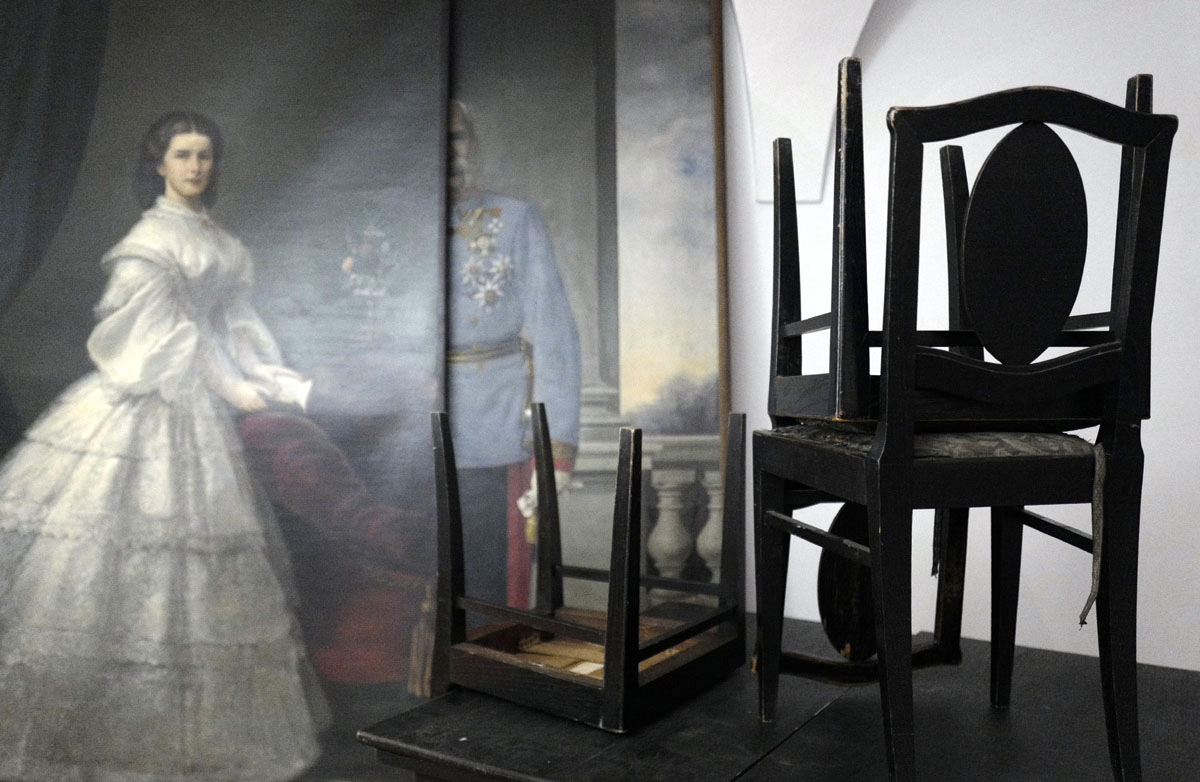
Mark's works open up sensitive and taboo topics related to Czech-German relations. His aim is not just to retell history, but to link it to the present. Through his immersive installations, he puts us in the role of direct participants in history and makes us think about how deeply the past of our ancestors resonates in us today.