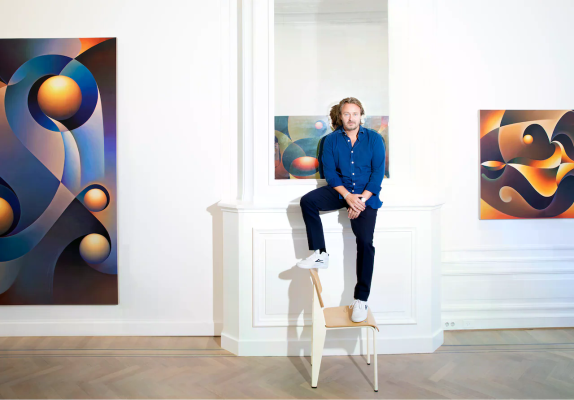
Dutch gallery owner Jörg Grimm studied at the Hogeschool voor Economische Studies in Amsterdam and founded the Grimm Gallery there in 2005. In 2026, the gallery has exhibition spaces not only in Amsterdam, but also in London and New York. It represents a number of internationally recognised artists, including Caroline Walker, whose work is currently on display in the exhibition Za Pultem (Behind the Counter) at the Telegraph Gallery.
You are the founder and owner of Grimm Gallery. How do you think the role of a gallery owner/gallerist has changed over the years – is it now more that of a manager, a curator, or a partner to the artist?
The role remains all of the above, and hasn’t changed. I don’t think it ever will, even though everything has become more international for everyone.
In interviews, you often talk about how a gallery is not just a commercial platform, but a relational ecosystem. What does that mean in practice for the everyday functioning of the gallery?
Well, there is the aspect of a commercially viable business to create the possibility to focus on the un-commercial aspects of the gallery; they exist side by side; what I mean by saying that 'it should not be purely commercial' is that the focus should be on the artistic and creative side. Money should not be a goal of and in itself, it rather serves to make things happen. The everyday focus of the gallery team should be the artist and their needs.
What do you think are the biggest challenges and risks of owning a gallery today – and what keeps you going and motivates you in this role?
The cost of doing business has gone up, so everyone has become very careful about planning and the risk taking you saw until 3-5 years ago, by mounting experimental shows, has fallen by the wayside; video and performance art are being programmed much less nowadays.. and therefore collected less, enforcing a vicious circle.
The enduring motivation is the journey a gallerist undertakes together with the artist, this is exiting, limitless in possibility and creativity.
Grimm Gallery has been working with an international portfolio of artists for a long time. How do you know when you want to establish a long-term collaboration with someone, rather than just a one-off project?
Hard to quantify, this is a feeling that exists early on, after all, when collaborating you do so with the artist for the long term, even though there may be occasional times when a new work has less resonance with you, it is the overall management that is important. The trust should be mutual for a long term rather than a project based involvement.
You often mention that recommendations among artists themselves play a crucial role. How important is trust within the artistic community to you? Have you ever been disappointed by someone?
I’ve been lucky in that sense! Trust is very important since the art world is relatively small, and I’ve not had any great disappointments.
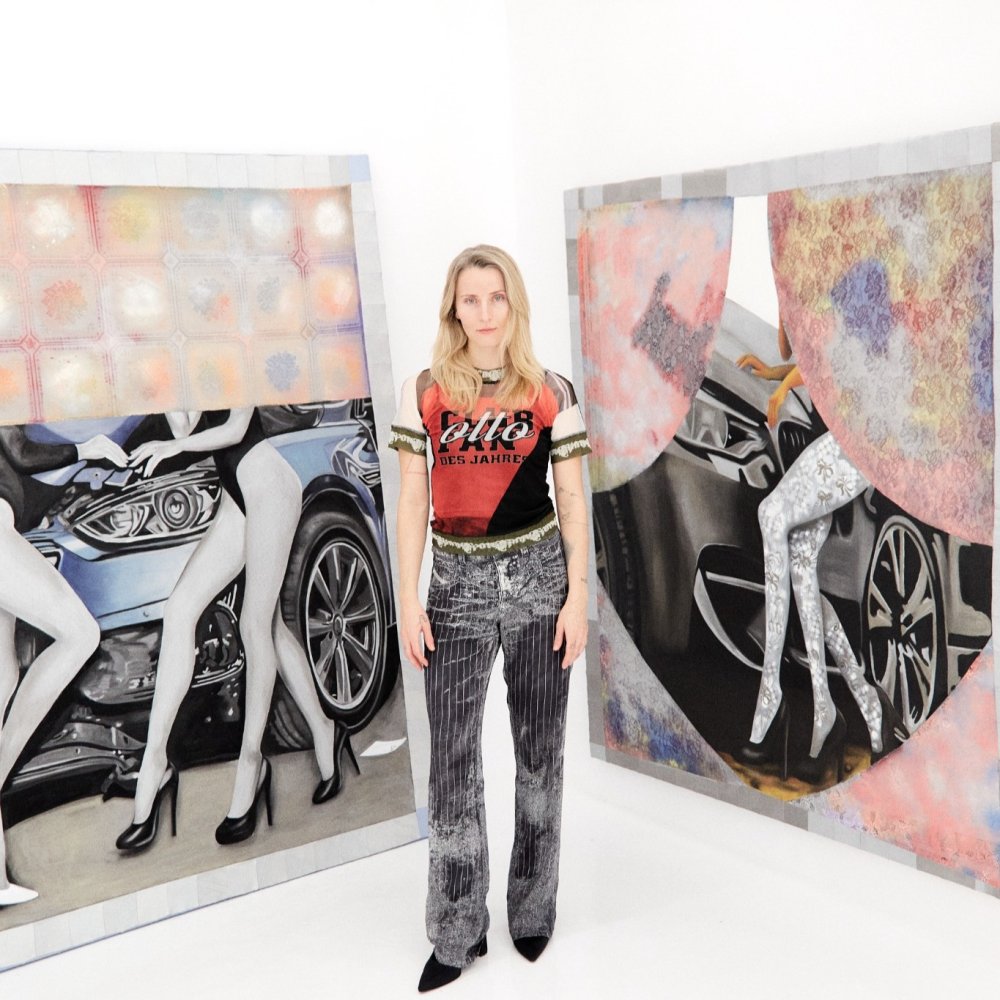
Caroline Walker, whom Grimm Gallery has represented for some time, is currently part of the exhibition Za Pultem (Behind the Counter) at the Telegraph Gallery in Olomouc. What makes her work special to you, and why do you think it resonates so strongly inside and outside the British context?
It’s both her thematic approach, together with her exceptional skill as a painter, which brings the appeal for an international audience and both the private collections who buy her work, as well as the broad institutional support she receives, are testament to this.
How do you perceive the importance of collaborating with regional institutions and galleries in Central Europe – can such a context open up new interpretations of an artist's work?
Within each culture there will be an aspect of projection from within that culture when viewing works brought there from another country. The broadest possible platform for dialogue, for discussion is important to create, art should be part of the dialectic, the cultural exchange.
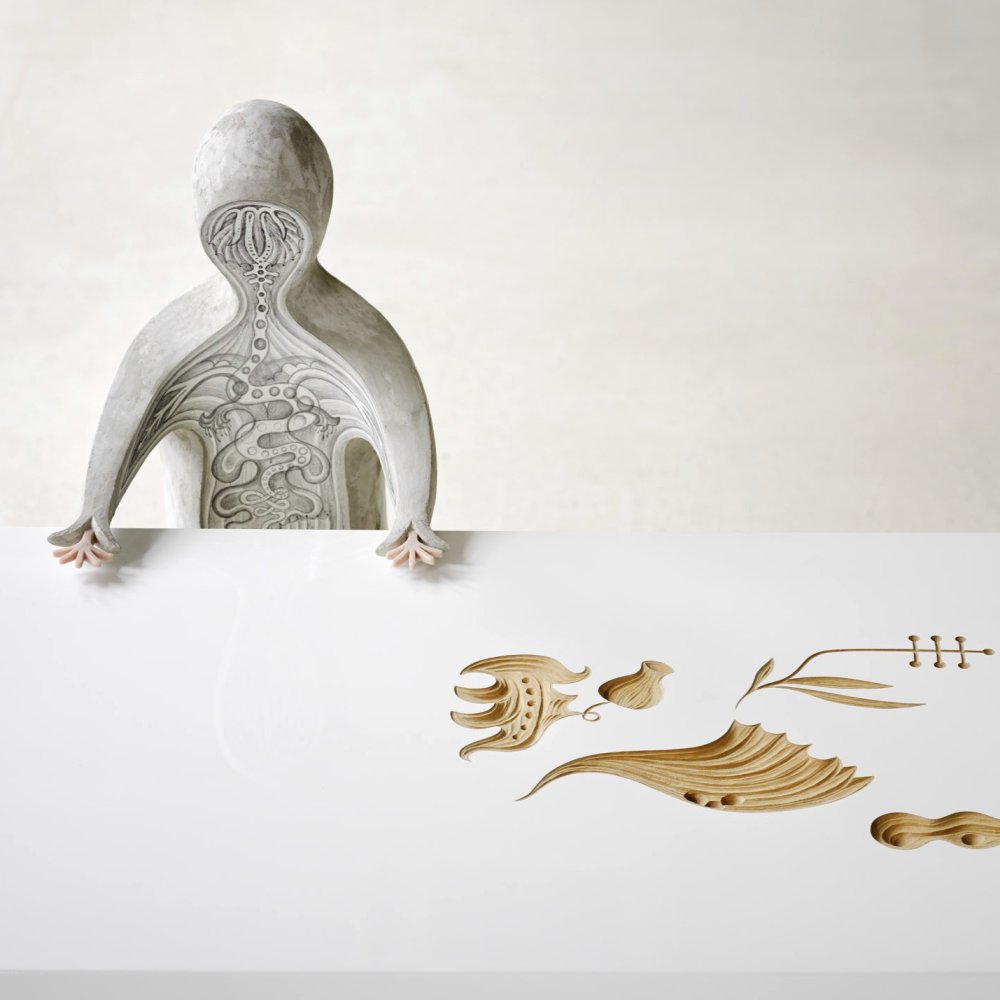
Grimm Gallery also represents Czech artist Anna Ruth. How did you come across her work and what convinced you to enter into a long-term collaboration with her?
I found her work online and went to Prague for a studio visit, we spent the day together talking about her work and ideas and I immediately knew I wanted to represent her long term, and she thought the same about my gallery. Her work encompasses many forms, from painting to music to sculpture and it is simply great.
What is the response to her work in the international arena – and do you perceive a difference between how it is received at home and abroad?
We have placed her work with a lot of great collections from the start, our focus is international for now, since Anna already has a following in the Czech art world: An institutional show in her native country is high on our list of goals of course!
Do you follow the Czech and Central European scene systematically, or rather through personal contacts and specific encounters?
Specific encounters; not just Czech or Central Europe, but in general. When I see something good I’ll go wherever I need to go.
You said that you are inspired by people who wake up every day with the need to create something. Today, after twenty years of running a gallery, do you still have room for your own "learning to see"?
Yes, my focus and joy also comes from creating new spaces for our artists to show in, we recently found a new space in London for example. And there is always the discovery of a new artist.
What advice would you give today to someone thinking about starting a gallery – and what would you advise them against?
Start only once you have the first year fully programmed with artists you wish to show, even if only project shows, even if ‘fiction’ until you find a physical space. Know what type of work you want to show, and also what you don’t, write it down, make lists: There are people who start a gallery without having a defined idea in mind, and this is a mistake unless you are a secondary market dealer; if you open a space and subsequently need to ‘fill’ it, you create a vanity project not a gallery. Two questions; 'what do I provide for my artist', and 'what do I sell to my collector', need to be clear. If you don’t have a very good answer (yet) you should wait.