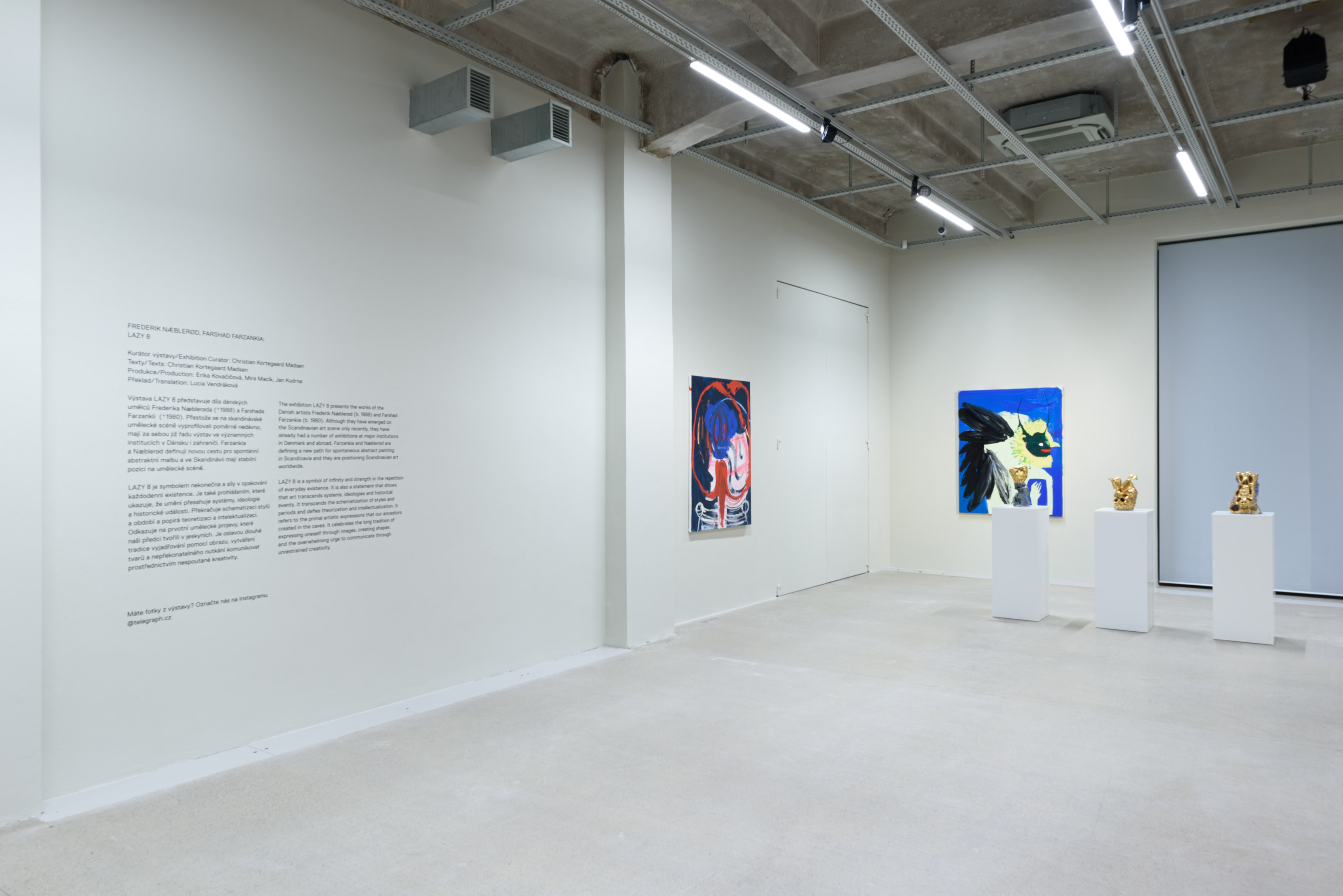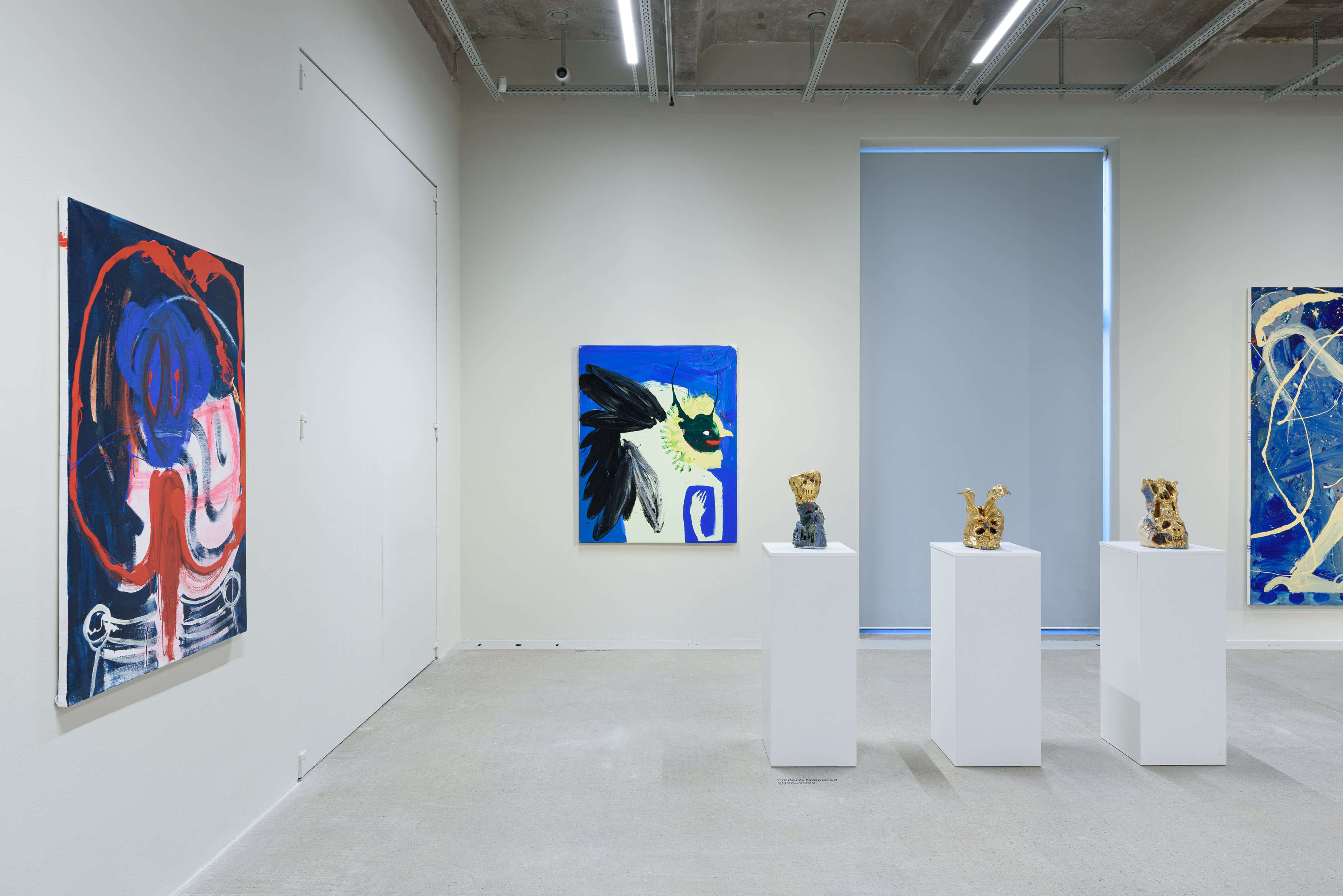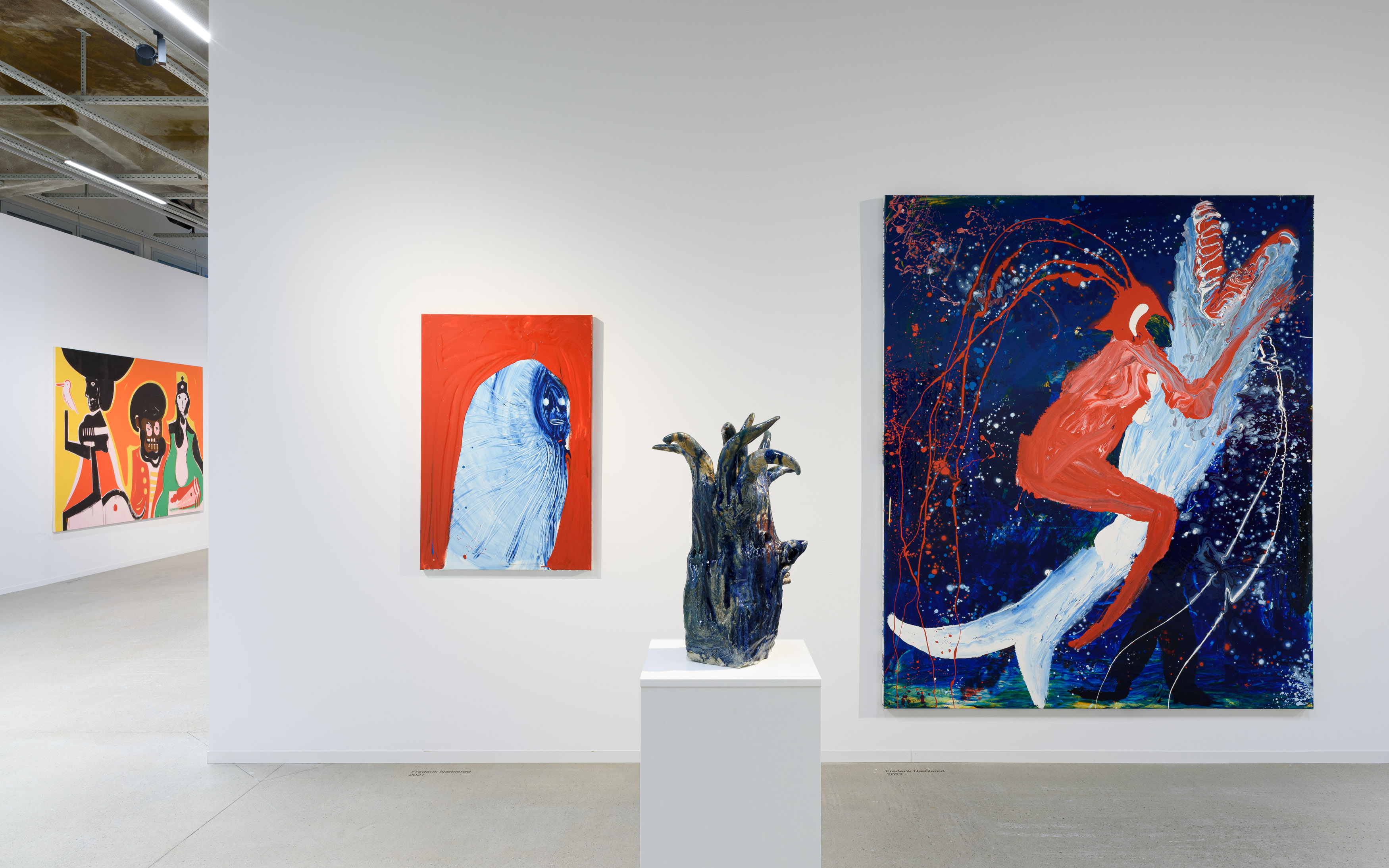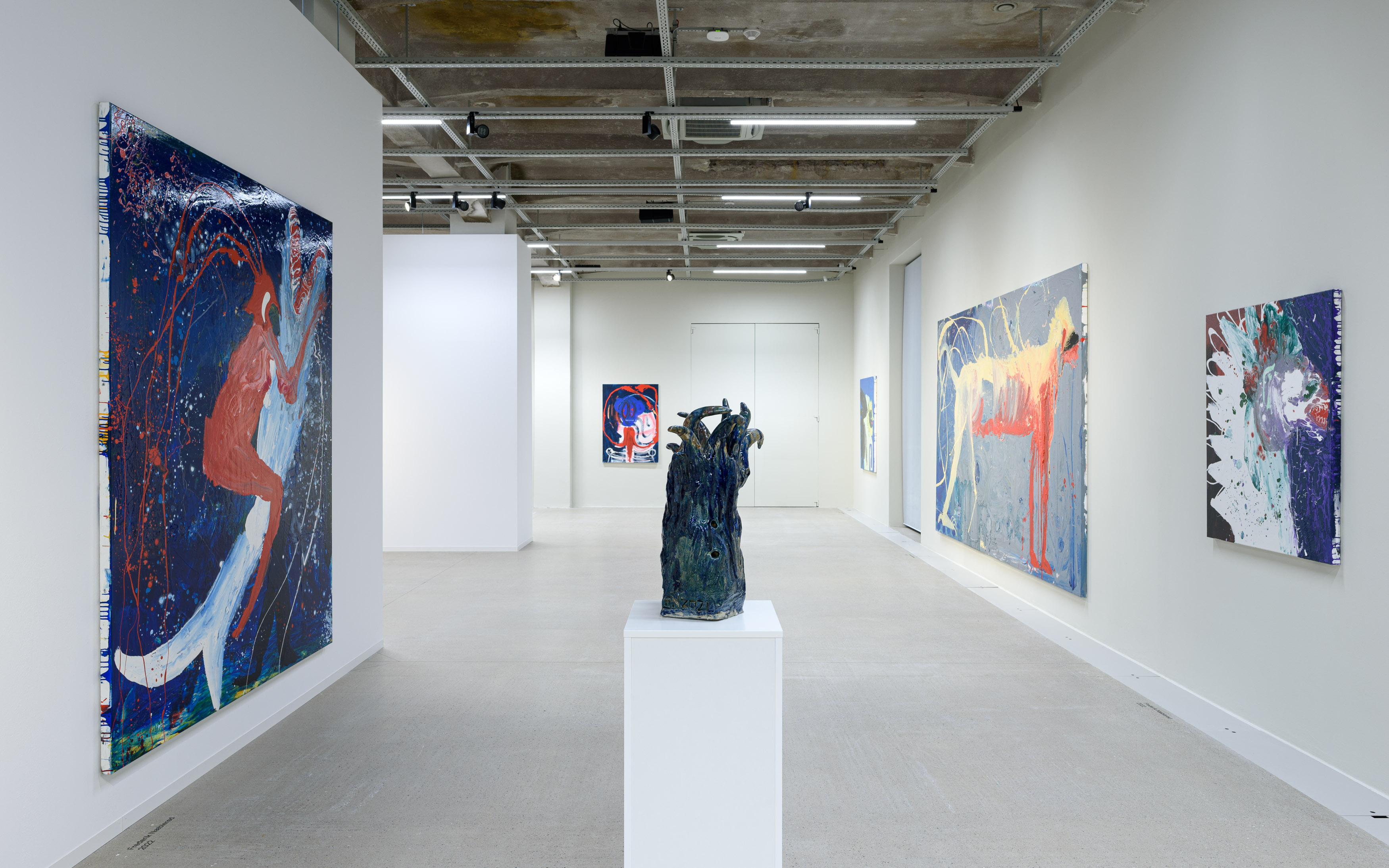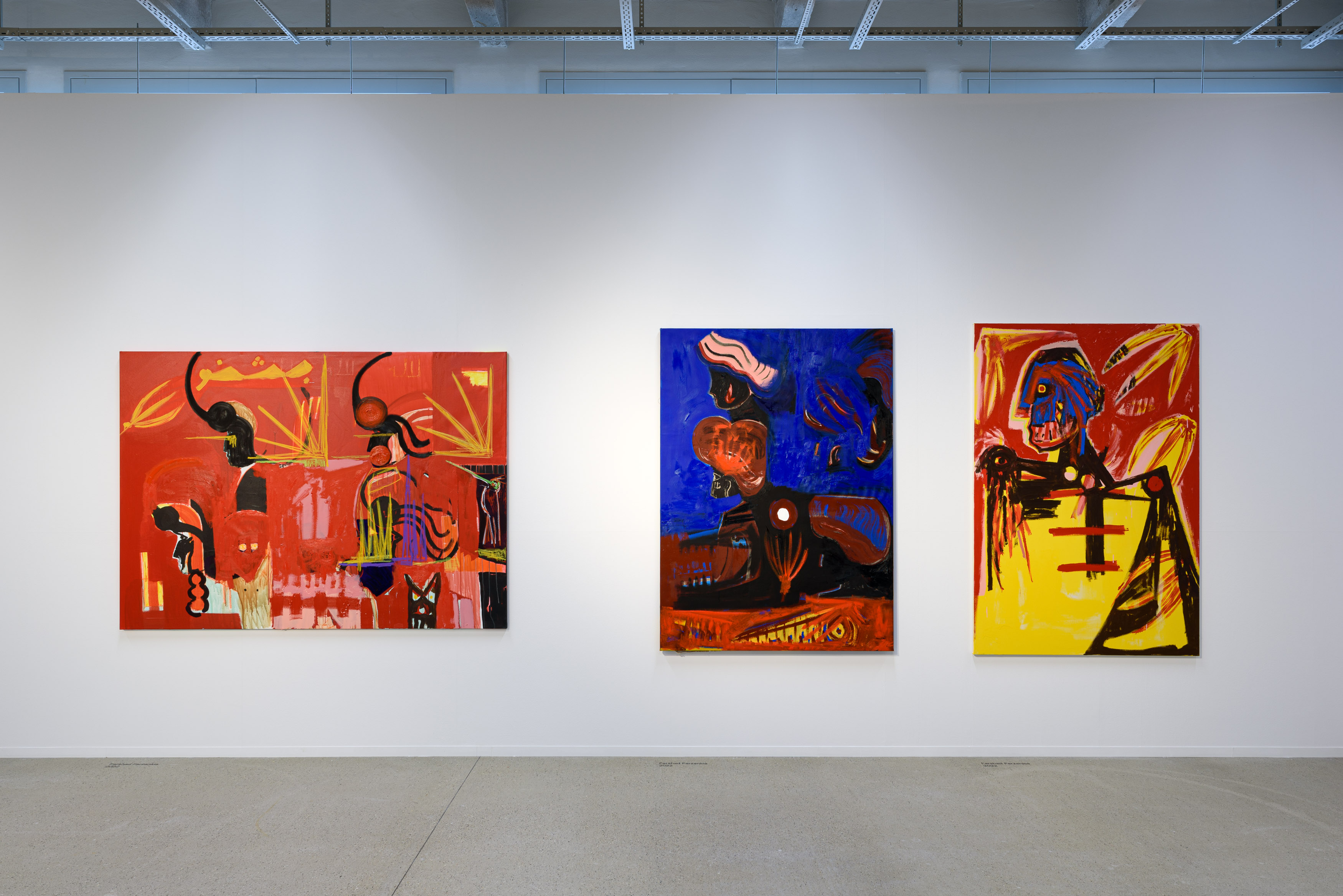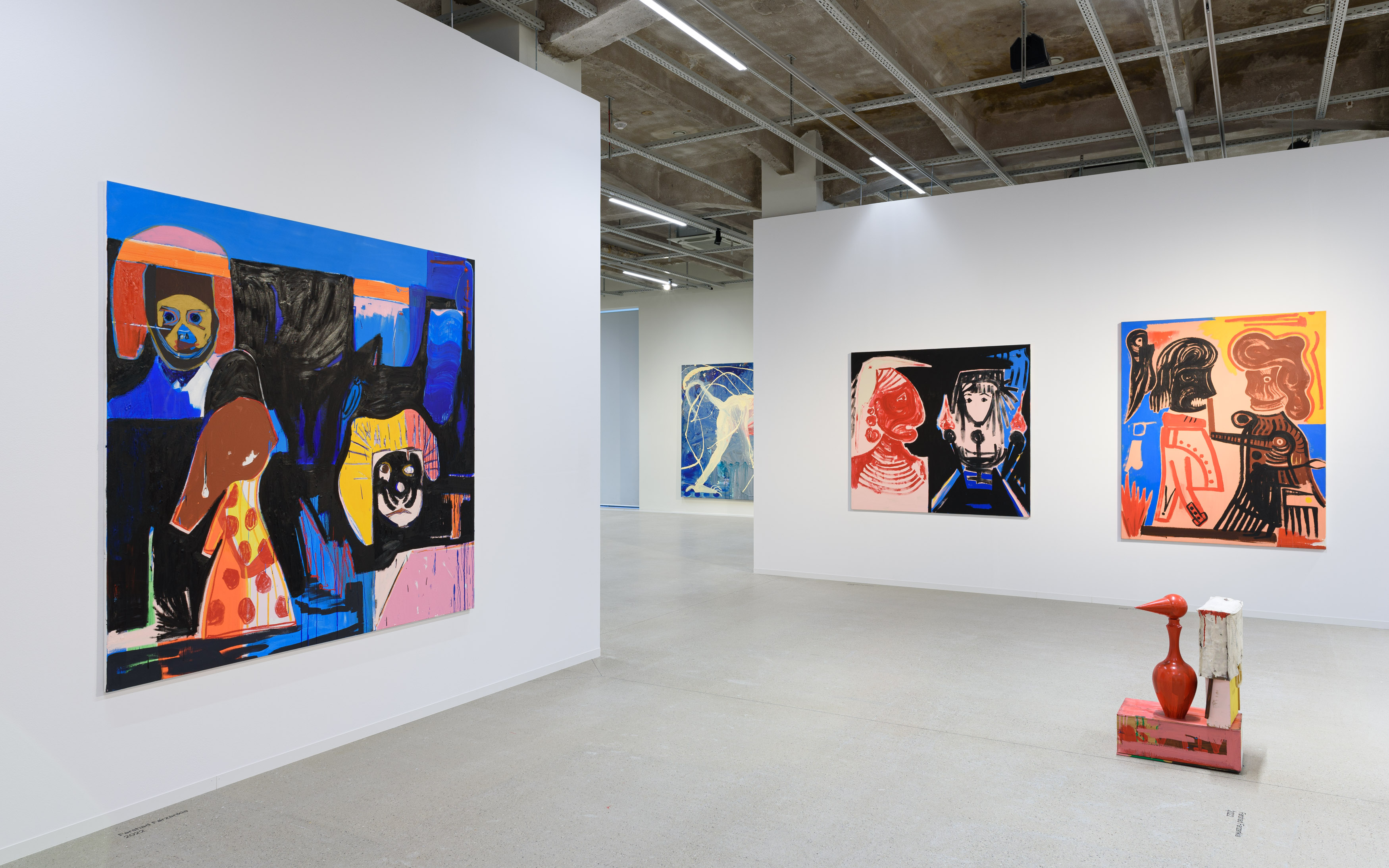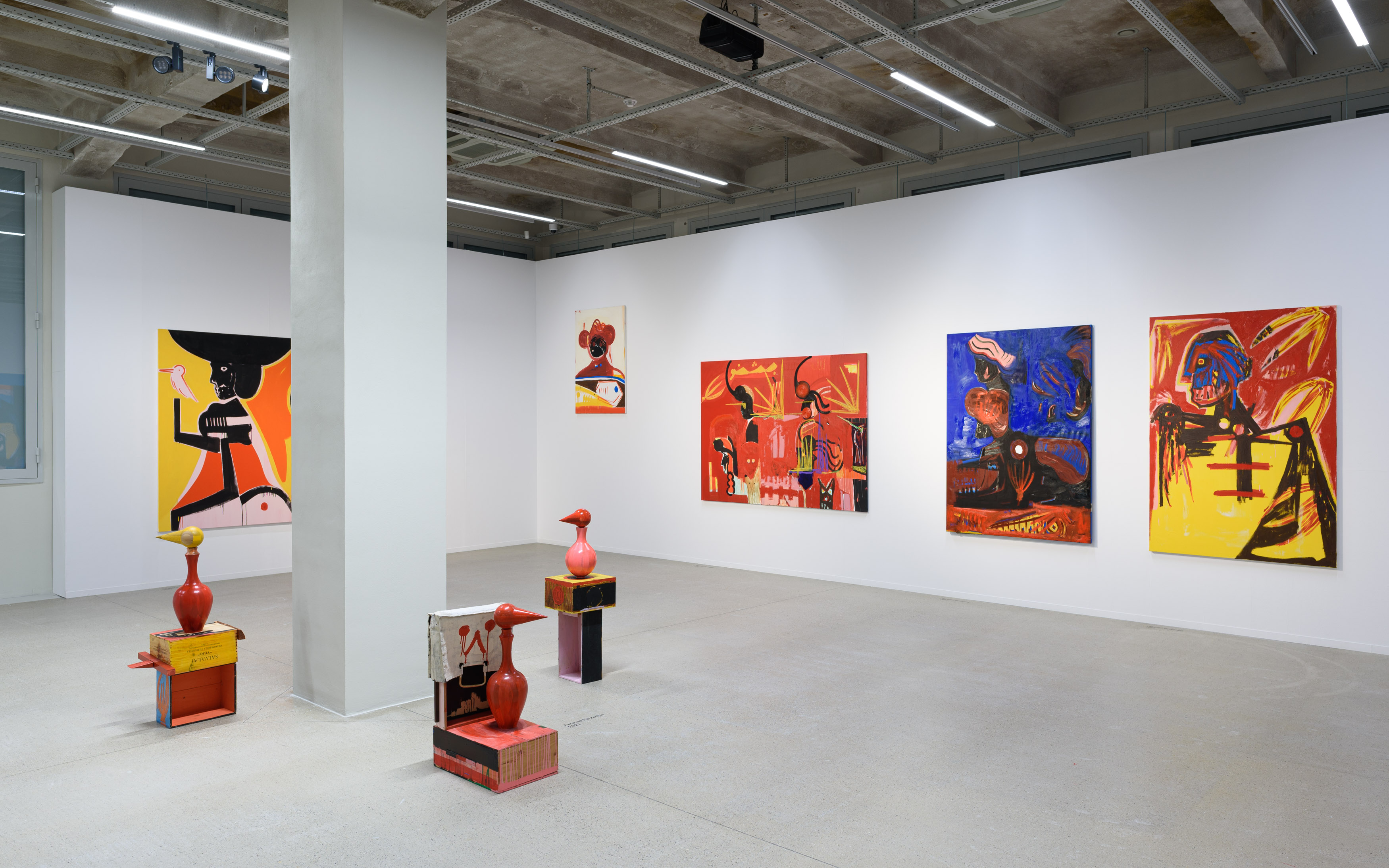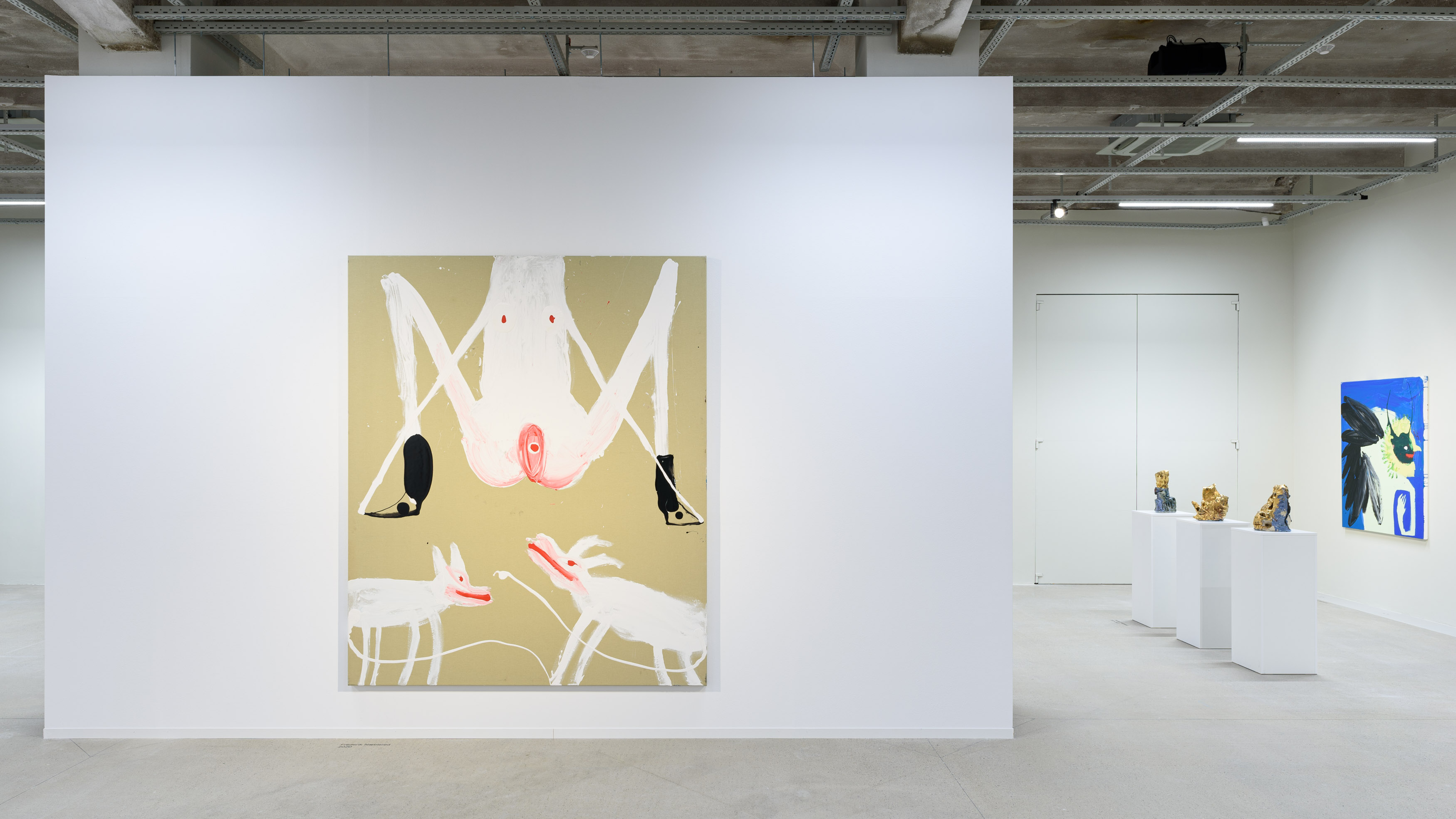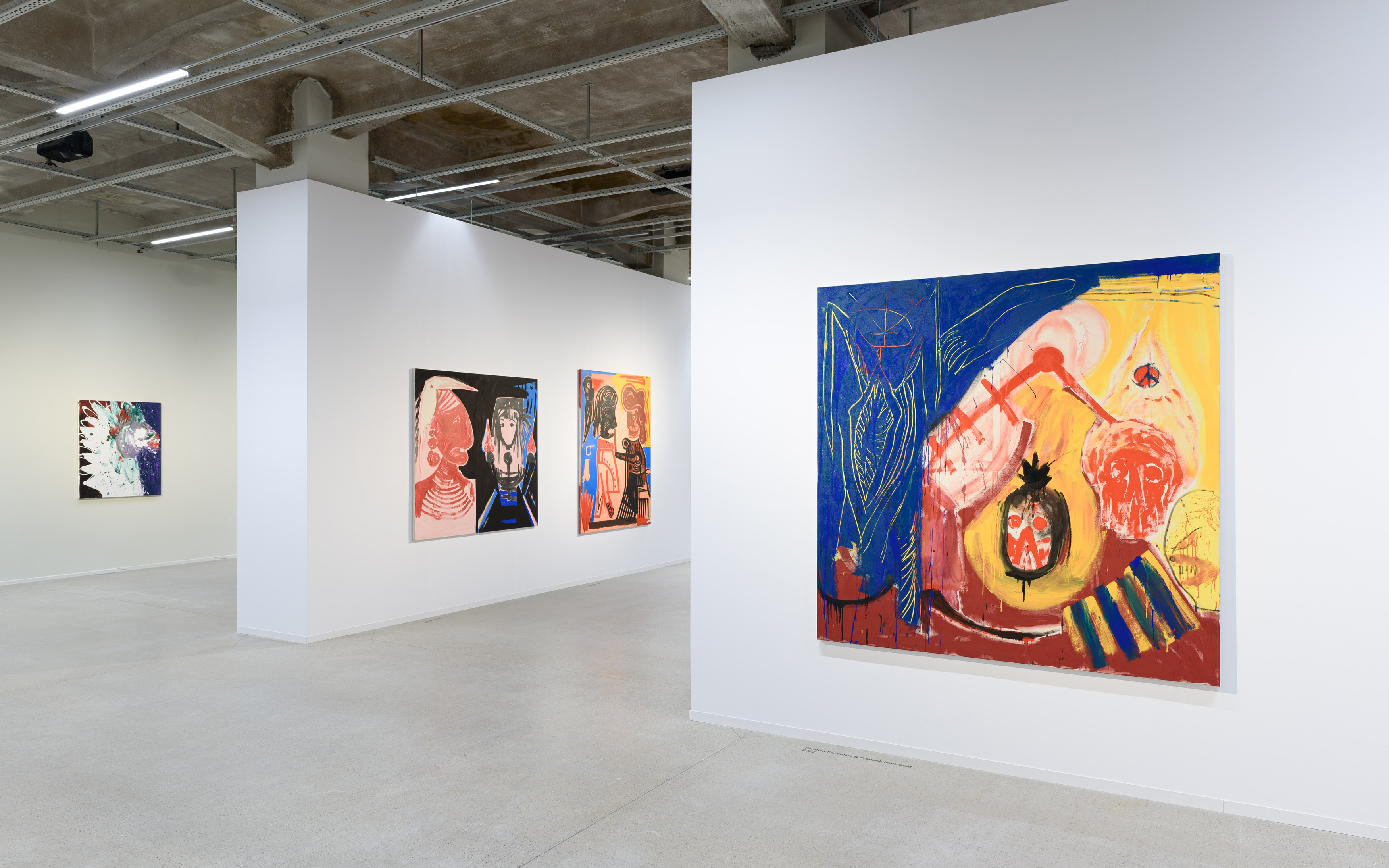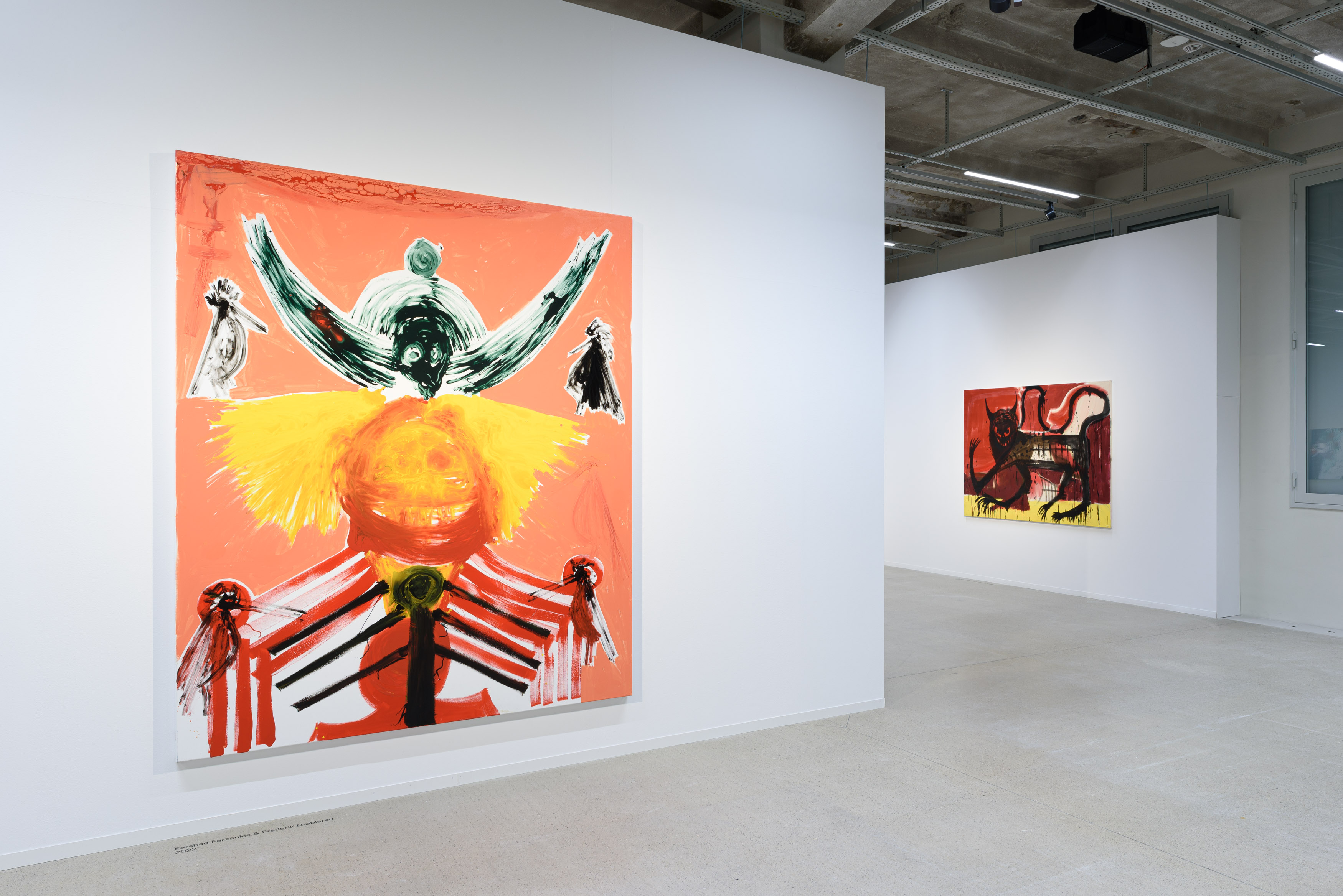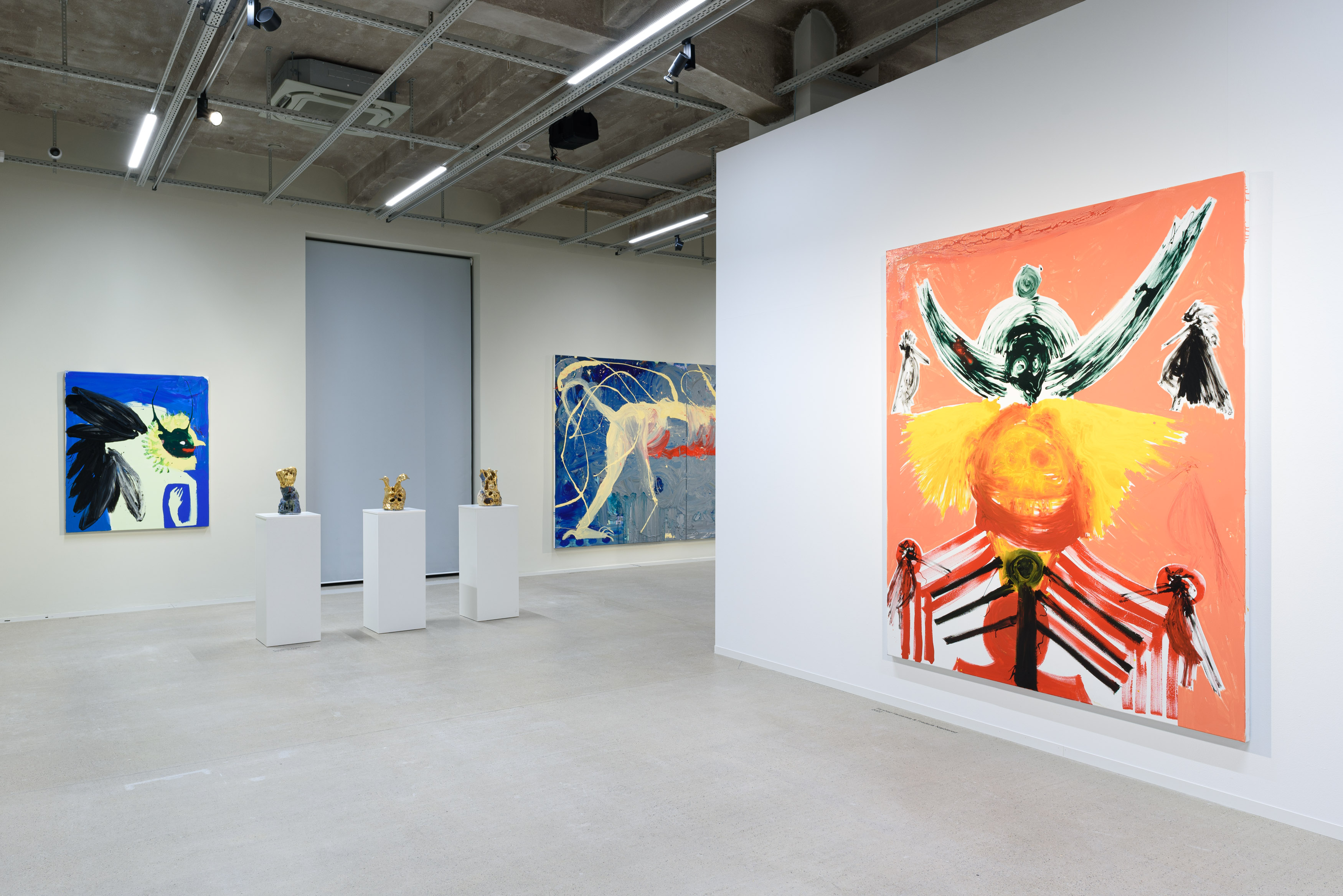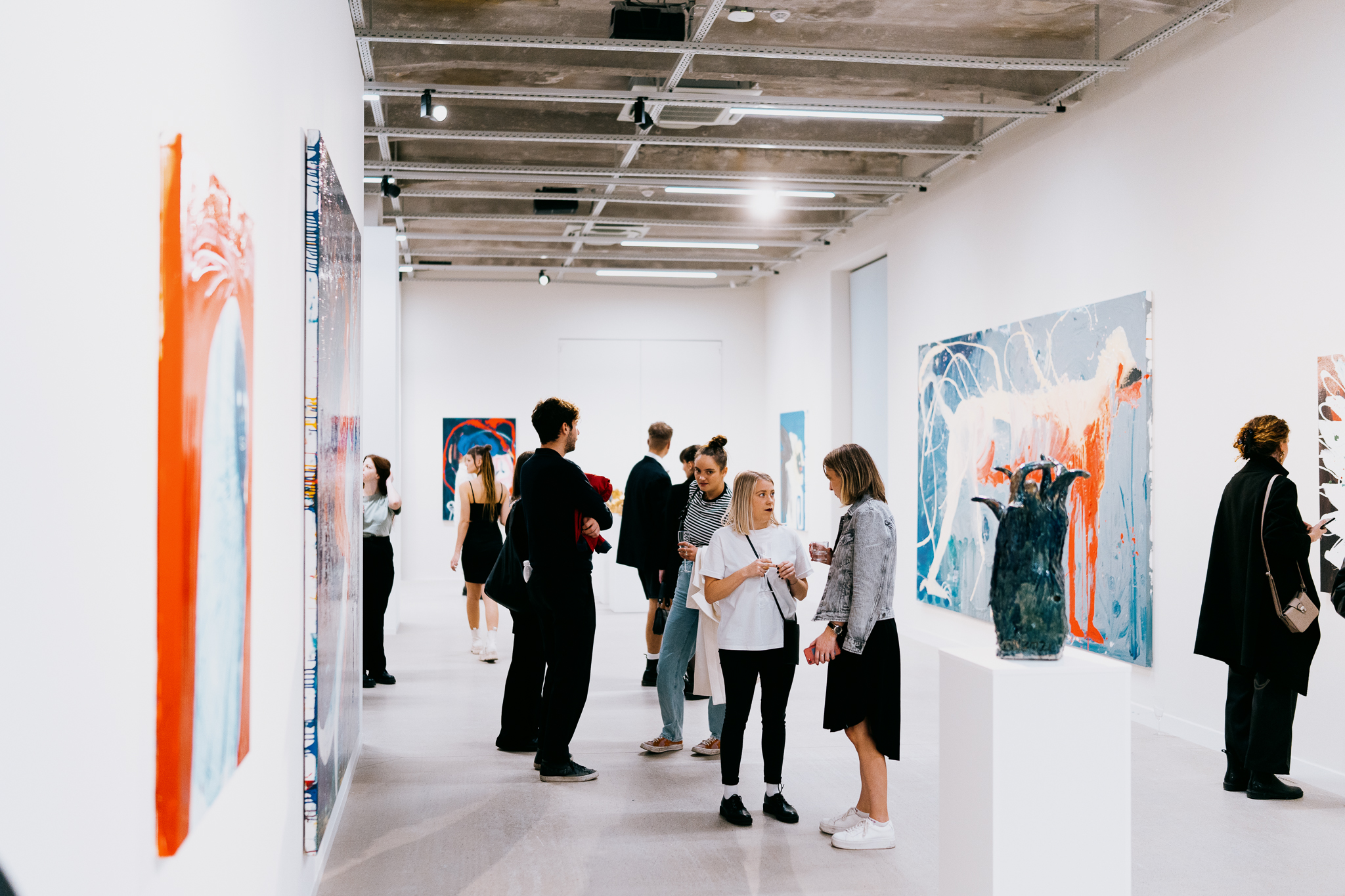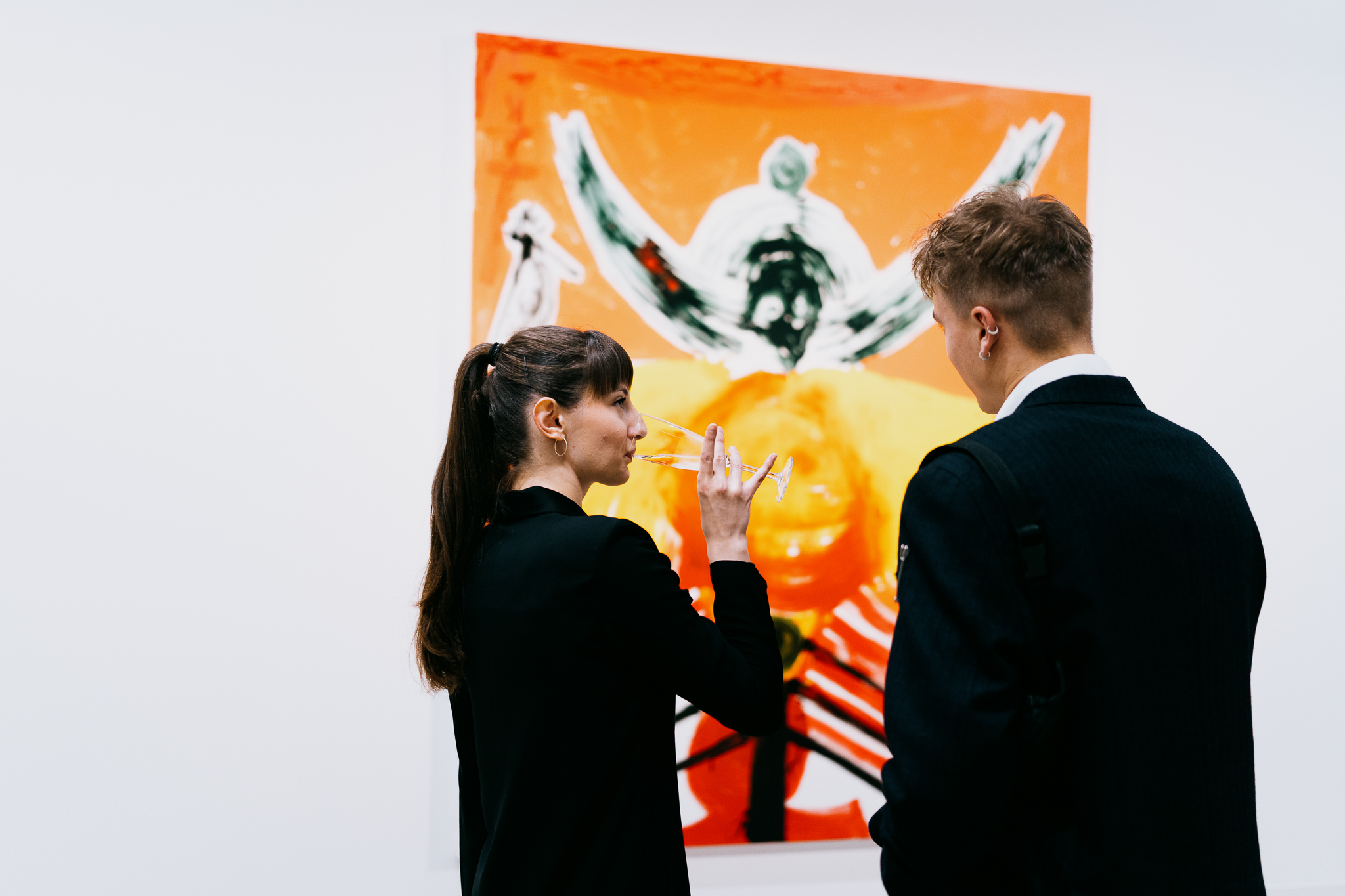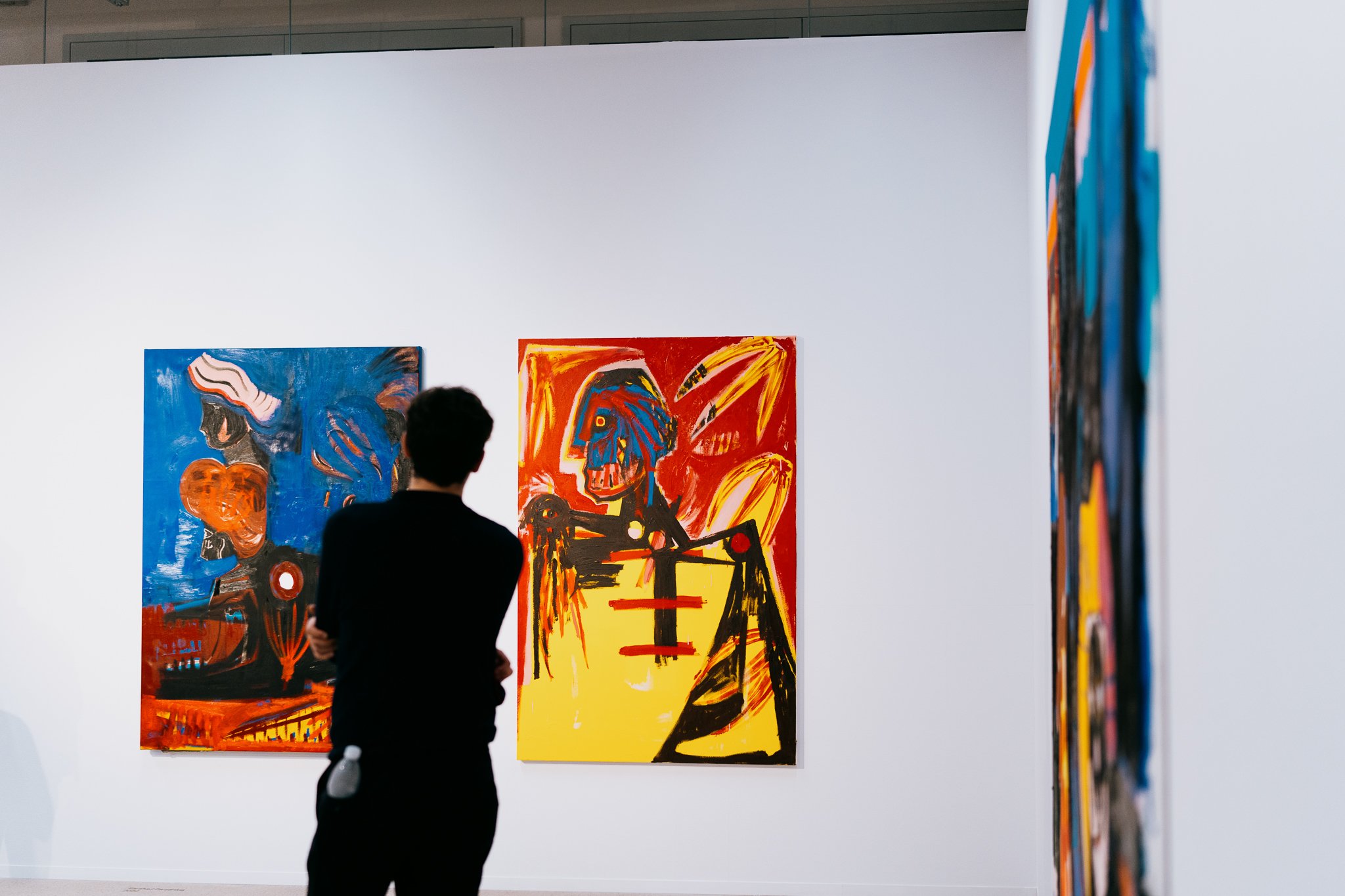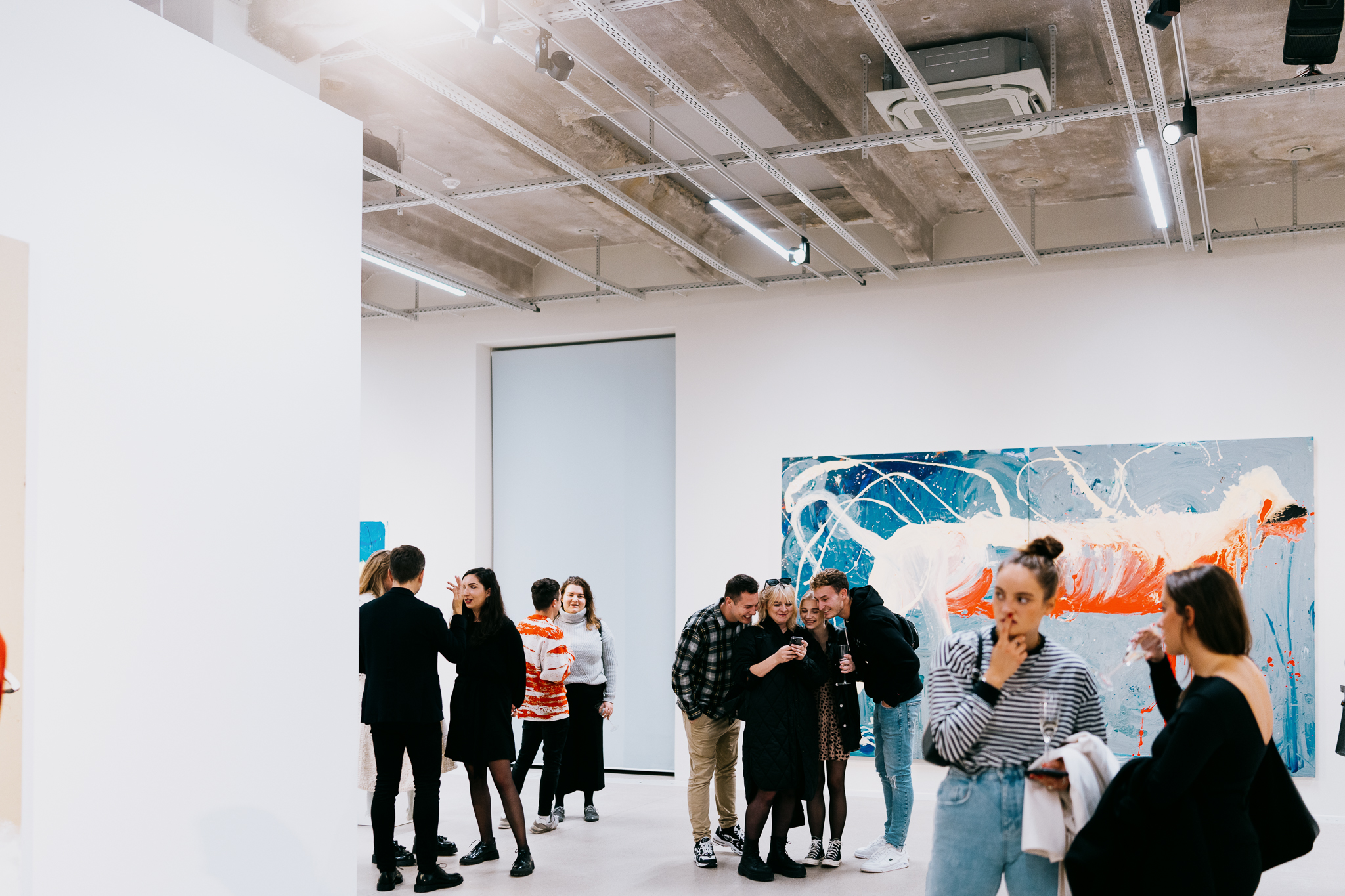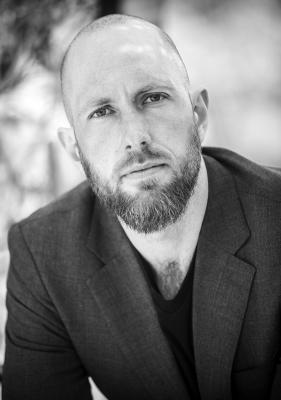
Christian Kortegaard Madsen (*1985) is a Danish curator and museum director. He is a member of the board of the Aarhus Academy of Fine Arts and curator of the current Telegraph Gallery exhibition Farshad Farzankia & Frederik Næblerød: LAZY 8. Madsen has experience working with a wide range of historical and contemporary art, and is currently engaged in experimental and critical art that questions institutions, opinions and conventions. In this context, he also conducts research in psychoanalysis, phenomenology, critical theory and semiotics. He has curated several exhibitions in Denmark and abroad and has published numerous articles and publications on art.
What brought you to visual art?
I've always been interested in art, since I was a kid I was much closer to visual culture than, say, school or sports. But later, paradoxically, sport became a big part of my life and I started studying physiotherapy. But I quickly realized that I had to follow my instincts, which had always drawn me to the field of visual communication, and I changed my field and became an art historian. I have never regretted that decision and am truly grateful to be able to pursue something that I love, that challenges me, keeps me alive and intellectually and aesthetically stimulating.
How did you get into curating? What do you consider to be a significant moment in your career?
I originally wanted to become a researcher at a university, but life led me to a career as a curator and I quickly realised that I would be much closer to art if I focused on curating. In addition, I also understood that research often involves creating simulacra without a real relationship with the artist or the artwork itself. While I still do research today, publishing peer reviews, I also advocate a less conventional and freer approach.
A few years ago I organized a major international exhibition called Art Strikes Back-From Banksy to Jorn at the amazing Museum Jorn in Silkeborg, Denmark. There I worked with the greatest historical and contemporary artists and spent a lot of time immersed in the depths of art. I learned a lot through this and became close to some of the greatest sources of inspiration in the international art world.
What artists have you had the opportunity to work with? And who would you like to work with in the future?
I have worked with a long list of well-known and unknown artists. There have been some really big names among them, but also some that history will hardly remember. Most recently, I met Farshad Farzankia and Frederik Næblerød, two great people whom I consider close friends.
Have you had any other exhibition projects in the Czech Republic? What is your relationship to our country and is there anything that has attracted you about the local culture?
Though this is the first time I have been involved in an exhibition project in the Czech Republic, I have been treating the Czech Republic as my second home for the last few years because my wife Hana is Czech. We lived in Brno for a few months before the Covid-19 pandemic and had a wonderful time there. I really enjoy Czech culture, I find it very complex and interesting. I love spending time here and always look forward to coming back.
What makes contemporary Danish, or Nordic art in general, specific? How does it differ from Central European ones?
As far as art is concerned, in Denmark we have always tended to copy the major European art movements. I think this has allowed us to keep "something going" in Denmark, which is less geographically connected to the European continent than, say, the Czech Republic. In the 1950s, however, original and brilliant artists emerged in this country as well, including the conceptual and intellectual abstract expressionist Asger Jorn. Jorn considered one of his missions to be the exploration and manifestation of the Nordic artistic tradition as a counterbalance to the dominant classical Mediterranean tradition. He used a less academic and intellectual methodology and advocated a more spontaneous and emotional approach. I don't think Jorn was wrong - I often find in contemporary Scandinavian art some fragments of this distinctive Nordic DNA he was trying to describe. And I think Næblerød and Farshad are great representatives of it.
How long have you been working with Frederik Næblerød and Farshad Farshanka and when did you first meet? What do these two artists have in common?
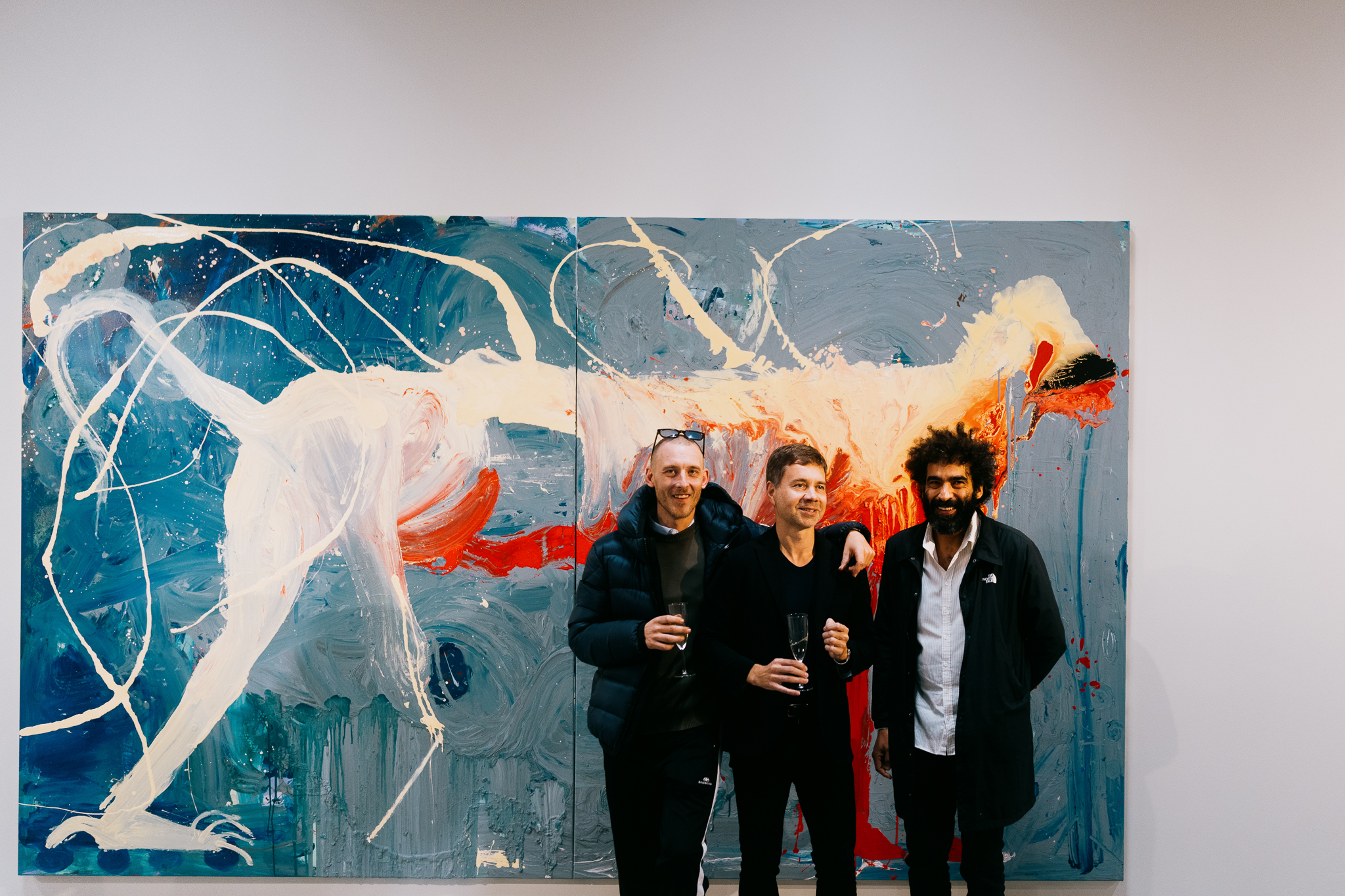
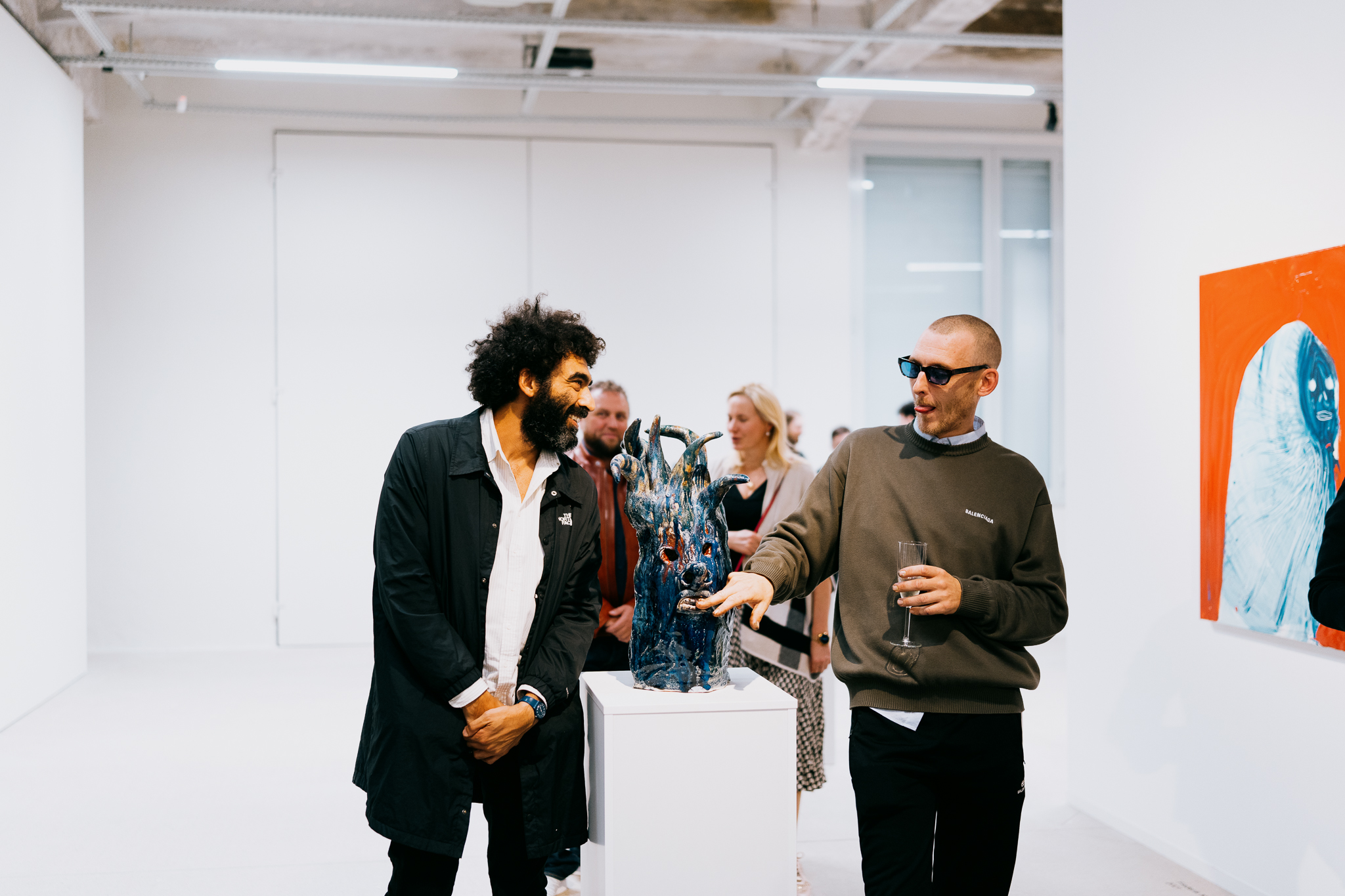
I have been following Frederik since he graduated from the Royal Danish Academy of Arts. At that time I considered him one of the most promising talents. And that is still true today! I was only introduced to Farshad by Frederik because they worked together and created several works together that had never been publicly exhibited until now. That's how the idea for this exhibition came about: to show two very different artists who somehow managed to create amazing works together.
Where did the idea of presenting the works of these two artists in the Czech Republic come from?
I wanted to come up with something completely original that would be on an international level. I wanted it to be something new, experimental, spontaneous and wild. I wanted it to inspire and entice. So I came up with this idea.
What can visitors to the Telegraph Gallery look forward to at LAZY 8? And why did you choose this title for the exhibition?
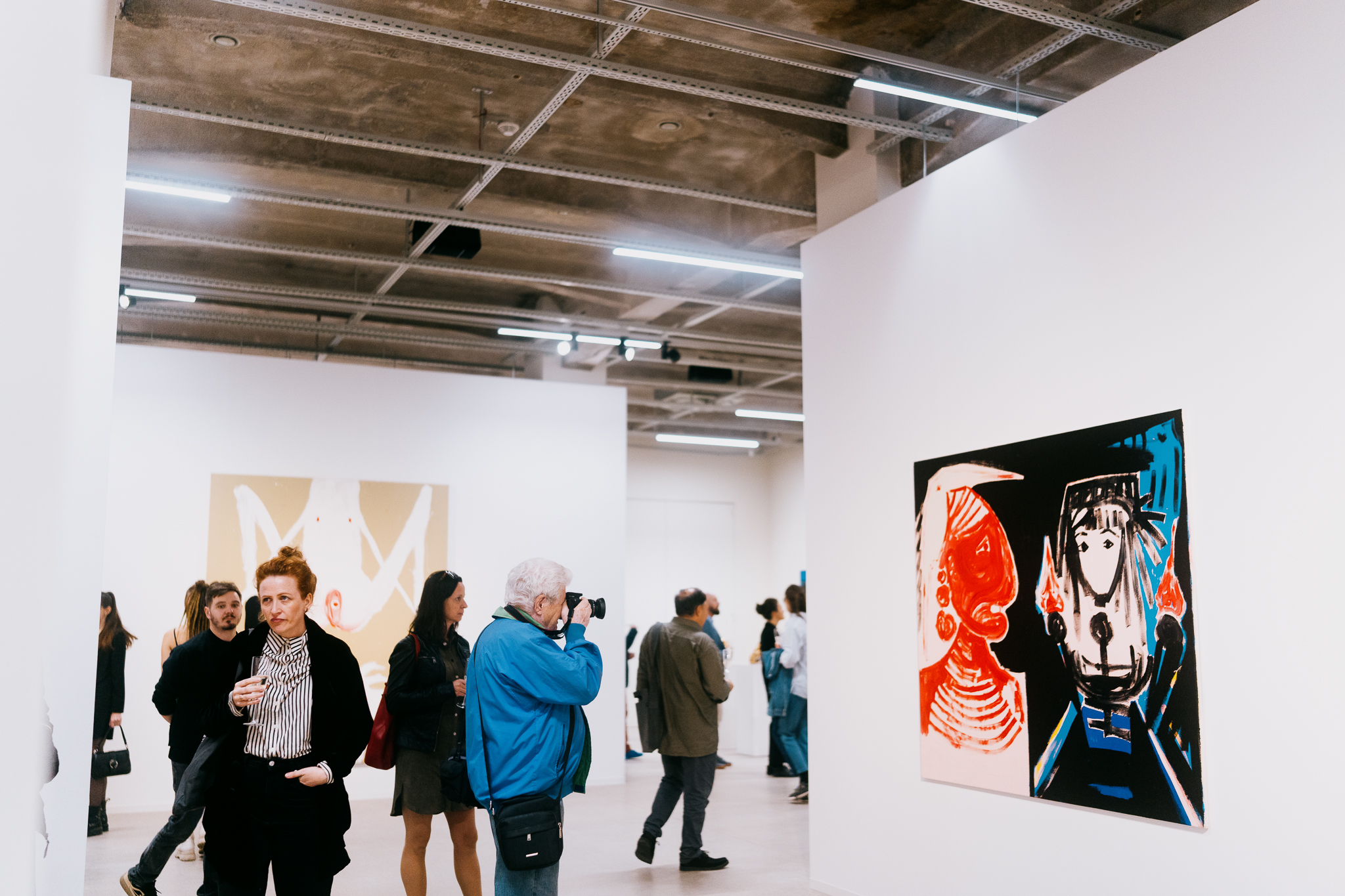
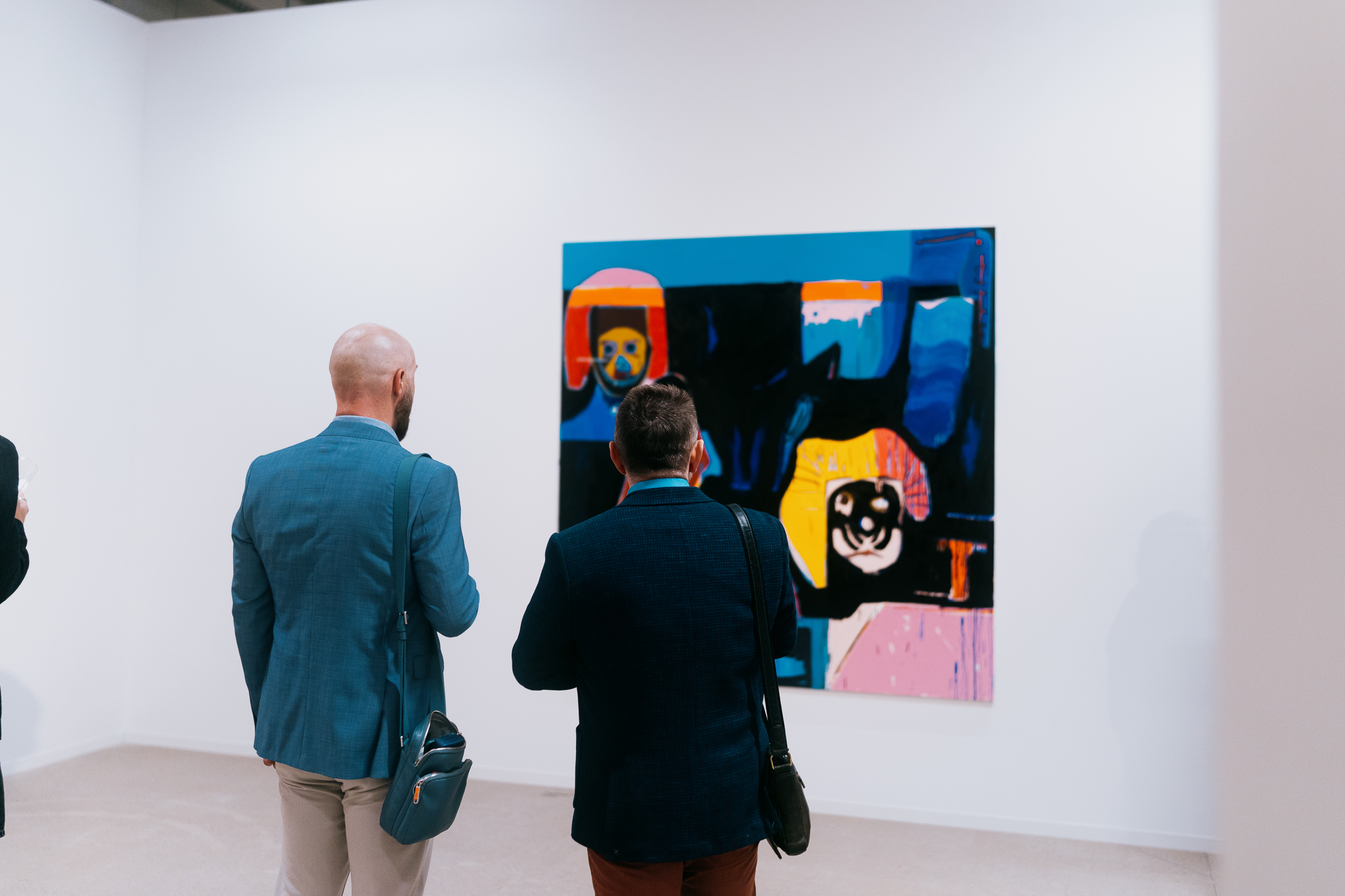
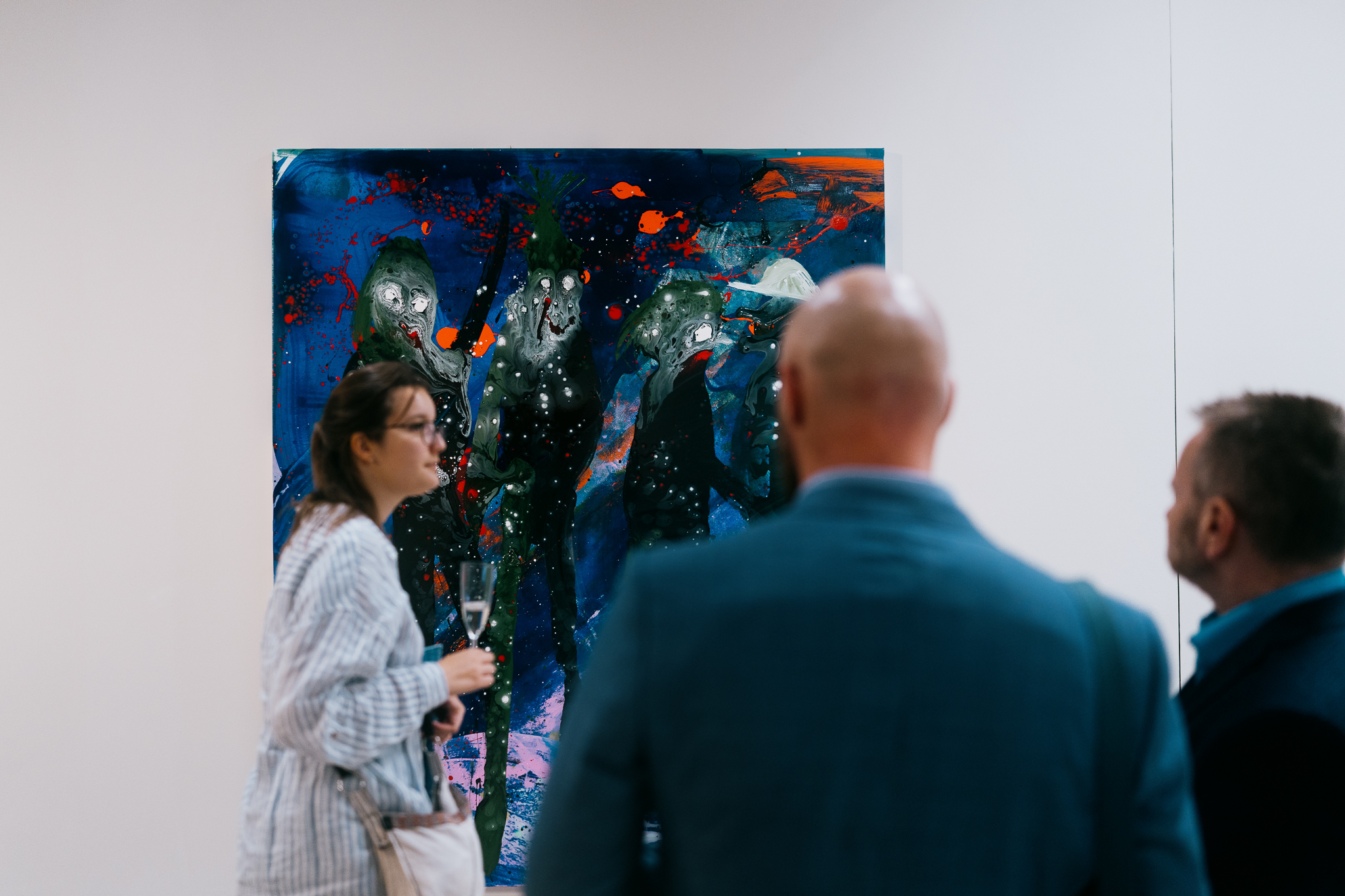
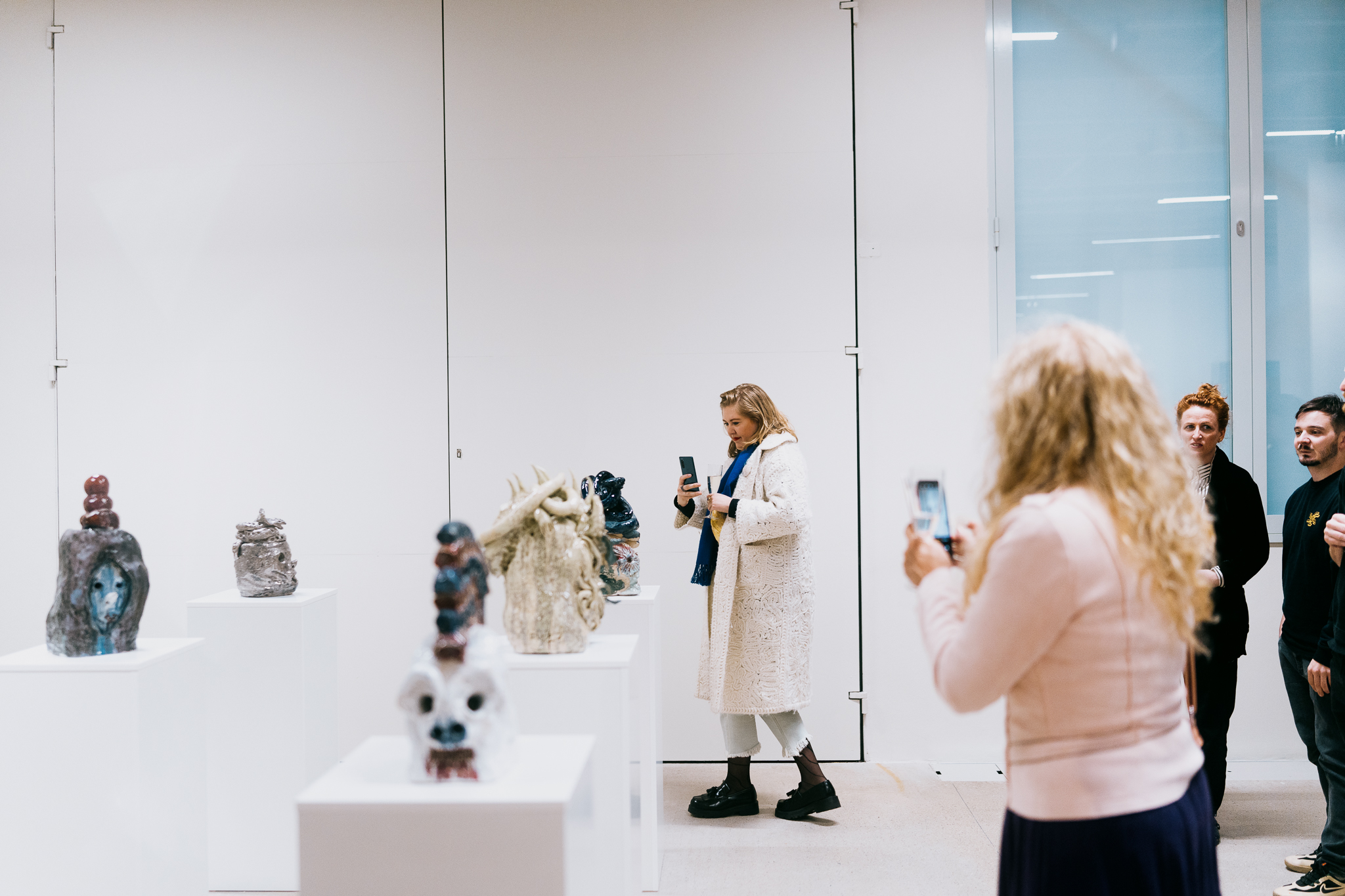
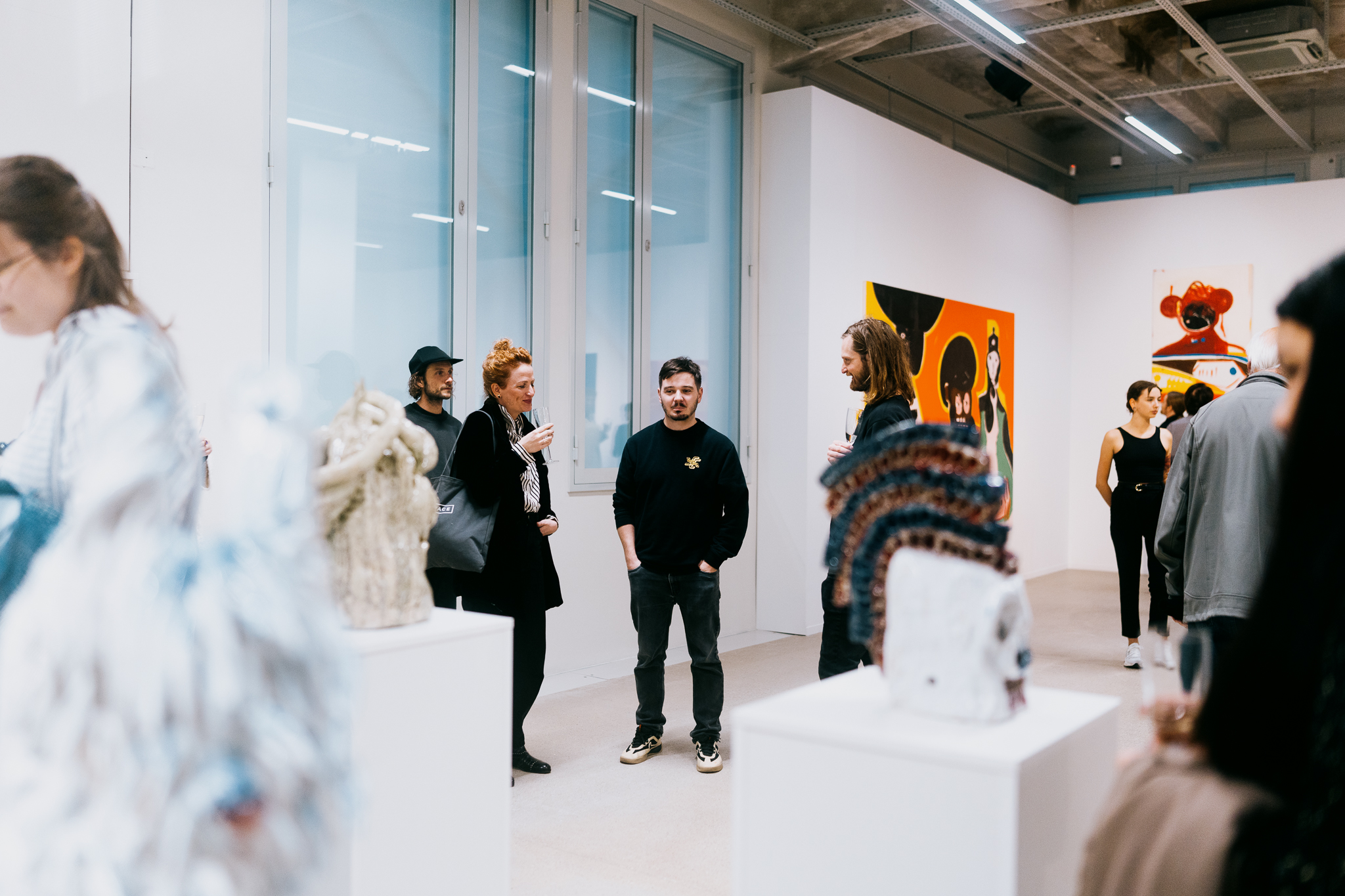
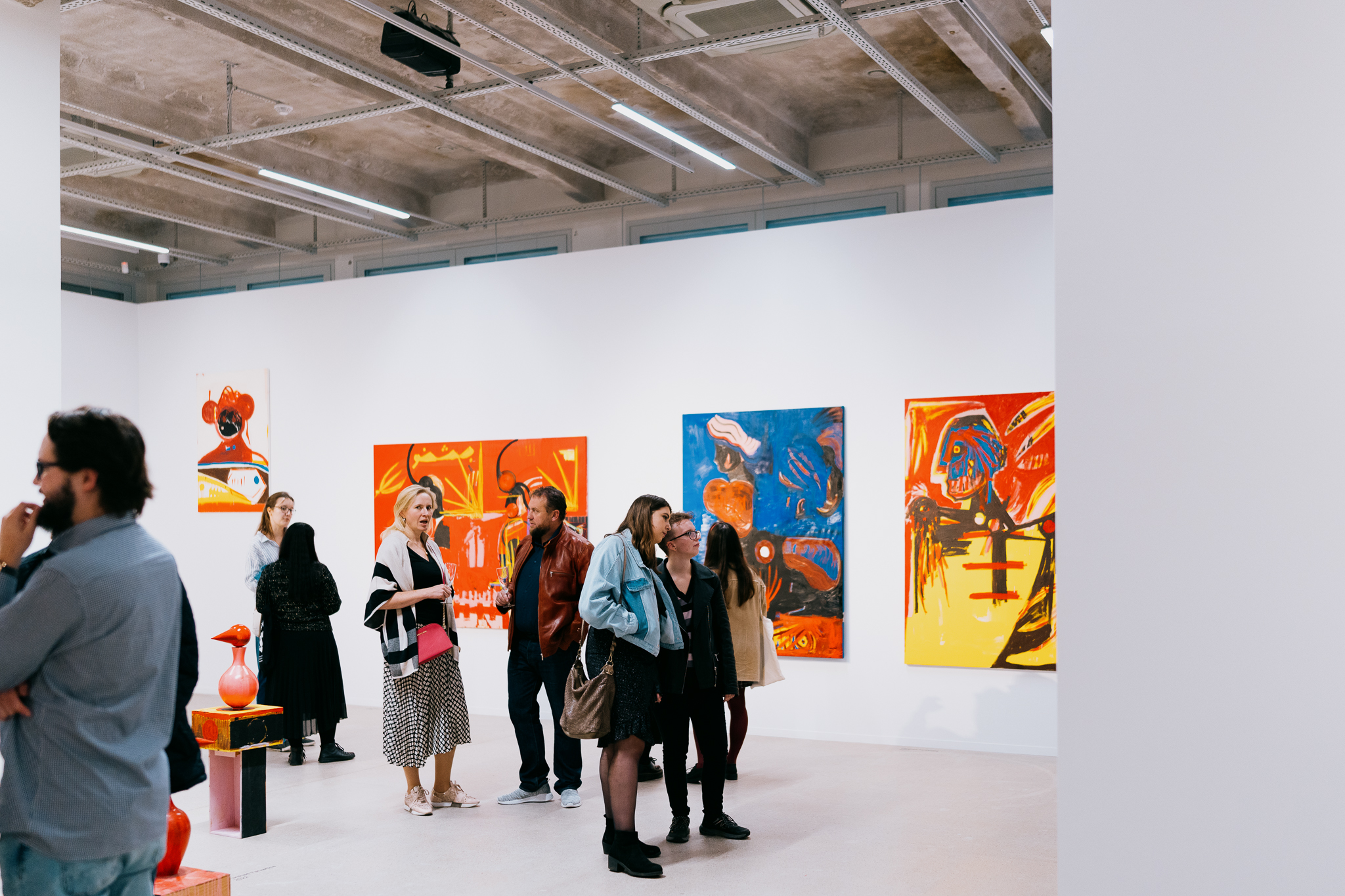
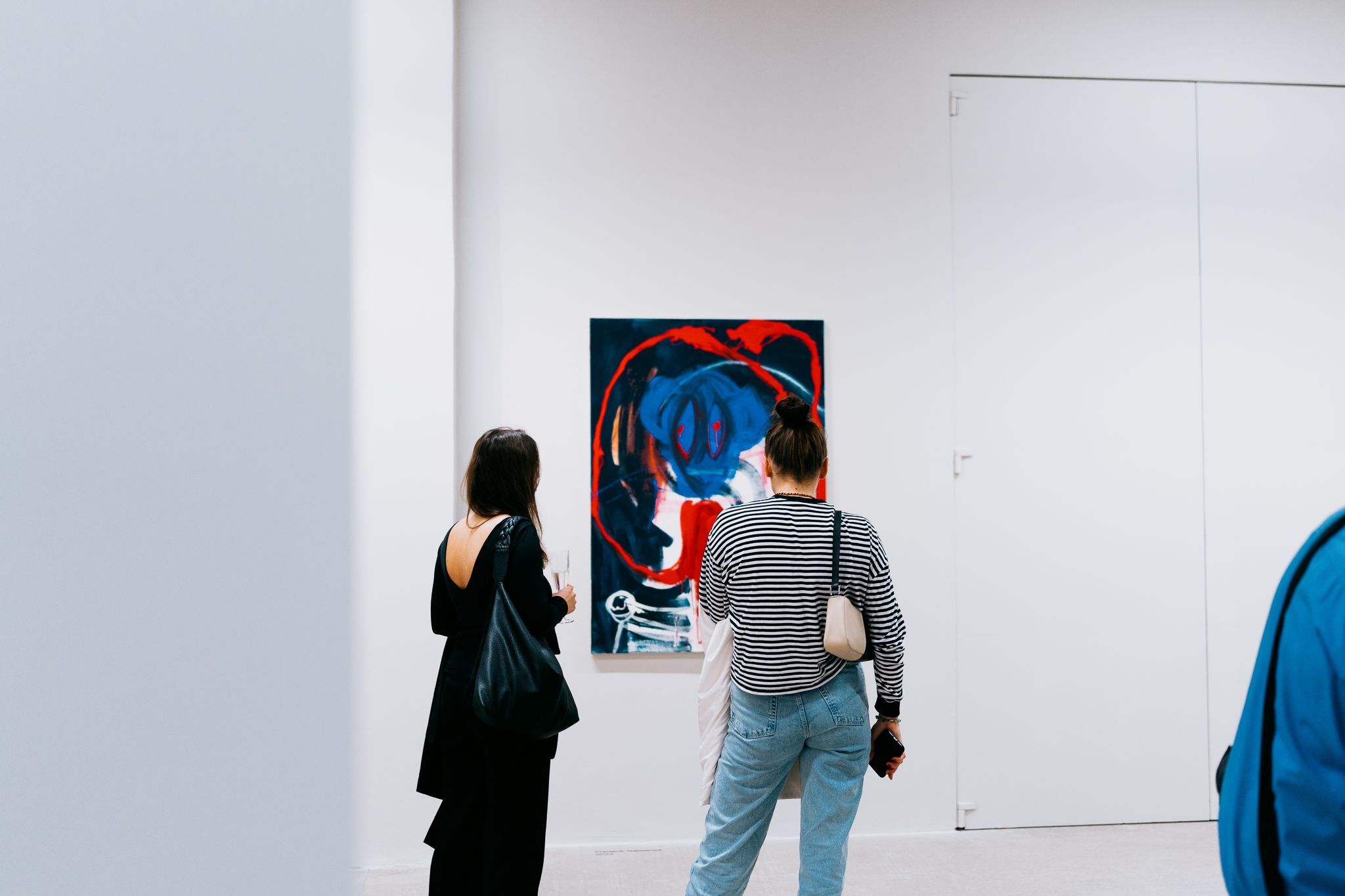
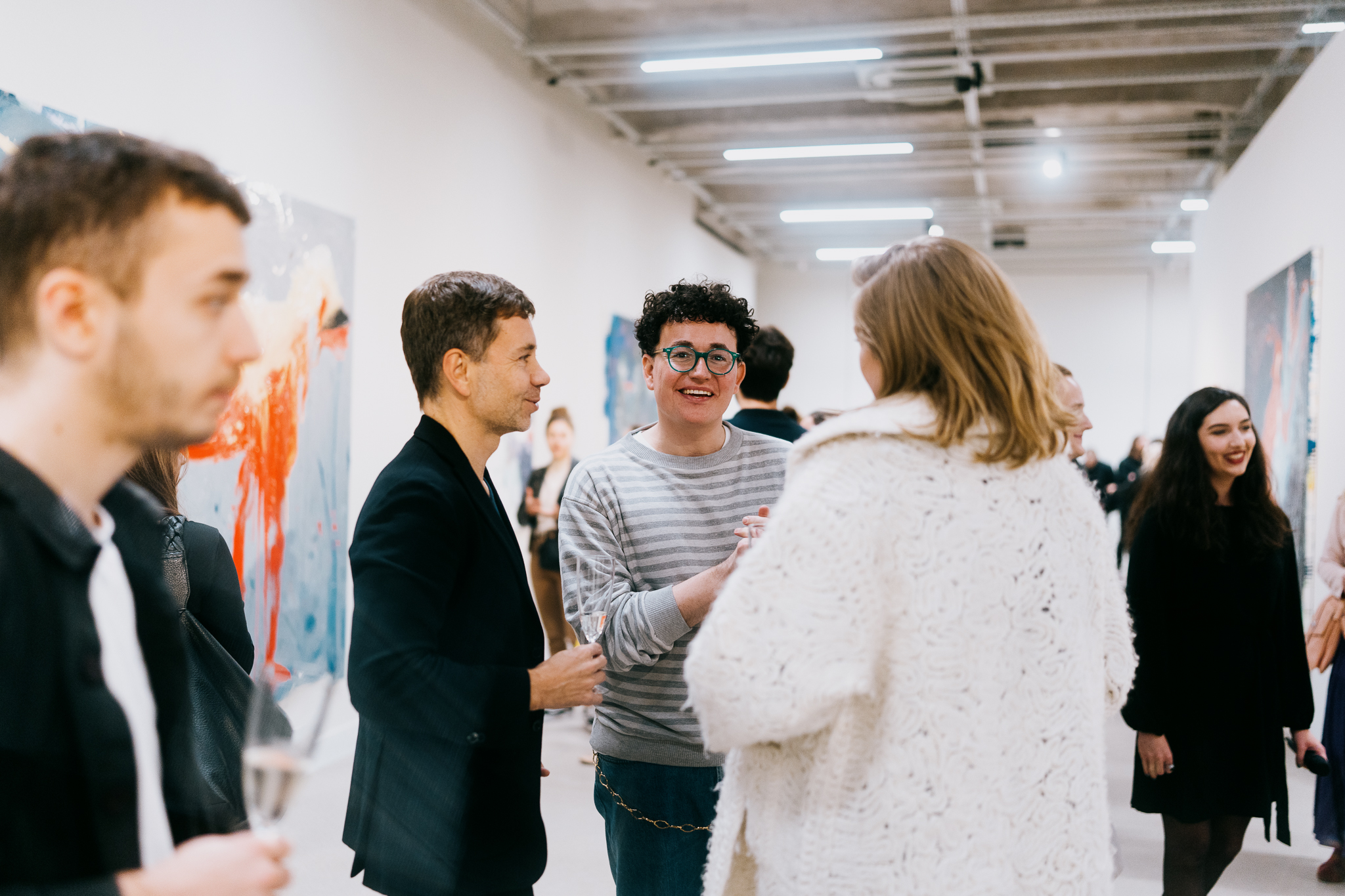
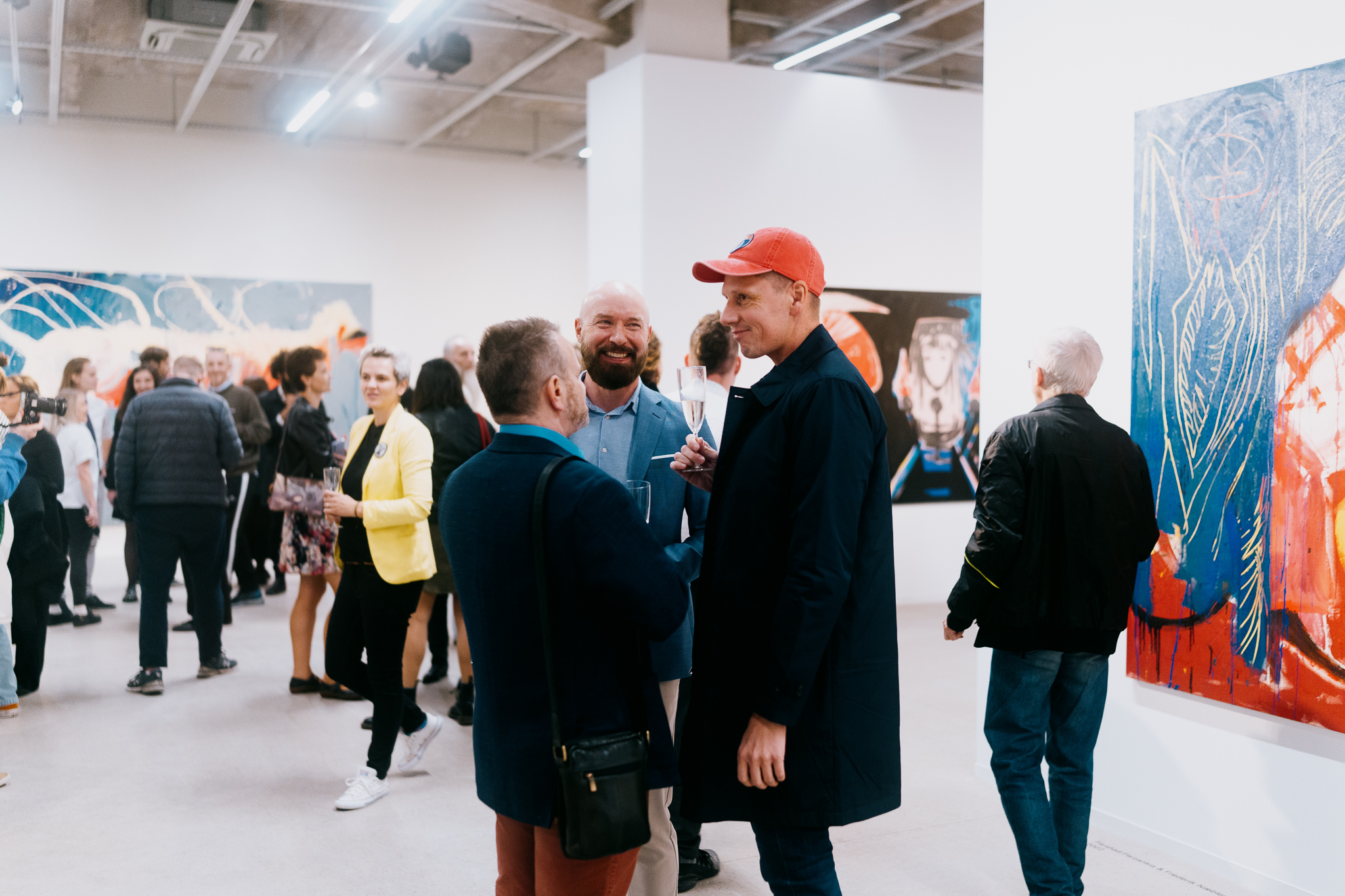
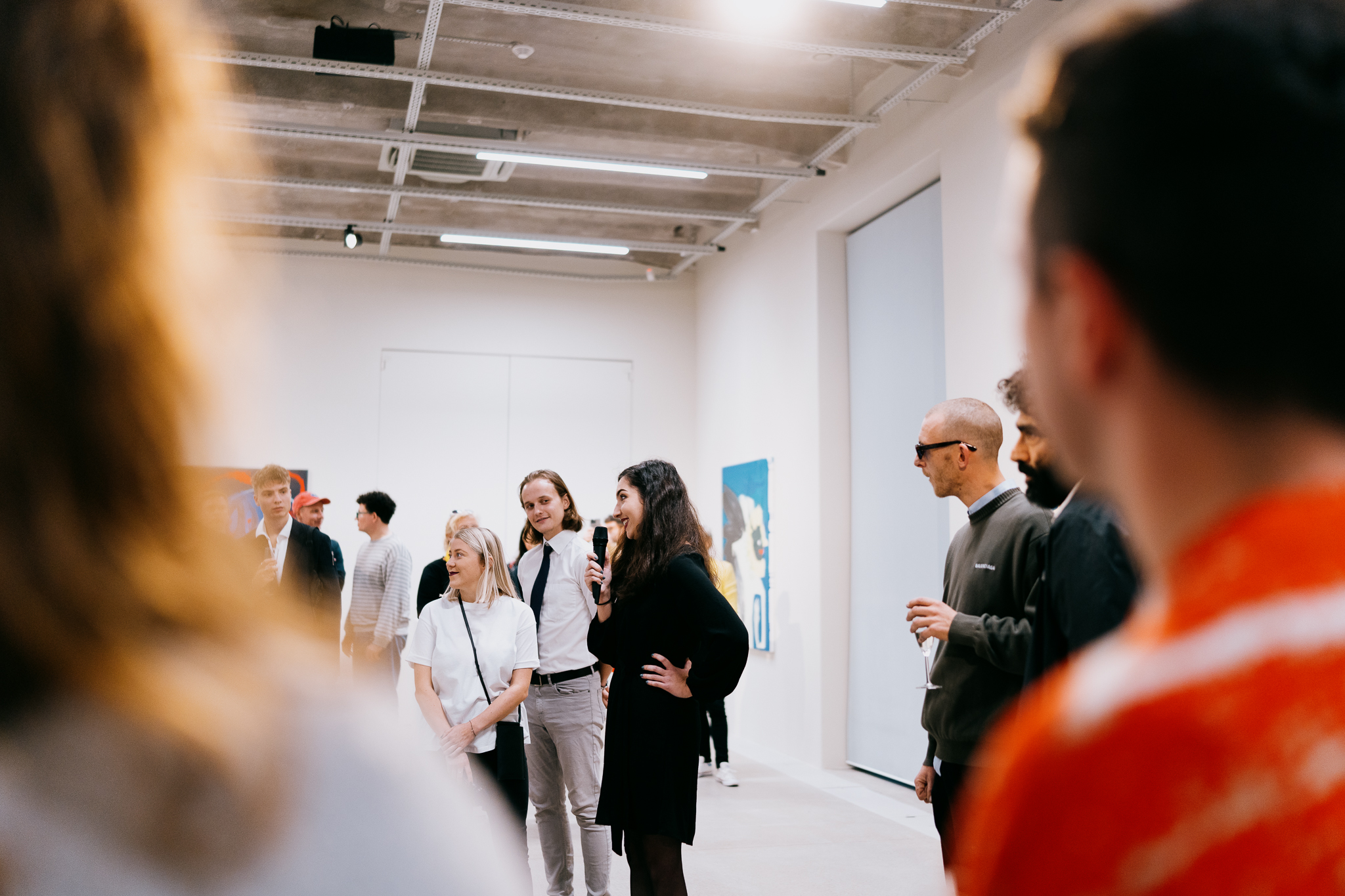
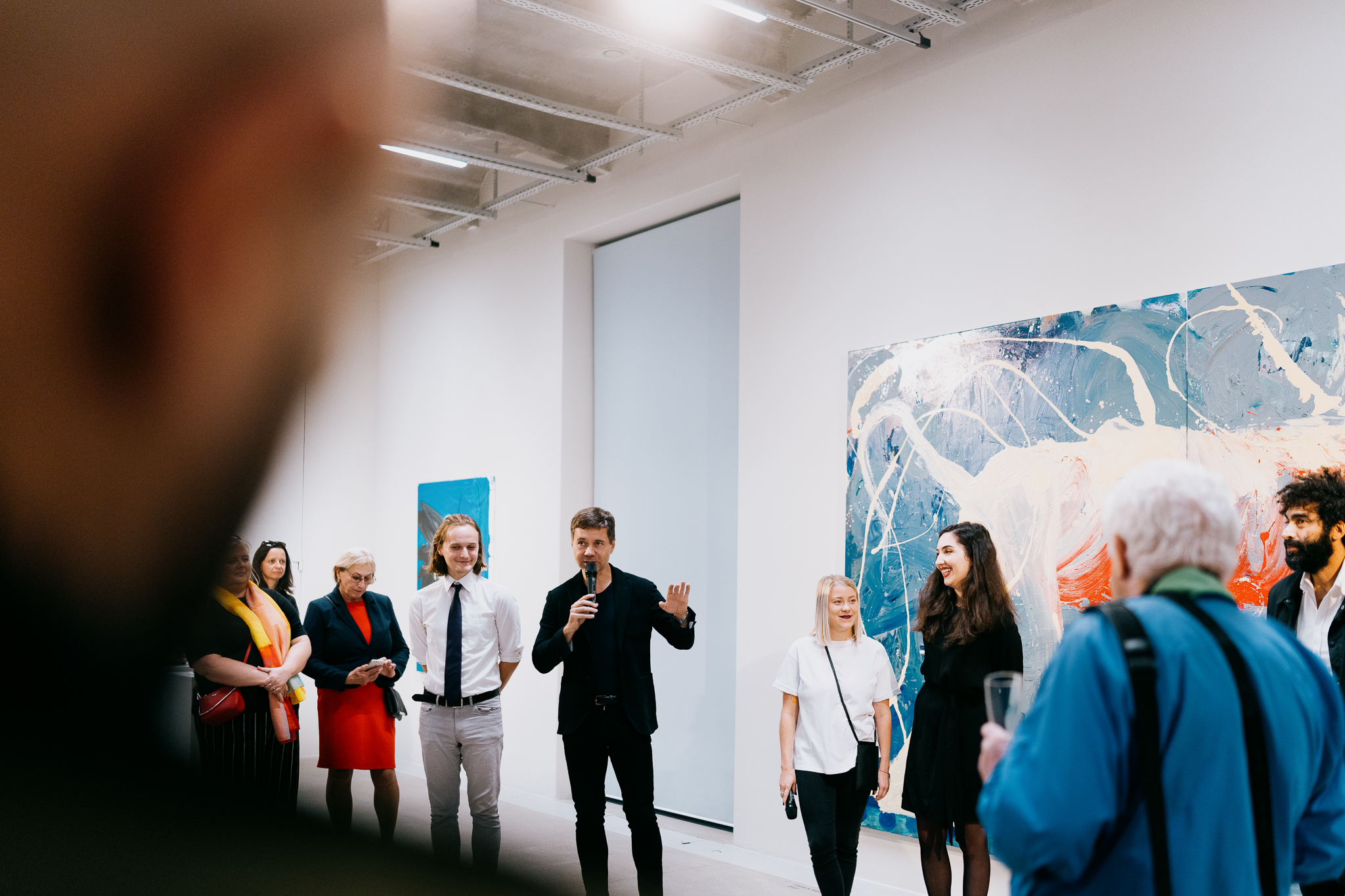
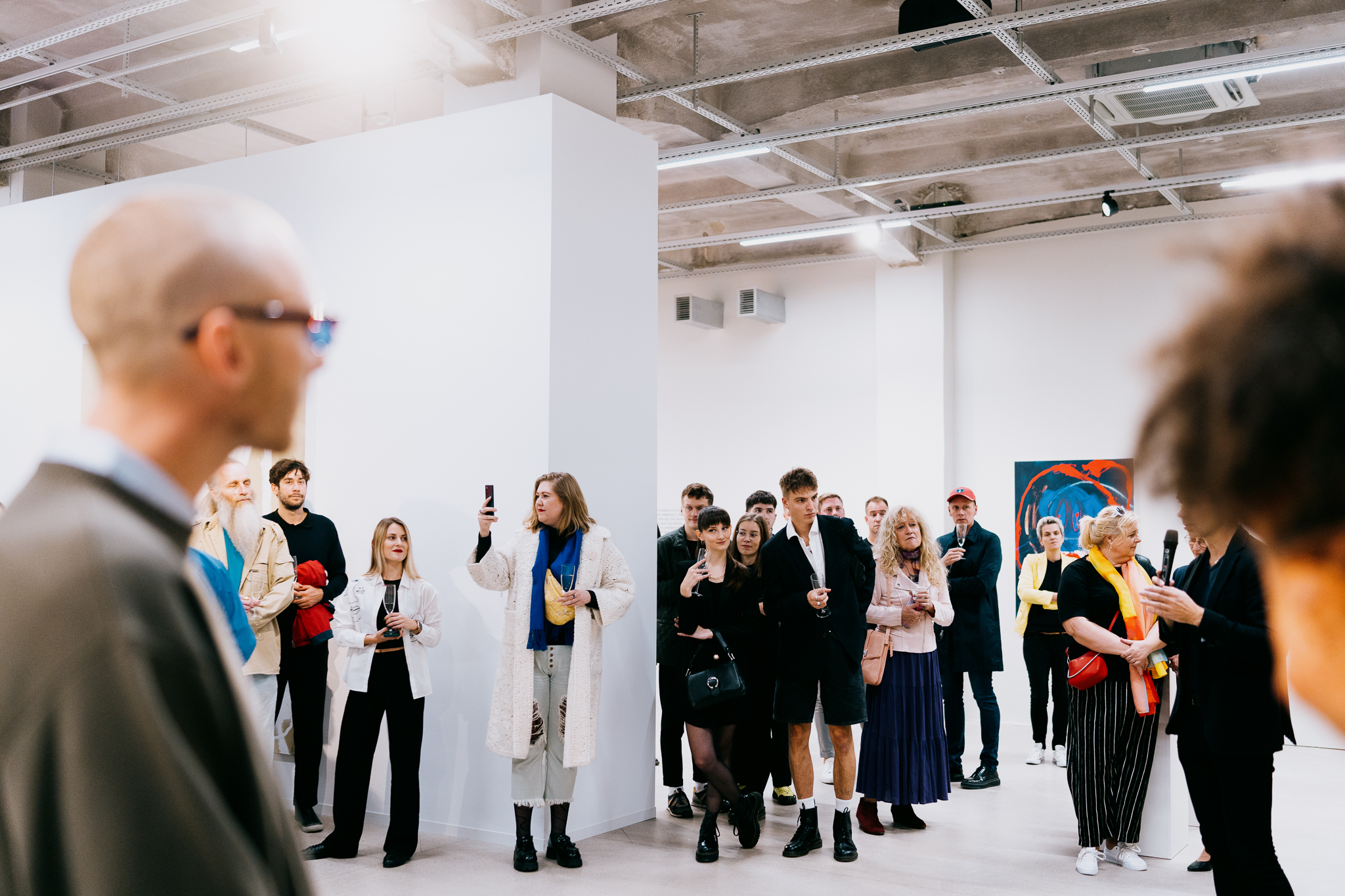
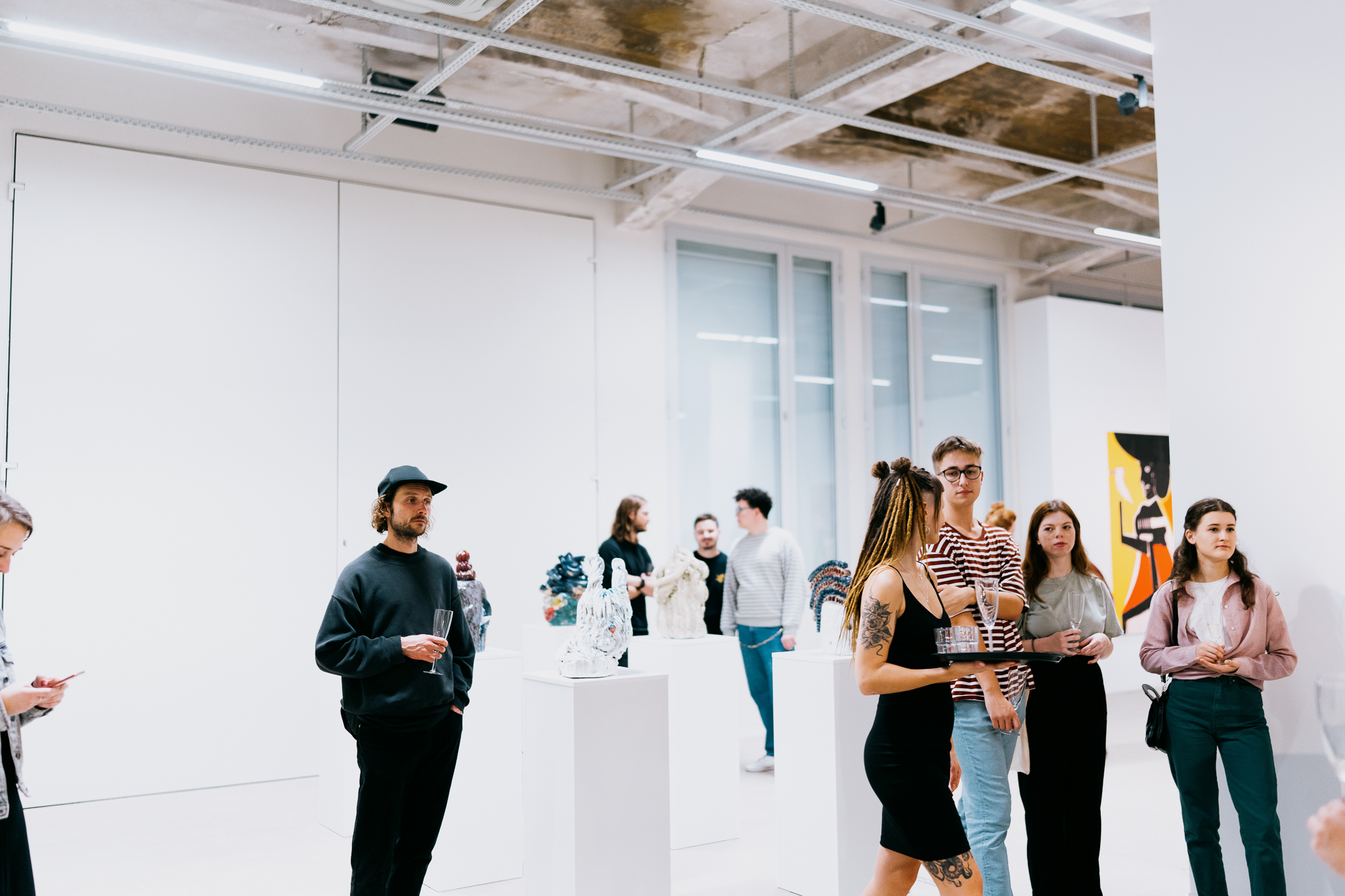
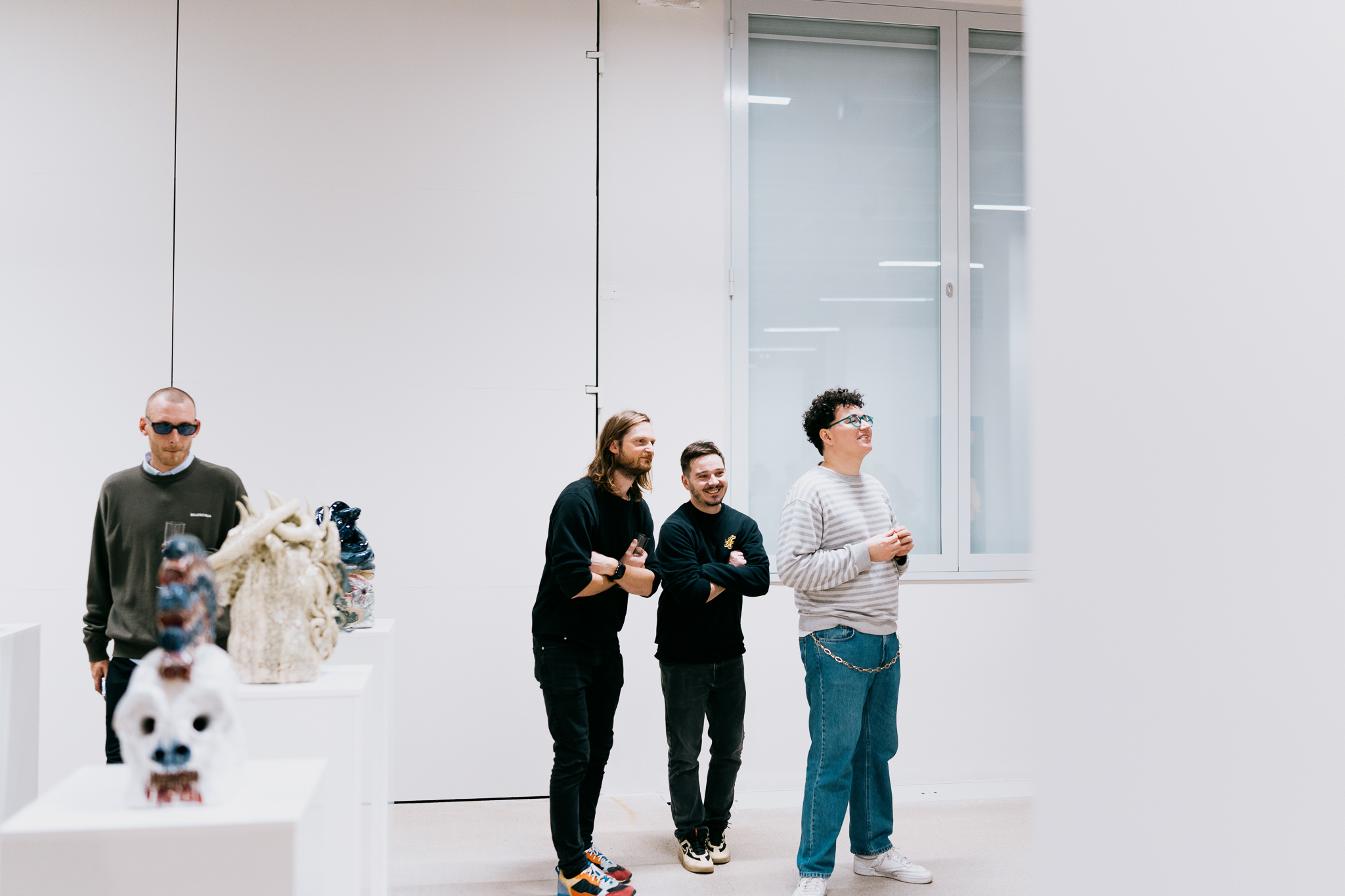
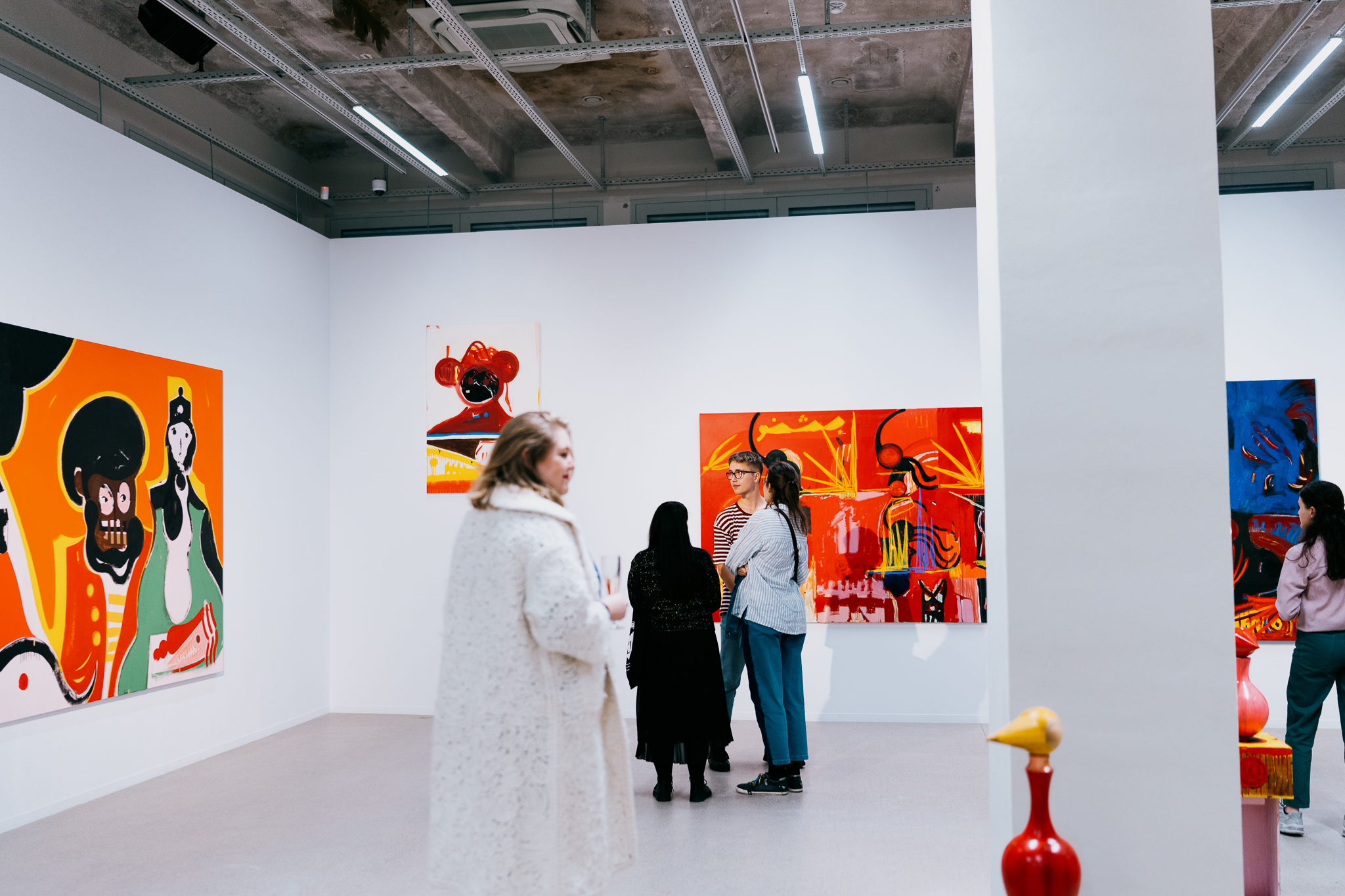
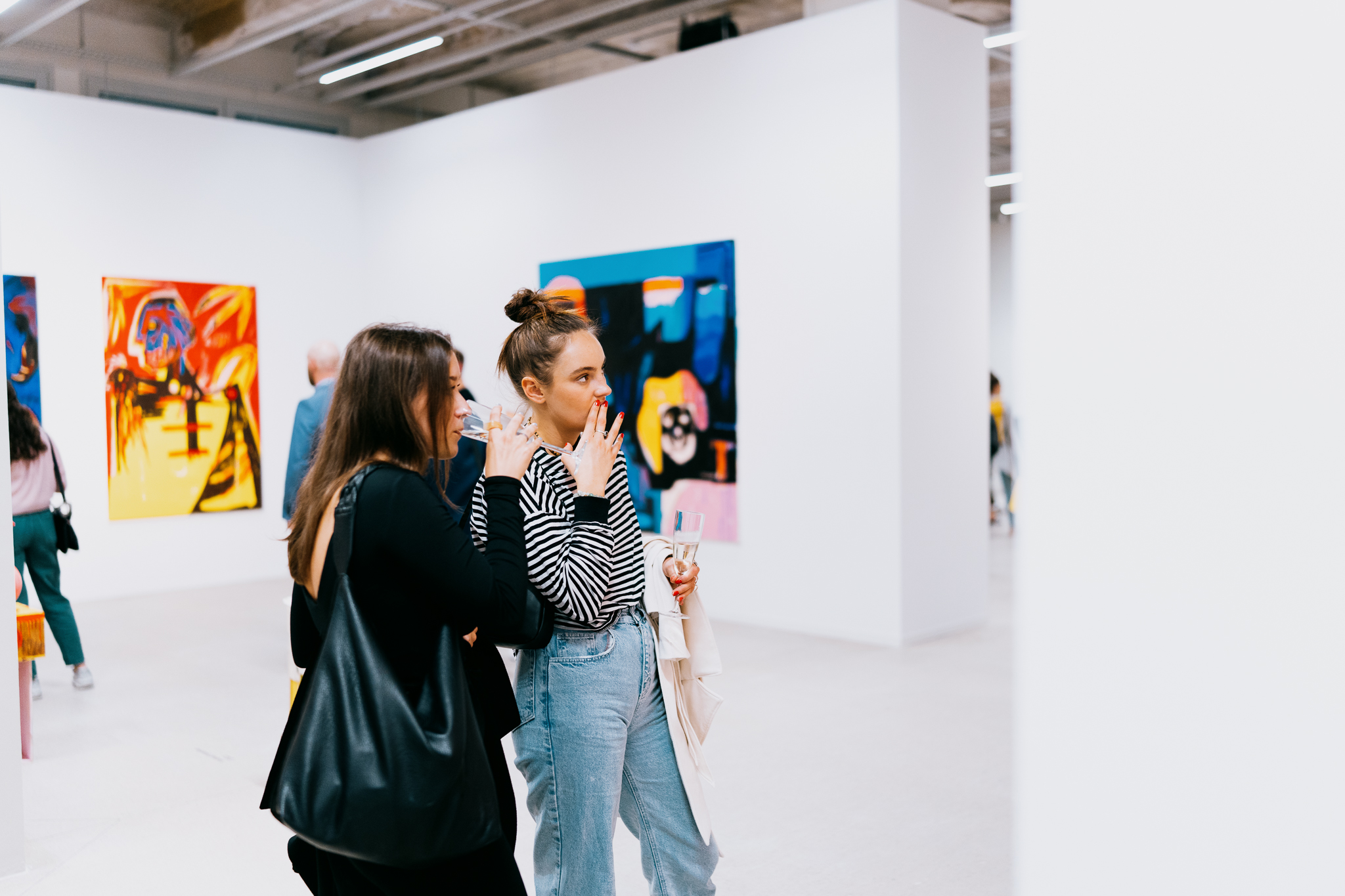
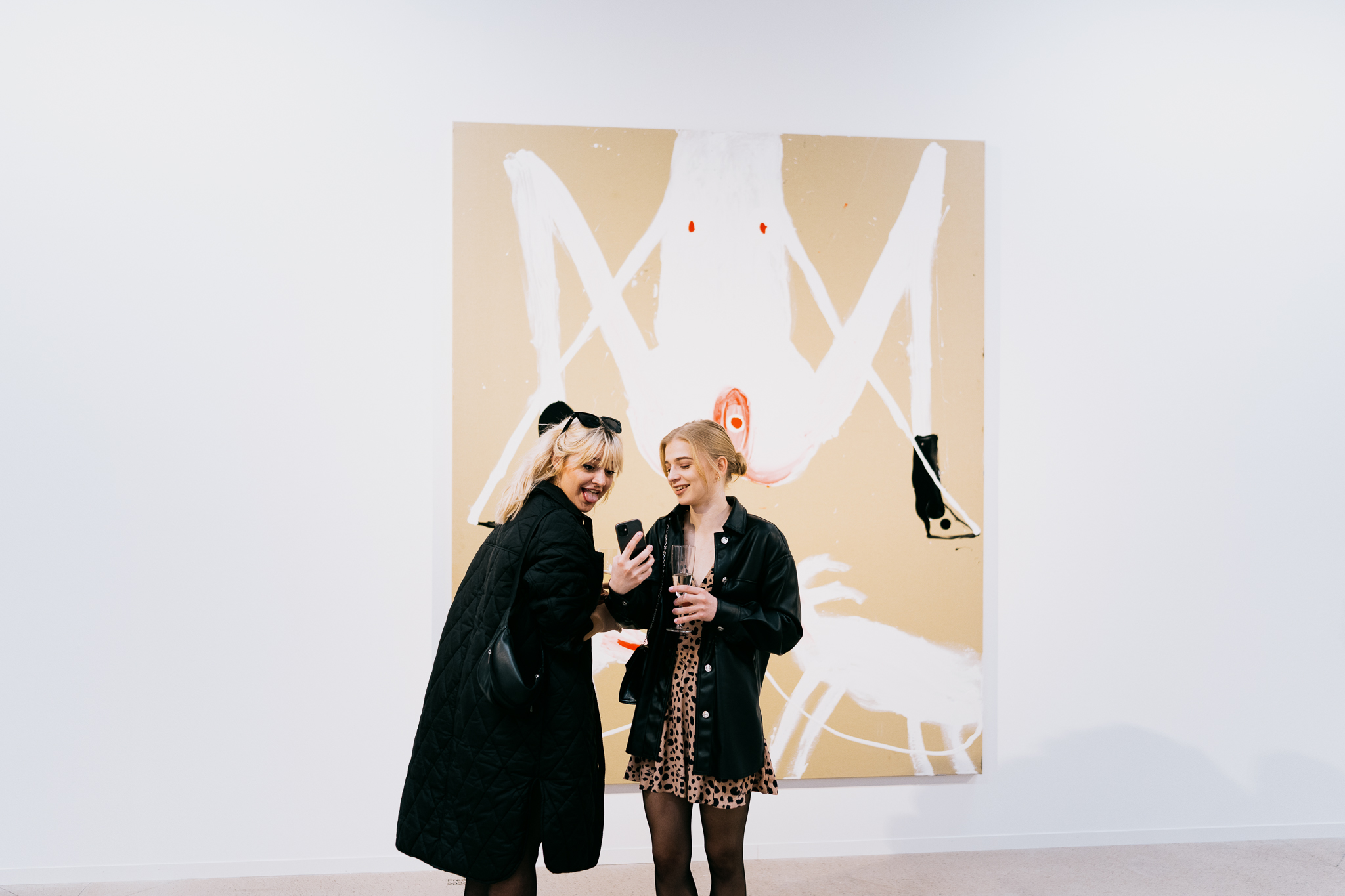
The title was actually thought up by the artists themselves, with whom we had long discussions about it from the beginning. We wanted to come up with something that would go beyond the historicization of art and rather show its dynamics. The Lazy Eight (Light Eight in Czech) has been a symbol of infinity since ancient times. Art is art. It doesn't matter if it was created 10,000 years ago in a cave, as a ceiling painting during the Italian Renaissance, thrown on canvas in the USA in the 1950s, or created in Copenhagen two months ago. We mainly want to entertain and inspire the audience. We don't want them to leave with the heavy feeling that they have to learn something or belong to a certain educated or intellectual group to take something away from the exhibition. This exhibition is not meant to be intellectual. It's about attention, that's all. It's about the work as an object, a statement, a question, an attempt to communicate and as something, hopefully, extraordinarily interesting.
Portrait photo: Engedalfotografi.dk