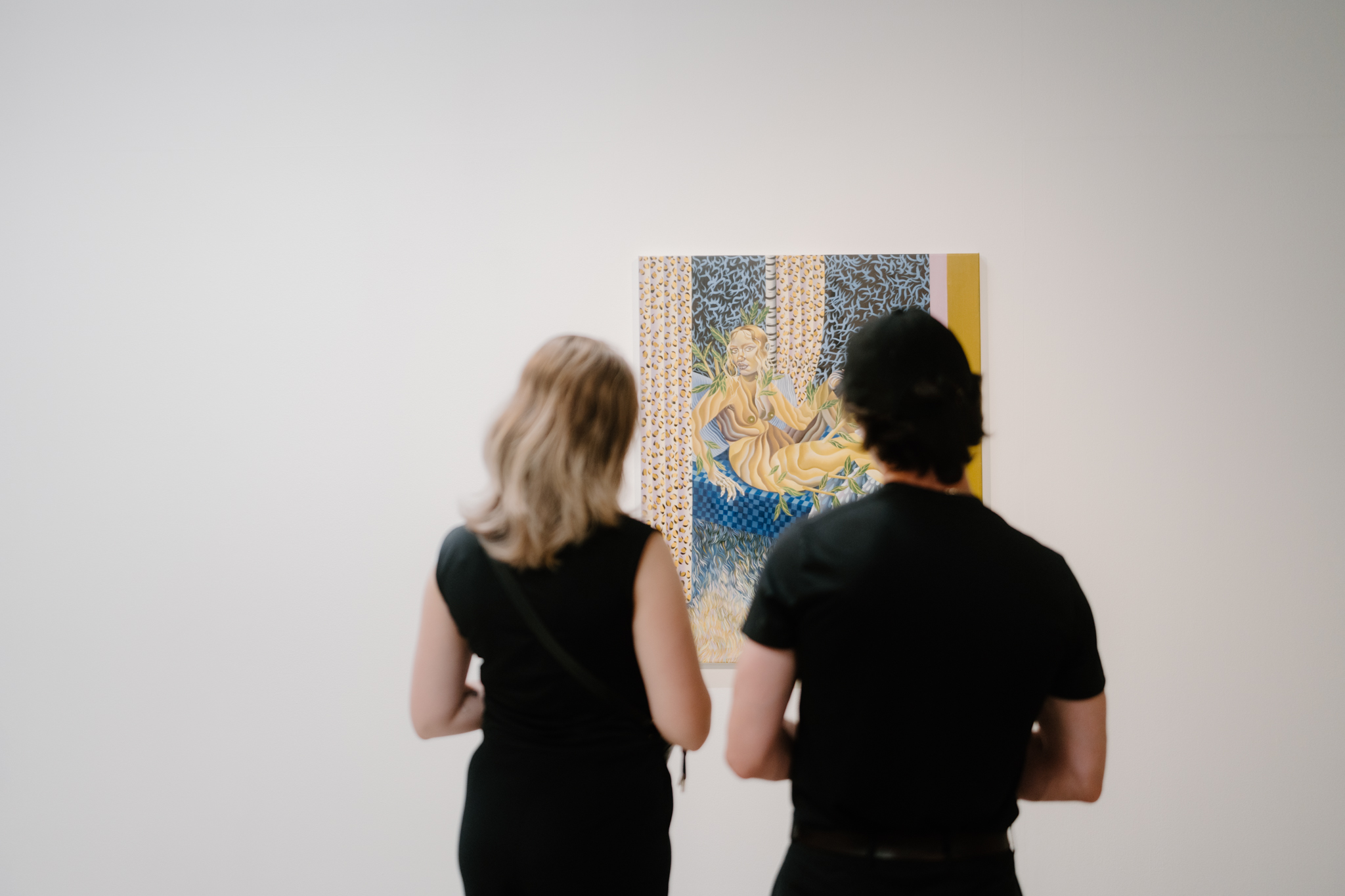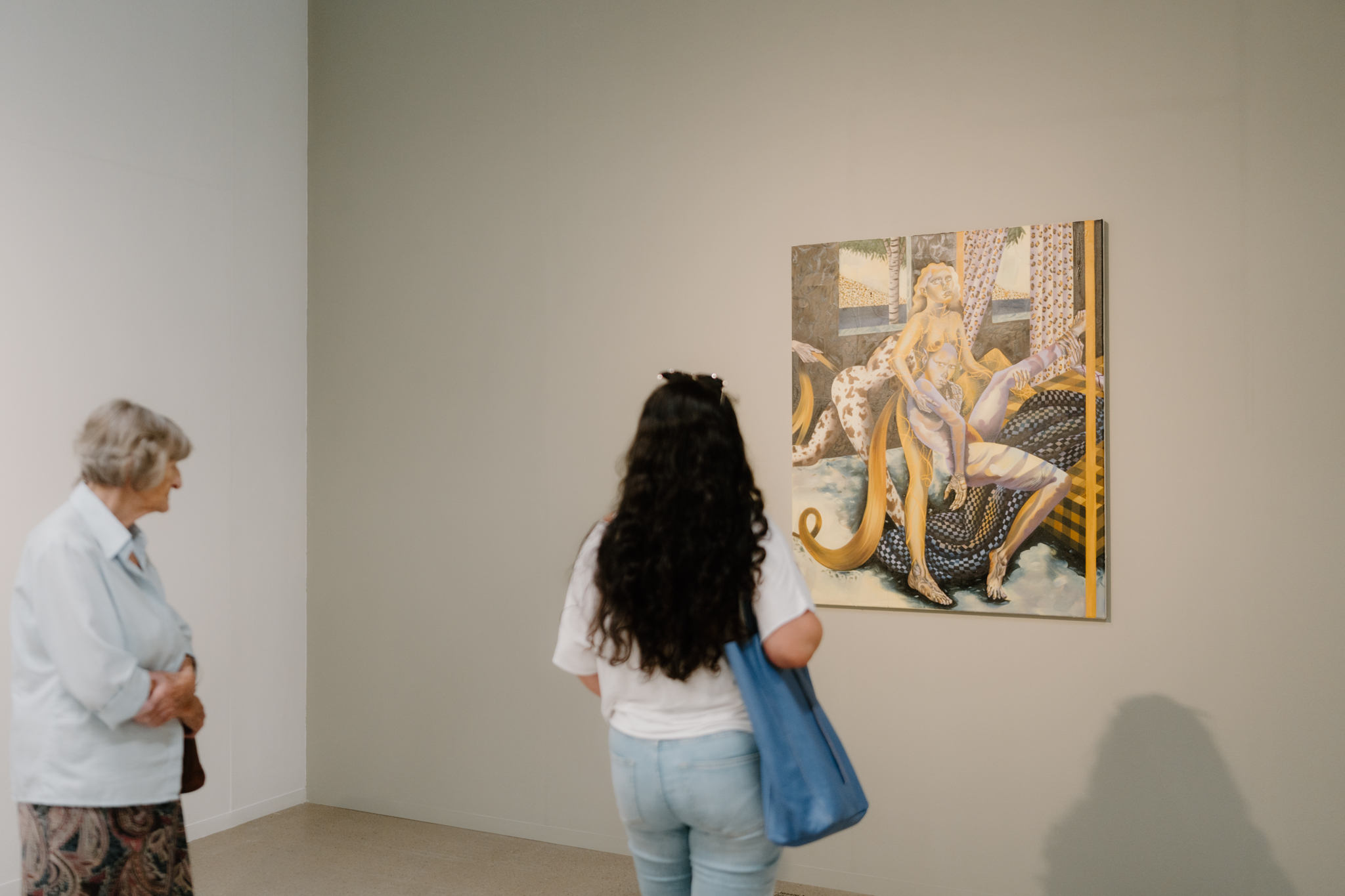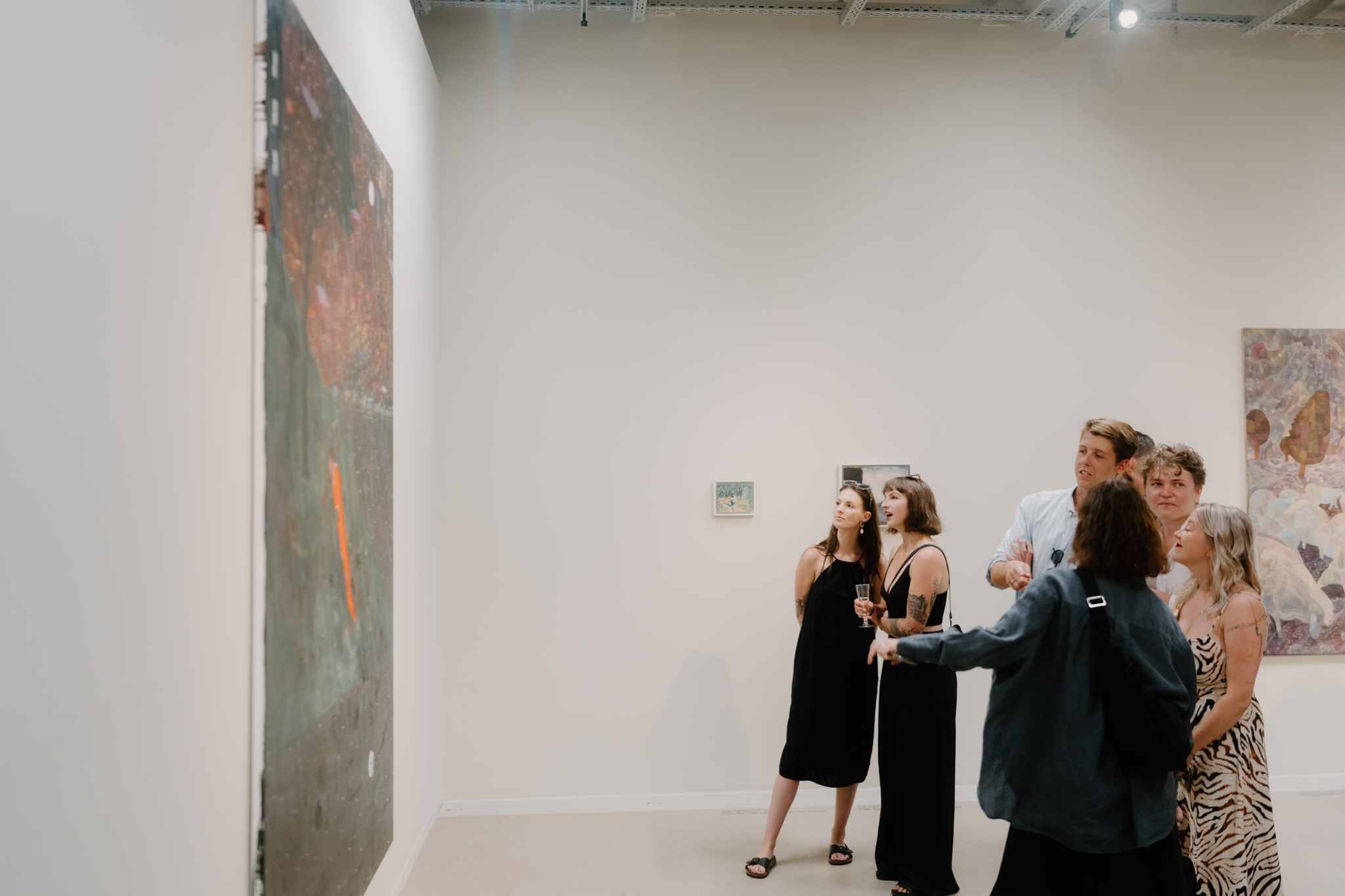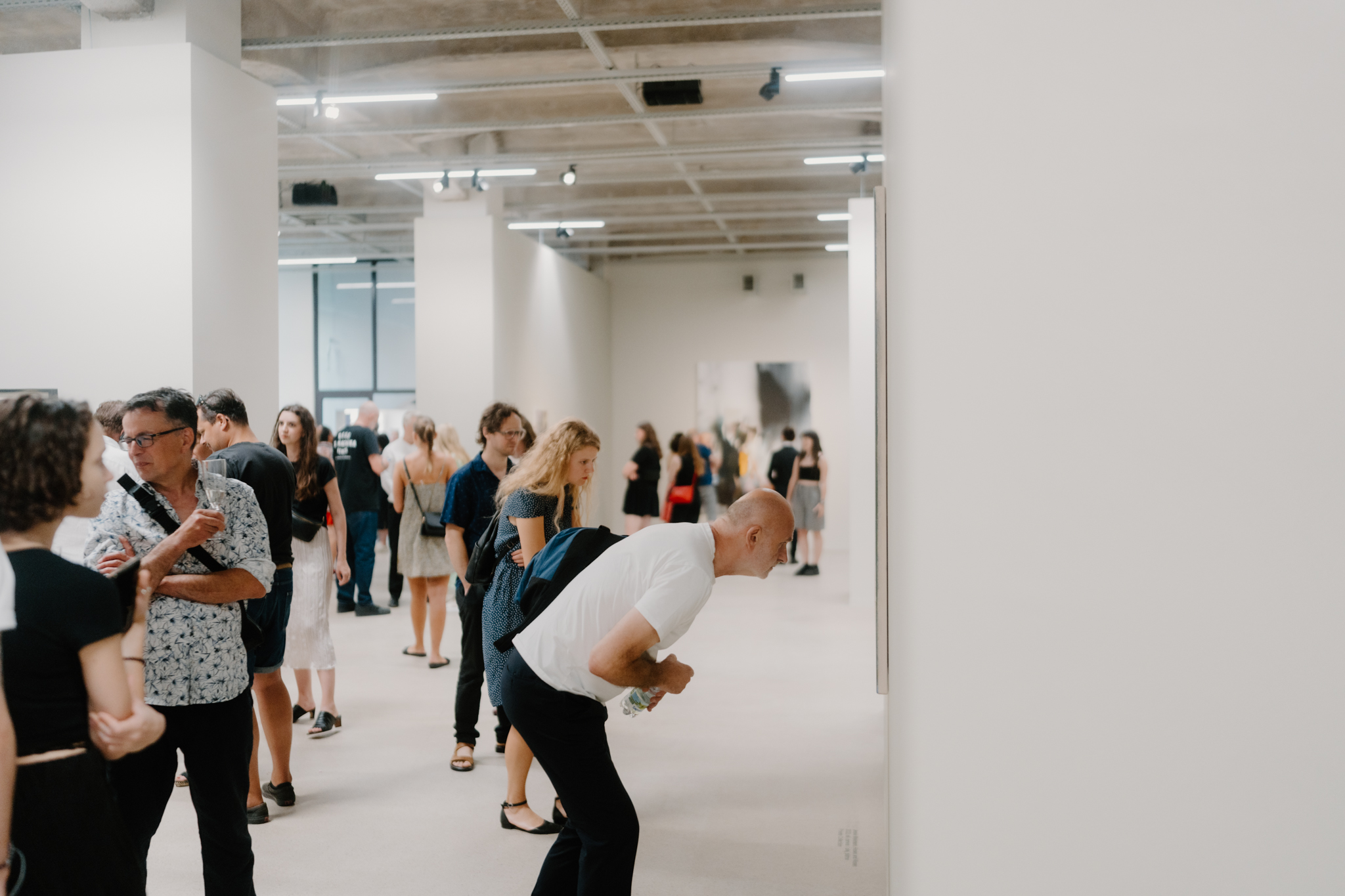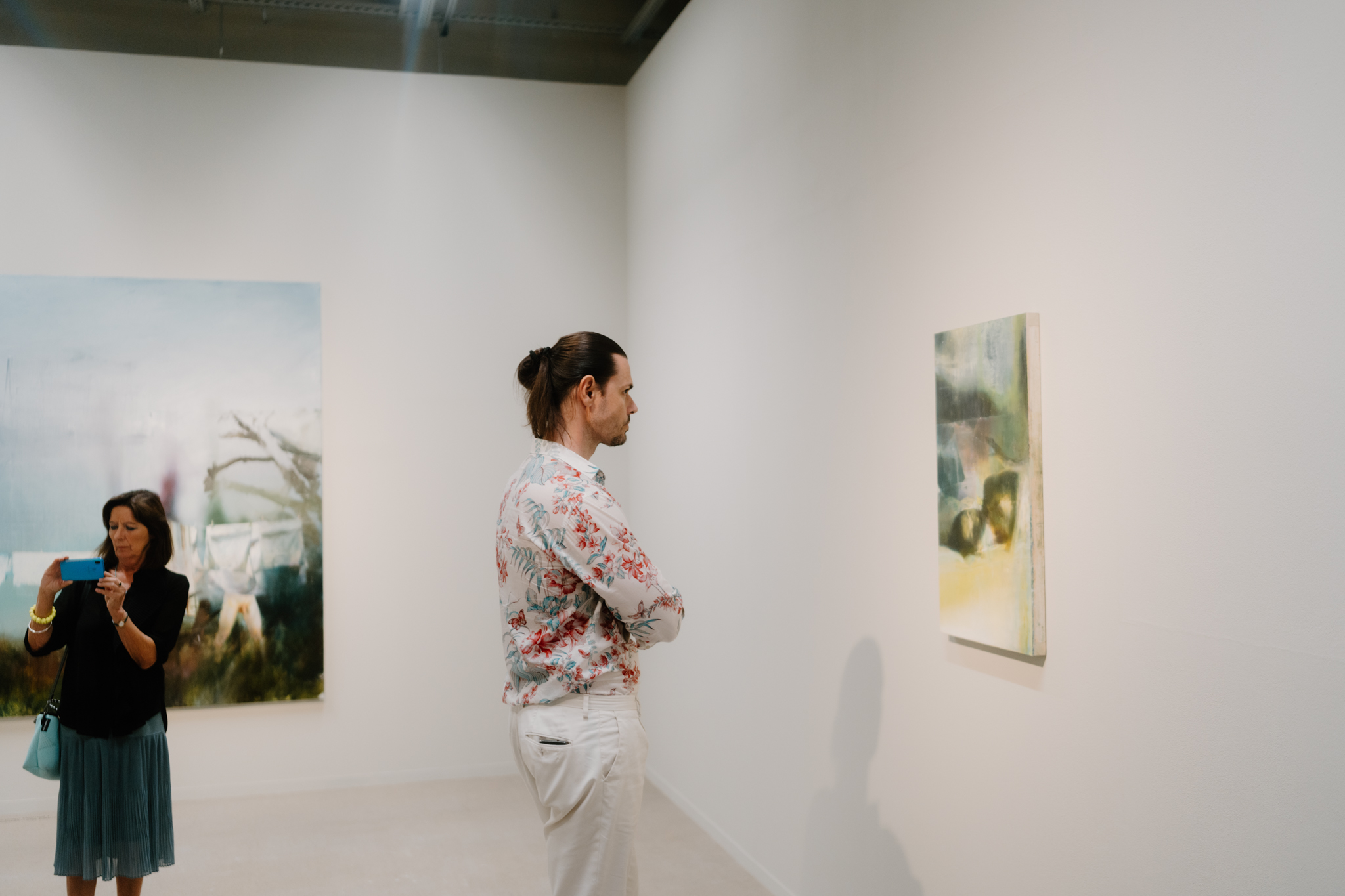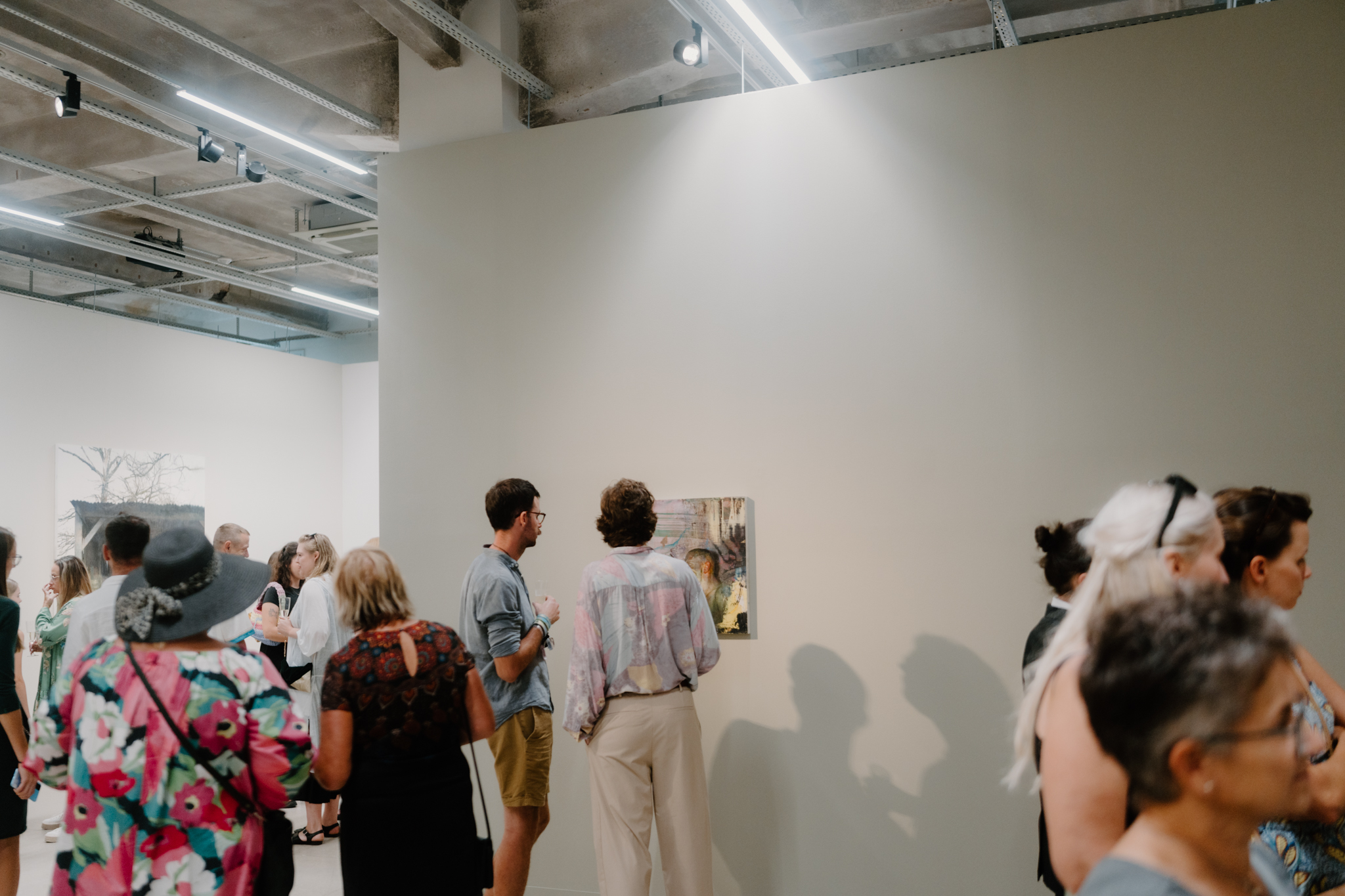
I have one purely practical question to start the conversation. What does your creative process look like?
For a long time I took a pretty constructive approach to my work. I rented a specific location, got costumes, cast models in costumes that represented specific characters in stories that I came up with myself. But I naturally abandoned this staged way of working about six years ago, when I became interested in themes related to the experiences of London women. I started to approach my work in a more documentary way, and that's what I've stuck to.
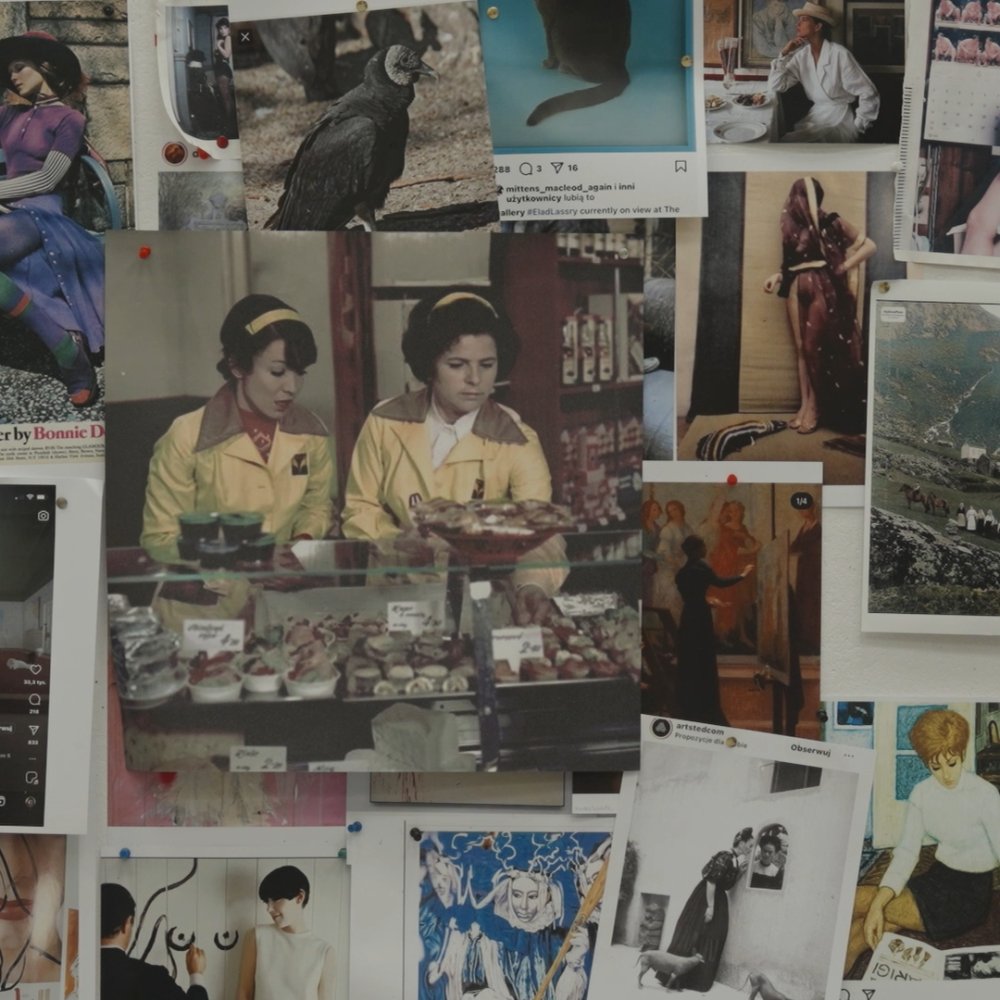
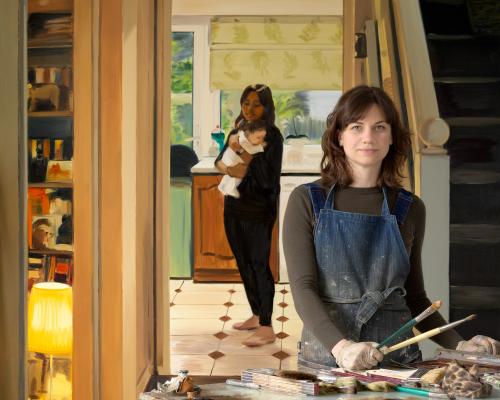
Today, my creative process looks like observing and photographing women at work, in informal, unscripted situations and positions. I can take up to hundreds of photographs at a time, and then work with them in the studio as reference material for small oil paint studies or pencil drawings that serve as models for my large-scale paintings. I most often think of what I depict not as individual paintings, but as sets of interrelated works. I think about possible compositions, different perspectives on people's activities at different times of the day. I am attracted to compositions that feature a repeating shape or colour, or those that have a cinematic feel.
Space itself plays an important role in your work. When and how did you begin to explore the relationship between man and space and what led you to do so?
It was in 2003 when I was still studying at Glasgow School of Art. I've always been interested in painting people, but my figures have always sort of floated in empty space. One of my tutors at the time suggested I set them in a setting, and that led me to a theme that I've stuck with for the last twenty years. It's a theme with an infinite number of narratives for me. Where is that place? What does it look like? Who is in it and what are they doing? I can ask all these questions.
I'd like to pause for a moment on the role of (personal) space. I know from audience reactions that your artistic expression often gives viewers an almost inappropriate feeling, as if they are invading the privacy of the characters on screen. Is that your intention?
It depends on the particular painting. I'm definitely interested in the position of the viewer in relation to the painted subject and what that tells us about notions of private and public space and how we view things from a gender perspective. With some of my paintings I really try to make the viewers feel like voyeurs, but other times I want them to look at the subjects in a much more passive way, and other times the subjects return the view to the viewers.
I was very interested in your exhibition called Lisa - for the unfamiliar. It was a series of drawings and paintings that charted the relationship between a mother and her newborn child, specifically your sister-in-law and nephew. Are the characters - or their roles - that you paint always real people from your surroundings, or do you create a "fictional" universe for your works?
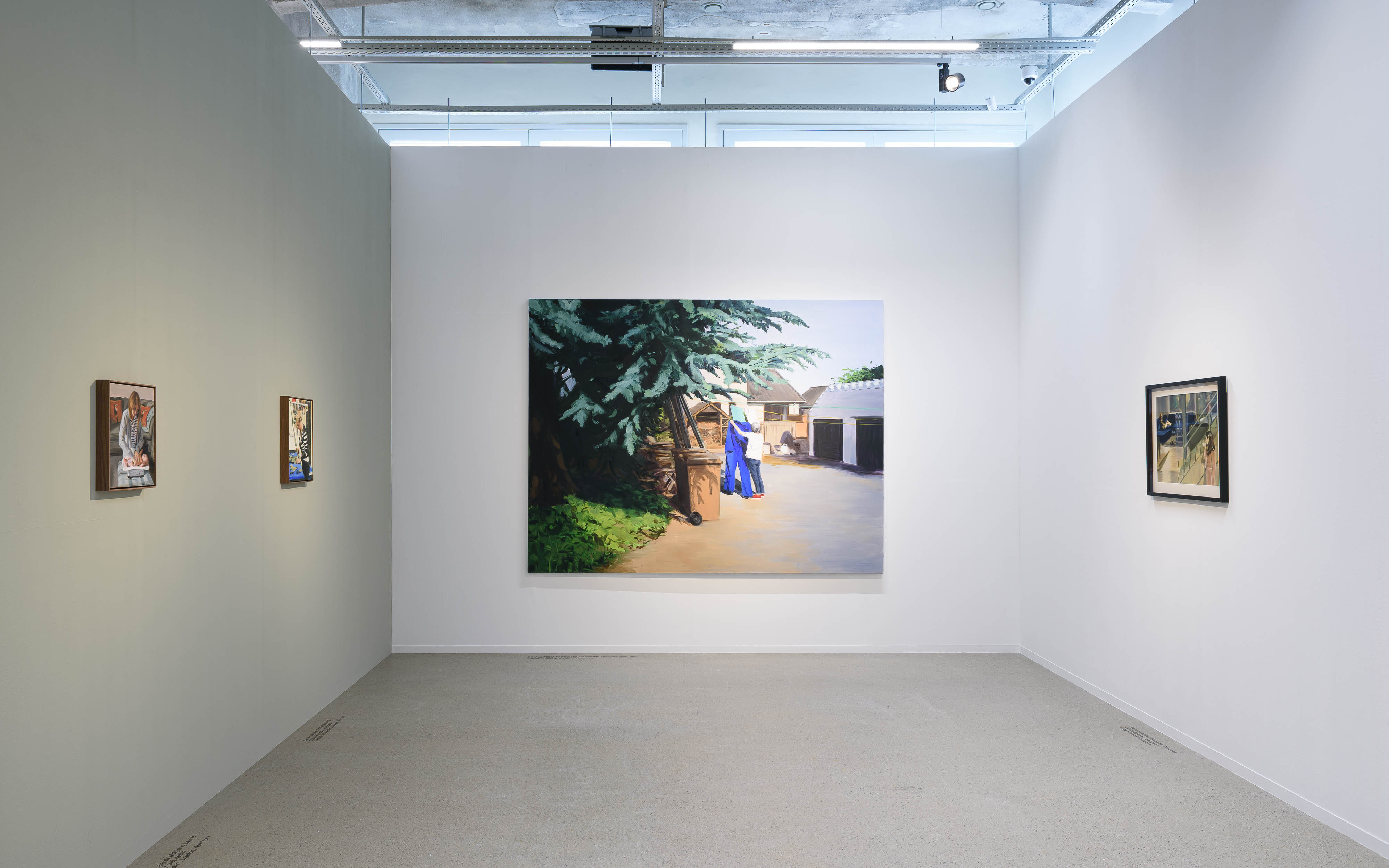
All the places and people I've ever painted have almost always been real, but only in the last 6 or 7 years have they appeared in my works in their natural environment, being themselves, playing no roles. Since 2019 they are often members of my family or people I meet every day. For example, my mother, my sister-in-law Lisa, the women who take care of my daughter in the nursery, or the nurse who weighs my little son in the painting Sarah Weighing Laurie, which was also part of the exhibition.
In the description of your monograph, In Every Dream Home, the name of director David Lynch appears among the influences on your work. He is known for his emphasis on oppressive atmosphere. Is atmosphere something essential to your work?
I ask because many people see you as an artist associated with the feminist movement. So I wonder if the depiction of women is a symbol for you, or if you work with the female figure in order to create a strong atmosphere, which depicting women in their own environment certainly allows.
I consider myself a feminist, but I don't depict women as symbols, rather I've been interested in their lives for a long time, since childhood. Even as a child I liked pictures of women, and wanted to paint and draw them myself. At the beginning of my career as a painter, I explored archetypes; the women in my paintings were representative of certain types of female character. Today I am more concerned with making visible the often invisible parts of women's experience, especially their working lives. Creating atmospheric, almost cinematic scenes was a way for me to explore both of these approaches to depicting women. Color and light are an important part of my paintings. I want to create spaces in my paintings that make the overlooked or ordinary into something that might make the viewer pause and rethink their view of the world around us.
Your paintings in the Home series are inspired by the fate of women seeking asylum in London. Do you see your work as activist, trying to draw attention to social issues?
I wouldn't describe it as activist directly, I don't create with any particular political intention. But I am interested in reflecting on aspects of contemporary society and asking questions through my paintings about how we live our lives.
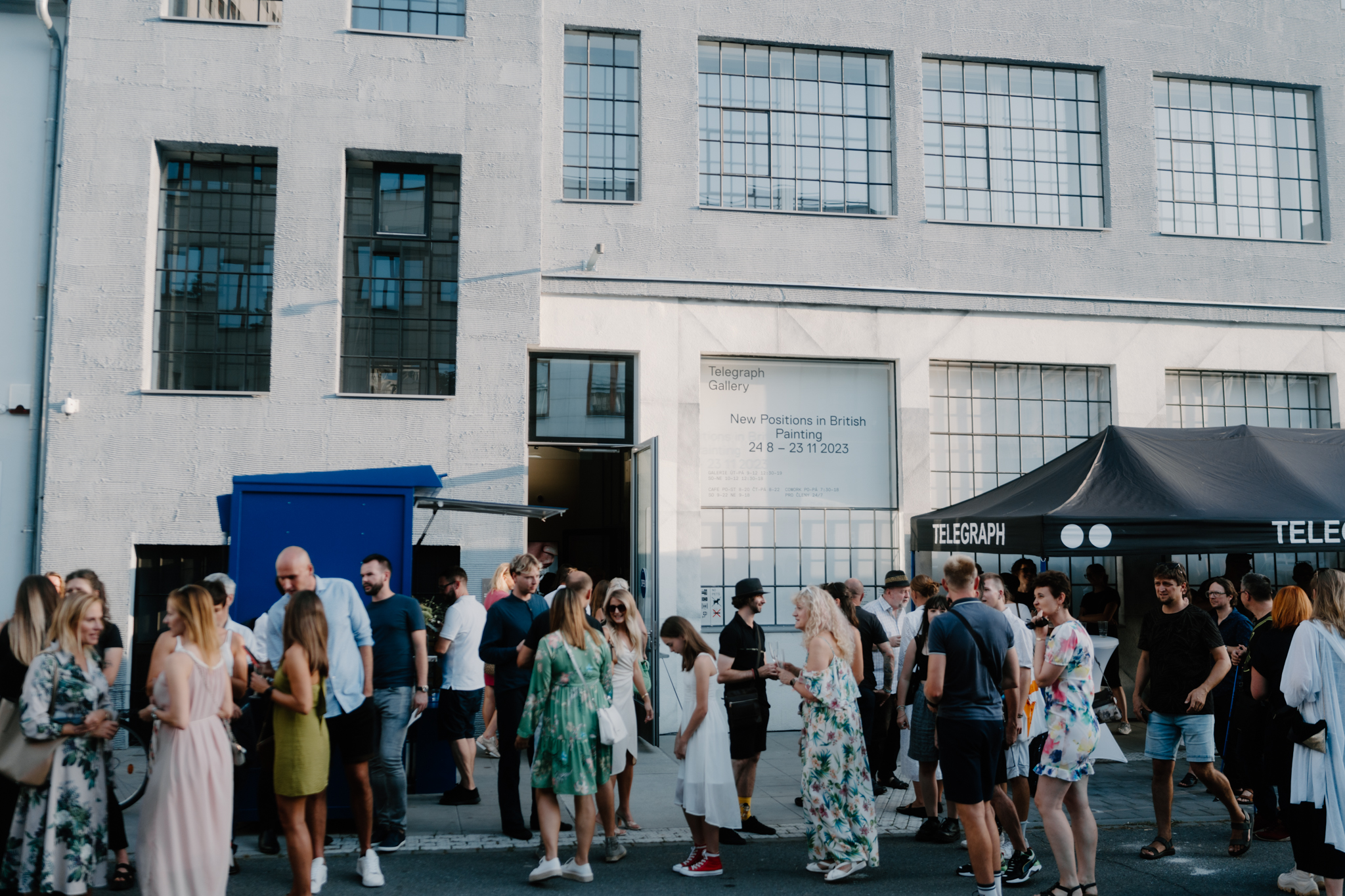
To follow on from the exhibition of contemporary British painting at the Telegraph Gallery, curated by Jane Neal. Where did you meet Jane?
Jane and I first met in 2010 when she and curator and writer Matt Price came to my studio after Matt had seen my exhibition at the Royal College of Art in 2009. Jane and I hit it off immediately and have collaborated on many projects in the years since. She introduced me to several galleries, including GRIMM, who I have also worked with since 2016. And as a "matchmaker" she is not only good at art, Jane also introduced me to my husband!
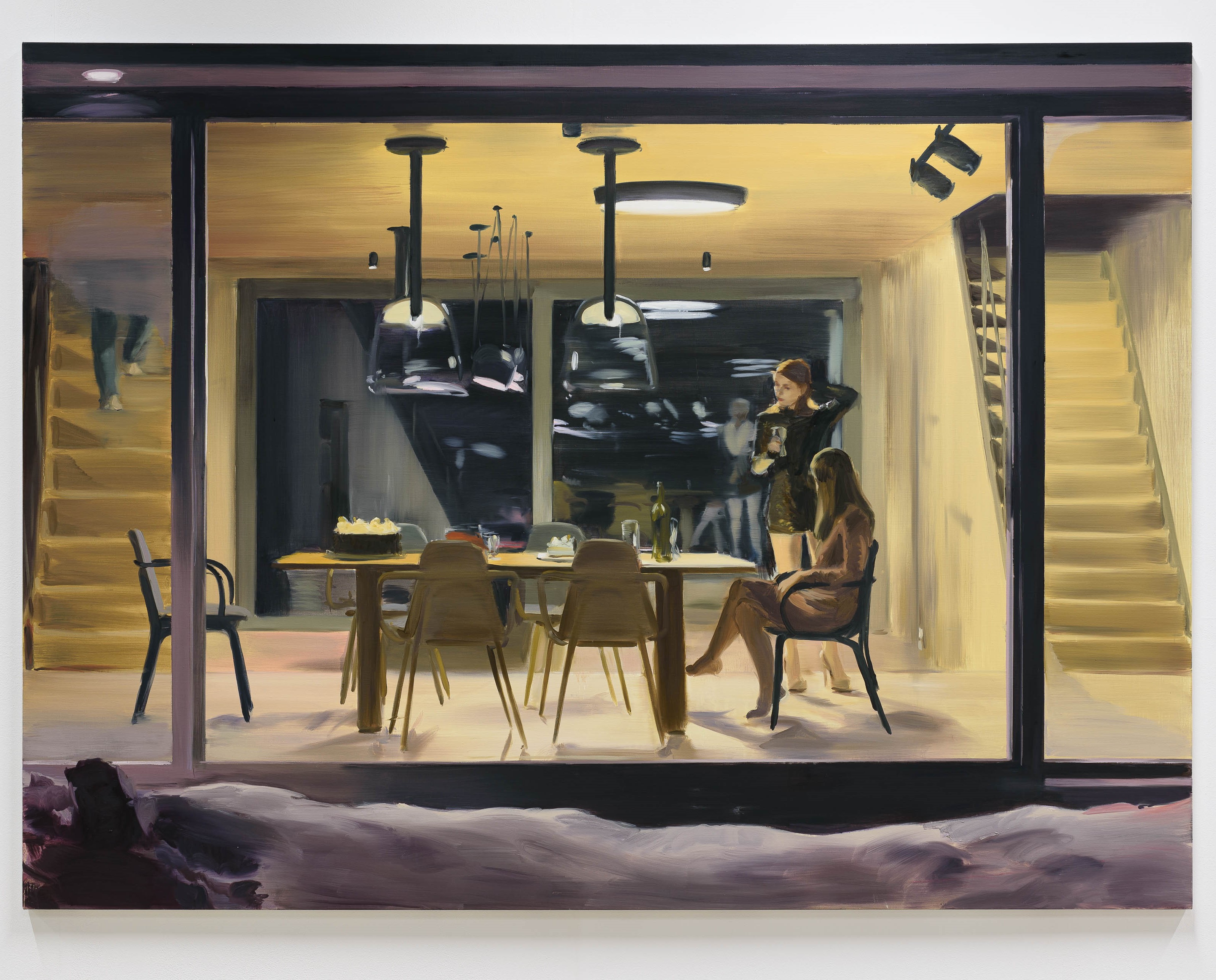
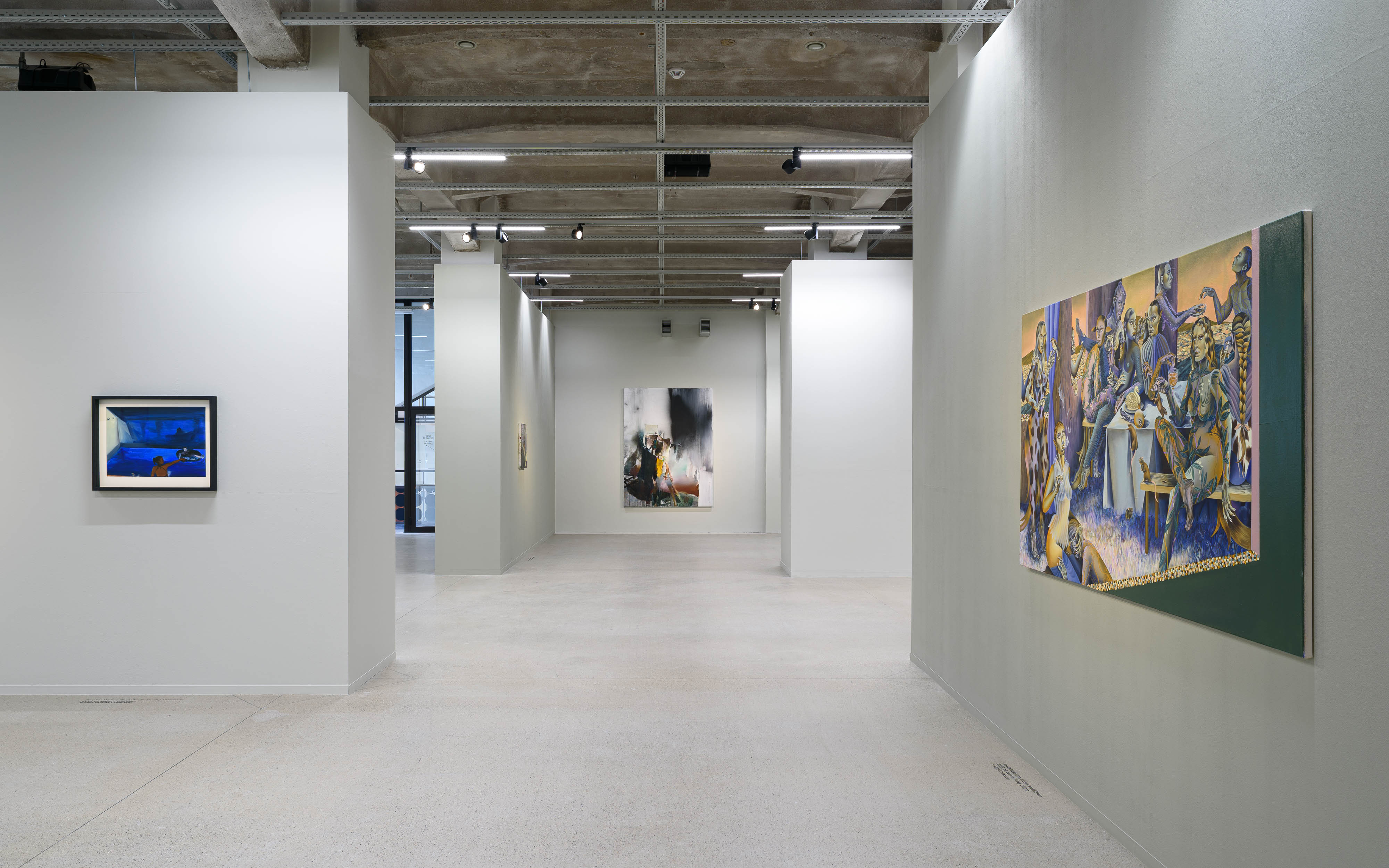
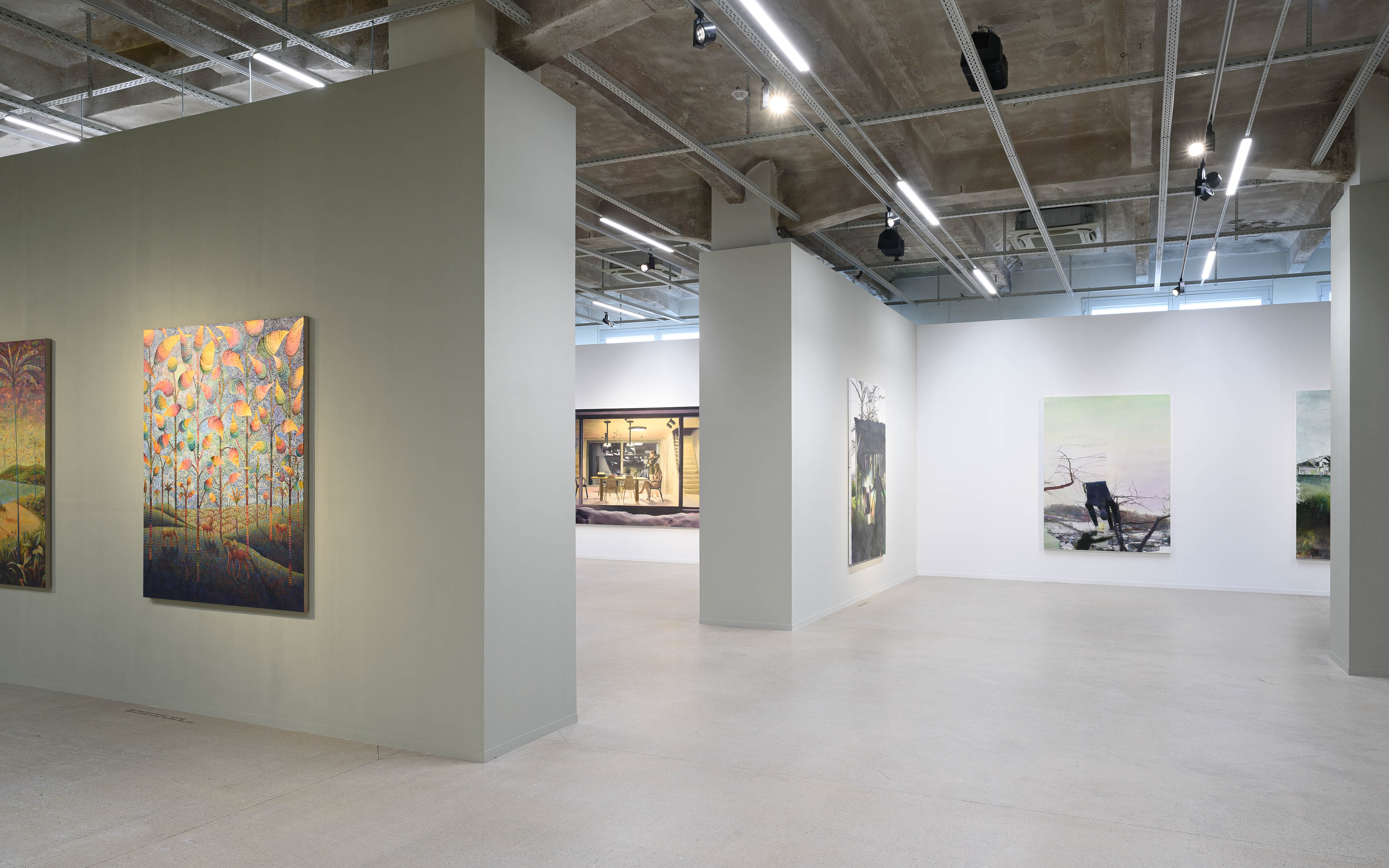
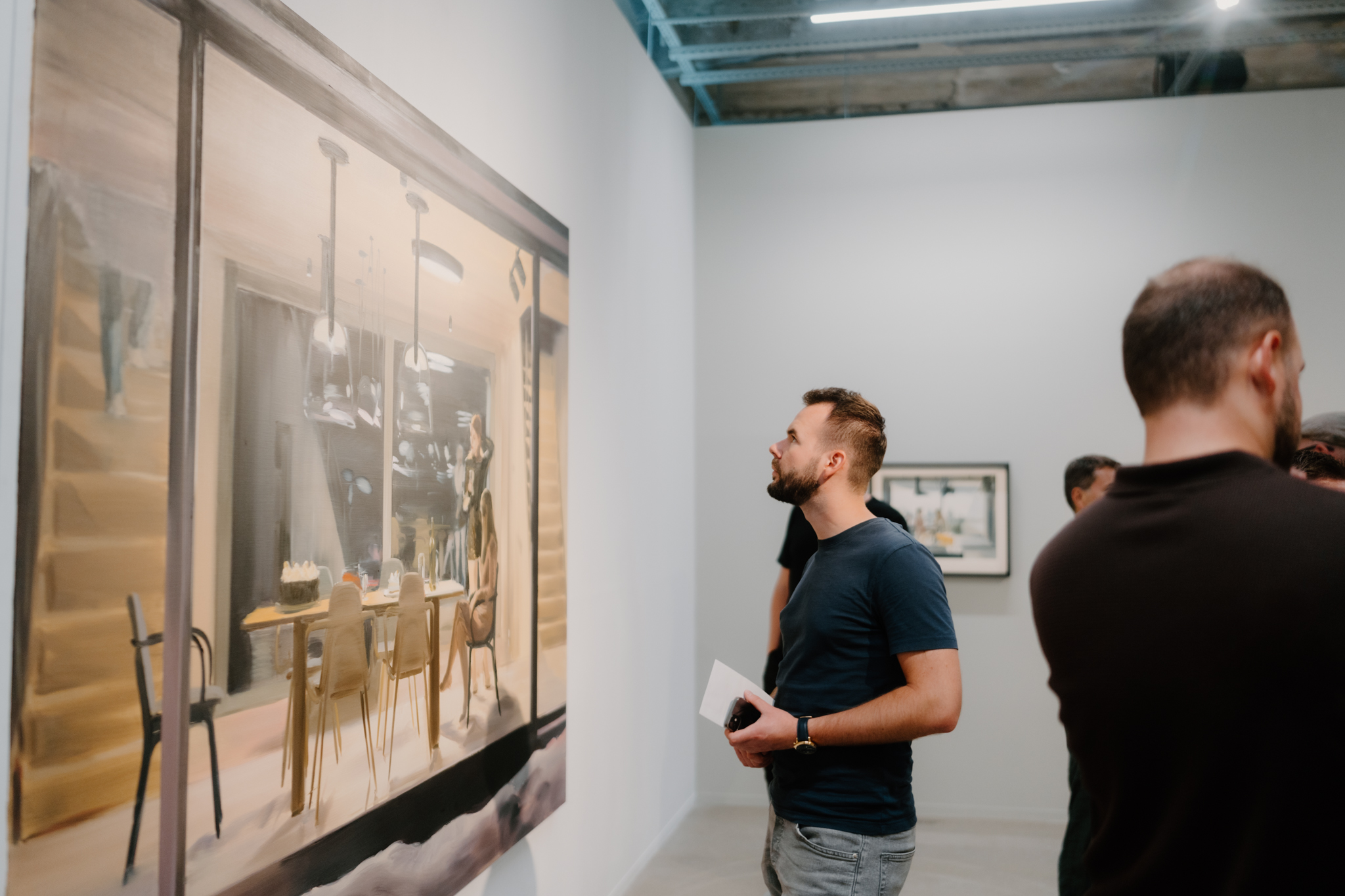
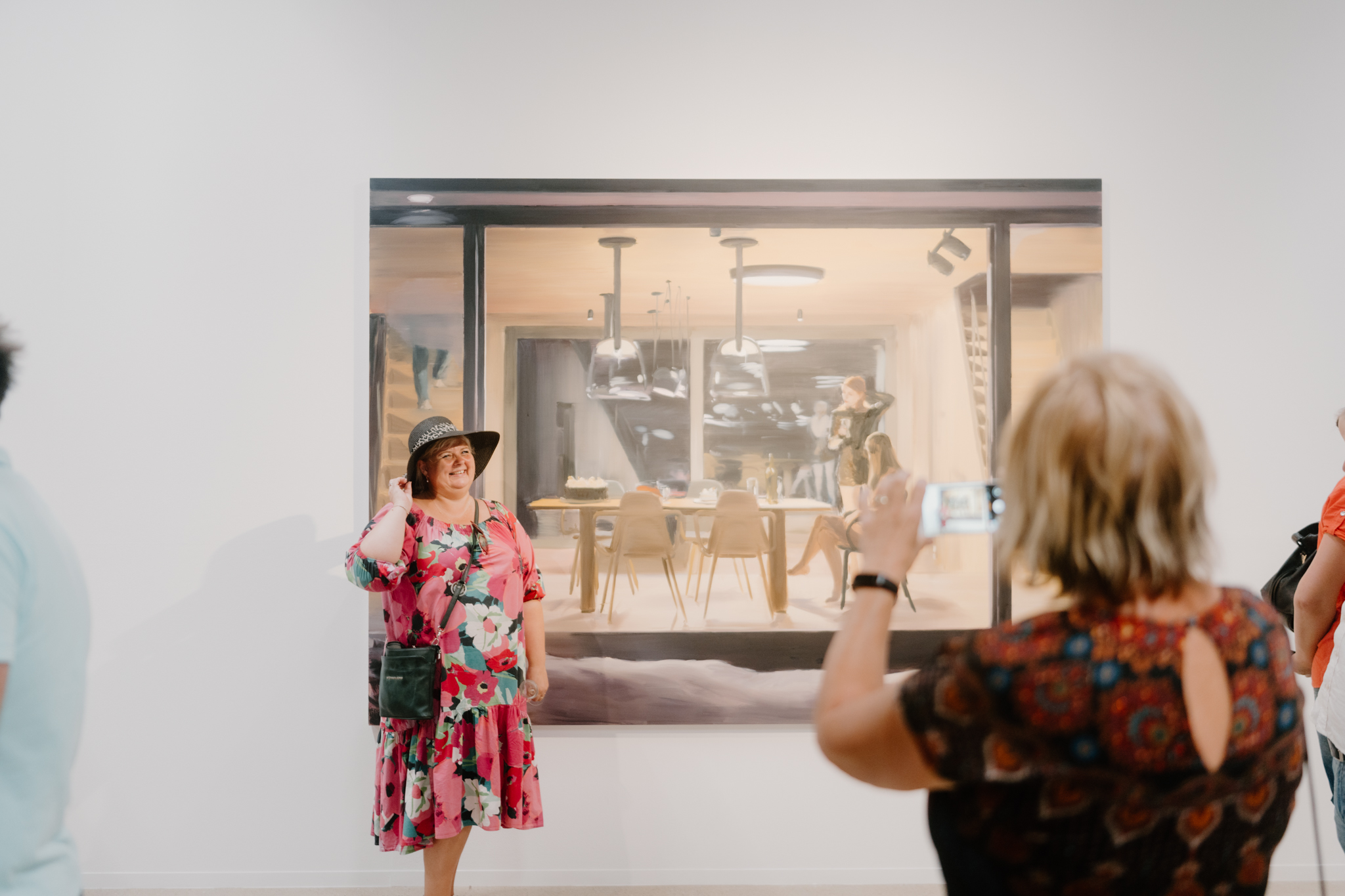
One of the paintings in the exhibition at the Telegraph Gallery shows a group of people in a living room. I daresay it's pretty special for gallery owner Robert Runtak. I'm sure you know which painting we're talking about. Can you describe how it was created?
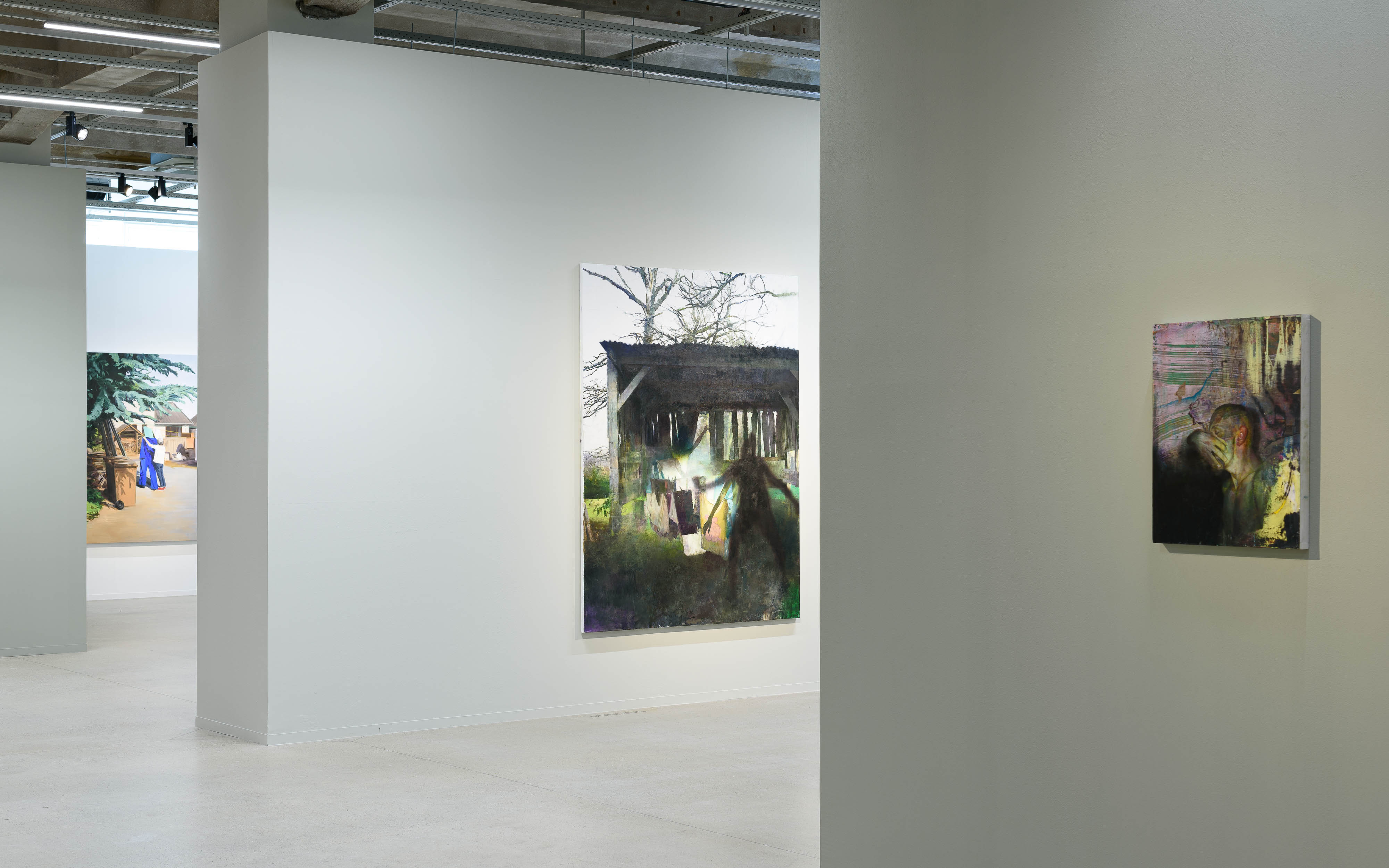
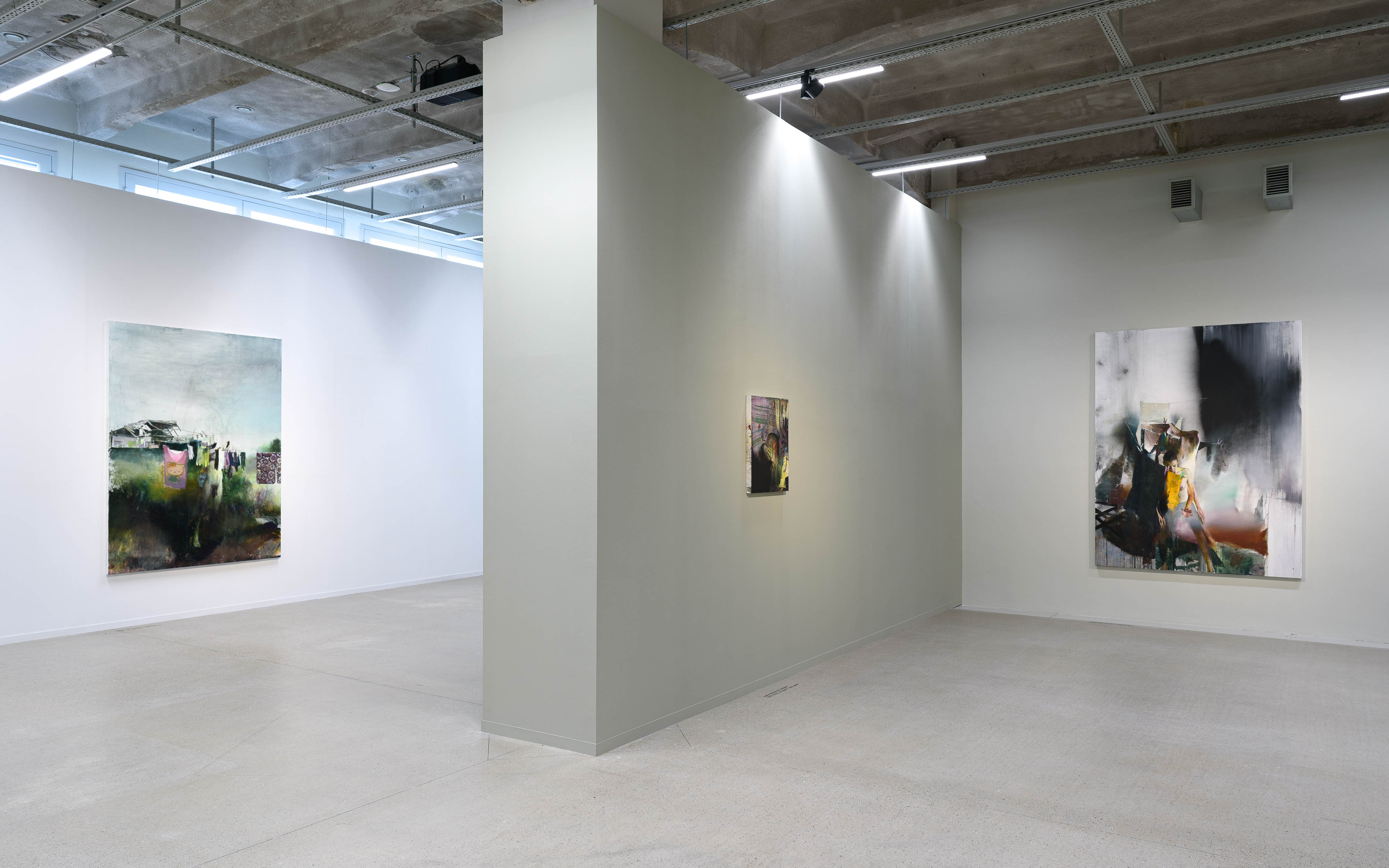
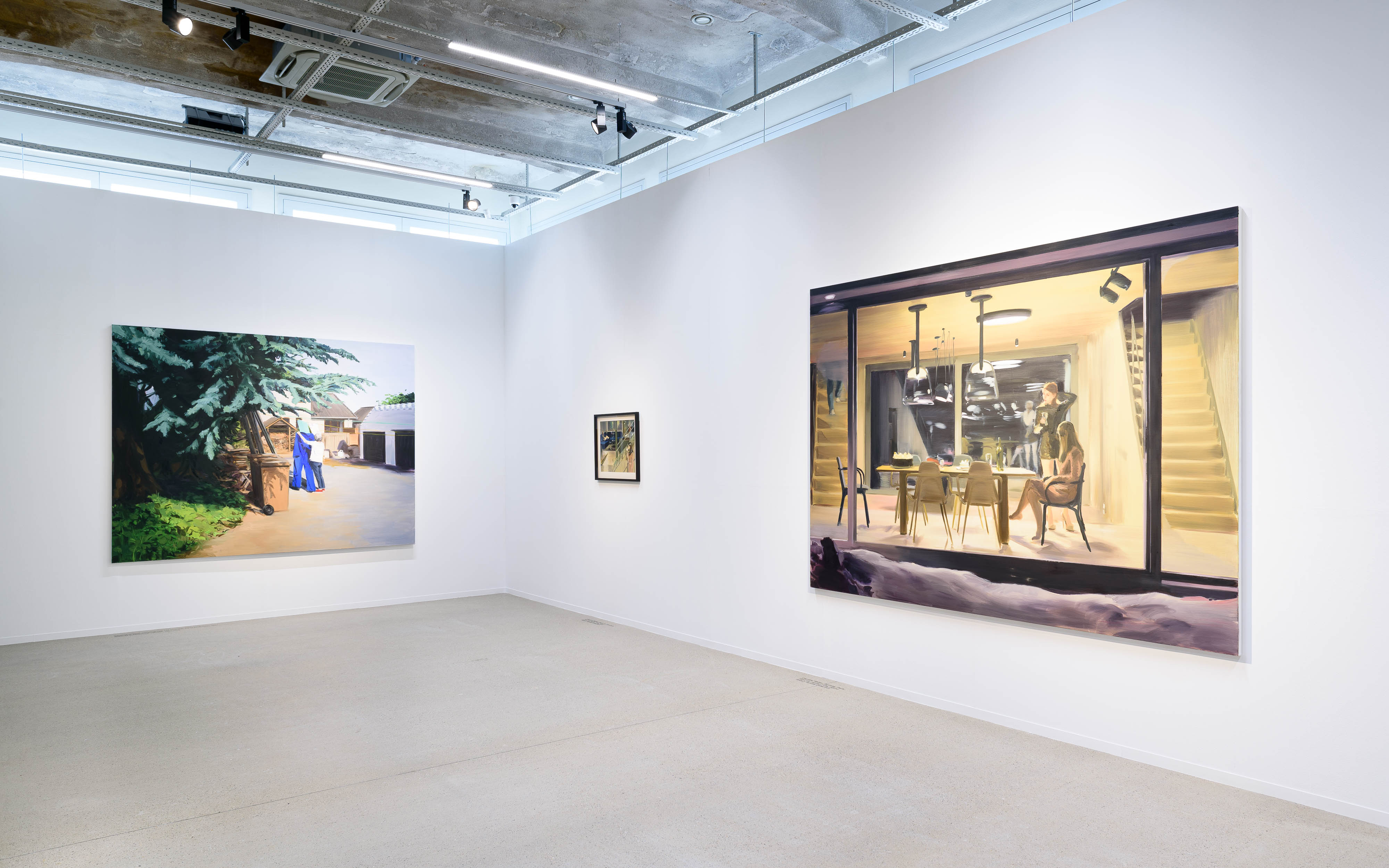
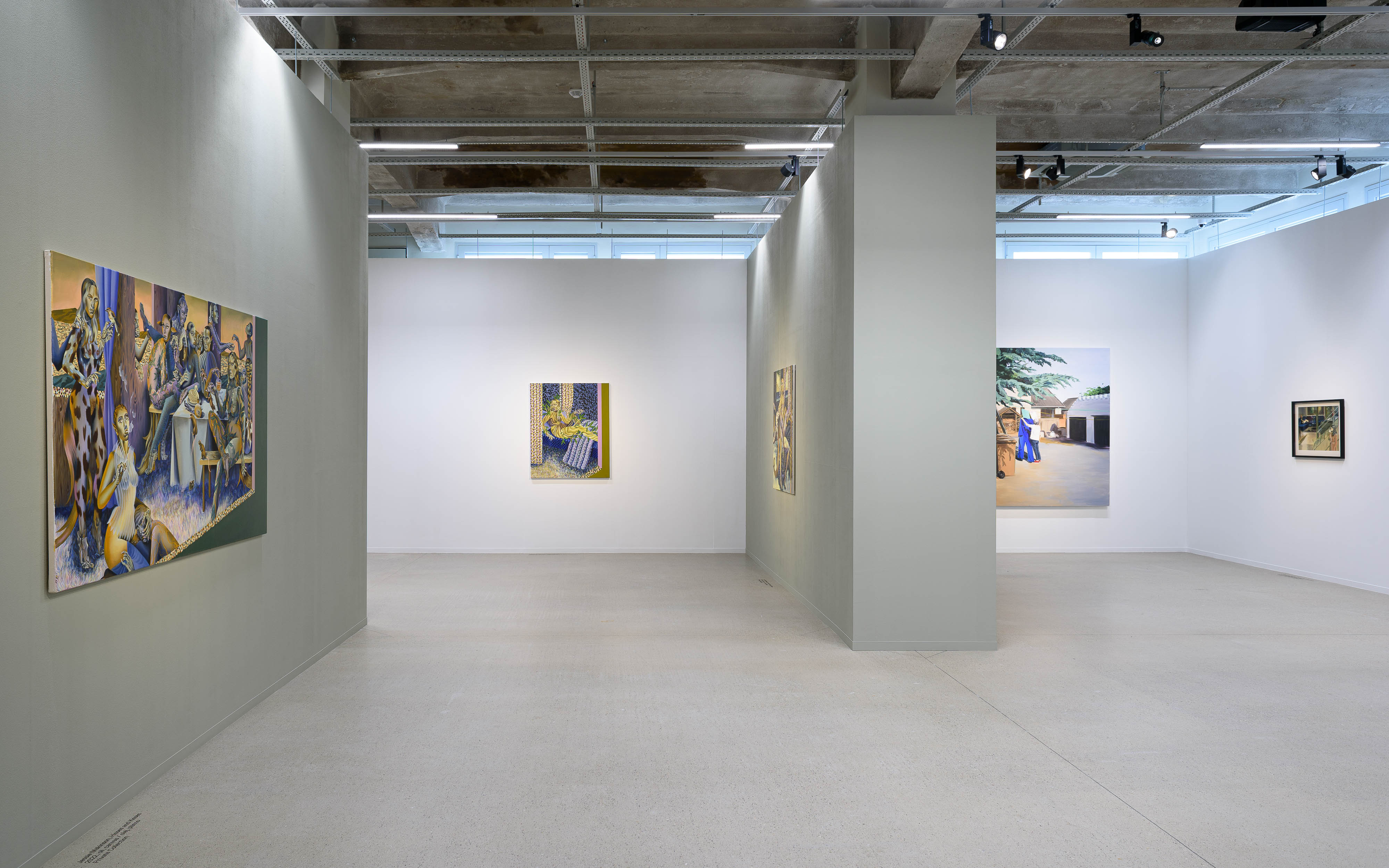
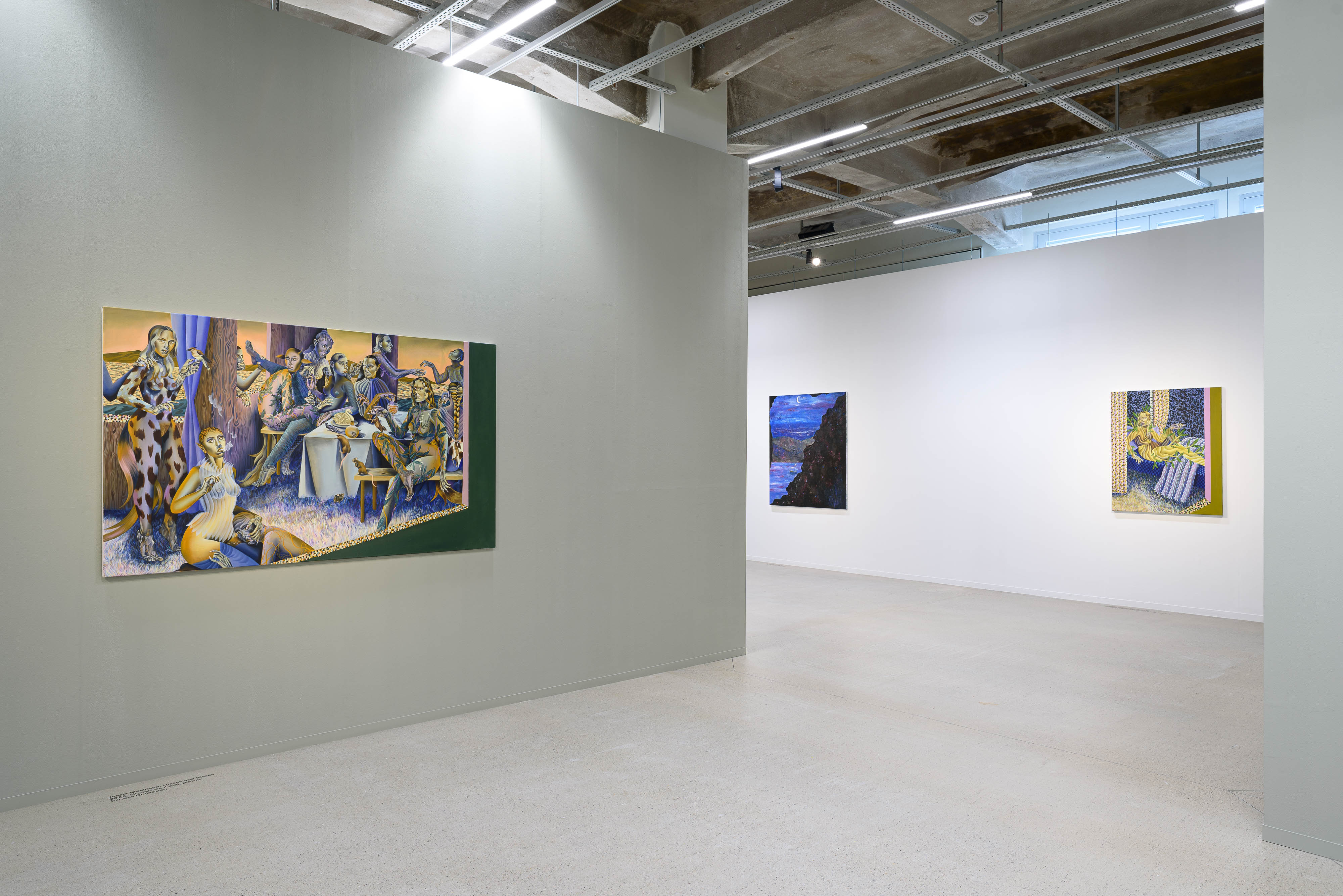
Birthday Party is part of a series of paintings I created based on a shoot at Robert's amazing home in the mountains in February 2017. Robert was introduced to my work by Jane, and already owned two of my paintings. He was interested in seeing more of my work, so he suggested I create something inspired by his house. At the time, I was quite interested in contemporary architecture and unique buildings, and Robert's house offered interesting possibilities for potential paintings, especially with the surrounding snowy landscape. We picked two models, shopped for clothes and props in Ostrava, and then shot an imaginary party in the house all day. And Jane played one small part too! We had a great time and I was really happy with the result. The house itself was very interesting and the light after dark added drama to the resulting paintings.
Thank you so much for all the replies. I just have one last question: what new things can we look forward to with Caroline Walker?
There is a lot! I'm writing the answers to the questions in this interview from the airport, where I'm flying to Amsterdam for the opening of the collective exhibition The Painted Room at the GRIMM gallery, of which I am the curator. It's all about interior paintings by artists working in the UK. I am currently only working part time as I have two young children. However, motherhood inspires me and I am starting to work on a series of paintings of women who are part of my children's lives, such as the staff at the nursery my daughter attends. I am also now preparing a solo exhibition at the Ingleby Gallery in Edinburgh, which will take place early next year.
Photo: Peter Mallet, Matěj Doležel