Transylvania has long been considered the cultural centre of both the Hungarian and Romanian nations. Its extraordinarily diverse heritage was created by religious tolerance, pioneer settlers and the successive influence of the Roman Empire, the Holy Roman Empire and later the Austro-Hungarian Empire. In the 12th century, the Saxons founded seven historically significant fortified towns, which gave rise to the name of Transylvania, which are the ornament of the region and testify to the Saxon (German) community's presence in southern Transylvania for almost nine hundred years. This cultural and architectural heritage is unparalleled in the European context.
In addition to the Saxons, a Jewish community settled and developed in Transylvania, along with Greek Orthodox, Greek and Roman Catholics and Protestants. Looking deeper into history, there are also Persian, Turkish and especially Roman influences. These are all pieces to the rich cultural mosaic of the area.
Transylvania, made famous by Bram Stoker's romantic-gothic novel among others, has always been a source of inspiration for artists - especially for its breathtaking landscape with its green pastures, majestic mountains and deep forests. The whole region is steeped in myth and legend and its inhabitants are known for their adaptability and industriousness. It is a land of music and fine arts, romance, literature, culture and learning, but also of agriculture, traditional crafts, mining - and more recently, gastronomy, wine and technology. It is therefore no wonder that contemporary Transylvanian painters have achieved international recognition.
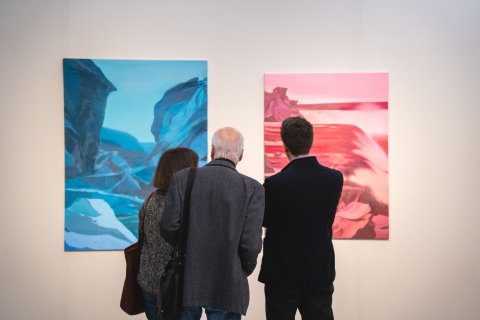
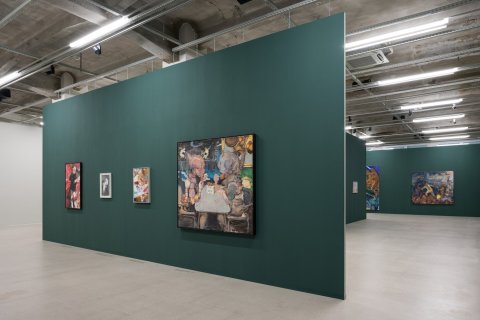
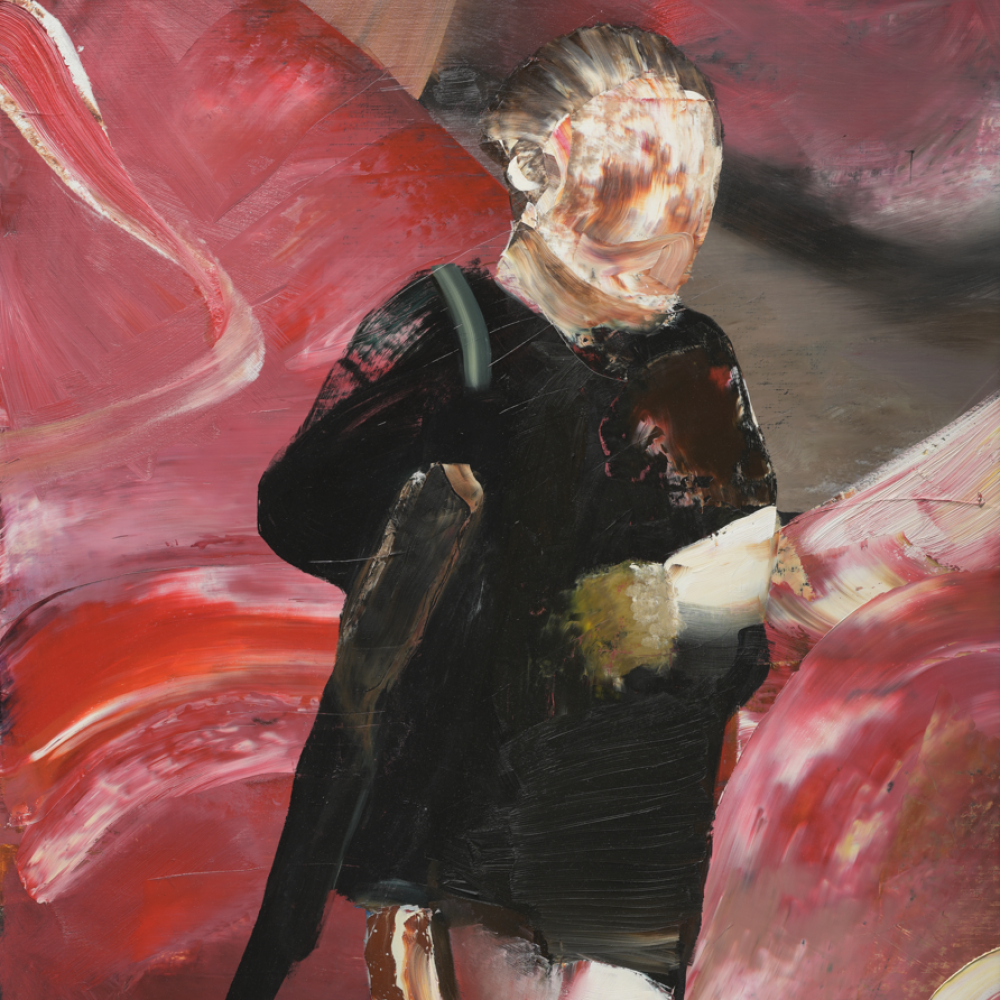
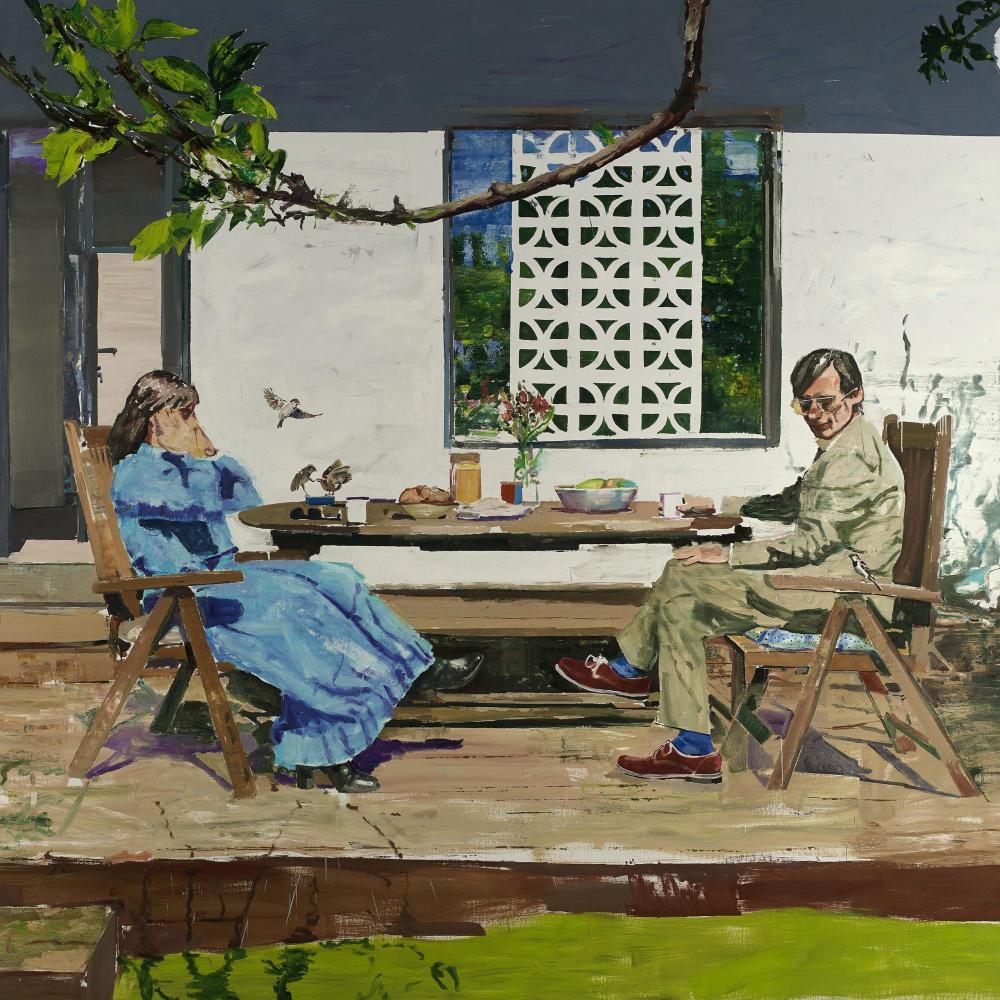
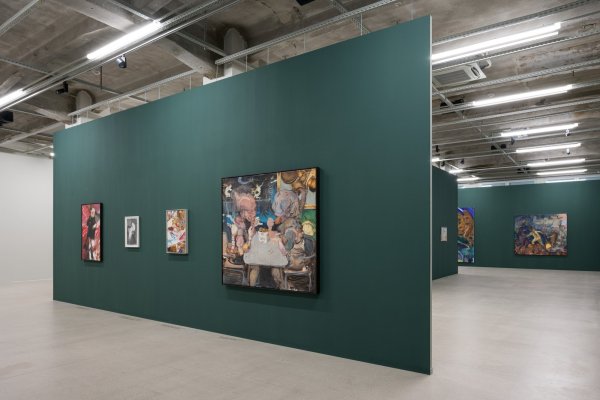
The Transylvanian Painting Today exhibition presents a selection of works by some of the most prominent and internationally renowned painters of today, including Radu Baies, Marius Bercea, David Farcas, Oana Farcas, Robert Fekete, Adrian Ghenie, Ioana Iacob, Hortensia Mi Kafchin, Tincuta Marin, Mirela Moscu, Nicolae Romanitan, Serban Savu, Paul Robas and Mircea Suciu.
The exhibition deliberately focuses on figurative painting, which has become one of the hallmarks of the Transylvanian art scene thanks to the so-called Cluj School - a group of artists who emerged on the international scene in the early 21st century, attracting worldwide attention and many of whom have become legendary names in international painting. Transylvanian Painting Today at the Telegraph Gallery in Olomouc offers Czech audiences a unique opportunity to view a curated selection of some of the finest and most inspiring contemporary paintings from a geographic environment that is globally renowned for both its historical and contemporary cultural heritage.
Curated by Jane Neal