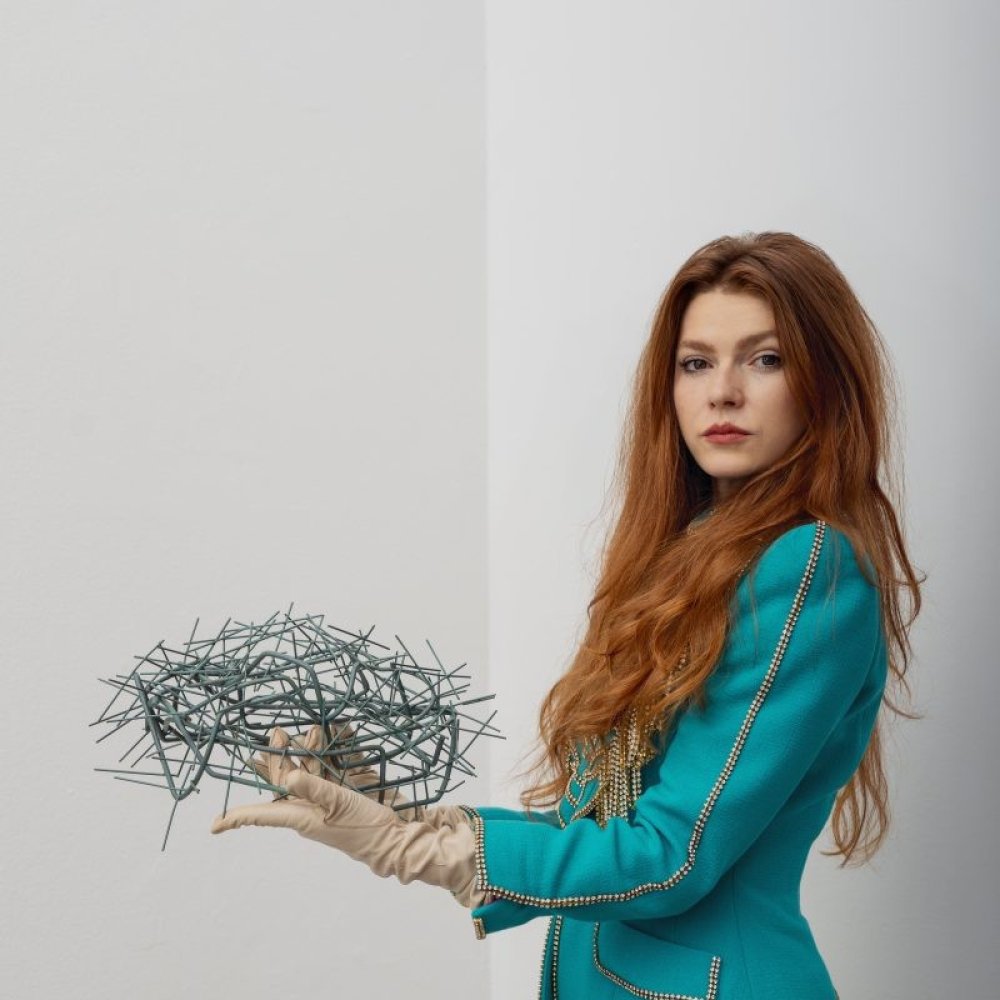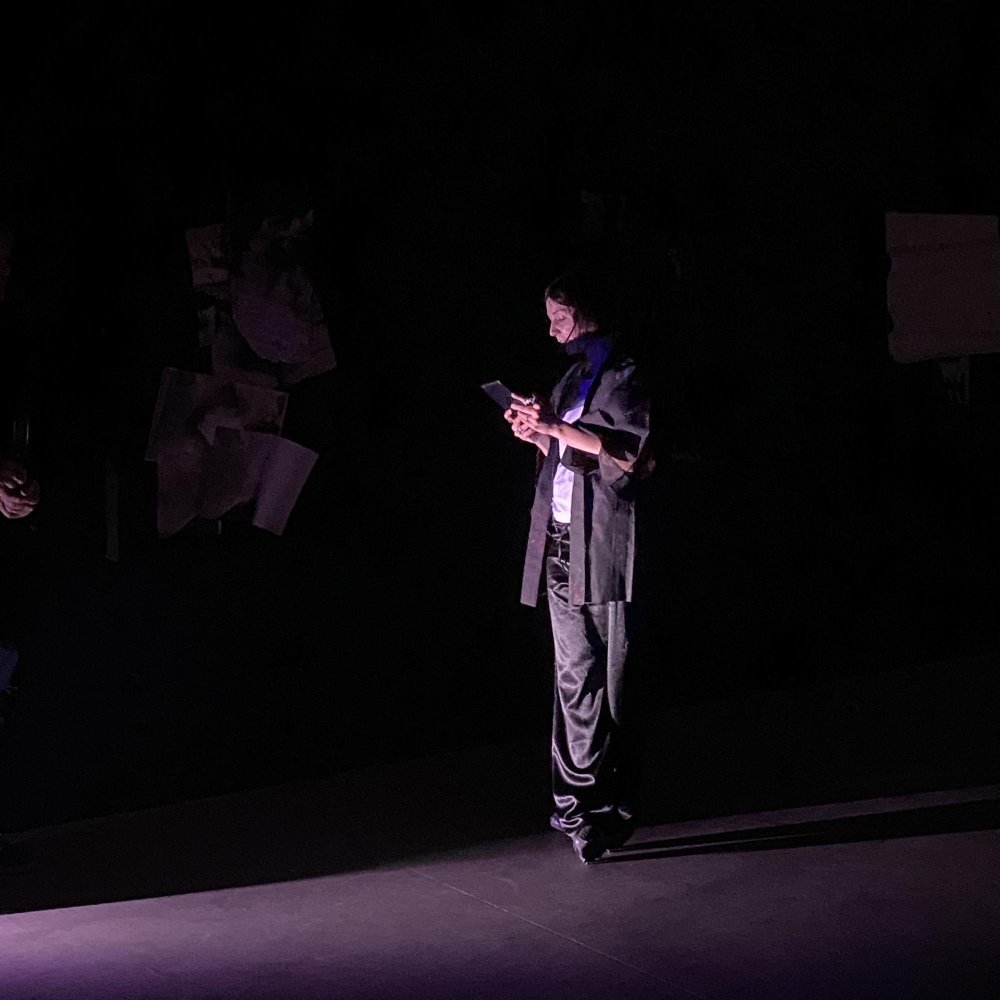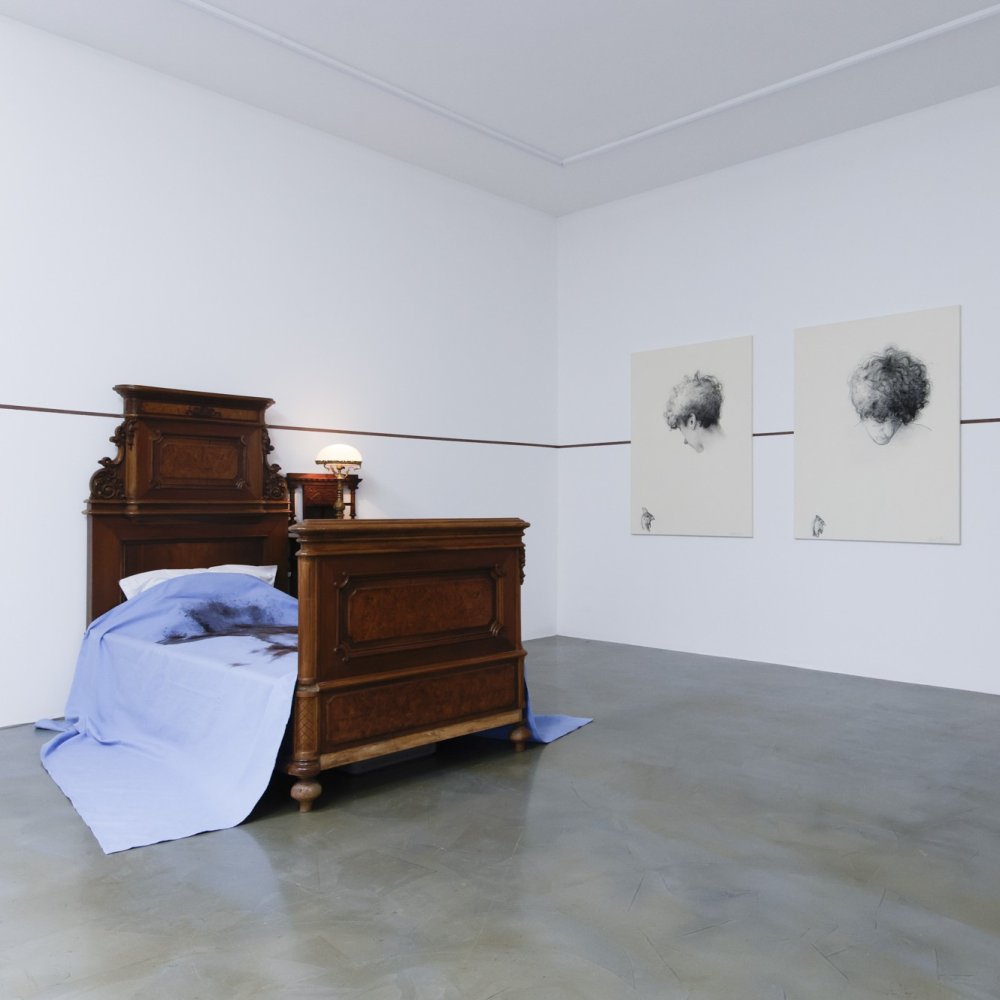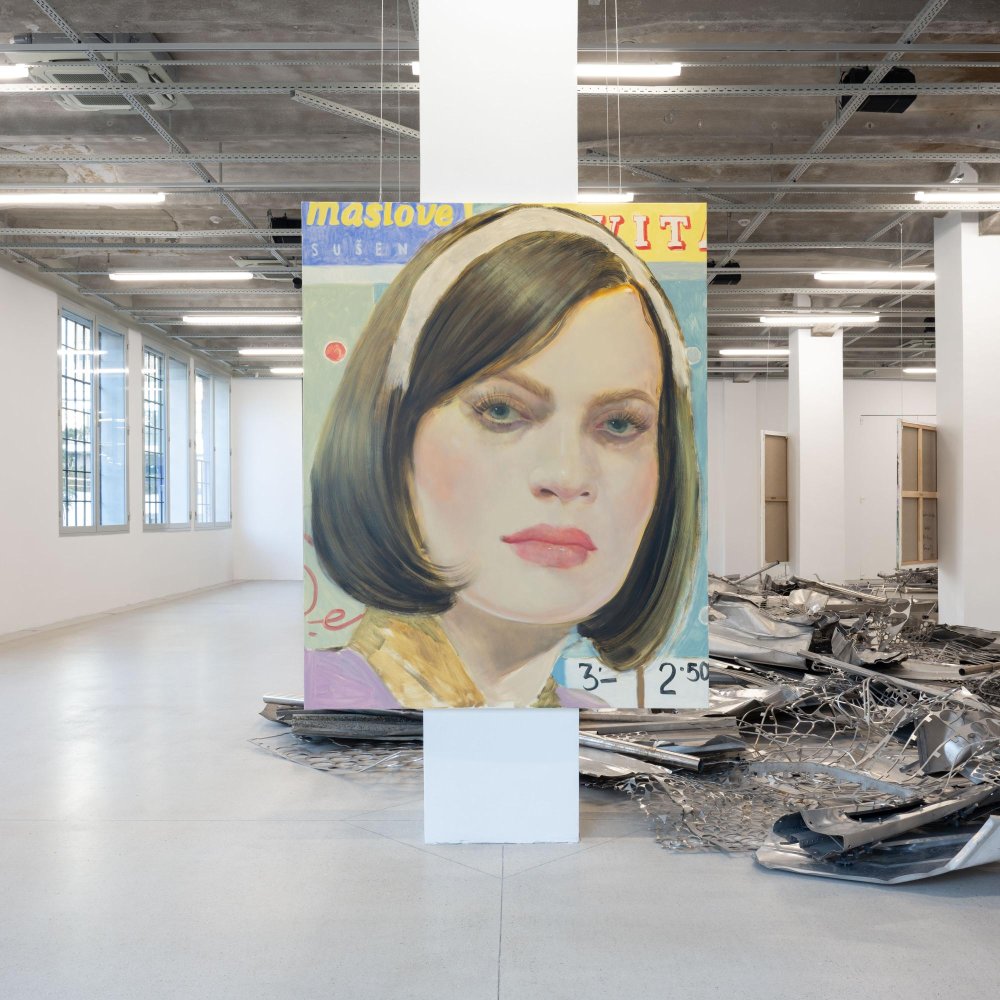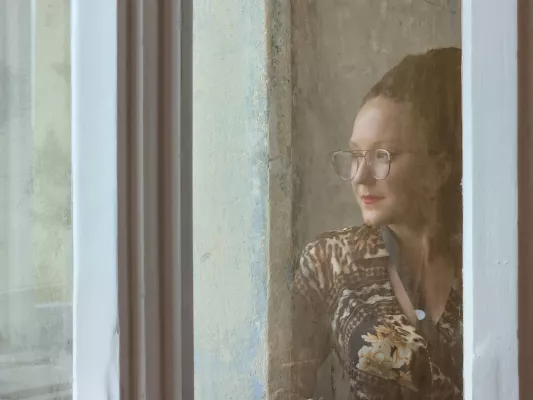
Anna König Vlk (*1992) is currently the director of INDUSTRA ART gallery in Brno, founder and director of König Vlk Gallery, consultant for gallery and exhibition management, independent curator and artist. She studied Visual Arts and Art Education at Masaryk University in Brno. In her artistic work, she focuses on the medium of artistic experimentation within the curatorial platform @art.mindpattern. König Vlk has led and curated dozens of exhibitions of Czech and international artists, including major exhibition projects (MoFU 360/365, Kaunas 2022 - European Capital of Culture). Her most recent artistic realizations include mindpatterns, qr_space, 2024, and the diplomatic cultural residency Artists Without Borders, 2024, Kiev, Lviv (UA). Thanks to the Telegraph Gallery lecture series, you can look forward to her lecture "About collecting and gallery management", in which she will outline her professional experiences in building gallery structures, working with collectors and developing the contemporary art scene.
You are dedicated to the medium of artistic experimentation in your art work as part of the curatorial platorial platform @art.mindpatern. Could you tell us more about this platorm?
art.mindpatern is my long-term art project where I explore how visitors and cultural workers think about contemporary art through the installation of exhibitions. I consider this moment to be crucial, as it is the form of installation that fundamentally influences the process of interpretation and understanding of artworks.
The process of installing an exhibition is completely hidden to the average viewer. While artists and curators go through the entire development from the first proposals to the final realisation, the visitor only encounters the finished result. This severely limits the possibility of understanding. art.mindpatern therefore seeks to make this invisible process more accessible.
Within the project I am creating a scale model of a gallery located directly in the gallery space - a kind of "space within a space". Here the experiment itself takes place: the visitor becomes an active creator, not a passive observer. He works with a pre-prepared set of objects, from which he creates an exhibition through his own installation. Part of the experiment is the verbalisation of thought - visitors describe aloud how they think about the objects, consciously breaking the typical gallery silence.
The resulting installations are documented and archived in the open Instagram database art.mindpatern, which allows for comparative analysis across different professional and cultural contexts. The project thus traces recurring structures of thought and explores the extent to which the way we think about art is determined by professional experience or education.
art.mindpatern straddles the boundaries between artistic experimentation and participatory research. It serves not only as a tool for the viewer's self-discovery, but also as a reflexive apparatus for the instuctions themselves, who through it gain insight into the ways in which the public perceives the gallery space and how they relate to the artworks.
You have been working in the open-call, instuctional model of INDUSTRA ART for a long time, while building your own König Vlk Gallery with a different logic. How do these two worlds complement each other in your work and where do they clash?
I see it as a natural outgrowth of my own needs, which I try to refect in the long term with regard to the audience. It would not make sense to build two typologically identical galleries in one city like Brno. Diversity is for me the key link of the whole work. It allows me to develop different forms of cooperation and formats that fulfil me professionally in the long term.
In the case of König Vlk Gallery, it is primarily about a deeper and long-term cooperation with artists and a more active relationship with the collector and the visitor. In contrast, INDUSTRA ART Gallery operates in an international discourse focused on site-specific projects, the complexity of which often far exceeds my own knowledge and experience and brings valuable insights from third parties. Therefore, I don't see these two worlds as intertwined, but as one interconnected ecosystem that can be drawn from in both directions.
You say you don't like thematization because it puts pressure on artists. Here I personally have to agree with you. So how do you, at König Vlk Gallery, include artists in the exhibition programme that you are willing to stand up for in the long term - even from the perspective of the collectors' market?
There are a number of factors that as a gallerist I have to take into account, but one of the most basic is the diversity of the resulting presentation towards the public. Important to me is the combination of established and emerging artists who have a natural dialogue with each other and whose work often complements each other. Such a connection is an impulse and a benefit for both sides.
In my opinion, an institution cannot function only unilaterally. It should function as an open dialogue. And perhaps that is the key to the question itself. There is always an initial contact, whether with the artist or the artwork, and a subsequent communication that can lead to a long-term collaboration. Behind this, of course, there is a mutual probing as to the development of both the artist and the institution, what the plans and visions are, including the future direction.
The artists with whom I have worked for a long time have a few things in common. First of all, a strong artistic drive, that visible passion. A willingness to push themselves, to work on themselves while experimenting. Experimentation is essential for me, even if it brings with it a certain degree of uncertainty. This naturally leads to working with different media. The gallery does not limit itself exclusively to painting, although this may go against current sales statistics.
From my perspective as a gallerist and collector, quality works do not have an expiration date, nor do they depend on the age of the artist. It is their ability to continually evoke in us a variety of impressions, emotions, questions, or answers across generations that is the most beautiful function of art and culture as a whole.
It is important for you to know the artist as a person and to know how they act. What is it about collaboration that you find unsurpassable?
I would paraphrase this question in another way: what has been considered unsurpassable in art and yet has been repeatedly transcended? For me personally, however, open and transparent communication remains essential. Many fears or doubts do not arise from real conflict, but from ignorance and unnamed expectations.
The problem itself does not represent for me the end of collaboration, but rather a challenge to find alternative, sometimes better solutions.
How do you think the role of the gallery is changing in the age of Instagram, online viewing rooms and digital presentation?
The role of the gallery is basically unchanged. What is changing is the format of accessibility and approaches towards the audience who are the consumers of visual content. This is where the fundamental difference that most institutions face is found: how to engage the viewer in an environment of scrolling ballast, or at least stop the viewer for a few seconds through quality content.
Digital platforms should therefore be seen as tools, not replacements for the physical experience - which, incidentally, was clearly demonstrated during the pandemic. In any case, when has it ever been easier to follow artists' work via Instagram, to browse an exhibition from the comfort of one's home, or to present otherwise highly technological works to an audience than right now?
These forms cannot be turned a blind eye to or left on the sidelines. The key role of the gallery today is not to compete with digital space, but to use it in a meaningful way for the benefit of deeper understanding and a return to physical experience.
Your experience is strongly international, yet you stress the potential of the Czech scene. What do you see as its greatest strength - and what is the biggest obstacle to its visibility today?
It is the international experience that allows for distance and a more accurate reflection of what is happening in the contemporary Czech scene. There is nothing more rewarding than going abroad and observing diverse artistic ecosystems that paradoxically face very similar problems and cultural pain points, especially in today's turbulent and radicalizing times.
The strength of the Czech scene lies in the fact that it is not burdened by massive headhunting of talent, extreme competition or the reduction of artists to easily marketable products. Here, long-term, process-driven development represents one of the key qualities of the practice - a quality that proves more rewarding over time than the final transaction itself.
This principle, however, must not be confused with the persistent mantra that effectively excludes the economic dimension from artistic and cultural practice. It is this dimension that is essential for its long-term sustainability.
What do you think a "good gallery" in the Czech Republic should look like in five years - to be professional, open and sustainable at the same time?
A good gallery should, in my opinion, be above all a stable and legible ecosystem, not just an exhibition space. Operating professionally today means not only a quality program, but also transparency, fair conditions for artists and the ability to plan for the long term. Openness is not manifested by a multitude of accompanying events, but by the ability to have a quality dialogue with the audience.
It is essential to stop seeing the economic aspect as something that stands in opposition to the quality of the programme. On the contrary, it is economic stability that allows the gallery to take risks, to support experimentation and to stand behind the artists it works with in the long term, which I would like the cultural community and the state to understand.
This is why I would like our gallery scene to stand on clear visions and identities, not to try to catch up with foreign models, to be more economically independent and proud of its functioning.
König Vlk Gallery is also a sales platform. Do you see the younger generation's relationship with art changing? Is it ceasing to be a "luxury good" and becoming part of a lifestyle?
This change is mainly due to the communication of institutions and platforms, which are getting closer and closer to the language of society. Gone are the days when a curatorial text resembled a doctorate in art and an institution acted as a cryptic puzzle. Today, audiences can enjoy art without feeling alienated or judged, which also makes it easier to connect with the artists themselves and subsequently decide whether to buy the work.
If you had advice for someone considering buying their first work: where should they start?
Despite the various models of thinking, start with personal experience. Visit exhibitions, meet artists and view their work. When the work speaks to you and you feel inside that you resonate with it in some way, it stirs emotions, questions or new impulses, it will indicate to you that you have made the right choice. This is not just an investment or an object to buy, but the beginning of a relationship with art.
What would you like the collector to understand about the artist's work before they take the work home?
In my opinion, the ideal understanding of an artist's work is gained through a personal encounter with the artist, if possible. It is this moment that allows you to understand how he or she thinks about the work, what is behind its creation and what role the gallery plays in the whole process. It's not just about the finished sales object, but about the context of the work, the relationships and time that go into it.
That's why I created the open programme Friday with the Artist at König Vlk Gallery, which offers a space for informal encounters and discussions between the artist, the public and the gallery directly in the environment of the current exhibition. Everyone should be able to have a look behind the scenes of the work or simply spend time in the gallery as a place of dialogue and social gathering. It is this experience that I think fundamentally transforms the relationship with the work that the collector takes home.
What types of collaborations do you think are most moving artists forward today: fairs, institutes, residencies, or galleries?
Since I am still actively creating, I can say that it depends on what you expect from each collaboration and what stage you are at in your work. You can't generally say that one type should trump the others.
If you want to find new impulses or open yourself up to experimentation, foreign residencies are ideal: their limits and specific conditions can push you outside your comfort zone and offer a new angle on your work. Collaborating with institutions or galleries is an intensive guide for reflecting on the relationship between place - object - audience, and the preparatory process itself is key. The fair then represents an entrusting of one's own work to a larger scale, where it is revealed who we are, where we are going and what role we play on the international scene.
This is a long-term process of complementing each other, for which it is never too late. Each type of collaboration brings different experiences and impulses that enrich each other.
What do you enjoy most about being a gallerist today - and what is the most difficult?
I will always be fascinated by the diversity that the contemporary art world offers and with it the degree of creativity and fexibility that goes with my work. The hardest thing is to remind myself that what I cannot influence, I cannot blame myself for.
What is your immediate goal for König Vlk Gallery?
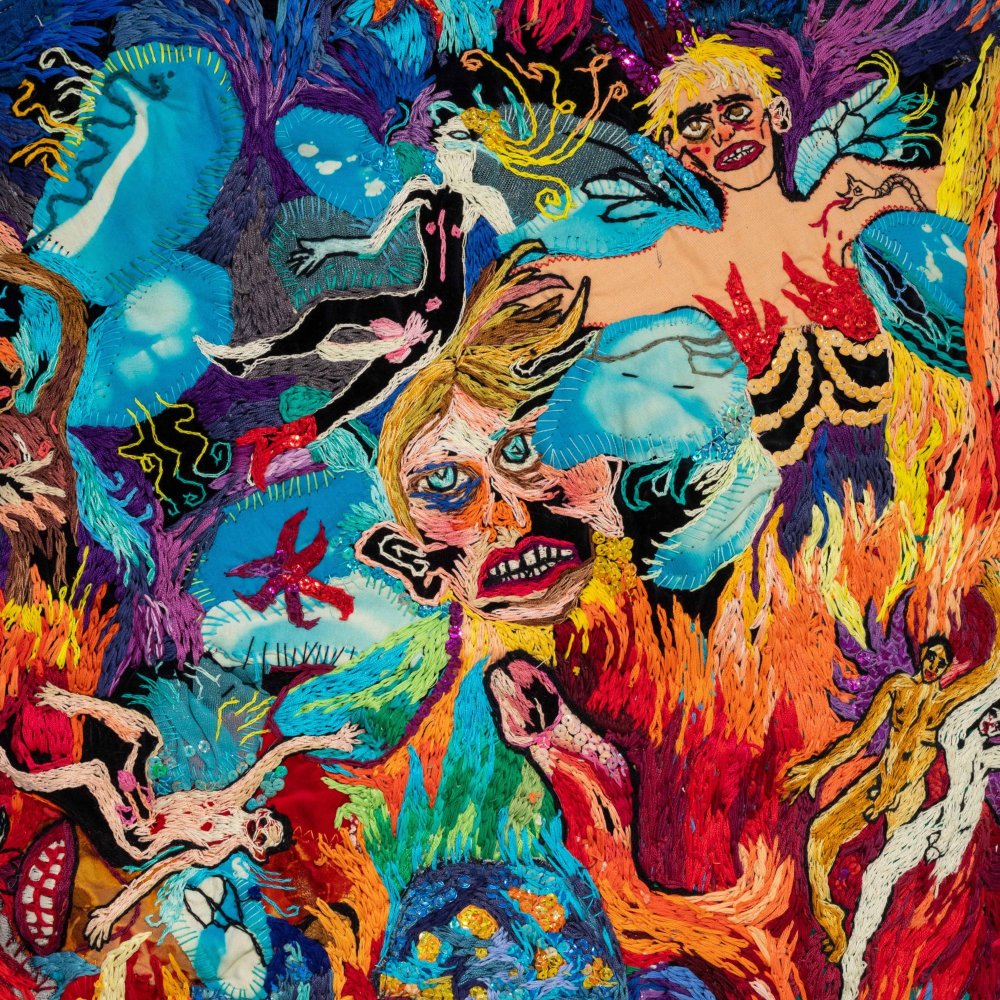
Currently we have the first international fair MCK Art Collect in Katowice, which will take place 27/02 - 01/03 2026 and the opening of this year's new exhibition Transiton of untouchables by Kateřina Št'astná, which will open on 19/02.